GAC GROUP(601238)

Search documents
汽车早报|广汽集团宣布启动华望汽车城市招募计划 特斯拉对工程师团队进行重大重组
Xin Lang Cai Jing· 2025-08-14 00:41
Regulatory Developments - The State Administration for Market Regulation and the Ministry of Industry and Information Technology have drafted a notice to clarify that driving assistance systems cannot be marketed as autonomous driving features, aiming to prevent misleading consumers [1] - Companies are required to strictly manage OTA upgrades and are prohibited from pushing unverified software or concealing defects through OTA [1] Automotive Market Performance - From August 1 to 10, the retail sales of passenger cars in China reached 452,000 units, a 6% increase compared to the previous month, but a 4% decrease year-on-year [1] - Cumulative retail sales for the year reached 13.198 million units, reflecting a 10% year-on-year growth [1] - Wholesale sales during the same period totaled 403,000 units, marking a 16% year-on-year increase but a 3% decrease from the previous month [1] Company Announcements - NIO's chairman Li Bin announced that the G318 Sichuan-Tibet battery swap route will be fully operational soon, with a personal inspection planned for August 15 [1] - GAC Group approved a capital increase of 600 million yuan for GAC Aion to acquire a 71.43% stake in Huawang Automotive [3] - GAC Group launched a city recruitment plan for Huawang Automotive, focusing on 40 cities including Beijing and Shanghai, adhering to a "few dealers, many stores" principle [4] Sales Performance - Dongfeng Nissan reported a 19.4% year-on-year increase in July sales, totaling 52,655 units, with the Nissan brand alone achieving a 27.5% increase [5] - The new Deep Blue L07 model was launched, featuring Huawei's advanced driving technology, with prices ranging from 145,900 to 165,900 yuan [7] International Market Trends - In Vietnam, hybrid vehicle sales surged by 72% year-on-year in July, reaching 7,112 units, marking the highest growth rate among vehicle types [10] Tesla Developments - Tesla's Robotaxi service in Austin is set to open to the public in September, following a limited rollout in June [8] - Following the halt of the Dojo AI project, Tesla has restructured its engineering team, redistributing personnel to various departments focused on software and hardware development [8]



A股头条:两部门征求意见,辅助驾驶不能当自动驾驶!10天7板妖股紧急公告提醒,若股价再涨可能申请停牌核查
Sou Hu Cai Jing· 2025-08-13 23:42
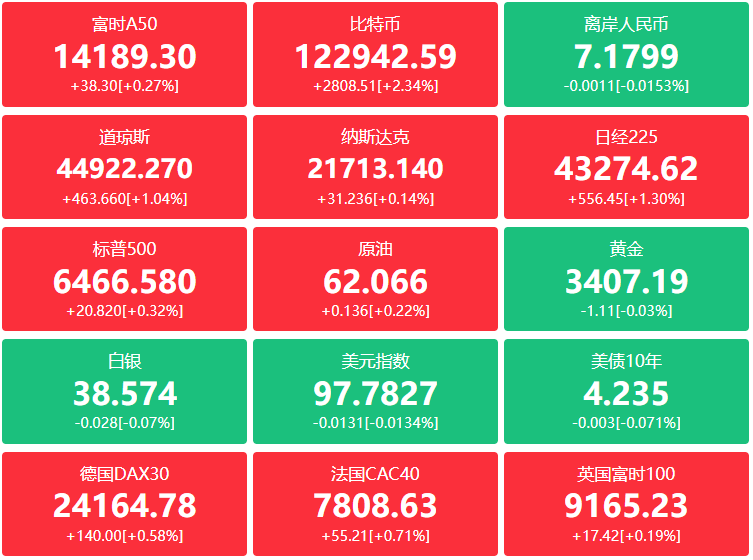
Group 1 - As of the end of July, the broad money supply (M2) in China reached 329.94 trillion yuan, a year-on-year increase of 8.8% [1] - The narrow money supply (M1) was 111.06 trillion yuan, growing by 5.6% year-on-year [1] - The cash in circulation (M0) amounted to 13.28 trillion yuan, with a year-on-year growth of 11.8% [1] - In the first seven months, net cash injection was 465.1 billion yuan, and new RMB loans increased by 12.87 trillion yuan [1] - The social financing scale increased by 23.99 trillion yuan in the first seven months, exceeding the previous year's figure by 5.12 trillion yuan [1] Group 2 - The State Administration for Market Regulation and the Ministry of Industry and Information Technology have issued guidelines to prevent misleading marketing of advanced driver-assistance systems as autonomous driving systems [1] - Companies are required to avoid exaggerating vehicle performance in their advertisements to prevent consumer misuse [1] Group 3 - The National Development and Reform Commission has allocated 188 billion yuan in special long-term bonds to support equipment upgrades across various sectors, impacting approximately 8,400 projects and driving total investment over 1 trillion yuan [2] - Tencent Holdings reported second-quarter revenue of 184.5 billion yuan, a 15% year-on-year increase, with net profit rising 17% to 55.63 billion yuan [2] Group 4 - The International Energy Agency (IEA) forecasts a record oversupply in the global oil market next year, with OECD countries showing resilient oil demand due to lower prices [4] - Global crude processing is expected to reach an all-time high in August, with observable oil inventories hitting a 46-month peak in June [4] Group 5 - The U.S. stock market saw significant gains, with the Dow Jones and S&P 500 reaching new historical highs, driven by expectations of interest rate cuts by the Federal Reserve [5] - The Nasdaq China Golden Dragon Index rose by 2.08%, with notable increases in shares of companies like Niu Technologies and Pony.ai [5]




华望汽车启动城市招募计划,理想i8挑战交付1万辆丨汽车早参
Mei Ri Jing Ji Xin Wen· 2025-08-13 23:09
Group 1 - Li Auto aims to deliver over 8,000 units of the Li i8 in September, challenging the target of 10,000 units, showcasing the company's ability to rapidly adjust its supply chain, production, and sales processes [1] - The announcement reflects the new energy vehicle industry's competitive landscape and may lead to a reassessment of market dynamics if the delivery target is achieved, reinforcing investor expectations regarding Li Auto's organizational efficiency [1] Group 2 - GAC Group has launched the Huawang Automotive city recruitment plan, prioritizing 40 cities including Shanghai, Nanjing, Beijing, Tianjin, Guangzhou, and Chengdu, indicating a strategic move in the smart electric vehicle sector [2] - The "1+N" channel model, which includes a user center and multiple experience centers, signifies a deep collaboration between GAC and Huawei, potentially enhancing GAC's positioning in the new energy vehicle market [2] Group 3 - Tesla's Robotaxi service in Austin is set to open to the public in September, marking a significant step in the commercialization of autonomous driving technology [3] - This development may strengthen market perceptions of Tesla's technological leadership and validate the commercial prospects of its Full Self-Driving (FSD) system, prompting a reevaluation of the smart mobility industry's value chain [3] Group 4 - Porsche has revised its adjusted net profit forecast for 2025 to between €1.6 billion and €3.6 billion, down from a previous estimate of €2.4 billion to €4.4 billion, reflecting structural challenges in the luxury car market [4] - This adjustment may lead investors to reassess the profitability of European luxury automotive brands, especially in light of Volkswagen Group's concurrent earnings outlook downgrade [4]
特朗普:若“特普会”顺利,美俄乌将三方会晤;官方征求意见:辅助驾驶不能当自动驾驶;大消息!六大行齐出手;“淘宝第一个程序员”离职丨每经早参
Mei Ri Jing Ji Xin Wen· 2025-08-13 21:49
Group 1 - The U.S. stock market saw all three major indices rise, with the Dow Jones up 1.04%, S&P 500 up 0.32%, and Nasdaq up 0.14%, with Nasdaq and S&P 500 reaching new historical highs [4] - Tencent reported a second-quarter revenue of 184.5 billion yuan, a 15% year-on-year increase, and a net profit of 55.6 billion yuan, up 17% year-on-year [17] - The total box office for the summer film season in 2025 surpassed 9 billion yuan, with top films including "Nanjing Photo Studio" and "Langlang Mountain Little Monster" [10] Group 2 - The People's Bank of China reported that as of the end of July, the broad money (M2) balance was 329.94 trillion yuan, a year-on-year increase of 8.8% [8] - The National Development and Reform Commission announced that 188 billion yuan in special bonds for equipment upgrades have been allocated, supporting approximately 8,400 projects across various sectors [9] - The Ministry of Finance and the People's Bank of China jointly released a personal consumption loan subsidy policy, which has been quickly adopted by major state-owned banks [15][16] Group 3 - The international gold futures rose by 0.24%, closing at $3,407.00 per ounce, while silver futures increased by 1.44%, closing at $38.55 per ounce [5] - International oil prices fell, with WTI crude oil down 0.68% to $62.74 per barrel and Brent crude down 0.54% to $65.76 per barrel [6] - European stock indices closed higher, with Germany's DAX up 0.67%, France's CAC40 up 0.66%, and the UK's FTSE 100 up 0.19% [7] Group 4 - GAC Group announced plans to invest 600 million yuan in Huawang Automotive, increasing its stake to 71.43% [19] - Wahaha is investing 1 billion yuan in a new beverage production base in Xi'an, expanding its market presence in the western region [20] - Didi Chuxing confirmed its investment in the autonomous vehicle company "New Stone", which has deployed over 7,500 autonomous vehicles globally [22] Group 5 - Minsheng Insurance increased its stake in Zheshang Bank to 5%, triggering a mandatory disclosure [25][26] - DeepSeek denied rumors regarding the release of its new model DeepSeek R2, clarifying that the information was not accurate [21] - The collaboration between DeepOpen and Arm to establish the OpenHarmony Arm SIG is expected to enhance chip support for the open-source Harmony ecosystem [24]



业内独家透露:华望汽车制造业务或将落地广汽埃安智能生态工厂
Zhong Guo Ji Jin Bao· 2025-08-13 21:24
Core Insights - GAC Group announced a capital increase of 600 million yuan to Huawang Automotive, confirming market rumors about Huawang's manufacturing operations potentially being located at GAC Aion's smart eco-factory [2][3][5] - Huawang Automotive is a key collaboration between GAC Group and Huawei, aimed at enhancing smart manufacturing capabilities and accelerating production without the need for new factory construction [8][9] Group 1: Investment and Ownership Structure - After the capital increase, GAC Group will hold 71.43% of Huawang Automotive directly, while GAC Aion will hold 28.57% indirectly [3] - The investment is part of GAC Group's broader strategy to implement the "Panyu Action" reform, which aims to reshape the company into a "new GAC" [10] Group 2: Manufacturing and Technology - Huawang Automotive is developing two new models, F03 and F05, with manufacturing expected to take place at GAC Aion's facility, which has been recognized as a "lighthouse factory" in the global electric vehicle sector [5][8] - The smart eco-factory has improved production efficiency by 50% and reduced manufacturing costs by 58%, producing a vehicle every 53 seconds [8] Group 3: Strategic Goals and Market Positioning - The collaboration aims to leverage GAC's manufacturing expertise and Huawei's technology to target the high-end smart electric vehicle market [12] - Huawang Automotive's first model is set to launch in 2026, featuring Huawei's intelligent driving software and targeting the 300,000 yuan electric vehicle segment [13]
广汽集团将向华望汽车增资6亿元,首款车型将于明年面世
Ju Chao Zi Xun· 2025-08-13 15:00
Core Viewpoint - GAC Group has approved an investment of 600 million yuan in Huawang Automotive, increasing its stake to 71.43% directly and 28.57% indirectly through GAC Aion [2] Group 1: Investment and Ownership - GAC Aion will increase its investment in Huawang Automotive to 600 million yuan, resulting in a direct ownership of 71.43% [2] - Following this investment, GAC Aion will hold an indirect stake of 28.57% in Huawang Automotive [2] Group 2: Strategic Partnerships - In January, GAC Group announced the establishment of a new company for the GH project in collaboration with Huawei, focusing on product definition, marketing, and ecosystem services [2] - GAC Group invested 1.5 billion yuan in March to establish Huawang Automotive as a strategic partner with Huawei, aiming to create a new high-end automotive brand targeting the 300,000 yuan market [2] Group 3: Product Development - The first model from the new brand is expected to launch in 2026, utilizing Huawei's integrated product development and marketing systems [2] - GAC Group is actively promoting collaborations with Huawei, with several products already featuring Huawei's intelligent driving software and smart cockpit solutions [2] - The new MPV series, Changqi Xiangwang M8, was launched in April, and the upcoming Xiangwang S9 will also incorporate Huawei's intelligent driving and HarmonyOS cockpit systems [2]
独家!华望,大消息
Zhong Guo Ji Jin Bao· 2025-08-13 14:16
Core Viewpoint - GAC Group's subsidiary, GAC Aion, plans to invest 600 million yuan in Huawei's automotive venture, Huawang Automotive, confirming market rumors about Huawang's manufacturing operations being established at GAC Aion's smart eco-factory [2][4]. Investment and Corporate Structure - GAC Aion's investment will result in GAC Group holding 71.43% of Huawang Automotive directly and 28.57% indirectly through GAC Aion [2]. - The investment aligns with GAC Group's strategy to deepen collaboration with Huawei and is part of the "Panyu Action" reform initiative aimed at reinventing GAC [10][11]. Manufacturing and Production Efficiency - Huawang Automotive is developing two models, F03 and F05, with manufacturing operations likely to be located at GAC Aion's facility in Guangzhou [4]. - GAC Aion's smart eco-factory has been recognized as a "lighthouse factory" by the World Economic Forum and McKinsey, boasting a 50% increase in production efficiency and a 58% reduction in manufacturing costs [8][7]. - The factory can produce a vehicle every 53 seconds, enhancing capacity utilization and reducing capital expenditure for Huawang Automotive [8]. Strategic Partnerships and Market Positioning - Huawang Automotive aims to integrate GAC's manufacturing capabilities with Huawei's smart technology, targeting the high-end smart electric vehicle market [11]. - GAC Group has been actively promoting Huawang Automotive, including a recent recruitment initiative that attracted over 120 dealers across 40 key cities [12]. - The first model from Huawang Automotive is expected to launch in 2026, featuring Huawei's intelligent driving software and targeting the 300,000 yuan electric vehicle segment [12].

华望,大消息
Zhong Guo Ji Jin Bao· 2025-08-13 14:15
Core Viewpoint - GAC Group announced a capital increase of 600 million yuan to its subsidiary GAC Aion New Energy Co., Ltd. for investment in Huawei's key automotive technology venture, Huawang Automotive [1][3][12] Group 1: Investment and Ownership Structure - After the capital increase, GAC Group will hold 71.43% of Huawang Automotive directly and 28.57% indirectly through GAC Aion [3] - This move confirms market rumors regarding Huawang Automotive's manufacturing operations potentially being located at GAC Aion's smart eco-factory [6][12] Group 2: Manufacturing and Technological Integration - Huawang Automotive is developing two new models, F03 and F05, which will be manufactured at GAC Aion's facility in Guangzhou [8] - GAC Aion's smart eco-factory has been recognized as a "lighthouse factory" by the World Economic Forum and McKinsey, capable of producing over 100,000 personalized options [12] - The factory's production efficiency has improved by 50%, and manufacturing costs have decreased by 58%, with a vehicle being completed every 53 seconds [12] Group 3: Strategic Collaboration and Market Positioning - The partnership aims to leverage GAC's manufacturing capabilities and Huawei's smart technology to target the high-end smart electric vehicle market [18] - GAC Group is implementing the "Panyu Action" reform, which includes the establishment of Huawang Automotive with an initial investment of 1.5 billion yuan [14][16] - Huawang Automotive has initiated a city recruitment plan and attracted over 120 dealers in its first round, covering 40 key cities [19] Group 4: Future Product Launch - The first model from Huawang Automotive is expected to launch in 2026, featuring Huawei's intelligent driving software and smart cockpit solutions, targeting the 300,000 yuan electric vehicle market [20]
独家!华望,大消息
中国基金报· 2025-08-13 14:09
Core Viewpoint - GAC Group's subsidiary, GAC Aion, plans to invest 600 million yuan in Huawei-backed Huawang Automotive, confirming market rumors about Huawang's manufacturing operations potentially being located at GAC Aion's smart eco-factory [2][4][6]. Group 1: Investment and Ownership Structure - GAC Aion will increase its stake in Huawang Automotive to 71.43% directly and 28.57% indirectly through GAC Group after the investment [4]. - The investment is part of GAC Group's broader strategy to enhance its collaboration with Huawei and implement the "Panyu Action" reform [11][15]. Group 2: Manufacturing and Production Efficiency - Huawang Automotive is developing two models, F03 and F05, with manufacturing operations likely to be based at GAC Aion's facility in Guangzhou [6][9]. - GAC Aion's smart eco-factory has been recognized as a "lighthouse factory" by the World Economic Forum and McKinsey, boasting a 50% increase in production efficiency and a 58% reduction in manufacturing costs [9]. - The factory can produce a vehicle every 53 seconds, allowing Huawang to leverage GAC Aion's existing infrastructure for rapid production without the need for new facilities [9]. Group 3: Market Positioning and Future Plans - Huawang Automotive aims to combine GAC's manufacturing capabilities with Huawei's smart technology to target the high-end smart electric vehicle market [17][18]. - The first model from Huawang is expected to launch in 2026, featuring Huawei's intelligent driving software and targeting the 300,000 yuan electric vehicle segment [19][22].
8月14日上市公司重要公告集锦:哈铁科技上半年净利润同比增长55.61% 拟10派0.3元
Zheng Quan Ri Bao· 2025-08-13 13:40
重要公告: 哈铁科技:上半年净利润同比增长55.61%拟10派0.3元 哈投股份:上半年净利润3.8亿元同比增长233.08% 广汽集团:广汽埃安拟6亿元增资华望汽车 腾达科技:上半年净利润3932.83万元同比下降1.57% 宝丽迪:上半年净利润6381.46万元同比增长15.19% 沪市重要公告 光格科技:股东叶玄羲拟减持公司不超2%股份 光格科技(688450)公告,公司持股9.27%的股东叶玄羲拟通过大宗交易方式,减持公司股份不超过 132万股,不超过公司股份总数的2%。 哈铁科技:上半年净利润同比增长55.61%拟10派0.3元 哈铁科技(688459)发布2025年半年报,上半年实现营业收入3.35亿元,同比增长22.54%;归母净利润 3349.65万元,同比增长55.61%。公司拟每10股派发现金红利0.3元(含税)。 屹唐股份:起诉应用材料公司侵犯商业秘密 屹唐股份(688729)公告,公司认为应用材料公司(APPLIEDMATERIALS,INC.)非法获取并使用了 公司的等离子体源及晶圆表面处理相关的核心技术秘密,并在中国境内以申请专利的方式披露了该技术 秘密,且将该专利申请权据为己有, ...