GWMOTOR(601633)

Search documents
港股新能源车企概念股盘初涨跌互现,长城汽车、小米集团双双涨超1%
Mei Ri Jing Ji Xin Wen· 2025-11-10 01:49
Core Viewpoint - The Hong Kong stock market for new energy vehicle companies showed mixed performance, with some stocks rising while others fell [1] Group 1: Stock Performance - Longhua Automobile and Xiaomi Group both saw their stocks rise by over 1% [1] - Xpeng Motors experienced a decline of over 3% [1] - NIO Inc. also faced a drop, falling by over 1% [1]


俄罗斯大幅加税,中国汽车出口骤降58%
Mei Ri Jing Ji Xin Wen· 2025-11-10 00:41
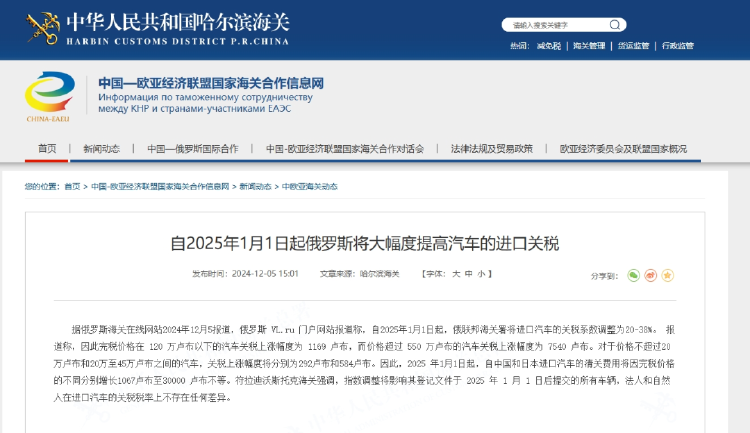
Core Viewpoint - The export of Chinese automobiles to Russia has significantly declined, with a 58% drop in the first nine months of 2025 compared to the previous year, as new taxes and changing market dynamics impact the industry [3][5][7]. Group 1: Market Dynamics - In the first nine months of 2023, China exported 5.71 million vehicles, a year-on-year increase of 21%, with Mexico becoming the largest export destination, followed by the UAE and Russia [1][3]. - Russia, which was previously the largest market for Chinese automobile exports, has now fallen to third place, with exports dropping to 357,700 units in 2025 [3][7]. - The shift in export destinations indicates a significant change in the landscape of Chinese automobile exports, moving away from reliance on the Russian market [3][7]. Group 2: Tax and Regulatory Impact - Starting October 1, 2024, the scrap tax for new imported vehicles in Russia will increase by 70% to 85%, particularly affecting used cars with engine sizes between 2 to 3 liters and over three years old, where the tax will rise from 1.3 million rubles (approximately 114,000 RMB) to 2.37 million rubles (approximately 208,000 RMB) [5][7]. - Additionally, from January 1, 2025, import tariffs on vehicles will be adjusted to 20% to 38%, leading to increased clearance costs for Chinese automobiles [5][7]. Group 3: Industry Challenges - The Russian economy is experiencing structural decline, with high inflation rates of 10% and a long-term benchmark interest rate of 21%, leading to increased car loan rates and reduced purchasing power [7][10]. - Chinese brands are facing declining sales in Russia, with significant drops reported for brands like Haval and Geely, which saw year-on-year declines of 15.5% and 39.3%, respectively [7][10]. - The closure of 274 car dealerships in Russia, with 78% being Chinese brands, highlights the challenges faced by Chinese automobile exporters in maintaining market presence [7][10]. Group 4: Strategic Shifts - Chinese automobile manufacturers are shifting from a focus on quick profits to establishing a long-term presence in the Russian market, emphasizing local production and service [13][14]. - Companies like Great Wall Motors are adopting a localized assembly model, achieving over 65% localization to mitigate high import taxes and benefit from local subsidies [14][15]. - Experts suggest that to succeed in the Russian market, Chinese manufacturers must enhance local production, improve after-sales service, and reshape their brand image to counter negative perceptions [14][15].


长城汽车申请一种模式的切换方法等专利,实现扭矩平缓降低
Jin Rong Jie· 2025-11-10 00:30
Group 1 - The core point of the article is that Great Wall Motors Co., Ltd. has applied for a patent related to a method for switching driving modes in hybrid vehicles, which aims to improve the control of engine torque during the transition between series and direct drive modes [1] Group 2 - Great Wall Motors was established in 2001 and is located in Baoding City, primarily engaged in the automotive manufacturing industry [2] - The company has a registered capital of approximately 855.89 million RMB [2] - Great Wall Motors has invested in 75 enterprises and participated in 2,731 bidding projects, with 5,000 trademark and patent information entries, as well as 640 administrative licenses [2]
俄罗斯大幅加税 中国汽车出口骤降58%!1辆净赚几万已成过去
Mei Ri Jing Ji Xin Wen· 2025-11-09 23:25
Core Viewpoint - The export of Chinese automobiles to the Russian market is facing significant challenges, with a notable decline in sales and increasing operational costs due to new taxes and changing consumer sentiment [1][4][11]. Group 1: Export Trends - In the first nine months of 2025, China's automobile exports to Russia fell to 357,700 units, a decrease of 58% year-on-year, marking a significant shift in export dynamics [4]. - Russia has dropped from being the largest export destination for Chinese automobiles to the third position, with Mexico and the UAE now leading [4][11]. - The overall export volume of Chinese automobiles reached 5.71 million units in the first nine months of the year, reflecting a 21% increase, but the focus has shifted away from Russia [1][4]. Group 2: Market Challenges - The introduction of new taxes, including a 70% to 85% increase in the scrappage tax for imported vehicles, has severely impacted the profitability of exporting to Russia [9][11]. - The economic situation in Russia, characterized by high inflation (10%) and a fluctuating ruble, has led to decreased purchasing power and rising costs for consumers [11]. - The interest in foreign brands returning to the Russian market has caused potential buyers to adopt a wait-and-see approach, further dampening demand for Chinese vehicles [15] . Group 3: Industry Response - Chinese automobile manufacturers are shifting strategies from quick profits to establishing a long-term presence in the Russian market, focusing on local production and service [20][21]. - Companies like Great Wall Motors are already implementing localized production strategies, achieving a localization rate of over 65% to mitigate import tax impacts [20]. - Industry leaders emphasize the need for improved after-sales service and brand perception to counteract negative stereotypes about quality [21].

俄罗斯大幅加税,中国汽车出口骤降58%!1辆净赚几万已成过去
Mei Ri Jing Ji Xin Wen· 2025-11-09 22:27
Core Insights - The export of Chinese automobiles to Russia has significantly declined, with a 58% drop in the first nine months of 2025 compared to the previous year, marking a shift in the export landscape where Mexico has overtaken Russia as the top destination for Chinese car exports [4][9][10] - The increase in scrapping taxes and changing economic conditions in Russia have created a challenging environment for Chinese car exporters, leading to a reevaluation of their strategies in the market [3][7][9][10] Export Trends - In the first nine months of 2025, China exported 35.77 million vehicles to Russia, a significant decrease from previous years when Russia was the largest market for Chinese car exports [4][9] - Mexico has become the largest destination for Chinese car exports, with 41.07 million vehicles, followed by the UAE with 36.78 million [4][9] Market Challenges - The scrapping tax for imported vehicles in Russia has increased by 70% to 85%, significantly impacting the cost structure for Chinese exporters [7][9] - Economic factors such as high inflation, increased interest rates, and a depreciating ruble have further suppressed demand for automobiles in Russia [9][10] Industry Response - Many Chinese car manufacturers are reducing their operations in Russia, with some companies halting exports entirely due to the unfavorable market conditions [10][11] - There is a growing recognition among Chinese car manufacturers that a long-term strategy focusing on localization and building a robust after-sales service network is essential for success in the Russian market [19][20] Future Strategies - Chinese automotive companies are shifting from a quick profit model to a more sustainable approach, emphasizing local production and service capabilities [19][20] - Recommendations for success in the Russian market include increasing local production rates, enhancing product development for extreme weather conditions, and improving after-sales service coverage [20]
10月国内新能源乘用车零售增速17%
Dong Zheng Qi Huo· 2025-11-09 14:13
1. Report Industry Investment Rating No relevant content provided. 2. Core Views of the Report - The penetration rate of the Chinese new energy vehicle market exceeded 30% in 2023 and 50% since 2024. In 2025, high - competitiveness new car products are continuously launched, and the call for "anti - involution" is growing louder [4][121]. - In the overseas market, severe trade protectionism in Europe and the United States brings volatility risks to exports. Attention should be paid to new growth points such as countries along the Belt and Road and the Middle East [4][121]. - In terms of the competitive landscape, the market share of domestic brands continues to expand. Companies with strong product strength, smooth overseas expansion, and stable supply should be focused on [4][121]. 3. Summary According to Relevant Catalogs 3.1 Financial Market Tracking - The weekly price - to - earnings ratios and price - to - book ratios of related sectors and listed companies are presented in the report, including the closing prices and weekly price changes of companies such as BYD, Seres, and Great Wall Motor [14][17]. 3.2 Industrial Chain Data Tracking 3.2.1 China New Energy Vehicle Market Tracking - **China Market Sales and Exports**: Data on China's new energy vehicle sales, penetration rate, domestic sales, and exports are provided, as well as sales data for electric vehicles (EV) and plug - in hybrid vehicles (PHV) [18][20][26]. - **China Market Inventory Changes**: Information on the monthly new additions to new energy passenger vehicle channel inventory and manufacturer inventory is given [27][28]. - **China New Energy Vehicle Manufacturer Deliveries**: Monthly delivery data for new energy vehicle manufacturers such as Leapmotor, Li Auto, XPeng, and NIO are presented [31][32][35]. 3.2.2 Global and Overseas New Energy Vehicle Market Tracking - **Global Market**: Data on global new energy vehicle sales, penetration rate, and sales of EV and PHV are provided [41][42][44]. - **European Market**: Information on European new energy vehicle sales, penetration rate, and sales of EV and PHV in countries like the UK, Germany, and France are presented [45][46][51]. - **North American Market**: Data on North American new energy vehicle sales, penetration rate, and sales of EV and PHV are provided [58][59][60]. - **Other Regions**: Information on new energy vehicle sales, penetration rate, and sales of EV and PHV in regions such as Japan, South Korea, and Thailand are presented [61][62][65]. 3.2.3 Power Battery Industrial Chain - Data on power battery installation volume (by material), export volume (by material), weekly average price of battery cells, and material costs are provided. Information on the production start - up rates and prices of ternary materials, ternary precursors, lithium iron phosphate, and other materials are also included [78][80][85]. 3.2.4 Other Upstream Raw Materials - Data on the daily prices of rubber, glass, steel, and aluminum are presented [101][102][103]. 3.3 Hot News Summaries 3.3.1 China: Policy Dynamics - The State Council Information Office released the white paper "China's Actions for Carbon Peak and Carbon Neutrality", highlighting China's achievements in green and low - carbon transformation and the promotion of new energy vehicles [108]. 3.3.2 China: Industry Dynamics - According to the Passenger Car Association, from October 1 - 31, new energy vehicle retail sales increased by 17% year - on - year, and cumulative retail sales since the beginning of the year increased by 23%. The estimated wholesale growth rate of new energy vehicles in October was 16% [110][112]. 3.3.3 China: Enterprise Dynamics - Seres was listed on the main board of the Hong Kong Stock Exchange on November 5, becoming the first luxury new energy vehicle company with "A + H shares". The Aian UT Super 1 car jointly built by JD.com, GAC, and CATL was officially launched [113][114]. 3.3.4 Overseas: Policy Dynamics - The EU Council reached an agreement on the 2040 climate target, aiming to reduce net greenhouse gas emissions by 90% compared to 1990 by 2040 [115]. 3.3.5 Overseas: Industry Dynamics - In the UK, passenger car sales in September increased by 13.7%, with pure - electric and plug - in hybrid electric vehicles increasing by 29.1% and 56.4% respectively. In the US, car sales in October decreased by 5.1% year - on - year, and the new energy vehicle market was in trouble due to the expiration of tax credits [117][118]. 3.4 Industry Views - In the domestic market, in October, new energy passenger vehicle retail sales were 1.4 million, a year - on - year increase of 17% and a month - on - month increase of 8%. From January to October, cumulative retail sales were 10.27 million, a year - on - year increase of 23%. In October, new energy passenger vehicle wholesale was 1.614 million, a year - on - year increase of 16% and a month - on - month increase of 8%. From January to October, cumulative wholesale was 12.061 million, a year - on - year increase of 30%. The new energy retail penetration rate in October was 58.7%, and the wholesale penetration rate was 55.2% [2][119]. - Globally, from January to September, new energy vehicle sales increased by 30% year - on - year to 15.42 million. In the European market, cumulative sales were 2.78 million, a year - on - year increase of 28%; in the North American market, cumulative sales were 1.42 million, a year - on - year increase of 10%; in other regions, cumulative sales were 0.77 million, a year - on - year increase of 54%. The UK reached a new high in September, mainly due to the government's electric vehicle subsidy policy [2][119]. - In the US, new energy vehicle sales and penetration rates reached consecutive record highs in August and September, mainly because the federal electric vehicle tax credit ($7,500) expired on September 30. In October, car sales decreased by 5.1% year - on - year, Ford's electric vehicle sales decreased by 24.8% year - on - year, and Tesla's sales decreased by 30.4% year - on - year in October after a growth in September. Tesla launched low - cost versions of Model Y and Model 3 in October, and the market reaction remains to be seen [3][120]. 3.5 Investment Suggestions - Focus on the new energy vehicle industry in China, pay attention to new growth points in overseas markets such as countries along the Belt and Road and the Middle East, and select companies with strong product strength, smooth overseas expansion, and stable supply [4][121].





魏建军为什么要卖力讨好年轻人
Jing Ji Guan Cha Wang· 2025-11-09 11:44
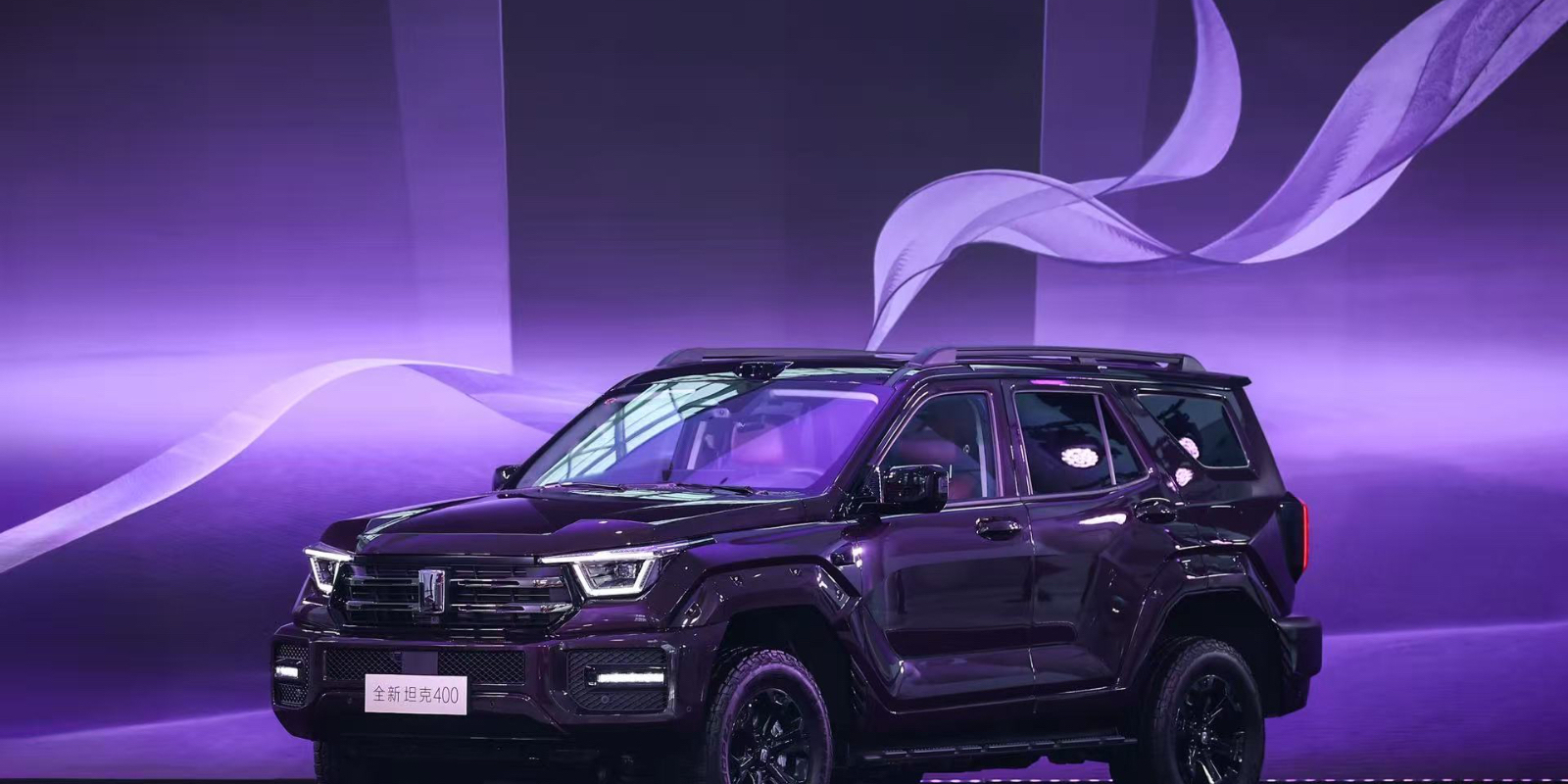
Core Insights - The chairman of Great Wall Motors, Wei Jianjun, is actively engaging with younger consumers through innovative marketing strategies, including live streaming and collaborations with esports players [2][3][4] - The new Tank 400 model is positioned as a trendy and cool vehicle for young people, featuring a unique design and advanced technology aimed at enhancing user experience [3][4][6] - Wei Jianjun's efforts are part of a broader strategy to reshape the Tank brand and the overall image of Great Wall Motors, emphasizing a shift towards a more youthful and dynamic corporate identity [3][4][6] Marketing Strategy - Wei Jianjun's participation in live streaming events and his use of relatable language aim to connect with younger audiences and convey that Great Wall Motors understands their needs [3][4] - The Tank 400's launch event featured a vibrant purple theme, contrasting with traditional off-road vehicle colors, to appeal to a younger demographic [2][3] Product Features - The Tank 400 incorporates original mech aesthetics, advanced driving assistance systems, and comfort features such as Nappa leather seats, catering to the modern consumer's desire for both utility and luxury [3][4] - The vehicle is designed to meet the dual demands of urban commuting and weekend off-roading, reflecting the changing preferences of new-generation consumers [3][4] Brand Positioning - The Tank brand has accumulated around 800,000 users, with over 30% being female, indicating a shift towards a younger and more diverse customer base [2] - Wei Jianjun's personal brand and public persona are seen as key drivers in the effort to modernize the company's image and appeal to younger consumers [3][4][6] Competitive Landscape - The Tank brand is at a critical juncture, facing competition from both traditional off-road vehicles and emerging players like BYD's Fangchengbao, necessitating a strong brand identity and emotional connection with consumers [6]
长城欧拉5将于11月12日开启预售,定位紧凑型SUV;小鹏汽车:全系具备增程配置开发能力,按市场需求推出丨汽车交通日报
创业邦· 2025-11-09 10:09
Group 1 - Chongqing has made significant progress in the large-scale application of Vehicle-to-Grid (V2G) technology, with 209 bidirectional charging and discharging stations established this year, cumulatively discharging 405,200 kWh to the grid [2] - Xiaopeng Motors has the capability to develop range-extended configurations across its entire lineup, with the decision to adopt such systems depending on market demand and vehicle models; the range-extended version of the X9 model has started pre-sales at a starting price of 350,000 yuan [2] - Uxin's second-hand car storage and sales center in Wuhan has officially opened, being the largest single second-hand car market in Central China, capable of showcasing 5,000 vehicles simultaneously [2] Group 2 - Ora's new pure electric SUV, the Ora 5, will begin pre-sales on November 12, featuring a retro design, smart driving assistance, and a maximum power output of 150 kW from its drive motor, along with a lithium iron phosphate battery produced by Honeycomb Energy [2]


南非年轻人青睐中国车
Xin Hua She· 2025-11-08 22:07
Core Insights - Chinese automotive brands are rapidly gaining popularity in South Africa, with increasing market presence and consumer preference, particularly among the youth [1][2][3] Group 1: Market Trends - South African cities are witnessing a surge in the presence of Chinese automotive brands such as Haval, Chery, BYD, and BAIC, with dealerships emerging rapidly [1] - In September, new car sales in South Africa continued to grow, with Chery and Great Wall Motors ranking 4th and 6th respectively in sales [2] - Chinese brands are reshaping consumer perceptions in South Africa, meeting demands for price, design, and technology [2] Group 2: Consumer Preferences - Young South African consumers are increasingly favoring Chinese brands, with Chery being one of the top ten brands financed by young buyers [2] - The Chery Jetour X70 Plus, launched in September last year, is noted for its high cost-performance ratio and reliability, appealing to local drivers [2] Group 3: Economic Impact - Chinese automotive companies are contributing to local employment and industry development by investing in manufacturing plants, such as BAIC's facility in Port Elizabeth, which has created over 3,000 jobs [3] - The unique technological features of Chinese vehicles, even in entry-level models, are highlighted as a significant factor in their growing popularity [3]
助力全球绿色出行,长城汽车成为COP30官方合作伙伴
Zhong Guo Qing Nian Bao· 2025-11-08 15:23
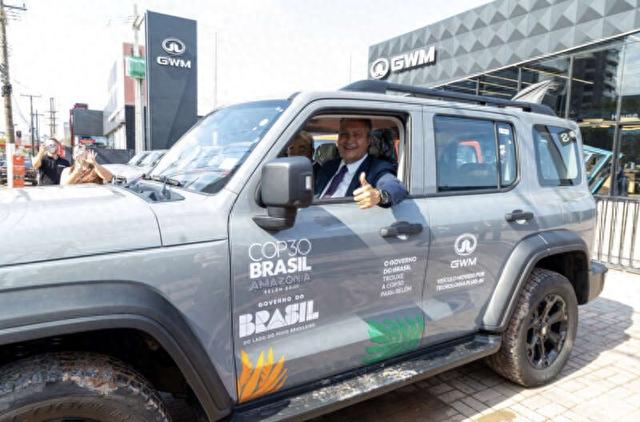
Core Points - Great Wall Motors has been selected as an official partner for the 30th Conference of the Parties (COP30) to the United Nations Framework Convention on Climate Change, sponsoring 100 new energy commuter vehicles and supporting Brazil's first green hydrogen vessel project [2] - This recognition reflects the UN's acknowledgment of Great Wall Motors' efforts in new energy transition, hydrogen technology research, and global environmental practices [2] - The partnership is expected to enhance Great Wall Motors' brand credibility in global markets, particularly in regions with stringent environmental standards [2] Company Initiatives - Great Wall Motors has already implemented green technologies in the Brazilian market, with the "New Long March 1" hydrogen heavy truck entering Brazil in August, marking it as the first hydrogen heavy truck in the region [2] - The company has also delivered China's first mobile hydrogen power generation unit for marine use to Brazilian clients, supporting zero-emission power for climate research in the Amazon rainforest [2] - These initiatives exemplify Great Wall Motors' "ecological going out" strategy and address Brazil's needs for green transportation and energy transition, fostering clean energy cooperation between China and Brazil [2] Strategic Implications - By sponsoring COP30, Great Wall Motors is promoting China's green transportation solutions on the international stage, aligning with national "dual carbon" goals and contributing to global climate governance with "Chinese manufacturing" [2]