YINGJIA DISTILLERY(603198)
Search documents
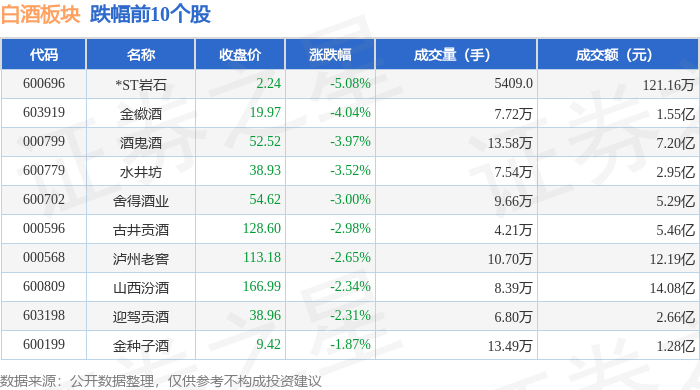
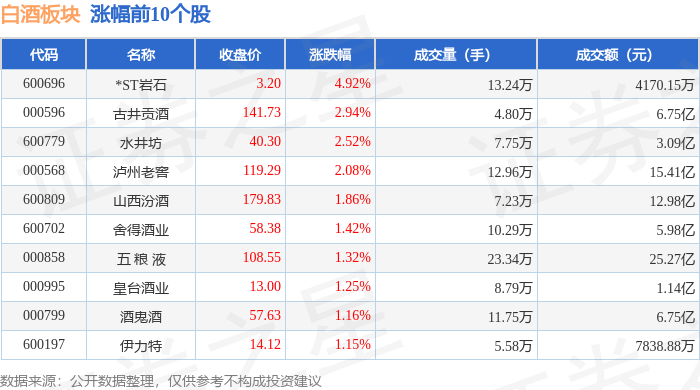
迎驾贡酒推“洞藏”出省,但中高端酒仍少卖近7亿
阿尔法工场研究院· 2025-11-07 00:08
Core Viewpoint - The article discusses the challenges faced by Yingjia Gongjiu, a prominent player in the Anhui liquor industry, as it struggles with declining revenues and profits amid a broader industry adjustment period. The once-promising "Dingcang" series is now questioned for its ability to sustain the brand's growth in the next decade [2][3][12]. Financial Performance - Yingjia Gongjiu reported a revenue of 4.516 billion yuan for the first three quarters, a year-on-year decline of 18.09%, and a net profit of 1.511 billion yuan, down 24.67% [5]. - In Q3 alone, the company achieved a revenue of 1.356 billion yuan, a decrease of 20.76%, with net profit dropping nearly 39% [5]. - The company has experienced four consecutive quarters of declining revenue and net profit, making it unlikely to meet its annual targets of 7.6 billion yuan in revenue and 2.62 billion yuan in net profit [6][11]. Market Dynamics - The "Dingcang" series has supported Yingjia Gongjiu's revenue base but has not been sufficient to drive brand premiumization and national expansion [3][8]. - The company’s core revenue still heavily relies on mid-to-high-end products, which generated 3.55 billion yuan, down 16.4% from the previous year [9]. - The company has faced challenges in expanding its market presence outside Anhui, with a net decrease in provincial distributors [10]. Cost and Cash Flow Management - Yingjia Gongjiu has increased its sales expenses by 10.32% to 478 million yuan, reflecting a rise in promotional spending due to competitive pressures [6]. - The net cash flow from operating activities fell by 38.13% to 789 million yuan, primarily due to reduced sales collections [6][11]. - The company has also reduced R&D expenses by 28.59%, which may improve short-term financial performance but could hinder future product innovation [7]. Inventory and Asset Management - The company's inventory increased from 5.043 billion yuan at the end of the previous year to 5.105 billion yuan, indicating slower sales and incomplete channel destocking [11]. - Yingjia Gongjiu is selling non-core assets to improve cash flow, such as the planned transfer of its hotel business for 31.7265 million yuan [11]. Industry Context - The white liquor industry is undergoing a significant adjustment after a decade of rapid growth, with a notable imbalance in supply and demand for mid-to-high-end products [14]. - The article suggests that the future success of Yingjia Gongjiu will depend on stabilizing its market share in Anhui, optimizing its product structure, and reigniting growth in provincial markets [14]. - Analysts indicate that the brand is facing a "middle-class trap," where its brand strength is insufficient to support price upgrades while being squeezed by leading national brands [13][14].
透视白酒三季报:削减省外经销商 区域酒企重新审视“全国化”
Nan Fang Du Shi Bao· 2025-11-06 23:10
Core Insights - The overall performance of the liquor industry is under significant pressure, with only two out of twenty listed liquor companies, Kweichow Moutai and Shanxi Fenjiu, reporting slight increases in their third-quarter results, while the remaining eighteen experienced varying degrees of decline [2][3] Industry Performance - The liquor market is facing a complex situation influenced by multiple factors, including a shift towards rational and quality consumption, which has replaced traditional government consumption with more discerning business and general consumer choices [2][3] - The "Matthew Effect" within the industry is intensifying, with high-end brands like Moutai and Wuliangye demonstrating stronger resilience against market fluctuations, thereby increasing competitive pressure on regional liquor companies [3][4] - Regional liquor companies are collectively experiencing a "loss of momentum," with significant declines in revenue and net profit reported across several firms, indicating that previous rapid growth models are no longer sustainable [4][5] Dealer Network Adjustments - Many regional liquor companies have significantly reduced the number of their out-of-province distributors in the first three quarters, with notable decreases reported by companies such as Jiu Shi Yuan and Kuo Zi Jiao [5][6] - This reduction in distributors can be interpreted as a necessary "slimming down" in response to obstacles in national expansion, as many regional companies had previously pursued aggressive growth strategies that are now proving ineffective [6][7] - The strategic shift from pursuing broad coverage to focusing on depth in key markets is emerging, as companies recognize that national expansion requires long-term brand cultivation and refined market services rather than merely increasing distributor numbers [7][8]
白酒黄金时代终结?十年最差三季报来了
3 6 Ke· 2025-11-06 12:25
Core Viewpoint - The Chinese liquor industry, particularly the baijiu sector, is experiencing a significant downturn, with major companies reporting their worst third-quarter financial results in a decade, indicating a shift into a new cycle of challenges and market dynamics [1][6]. Industry Performance - In the first three quarters of the year, 20 A-share baijiu companies reported a total revenue of approximately 317.8 billion yuan, a year-on-year decline of 5.90%, and a net profit of about 12.26 billion yuan, down 6.93% [1]. - The overall revenue for the third quarter was around 77.98 billion yuan, reflecting an 18.47% year-on-year decrease, while net profit fell to approximately 28.01 billion yuan, a decline of 22.22% [1]. Market Dynamics - The baijiu industry is entering a phase of differentiation, with top brands like Moutai and Wuliangye showing weak growth, and regional brands experiencing severe declines in performance [3][4]. - The traditional strategies of price increases and inventory control are losing effectiveness as consumer preferences shift towards value and taste rather than brand prestige [4][5]. Consumer Behavior Changes - There is a notable decline in high-end gifting demand and a shift in consumer confidence, leading to reduced sales in high-end dining and business banquet scenarios [2][8]. - Younger consumers are increasingly favoring lower-alcohol beverages and are less inclined to participate in traditional drinking culture, with over 60% preferring non-alcoholic options in social settings [8][9]. Inventory and Pricing Issues - The industry is facing significant inventory challenges, with many companies reporting extended inventory turnover periods, leading to increased pressure on cash flow and necessitating promotional discounts [11][14]. - The reliance on price increases for profit has backfired as demand slows, resulting in a rapid erosion of previously established profit margins [12][13]. Future Outlook - The baijiu sector is transitioning from a period of guaranteed growth to a more competitive landscape where companies must adapt to changing consumer preferences and market conditions [6][10]. - The traditional high-margin structure of the industry is under threat, with many smaller brands struggling to survive amid rising costs and declining sales [14][15].
白酒2025年三季报总结:加速纾压,底部渐明
Soochow Securities· 2025-11-06 11:05
Investment Rating - The report maintains an "Accumulate" rating for the liquor industry [1] Core Viewpoints - The liquor industry is currently in a phase of pressure relief and clearing, with expectations for performance recovery in the future. The focus should be on companies that show early signs of a turning point and have leading growth elasticity [3] - The overall revenue of the liquor sector has declined, with a 5.5% year-on-year drop in total revenue for the first three quarters of 2025, and an 18.3% decline in Q3 alone. Net profit also saw a significant decrease of 21.9% in Q3 [12][24] - The high-end liquor segment is under pressure, with a need for macroeconomic recovery to achieve a balance in volume and price. Companies with strong brand positioning and national expansion potential are recommended for investment [3][12] Summary by Sections 1. Q3 Performance and Market Conditions - The Q3 performance of the liquor sector shows a slow recovery in consumption scenarios, with overall sales continuing to face pressure. The high-end and next-high-end liquor demand remains under pressure, particularly in business and personal dining scenarios [12][13] - The overall revenue for the liquor sector in Q3 dropped by 18.3% year-on-year, with net profit down by 21.9%, indicating a significant acceleration in the decline compared to previous quarters [12][24] 2. Revenue Trends - The liquor sector's revenue has been on a downward trend, with a 5.5% year-on-year decline in the first three quarters of 2025. The Q3 revenue decline is particularly sharp at 18.3% [12][24] - High-end liquor companies are experiencing a shift in their financial reports, with revenue declines driven by pressure on major brands like Moutai and Wuliangye [30][41] 3. Profitability Analysis - The gross profit margin for the liquor sector has decreased, with Q3 margins at 81.7%, down 0.7 percentage points year-on-year. The decline in profitability is attributed to structural issues and increased costs [2][3] - The report highlights that the majority of liquor companies have seen an increase in sales expenses, while management expenses have also risen slightly due to weaker revenue realization [2][3] 4. Investment Recommendations - The report suggests prioritizing investments in companies that are likely to recover first, such as Luzhou Laojiao and Shanxi Fenjiu, which have strong governance and dividend yields. Other companies to watch include Zhenjiu Lidu and Shede Liquor [3][12] - The focus should be on companies that can maintain channel stability and show early signs of marginal recovery, as the market is expected to support valuations for these firms [12][13]
食品饮料2025年三季报总结:白酒主动释放压力,速冻迎来行业拐点,软饮、零食量贩高景气维持
China Post Securities· 2025-11-06 05:06
Industry Investment Rating - The investment rating for the food and beverage industry is "Outperform" [1] Core Insights - The report highlights that the liquor sector is actively releasing pressure on financial statements, with the industry gradually bottoming out. The frozen food sector is witnessing a turning point, while the soft drink and snack sectors maintain high levels of prosperity [3][4][30] Summary by Sections 1. Liquor - The liquor sector's total revenue for the first three quarters of 2025 was CNY 319.23 billion, a year-on-year decrease of 5.76%, with net profit down 6.85% to CNY 122.67 billion. In Q3 alone, revenue fell 18.38% to CNY 78.48 billion, and net profit dropped 22.00% to CNY 28.09 billion [14][28] - High-end liquor brands like Moutai showed stable growth, while others like Wuliangye and Luzhou Laojiao faced significant declines. Moutai's revenue grew by 9.28% year-on-year, while Wuliangye's fell by 10.26% [17][19] - The second-tier liquor brands, such as Fenjiu, showed resilience with a revenue increase of 5.00%, while others like Shui Jing Fang and Shede experienced declines [26][22] 2. Soft Drinks - The soft drink sector saw significant growth, with companies like Dongpeng Beverage reporting a 34.13% increase in revenue year-on-year. The energy drink segment, particularly, showed robust growth [30][31] - The introduction of new flavors and products, such as Dongpeng's summer limited edition, contributed to the sustained high growth rates in this sector [30] 3. Dairy Products - The dairy sector, led by Yili, maintained stable performance despite high base effects, with significant growth in milk powder and cold drink products. New Dairy's low-temperature products continued to show double-digit growth [4][31] 4. Frozen Foods - The frozen food industry is experiencing a turning point, with companies noting that the price war has peaked. The focus is shifting towards rational competition and value [7][30] 5. Snacks - The snack sector is undergoing strategic adjustments, with member stores and instant retail becoming key growth channels. The overall consumption environment remains weak, but the snack sector is adapting with targeted strategies [7][30]
徽酒三季报“承压”背后,转型蓄力期的价值坚守
Sou Hu Cai Jing· 2025-11-05 22:46
Core Viewpoint - The recent financial reports of 20 listed liquor companies reveal that only Kweichow Moutai and Shanxi Fenjiu experienced revenue and profit growth, while the remaining 18 companies, including the Anhui liquor group, faced declines or losses in the first three quarters of 2025 [2][3] Group 1: Financial Performance - In the first three quarters of 2025, the total revenue of four major Anhui liquor companies was 24.74 billion yuan, down from 29.75 billion yuan in the same period last year [2] - In Q3 2025, Gujing Gongjiu's revenue fell by 51.65% and net profit dropped by 74.56%; Kuozi Jiao's revenue decreased by 46.23% with a net profit decline of 92.55%; Yingjia Gongjiu's revenue declined by 20.76% and net profit fell by 39.01% [2] - Jinzhongzi Jiu was the only company in the Anhui liquor group to achieve positive revenue growth in Q3, with a growth rate of 3.73% [2] Group 2: Industry Challenges - The white liquor industry is characterized by shrinking volume, falling prices, and high inventory pressure, exacerbated by the new "drinking ban" introduced in May, which significantly reduced core consumption demand [3] - The overall revenue of listed liquor companies in Q3 2025 was 77.98 billion yuan, a year-on-year decline of 18.47%, while net profit was 28.01 billion yuan, down 22.22%, marking the largest quarterly drop in nearly a decade [3] - The strict enforcement of the "drinking ban" in Anhui, despite some adjustments in late September, remains a significant factor affecting the performance of the Anhui liquor group [3] Group 3: Strategic Responses - The Anhui liquor group is undergoing a transition from "scale expansion" to "value enhancement," with a solid market foundation in the 40 billion yuan Anhui liquor market, where the top three brands hold over 50% market share [5] - Gujing Gongjiu is focusing on national expansion and mid-to-high-end positioning, implementing strategies to stabilize prices and clear inventory while launching new products targeting younger consumers [5] - Yingjia Gongjiu is advancing its dual-core strategy and organizational development to enhance market penetration and brand loyalty through data platforms and member centers [6] - Kuozi Jiao is focusing on market, structure, and brand upgrades while actively adjusting strategies to better serve consumers and distributors [7] - Jinzhongzi Jiu is committed to its "Fuhuo Xiang Strategy," achieving a 3.73% revenue increase in Q3, indicating positive brand development and potential for future performance improvement [7]
透视白酒三季报:多家区域酒企省外经销商大减 意味着什么?
Nan Fang Du Shi Bao· 2025-11-04 13:59
Core Insights - The overall performance of the liquor industry, particularly regional liquor companies, is under significant pressure, with a deep adjustment phase ongoing [1][2] - Many regional liquor companies are experiencing a collective "loss of speed," with several reporting substantial declines in revenue and net profit [3][4] Industry Overview - The liquor market is facing a complex situation influenced by multiple factors, including a shift towards rational and quality consumption, moving away from traditional government consumption [1][2] - Consumers are increasingly focused on brand strength, quality, and cost-effectiveness, posing challenges for regional liquor companies with weaker brand positioning [1][2] Financial Performance - Companies like Jinshiyuan reported a 10.7% decline in revenue and a 17.4% drop in net profit for the first three quarters, with a nearly 50% decrease in net profit for Q3 [3] - W迎驾贡酒 saw a 24.67% decline in net profit for the first three quarters, with a 39.01% drop in Q3 [3] - Kouzi Jiao experienced a dramatic 43.39% decline in net profit for the first three quarters, with a staggering 92.55% drop in Q3 [3] - Laobai Gan reported a 47.55% decline in revenue and a 68.48% drop in net profit for Q3 [3] Strategic Adjustments - Many regional liquor companies have significantly reduced the number of their out-of-province distributors, indicating a potential strategic retreat or adjustment [4][5] - Jinshiyuan reduced its out-of-province distributors by 80, Jinhui by 82, Kouzi Jiao by 47, and W迎驾贡酒 by 16 [4] - This reduction is seen as a response to the challenges of national expansion, with companies realizing that rapid expansion may not be sustainable in the current market environment [4][5] Market Dynamics - The "Matthew Effect" within the industry is intensifying, with high-end brands like Moutai and Wuliangye demonstrating stronger resilience against market fluctuations [2] - These leading brands are not only dominating the high-end market but are also encroaching on the territories of regional liquor companies, increasing competitive pressure [2] Future Outlook - The reduction of distributors may reflect a strategic shift from pursuing breadth to depth, focusing on core markets rather than widespread coverage [5][6] - Companies are likely to prioritize partnerships with stronger distributors to enhance brand resilience and market presence [6] - The ability to adapt to the new market environment and effectively manage distribution channels will be crucial for regional liquor companies to navigate the ongoing industry reshuffle [6]
供需出清迎拐点
Haitong Securities International· 2025-11-04 09:54
Group 1: Core Insights - The report emphasizes a turning point in supply and demand equilibrium, particularly in the liquor industry, with a focus on the accelerated clearance of inventory in the baijiu sector [3][15][21] - The report suggests that the liquor industry is transitioning from a "U-shaped adjustment" to a "V-shaped adjustment," indicating a potential for recovery as market pessimism is already reflected in stock prices [15][25] - The report highlights the resilience of consumer staples, particularly in the beverage and snack sectors, which are expected to show strong growth despite the challenges faced by the liquor industry [3][12] Group 2: Baijiu Industry Analysis - The baijiu sector is experiencing a significant adjustment, with sales and inventory levels rapidly clearing, particularly in the high-end and mid-range segments [3][15][21] - The report notes that the current adjustment cycle has a longer duration compared to previous cycles, with a single-quarter decline exceeding previous lows, indicating a deeper market correction [15][25] - Key companies to watch in the baijiu sector include Shanxi Fenjiu, Gujing Gongjiu, and Moutai, with a focus on both growth and stable performers [3][21][28] Group 3: Beer and Beverage Sector Insights - The beer industry is characterized by stable pricing and sales, with a recommendation to focus on regional leaders that have competitive advantages [3][41] - The beverage sector is noted for its structural growth, with leading companies like Dongpeng Beverage and Nongfu Spring expected to perform well [3][41] - The report indicates that the beer industry's profitability is improving due to cost advantages and a stable competitive landscape, despite facing demand pressures [41][42] Group 4: Consumer Goods and Snacks - The consumer goods sector is showing signs of recovery, with food raw materials and health products still in a growth phase, indicating high elasticity in certain categories [3][12] - The snack industry is highlighted for its innovation and growth potential, with companies like Three Squirrels and Wei Long expected to drive future growth [3][12] - The report suggests that the overall consumer goods market is stabilizing, with a focus on companies that demonstrate strong innovation and channel expansion capabilities [3][12]
白酒 2025 年三季报总结:25Q3 基本面加速探底,板块进入战略配置期
Shenwan Hongyuan Securities· 2025-11-04 08:35
Investment Rating - The report indicates that the white liquor sector has entered a strategic allocation period, with a focus on high-quality companies for long-term investment [3][8]. Core Viewpoints - The white liquor industry experienced significant declines in revenue and profit in Q3 2025, with major companies like Wuliangye reporting substantial drops. Public fund holdings in the food and beverage sector have returned to levels seen in Q1 2017 [3][8]. - Despite the current challenges, the report suggests that it is possible to predict a bottoming out of the market in the near future, allowing for long-term pricing of quality enterprises [3][8]. - The report emphasizes the need for patience regarding fundamental improvements, as the performance of individual stocks may vary during this adjustment phase [3][8]. Summary by Sections 1. Fundamental Analysis - In the first three quarters of 2025, the white liquor industry achieved revenue of 310.28 billion yuan, a year-on-year decline of 5.48%, and a net profit of 122.69 billion yuan, down 6.63% [4][14]. - In Q3 2025, the industry reported revenue of 76.31 billion yuan, a decrease of 18.4% year-on-year, and a net profit of 28.21 billion yuan, down 22.0% [17][19]. - The net profit margin for the industry in Q3 2025 was 38.0%, a decline of 1.7 percentage points year-on-year, primarily due to decreased gross margins and increased tax rates [24][27]. 2. Valuation Analysis - As of October 31, 2025, the absolute PE level for the white liquor sector was 18.7x, below the historical average of 27.6x since 2011. The relative PE multiple compared to the Shanghai Composite Index was 1.14x, also below the historical average of 2.01x [5][11]. - The report indicates that the current valuations of leading companies reflect market expectations of mid-term demand pressure, suggesting potential for recovery if demand improves [5][11]. 3. Company Recommendations - The report recommends focusing on high-quality companies such as Luzhou Laojiao, Shanxi Fenjiu, Guizhou Moutai, and Wuliangye, while also keeping an eye on companies like Yingjia Gongjiu and Jinhuijiu [3][8].
白酒2025年三季报总结:25Q3基本面加速探底,板块进入战略配置期
Shenwan Hongyuan Securities· 2025-11-04 03:46
Investment Rating - The report maintains a "Positive" investment rating for the liquor industry, particularly for high-quality companies, indicating a strategic allocation period has begun [2][7]. Core Insights - The liquor industry is experiencing a significant decline in performance, with major companies like Wuliangye reporting substantial drops in revenue and net profit. The public fund holdings in the food and beverage sector have also decreased to levels not seen since Q1 2017 [2][7]. - Despite the current challenges, the report suggests that long-term investors can start pricing high-quality companies as the market is expected to reach a predictable bottom in the near future [2][7]. - Key recommendations include focusing on premium liquor brands such as Luzhou Laojiao, Shanxi Fenjiu, Guizhou Moutai, and Wuliangye, while also keeping an eye on brands like Yingjia Gongjiu and Jinhuijiu [2][7]. Summary by Sections 1. Fundamental Analysis - The liquor industry reported a total revenue of CNY 310.28 billion for the first three quarters of 2025, a year-on-year decrease of 5.48%, with net profit falling by 6.63% to CNY 122.69 billion. The revenue decline is more pronounced in lower-tier brands compared to national brands [3][16]. - In Q3 2025, the industry generated CNY 76.31 billion in revenue, down 18.4% year-on-year, with net profit dropping 22.0% to CNY 28.21 billion. National brands outperformed lower-tier brands in both revenue and profit growth [3][19]. - The net profit margin for the liquor industry in Q3 2025 was 38.0%, a decline of 1.7 percentage points year-on-year, primarily due to decreased gross margins and increased tax rates [3][20]. 2. Valuation Analysis - As of October 31, 2025, the absolute PE level for the liquor sector stands at 18.7x, below the historical average of 27.6x since 2011. The relative PE ratio compared to the Shanghai Composite Index is 1.14x, also below the historical average of 2.01x [4][10]. - The report indicates that the current valuations of leading companies reflect market expectations of mid-term demand pressure. If demand improves, the industry could return to a phase of simultaneous valuation and performance recovery [4][10]. 3. Company Performance and Profitability Forecast - The report highlights that the profitability of the liquor industry is under pressure, with significant declines in net profit margins across various brands. The national brands have seen a smaller decline compared to lower-tier brands [3][22]. - The report provides a detailed forecast of operational goals and profitability estimates for key liquor companies, emphasizing the need for strategic adjustments in response to market conditions [4][10].