
Sirui(688102)

Search documents
斯瑞新材(688102) - 关于2023年股票期权激励计划预留授予股票期权第一个行权期自主行权实施公告
2025-12-25 09:47
证券代码:688102 证券简称:斯瑞新材 公告编号:2025-067 陕西斯瑞新材料股份有限公司 关于 2023 年股票期权激励计划预留授予股票期权 一、股权激励计划批准及实施情况 (一)股票期权激励计划已履行的相关审批程序 公司于 2023 年 12 月制定并实施了《陕西斯瑞新材料股份有限公司 2023 年股票期 权激励计划(草案)》。合计向激励对象授予 1,680.00 万份股票期权。其中预留授予部 分为 318.00 万份股票期权,行权价格为每股 12.80 元。 1、2023 年 12 月 21 日,公司召开了第三届董事会独立董事专门会议第一次会议、 第三届董事会第十次会议,审议通过了《关于<公司 2023 年股票期权激励计划(草案)> 及其摘要的议案》《关于<公司 2023 年股票期权激励计划实施考核管理办法>的议案》 《关于提请股东大会授权董事会办理公司 2023 年股票期权激励计划有关事项的议案》 以及《关于提请召开公司 2024 年第一次临时股东大会的议案》。同日,公司召开的第 三届监事会第八次会议审议通过了《关于<公司 2023 年股票期权激励计划(草案)>及其 摘要的议案》《关于<公司 ...

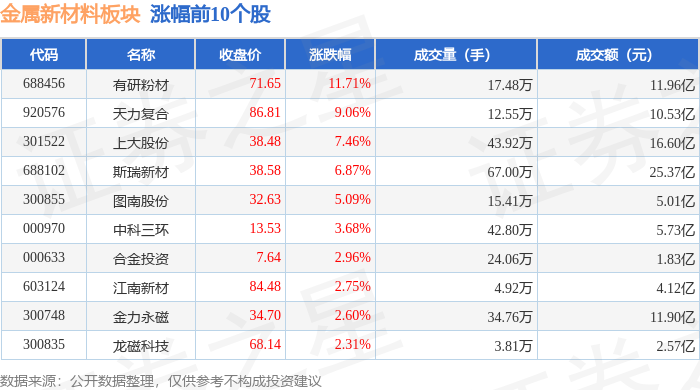
金属新材料板块12月25日涨2.23%,有研粉材领涨,主力资金净流入3.23亿元
Zheng Xing Xing Ye Ri Bao· 2025-12-25 09:08
Group 1 - The metal new materials sector increased by 2.23% on December 25, with Youyan Powder Materials leading the gains [1] - The Shanghai Composite Index closed at 3959.62, up 0.47%, while the Shenzhen Component Index closed at 13531.41, up 0.33% [1] - Key stocks in the metal new materials sector showed significant price increases, with Youyan Powder Materials rising by 11.71% to a closing price of 71.65 [1] Group 2 - The sector saw a net inflow of 3.23 billion yuan from institutional investors, while retail investors experienced a net outflow of 3.43 billion yuan [2] - Major stocks like Zhongke Sanhuan and Sry New Materials had varying levels of net inflow and outflow, indicating mixed investor sentiment [3] - The trading volume for Youyan Powder Materials reached 174,800 hands, with a transaction value of 1.196 billion yuan [1]



精彩抢先看 | 价值与投资——硬科技突围:技术攻坚、产业建设与资本护航
第一财经· 2025-12-25 08:31
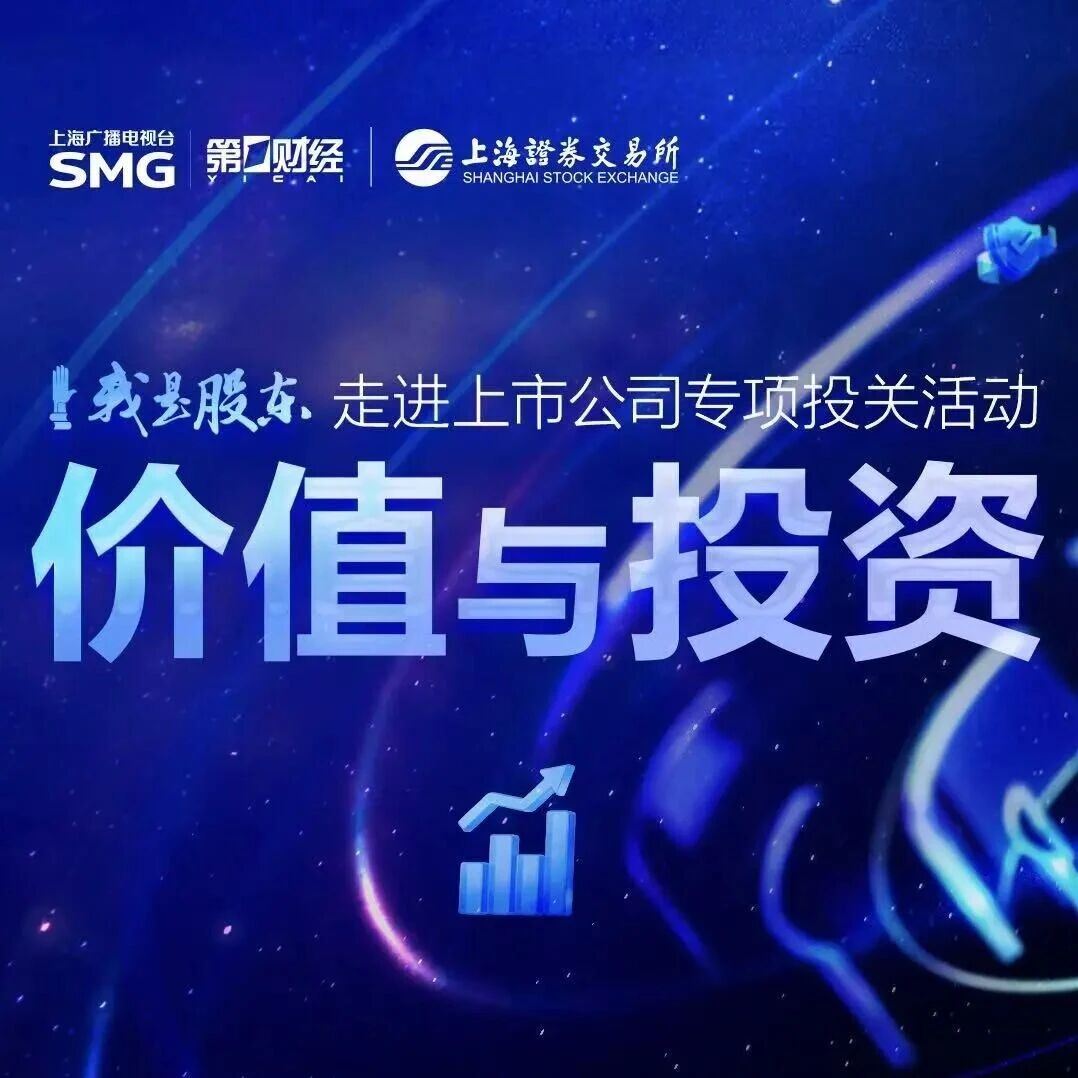
Core Viewpoint - The article emphasizes the importance of rational, value, and long-term investment in the context of China's capital market reforms, particularly focusing on hard technology as a key driver for new productive forces and the opportunities and challenges it faces [1]. Group 1: Event Overview - The "Value and Investment" program, initiated by the Shanghai Stock Exchange and Yicai, aims to enhance the demonstration effect of state-owned enterprises and companies listed on the Sci-Tech Innovation Board, providing a professional platform for accurately conveying investment value [1]. - A roundtable discussion was held during the "2025 Yicai Capital Annual Conference," featuring industry leaders discussing the policy dividends supporting technological innovation and the pathways for hard technology industries to overcome challenges [1]. Group 2: Participants and Contributions - Key participants included Xu Runsheng, Assistant to the Chairman of Srei New Materials; Zhang Zhe, Deputy General Manager and Secretary of the Board of Haitian Ruisheng; Wang Bing, Partner and General Manager of Shanghai Headquarters at Dongfang Fuhai; and Liu Yang, Assistant Director of Shenwan Hongyuan Research Institute and Chief Analyst for TMT [1]. - The discussion aimed to build consensus on the collaborative efforts of policy, industry, and capital for high-quality industrial development [1].

商业航天爆燃,背后发生了什么?
3 6 Ke· 2025-12-25 08:07
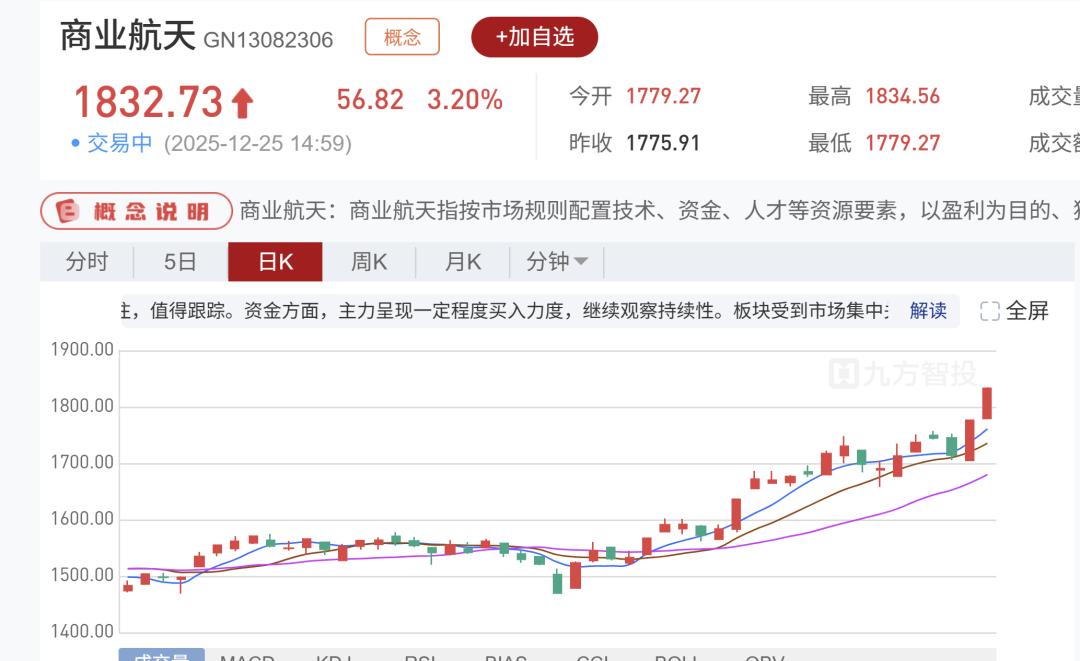
Core Insights - The commercial aerospace sector in China's A-share market has seen a significant surge, with over twenty stocks hitting the daily limit or rising more than 10%, reflecting a nearly 50% increase in the commercial aerospace index this year, with many stocks doubling in price [1][3] - The sector is transitioning from a technology validation phase to a new stage of scale and commercialization, as highlighted in the "China Commercial Aerospace Industry Development Report (2025)" [1] Market Enthusiasm - The commercial aerospace sector has become the most prominent star in the A-share market over the past week, with investments flowing into various segments, including rocket components, satellite testing systems, specialty cables, and key materials [3] Institutional Attitude Shift - There is a notable change in institutional attitudes towards commercial aerospace, which is viewed as a risk investment aligned with national strategic technology reserves. The introduction of the fifth set of listing standards for the Sci-Tech Innovation Board allows unprofitable companies with core technologies to go public, accelerating the formation of a capital closed loop [5] Triple Drivers - The growth of the commercial aerospace sector is driven by policy, technology, and market demand. The National Space Administration has issued a development action plan with 22 key measures to support the industry, including the establishment of a national commercial aerospace development fund [7] - Recent successful launches, such as the Long March 12 rocket and Blue Arrow Aerospace's "Zhuque-3" rocket, have validated key technologies and marked a shift towards large-scale operations [7] Industry Chain Ecosystem - China has over 600 commercial aerospace companies covering the entire industry chain, from rocket and satellite manufacturing to launch services and terminal applications. Listed companies are actively positioning themselves across this chain [8][9] Market Potential - The market size of China's commercial aerospace sector has grown from approximately 0.38 trillion yuan in 2015 to an estimated 2.3 trillion yuan by 2024, with a projected annual growth rate of about 22%. By 2030, the market could reach between 7 trillion and 10 trillion yuan [10] Future Directions - The commercial aerospace sector faces challenges, including a lack of scalable, high-viscosity commercial applications and the need for optimized regulations regarding frequency resource allocation and launch approvals. However, the establishment of the "Linchuang Commercial Aerospace Alliance Innovation Fund" and improvements in talent training systems are expected to enhance the development environment [11] - The sector is anticipated to experience rapid growth as costs decrease and launch capabilities improve, with the first batch of commercial aerospace companies expected to list on the Sci-Tech Innovation Board next year [11]


精彩抢先看 | 价值与投资——硬科技突围:技术攻坚、产业建设与资本护航
Di Yi Cai Jing· 2025-12-25 07:07
Group 1 - The event aims to discuss the policy dividends supporting technological innovation in the capital market, the breakthrough paths for hard technology industries, and development opportunities [1] - The Shanghai Stock Exchange, in collaboration with Yicai Media, launched the "Value and Investment" initiative to promote rational, value, and long-term investment principles [1] - Hard technology is identified as a core engine for cultivating new productive forces, benefiting from the "14th Five-Year Plan" policy support and capital market institutional innovations, while facing challenges in technology, ecosystem building, and compliance competition [1] Group 2 - The 10th episode of the "Value and Investment" column will be presented in a roundtable format at the "2025 Yicai Capital Annual Conference" [1] - Key participants include executives from Sray New Materials, Haitai Ruisheng, and partners from Dongfang Fuhai and Shenwan Hongyuan Securities [1] - The event aims to build consensus on policy, industry, and capital collaboration for high-quality industrial development [1]
西部大开发概念股集体走强,八部门21举措金融支持加快西部陆海新通道建设
Ge Long Hui· 2025-12-25 03:12
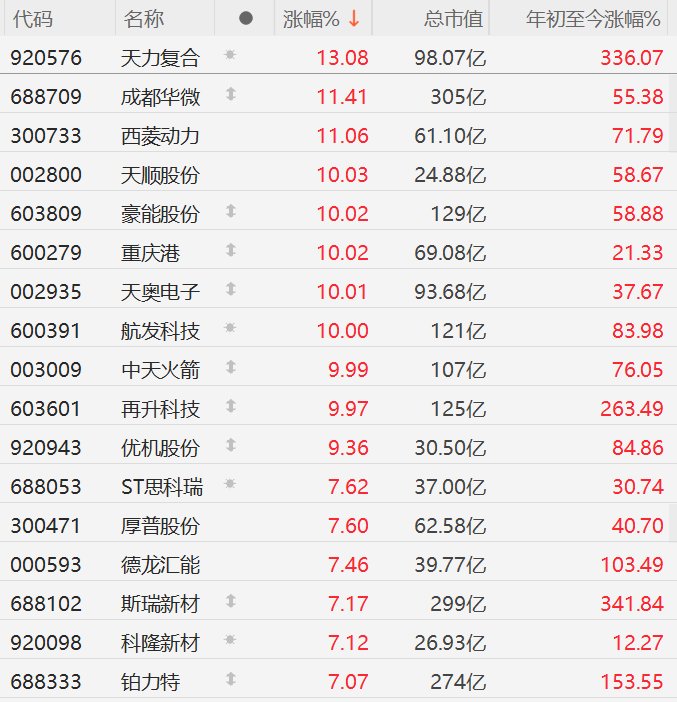
Group 1 - The core viewpoint of the news is the collective surge of A-share stocks related to the Western Development concept, driven by a new policy from the central bank and other departments to support the construction of the Western Land-Sea New Corridor [1] - The People's Bank of China and the Chongqing Municipal Government will work with relevant departments to implement the 21 key measures proposed in the policy, which aim to enhance financial services for the development of the corridor [1] Group 2 - Tianli Composite saw a significant increase of 13.08%, with a total market value of 9.807 billion [2] - Chengdu Huamei and Xiling Power both rose over 11%, with market values of 30.5 billion and 6.11 billion respectively [2] - Other notable stocks include Tianjun Co., Chongqing Port, and Tianao Electronics, all achieving around 10% increase, contributing to the overall positive market sentiment [2]


A股异动丨西部大开发概念股集体走强,八部门21举措金融支持加快西部陆海新通道建设


Ge Long Hui A P P· 2025-12-25 03:11
Group 1 - The core viewpoint of the news is that A-share stocks related to the Western Development concept have collectively strengthened, driven by a policy announcement from multiple government departments to support the construction of the Western Land-Sea New Corridor [1] - The People's Bank of China and the Chongqing Municipal Government will work with relevant departments to implement the 21 key measures proposed in the policy, which aim to enhance financial support for high-quality development of the corridor [1] Group 2 - Tianli Composite saw a significant increase of 13.08%, with a total market value of 9.807 billion [2] - Chengdu Huamei and Xitai Power both rose over 11%, with market values of 30.5 billion and 6.11 billion respectively [2] - Other notable stocks include Tianjun Co., Chongqing Port, and Tianao Electronics, all achieving around 10% gains, with market values ranging from 2.488 billion to 12.1 billion [2]
16.35亿元主力资金今日撤离有色金属板块
Zheng Quan Shi Bao Wang· 2025-12-24 09:48
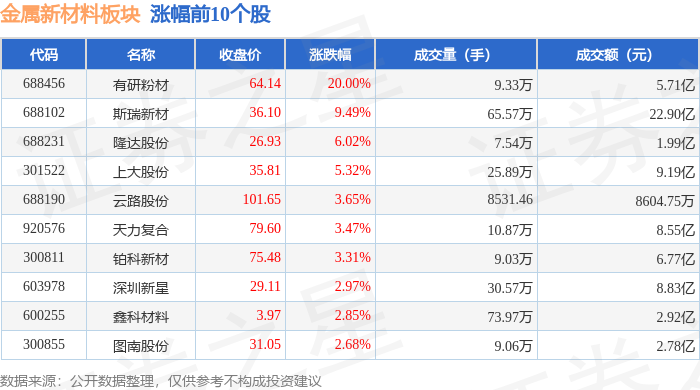
Group 1 - The Shanghai Composite Index rose by 0.53% on December 24, with 26 out of the 28 sectors in the Shenwan classification experiencing gains, led by defense and military industry and electronics, which increased by 2.88% and 2.12% respectively [1] - The non-ferrous metals sector saw an increase of 0.61%, while the agriculture, forestry, animal husbandry, and fishery sector and coal sector experienced declines of 0.85% and 0.70% respectively [1] - The net inflow of capital in the two markets was 10.37 billion yuan, with 17 sectors seeing net inflows, particularly the electronics sector, which had a net inflow of 8.677 billion yuan [1] Group 2 - In the non-ferrous metals sector, 138 stocks were tracked, with 104 stocks rising and 32 stocks falling; one stock hit the daily limit up [2] - The top three stocks with the highest net inflow in the non-ferrous metals sector were Western Materials with a net inflow of 138 million yuan, followed by Srey New Materials and Jiangxi Copper with net inflows of 124 million yuan and 105 million yuan respectively [2] - The stocks with the highest net outflow included Zhongtung High-tech, Xiamen Tungsten, and Huayou Cobalt, with net outflows of 368 million yuan, 259 million yuan, and 222 million yuan respectively [2][3] Group 3 - The non-ferrous metals sector's inflow leaderboard included Western Materials, Srey New Materials, and Jiangxi Copper, with respective daily price changes of 8.47%, 9.49%, and 2.42% [2] - The outflow leaderboard featured Zhongtung High-tech, Xiamen Tungsten, and Huayou Cobalt, with respective daily price changes of -5.31%, -4.56%, and 1.96% [3]


金属新材料板块12月24日涨2.55%,有研粉材领涨,主力资金净流入4.21亿元
Zheng Xing Xing Ye Ri Bao· 2025-12-24 09:02
| 代码 | 名称 | 收盘价 | 涨跌幅 | 成交量(手) | 成交额(元) | | | --- | --- | --- | --- | --- | --- | --- | | 688456 | 有研粉材 | 64.14 | 20.00% | 9.33万 | | 5.71亿 | | 688102 | 斯瑞新材 | 36.10 | 9.49% | 65.57万 | | 22.90亿 | | 688231 | 隆达股份 | 26.93 | 6.02% | 7.54万 | | 2666T | | 301522 | 上大股份 | 35.81 | 5.32% | 1 25.89万 | | 2616 | | 688190 | 云路股份 | 101.65 | 3.65% | 8531.46 | | 8604.75万 | | 920576 | 天力复合 | 79.60 | 3.47% | 10.87万 | | 8.55亿 | | 300811 | 铂科新材 | 75.48 | 3.31% | 9.03万 | | 6.77亿 | | 603978 | 深圳新星 | 29.11 | 2.97% | 30.57万 | | 8.8 ...

硬科技突围: 产业攻坚、资本加持,共建科创生态圈
Sou Hu Cai Jing· 2025-12-23 17:07
Core Viewpoint - Hard technology is positioned as a core engine for cultivating new productive forces, benefiting from policy empowerment and capital market innovations while facing challenges in technology, ecosystem construction, and compliance competition [1] Group 1: Capital Market Support - The "14th Five-Year Plan" emphasizes enhancing the inclusiveness and adaptability of the capital market, improving the coordination of investment and financing functions [2] - Companies like Sray New Materials have not engaged in mergers and acquisitions since their listing but are exploring policies that support such activities, indicating a growing tolerance and support from the capital market for tech companies [2] - Investment institutions are increasingly recognizing the multi-tiered capital market's role in supporting companies at various stages and sizes, with a focus on suitable listing segments [2] Group 2: Long-term Capital and Industry Development - Patient and long-term capital significantly impacts industry development, allowing for mid to long-term planning without short-term pressure [3] - Hard technology development is categorized into two tracks: areas where China has natural advantages and those where it is catching up, both benefiting from domestic talent and improved routes [3] Group 3: Ecosystem Construction - A collaborative ecosystem among tech companies, investment institutions, and research organizations is essential, focusing on risk-sharing and benefit-sharing mechanisms [1] - Investment institutions are increasingly looking for high-quality projects in large-scale sectors rather than saturated markets, emphasizing the importance of team quality and product iteration speed [5][6] Group 4: Challenges and Strategies - Companies face multiple challenges in their growth, necessitating the establishment of robust systems for commercial culture, collaborative R&D, and operational adaptability [8] - Compliance is a primary concern for companies expanding internationally, requiring thorough legal arrangements before engaging with overseas clients [9] Group 5: Investment Strategies - Investment institutions like Dongfang Fuhai balance their portfolios by combining early-stage and later-stage projects to ensure quick returns while investing in high-potential early-stage projects [10] - Analysts are focusing on fundamental scientific principles and the impact of international relations on industry dynamics, indicating a comprehensive approach to risk assessment [10]