
Jinko Solar(688223)

Search documents
新疆产业链白皮书:光伏篇:战略引领,产业腾飞
Shenwan Hongyuan Securities· 2025-06-16 08:43
Investment Rating - The report maintains a positive outlook on the photovoltaic industry in Xinjiang, suggesting a "Buy" rating for investments in the sector. Core Insights - Xinjiang possesses unique advantages in solar energy resources, land availability, and supportive policies, facilitating the rapid development of a complete photovoltaic industry chain [2][3][4]. - The current phase of upstream overcapacity suggests a strategic focus on midstream high-efficiency manufacturing segments, which are expected to recover in valuation as construction accelerates [3][4]. - The "East Data West Computing" initiative and the expansion of green data centers in the region are expected to enhance local energy consumption and alleviate transmission bottlenecks, improving the economic viability of photovoltaic projects [3][4]. - The dual security value of energy and industry highlights Xinjiang's strategic importance in national clean energy initiatives, enhancing the resilience of China's renewable supply chain [3][4]. Summary by Sections Introduction - The global energy transition is accelerating, with a shift from fossil fuels to clean energy becoming irreversible. Photovoltaic power is a key player in this transition due to its zero carbon emissions and renewable nature [5][6]. Resource Endowment and Advantages of Xinjiang's Photovoltaic Industry - Xinjiang has abundant solar resources, with annual sunshine hours significantly exceeding the national average, making it a prime location for large-scale photovoltaic projects [7][9]. - The region's vast, flat, and largely unutilized land provides ideal conditions for the installation of photovoltaic systems, reducing development costs [13][14]. - Strong government policies at both national and local levels support the growth of the photovoltaic industry, ensuring resource optimization and sustainable development [16][17]. Current Development Status of Xinjiang's Photovoltaic Industry - Xinjiang is a major base for industrial silicon and polysilicon production, with significant contributions to national output [20][24]. - The midstream sector has seen advancements in the manufacturing of key components, such as monocrystalline silicon rods and photovoltaic modules, although capacity still lags behind demand [30][34]. - Large-scale photovoltaic projects have been established, with total installed capacity exceeding 56.66 million kilowatts, marking Xinjiang as a leader in clean energy production [38][40]. Key Companies and Projects - Xinjiang Daqo New Energy Co., Ltd. is a leading player in the polysilicon market, with a production capacity of 305,000 tons, positioning it among the top tier in the industry [46][49]. - New Special Energy Co., Ltd. focuses on polysilicon production and has expanded its capacity to 300,000 tons per year, while also exploring various operational models for renewable energy projects [57][59]. - Hoshine Silicon Industry Co., Ltd. is developing an integrated industrial park to enhance efficiency across the photovoltaic supply chain, contributing to the region's competitive edge [66].



耀看光伏第8期:SNEC2025亮点回顾
Changjiang Securities· 2025-06-16 05:08
Investment Rating - The report maintains a "Positive" investment rating for the industry [5]. Core Insights - The overall scale of the industry remains stable, with a decrease in enthusiasm leading to differentiation among companies [12][19]. - Policy expectations are anticipated to strengthen further, driven by public statements from industry leaders [22][23]. - New technologies, particularly BC technology, are gaining attention, while other routes are progressing steadily [26][28]. - Auxiliary materials and equipment are advancing with BC and TOPCon modifications, contributing to efficiency improvements [46][62]. - Inverters are evolving, with a focus on commercial storage solutions and continued iterations in large-scale storage [67][82]. Summary by Sections Overall - The scale of the industry is stable with over 3,500 participating companies and more than 500,000 attendees, showing no significant change from 2024 [19]. - There is a noticeable decrease in overall enthusiasm, with some exhibition spaces left vacant, indicating a divergence in interest between leading and smaller companies [19]. Policy - Industry leaders are actively promoting policy implementation, with initial solutions proposed to address the "internal competition" in the silicon material sector [23]. - The asset-liability ratio in the photovoltaic main industry chain has shown a significant increase, indicating financial pressures [24]. New Technologies - The HIBC technology from Longi has achieved a standard module power of over 700W, while Aiko's ABC modules have a double-sided rate of 80% ± 5% [28]. - The TOPCon route focuses on efficiency improvements, with leading companies showcasing modules with power ratings up to 670W and conversion efficiencies of 24.8% [33]. - HJT technology is also advancing, with Tongwei's HJT module reaching a power output of 790.8W, marking a significant achievement in the sector [41]. Auxiliary Materials & Equipment - Leading manufacturers are launching BC-specific products, including low-weight encapsulation films and high-reflectivity black materials [46]. - The introduction of low-cost metal solutions is becoming a trend, with companies like Jingsilver and Shanghai Silver Paste showcasing their innovations [52]. - Equipment for TOPCon modifications is gaining traction, with edge passivation becoming a mainstream technology [62]. Inverters - The focus on commercial storage products is evident, with new high-power products being prominently displayed at the SNEC exhibition [67]. - The latest large-scale storage solutions, such as the PowerTitan3.0 from Sungrow, feature significant upgrades in capacity and efficiency [82].


SNEC光伏展总结及近期观点更新
2025-06-15 16:03
Summary of SNEC Photovoltaic Exhibition and Recent Insights Industry Overview - The document discusses the photovoltaic (PV) industry, focusing on advancements in technology, market trends, and investment opportunities within the sector [1][2][3]. Key Points and Arguments 1. BC Technology Advancements - BC technology continues to evolve, with companies like JinkoSolar actively investing in production upgrades. It is expected that 15% of products will achieve mass production by 2025 [1]. - Longi Green Energy anticipates reaching a BC production capacity of 50 GW by the end of the year, primarily utilizing second-generation BC equipment [1]. 2. Innovations in Silver Paste Technology - New silver paste technologies are emerging, with JinkoSolar trialing silver-coated copper, which is expected to surpass traditional methods in efficiency and cost by the second half of the year [1][4]. - The copper-coated silver technology is projected for large-scale introduction in Q1 2026, with a market potential of 450 GW for BC copper foil [5]. 3. Perovskite Solar Cells Progress - Significant advancements in perovskite solar cells were showcased, with companies like GCL-Poly and Jinko demonstrating improved efficiencies. However, they have not yet reached the level to replace crystalline silicon components [1][8]. 4. Commercial Energy Storage Demand - There is a surge in overseas demand for commercial energy storage, particularly in Europe, driven by high product cost-performance ratios and diversified profit models. The European market is expected to see a 63% year-on-year increase in commercial energy storage demand in 2025 [9][10]. 5. Domestic Large-Scale Energy Storage Trends - The domestic large-scale energy storage sector is experiencing higher-than-expected demand, with leading companies like HIBO and CATL introducing larger capacity cells. Despite regulatory challenges, project economics remain favorable due to supportive policies [12]. 6. Equipment Tendering and Market Dynamics - The second quarter of 2025 saw significant growth in equipment tendering within the PV industry, with Longi and other companies collectively tendering over 50 GW of BC capacity [15]. 7. Investment Recommendations - Investment opportunities are identified in inverter companies benefiting from the growth in overseas residential and commercial storage demand, with recommendations for leading firms like DeYe and flexible targets like GoodWe and Aro Energy [14]. 8. Challenges in Technology Adoption - The adoption of multi-slice technology has been hindered by cost issues, despite its potential for significant power enhancement. The industry is currently under pressure, leading to increased scrutiny on profitability and investment [24]. 9. Market Outlook - The overall expansion trend in the PV industry is under pressure, with a projected decline of 50% to 70% compared to last year. However, orders related to BC technology are expected to double, indicating a shift in focus towards this segment [19][27]. 10. Emerging Technologies - Technologies such as edge computing and laser thinning are gaining attention for their potential to enhance efficiency in PV cells, although their implementation faces challenges related to cost and production scalability [21][25]. Other Important Insights - The document highlights the competitive landscape among various technologies, including TOPCon and BC, and their respective impacts on equipment orders and market dynamics [16][20]. - The integration of AI and intelligent management systems in energy storage solutions is becoming a standard feature, reflecting the industry's shift towards smarter energy solutions [10]. This summary encapsulates the critical developments and insights from the SNEC Photovoltaic Exhibition, providing a comprehensive overview of the current state and future prospects of the photovoltaic industry.

2025光伏SNEC:即使入不敷出,也要装得“很棒”
阿尔法工场研究院· 2025-06-15 11:39
Core Viewpoint - The photovoltaic industry is experiencing significant losses, with major companies like Longi, JA Solar, and Jinko facing drastic profit declines and negative cash flows, as component prices have fallen below production costs, leading to widespread financial distress [1][3][5]. Group 1: Industry Overview - The 2025 SNEC photovoltaic exhibition reflects a stark contrast to previous years, with a noticeable decline in attendance and empty exhibition spaces, indicating a downturn in the industry [2][3][5]. - Major industry leaders were absent from the event, highlighting the current struggles within the sector, as many companies are grappling with substantial losses and negative cash flows [5][6]. - The average gross margin in the photovoltaic industry has turned negative, with cash outflows exceeding 10 billion yuan, and over 50% of companies are reducing capital expenditures and workforce to mitigate losses [10][11]. Group 2: Financial Performance - In Q1 2025, several key companies reported significant revenue declines and losses, with TCL Zhonghuan facing a nearly 10 billion yuan loss, while Longi, JA Solar, and Jinko also reported steep profit drops [6][10]. - The average revenue for 18 photovoltaic companies showed a mixed performance, with some companies like Sunshine Power and Jiejia Weichuang reporting growth, while others like Tongwei and Jinko faced severe losses [6]. Group 3: Industry Challenges and Strategies - The industry is facing a "cold winter," with prices for components, silicon materials, and battery cells all declining, leading to a competitive environment characterized by price wars and reduced demand [10][11]. - Industry leaders are recognizing the need for self-reliance and have proposed strategies such as limiting production, prices, and investments to stabilize the market [13][14]. - There is a call for higher technical and environmental standards to phase out outdated capacities and promote industry consolidation rather than bankruptcy [15][16]. Group 4: Future Outlook - The current financial strain and cash flow issues have led to discussions about redirecting funds towards more effective investments, such as technology breakthroughs and integrated solutions for green electricity [20][21]. - The 2025 SNEC is seen as a turning point for the industry, marking the end of an old cycle and potentially signaling the beginning of a new one, where companies must focus on internal capabilities rather than external appearances [22][23][24].


晶科能源钱晶:下半年是光伏出清的关键节点,需加快优化产能升级
Zhong Guo Jing Ying Bao· 2025-06-14 11:46
Core Viewpoint - In a market characterized by oversupply and intensified competition, photovoltaic companies are accelerating technological upgrades to escape homogeneous competition. JinkoSolar has introduced its new Tiger Neo 3.0 module, which boasts a production power of 670W and several advantages, including high bifaciality, low degradation, and excellent low-light response [2][4]. Company Strategy - JinkoSolar aims to optimize capacity upgrades this year, targeting an annual production capacity of over 40-50GW by year-end [2]. - The company plans to increase the proportion of its N-type technology capacity, with a goal for 20% of its products to achieve a power output of 650-670W and 40% to exceed 640W [4]. - JinkoSolar has set a shipment target of 85-100GW for the year and has a high level of order visibility, particularly in the Middle East and Asia-Pacific regions [5]. Globalization Efforts - JinkoSolar emphasizes its global capabilities, having established production bases in Southeast Asia and the U.S., and is planning a joint venture factory in Saudi Arabia [5][6]. - The company reported that nearly 57.8% of its component shipments and 68.6% of its sales revenue came from overseas in 2024 [6]. - JinkoSolar is implementing a Globalization 2.0 strategy, focusing on exporting technology, experience, and talent, alongside products and capacity [6]. Technological Advancements - The company’s TOPCon technology has achieved a mass production efficiency of 26.5%, with potential to reach over 32.5% in the future through advancements [6]. - JinkoSolar's CTO anticipates that TOPCon technology will dominate the evolution of photovoltaic technology in the coming years, with efficiency improvements expected to reach over 28% within three years [6].
江西首富,财富大缩水
盐财经· 2025-06-14 09:35
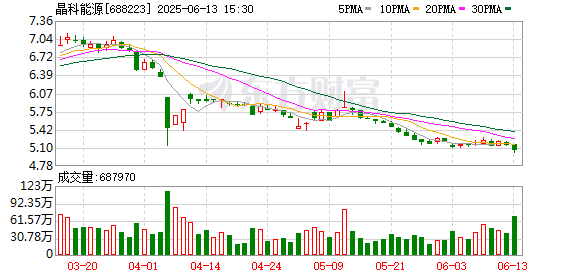
Core Viewpoint - The photovoltaic industry is experiencing significant differentiation, with JinkoSolar's performance in Q1 2025 being particularly surprising as it reported a substantial increase in losses compared to its peers [3][4][14]. Financial Performance - JinkoSolar reported Q1 2025 revenue of 13.84 billion RMB, a year-on-year decline of 40.03% and a quarter-on-quarter decline of 33.13%. The net profit was -1.39 billion RMB, a year-on-year decrease of 218.2% [5][6][14]. - In comparison, Longi Green Energy reported revenue of 13.65 billion RMB and a net profit of -1.44 billion RMB, with revenue and net profit growth rates of -22.75% and 38.89%, respectively [5][14]. - JinkoSolar's cash flow from operating activities was -2.62 billion RMB, a decline of 323.43% year-on-year [6]. Market Position and Stock Performance - JinkoSolar's stock price has dropped over 70% since its peak in 2022, with a market value loss exceeding 138 billion RMB. In 2025 alone, the stock fell over 27%, marking a historical low [7][14]. - The actual controller of JinkoSolar, Li Xiande, has seen his wealth decrease significantly, dropping to 11.5 billion RMB, a decline of over 23.5 billion RMB [8]. Industry Trends and Challenges - The competitive advantage of JinkoSolar in TOPCon technology is diminishing as other companies rapidly adopt similar technologies, leading to oversupply in the market [15][16]. - The industry has seen an increase in effective TOPCon capacity of approximately 700 GW over the past two years, far exceeding global demand [16]. - JinkoSolar's gross profit margin for photovoltaic modules fell to 7.79% in 2024, down from 14.43% the previous year, indicating a significant decline in profitability [16]. Future Outlook - JinkoSolar is facing a challenging future due to the oversupply of TOPCon technology and the need for technological upgrades to remain competitive [18][25]. - The company is under pressure to transition to more advanced technologies like TBC or perovskite tandem cells, but the latter's stability issues may take over three years to resolve [22][24]. - JinkoSolar's financial situation is precarious, with a debt ratio of 72.72% and total liabilities of 86.56 billion RMB, indicating significant financial strain [24][25].

效率不断突破 钙钛矿光伏电池产业化提速
Zhong Guo Zheng Quan Bao· 2025-06-13 21:23
Core Viewpoint - The photovoltaic industry is experiencing intensified competition, with technological innovation and cost reduction becoming the main themes for development. Perovskite solar cells are seen as a crucial technology to break through the efficiency bottleneck of traditional photovoltaics, with significant investments from major companies in this area [1][3]. Industry Developments - Perovskite solar cells have advantages such as high photoelectric conversion efficiency, adjustable bandgap, and substantial cost reduction potential. The theoretical maximum efficiency for single-junction perovskite cells is 33%, while perovskite tandem cells could exceed 40% [1]. - Major companies like Longi Green Energy, JinkoSolar, GCL-Poly, and Trina Solar are actively investing in the research and development of perovskite-silicon tandem cells, transitioning from experimental to pilot production lines [1][2]. Company Strategies - Longi Green Energy has proposed a "dual-wheel drive" strategy focusing on innovation and collaboration, with significant investments in cutting-edge fields such as perovskite technology [2]. - Trina Solar anticipates that perovskite-silicon tandem cell technology will become mainstream, with expected efficiency improvements of 4 percentage points over current crystalline silicon cells [2]. - JinkoSolar is leveraging AI technology to accelerate the development of tandem cells, achieving an experimental efficiency of 34.22% for perovskite-silicon tandem cells [2]. Investment and Funding - Maiwei Co., a leading photovoltaic equipment manufacturer, plans to raise 1.967 billion yuan through convertible bonds for the industrialization of perovskite tandem solar cell equipment, reflecting the growing investment demand in this sector [3]. - GCL-Poly has initiated a 10 billion yuan perovskite industry fund and a 3 billion yuan perovskite equipment fund, indicating a comprehensive approach to commercializing perovskite technology [3]. Commercialization Outlook - Despite existing challenges in mass production, such as stability and cost reduction, there is a consensus that perovskite technology is the future of photovoltaics. Companies are accelerating the industrialization process through various models [3][4]. - The integration of perovskite with silicon cells is seen as a key development, with potential efficiency improvements of 50% and cost reductions of 20% compared to traditional components [4]. Policy Support - The Chinese government has introduced multiple policies to support the development of the perovskite solar cell industry, emphasizing the need to master new generation high-efficiency and low-cost photovoltaic technologies [5]. - The ongoing collaboration between leading companies and research institutions is expected to further enhance the commercialization prospects of perovskite solar cells [5].

江西“首富”李仙德,财富缩水超235亿
创业家· 2025-06-13 10:04
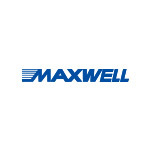
Core Viewpoint - The photovoltaic industry is experiencing significant differentiation, with JinkoSolar's performance in Q1 2025 being particularly alarming as it reported a substantial increase in losses compared to its peers [3][9]. Financial Performance - JinkoSolar reported Q1 2025 revenue of 13.84 billion, a year-on-year decline of 40.03% and a quarter-on-quarter decline of 33.13% [4]. - The net profit for the same period was -1.39 billion, representing a year-on-year decrease of 218.2% and a quarter-on-quarter decrease of 24.52% [4]. - In contrast, Longi Green Energy reported revenue of 13.65 billion with a year-on-year decline of 22.75% and a net profit loss of -1.44 billion, but with a net profit growth rate of 38.89% [3][4]. Market Position and Challenges - JinkoSolar's stock price has plummeted over 70% since its peak in 2022, with a market value loss exceeding 138 billion [5]. - The company has faced challenges due to the oversupply of TOPCon technology, which has led to increased competition and reduced profit margins [9][10]. - JinkoSolar's gross margin for photovoltaic modules dropped to 7.79% in 2024, nearly halving from 14.43% in the previous year [10]. Future Outlook - The company is at risk of further losses as the oversupply of TOPCon technology continues, and it has begun to experience significant financial strain [12][15]. - JinkoSolar's debt levels are concerning, with a debt ratio of 72.72% and total liabilities of 865.6 billion as of Q1 2025 [15]. - The company is exploring transitions to new technologies like TBC or perovskite tandem cells, but faces challenges in terms of time and market readiness [13][14].

江西“首富”李仙德,财富缩水超235亿
创业家· 2025-06-13 10:01
以下文章来源于侃见财经 ,作者侃见财经 今年一季度如果说哪家光伏巨头的表现最让外界大跌眼镜,那么晶科能源一定"榜上有名"。 因为,当隆基、通威、中环等行业巨头在今年一季度亏损环比收窄之际,晶科能源的亏损却同 比扩大。作为过去几年眼光最为"毒辣"的光伏巨头,如今却"顶不住"了。 侃见财经 . 看见不一样的财经! 光伏行业分化,已成大趋势。 来源:侃见财经 据财报显示,一季度晶科能源实现营收138.4亿,同比下滑40.03%,环比下降33.13%;实现 净利润-13.9亿,同比下滑218.2%,环比下降24.52%。相较于同样以组件作为主营业务的隆 基绿能,今年一季度分别实现营收和净利润136.5亿和-14.36亿,营收和净利润增速分别 为-22.75%和38.89%,虽然今年一季度隆基绿能没有走出亏损泥潭,但从净利润增速来看, 跟去年同期相比隆基绿能的亏损程度正在收窄。 | 项目 | 本报告期 | 上年同期 | 本报告期比上 年同期增减变 | | --- | --- | --- | --- | | | | | 动幅度(%) | | 营业收入 | 13,842,855,175.60 | 23,083,671,87 ...

晶科能源再为TOPCon举旗 披露Tiger Neo组件度电成本优化路径
Xin Lang Cai Jing· 2025-06-13 06:20
Core Insights - The release of the white paper during the SNEC PV+ 2025 International Solar Energy Conference highlights the advancements in TOPCon technology and the Tiger Neo 3.0 commercial solution, emphasizing cost reduction and efficiency improvements in solar energy systems [1][2] Group 1: Technology and Cost Efficiency - TOPCon technology enhances power generation efficiency while achieving significant cost reductions through material minimization and system structure optimization [1] - In high-temperature and high-irradiation environments, the Tiger Neo module reduces the system's initial investment and operational maintenance costs, leading to a lower overall Levelized Cost of Energy (LCOE) [1] - The white paper indicates that using Tiger Neo modules in desert-like high-temperature environments can lower the balance of system (BOS) cost by 0.048 yuan per watt, resulting in a 4.73% decrease in LCOE for a 100MW power station [1] Group 2: Performance Metrics - The Tiger Neo bifacial module achieves a bifaciality of 85%, significantly higher than the 55-65% of P-type bifacial cells, contributing to a 3%-5% increase in energy generation over the system's lifecycle [1][2] - The first-year degradation rate of the Tiger Neo module is less than 1%, ensuring long-term stable output [1][2] - The Tiger Neo 3.0 module has a power output of up to 670W, showcasing high efficiency and large power capacity [1] Group 3: Maintenance and Operational Costs - Innovations in frame design and dust accumulation prevention have led to a significant reduction in maintenance frequency for Tiger Neo modules in desert and tidal flat regions, with expected annual maintenance costs decreasing by 5%-10% in high-cost operational areas like the Middle East and North Africa [2] - The focus on cost reduction through technology is emphasized by the company's strategy to accelerate the replacement and iteration of efficient production capacity, particularly moving from 640W to 670W modules [2]