CHANGAN AUTOMOBILE-B(000625)

Search documents
1月头部车企销量表现分化 呈现“五增五降”格局
Zhong Guo Zheng Quan Bao· 2026-02-26 21:09
Core Insights - In January 2026, China's automotive sales reached 2.346 million units, reflecting a year-on-year decline of 3.2%, while production was stable at 2.45 million units, showing a slight increase of 0.01% [1][4] - The top ten automotive companies accounted for 1.962 million units sold, representing 83.6% of total sales, indicating a significant concentration in the market [1][2] - The market is characterized by a "stronger getting stronger" effect, with a clear division between companies experiencing sales growth and those facing declines [1][3] Market Performance - The top ten companies displayed a clear tiered performance, with SAIC Motor leading at 327,000 units sold, followed by Geely and FAW at 270,000 and 275,000 units respectively [2] - Among the growth cohort, SAIC Motor saw a substantial increase of 23.9% year-on-year, driven by strong performance in new energy vehicles and overseas sales [2][3] - Conversely, companies like FAW and BYD experienced slight declines, with FAW down 3% and BYD's domestic sales not compensating for its strong export performance [3][4] Industry Trends - The automotive market is undergoing a transformation towards electrification and globalization, with companies that have effectively expanded their new energy product lines and overseas markets showing better resilience [3][4] - The decline in sales for some companies is attributed to mismatches in product structure adjustments and market demand changes, highlighting the importance of aligning product offerings with consumer needs [4] Company Strategies - Major automotive companies have set clear sales targets for 2026, focusing on product launches and technological advancements to capture market share [5][6] - Traditional automakers like FAW and Dongfeng are emphasizing steady growth and new energy transitions, with FAW targeting 3.546 million units and Dongfeng aiming for 3.25 million units [5][6] - New energy leaders like BYD are focusing on global expansion, setting an overseas sales target of 1.3 million units, while startups like Leap Motor and Xiaomi aim for aggressive growth through new product launches [7]





1月头部车企销量表现分化呈现“五增五降”格局
Zhong Guo Zheng Quan Bao· 2026-02-26 20:28
Core Insights - The Chinese automotive market is expected to see record production and sales, with 2026 January sales data serving as a significant indicator for the year's trends [1] - The market is characterized by a high concentration of sales among the top ten companies, which accounted for 83.6% of total sales, indicating a "Matthew Effect" where the strong continue to strengthen [1][2] - The competition among automakers is intensifying, with a clear divide between companies experiencing sales growth and those facing declines [1][3] Market Performance - In January 2026, total domestic car sales reached 2.346 million units, a year-on-year decrease of 3.2%, while production was 2.45 million units, showing a slight increase of 0.01% [1] - The top ten automakers sold a combined 1.962 million units, with five companies showing sales growth and five experiencing declines, highlighting a distinct market segmentation [1][3] Sales Growth Leaders - SAIC Motor led sales with 327,000 units, a significant year-on-year increase of 23.9%, driven by growth in its self-owned brands, new energy vehicles, and overseas sales [2] - Geely and FAW Group followed in the second tier, with sales of 270,100 and 275,000 units respectively, while BYD and Chery ranked in the third tier with sales of 210,100 and 200,300 units [2][3] Factors Influencing Sales - The decline in January sales is attributed to the transition of new energy vehicle purchase tax policies, changes in local subsidies, and the early release of consumer demand at the end of 2025 [4] - Companies that achieved growth typically had advantages in new energy product offerings or overseas market expansion, while those with declining sales struggled to align product adjustments with market demand [4] Strategic Focus of Automakers - Major automakers are setting clear sales targets for 2026, emphasizing product launches and technological advancements to capture market share [5] - Traditional automakers like FAW and Dongfeng are focusing on steady growth and new energy transitions, with specific sales targets set for the year [5][6] Differentiated Strategies - Leading independent brands such as SAIC, Geely, and Great Wall are adopting differentiated strategies to maintain stability and growth, with SAIC's target speculated to be between 4.5 million to 5 million units [5][6] - New energy leaders like BYD are focusing on overseas sales, targeting 1.3 million units, while also expanding their domestic product offerings [6]


1月轻客“双降”:2.7万辆跌破去年最低!上汽大通超7000辆夺冠,江淮逆势双增
Xin Lang Cai Jing· 2026-02-26 10:22
Core Viewpoint - The light commercial vehicle (LCV) market in January 2026 experienced a significant decline, with sales dropping to 26,981 units, marking a 39.31% decrease month-on-month and an 11.94% decrease year-on-year, indicating a poor start to the year [4][12][16]. Group 1: Market Performance - In January 2026, the LCV market sales were 26,981 units, which is below the lowest sales figure of 28,000 units recorded in February 2025 [12][16]. - The month-on-month decline is attributed to the previous year's end-of-year sales push and consumer behavior of purchasing vehicles ahead of the new year, leading to a depletion of market demand at the start of 2026 [4][16]. - Year-on-year performance is also poor, as the January 2026 sales did not surpass the previous year's figures, reflecting a 11.94% decline [6][18]. Group 2: Company Rankings and Performance - The top 10 LCV manufacturers in January 2026 saw significant changes in rankings, with SAIC Maxus rising to first place, followed by JMC in second, and Changan in third [8][21]. - Four companies, including SAIC Maxus, JMC, Jianghuai, and Nanjing Iveco, showed growth against the trend, while six companies experienced declines [6][18]. - The overall market share of the top 10 companies reached 97.97%, with the top three companies alone accounting for 65.31% of the market, indicating increased market concentration [11][23].


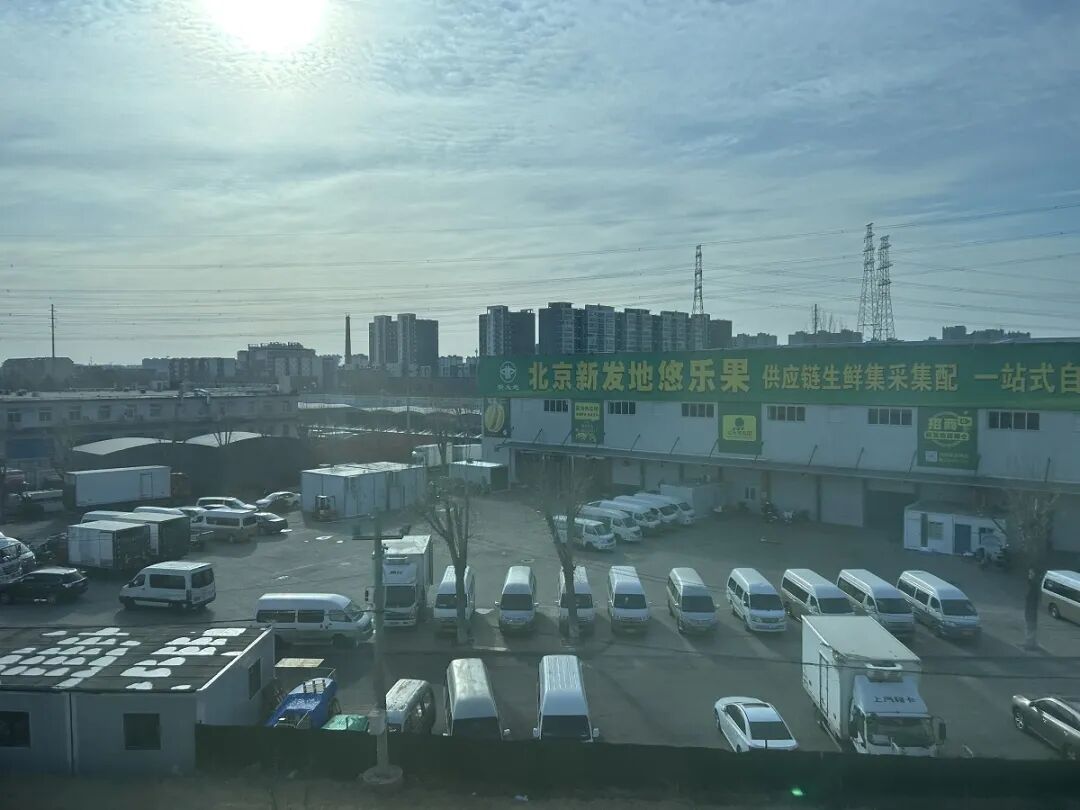
【全网最全】2025年新能源客车行业上市公司全方位对比(附业务布局汇总、业绩对比、业务规划等)
Qian Zhan Wang· 2026-02-26 06:09
Core Insights - The report highlights the rapid growth of the new energy bus market in China, driven by government policies supporting the development of new energy vehicles [1] - Key players in the new energy bus industry include Yutong Bus, Zhongtong Bus, CRRC, Ankai Bus, Foton Motor, King Long, BYD, Dongfeng Motor, and Changan Automobile [1] Industry Overview - The new energy bus sector is a focal point for research and production within China's automotive industry, with numerous listed companies involved across various segments of the supply chain [1] - The report provides a comprehensive summary of listed companies in the new energy bus industry, detailing their revenue, profit, and business structure [1] Company Summaries - Yutong Bus (600066.SH), Zhongtong Bus (000957.SZ), and CRRC (601766.SH) are identified as leading companies in the bus manufacturing sector, focusing on new energy commercial vehicles and core components [4] - Ankai Bus (000868.SZ) and Foton Motor (600166.SH) are also significant players, with a diversified product range that includes both traditional and new energy vehicles [4] Revenue Performance - The report includes detailed revenue figures for various companies, with notable performances such as: - BYD (002594.SH) reported a revenue of 566.26 billion [7] - Ningde Times (300750.SH) achieved a revenue of 2830.72 billion [6] - King Long (600686.SH) generated a revenue of 110.06 billion [11] Business Structure and Focus - Companies like Ankai Bus, Zhongtong Bus, and King Long have a high proportion of their business focused on new energy buses, while others like Foton Motor and Dongfeng Motor have a more diversified approach [9] - The majority of these companies have a global sales presence, indicating a trend towards international market expansion [9] Manufacturing and Technology - The report emphasizes the technological advancements in the industry, with companies focusing on electric drive systems, battery management, and energy efficiency [11] - Key technologies include high-energy batteries, electric control systems, and integrated vehicle designs, which are crucial for maintaining competitive advantages in the market [11] Future Outlook - The new energy bus industry is expected to continue its growth trajectory, with companies planning to enhance their international market presence and invest in smart technology innovations [12]


八大车企内部全员信曝光:如何在3500万大盘中“杀出血路”
第一财经网· 2026-02-26 04:53
Core Viewpoint - The Chinese automotive market is facing a significant transformation in 2026, characterized by ambitious growth targets from automakers contrasted with conservative market forecasts, leading to intensified competition and industry reshuffling [1] Group 1: Market Overview - The China Automotive Industry Association projects total vehicle sales in 2026 to be around 34.75 million units, reflecting a modest growth of 1% year-on-year, indicating that automakers must capture market share from competitors to achieve high growth targets [2] - Major automakers have set aggressive sales targets for 2026, with companies like Leap Motor aiming for a 67.5% increase to reach 1 million units, while XPeng targets 550,000 to 600,000 units, representing over 28% growth [2][3] Group 2: Company Strategies - Leap Motor's CEO emphasizes the need for rapid scaling to dilute costs, aiming for significant growth while acknowledging the challenges ahead [3] - NIO has announced several positive developments, including profitability and significant production milestones, but still needs to maintain rapid growth to bolster market confidence [3] - XPeng plans to expand its workforce significantly and aims to dominate core market segments with a diverse product lineup in 2026 [4] Group 3: International Expansion - The urgency for overseas market growth is highlighted, with companies like Changan and Geely stressing the need for resource investment and local market adaptation to succeed internationally [6] - Leap Motor aims to transition from merely selling cars abroad to establishing manufacturing operations in foreign markets, while XPeng targets doubling its overseas sales by 2026 [6] Group 4: AI Integration - AI is becoming a central focus for automakers, with leaders like Li Auto's CEO stating that 2026 is critical for companies aspiring to lead in AI technology [7] - XPeng aims to be the first company to mass-produce advanced AI technologies, including humanoid robots and flying cars, in 2026 [8] - Changan and Chery are also advancing their AI strategies, with Changan declaring a commitment to AI as essential for survival [9] Group 5: Competitive Landscape - The competitive environment is expected to become increasingly brutal, with a predicted market structure featuring a few leading companies, several mid-tier firms, and numerous smaller players [10] - The strategies of leading companies reflect a commitment to efficiency, product innovation, international expansion, and AI investment as they navigate the challenges of the evolving market [10]


全网最全,这些春节撒钱的车企,你发现了几个?
3 6 Ke· 2026-02-26 02:51
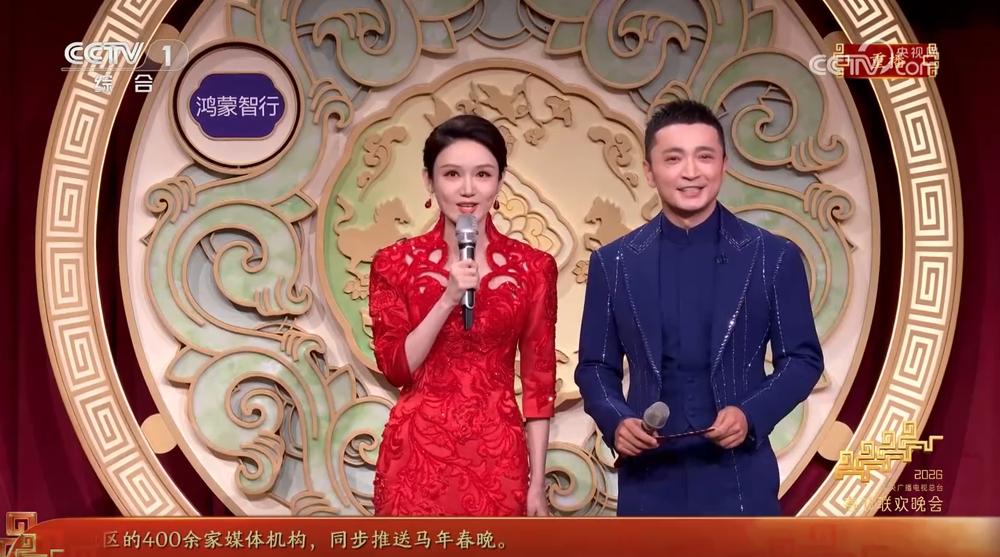
Core Insights - The automotive industry in China has launched an extensive marketing campaign during the 2026 Spring Festival, utilizing various platforms such as the Spring Festival Gala, movie placements, and self-produced short films to enhance brand visibility and engage consumers [1][40]. Group 1: Spring Festival Gala Marketing - Homong Zhixing's brand, Zun Jie S800, has been named the "Flagship Partner of the Smart Travel Era" for the Spring Festival Gala, marking its second consecutive year of collaboration [3][6]. - Multiple brands under Homong Zhixing, including Aito, have also participated in the Gala, showcasing their vehicles and promoting a festive message [10]. - Great Wall Motors' Wey brand was featured as the designated vehicle for new media during the Gala, increasing its visibility [12]. Group 2: Movie Marketing - The 2026 Spring Festival movie market has become a significant platform for automotive marketing, with nearly ten car companies participating in film placements, particularly in the movie "Fast and Furious 3" [18][20]. - Various models, including Lynk & Co Z20 and BYD's full range, were integrated into the film's narrative, enhancing their appeal through contextual relevance [23][26]. - Tank brand from Great Wall Motors took a unique approach by participating as a behind-the-scenes vehicle in the filming of "Fast and Furious 3" [20]. Group 3: Self-produced Short Films - Several car companies opted to create their own promotional videos, leveraging the Year of the Horse theme and the ongoing Winter Olympics to connect with audiences [29][33]. - BMW released a themed short film titled "Happy Year of the Horse," creatively linking its brand with New Year wishes [29]. - Volvo produced a creative video related to the Winter Olympics, emphasizing safety features in their vehicles [33]. Group 4: Marketing Strategy Insights - The three marketing strategies—Spring Festival Gala, movie placements, and self-produced short films—each offer unique advantages, such as broad reach, contextual integration, and creative flexibility [35][38]. - The Spring Festival Gala achieved a total media reach of 23.063 billion times, a 37.3% increase year-on-year, with a peak viewership of over 400 million [35]. - The focus has shifted from mere exposure to integrating brand value and product functionality with the emotional core of the Spring Festival, aiming for a combination of brand awareness, reputation, and conversion [40].

全国人大代表朱华荣:“十五五”是中国汽车发展的最佳时机
Zhong Guo Xin Wen Wang· 2026-02-26 01:51
Group 1 - The core viewpoint is that the "14th Five-Year Plan" represents the best opportunity for the development of the Chinese automotive industry, emphasizing the need for domestic brands to seize this moment for advancement in new energy, intelligence, and globalization [1] - During the upcoming 2026 National People's Congress, the chairman of China Changan Automobile Group, Zhu Huarong, will focus on high-quality development in the automotive industry, proposing suggestions related to technological innovation and high-quality international expansion [1]
特斯拉、小鹏、奇瑞……车企扎堆跨界“造人”
Mei Ri Shang Bao· 2026-02-25 22:23
Core Viewpoint - The performance of humanoid robots during the Spring Festival Gala has shifted public perception, indicating that these robots are moving beyond mere demonstrations to potential real-world applications, with 2026 identified as a critical year for mass production [1][2][6] Group 1: Industry Developments - Several leading automotive companies are entering the humanoid robot sector, with 2026 set as a key milestone for mass production [2][6] - Xiaopeng Motors plans to start mass production of its IRON humanoid robot by the end of this year, aiming to be the first to achieve large-scale production of advanced humanoid robots [2] - Tesla announced that its third-generation Optimus robot will be released in the first quarter of this year, with plans for mass production by the end of the year [2] - BYD and Changan are also actively developing humanoid robots, with BYD focusing on production for its own factories and Changan planning to release a prototype by 2027 [3] Group 2: Application and Pricing - Current humanoid robots are primarily being developed for industrial applications, with plans to expand into consumer markets later [4] - Initial applications include factory work, automotive showrooms, and traffic assistance, with future potential for home care and cleaning [4] - The pricing of humanoid robots is expected to decrease significantly, with BYD targeting a price below 100,000 yuan and Tesla estimating around 140,000 yuan after scaling production [4] - The commonality of core components between humanoid robots and smart vehicles is over 60%, allowing for cost reductions and shorter development cycles [4]

太猛了!16家汽车企业2026年销量目标马力全开
Zhong Guo Qi Che Bao Wang· 2026-02-24 06:11
Group 1 - In 2025, China's automobile production and sales both exceeded 34 million units, setting a new historical record [1] - The year 2026 marks the beginning of the "14th Five-Year Plan," with many automotive companies setting ambitious sales targets and clear strategies for growth [1] Group 2 - China FAW aims for a sales target of 3.546 million units in 2026, a year-on-year increase of 7.39% from 2025 [4] - Dongfeng Motor targets 3.25 million units for 2026, with over 30% year-on-year growth, focusing on new energy vehicles and exports [6] - Changan Automobile sets a goal of 3.3 million units for 2026, a 13.3% increase, with a strong emphasis on new energy vehicle sales [8] Group 3 - SAIC Motor's sales target for 2026 is projected between 4.5 million and 5 million units, reflecting a pragmatic approach [10] - BAIC Group aims for 2.2 million units in 2026, with a focus on new energy products and smart technology [12][13] - GAC Group's sales in Q4 2025 reached 537,800 units, showing a significant quarter-on-quarter increase of 25.56% [16] Group 4 - Chery aims for a sales target of 3.2 million units in 2026, a 14.03% increase from 2025, with plans to launch 17 key models [20] - BYD achieved a record of 4.602 million units in 2025 and plans to sell 1.3 million vehicles overseas in 2026, a 24.3% increase [22][23] - Geely targets 3.45 million units for 2026, a 14% increase, with a focus on new energy vehicle launches [25][26] Group 5 - Great Wall Motors sets a target of 1.8 million units for 2026, a 36% increase from 2025, supported by new technology [28][29] - Li Auto aims for 550,000 units in 2026, with a growth plan of approximately 40% [31] - NIO's sales target for 2026 is between 456,000 and 489,000 units, with plans to expand its battery swap station network [33] Group 6 - XPeng Motors targets 550,000 to 600,000 units for 2026, with a growth rate of approximately 28% to 39.7% [36] - Leap Motor aims for a sales target of 1.05 million units in 2026, a 67.5% increase, with plans to launch four new models [38] - Xiaomi Auto sets a target of 550,000 units for 2026, a 34% increase, focusing on technology development and user experience [40] Group 7 - Harmony Smart aims for over 1 million units in 2026, with plans to launch more than 10 new models [43]


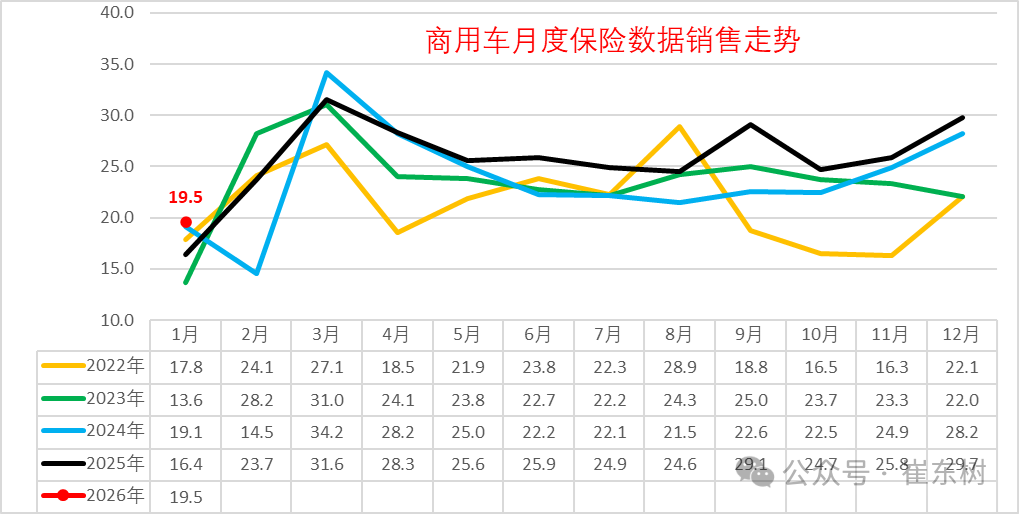
崔东树:2025年国内商用车交强险数据强势增长 今年1月商用车国内销量同比增19%
智通财经网· 2026-02-24 05:53
Core Viewpoint - The domestic commercial vehicle market is experiencing strong growth, particularly in the new energy vehicle (NEV) segment, driven by policies promoting vehicle updates and the increasing penetration of NEVs in the market [1][5]. Group 1: Commercial Vehicle Market Analysis - In January 2023, domestic commercial vehicle sales reached 200,000 units, a year-on-year increase of 19%, marking a new high for January in recent years [1][5]. - The total sales of commercial vehicles in 2025 are projected to reach 3.1 million units, representing a 9% year-on-year growth compared to 2022 [5]. - The penetration rate of NEVs in commercial vehicles is expected to reach 29% by 2025, indicating a robust growth trend [1][11]. Group 2: New Energy Commercial Vehicle Sales - In January 2026, NEV commercial vehicle sales are anticipated to hit 50,000 units, a 63% increase year-on-year, despite a 64% month-on-month decline [1][6]. - The total sales of NEV commercial vehicles in 2024 are projected to be 579,000 units, reflecting an 84% year-on-year growth [6]. - The NEV penetration rate in commercial vehicles reached 26% in January 2026, a 7 percentage point increase compared to the same period last year [11]. Group 3: NEV Penetration Rate - The penetration rate of NEVs in commercial vehicles was around 3% from 2019 to 2021, increasing to 9% in 2022, 11% in 2023, and expected to reach 20% in 2024 [11]. - The NEV penetration rate for trucks in January 2026 is 21%, while for buses, it is 54%, both showing significant improvements [13]. - The NEV penetration rate for heavy trucks is projected to reach 34%, and for light trucks, it is expected to be 20% [13]. Group 4: Market Structure and Competition - The commercial vehicle market is primarily supported by light and heavy truck manufacturers, with companies like Foton, Wuling, and Sinotruk leading in sales [14]. - The market share of heavy trucks is particularly strong in regions like Southwest and South China, with NEV heavy trucks showing good penetration rates [15][16]. - The light truck market is also seeing strong performance in regions such as Southwest and Northwest, with increasing growth in the South China market [17][18].