GREE(000651)

Search documents
“扩大内需”战略定调,大消费板块掀涨停潮
Huan Qiu Wang· 2025-12-16 08:11
Core Viewpoint - The consumer sector experienced a significant rally on December 16, driven by supportive policies aimed at expanding domestic demand, which has been elevated to a strategic priority for the economy [1][4]. Group 1: Policy Support - The article emphasizes that expanding domestic demand is crucial for economic stability and security, and it is not merely a temporary measure but a strategic initiative [1]. - The National Development and Reform Commission highlighted the need to unleash consumer potential through various measures, including special actions to boost consumption and plans to increase residents' income [1][4]. - The Central Economic Work Conference has prioritized "maintaining demand as the main driver and building a strong domestic market" as a key task for the upcoming year, reflecting the government's commitment to boosting consumption [1]. Group 2: Market Dynamics - The consumer sector's attractiveness is underscored by its current low valuation after a prolonged adjustment period, indicating a significant technical rebound demand [3]. - For instance, the food and beverage sector has a current price-to-earnings (P/E) ratio of 20.8, with a percentile ranking of only 13.04%, compared to over 64 times at its peak in February 2021, highlighting its investment value [3]. - Major consumer companies like Kweichow Moutai, Midea Group, and Haier Smart Home reported year-on-year profit growth in the first three quarters, demonstrating strong operational resilience [3]. Group 3: Investment Opportunities - A number of consumer stocks are showing characteristics of a "golden pit," where stock prices have declined despite strong earnings growth, presenting potential investment opportunities [3]. - Examples include leading condiment company Haitian Flavoring, which saw its stock price drop over 18% while achieving a 10.54% increase in net profit, and TCL Technology, which experienced a 16% decline in stock price with an 18.45% rise in net profit [3]. - Other companies like Xiangyuan Cultural Tourism, Xueda Education, and Bear Electric also fit this profile, offering potential for value investors [3]. Group 4: Future Outlook - Recent initiatives by the Ministry of Commerce and financial regulators to expand and upgrade rural consumption, along with credit support, open new avenues for market expansion [4]. - Analysts expect that the focus on expanding domestic demand will lead to more specific policies in the future, enhancing investor confidence in the consumer sector [4]. - The outlook for traditional consumption is anticipated to improve, while new consumption trends may experience rotation, but overall, the consumer sector is expected to maintain sustainability underpinned by both policy and market fundamentals [4].







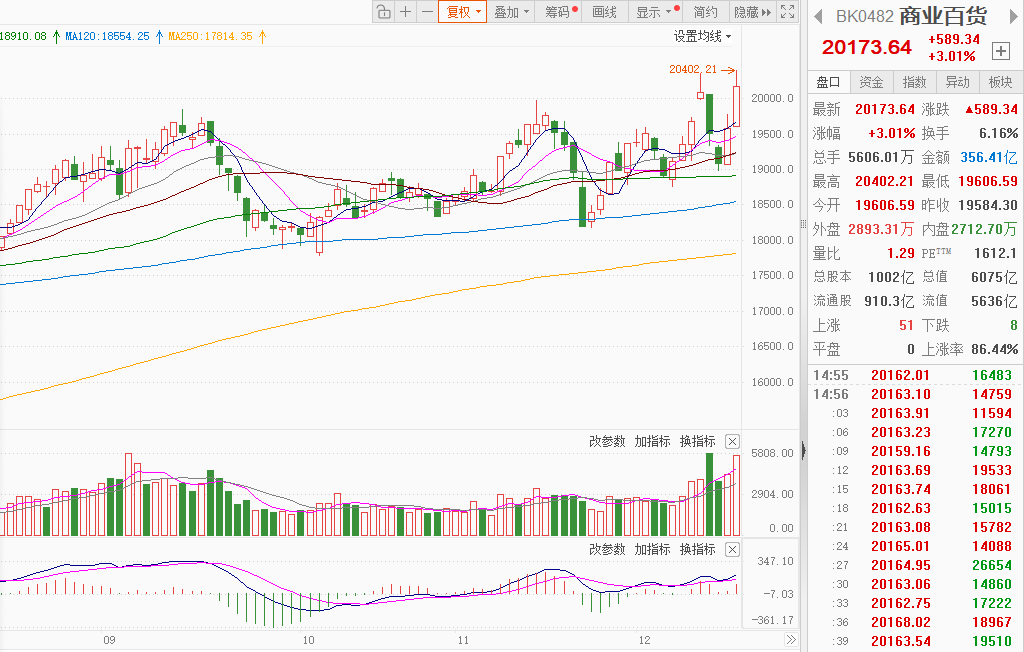
山东省市场监督管理局公布2025年电风扇产品质量省级监督抽查结果
Zhong Guo Zhi Liang Xin Wen Wang· 2025-12-16 07:57
Core Points - The Shandong Provincial Market Supervision Administration announced the results of the provincial quality supervision sampling inspection for electric fans in 2025, with a total of 31 batches inspected [3][5] - The inspection covered production, sales, and online sales channels, with 1 batch from production, 20 from sales, and 10 from online sales [3] - The inspection was based on multiple national standards related to electromagnetic compatibility, safety, energy efficiency, and noise limits for household appliances [4] Inspection Results - One batch of electric fans sold by Qingdao Bolu Industrial and Trade Co., Ltd. failed to meet relevant standards, specifically in output air volume and energy efficiency [5] - The Shandong Provincial Market Supervision Administration has instructed relevant departments to handle the non-compliance results according to the Product Quality Law and related regulations [5] Standards and Regulations - The inspection adhered to various standards including GB 4343.1-2018, GB 4706.1-2005, and GB 12021.9-2021, which cover electromagnetic compatibility, safety requirements, and energy efficiency for electric fans [4] - Specific items tested included protection against electric shock, input power and current, heat generation, leakage current, stability, mechanical hazards, noise, and energy efficiency ratings [4]


铝成本更低,小米等19家企业抱团铝代铜,董明珠硬刚:没有100%把握之前格力绝不跟进【附白色家电行业市场分析】
Qian Zhan Wang· 2025-12-16 06:30
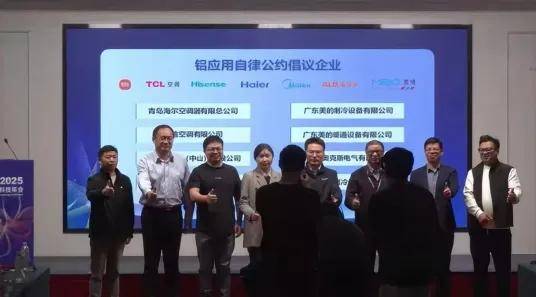
Group 1 - A total of 19 air conditioning companies, including Haier, Midea, Hisense, TCL, and Xiaomi, have signed a self-regulatory agreement to promote the breakthrough of aluminum replacing copper technology, with Gree Electric being the only major company absent from this initiative [2] - The cost of copper accounts for 20% of the total cost of a single air conditioner, while the cost of aluminum is only 1/10 of that of copper, indicating potential for significant price reductions if aluminum can effectively replace copper [2] - Copper has superior thermal conductivity, corrosion resistance, and long-term reliability compared to aluminum, with copper's thermal conductivity being 1.7 times that of aluminum and copper pipes having an average lifespan of 15-20 years compared to aluminum pipes' lifespan of less than 8 years [2] Group 2 - China's copper demand has been steadily increasing, reaching 11.6983 million tons in 2023, a year-on-year increase of 4.09% [3] - The air conditioning industry consumes approximately 850 million kilograms of copper annually, accounting for about 21% of China's total copper demand [5] - The production of white goods, including refrigerators, air conditioners, and washing machines, has shown a fluctuating upward trend from 2012 to 2023, with air conditioner production reaching 157.056 million units in the first half of 2024, a year-on-year increase of 13.8% [5] Group 3 - Gree Electric's CEO, Dong Mingzhu, has stated that the company currently has no plans to adopt aluminum replacing copper technology due to concerns over quality and reliability, emphasizing that quality is the primary consideration over cost [6][8] - Gree Electric's Vice President, Hu Yusheng, confirmed during an earnings briefing that the company will not pursue aluminum replacing copper until performance, quality, and reliability can be fully guaranteed [6] - Dong Mingzhu has expressed that the rising copper prices do put pressure on Gree, but the company prioritizes responsibility towards the country, shareholders, and employees over merely focusing on cost [8]
空调“铝代铜”再惹争议,董明珠为何不积极?
Xin Lang Cai Jing· 2025-12-15 13:44
Core Viewpoint - The ongoing debate over "aluminum replacing copper" in the air conditioning industry has intensified following comments from Gree Electric's chairman, Dong Mingzhu, emphasizing that aluminum has not yet reached the technical standards necessary to replace copper [1][7]. Group 1: Industry Standards and Developments - The China Refrigeration Society released a group standard for aluminum tube fin heat exchangers on December 11, 2023, with major manufacturers like Gree, Midea, Haier, Xiaomi, Hisense, TCL, and Aux participating in the standardization process [1][8]. - A new round of discussions on national standards for heat exchangers is expected to take place in January 2026 [1][8]. Group 2: Industry Disagreements - Several air conditioning companies, including Haier, Midea, and Xiaomi, have joined a self-regulatory agreement to promote aluminum heat exchangers while avoiding false claims and enhancing consumer trust [2][8]. - Gree has not joined this agreement, with Dong Mingzhu stating that the company will consider aluminum only when it can fully replace copper [2][9]. Group 3: Economic Factors - The debate over "aluminum replacing copper" has persisted for over a decade, often reignited by fluctuations in copper prices, which have recently reached historical highs, with LME copper prices exceeding $11,461 per ton [3][9]. - The copper-aluminum price ratio has remained between 2.5 and 4.5 since the supply-side reforms of 2017-2018, with the current ratio at 3.8 as of November 2025 [3][10]. Group 4: Technical Considerations - Concerns regarding aluminum's inferior thermal conductivity, strength, and corrosion resistance compared to copper have been raised, suggesting that using aluminum could negatively impact the lifespan and reliability of air conditioning units [3][6]. - The application of aluminum in refrigerators has progressed more rapidly, with aluminum accounting for nearly 90% of the cooling systems, while air conditioning remains more complex due to varying operational conditions [5][11]. Group 5: Policy Support - The Chinese government has elevated the "aluminum replacing copper" initiative to a policy level, with a plan issued in March 2025 to promote aluminum consumption in various sectors, including home appliances [4][10].

董明珠回应空调“铝代铜”:坚持不用,除非铝能够完全替代铜
Xin Lang Cai Jing· 2025-12-15 13:34
Core Viewpoint - The air conditioning industry is increasingly focused on the "aluminum replacing copper" issue due to rising copper prices, with major companies like Gree Electric expressing caution about the feasibility of this transition [1][3][5]. Group 1: Industry Context - Gree Electric's chairman, Dong Mingzhu, stated that while aluminum can potentially replace copper, the technology has not yet reached the same level of reliability and performance as copper [1][3]. - Gree has repeatedly emphasized that there are currently no plans to implement "aluminum replacing copper" in their air conditioning products, citing copper's superior thermal conductivity, corrosion resistance, and long-term reliability [5][7]. Group 2: Market Dynamics - By the end of 2025, global copper supply is expected to tighten significantly, with demand surging and potential tariffs from the U.S. contributing to rising prices, which are anticipated to reach new historical highs [3][7]. - The International Energy Agency projects that even with high production levels, the global copper supply gap could reach 20% by 2035 [3][7]. - Goldman Sachs forecasts that copper prices will enter a new high-price trading phase starting next year [3][7]. Group 3: Standards and Regulations - At the recent 2025 China Home Appliance Technology Annual Conference, a group standard for the construction of aluminum tube fin heat exchangers for air conditioners was released, with additional standards for aluminum heat exchanger raw material requirements currently being developed [3][7]. - Several air conditioning companies have joined a self-regulatory agreement to promote the scientific benefits of aluminum heat exchangers while avoiding exaggerated claims, aiming to enhance consumer trust in industry products and technologies [3][7]. - Gree participated in the revision of national standards for heat exchangers but did not join the self-regulatory agreement [7].
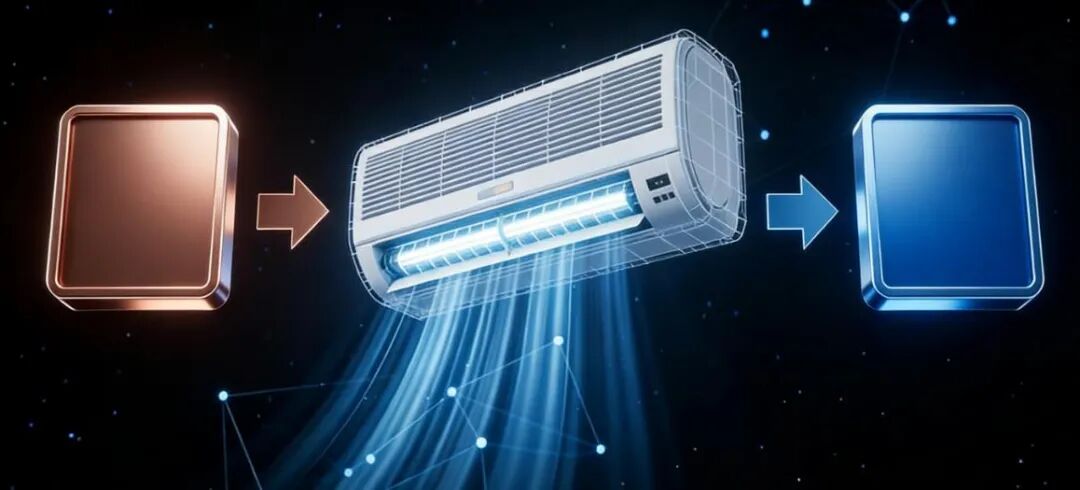
空调“铜铝大战”再起:董明珠的态度,或许比答案更重要
Sou Hu Cai Jing· 2025-12-15 11:20
Core Viewpoint - The ongoing debate in the air conditioning industry about whether aluminum can replace copper has been reignited, with Gree's leader, Dong Mingzhu, firmly stating that Gree will not adopt aluminum in place of copper [1][5]. Industry Analysis - Dong Mingzhu maintains that while aluminum can technically replace copper, the critical issue lies in the current maturity of technology to support long-term and stable user scenarios [5][6]. - Copper has been the default choice in the industry due to its excellent thermal conductivity, corrosion resistance, and mature processing techniques, while aluminum offers advantages such as being lighter, cheaper, and more abundant, making it attractive for cost control and large-scale manufacturing [6][8]. - The industry is increasingly moving towards aluminum substitution, with many brands already using aluminum in mid-range products or non-core components, and some companies are exploring ways to enhance aluminum's reliability through various treatments and modifications [6][7]. Company Position - Gree's decision to retain copper in core systems is seen as a cautious approach, especially as most companies are seeking more cost-effective and efficient solutions [8][10]. - The distinction in Gree's approach lies in its different standards for assessing "usable" versus "long-term reliable use," emphasizing that material selection is a long-term risk management issue, particularly for high-frequency, long-cycle appliances like air conditioners [11][12]. - Dong Mingzhu's stance reflects a commitment to ensuring that aluminum does not replace copper until it meets equivalent technical conditions and guarantees [14][15]. Future Outlook - The debate over aluminum versus copper is not a binary issue; it represents a technology route that is being continuously validated, with different companies adopting varying strategies based on their priorities [15][17]. - The ultimate resolution of this "copper-aluminum war" will depend on time, large-scale applications, and real data from long-term usage, with Gree's approach focusing on user responsibility rather than merely cost and parameters [17].
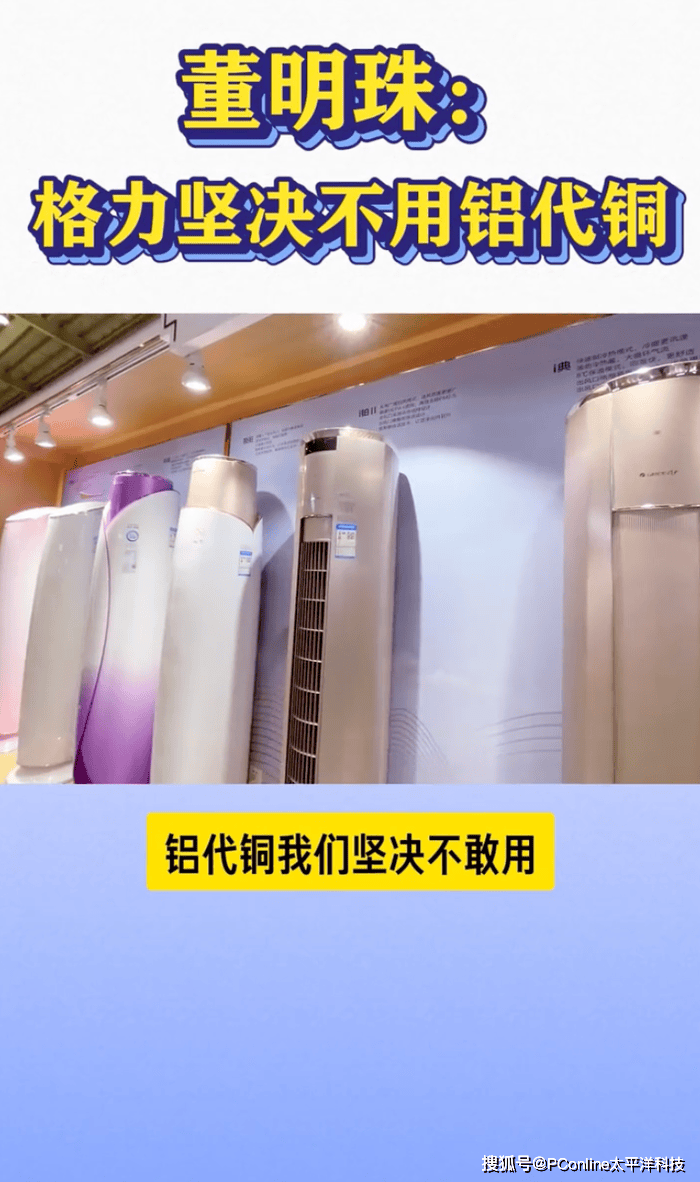
空调行业“铝代铜”问题再引关注,格力董明珠最新回应
Xin Lang Cai Jing· 2025-12-15 08:17
Group 1 - Gree Electric's Chairman Dong Mingzhu reiterated the company's stance against using aluminum instead of copper in air conditioning, citing that aluminum has not yet reached the same technical standards and reliability as copper [1][2] - The company acknowledges the rising copper prices and the potential cost benefits of using aluminum, which is significantly cheaper, but emphasizes that the performance and reliability of aluminum have not been sufficiently proven [1][2] - Gree Electric has stated that copper constitutes about 20% of the cost of air conditioners, and while aluminum costs about one-tenth of copper, its physical properties such as thermal conductivity and corrosion resistance are inferior [1][2] Group 2 - China is the largest producer and consumer of air conditioners globally, but it relies on imports for about 80% of its copper, while it produces 60% of the world's electrolytic aluminum, indicating a stronger control over raw material supply [2] - The air conditioning industry is accelerating the development of standards for aluminum use, but there are significant technical challenges, particularly in compensating for aluminum's performance shortcomings compared to copper [2] - A group of leading air conditioning companies, including Haier, Midea, and TCL, has committed to a self-regulatory agreement regarding the use of aluminum heat exchangers, although Gree Electric did not participate in this initiative [3]
小米等19家巨头铝代铜被指合谋减配!董明珠放话:坚决不用……
Sou Hu Cai Jing· 2025-12-15 03:01
Core Viewpoint - The air conditioning industry has reached a rare consensus on the "aluminum instead of copper" self-discipline convention, with 19 companies including Haier, Midea, Hisense, and Xiaomi participating in promoting this technological transformation [1][3]. Group 1: Industry Consensus and Reactions - The self-discipline convention emphasizes the prohibition of malicious attacks and encourages scientific promotion of aluminum heat exchanger air conditioners [3]. - Gree, although involved in the revision of national standards for aluminum instead of copper, did not join the self-discipline convention, stating that it currently has no plans to adopt aluminum due to concerns over performance and reliability [3][4]. - Gree's Vice President previously indicated that the company would not pursue aluminum until performance and quality could be guaranteed [4]. Group 2: Technical and Economic Considerations - The technical feasibility of aluminum replacing copper has significantly improved through structural optimization and process improvements, despite aluminum's thermal conductivity being only 60% that of copper [6]. - The cost advantage of aluminum is substantial, with copper prices reaching 92,000 yuan per ton compared to aluminum at 22,000 yuan per ton, making aluminum four times cheaper [7][8]. - The use of aluminum could reduce the cost of materials for a single air conditioner from approximately 600 yuan (copper) to 140 yuan (aluminum), potentially enhancing price competitiveness for manufacturers [8]. Group 3: Environmental and Strategic Implications - The shift towards aluminum is supported by national strategies, as the Ministry of Industry and Information Technology has expressed support for aluminum instead of copper, aligning with resource security and carbon reduction goals [7]. - Aluminum's production has a lower carbon footprint, with a 50% reduction in direct carbon emissions and a recycling rate of over 95% [6][7]. - The air conditioning industry consumed 1.723 million tons of copper in 2023, accounting for 10.7% of the national copper consumption, highlighting the industry's reliance on imported copper resources [7].
科技资讯AI速递:昨夜今晨科技热点一览 丨2025年12月15日
Xin Lang Cai Jing· 2025-12-15 02:26
Group 1 - The U.S. is heavily investing in artificial intelligence (AI), while China adopts a more diversified technology investment strategy, potentially risking U.S. economic leadership in the broader competition [1] - A survey in Japan shows that 36.1% of young people aged 15-24 use AI for casual inquiries, and 34.4% for homework assistance, with notable gender and age differences in usage patterns [1] - The robotics industry has seen over 20 billion yuan in financing in the first half of the year, but over 70% of applications remain in the demonstration phase, highlighting a disconnect between technology, capital, and market demand [1] - Many customer service systems in major platforms struggle with AI understanding and human agent accessibility, indicating a need for better human-AI collaboration and evaluation of AI tools [1] - OpenAI plans to launch a "mature mode" for ChatGPT in Q1 2026, currently testing an age verification model to ensure appropriate content for users under 18 [1] - Google has introduced a beta version of real-time translation for headphones, supporting over 70 languages, and plans to expand this feature to iOS and more regions by 2026 [1] - Gree Electric's chairman, Dong Mingzhu, stated that the company will not adopt aluminum for copper in air conditioning units until it can ensure equal performance standards [1] Group 2 - Turing Award winner Yao Qizhi emphasizes the need for embodied intelligence to shift from imitation learning to reasoning capabilities, advocating for collaboration between industry and academia [2] - IDC predicts that by 2029, Chinese companies will control 72% of global semiconductor manufacturing capacity, with mainland China alone accounting for 37% and the U.S. only 8% [2] - The Ministry of National Security warns the public against granting location permissions to apps, citing risks of foreign entities exploiting digital footprints for security threats [2] - The global prediction market platform Polymarket faces insider trading allegations, with users reportedly profiting from insider information related to OpenAI and Google, prompting tech companies to update policies against employee participation in such trades [2]

格力缺席空调铝代铜自律公约,称铜材优势明显暂无计划
Bei Ke Cai Jing· 2025-12-15 02:20
Core Viewpoint - The air conditioning industry is moving towards the adoption of aluminum instead of copper in their products, with several companies expressing commitment to a self-regulatory agreement, while Gree Electric Appliances has opted out, citing concerns over the reliability of aluminum technology [1] Group 1: Industry Response - Companies such as Haier, Midea, and Xiaomi have publicly committed to adhering to the self-regulatory agreement aimed at promoting the use of aluminum in air conditioning systems, indicating a collective effort to enhance the industry's image and competitiveness [1] - The self-regulatory agreement reflects the industry's strong anticipation for the technological shift towards aluminum, which is seen as a potential breakthrough for high-quality development in air conditioning [1] Group 2: Gree Electric's Position - Gree Electric has stated that it currently has no plans to adopt aluminum in its air conditioning units, emphasizing the advantages of copper in terms of thermal conductivity, corrosion resistance, and long-term reliability [1] - A technical leader from a major air conditioning brand noted that the industry had the capability to fully transition to aluminum technology two years ago, but the overall public acceptance and prevailing opinions have slowed down the adoption process [1] - Gree's absence from the self-regulatory agreement signals that the transition to aluminum still faces various technical challenges and uncertainties [1]