GREE(000651)

Search documents
从“造什么卖什么”到“要什么造什么”,双11家电供应链柔性升级
第一财经· 2025-10-28 14:35
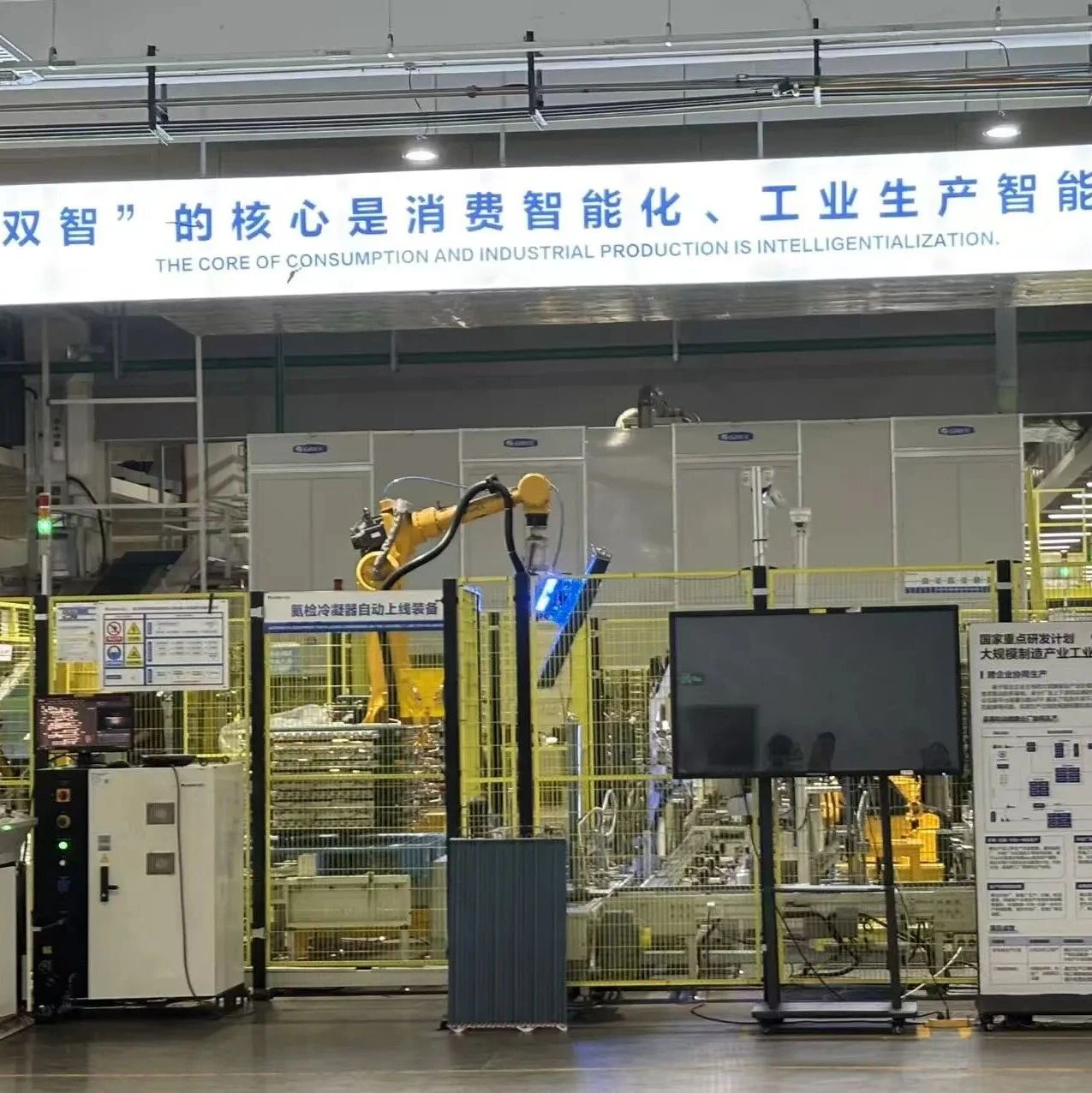
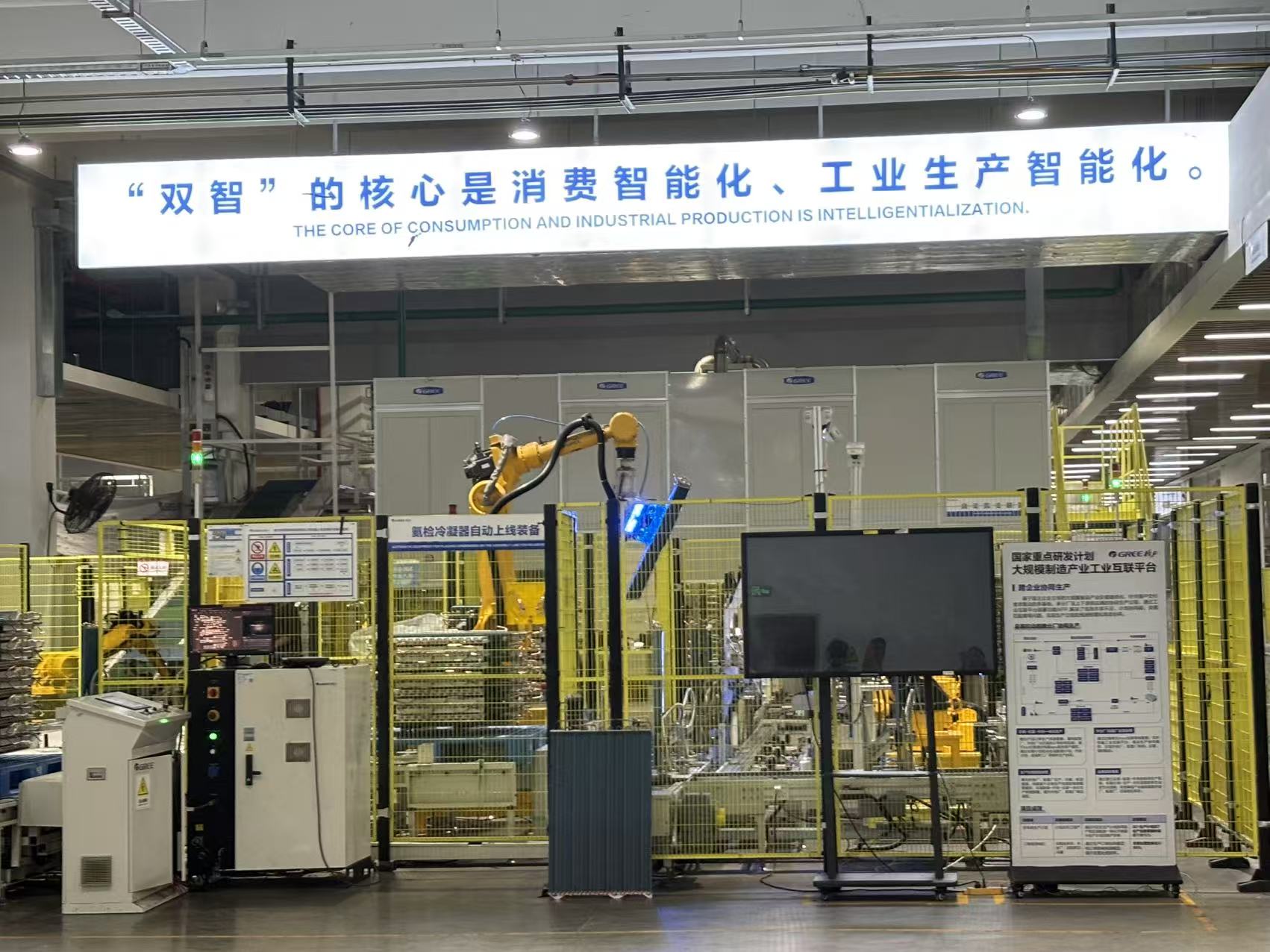
Core Viewpoint - Despite predictions of a decline in the home appliance market sales during this year's Double 11, e-commerce platforms and leading home appliance companies are striving to meet diverse consumer demands through enhanced product customization partnerships, supported by advancements in smart manufacturing [3][4]. Group 1: Market Dynamics - The sales forecast for the home appliance market during Double 11 is expected to decline year-on-year, prompting companies to innovate and adapt [3]. - Gree Electric's domestic e-commerce business head indicated that the promotional period for Double 11 is longer this year, suggesting ample opportunities remain [3]. - Gree has partnered with JD.com to launch customized products, including the "Little Cool God" air conditioner, and has also collaborated with Tmall and Douyin for product customization [3][4]. Group 2: Product Customization Efforts - JD.com has strengthened its collaboration with Gree for product customization, achieving cumulative sales of 130,000 units for the AI Energy-Saving Prince air conditioner [4]. - JD.com is also working with other brands, such as Meibang, to offer diverse product options, including the "Wind God Eye" air conditioner [4]. - Gree's market director stated that the company will tailor different products for various channels to adapt to changing consumer structures and price segments [4]. Group 3: Market Penetration Insights - Air conditioner penetration in urban areas is high, with approximately 146 units per 100 households, while rural areas, particularly in Northeast China, show much lower penetration rates of about 20 units per 100 households [4]. - Products priced below 2,100 yuan account for nearly half of the market share, indicating a shift in market structure [4]. Group 4: Challenges in Customization - A significant challenge in product customization is aligning brand perceptions with consumer data, as many brands may not recognize emerging consumer needs identified by JD.com's data analysis [5]. - Matching product performance with cost remains a critical hurdle in the customization process [5]. Group 5: Smart Manufacturing Advancements - The enhancement of smart manufacturing capabilities is providing more opportunities for product customization [6]. - Gree's smart manufacturing base in Zhuhai, with a total investment of 15 billion yuan, aims to produce 12.3 million units annually, with plans to double the number of automated production lines [6]. - The integrated smart manufacturing aims to address issues such as low efficiency in manual assembly and challenges in quality control and logistics [6].



从“造什么卖什么”到“要什么造什么” 双11家电供应链柔性升级
Di Yi Cai Jing· 2025-10-28 14:09
Group 1 - The core viewpoint of the articles highlights the challenges and strategies in the home appliance market during the Double 11 shopping festival, with a focus on product customization and smart manufacturing as key drivers for sales stability [1][2]. - Gree Electric's collaboration with major e-commerce platforms like JD.com and Tmall aims to introduce customized products, such as the "Little Cool God" air conditioner, to meet diverse consumer needs [1][2]. - JD.com has reported significant sales of customized products, with 130,000 units of the AI Energy-Saving Prince air conditioner sold, indicating a strong market response to tailored offerings [1]. Group 2 - The penetration rate of air conditioners in urban areas is high, with approximately 146 units per 100 households, while rural areas, particularly in Northeast China, show much lower penetration at about 20 units per 100 households [2]. - Gree Electric plans to customize products for different sales channels to adapt to changing consumer structures and price segments, ensuring high-quality offerings across various price points [2]. - The enhancement of smart manufacturing capabilities is enabling more flexible and efficient product customization, addressing challenges such as low assembly efficiency and quality control [3]. Group 3 - Gree's smart manufacturing base in Zhuhai, with an investment of 15 billion yuan, aims to produce 12.3 million units annually, showcasing the company's commitment to automation and efficiency in production [3]. - The integration of automated production lines is expected to double within the year, further improving the manufacturing process and addressing logistical challenges [3].
从“造什么卖什么”到“要什么造什么”,双11家电供应链柔性升级
Di Yi Cai Jing· 2025-10-28 13:28
Group 1 - Despite predictions of a decline in the home appliance market sales during this year's Double 11, e-commerce platforms and leading home appliance companies are striving to meet diverse consumer demands through enhanced product customization partnerships [2] - Gree Electric's domestic e-commerce business head stated that the promotional period for Double 11 is relatively long, indicating that there are still many opportunities ahead [2] - Gree has collaborated with JD.com to launch customized products, including the "Little Cool God" air conditioner, and has also partnered with Tmall and Douyin for customized offerings [2] Group 2 - Air conditioning is widely popular in urban areas, with a penetration rate of approximately 146 units per 100 households, but remains low in rural areas, particularly in Northeast China, where the rate is about 20 units per 100 households [3] - Gree Electric's market director mentioned that the company plans to customize different products for various channels to adapt to changing consumer structures and provide high-quality products across all price segments [3] - The improvement in smart manufacturing capabilities has opened up more possibilities for product customization [3][4] Group 3 - The integrated smart manufacturing aims to address issues such as low efficiency in manual assembly, inefficiencies in switching between small orders of various products, challenges in post-production quality control, and difficulties in precise logistics [4] - The Gree air conditioning smart manufacturing base, established in 2020 with a total investment of 15 billion yuan, is expected to produce 12.3 million sets annually, with plans to double the number of automated production lines within the year [3]
八马茶业港股上市;农夫山泉钟睒睒第四次成为中国首富
Sou Hu Cai Jing· 2025-10-28 11:50
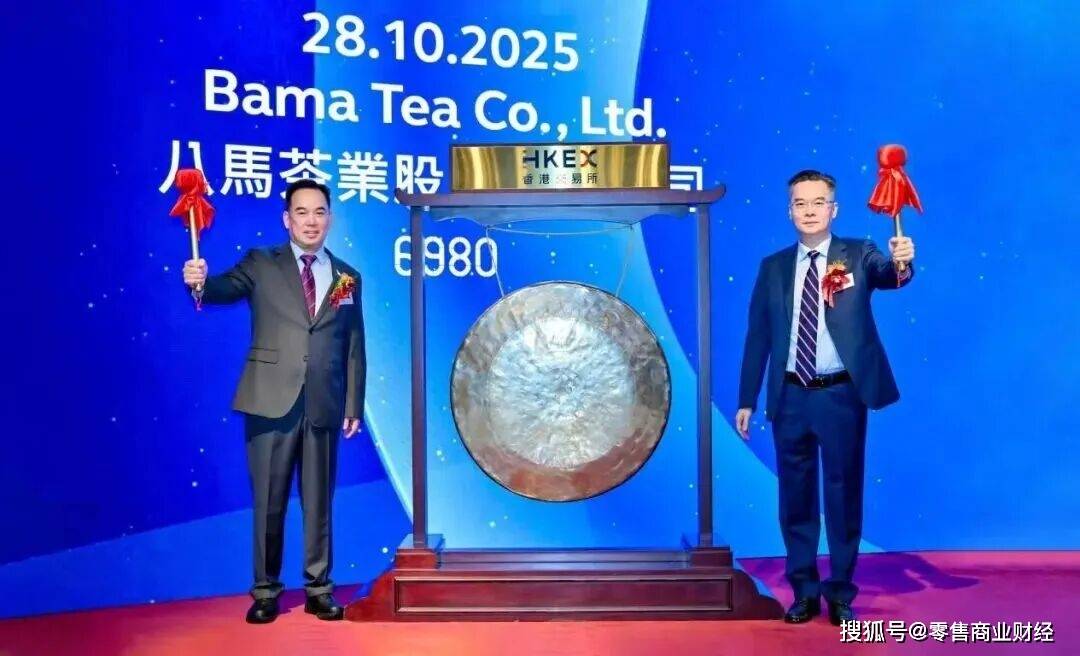
Group 1: Baima Tea Industry - Baima Tea has officially listed on the Hong Kong Stock Exchange, with its shares opening 60% above the issue price at HKD 80 per share, and rising over 70% by 10 AM [1] - The company raised a total of HKD 450 million from the global offering of 9 million shares, netting approximately HKD 390 million after deducting listing expenses [1] - The funds will be used to expand the sales network, improve supply chain efficiency, and enhance brand promotion [1] Group 2: Meituan - Meituan has launched a nationwide social security subsidy program for all delivery riders, providing pension insurance subsidies [3] - Starting in November, riders can choose to pay social security in their registered or working locations, with additional benefits for family care and education [3] - The program aims to cover over one million riders and their families [3] Group 3: Nongfu Spring - Nongfu Spring's founder Zhong Shanshan has become China's richest person for the fourth time, with a net worth of CNY 530 billion, an increase of CNY 190 billion [4] - The company's revenue for the first half of 2025 reached approximately CNY 25.622 billion, a year-on-year increase of 15.56%, with net profit rising by 22.16% to CNY 7.622 billion [4] - The tea beverage segment has surpassed bottled water in revenue for the first time [4] Group 4: Guoquan - Guoquan reported a net increase of 361 stores in Q3, bringing the total to 10,761, a 98% year-on-year increase [4] - The company expects revenue between CNY 1.85 billion and CNY 2.05 billion, representing a year-on-year growth of 13.6% to 25.8% [4] - Core operating profit is projected to be between CNY 65 million and CNY 75 million, a year-on-year increase of 44.4% to 66.7% [4] Group 5: Three squirrels - Three Squirrels reported Q3 revenue of CNY 2.281 billion, an 8.91% year-on-year increase, but net profit attributable to shareholders fell by 56.79% [6] Group 6: Yanjinpuzi - Yanjinpuzi announced Q3 revenue of CNY 1.486 billion, a 6.05% year-on-year increase, with net profit rising by 33.55% to CNY 232 million [6] Group 7: Pupu Supermarket - Pupu Supermarket is set to open a new store in Quanzhou, increasing its total in the city to seven, while also planning to expand its kitchen business to Xiamen [6] Group 8: Qian Dama - Qian Dama has been included in the "2025 Guangdong Province Top 100 Private Enterprises" list, ranking 94th, and also made it to the "Top 50 Private Service Enterprises" at 35th [8] Group 9: Taobao - Taobao has launched 2.1 million new products globally for this year's Double Eleven, with offerings in five languages across 20 countries [8] Group 10: Walmart - Walmart has officially entered the South African market, planning to open its first stores by the end of the year and launching a mobile shopping app [9] Group 11: Suning - Suning reported that Guiyang, Chengdu, and Changsha are the top three cities for winter appliance consumption, with sales growth of 150%, 110%, and 87% respectively [10] Group 12: JD Fresh - JD Fresh will open its first store in Shijiazhuang in December, marking a significant expansion in the North China region [12] Group 13: Gree Electric - Gree Electric's sales with JD are expected to exceed CNY 20 billion again this year, with a focus on expanding sales across all product categories [14] Group 14: Meituan Health - Meituan has launched a "Health Double Eleven" event featuring special medical foods, responding to a nearly 40% increase in related searches [15] Group 15: Shanghai Jahwa - Shanghai Jahwa reported a revenue of CNY 4.961 billion for the first three quarters of 2025, a 10.8% increase, with net profit rising by 149.1% [17] Group 16: Cainiao - Cainiao is delivering automated sorting centers to multiple courier companies globally, preparing for the upcoming shopping festivals [18] Group 17: Kidswant - Kidswant reported Q3 revenue of CNY 2.438 billion, a 7.03% year-on-year increase, with net profit rising by 28.13% [19] Group 18: Tao Xiaopang - Tao Xiaopang's new store in Zhengzhou achieved sales of CNY 2.27 million on its opening day, with a strong focus on community consumption [20]


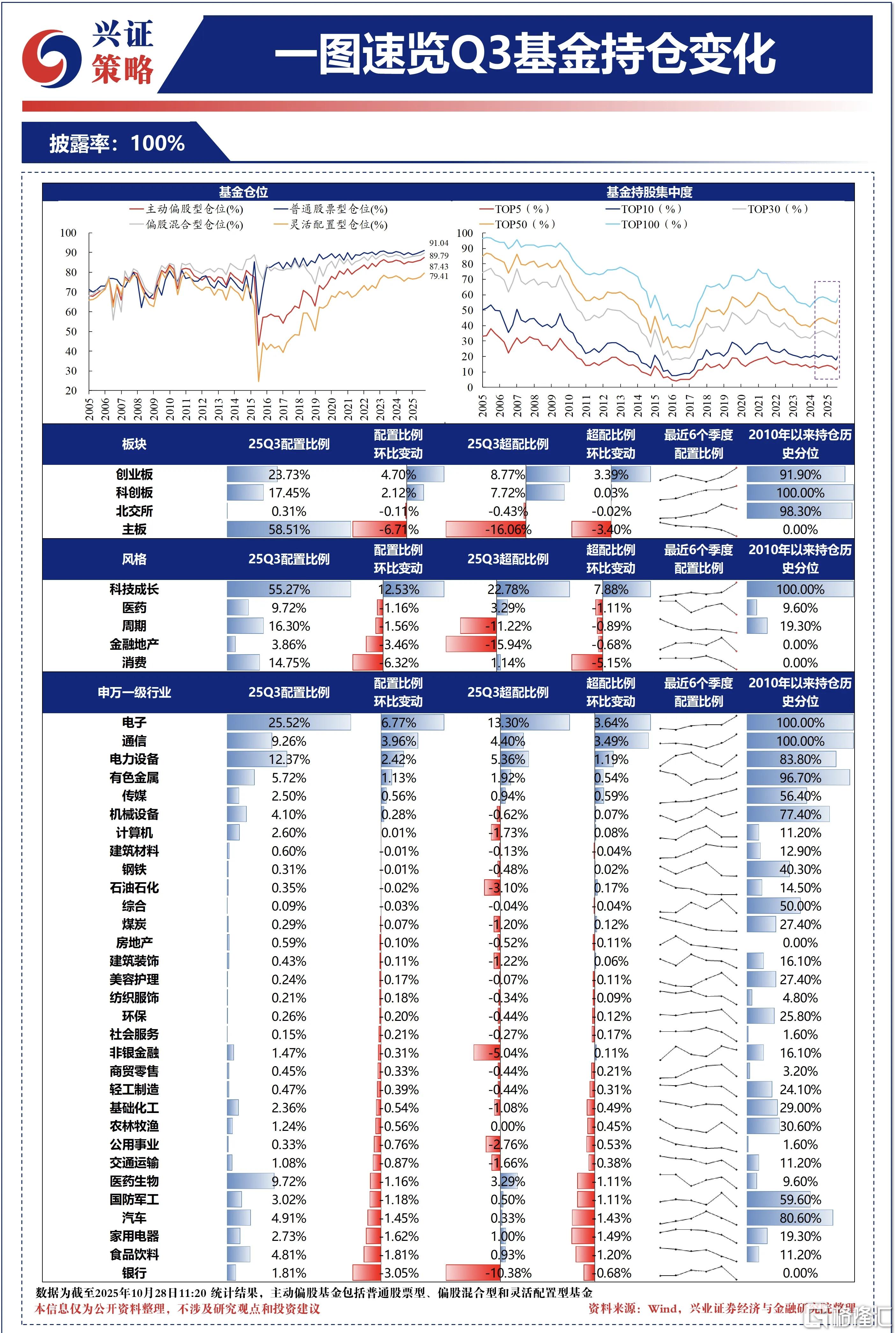
一图速览Q3基金持仓变化
Ge Long Hui· 2025-10-28 09:47
Core Insights - The report indicates a significant increase in the allocation of active equity funds, with a rise in overall positions and specific sector allocations, reflecting a strategic shift towards technology and growth sectors [2]. Fund Positioning - Active equity funds' overall position increased by 1.46 percentage points from Q2 to 87.43%, with ordinary stock funds, mixed equity funds, and flexible allocation funds rising by 0.93, 1.33, and 1.87 percentage points respectively [2]. - The allocation to the ChiNext board saw a notable increase of 4.70 percentage points to 23.7%, while the STAR Market allocation grew by 2.12 percentage points to 17.45%. Conversely, the main board allocation decreased by 6.71 percentage points to 58.51% [2]. Sector Allocation - The sectors with the highest increases in allocation include electronics (+6.77 percentage points), telecommunications (+3.96 percentage points), and electric equipment (+2.42 percentage points), indicating a focus on technology growth [2]. - The sectors with the largest reductions in allocation are banking (-3.05 percentage points), food and beverage (-1.81 percentage points), and home appliances (-1.62 percentage points) [2]. Industry Insights - In terms of secondary industries, the top increases were seen in communication equipment (+4.45 percentage points), consumer electronics (+3.09 percentage points), and semiconductors (+2.34 percentage points). The largest reductions were in white goods (-1.67 percentage points), city commercial banks (-1.45 percentage points), and liquor (-1.02 percentage points) [2]. - The individual stocks with the most significant increases in positions include Zhongji Xuchuang, Industrial Fulian, Xinyisheng, Hanwujing, and Luxshare Precision, with increases of 2.17, 2.03, 1.92, 0.91, and 0.63 percentage points respectively. The stocks with the largest decreases include Midea Group, China Merchants Bank, SF Express, Kweichow Moutai, and Gree Electric [2]. Hong Kong Market - In the Hong Kong market, the active equity fund's position slightly decreased by 0.76 percentage points to 19.09%. The sectors with increased allocations include healthcare and materials, while reductions were seen in telecommunications, finance, and energy [2]. - The stocks with the most significant increases in positions in the Hong Kong market are Alibaba, SMIC, and Tencent, while Xiaomi, Meituan, and Pop Mart saw notable reductions [2].






家电年度策略报告:多元布局,攻守兼备-20251028
Shanxi Securities· 2025-10-28 08:39
Group 1 - The report indicates that the home appliance industry has underperformed the broader market, with the A-share index rising by 7.0%, ranking 22 out of 31 sectors, primarily due to tariff disruptions and national subsidy policies [2][12][13] - The domestic market has seen significant demand due to the "old-for-new" policy, while external demand has weakened, necessitating a focus on emerging markets for growth opportunities [3][30][31] Group 2 - The report highlights two main investment themes: advancements in the robotics industry and the attractiveness of low valuation and high dividend stocks within the home appliance sector [4][5] - The global humanoid robot market is projected to exceed $20 billion by 2029, with the domestic market expected to reach 75 billion yuan, indicating substantial growth potential [4][46] Group 3 - The report emphasizes the resilience of home appliance companies despite a decline in industry sentiment, suggesting a dual approach to investment: focusing on robotics and companies with low valuations and high dividends [5][69] - Key companies in the robotics space include Midea Group, Haier, and others, which are actively developing humanoid robots and related technologies [60][61][63]



谁才是“洗衣全能王”?中消协发布25款洗衣机测评结果
Bei Jing Shang Bao· 2025-10-28 06:49
Core Insights - The article discusses a comparative test conducted by the China Consumers Association and the Hangzhou Consumer Rights Protection Committee on various washing machines to guide consumers in making informed choices regarding energy-efficient appliances [1] Group 1: Test Overview - A total of 25 washing machines were tested, including 16 drum-type and 9 pulsator-type models from 21 different brands [1] - The testing focused on three main performance areas: usage performance, health and safety performance, and ease of use [1] Group 2: Performance Results - Most samples performed well in terms of energy consumption, cleaning effectiveness, noise during dehydration, and antibacterial performance (for drum-type machines) [1] - Significant differences were noted in the effective volume of washing drums, with some pulsator-type machines showing subpar drum cleaning performance [1] Group 3: Specific Findings - The effective volume of washing drums indicates the internal space available for washing; higher values allow for more laundry [2] - The best-performing drum-type machines had effective volumes of at least 66L, while the best pulsator-type machines had volumes of at least 70L [2] - Seven models demonstrated low energy consumption while achieving high cleaning ratios, indicating superior energy efficiency [2] Group 4: Cleaning and Wear Performance - The cleaning performance was assessed using liquid detergents, with over 50% of drum-type machines achieving a cleaning ratio of at least 1.10 [3] - The wear performance showed that some machines caused minimal damage to fabrics while maintaining high cleaning ratios [3] - Drum-type machines generally outperformed pulsator types in oil stain removal due to their heating capabilities [4] Group 5: Antibacterial Performance - Drum-type washing machines exhibited high antibacterial rates, with most achieving rates of 99.99% or higher [5] Group 6: Consumer Guidance - The China Consumers Association recommends consumers consider four key aspects when purchasing washing machines: capacity, energy efficiency, cleaning performance for specific stains, and noise levels during dehydration [6][7]




格力电器参观预约|【珠海格力总部标杆研学】感受科技创新,学习工匠精神!
Sou Hu Cai Jing· 2025-10-28 02:17
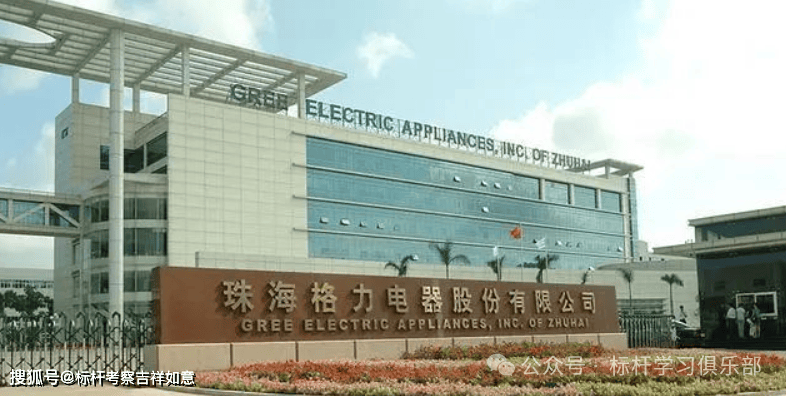
Group 1 - Gree Electric Appliances, founded in 1991, has evolved from assembling household air conditioners to a diversified global industrial manufacturing group, exporting products to over 180 countries and regions [2] - Gree has maintained the top position in China's air conditioning industry for 20 consecutive years and has been the world's leading air conditioner manufacturer for 10 years since 2005 [2] - The company holds 12 core technologies recognized as "internationally leading" and has applied for over 15,600 patents, including nearly 5,000 invention patents [2] Group 2 - Gree's Chairman and President, Dong Mingzhu, was named one of Forbes' "Most Powerful Women in the World" in 2019, ranking 44th and being the top Chinese female entrepreneur on the list [2] Group 3 - The company emphasizes self-innovation and smart manufacturing, focusing on lean management in production and unique corporate culture, marketing models, and quality management [6] - Gree's experience and methods are seen as valuable for other enterprises looking to enhance their management practices [6] Group 4 - Gree's headquarters features advanced technology, including a robot band and precision manufacturing processes, showcasing the company's commitment to innovation and quality [9] - The company has developed technologies such as a 48V safe voltage light-storage system and a three-cylinder dual-stage variable capacity compressor that operates efficiently even at -35°C [9]
等效扩大3倍中国森林!格力朱磊:如全球在2050年前广泛使用格力零碳源技术,我们有望为地球降温0.5度【附白色家电行业市场分析】
Qian Zhan Wang· 2025-10-27 08:29
Group 1 - Gree Electric Appliances emphasizes technology innovation as the core driver of its development, having received 99 significant awards and holding 96,626 domestic and international patents, including over 49,549 invention patents [3] - The company achieved a research and development investment of 6.529 billion yuan in 2021, marking a year-on-year increase of 5.07%, which supports its technological advancements [3] - Gree's participation in the global cooling competition aimed to reduce air conditioning energy consumption by over 80%, winning a prize of 500,000 USD and potentially contributing to a 0.5-degree reduction in global temperatures by 2050 if its zero-carbon technology is widely adopted [2] Group 2 - The Chinese white goods industry has transitioned from imitation to leading global trends, with the country being the largest home appliance manufacturing nation, producing over 50% of global refrigerators and washing machines, and approximately 80% of air conditioners [5] - The industry is undergoing a transformation driven by dual carbon goals and smart manufacturing, leading to a necessary shift towards green, intelligent, and high-end upgrades [7] - The average research and development intensity in the air conditioning sector reached 3.8% in 2023, significantly exceeding the overall level of the home appliance manufacturing industry [2]
白色家电板块10月27日涨0.76%,深康佳A领涨,主力资金净流出1917.81万元
Zheng Xing Xing Ye Ri Bao· 2025-10-27 08:24
Market Overview - The white goods sector increased by 0.76% on October 27, with Shenzhen Konka A leading the gains [1] - The Shanghai Composite Index closed at 3996.94, up 1.18%, while the Shenzhen Component Index closed at 13489.4, up 1.51% [1] Stock Performance - Shenzhen Konka A (000016) closed at 5.92, up 5.53% with a trading volume of 1.9258 million shares and a turnover of 1.117 billion yuan [1] - Hisense Home Appliances (000921) closed at 25.39, up 2.30% with a trading volume of 167,300 shares and a turnover of 423 million yuan [1] - Gree Electric Appliances (000651) closed at 40.97, up 1.16% with a trading volume of 616,500 shares and a turnover of 2.522 billion yuan [1] - Other notable performances include Whirlpool (600983) at 10.67, up 1.14%, and Haier Smart Home (600690) at 25.90, up 1.05% [1] Capital Flow - The white goods sector experienced a net outflow of 19.1781 million yuan from institutional investors, while retail investors saw a net inflow of 193 million yuan [1] - Detailed capital flow for key stocks shows that Shenzhen Konka A had a net inflow of 157 million yuan from institutional investors, while Gree Electric Appliances had a net outflow of 117 million yuan [2] - Haier Smart Home saw a significant net outflow of 92.9406 million yuan from institutional investors, but a net inflow of 99.8541 million yuan from retail investors [2]