
WLY(000858)

Search documents
五粮液亮相2025年《财富》可持续发展峰会 以“和美”力量推动白酒产业可持续消费
财富FORTUNE· 2025-10-11 13:21
Core Viewpoint - The article emphasizes the commitment of Wuliangye to sustainable development, showcasing its innovative practices in the context of the 2025 Fortune Sustainable Development Summit, where it served as the chief strategic partner and designated beverage [1][16]. Group 1: Sustainable Practices - Wuliangye integrates ecological values into its production process, viewing green development as essential for the long-term sustainability of the liquor industry [3]. - The company has established a comprehensive quality management system that spans the entire production cycle, ensuring high-quality products while promoting sustainable consumption [5]. - Wuliangye has created a transparent quality traceability system using blockchain technology, enhancing consumer trust in sustainable consumption [7]. Group 2: Environmental Initiatives - The company is committed to ecological production, having established over 1.5 million acres of high-standard grain bases and promoting green planting practices among suppliers [9]. - Wuliangye has achieved significant milestones in sustainable packaging and logistics, including the development of fully biodegradable packaging materials and the use of advanced logistics systems to reduce carbon footprints [9]. Group 3: Cultural Integration - Wuliangye incorporates traditional Chinese values into modern consumption experiences through various marketing activities, promoting a harmonious lifestyle that aligns with sustainable consumption [10]. - The company actively engages in promoting rational drinking and healthy consumption habits, contributing to a broader cultural shift towards sustainability [10][12]. Group 4: Future Outlook - Wuliangye aims to continue its role as a leader in sustainable practices within the liquor industry, fostering global dialogue on sustainability and contributing to the ecological and cultural dimensions of consumption [16].


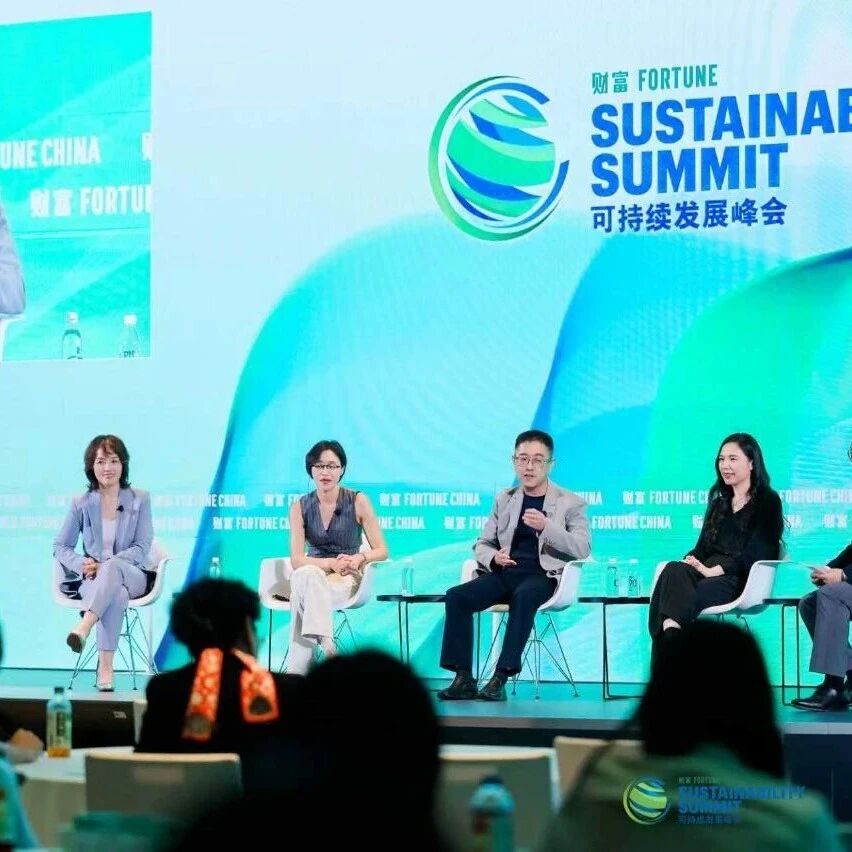
五粮液亮相2025年《财富》可持续发展峰会以“和美”理念贡献可持续发展酒业方案
Xin Lang Cai Jing· 2025-10-11 10:41
转自:新华财经 当日晚宴上,嘉宾们循着"五步品酒法",在氤氲酒香中,再次深入感受到五粮液深厚的历史文化与卓越品质,体验了一场情感交流与文明对话的美妙旅程。 当前,"文化认同+绿色价值"的可持续发展理念正成为消费者选择品牌的重要衡量因素。在以"可持续消费觉醒:买家投票权和企业答卷"为题的圆桌讨论中,五粮液股份公司副总经理、财务总监 这一回答,也精准概括了五粮液的实践路径。近年五粮液以"和合共生 美美与共"为价值理念,通过夯实"品质之和"筑牢消费基石,提升"生态之和"增加产品"含绿量",借力"和美"文化赋能消 在品质建设方面,五粮液依托"种、酿、选、陈、调"美酒五字诀,构建了"从一粒种子到一滴美酒"的全过程质量管理体系,成为行业唯一五度荣获中国质量管理领域最高荣誉的企业。 同时,通过引入区块链等前沿技术,五粮液还构建了全程可追溯的质量监管系统,让每一瓶酒的来源可查、品质可鉴,以科技力量为可持续消费牢筑信任基础。 在生态保护领域,五粮液率先提出建设"零碳酒企"目标,成功创建行业首家国家绿色工厂,以链主担当带动产业链绿色发展:倡导绿色种植,建成超150万亩高标准酿酒专用粮基地,将ESG标准 在文化创新层面,五粮液通过 ...
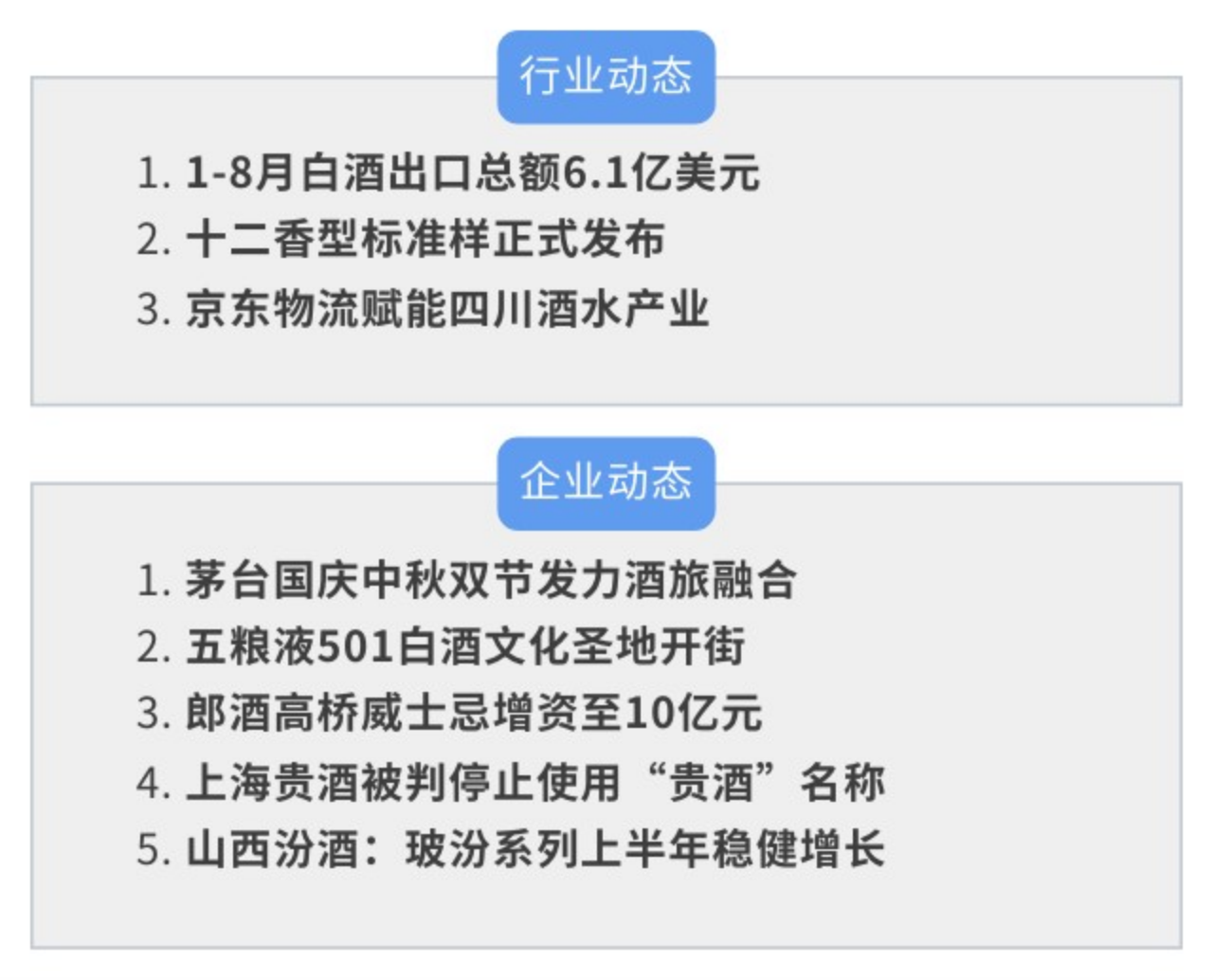
中经酒业周报∣1-8月白酒出口总额6.1亿美元,十二香型标准样正式发布,茅台国庆、中秋双节发力酒旅融合,上海贵酒被判停止使用“贵酒”名称
Xin Hua Cai Jing· 2025-10-11 10:20
Core Insights - The total export value of Chinese liquor from January to August reached 610 million USD, with a year-on-year growth of 4.7% for baijiu exports [3] - The "Twelve Aroma Types Standard Sample" for Chinese baijiu has been officially released to help enthusiasts understand the flavor profiles [3] - Major liquor companies like Moutai and Wuliangye are increasingly integrating tourism with their brands, marking a shift in industry competition towards brand culture and immersive experiences [5] Industry Dynamics - From January to August, the total liquor export value was 1.28 billion USD, a year-on-year increase of 7.9%, with a total export volume of 620 million liters, up 27.5% [3] - The average price of baijiu exports was 56.5 USD per liter, reflecting a 1.2% increase year-on-year, with a total export volume of 10.7 million liters, up 3.5% [3] - JD Logistics has launched a special plan in Sichuan to enhance the local liquor industry, potentially reducing logistics costs by over 100 million RMB annually [3] Company Information - Moutai is collaborating with Gui Travel Group to launch a series of immersive cultural tourism activities during the National Day and Mid-Autumn Festival [4][5] - Wuliangye's 501 Baijiu Cultural Heritage Site has officially opened, featuring various cultural and experiential zones [5] - Emei Mountain Gaoqiao Whisky has increased its registered capital from 300 million RMB to 1 billion RMB [6] - Shanghai Gui Wine has been ordered to stop using the "Gui Wine" name due to trademark infringement, resulting in a financial penalty of approximately 4.19 million RMB [6] - Shanxi Fenjiu reported steady growth in its glass Fen series and plans to expand into markets with weaker demand for clear aroma types [6]

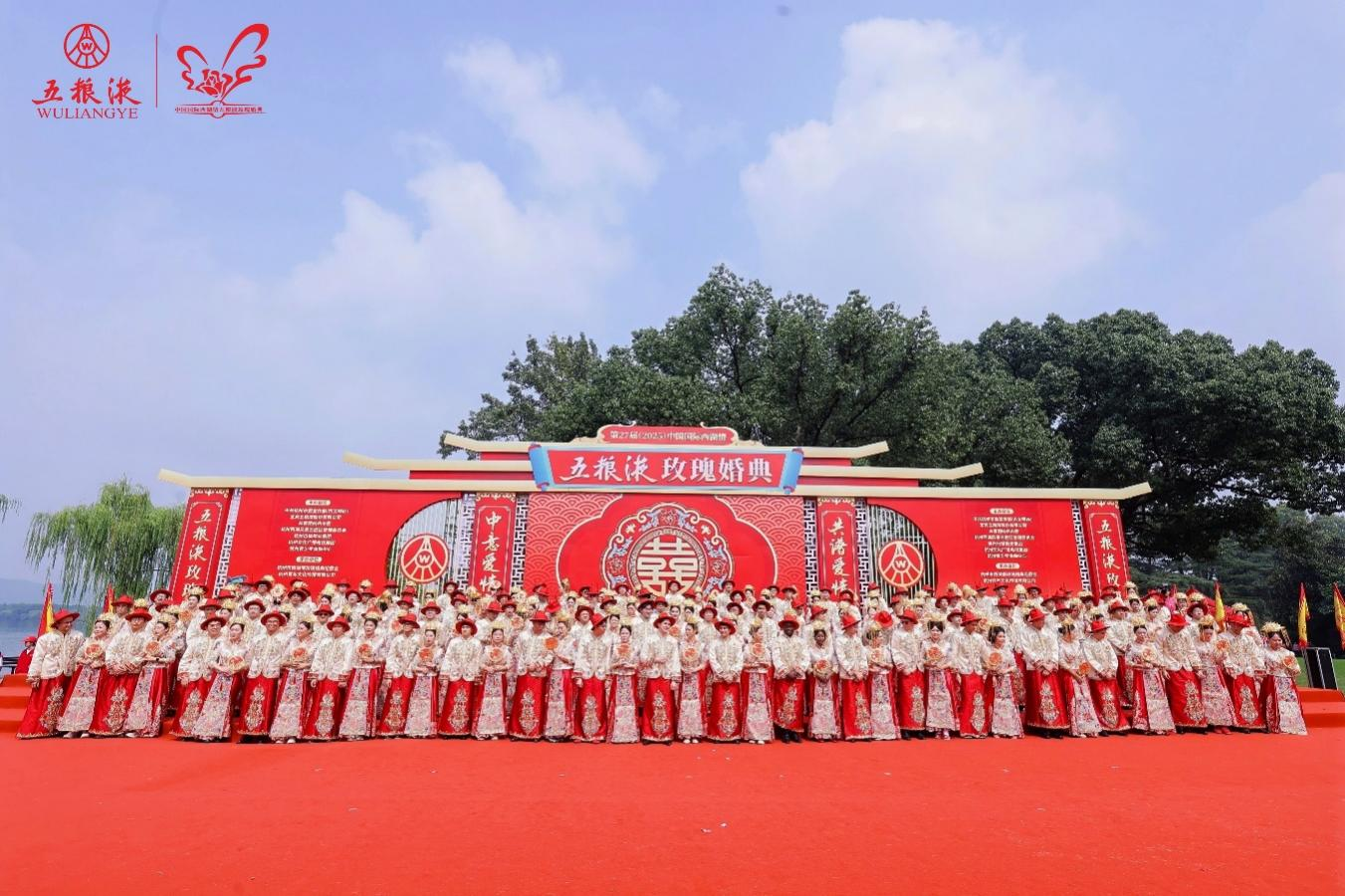
第27届(2025)西湖情五粮液玫瑰婚典浪漫上演 国内外百对新人谱写和美乐章
Zhong Jin Zai Xian· 2025-10-11 10:12
10月7日,第27届(2025)中国国际西湖情五粮液玫瑰婚典在"爱情之都"杭州浪漫上演! 本届婚典共吸引了来自意大利、法国、俄罗斯、德国、巴西、伊朗、刚果、喀麦隆、摩洛哥等国家以及 国内北京、上海、重庆、四川、吉林、山东、广东、福建、河南、浙江等省、市100对新人来最美杭州 爱情之都喜结良缘,共同体验浪漫的中式传统婚礼。 中午12:30,婚典在"爱情之都"杭州大力打造的甜蜜爱情地标——花港公园华彩启幕。百对新人身着金 玉良缘国风婚礼服,在西湖山水见证下,却扇相视显真情,沃盥净手映初心,感受国风婚礼仪式的典雅 与庄重。 以湖为媒,以水寄情,主办单位领导共斟西湖水,为百对新人浇注"和美之花",传递花开并蒂、和美相 守的婚恋祝福。随后,百对新人在声声祝福中携手开启独具杭州韵味的爱情之旅。 在花仙子的引领下,百对新人乘坐百辆花车巡游杭城,携手走过由红地毯和玫瑰花瓣铺就的白堤千米玫 瑰大道,并登上古雅彩船畅游西湖,在湖滨步行街、庆春路盛装巡游,感受美丽杭州的历史底蕴与城市 活力。随后,新人们步入婚宴大厅,品尝杭州特色佳肴、举杯共饮五粮佳酿、欣赏艺术表演,现场溢满 了幸福的味道。 湖光灯影,月色添喜。19:15,百对新人 ...
品质、生态、文化协同发力 五粮液以“和美”作答全球白酒可持续消费课题
Zheng Quan Shi Bao Wang· 2025-10-11 09:49
Core Viewpoint - The 2025 Fortune Sustainable Development Summit, themed "Intelligent Era, Shared Benefits," featured Wuliangye as both the "Chief Strategic Partner" and "Designated Liquor," highlighting its commitment to sustainable practices and green transformation in the liquor industry [1][3]. Group 1: Sustainable Practices and Consumer Engagement - Wuliangye showcased its sustainable practices and the "He Mei" value concept at the summit, aiming to elevate the global discourse on sustainable consumption [3]. - The company identified a shift in consumer demand within the liquor market, where high-net-worth consumers prioritize sustainability as a social label, while younger consumers align brand values with personal aesthetics, and traditional consumers focus on practical benefits [4][5]. - Wuliangye is taking on the role of a cognitive guide in the industry, participating in ESG evaluation and standardization efforts to promote green brewing practices [5]. Group 2: Quality and Technological Integration - The company emphasizes a comprehensive quality management system, being the only liquor brand to achieve the highest honors in China's quality management sector five times, and utilizes blockchain technology for product traceability [7][8]. - Wuliangye aims for "zero-carbon" status and has established the first national green factory in the industry, integrating ecological principles throughout its supply chain [8]. Group 3: Cultural Promotion and Global Outreach - Wuliangye is actively promoting Chinese liquor culture both domestically and internationally, using initiatives like "He Mei Global Tour" to enhance cultural recognition and consumer engagement [9]. - The company has implemented various cultural activities and innovative product offerings to align with modern consumer trends, thereby contributing to the sustainable development of the liquor industry [9].
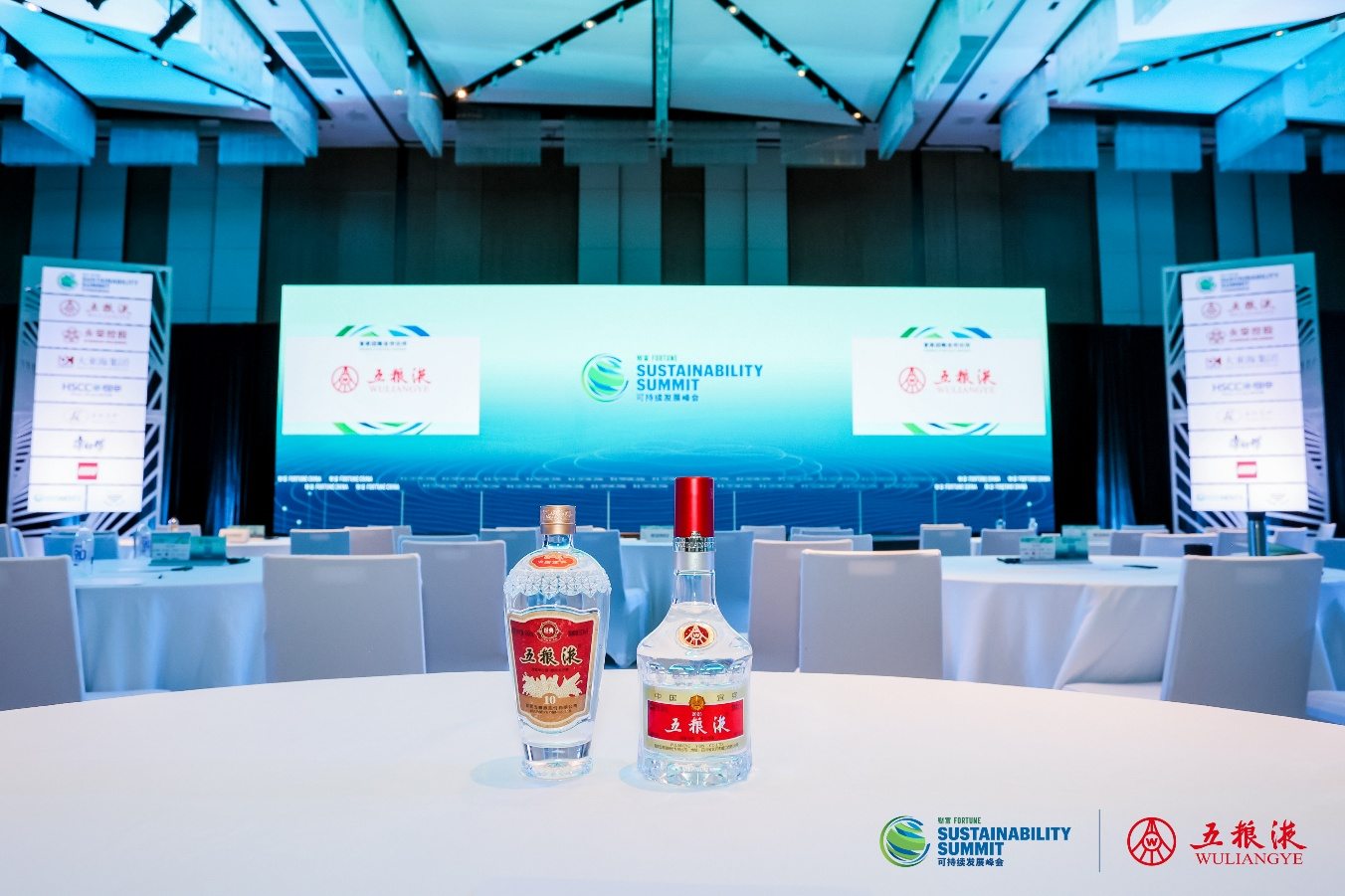
五粮液亮相2025年《财富》可持续发展峰会
Qi Lu Wan Bao· 2025-10-11 08:19
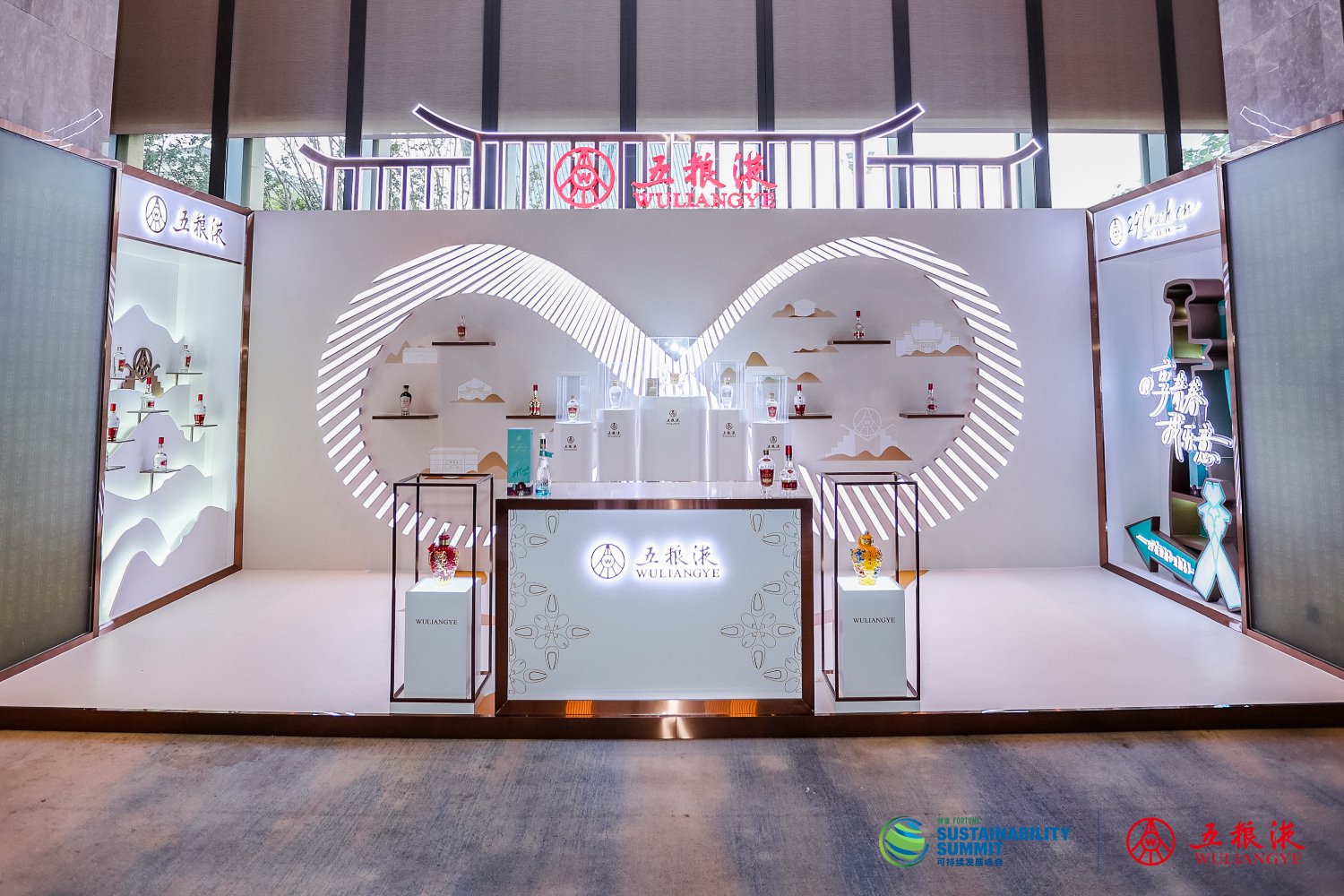
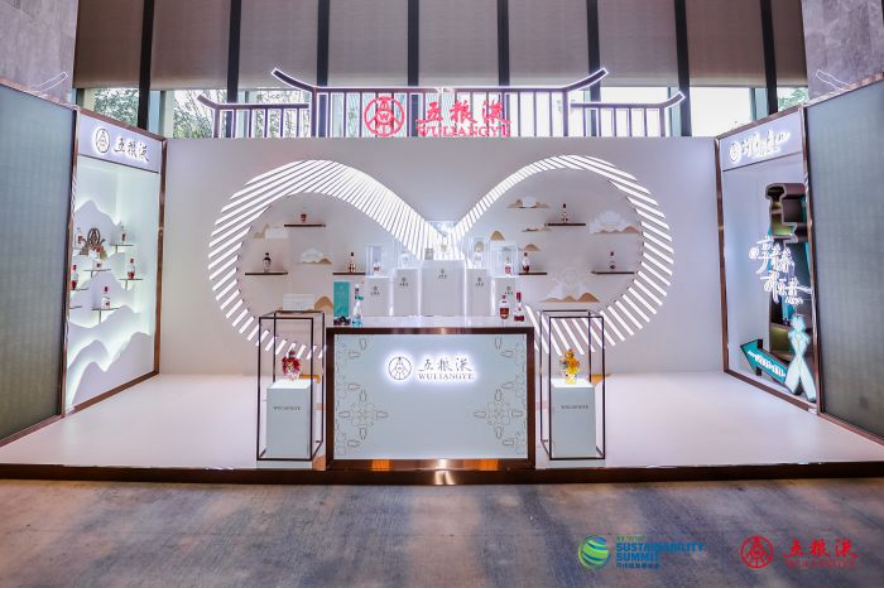
Core Viewpoint - The 2025 Fortune Sustainable Development Summit highlighted the role of Wuliangye as a leading Chinese liquor company in promoting sustainable development through innovative practices and cultural values [1][15]. Group 1: Event Participation - Wuliangye showcased its products at the summit, including classic series and special editions, emphasizing its commitment to sustainable development [2][10]. - The exhibition featured a "Mobius Strip" design symbolizing harmony between humans and nature, reflecting Wuliangye's responsibility in sustainable practices [2][15]. Group 2: Sustainable Practices - Wuliangye's Vice President emphasized that ecological value is central to liquor quality, and the company integrates green principles throughout its production cycle [6]. - The company has established a comprehensive quality management system, ensuring sustainable consumption through high-quality products made from five grains [6][8]. - Wuliangye is pioneering a "zero-carbon" initiative and has created the first national green factory in the industry, contributing to ecological protection [8][11]. Group 3: Cultural Integration - Wuliangye incorporates the concept of "He Mei" (harmony and beauty) into its marketing strategies, promoting sustainable consumption through cultural events and collaborations [12][13]. - The company actively participates in promoting rational drinking and healthy consumption habits, enhancing consumer awareness of sustainable practices [12][13]. Group 4: Future Commitment - Wuliangye aims to build a global dialogue platform for sustainable consumption, leveraging its brand to foster international cooperation and share Chinese wisdom in sustainability [15].
五粮液:控股股东增持计划圆满收官8亿元买入627万股
Xin Lang Cai Jing· 2025-10-11 01:39
Core Viewpoint - Wuliangye (000858) announced a share buyback plan, indicating confidence in its future performance and commitment to shareholder value [1] Group 1: Share Buyback Details - Sichuan Yibin Wuliangye Group Co., Ltd. will increase its holdings by 6.27 million shares from April 9, 2025, to September 30, 2025, representing 0.16% of the company's total share capital [1] - The buyback will be conducted through centralized bidding transactions [1] Group 2: Financial Performance - In the first half of 2025, Wuliangye achieved revenue of 52.771 billion yuan and a net profit attributable to shareholders of 19.492 billion yuan [1]
五粮液股东已完成增持,总金额超8亿
Xin Lang Cai Jing· 2025-10-11 01:35
Core Points - Wuliangye Group announced a share buyback plan, acquiring 627,300 shares from April 9, 2025, to September 30, 2025, totaling approximately RMB 800.0363 million [1] - Following the buyback, Wuliangye Group and its affiliate, Yibin Development Holding Group, hold over 2.138 billion shares, representing 55.08% of the total share capital [1] Summary by Category - **Share Buyback Details** - Wuliangye Group completed a buyback of 627,300 shares, which is 0.16% of the total share capital [1] - The total amount spent on the buyback was RMB 800.0363 million [1] - **Shareholding Structure Post-Buyback** - Yibin Development Holding Group's shareholding remains at 1,336,548,020 shares, or 34.43% of total shares [3] - Wuliangye Group's shareholding increased from 795,230,011 shares (20.49%) to 801,503,277 shares (20.65%) after the buyback [3] - The combined shareholding of both entities increased from 2.131 billion shares (54.92%) to 2.138 billion shares (55.08%) [3]
五粮液(000858.SZ):五粮液集团累计增持0.16%股份
Ge Long Hui A P P· 2025-10-10 13:27
格隆汇10月10日丨五粮液(000858.SZ)公布,自2025年4月9日至2025年9月30日收盘期间,五粮液集团公 司通过深圳证券交易所集中竞价交易方式累计增持公司股份6,273,266股,占公司当前总股本 3,881,608,005股的0.16%,增持金额为人民币80,003.63万元。截至本公告披露之日,本次增持计划已实 施完成。 ...
五粮液:控股股东完成增持627.33万股提升持股比例至20.65%
Hua Er Jie Jian Wen· 2025-10-10 13:26
Core Viewpoint - The announcement details the completion of the shareholding increase plan by Wuliangye Group, reflecting confidence in the company's future development and long-term value recognition [1] Implementation of the Increase Plan - Implementation Period: From April 9, 2025, to September 30, 2025, lasting for 6 months [1] - Increase Scale: Wuliangye Group cumulatively increased its holdings by 6.2733 million shares, accounting for 0.16% of the total share capital [1] - Increase Amount: The total investment amounted to 800 million yuan, within the planned range of 500 million to 1 billion yuan [1] - Increase Method: The shares were acquired through centralized bidding on the Shenzhen Stock Exchange [1] Changes in Shareholding Structure - Before Increase: Wuliangye Group held 79.523 million shares, representing 20.49% of the total [1] - After Increase: Wuliangye Group's holdings increased to 80.150 million shares, representing 20.65% of the total [1] - Combined Holdings: The combined shareholding ratio of Wuliangye Group and its concerted party, Yibin Development Holdings, increased from 54.92% to 55.08% [1] Other Key Points - Purpose of Increase: The increase is based on confidence in the company's future development and recognition of its long-term value [1] - Source of Funds: The funds used for the increase are from the company's own resources [1] - Control Impact: The increase will not lead to changes in the controlling shareholder or actual controller [1] - Compliance: The increase complies with relevant laws and regulations [1]