
Hongqi Chain(002697)

Search documents
红旗连锁2月25日获融资买入1298.69万元,融资余额3.28亿元
Xin Lang Cai Jing· 2026-02-26 01:36
Group 1 - The core viewpoint of the news highlights the financial performance and trading activities of Hongqi Chain, indicating a decrease in both revenue and net profit for the year 2025 [2] - As of February 25, Hongqi Chain's stock price increased by 0.17%, with a trading volume of 1.52 billion yuan, and a net financing outflow of 15.25 million yuan [1] - The company has a total financing and margin trading balance of 328 million yuan, which accounts for 4.10% of its market capitalization, indicating a relatively high level of financing [1] Group 2 - For the period from January to September 2025, Hongqi Chain reported an operating income of 7.108 billion yuan, a year-on-year decrease of 8.48%, and a net profit attributable to shareholders of 383 million yuan, down 1.89% year-on-year [2] - The number of shareholders increased to 69,700, reflecting a 4.39% rise, while the average circulating shares per person decreased by 4.20% to 16,434 shares [2] - The company has distributed a total of 1.562 billion yuan in dividends since its A-share listing, with 926 million yuan distributed over the past three years [2]

实探春节一线:连续3天日收超10万,奶茶“发财地图”变了
3 6 Ke· 2026-02-25 02:59
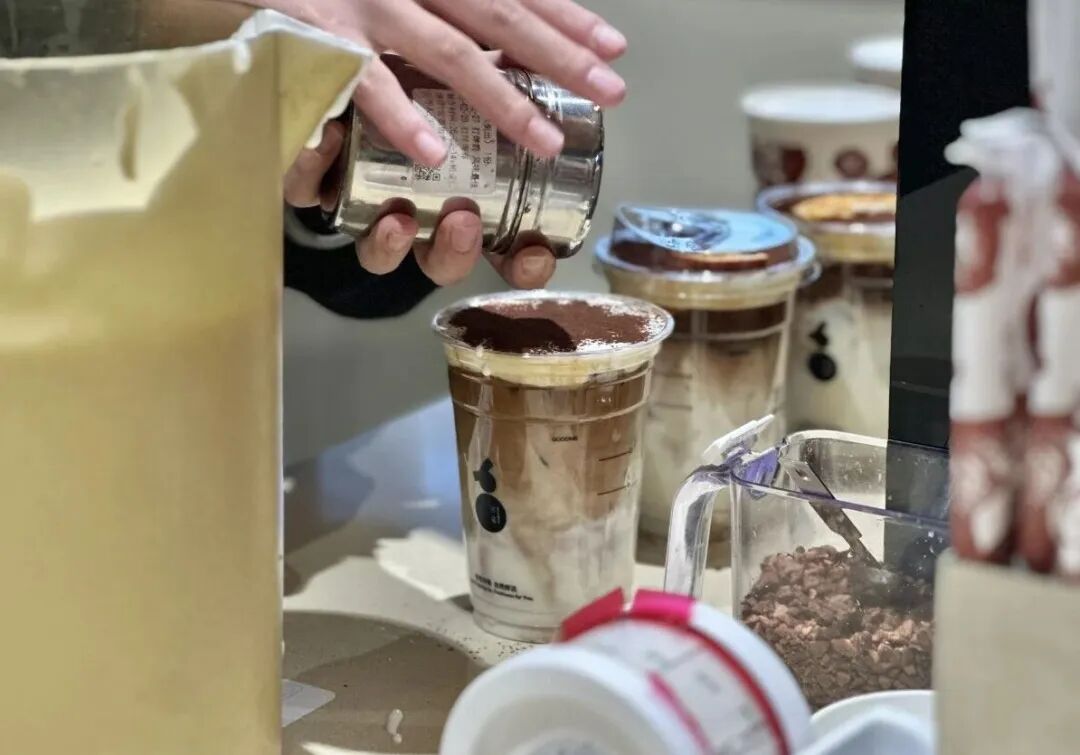
Core Insights - The beverage industry experienced significant growth during the extended Spring Festival holiday, with many brands reporting record sales and consumer demand [1][4][6] Group 1: Market Trends - Small towns and rural areas have become key contributors to beverage sales, with over 60% of stores in these regions outperforming national averages [4][6] - Brands like Gu Ming and Yi He Tang reported that some stores in third and fourth-tier cities achieved daily sales exceeding 1,000 cups, with certain locations reaching up to 3,000 cups [4][6] - The trend of returning youth bringing urban consumption habits back to their hometowns has led to an 85% increase in sales in county and town areas during the festival [6][8] Group 2: Consumer Behavior - There has been a notable increase in multi-cup orders, with sales of group meals (5 cups or more) rising to 1.5 times the usual volume during the holiday [10][12] - The practice of ordering multiple cups for family gatherings has become more common, with consumers often ordering seven to ten cups at a time [14][16] - The introduction of special seasonal products has resonated with younger consumers, making beverages a part of family traditions during the holiday [18][20] Group 3: Coffee Market Growth - Coffee shops in small towns have seen a surge in popularity, with some locations experiencing a doubling of revenue during the Spring Festival [20][22] - Unique coffee offerings and themed drinks have become popular among younger consumers, contributing to increased sales [20][22] Group 4: Promotional Strategies - Beverage brands have adopted innovative marketing strategies, including giveaways of gold bars and other high-value items to attract customers [31][33] - Social media engagement has increased, with consumers actively participating in promotional activities and sharing their experiences online [33] Group 5: Future Outlook - The beverage industry is expected to continue its growth trajectory, with a projected market size increase of over 20% by 2026 [39][41] - Companies are focusing on differentiation and quality to capture market share, particularly in underdeveloped areas [34][36]


春节见闻① | 从新消费到新质生产力:河南人承包你的吃喝玩乐与星辰大海
申万宏源研究· 2026-02-19 08:01
Core Viewpoint - The article highlights the innovative spirit and entrepreneurial success of companies and individuals from Henan, showcasing their impact on new consumption and production capabilities in China [3][25]. Group 1: New Consumption Leaders in Henan - Three prominent companies from Henan, namely Pang Donglai, Mixue, and Pop Mart, are leading the new consumption trend, appealing to young consumers in China [4][25]. - Pang Donglai has adopted a unique operational strategy, with only 13 stores in two cities, yet attracts customers from surrounding provinces, demonstrating its strong brand presence and community engagement [4][9]. - Mixue has evolved from a small cold drink stall in Zhengzhou to a major player in the tea beverage market, emphasizing self-built supply chains and production capabilities [11][13]. - Pop Mart, founded by Wang Ning, has transformed from a local business into a global cultural IP, with its global customer service headquarters established in Henan [14][18]. Group 2: Technological Innovation in Henan - MiniMax, founded by a Henan native, is set to go public in 2026 and represents a new benchmark for tech entrepreneurs in the region, contributing to national planning discussions [19][20]. - Chaojuvian Digital Technology, originating from Huawei's x86 server division, has become a key player in the computing power sector, supporting national strategies with its innovative technologies [22][24]. Group 3: Summary - Companies from Henan are successfully combining cost-effectiveness and cultural elements to capture market share, while local entrepreneurs and tech firms are making strides in the fields of algorithms and computing power, illustrating the region's historical legacy of innovation and its current economic vitality [25].

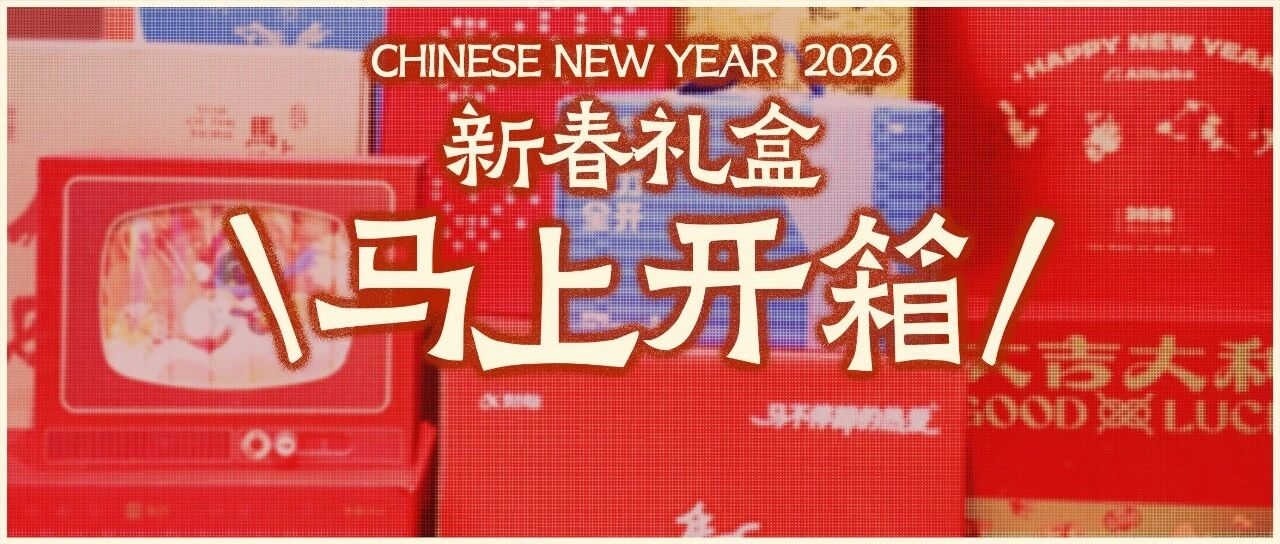
「从夯到拉」锐评21家大厂新春礼盒,开箱全是狠活
36氪· 2026-02-15 04:36
Core Viewpoint - The article discusses the trends and highlights of the 2026 Spring Festival gift boxes from various major companies, emphasizing practicality, interactivity, and a sense of adventure in their designs [4][5]. Group 1: Alibaba - Alibaba's gift box features a classic red design with a "Joy" theme, including traditional items like couplets, window decorations, and six types of red envelopes, each representing different forms of joy [9][11]. - The inclusion of a multifunctional blanket and a calendar adds practicality and companionship to the gift box [11][13]. Group 2: Tencent - Tencent's gift box adopts a minimalist approach with a simple red design, containing traditional items such as red envelopes and couplets that align with the Year of the Horse theme [15][17]. - The highlight is the blind box concept, which adds an interactive element, making the gift box more engaging [17][18]. Group 3: JD.com - JD.com's gift box includes traditional items like red envelopes and snacks, with a notable hanging painting that can be directly hung on the wall, enhancing the festive atmosphere [21][23]. Group 4: Meituan - Meituan's gift box revolves around the theme of "bringing home blessings," featuring practical items like a snack gift pack and a warm blanket [23][26]. - The gift box also supports a charitable initiative by donating to a children's playground, linking the gift to a social cause [26]. Group 5: Kuaishou - Kuaishou's collaboration with Wangwang results in a gift box designed as a red suitcase, filled with popular snacks and playful items like a plush pillow shaped like Wangwang snacks [30][32]. - The creative doorbell that plays a "Wangwang" sound adds a unique touch to the gift box [36]. Group 6: Zhihu - Zhihu's gift box stands out with a blue theme and includes a "Good Question 2026" calendar, encouraging daily reflection and thought [38][40]. Group 7: Ctrip - Ctrip's gift box emphasizes cultural elements with a design inspired by traditional Chinese art, featuring items like a ceramic gourd and a plate, enhancing the festive atmosphere [44][46]. Group 8: Cai Niao - Cai Niao's gift box is designed as a retro television, featuring interactive elements and a variety of snacks, blending nostalgia with practicality [51][57]. Group 9: Beisi - Beisi's gift box focuses on the theme of "dreams without limits," featuring tech gadgets and interactive designs that invite users to engage with the products [59][61]. Group 10: Giant Network - Giant Network's gift box includes traditional items and a gold coin, symbolizing prosperity and aligning with the theme of "immediate wealth" [67][71]. Group 11: Youse - Youse's gift box features a large backpack and practical items, emphasizing a balance between festive elements and everyday utility [74][78]. Group 12: Style3D - Style3D's gift box is uniquely designed in a cylindrical shape, filled with health products and fun items, catering to the needs of young consumers [80][82]. Group 13: Xiaohongshu - Xiaohongshu's gift box centers around travel, featuring a custom suitcase and travel accessories, promoting a sense of adventure for the new year [86][90]. Group 14: Xpeng - Xpeng's gift box includes a functional suitcase and travel-related items, emphasizing practicality for short trips and weekend getaways [92][94]. Group 15: Canban - Canban's gift box is designed as a giant gold bar, filled with oral care products, symbolizing wealth and prosperity for the new year [97][101]. Group 16: 360 Group - 360's gift box focuses on coffee-making equipment, combining traditional festive elements with a modern twist, enhancing the experience of transitioning from holiday to work mode [103][105]. Group 17: Aqara - Aqara's gift box features a minimalist design with traditional elements and a set of scented cards, promoting a calming atmosphere for the new year [107][109]. Group 18: Quwan Group - Quwan Group's gift box combines technology, practicality, and creativity, featuring a small electric cooker and a versatile bag that can transform into a vest [114][118]. Group 19: iFlytek - iFlytek's gift box is rich in variety, including snacks and collectible items, with a unique packaging style that reflects traditional Chinese aesthetics [121][125]. Group 20: Miko World - Miko World's gift box features a simple design with a focus on high-quality tableware, emphasizing everyday elegance and practicality [127][131]. Group 21: Mixue Ice City - Mixue Ice City's gift box is large and filled with playful items, embodying the themes of sweetness and prosperity for the new year [135][138].


红旗连锁(002697) - 成都红旗连锁股份有限公司详式权益变动报告书
2026-02-13 08:32
详式权益变动报告书 上市公司的名称:成都红旗连锁股份有限公司 股票上市地点:深圳证券交易所 股票简称:红旗连锁 股票代码:002697 信息披露义务人名称:四川商投投资有限责任公司 住所及通讯地址:中国(四川)自由贸易试验区成都市高新区天府大道北段 966 号 11 栋 1 单元 35 层 3502 号 成都红旗连锁股份有限公司 权益变动性质:股份增加 签署日期:二〇二六年二月 信息披露义务人声明 一、本报告书系信息披露义务人依据《中华人民共和国公司法》《中华人民 共和国证券法》《上市公司收购管理办法》《公开发行证券的公司信息披露内容与 格式准则第 15 号——权益变动报告书》《公开发行证券的公司信息披露内容与格 式准则第 16 号——上市公司收购报告书》等相关法律、法规和规范性文件编制。 二、依据《中华人民共和国证券法》《上市公司收购管理办法》《公开发行证 券的公司信息披露内容与格式准则第 15 号——权益变动报告书》《公开发行证券 的公司信息披露内容与格式准则第 16 号——收购报告书》的规定,本报告书已 全面披露了信息披露义务人在成都红旗连锁股份有限公司中拥有权益的股份变 动情况。 截至本报告书签署之日 ...
红旗连锁(002697) - 中信证券股份有限公司关于成都红旗连锁股份有限公司详式权益变动报告书之财务顾问核查意见
2026-02-13 08:31
中信证券股份有限公司 关于 成都红旗连锁股份有限公司 详式权益变动报告书 之 财务顾问核查意见 财务顾问 二〇二六年二月 声 明 根据《中华人民共和国公司法》《中华人民共和国证券法》《上市公司收购管 理办法》《公开发行证券的公司信息披露内容与格式准则第 15 号——权益变动报 告书》及《公开发行证券的公司信息披露内容与格式准则第 16 号——上市公司 收购报告书》等法律法规和规范性文件的规定,中信证券股份有限公司(以下简 称"本财务顾问")按照行业公认的业务标准、道德规范,本着诚实信用、勤勉 尽责的精神,对本次权益变动的相关情况和资料进行了核查,对信息披露义务人 出具的《成都红旗连锁股份有限公司详式权益变动报告书》所披露的内容出具核 查意见,以供投资者和有关各方参考。 为此,本财务顾问特作出以下声明: (一)本财务顾问已按照规定履行尽职调查义务,有充分理由确信所发表的 专业意见与信息披露义务人披露文件的内容不存在实质性差异; (二)本财务顾问已对信息披露义务人披露的《成都红旗连锁股份有限公司 详式权益变动报告书》进行了核查,确信公告文件的内容与格式符合规定; (三)本财务顾问有充分理由确信本次权益变动符合法律 ...
「从夯到拉」锐评21家大厂新春礼盒,开箱全是狠活
后浪研究所· 2026-02-13 02:04
Core Insights - The article discusses the trends and highlights of the 2026 Spring Festival gift boxes from major companies, emphasizing practicality, interactivity, and a sense of adventure in their designs [3]. Group 1: Internet Giants - Alibaba's gift box features a classic red design with a "joy" theme, including traditional items like couplets and red envelopes, along with practical items like a multi-functional blanket and a calendar [6][8]. - Tencent's gift box adopts a minimalist approach with a simple red design, focusing on traditional elements and introducing blind boxes for added interactivity [12][14]. - JD's gift box emphasizes "good luck" with a red and gold color scheme, including traditional items and a unique wall hanging that can be displayed [17][19]. - Meituan's gift box centers around the theme of "bringing happiness home," featuring practical items and a collaboration with a charity project to donate playgrounds to rural children [21][24]. - Kuaishou's collaboration with Wangwang results in a vibrant gift box shaped like a suitcase, filled with popular snacks and interactive items like a doorbell that plays sounds [26][30][32]. Group 2: Unique Designs and Themes - Zhihu's gift box stands out with a blue theme and includes a "Good Question" calendar, promoting daily reflection and thought [34][36]. - Ctrip's gift box focuses on cultural elements, featuring traditional crafts and a festive atmosphere [38][40]. - Cainiao's gift box resembles a retro television, combining snacks with creative items like a plush toy that interacts with users [45][49]. - Beisi's gift box emphasizes a theme of "dreams without limits," featuring tech gadgets and interactive elements [53][56]. - Giant Network's gift box includes traditional items and a gold coin, symbolizing prosperity and success in the new year [61][65]. Group 3: Practical and Creative Elements - Style3D's gift box features a unique cylindrical design with a mix of health products and fun items, appealing to young consumers [75][78]. - Xiaohongshu's gift box focuses on travel, including a custom suitcase and travel accessories, promoting a sense of adventure [82][84]. - Xpeng's gift box includes a functional suitcase and travel gear, emphasizing practicality for short trips [88][90]. - Sanban's gift box is designed as a giant gold bar, filled with oral care products, symbolizing wealth and prosperity [92][94]. - 360's gift box centers around coffee-making equipment, enhancing the experience of transitioning from holiday to work mode [98][100].

成都红旗连锁股份有限公司关于控股股东签署股份转让协议的提示性公告
Shang Hai Zheng Quan Bao· 2026-02-12 18:47
Core Viewpoint - Chengdu Hongqi Chain Co., Ltd. announced a share transfer agreement involving the transfer of 70,443,750 non-restricted circulating shares, representing 5.18% of the total share capital, from shareholders Cao Shiru and Cao Zengjun to Sichuan Shengtou Investment Co., Ltd. [1][2] Group 1: Share Transfer Details - The share transfer agreement was signed on February 12, 2026, with the total transfer price set at RMB 397,373,193.75, calculated at RMB 5.641 per share after accounting for cash dividends [9][11] - Following the transfer, Sichuan Shengtou will hold 300,368,750 shares, accounting for 22.09% of the total share capital, maintaining its status as the controlling shareholder [2][21] - The transferors, Cao Shiru and Cao Zengjun, will regain voting rights for their remaining shares after the transfer is completed [1][13] Group 2: Parties Involved - Cao Shiru serves as the company's director and general manager, while Cao Zengjun is the deputy general manager [3][4] - Both transferors are not classified as "dishonest executors" according to the Supreme People's Court [4][6] - Sichuan Shengtou Investment is not classified as a "dishonest executor" either, ensuring compliance with relevant regulations [6] Group 3: Commitments and Compliance - Cao Shiru and Cao Zengjun have fulfilled their commitments regarding share lock-up periods and restrictions on share transfers [22][24] - Sichuan Shengtou has committed not to transfer the acquired shares for 18 months following the transfer, except under specific conditions [26] - The share transfer does not involve any shares that are pledged or frozen, ensuring a smooth transaction process [26][27] Group 4: Impact of the Transfer - The transfer will not change the actual controller of the company, which remains the Sichuan Provincial State-owned Assets Supervision and Administration Commission, ensuring stability in corporate governance [21][22] - The company will continue to monitor the progress of the share transfer and fulfill its information disclosure obligations [27][28]
红旗连锁(002697.SZ):股东拟协议转让5.18%股份给商投投资
Ge Long Hui A P P· 2026-02-12 11:55
Core Viewpoint - Hongqi Chain (002697.SZ) announced the signing of a share transfer agreement between Sichuan Shengtou Investment Co., Ltd. and shareholders Ms. Cao Shiru and Mr. Cao Zengjun, involving the transfer of 70.44 million non-restricted circulating shares, representing 5.18% of the total share capital of Hongqi Chain [1] Group 1 - The share transfer agreement was signed on February 12, 2026 [1] - The total shares being transferred amount to 70.44 million [1] - The shares represent 5.18% of Hongqi Chain's total share capital [1]
红旗连锁:股东拟协议转让5.18%股份给商投投资
Ge Long Hui· 2026-02-12 11:41
Core Viewpoint - Hongqi Chain (002697.SZ) announced the signing of a share transfer agreement between Sichuan Shengtou Investment Co., Ltd. and shareholders Ms. Cao Shiru and Mr. Cao Zengjun, involving the transfer of 70.44 million non-restricted circulating shares, representing 5.18% of the total share capital of Hongqi Chain [1] Group 1 - The share transfer agreement was signed on February 12, 2026 [1] - The total shares being transferred amount to 70.44 million [1] - The shares represent 5.18% of Hongqi Chain's total share capital [1]