CATL(300750)

Search documents
纳电商业化加速
Jing Ji Guan Cha Wang· 2026-01-24 07:23
Core Insights - CATL has launched a new series of sodium-ion batteries, including the industry's first mass-produced sodium-ion battery for low-temperature applications, achieving an energy density of 175Wh/kg and operational capability at -30°C [2] - Jiangsu Zhongna Energy has commenced production at its 10,000-ton sodium iron sulfate cathode material base, reducing the cost of sodium-ion battery cells to approximately 0.45 yuan/Wh, marking a significant step towards commercial viability [4][5] - The sodium-ion battery industry is transitioning from concept validation to large-scale delivery, with projections indicating a production increase to 3.45GWh by 2025, nearly doubling from 2024 [3] Industry Developments - Major international players, including LG Energy, are planning to establish pilot production lines for sodium-ion batteries in Nanjing, leveraging China's mature supply chain to accelerate commercialization [3] - The sodium-ion battery sector is gaining traction independent of lithium price fluctuations, with recent industry activities indicating a robust growth trajectory [3][6] - The cost of sodium-ion battery cells is expected to decrease further, potentially reaching below 0.4 yuan/Wh by 2026, enhancing their competitiveness against lithium-ion batteries [5] Market Opportunities - Sodium-ion batteries are finding unique applications in extreme temperature environments, such as commercial vehicles in cold regions and high-temperature conditions, where they outperform traditional lead-acid batteries [12][14] - The batteries are also being considered for two-wheeler battery swap markets, where their longer cycle life can reduce operational costs compared to lead-acid batteries [16] - In the energy storage sector, sodium-ion batteries are moving towards system integration, with hybrid solutions combining lithium and sodium technologies to enhance efficiency [17][18] Challenges and Solutions - Despite cost reductions, manufacturing challenges persist, particularly in maintaining material consistency during large-scale production [7][9] - The mismatch between lithium-ion production lines and sodium-ion battery requirements poses operational hurdles, necessitating specialized production environments [9][10] - The industry is shifting towards a focus on unique market segments where sodium-ion batteries can excel, rather than competing directly with lithium-ion batteries in mainstream applications [21][22] Future Outlook - The sodium-ion battery market is expected to evolve with increased participation from major players, leading to a more competitive landscape [19] - By 2025, the majority of sodium-ion battery production is projected to utilize stable, long-cycle life cathode materials, indicating a strategic shift in technology focus [20] - The integration of state-owned enterprises in funding and supporting sodium-ion projects is likely to drive further development and market penetration [22]



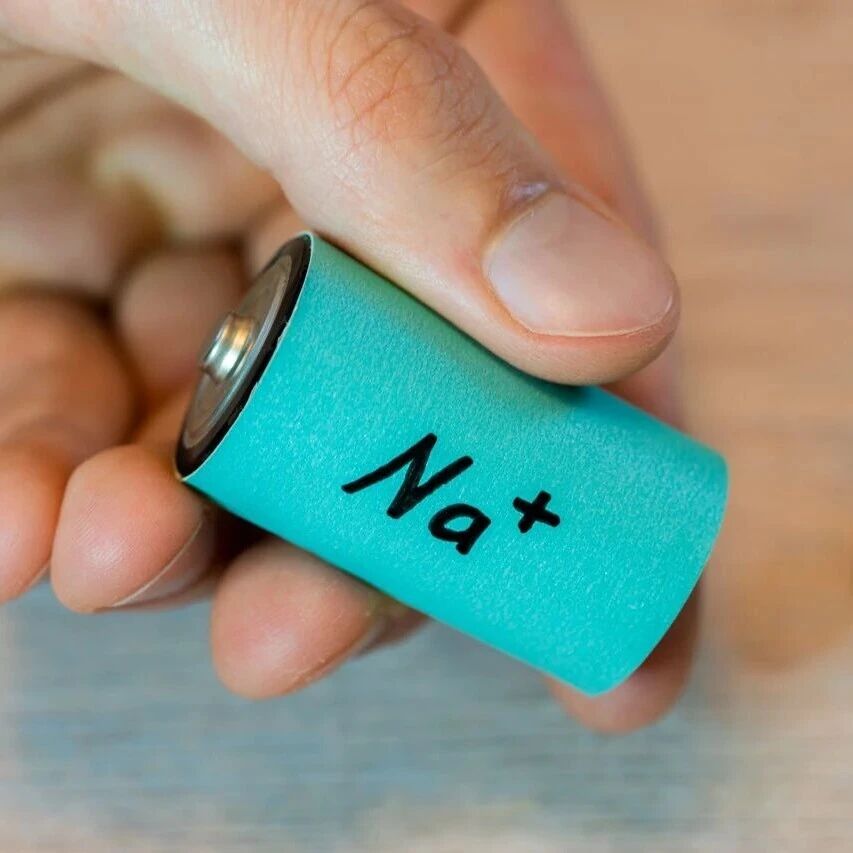
巨头新品发布、核心材料量产,钠电池商业化按下“加速键”
经济观察报· 2026-01-24 05:06
Core Viewpoint - The sodium battery industry is transitioning from concept validation to large-scale delivery, with significant advancements in production and cost reduction, positioning itself as a viable alternative in scenarios where lithium batteries are less effective [2][4][21]. Industry Developments - CATL launched a new series of sodium-ion batteries, including the industry's first mass-produced low-temperature version, achieving an energy density of 175Wh/kg [2]. - Jiangsu Zhongna Energy's sodium iron sulfate cathode material production facility has begun mass production, reducing the cost of sodium battery cells to approximately 0.45 yuan/Wh [5][6]. - By 2025, China's sodium-ion battery production is expected to reach 3.45GWh, nearly doubling from 2024 [4]. Cost and Economic Viability - The cost of sodium battery cells is projected to decrease further, potentially falling below 0.4 yuan/Wh by 2026, making them increasingly competitive with lithium batteries [6][7]. - Despite the cost reductions, challenges remain in achieving consistent material quality and production efficiency, particularly when scaling from laboratory to industrial production [8][9]. Unique Market Opportunities - Sodium batteries are finding unique applications in extreme temperature environments, such as low-temperature commercial vehicles and high-temperature conditions in regions like Saudi Arabia [13][14]. - In the two-wheeler battery swap market, sodium batteries offer longer cycle life compared to lead-acid batteries, leading to lower operational costs over time [16]. - The integration of sodium batteries in energy storage systems is evolving, with hybrid solutions combining lithium and sodium technologies to enhance efficiency [18][19]. Strategic Industry Positioning - The sodium battery sector is increasingly recognized as a strategic backup for energy security, with major players entering the market to leverage their supply chain capabilities [7][21]. - The industry is shifting towards a focus on long-life, lower-cost materials, with a significant portion of production expected to utilize stable, low-energy-density cathode materials by 2025 [22][24]. - The market is evolving to accept sodium batteries as a distinct product category rather than merely a cheaper alternative to lithium batteries, emphasizing their unique advantages in specific applications [10][11][24].
知名基金经理调仓路线图揭晓 科技成布局焦点
Zheng Quan Ri Bao· 2026-01-23 16:10
Group 1 - The core focus of several prominent fund managers, including Xie Zhiyu and Fu Pengbo, has shifted towards the technology sector, with increased allocations in semiconductor and AI-related companies [1][2] - Xie Zhiyu's fund, Xingquan Helun Mixed Fund, significantly increased its holdings in technology stocks, particularly in the semiconductor industry, with companies like Zhongji Xuchuang and Ningde Times among the top ten holdings [1] - Fu Pengbo's Ruiyuan Growth Value Mixed Fund raised its stock position and concentrated its top ten holdings, increasing the proportion of assets from 66.04% at the end of Q3 2025 to 70.38% at the end of Q4 2025 [2] Group 2 - The Ruiyuan Growth Value Mixed Fund has prepared for 2026 by reducing positions in companies with weak fundamentals and increasing investments in data center cooling and computing power-related firms [2] - The top ten holdings of the E Fund Blue Chip Selected Mixed Fund remained consistent with Q3 2025, with notable adjustments in share quantities, including increased holdings in Alibaba and reduced positions in JD Health and Focus Media [2] - Morgan Stanley's Digital Economy Mixed Fund, managed by Lei Zhiyong, focused on the digital economy sector, particularly the AI computing power industry, with new additions to its top ten holdings including Xunwei Communication and Dongshan Precision [3] Group 3 - Lei Zhiyong expressed optimism about the ongoing A-share bull market, citing sustained investor confidence and a favorable market environment [3] - The fund manager highlighted continued interest in AI, military industry, nuclear power, wind power, and energy storage sectors, as well as traditional industry leaders leveraging AI for transformation [3]

宁德时代钠电池,新进展
DT新材料· 2026-01-23 16:04
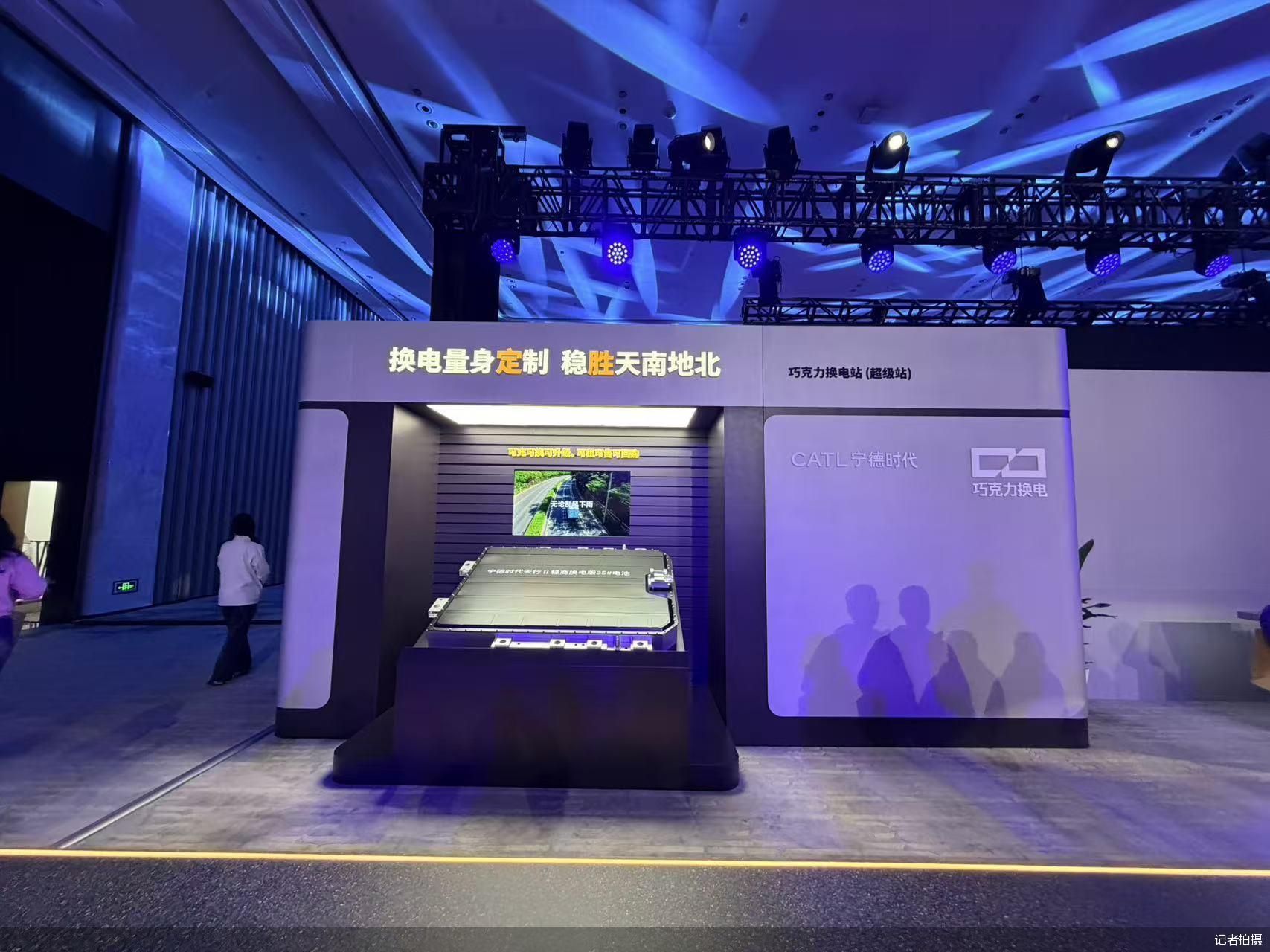
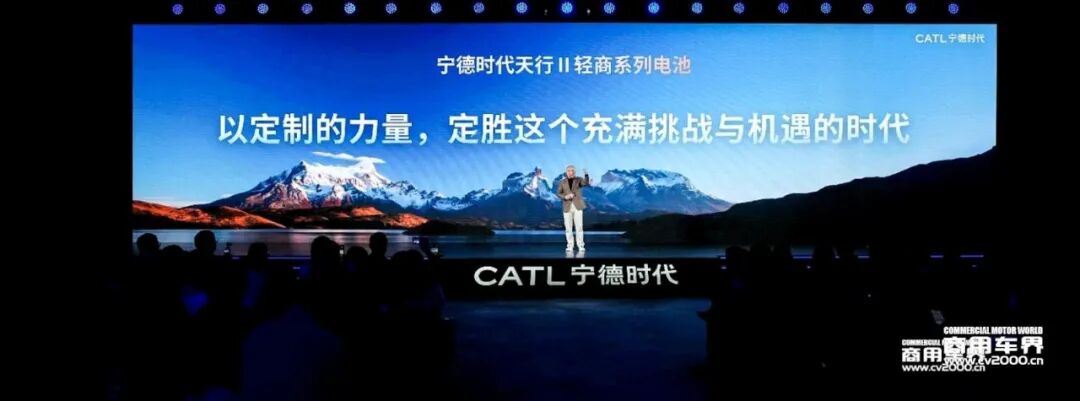
Core Viewpoint - CATL has launched the first mass-produced sodium-ion battery for light commercial vehicles, showcasing its advantages in low-temperature performance and potential applications in various sectors [1][3][5]. Group 1: Sodium-Ion Battery Launch - On January 22, CATL held a launch event for its light commercial vehicle all-scenario solution, introducing the Tianxing II light commercial low-temperature version battery, which is the first mass-produced sodium-ion battery in the sector [1]. - The sodium-ion battery maintains over 92% usable capacity at -20°C and supports plug-and-charge functionality even at -30°C when fully frozen [3]. Group 2: Performance and Applications - CATL's sodium battery exhibits superior low-temperature performance, carbon footprint, and safety, making it suitable for passenger and commercial vehicle applications [5]. - The company aims for large-scale application of sodium batteries in various fields, including battery swapping, passenger vehicles, commercial vehicles, and energy storage by 2026, creating a "dual-star" trend with lithium batteries [5]. Group 3: Market Insights - According to Jianghai Securities, the global sodium battery industry is expected to transition from "industrialization" to "scale application" by 2025, with the average price of sodium cells projected to drop from 0.52 yuan/Wh in 2025 to 0.25 yuan/Wh by 2030 [5]. - The SPIR research institute forecasts that the global sodium battery market for energy storage will reach 580 GWh by 2030, while the automotive sodium battery market may exceed 410 GWh [5]. Group 4: Advanced Battery Technologies - In the intercity scenario, CATL introduced the Tianxing II light commercial long-range battery, which combines the advantages of ternary lithium and lithium iron phosphate technologies, achieving a balance of safety, energy density, and cost [6][8]. - The battery can provide an impressive range of 800 kilometers and features self-repairing lithium anode materials and self-healing electrolyte technology to extend its lifespan [8]. - For urban distribution, the Tianxing II light commercial supercharging version can charge from 20% to 80% in 30 minutes at -15°C, improving charging speed by approximately 30% compared to the previous generation [8]. - The high-temperature supercharging version for last-mile logistics supports peak 4C charging, allowing for a 60% charge in just 18 minutes, with unique technology that reduces energy consumption by 5% [8].
宁德时代钠电池量产上车,“钠锂之争”再升级
Bei Jing Shang Bao· 2026-01-23 13:54
Core Viewpoint - CATL has launched the industry's first mass-produced sodium-ion battery, addressing low-temperature operational challenges for commercial electric vehicles, with plans to enhance energy density to match lithium-ion batteries in the next three years [1][4]. Group 1: Product Launch and Features - The sodium-ion battery, with a capacity of 45kWh, is designed for small commercial vehicles and can operate in extreme cold conditions, maintaining performance even at -30°C [1][3]. - Sodium-ion batteries exhibit a higher energy retention rate at low temperatures (92% at -20°C) compared to lithium-ion batteries (80%), allowing for more efficient energy use [4]. - The new battery technology aims to reduce operational costs for users by 10% through a battery swapping model, enhancing the flexibility of asset management [5][6]. Group 2: Market Trends and Projections - The electric commercial vehicle market in China is expected to see significant growth, with projected sales of 954,000 units by 2025, a year-on-year increase of 65.5% [3]. - CATL's sodium-ion battery is positioned to complement rather than compete with lithium-ion batteries, addressing resource constraints and market differentiation [8]. Group 3: Strategic Vision and Industry Implications - CATL plans to apply sodium-ion batteries across four major sectors: battery swapping, passenger vehicles, commercial vehicles, and energy storage by 2026, marking a strategic shift in the energy market [7]. - The company aims to mitigate risks associated with lithium price volatility by increasing the share of sodium-ion batteries, which are based on more abundant and stable resources [8].
公募基金调仓路线图浮现 中际旭创成头号重仓股
2 1 Shi Ji Jing Ji Bao Dao· 2026-01-23 13:33
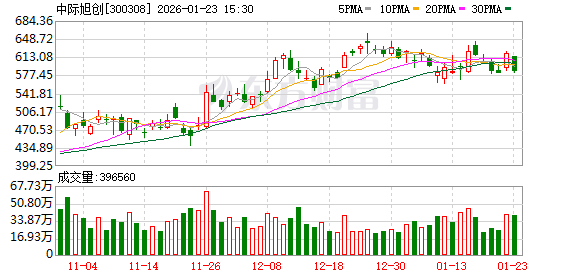
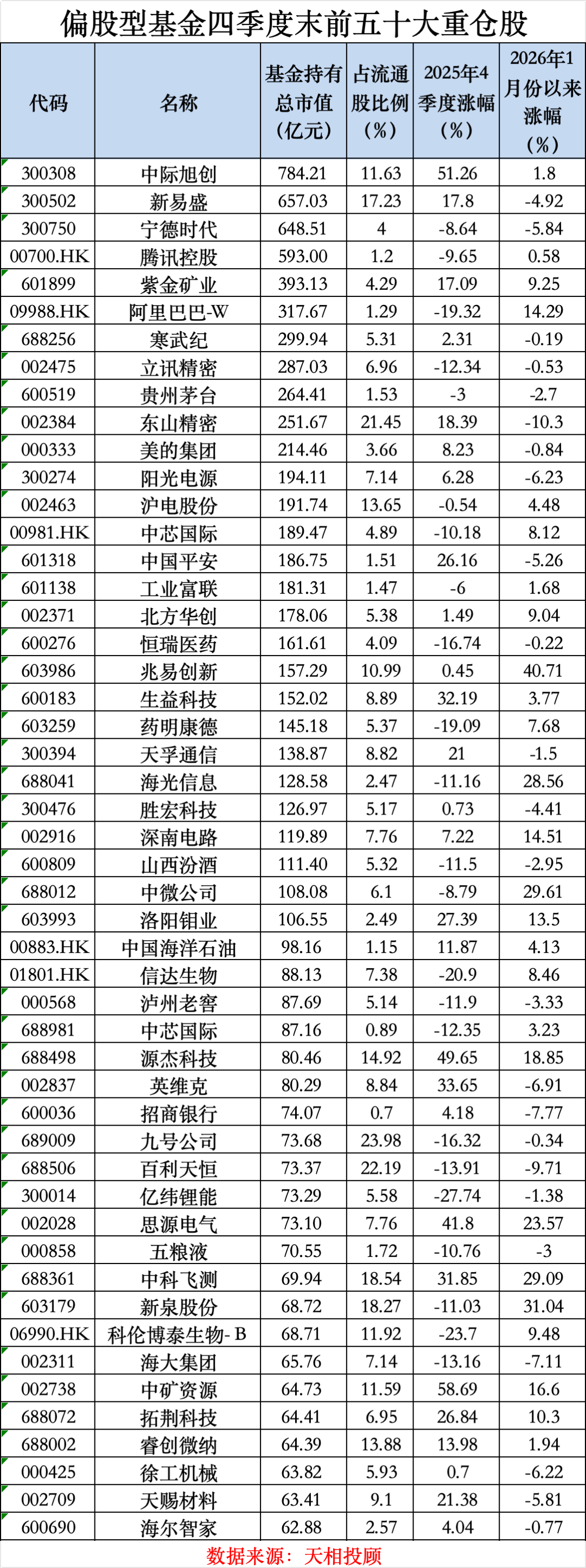
Core Viewpoint - The latest statistics indicate a significant shift in the top holdings of actively managed equity funds, with Zhongji Xuchuang replacing CATL as the largest holding, reflecting changing market dynamics and investment strategies [2][3]. Group 1: Changes in Top Holdings - As of the end of Q4 2025, the top ten holdings of actively managed equity funds are: Zhongji Xuchuang, Xinyi Semiconductor, CATL, Tencent Holdings, Zijin Mining, Alibaba-W, Cambrian Biologics-U, Luxshare Precision, Kweichow Moutai, and Dongshan Precision [3]. - The total market value of these top ten stocks held by actively managed equity funds is 76.8 billion, 63.8 billion, 63 billion, 57.4 billion, 36.8 billion, 31 billion, 29.1 billion, 28 billion, 25.8 billion, and 24.4 billion respectively [3]. - Notable changes from Q3 2025 include Zhongji Xuchuang rising from fourth to first, Xinyi Semiconductor from third to second, and Zijin Mining from eighth to fifth, while CATL and Tencent Holdings dropped to third and fourth respectively [3][6]. Group 2: Sector Allocation Adjustments - In Q4 2025, actively managed equity funds increased their allocations in sectors such as non-ferrous metals, communication, non-bank financials, chemicals, and machinery, while reducing exposure to electronics, pharmaceuticals, media, computers, and power equipment [2][8]. - The overall stock position of actively managed equity funds decreased to 84.4%, down 1.4 percentage points from the previous quarter, indicating a cautious approach amidst market volatility [7]. - The increase in allocation to sectors like non-ferrous metals and chemicals is attributed to supply constraints and recovering demand from new energy and AI applications, while the reduction in electronics and pharmaceuticals is linked to high valuations and weak short-term outlooks [8][9]. Group 3: Market Trends and Insights - The changes in top holdings and sector allocations reflect a shift in market focus towards technology, particularly in the communication sector, driven by the rapid development of the digital economy and AI [4][5]. - The strategic importance of communication infrastructure and chip manufacturing is highlighted, with ongoing policy support for industry upgrades creating new growth opportunities [5]. - The overall market sentiment is characterized by a balance between short-term gains and long-term strategic positioning, influenced by industry prospects and policy environments [9].





2025Q4基金仓位解析:四季度基金调仓五大看点
GOLDEN SUN SECURITIES· 2026-01-23 12:56
Overall Allocation: Scale Decline, Position Adjustment - In Q4 2025, the scale of actively managed equity funds slightly decreased, with the market value of holdings dropping by 5.21% to 33,843.12 billion yuan and total fund assets declining by 3.63% to 40,191.1 billion yuan. The proportion of circulating market value also fell from 3.72% in Q3 2025 to 3.44% [1][7] - The equity position was adjusted downwards, with the overall equity position decreasing by 1.40% to 84.21% from the overall perspective, and a decrease of 0.99% to 82.19% from the average perspective [9][10] Fund Reallocation Highlights in Q4 2025 - The overall scale fluctuation narrowed, and redemption pressure weakened. The impact of net value fluctuations on fund scale significantly decreased compared to Q3. The estimated redemption pressure in Q4 was approximately halved compared to Q3 [2] - The allocation to the ChiNext board saw a concentrated increase, reaching a new high since 2017. The fund's allocation to the ChiNext board increased while the allocation to the main board and the Sci-Tech Innovation board was adjusted downwards [2] - The main positions of AI and non-ferrous metals continued to strengthen. Despite fluctuations in risk appetite, AI and non-ferrous metals became the core focus of fund allocations, with significant investments in computing power and various sub-industries reaching historical peak levels [2][3] Industry Allocation - The marginal decline in industry concentration was noted, but the trend of reducing oligopoly remained strong. The allocation in the electronics sector decreased, leading to a slight reduction in industry concentration, yet it remained at historically high levels [3] - The overall allocation to TMT (Technology, Media, and Telecommunications) decreased, with a notable reduction in AI-related applications while maintaining a strong focus on core AI computing directions [3] Individual Stock Allocation - The concentration of holdings continued to rise, with TMT maintaining a high proportion. By the end of Q4 2025, the top 20, top 50, and top 100 stocks held by public funds saw their respective holding ratios change by 0.77%, 0.16%, and -0.44%, reaching 34.50%, 48.54%, and 61.02% [31] - The top five heavyweights included Zhongji Xuchuang, Xinyi Technology, CATL, Zijin Mining, and Cambricon, with Zhongji Xuchuang being the most significantly increased stock [31][32]
见证历史!公募第一重仓股变了 积极加仓信息技术、有色等板块
Zhong Guo Ji Jin Bao· 2026-01-23 12:46
Core Insights - The public fund's top holdings have shifted, with Zhongji Xuchuang and Xinyi Sheng replacing CATL and Tencent as the first and second largest holdings respectively, reflecting a significant change in investment focus within the technology sector [1][4]. Group 1: Fund Holdings Overview - As of the end of Q4 2025, the top ten holdings of actively managed equity funds included Zhongji Xuchuang, Xinyi Sheng, CATL, Tencent, Zijin Mining, Alibaba-W, Cambricon, Luxshare Precision, Kweichow Moutai, and Dongshan Precision [1]. - Zhongji Xuchuang emerged as the largest holding with a total market value of 78.42 billion yuan, representing 11.63% of the circulating shares, and a quarterly increase of 51.26% [2][5]. - Xinyi Sheng followed with a market value of 65.70 billion yuan, accounting for 17.23% of circulating shares, and a quarterly increase of 17.8% [2][5]. Group 2: Changes in Holdings - The top five holdings experienced varying degrees of reduction in shares held by equity funds, with Zhongji Xuchuang seeing a decrease of 970.14 million shares, a 7.02% decline from the previous quarter [4]. - Despite the reduction in shares, the market value of Zhongji Xuchuang held by funds increased from 55.81 billion yuan to 78.42 billion yuan due to a significant rise in stock price [4]. - China Ping An was noted as a new entrant into the top twenty holdings, moving up from 41st to 15th place, indicating a growing interest in the insurance sector [4]. Group 3: Sector Focus - The information technology sector saw substantial increases in fund holdings, with four out of the top five increased holdings belonging to this sector, alongside significant investments in the insurance sector, particularly in China Ping An [1][4]. - The top stocks that received the most significant increases in holdings were primarily concentrated in the information technology, non-ferrous metals, and chemical sectors [4]. Group 4: Performance of Stocks - Several stocks that doubled in price during Q4 2025 received considerable increases in fund holdings, including Tianhua New Energy, which surged by 118.53%, leading to a rise in the number of funds holding the stock from 2 to 93 [7]. - Maiwei Co. also saw a significant increase in fund interest, with its stock price rising by 107.34% and the number of funds holding it increasing from 8 to 54 [7]. Group 5: Reduction in Holdings - Notable reductions in holdings were observed in several major stocks within the Hang Seng Technology Index, including Alibaba-W, Tencent, and SMIC, reflecting a broader trend of fund managers reducing exposure to these tech giants [8][9]. - The top ten stocks with the largest reductions in holdings included Alibaba-W, Industrial Fulian, CATL, and Tencent, indicating a strategic shift away from these previously favored stocks [9].

宁德时代:发布天行2代钠电池,破解轻商物流行业什么难题?
Xin Lang Cai Jing· 2026-01-23 12:39
Core Viewpoint - CATL launched the "Tianxing II Light Commercial All-Scenario Customization Solution" and the industry's first intelligent battery management application, "Battery Butler" Tianxing version, aimed at addressing the long-standing challenges in the light commercial vehicle logistics sector, including cost, refueling, and durability issues [1][3]. Industry Challenges - Light commercial vehicles are crucial for urban logistics, with their operational efficiency directly impacting supply and commercial vitality. The sector faces complex demands on vehicle power systems [3]. - Key pain points identified include the need to lower acquisition and operational costs, improve refueling speed to match high-frequency delivery, and ensure battery life aligns with the entire vehicle lifecycle, especially under extreme weather conditions [3]. Solution 1: High-Temperature Fast-Charging Battery - CATL introduced the second-generation high-temperature fast-charging battery, which combines rapid charging and long lifespan capabilities. It can charge to 60% in just 18 minutes, equating to "1 minute of charging for 10 kilometers of range" [5]. - The battery boasts a cycle life of over 5000 times at 45°C and over 10,000 times at 25°C, with a warranty of up to 8 years or 600,000 kilometers, reducing long-term user costs and enhancing asset reliability [5]. Technical Innovation - The innovation stems from a systematic breakthrough in the electrochemical system, utilizing proprietary "high-temperature side reaction self-inhibiting fast-charging technology" to stabilize the internal interface during operation, simplifying thermal management and optimizing costs. This technology can reduce vehicle energy consumption by approximately 5%, saving over 500 yuan annually per vehicle in charging costs [6]. Solution 2: Sodium Battery for Low-Temperature Performance - CATL's second-generation light commercial sodium battery addresses the low-temperature performance issue, achieving a 92% capacity retention at -20°C and maintaining functionality even when frozen at -30°C [8]. - The battery has passed rigorous abuse tests, ensuring safety by preventing fire or explosion, thus providing enhanced safety for goods and drivers. The sodium battery's resource-rich materials and cost control offer a sustainable energy choice for the industry [8]. Solution 3: Flexible Battery Swapping and Intelligent Management - CATL launched the second-generation light commercial battery swapping version, offering three standardized battery packs (42kWh, 56kWh, 81kWh) to adapt to various vehicle models and operational needs, enhancing refueling convenience and vehicle utilization [10]. - The introduction of the "Battery Butler" app allows real-time monitoring and management of battery status, health, energy consumption, and charging planning, improving operational efficiency and optimizing energy costs for users [10]. Conclusion - CATL emphasizes that product innovation is the starting point, while ecosystem empowerment is the ultimate goal. The launch of the second-generation series reflects the company's commitment to driving industry upgrades through technological innovation, providing a viable path for the electrification and intelligence of light commercial vehicles [12].
兴证策略:2025年四季度主动权益基金管理规模小幅下降 四季度存量基金的赎回压力仍然较大
Sou Hu Cai Jing· 2026-01-23 12:38
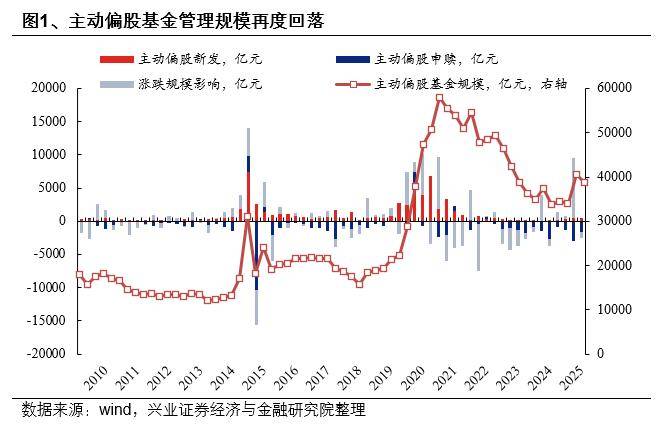
Group 1 - The active equity fund management scale decreased slightly in Q4 2025, primarily due to significant redemption pressure from existing funds, resulting in a net redemption of 165.6 billion yuan [1] - The total management scale of three types of active equity funds (ordinary stock, mixed equity, and flexible allocation) decreased by 189.8 billion yuan, with new active equity fund issuance at 56.2 billion yuan [1] - The active equity fund's position in Q4 2025 decreased by 0.83 percentage points to 86.62%, remaining at the second-highest level in history [2] Group 2 - In terms of sector allocation, the proportion of the ChiNext board increased by 1.24 percentage points to 24.98%, while the main board and Sci-Tech Innovation board saw declines [5][8] - The allocation to the main board decreased by 0.30 percentage points to 58.21%, indicating a further increase in underweight [8] - Active equity funds increased their positions in cyclical and financial real estate sectors while reducing exposure to technology growth and pharmaceuticals [11] Group 3 - The active equity funds increased their allocation in the non-ferrous metals, communication, and non-bank financial sectors, with increases of 2.26 percentage points, 1.85 percentage points, and 0.87 percentage points respectively [13] - The funds reduced their positions in electronics, pharmaceuticals, media, power equipment, and computers, with reductions of 1.72 percentage points, 1.54 percentage points, and 1.16 percentage points respectively [13] - Excluding thematic/sector funds, the active equity funds still increased their positions in non-ferrous metals, communication, and non-bank financial sectors [14] Group 4 - The allocation to the TMT sector slightly decreased in Q4 2025, with the configuration coefficient at 1.48, indicating room for further improvement [29] - Within the TMT sector, active equity funds increased their holdings in communication equipment and components while reducing positions in consumer electronics and semiconductors [32] - The dividend sector's allocation stabilized and increased, with the low-volatility dividend index rising by 1.7 percentage points to 4.3% [37] Group 5 - The top five stocks in active equity funds in Q4 2025 included Zhongji Xuchuang, Xinyi Sheng, Dongshan Precision, China Ping An, and Zijin Mining, with respective increases in holding ratios [43] - The top ten holdings accounted for 4.83%, 4.01%, and 3.97% of the total market value of the funds [46] - The concentration of individual stocks in active equity funds increased slightly, while the concentration of industries showed a mixed trend [49] Group 6 - The Hong Kong stock allocation of active equity funds decreased to 15.98%, down from 19.09%, with a total holding value of 302.9 billion yuan [51] - The funds increased their positions in the healthcare, materials, and energy sectors while reducing exposure to consumer discretionary and information technology sectors [54] - Tencent maintained its position as the largest holding in Hong Kong stocks, with a market value of 57.3 billion yuan [56]