
BMW(BMWYY)

Search documents
宝马召回超33万辆汽车!
券商中国· 2025-09-27 14:58
Group 1 - The core issue is that BMW Group is recalling over 330,000 vehicles due to potential short circuit risks in the starter motor and related components [1] - In Germany, more than 130,000 vehicles are affected, and the global recall may exceed the announced figures, as it involves multiple models produced between September 2015 and September 2021 [1] - The National Highway Traffic Safety Administration in the U.S. reported that nearly 200,000 vehicles produced from 2019 to 2022 will be recalled due to a risk of fire from overheating starter relay corrosion [1] Group 2 - The recall will involve replacing the starter motor, and some models may require the installation of higher-capacity batteries, leading to potentially high cumulative costs [2]


宝马因部件安全隐患召回超过33万辆汽车
Xin Hua Wang· 2025-09-27 13:34
Core Points - BMW Group is recalling over 330,000 vehicles due to potential short circuit risks in the starter motor and related components [1] - In Germany, more than 130,000 vehicles are affected, with the global recall potentially exceeding the announced figures due to the range of models produced between September 2015 and September 2021 [1] - In the United States, nearly 200,000 vehicles from 2019 to 2022 are being recalled, with concerns that corroded starter relay could overheat and short circuit, posing a fire risk [1] - The recall will involve replacing the starter motor and may require installing larger batteries for some models, leading to potentially high cumulative costs [1]
BMW recalls 331,000 cars after finding another dangerous flaw
Invezz· 2025-09-26 16:24
Core Insights - A new and dangerous flaw has emerged, prompting BMW AG to recall at least 331,000 vehicles, indicating ongoing challenges in quality control [1] Group 1 - The recall is part of a broader issue of deepening quality control problems faced by BMW AG [1] - The scale of the recall highlights the significant impact of the flaw on the company's operations and reputation [1] - This incident adds to the financial burden on BMW AG, which is already grappling with previous quality control issues [1]

记者来信:这些外企缘何把“标杆项目”放在沈阳?
Xin Hua Wang· 2025-09-26 11:01
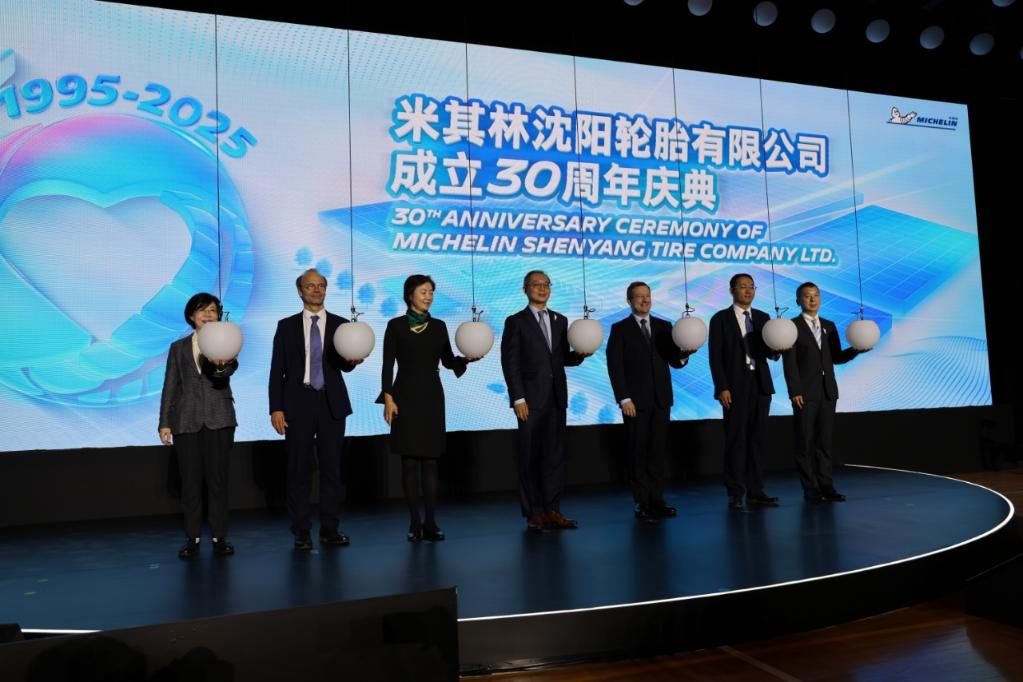
Core Viewpoint - The article highlights the increasing investment of foreign enterprises in Shenyang, showcasing it as a significant hub for global companies due to its favorable conditions, including talent resources, strong industrial ecosystems, and supportive government policies [1][3][5]. Group 1: Foreign Investment in Shenyang - Michelin Group has established its largest and most advanced high-end tire manufacturing base in Shenyang, while BMW has its largest production base there, indicating the city's attractiveness for foreign investment [1][6]. - The presence of major projects from foreign companies in Shenyang demonstrates the city's ability to provide substantial opportunities in the Chinese market [1]. Group 2: Talent Development - Shenyang's abundant talent resources are crucial for attracting foreign investment, with a shift from reliance on foreign experts to cultivating local talent [1][3]. - Since 2013, BMW has initiated a vocational project combining German dual education with local needs, effectively training skilled professionals for the industry [3]. Group 3: Industrial Ecosystem and Supply Chain - Shenyang boasts a robust industrial ecosystem and resilient supply chain, which supports the development of foreign enterprises, particularly in the automotive sector [3][5]. - The integration of local suppliers into the automotive industry has strengthened the collaboration between European and Chinese companies [3]. Group 4: Business Environment - The optimization of the business environment in Shenyang, particularly in the Sino-German high-end equipment manufacturing industrial park, has facilitated foreign enterprises' long-term development [5]. - The park has implemented efficient administrative processes, such as "tolerant acceptance" and "parallel approval," to expedite business operations [5]. Group 5: Strategic Importance - Shenyang is positioned as a strategic base for Michelin's operations in China, reflecting its significance in the company's global strategy [6]. - The successful establishment of foreign enterprises in Shenyang marks a shift from initial trials to firm commitments, showcasing the city's evolving role in international business [5].
豪华没有“平替” 高水平竞技提振信心 宝马与经销商互信共赢 共同迈向“新世代”
Yang Zi Wan Bao Wang· 2025-09-26 07:59
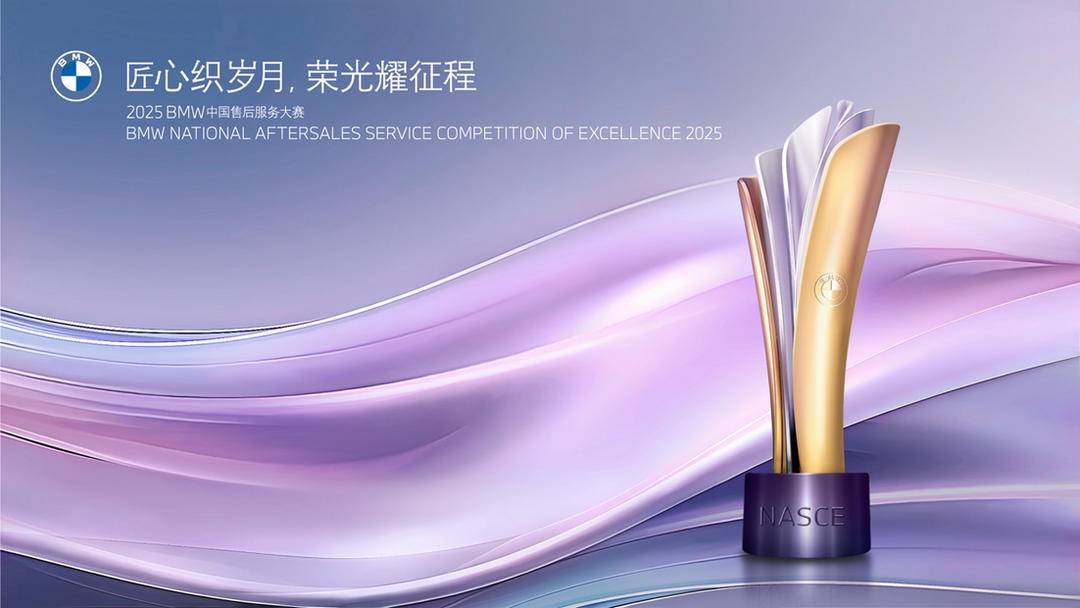
Core Insights - The 2025 BMW China After-Sales Service Competition concluded successfully, showcasing BMW's commitment to high-quality development and customer service in the new era [1] - The event aligns with the national theme of "Quality Month," emphasizing comprehensive quality management and excellence across industries [1] Group 1: Talent Development - The competition attracted hundreds of dealers and nearly 10,000 after-sales service employees, with a focus on real-case scenarios to enhance frontline capabilities [3] - BMW has trained and selected nearly 4,000 service consultants with new energy certifications and around 3,000 technicians with high-voltage certifications, strengthening its capabilities in new energy vehicle maintenance [3] - The integration of the B.E.S.T. (BMW Education of Sales & Service Talent) program marks a deepening of BMW's talent strategy, rooted in the German dual education system [3] Group 2: Customer Experience Enhancement - The "2025 Excellent Customer Experience Ambassador" selection was conducted alongside the competition, recognizing exemplary dealership employees who provide proactive customer care [4] - BMW has introduced comprehensive "proactive" care services, enhancing service experiences through early intervention and multi-channel reminders to ensure customer peace of mind [5] - Continuous digital upgrades have created a seamless customer experience from online to offline, allowing for efficient service management through mobile tools [5] Group 3: Dealer Collaboration - BMW empowers dealers through multi-dimensional support covering sales, after-sales, and personnel training, enhancing operational resilience and service quality [6] - The company implements scientific and precise network planning based on regional market potential and customer density, fostering sustainable dealer business development [6] - BMW aims to continue collaborating with dealer partners to elevate luxury automotive service experiences into the new era [6]
宝马与经销商互信共赢 共同迈向“新世代”
Xin Lang Cai Jing· 2025-09-26 04:17
Core Viewpoint - The article emphasizes BMW's commitment to quality management and customer service excellence in response to the national initiative for quality improvement in China, showcasing its dedication to high-quality development in the automotive industry [1][5]. Group 1: Event Overview - The 2025 BMW China After-Sales Service Competition attracted hundreds of dealers and nearly 10,000 service employees, marking a significant engagement in quality service initiatives [3]. - The competition featured real-case scenarios to ensure that the outcomes directly empower frontline work, enhancing the overall service quality [3]. Group 2: Talent Development - BMW has successfully trained and selected nearly 4,000 service consultants with new energy certifications and around 3,000 technicians with high-voltage certifications, strengthening its capabilities in new energy vehicle maintenance [3][5]. - The integration of the B.E.S.T. (BMW Education of Sales & Service Talent) program signifies a deepened talent strategy, rooted in the German dual education system, to cultivate skilled professionals across key operational areas [5]. Group 3: Customer Care Innovations - BMW has introduced proactive customer care services that enhance service experiences by addressing potential issues early, ensuring customers have worry-free maintenance and repair experiences [6]. - The company has implemented seamless digital upgrades to create a cohesive customer experience, allowing for online service appointments, vehicle pick-up and drop-off, and real-time updates on maintenance progress [8]. Group 4: Dealer Empowerment - BMW supports its dealers through various initiatives that enhance operational resilience and focus on improving customer service quality, aiming for five-star customer feedback on every service interaction [9]. - The company is strategically planning its dealer network based on regional market potential and customer density, fostering long-term partnerships for sustainable business growth and enhanced customer service experiences [11].
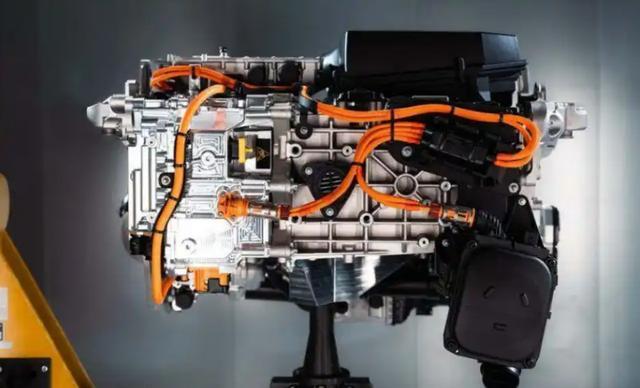
告别“纯电独大”?政策、企业双发力,宝马等车企加速布局氢能赛道
Hua Xia Shi Bao· 2025-09-26 00:50
Core Viewpoint - The Chinese government is actively promoting the development of hydrogen fuel cell vehicles through a comprehensive policy framework, while companies like BMW are advancing their hydrogen technology towards mass production by 2028 [2][3][5]. Policy and Market Dynamics - The hydrogen transportation sector is entering a new phase driven by both policy and market forces, with a robust support system established at various government levels [3]. - The "Automobile Industry Stabilization Growth Work Plan (2025-2026)" outlines clear directions for hydrogen vehicle development, including infrastructure and market application [3]. - Local governments are implementing targeted measures, such as subsidies for hydrogen stations, to encourage the adoption of hydrogen vehicles [3][4]. Infrastructure Development - As of August 2025, China has over 560 hydrogen refueling stations, a threefold increase since 2020, but still lags behind international standards [5][6]. - The development of a mature hydrogen refueling network is critical for the widespread adoption of hydrogen vehicles, emphasizing the need for efficiency and collaboration between vehicles and stations [6]. BMW's Hydrogen Strategy - BMW has launched its third-generation hydrogen fuel cell system, which is smaller, more powerful, and cost-effective compared to previous models, with a lifespan of 1 million kilometers [6][7]. - The collaboration with Toyota in developing hydrogen technology exemplifies a strategic approach to reduce costs and accelerate commercialization [7]. - BMW's partnership with China Datang Group to develop wind power projects reflects a broader strategy to create a closed-loop ecosystem for green energy and hydrogen production [7]. Global Industry Trends - Major global automakers, including Toyota and Hyundai, are also investing in hydrogen fuel cell technology, indicating a competitive landscape [8][9]. - The commercial vehicle sector is increasingly recognizing the complementary advantages of hydrogen fuel cells, particularly for long-distance and heavy-load transportation [9][10]. Strategic Recommendations - Companies are advised to focus on specific applications in controlled environments to ensure the viability of initial projects and to prioritize the development of core technologies [10].
美国对欧盟15%汽车关税生效 行业担忧难消
Xin Hua She· 2025-09-25 12:06
Group 1 - The U.S. government has officially implemented a 15% tariff on automobiles and auto parts imported from the EU, effective from August 1, which is significantly higher than the previous 2.5% rate [1] - The new tariff policy is expected to severely impact the European automotive industry, which is a crucial pillar of the European economy, directly or indirectly linked to millions of jobs [1] - European car manufacturers may face increased costs that could either reduce profit margins or be passed on to consumers, potentially leading to a loss of market share [1] Group 2 - Since April, the U.S. has imposed a 25% tariff on imported cars, resulting in EU exports facing tariffs as high as 27.5% [2] - By the first half of 2025, major European automotive companies are projected to see profits decline or turn to losses due to the impact of U.S. tariffs [2] - Volkswagen reported a net profit of €4.005 billion for the first half of 2025, a 37% decrease, with additional costs from U.S. tariffs amounting to €1.3 billion [2] - BMW's net profit for the same period was €4.015 billion, down 29% year-on-year [2] - Stellantis Group shifted from a profit of €5.6 billion in the previous year to a loss of €2.256 billion due to delays in the development and sales strategy of its U.S. brand vehicles [2]

美国对欧盟15%汽车关税生效 行业担忧难消
Xin Hua Wang· 2025-09-25 09:35
新华社布鲁塞尔9月25日电(记者康逸)美国政府24日表示,正式执行与欧盟达成的贸易协议,确认对 欧盟汽车及零部件征收15%的关税自8月1日起生效。欧洲观察人士认为,美国关税政策正给欧洲汽车业 带来严重冲击。 中欧数字协会主席路易吉·甘巴尔代拉表示,根据美欧达成的新贸易协议,美国对欧盟出口的汽车和零 部件征收15%的关税,税率仍远高于原来的2.5%。 "这无异于一记重击。"甘巴尔代拉说,汽车产业是欧洲经济一大支柱,德国、法国、意大利等国都依赖 庞大的汽车产业链,这一链条直接或间接关联数百万个工作岗位。美国关税政策将迫使欧洲车企要么自 行消化高昂成本,进一步压缩利润空间,要么将成本转嫁给消费者,导致市场份额遭到挤压。 自今年4月起,美国对进口汽车加征25%的关税,导致欧盟对美汽车出口遭遇高达27.5%的关税。 受美国关税政策冲击,2025年上半年欧洲五大汽车巨头利润均同比下滑或转为亏损。财报数据显示,大 众2025年上半年净利润为40.05亿欧元,同比下降37%。其中,因美国关税带来的额外成本高达13亿欧 元。宝马上半年净利润为40.15亿欧元,同比下滑29%。斯泰兰蒂斯集团更是因为推迟旗下美国品牌车 型的研发与 ...
美国下调欧盟汽车关税,关税隐忧难消
Xin Hua Cai Jing· 2025-09-25 07:35
Core Points - The U.S. government has officially implemented a trade agreement with the EU, confirming a 15% tariff on EU automobiles and parts effective from August 1 [1] - The European automotive industry is facing significant challenges, with major manufacturers reporting profit declines or losses due to U.S. tariff policies [1][2] - The new tariff rate is substantially higher than the previous 2.5%, exacerbating the financial strain on European carmakers [1][2] Summary by Category Trade Policy Impact - The U.S. has announced a 15% tariff on EU automotive exports, which is a significant increase from the previous 2.5% rate [1] - Tariff exemptions have been granted for certain EU exports, including softwood and pharmaceuticals [1] Financial Performance of European Automakers - Major European automakers are experiencing a "complete collapse" in profits, with Volkswagen's net profit for the first half of 2025 dropping to €4.005 billion, a 37% decrease [1] - BMW reported a net profit of €4.015 billion, down 29% year-on-year, while Stellantis shifted from a profit of €5.6 billion to a loss of €2.256 billion due to delayed model development [1] Future Outlook - European car manufacturers are revising their earnings forecasts downward, with Volkswagen lowering its operating profit margin expectations from 5.5%-6.5% to 4%-5% [1] - Experts predict that the trend of declining earnings may worsen in the latter half of 2025 [1]