Dingdong(DDL)

Search documents
春鲜上市 市民抢尝春日滋味
Xin Lang Cai Jing· 2026-02-21 06:56
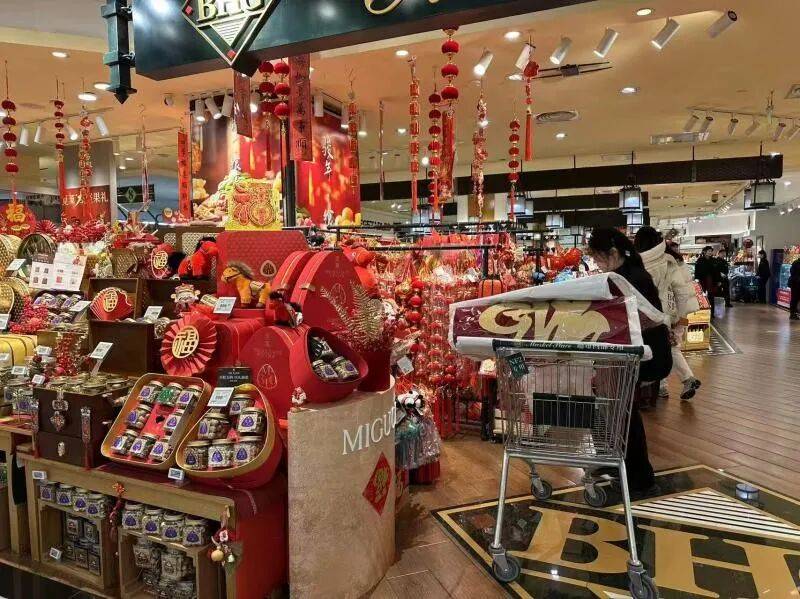
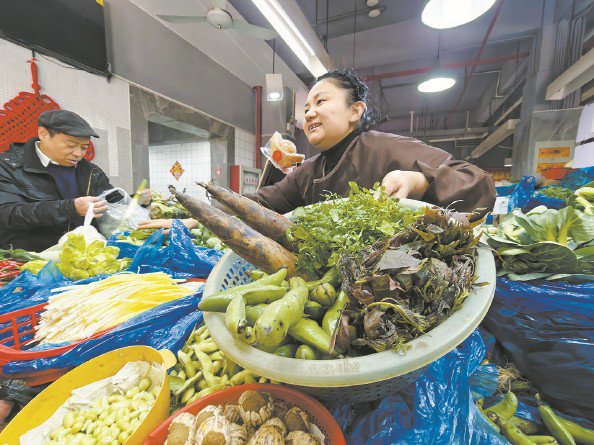
严控物流新鲜直达 康定菜场里市民 在选购时鲜蔬菜 本报记者 刘歆 摄 马年新春踏着暖意而来,让申城餐桌多了一抹春意。这两天上海气温稳步回升,春风拂过田间地头,也 催熟了第一波时令春鲜。荠菜、春笋、香椿、蚕豆、枸杞头等各类春菜陆续"抢鲜"登场,带着露水的清 甜与泥土的芬芳,为家家户户的团圆餐桌,注入了鲜爽滋味。 菜场时令春菜走俏 二十四节气中"雨水"的到来,意味着天气回暖,降雨增多,各种鲜香味美的春菜也纷纷上市。记者走访 市场发现,申城各大菜市场早已被春菜点缀得"春意盎然"。翠绿的荠菜、饱满的蚕豆、嫩红的香椿芽整 齐码放,新鲜的气息扑面而来,吸引着往来市民驻足挑选。 "蚕豆5.5元一斤,小豌豆7.5元一斤,都是新进的货,新鲜得很,炒肉、清煮都好吃!"在杨浦区双阳路 上的一家菜市场里,摊主一边整理着摊位上的春菜,一边热情招呼着老顾客,"这两天来买春菜的人特 别多,都是过年吃腻了大鱼大肉,想来点清爽的解解腻"。 附近的一家菜店里,香椿已悄然上架,虽数量不多,但几盒整齐摆放的嫩芽格外惹眼。"这些香椿产自 云南,价格比前两周刚上市的时候便宜了不少。"摊主介绍道,一盒香椿售价12元,大概有二两,"要是 炒鸡蛋,买一盒就足 ...


美团收购叮咚买菜:一场关于城市密度的并购
Jing Ji Guan Cha Wang· 2026-02-20 15:12
陈永伟 2月5日,美团在香港联交所发布公告,宣布将以约7.17亿美元的初始对价,收购叮咚买菜中国业务 100%股权。交割完成后,叮咚买菜将成为美团的间接全资附属公司,其财务业绩将并入美团报表。对 于熟悉"生鲜大战"的人来说,这一结局并不意外,却颇具象征意义。 回头看即时零售这条赛道,会发现它的发展轨迹并不复杂:从外卖构建城市级配送网络,到前置仓探索 履约效率的极限,再到平台整合各类供给节点,行业表面上经历了多轮模式更替,但底层逻辑始终未变 ——围绕城市内部的订单密度展开。当电商已经将价格和品类推向极致,零售竞争的核心变量,正在不 可避免地转向时间。 几年前,前置仓曾是最炙手可热的创业赛道之一。成立于2017年的叮咚买菜,一度是这一赛道的头部代 表。凭借成千上万个小型仓库网络,以及"最快29分钟送达"的承诺,叮咚买菜在2021年上市前曾接近90 亿美元市值。然而短短几年后,前置仓模式迅速退潮,代表企业要么出局,要么收缩,行业整体降温。 正是在这一背景下,美团选择出手,将叮咚买菜纳入自己的即时零售版图。这并非一桩单纯的并购事 件,而更像是行业进入整合阶段的信号:创业者探索出的多种模式,正在被平台吸收,逐渐融入城市 ...

美团收购叮咚买菜的冷酷逻辑
财富FORTUNE· 2026-02-13 13:03
甚至如果计算叮咚买菜在上海、杭州等地深耕八年所投入的基础设施建设成本、一千个前置仓的装修与 租金,以及那个庞大的配送团队,美团几乎是以"废铁价"买下了一台曾经精密的机器。 叮咚买菜引以为豪的"前置仓"模式,本质上是一个高强度的劳动力密集型产业,它没有网络效应——在 上海建1000个仓,并不会让苏州建仓的成本降低一分钱。 美团并不需要更多的骑手,也不需要更多的冷库,其各种"小象"和"优选"早已覆盖了同样的区域,这场 收购案真正的核心或许是防御性卡位。 在商业世界里,一些交易往往不是为了扩张,可能是因为防守。 2026年2月5日,美团宣布以7.17亿美元(约50亿人民币)收购叮咚买菜。2025年三季度末,叮咚在国内 共运营超过1000个前置仓,月购物用户数超过700万。 图片来源:视觉中国 对于这次收购,叮咚买菜创始人梁昌霖在内部信中表示:"面向未来,我们做出了一个更具远见的决 定:放下相向的较量,转为并肩的同航,这是两条强劲河流的汇合,必将奔向更加壮阔的海洋 。 " 叮咚买菜在2021年上市后,其市值一度超过50亿美元,如此看来,如今收购价格7.17亿美元是一个低廉 的数字。 买下叮咚,不是因为叮咚对美团有多大 ...

年轻人告别“囤货”,厨房小白“整顿”春节餐桌|年货新趋势
Bei Ke Cai Jing· 2026-02-12 07:21
Core Insights - The younger generation is reshaping the Chinese New Year consumption model, favoring convenience and instant delivery over traditional bulk purchasing and complex cooking [1][9] - Fresh food retail platforms are adapting to these changes by offering innovative services and products that align with the preferences of young consumers [1][9] Group 1: Consumer Behavior - Young consumers are opting for "just-in-time" purchasing, avoiding bulk buying and food waste, with many using fresh food platforms for quick delivery [2][9] - The average spending on traditional New Year goods has been reduced, with consumers now focusing on fresh, quality ingredients delivered to their homes [2][9] - The trend of "no stockpiling" is becoming a new consensus among younger consumers, who are re-evaluating the time and effort spent on traditional New Year preparations [9] Group 2: Retail Strategies - Fresh food platforms like Dingdong Maicai are enhancing their logistics and inventory to meet the demand during the peak season, increasing stock levels to twice the normal amount [4][9] - Companies are implementing incentive programs for delivery personnel during the holiday season to ensure service continuity and efficiency [4][5] - Retailers are focusing on creating tailored product offerings for various festive scenarios, moving from merely selling products to providing comprehensive solutions [9] Group 3: Product Innovation - Platforms are introducing easy-to-cook, high-quality dishes that cater to the younger demographic's desire for convenience and culinary experience [7][8] - Dingdong Maicai has launched 72 types of New Year dishes that require minimal preparation, reflecting regional flavors and culinary innovation [7][9] - Hema Fresh is collaborating with celebrity chefs to create popular dishes that can be easily replicated at home, resulting in significant sales growth [8][9] Group 4: Market Trends - The instant retail sector in China is projected to reach a scale of 1 trillion yuan by 2026, with significant growth expected during festive periods [9] - The shift towards refined, scene-based, and quality-focused retail is evident as platforms adapt to the changing consumer landscape [9]
美团收购叮咚对抗盒马
Di Yi Cai Jing· 2026-02-12 03:31
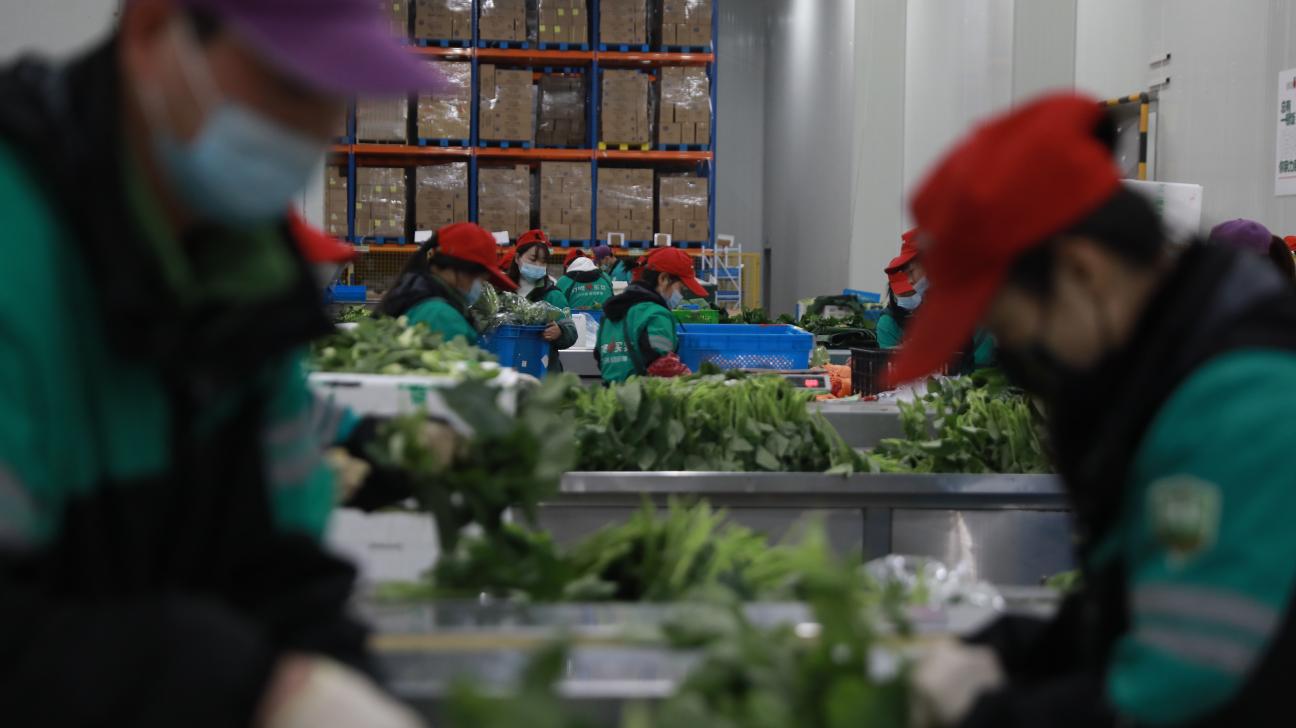
Core Viewpoint - Meituan's acquisition of Dingdong Maicai highlights the strategic need to enhance its supply chain capabilities in the fresh produce sector, addressing its limitations in self-operated product supply chains and brand recognition compared to Alibaba's Hema [1][2] Group 1: Acquisition Rationale - Dingdong Maicai possesses unique operational capabilities, allowing for precise monitoring and management of fresh produce sales, which helps minimize waste and achieve profitability [1][5] - The acquisition serves as a means for Meituan to quickly acquire a validated system that enhances unit economic efficiency (UE) in the fresh produce category, directly competing with Alibaba's Hema [2][5] Group 2: Industry Dynamics - Instant retail is fundamentally different from traditional e-commerce, governed by "shelf economics" rather than the "long tail theory," necessitating a focus on high-turnover, core products due to limited shelf space and associated costs [4][5] - The concept of UE is critical, determining the profitability of each order and product placement after accounting for all associated costs; Dingdong Maicai's digital system has successfully identified pathways to achieve positive UE in a high-waste category [5][6] Group 3: Competitive Landscape - Meituan and Alibaba represent contrasting business models: Meituan focuses on an "efficiency model" with stringent UE requirements, while Alibaba operates an "ecosystem model" that can absorb short-term losses for long-term market cultivation [7][8] - Meituan's strategy involves leveraging the acquisition to enhance its supply chain operations and brand assets in the fresh produce sector, transitioning from speed to precision and waste reduction [8][10] Group 4: Future Trends - The future of instant retail will shift towards low-frequency, high-value products, requiring advanced algorithms and intelligent systems to optimize every aspect of the supply chain [10][11] - The competition will evolve into a battle of AI-driven infrastructure, with Meituan aiming to integrate AI capabilities into its supply chain to enhance decision-making and operational efficiency [10][11]


美团收购叮咚对抗盒马
第一财经· 2026-02-12 03:21
Core Viewpoint - The acquisition of Dingdong Maicai by Meituan highlights the strategic necessity for Meituan to enhance its supply chain capabilities in the fresh produce sector, where it currently lacks the operational efficiency and brand trust that competitors like Alibaba's Hema possess [2][3]. Group 1: Acquisition Rationale - Dingdong Maicai is recognized for its unique operational capabilities, particularly in minimizing waste through real-time sales monitoring and automated pricing adjustments, which have allowed it to achieve profitability as an independent entity [2]. - Meituan's acquisition aims to address its shortcomings in the fresh produce supply chain, as it lacks a self-operated product supply chain and brand recognition in this sector [3]. - The acquisition serves as a strategic move for Meituan to quickly acquire a proven system that enhances unit economic efficiency (UE) in the fresh produce category, enabling it to compete more effectively against Hema [3]. Group 2: Industry Insights - The article distinguishes between traditional e-commerce's "long tail theory" and the "shelf economics" that govern instant retail, emphasizing that instant retail cannot afford to stock slow-moving items due to high operational costs [5][6]. - The concept of UE is critical in determining the sustainability of business models in instant retail, where profitability must be calculated after accounting for all costs associated with each order [6]. - Dingdong Maicai's digital system has successfully identified pathways to achieve positive UE in the high-waste fresh produce category, which is a key reason for Meituan's interest in the acquisition [6]. Group 3: Competitive Landscape - Meituan and Alibaba represent two distinct business models: Meituan's "efficiency model" focuses on stringent UE requirements and operational precision, while Alibaba's "ecosystem model" leverages a vast network of brand supply chains and can absorb short-term UE losses for long-term market development [8][9]. - Meituan's strategy involves enhancing its supply chain capabilities through the acquisition of Dingdong Maicai, aiming to evolve from merely fast delivery to precise selection and low waste [9]. - Alibaba's challenge lies in improving its fulfillment infrastructure and internal coordination to enhance real-time operational efficiency while capitalizing on its ecosystem advantages [9]. Group 4: Future Trends - The future of instant retail is expected to shift towards low-frequency, high-value products, where the complexity of UE calculations increases significantly, necessitating advanced inventory control and supply chain depth [11]. - The competition will evolve from a focus on traffic and delivery capacity to a deeper battle over AI-driven infrastructure that optimizes every aspect of the supply chain [11][12]. - Meituan's path involves leveraging AI to enhance its supply chain operations, while Alibaba aims to redefine user interaction through AI models that better understand and fulfill consumer needs [12].

美团收购叮咚:买下“零损耗”算法对抗盒马
Di Yi Cai Jing· 2026-02-12 03:08
Core Insights - Meituan's acquisition of Dingdong Maicai highlights the strategic need for Meituan to enhance its supply chain capabilities in the fresh produce sector, where Dingdong excels in operational efficiency and profitability [1][3] - Dingdong Maicai, despite being profitable, faces growth limitations due to its reliance on WeChat mini-programs for customer acquisition, lacking the traffic support from larger ecosystems like Alibaba [1][2] - The acquisition is seen as a way for Meituan to quickly gain a proven system that enhances unit economics (UE) in the fresh produce category, allowing it to compete more effectively against Alibaba's Hema [3][4] Industry Dynamics - The competition between Meituan and Alibaba represents a clash between "efficiency models" and "ecosystem models," with each having distinct resource endowments and challenges [5][6] - Meituan's focus on efficiency requires strict control over UE, limiting its ability to make large-scale strategic investments compared to Alibaba, which can afford temporary UE losses for long-term market cultivation [5][6] - The future of instant retail is shifting towards high-value, low-frequency products, necessitating advanced supply chain management and AI-driven infrastructure to optimize operations and enhance UE [7][8] Strategic Implications - Meituan aims to leverage Dingdong's supply chain expertise to transition from a fast delivery model to one that emphasizes accurate selection and low waste, thereby building a comprehensive efficiency model [6][7] - Alibaba is exploring AI-driven solutions to enhance user interaction and streamline service delivery within its ecosystem, aiming to break down barriers and improve collaborative value [8] - The ultimate competitive edge will depend on which company can effectively transition from consumer internet to industrial internet, utilizing AI to redefine cost, efficiency, and user experience in the UE competition [8]
美股科技股,集体上涨


Di Yi Cai Jing Zi Xun· 2026-02-11 20:51
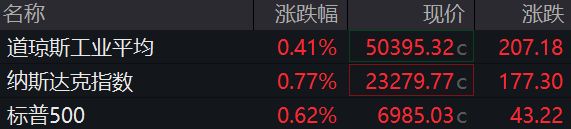
Group 1 - Major tech stocks experienced a broad increase, with SanDisk rising over 8%, Oracle up 2%, and NVIDIA increasing by more than 1% [1][2] - Other notable gainers included Tesla, Broadcom, Apple, and Amazon, all showing positive movement [1] - The three major U.S. stock indices opened higher, with the Nasdaq up 0.77%, the Dow Jones up 0.41%, and the S&P 500 up 0.62% [3] Group 2 - Chinese concept stocks mostly rose, with Kingsoft Cloud increasing by over 11%, Bilibili up more than 3%, and Century Internet and Beike both rising over 2% [2][4] - Storage-related stocks rebounded, with Micron Technology rising over 6% and Western Digital increasing by more than 4% [4]
美团50亿元收购叮咚,生鲜零售的出路到底在哪?
Sou Hu Cai Jing· 2026-02-11 13:50
生鲜零售的中国实践,使得企业不能照搬日本和欧美的经验。 2025年即时零售迎来大爆发,市场规模达到1-2万亿,相比之下传统电商15.2万亿,线下零售44.3万亿,虽然总额依然不高,但发展速度快,前景看好。 在这一背景下,美团全资收购叮咚买菜的消息既震撼又不意外。这不仅是两家企业的战略调整,更折射出整个生鲜零售行业的深刻变局:是坚守品质还是 追求规模?是独立发展还是背靠大树?是区域深耕还是全国扩张? 01 收购逻辑: 美团的品质突围与叮咚的体面退场 从表面数据看,这笔收购似乎不对等。2024年,叮咚买菜全年下单用户约774万,年营收230亿元;而美团整体年交易用户突破7.7亿,仅外卖业务年营收 就达1500亿级别,即时配送日订单峰值近1亿单。 然而,这笔交易的核心价值不在规模,而在品质锚定。 美团在即时零售领域长期缺乏品质标杆。早期美团优选走低价路线,新推出的小象超市虽定位中产,但品质口碑尚未建立。在京东以品质著称、阿里有盒 马和天猫超市的竞争格局下,美团需要一面"品质旗帜"。 叮咚买菜恰好填补了这一空白。其在华东市场深耕多年,以严格的品控标准和优质供应链著称,主要客群正是追求品质的中产家庭。对美团而言,收购叮 ...

这届年轻人买年货也要松弛感拉满丨新春消费青观察
Sou Hu Cai Jing· 2026-02-11 10:53
Core Insights - The consumer behavior during the 2026 Spring Festival in Beijing has shifted from bulk purchasing to a more flexible, experiential, and self-indulgent shopping approach [1][2][3] Group 1: Changes in Consumer Behavior - Consumers are no longer stockpiling goods for the Spring Festival, opting instead for a shopping experience that emphasizes immediacy and personal enjoyment [2][3] - The demand for delivery services has surged, with some delivery points experiencing a business volume increase of 15% to 20% compared to regular days [3] - Instant retail has emerged as a new growth driver, with a 48% year-on-year increase in consumption for fresh produce and other goods on platforms like Dingdong Maicai [3][4] Group 2: Trends in Gift-Giving and Health Consciousness - The perception of the Spring Festival is evolving, with 74% of consumers viewing it as a time for mental and physical relaxation, and 76% prioritizing the recipient's preferences when giving gifts [5][6] - Health-conscious products are becoming increasingly popular, with over 58% of consumers considering health attributes when selecting gifts [6][8] - New trends in gift items include health-focused snacks and beverages, reflecting a growing awareness of health among younger consumers [6][8] Group 3: Emotional Value and Personalization - The younger generation is prioritizing products that fulfill emotional needs, with gaming consoles and related products becoming popular during the festival [10] - The rise in gold prices has made investment gold bars a sought-after item, indicating a blend of emotional value and rational investment during the Spring Festival [10] - The diversity in consumer preferences highlights a shift from collective rituals to individual expressions, driven by personal interests [11]