
Intel(INTC)

Search documents
数据中心的下一个胜负手:跳出AI芯片
3 6 Ke· 2026-01-25 06:05
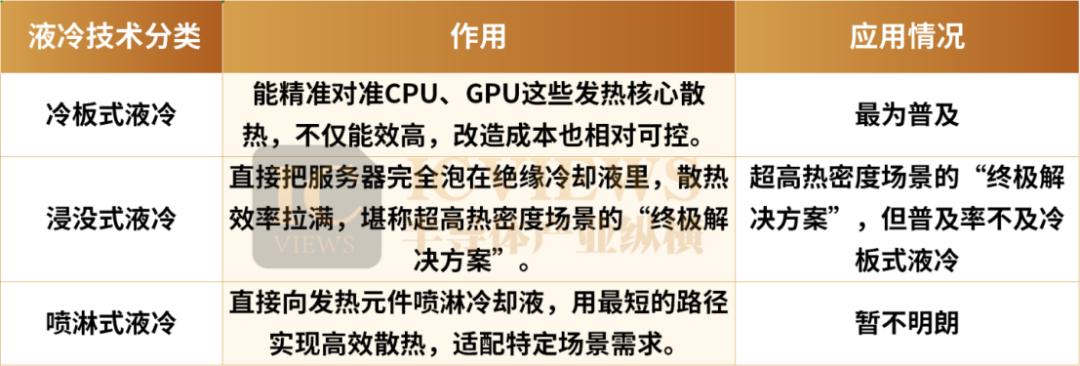
Core Insights - The current reality of AI chips in data centers reveals that significant investments may yield less than 60% of their theoretical value due to power consumption issues [1] - The expansion of computing power is outpacing electricity supply, reshaping the development logic of the data center industry [1] Group 1: Power Consumption Challenges - The disconnection between AI chip technology and actual data center usage is a core issue leading to high power consumption [2] - Many AI chips focus on peak computing power rather than balancing efficiency and power usage, resulting in wasted energy [2] - The rapid increase in computing demand, with a growth rate of 74.1% in 2024, exacerbates the power consumption problem, turning data centers into "power black holes" [3] Group 2: Cooling Technology Innovations - Data centers rely heavily on cooling systems, which account for over 38% of total power consumption, with some cases exceeding 50% [4] - Liquid cooling technology is emerging as a key solution, with three main types: cold plate liquid cooling, immersion cooling, and spray cooling [5][6] - Despite being the most efficient, liquid cooling technology has a low adoption rate of about 10% in the industry [7] Group 3: Market Dynamics and Competitive Landscape - Companies like NVIDIA and AMD are developing customized liquid cooling solutions to enhance cooling efficiency and adapt to high-density computing environments [8] - In China, Shuguang Shuchuang leads the liquid cooling infrastructure market with a 56% share, providing solutions to major internet firms [9] - The overall manufacturing advantage of China is becoming evident in the transformation of data centers, with the manufacturing sector's value surpassing that of the US [10][11][12] Group 4: Future Directions - The future of data centers will prioritize intelligent design over sheer size, focusing on efficient power usage and effective cooling solutions [13]


美股点金丨三大风险事件汇聚!警惕波动性卷土重来
Di Yi Cai Jing Zi Xun· 2026-01-25 05:48
Market Overview - The U.S. stock market experienced volatility this week, with significant declines following President Trump's threats to impose tariffs on European allies, which were later retracted, leading to a rebound in major indices [1] - Intel's disappointing earnings outlook caused a sharp decline in its stock price, negatively impacting investor risk appetite [1] Economic Indicators - The U.S. economy showed strong performance with the October Personal Consumption Expenditures (PCE) report meeting expectations, indicating a month-over-month increase of 0.2% and a year-over-year increase of 2.7% [2] - The unemployment claims data revealed a slight increase to 200,000, which is still below economists' expectations, indicating a stable job market [2] - The third-quarter GDP was revised upward to a two-year high of 4.4%, suggesting economic acceleration in the latter half of the year [2] Federal Reserve Outlook - Market expectations for a Federal Reserve rate cut have decreased, with the probability of a 25 basis point cut next week dropping from 5.0% to 2.8% [3] - The Federal Reserve is expected to pause rate cuts as the federal funds rate approaches neutral levels, with potential cuts anticipated in June and September [4] Corporate Earnings - The earnings season has begun, with 61% of S&P 500 companies exceeding revenue expectations and 80% surpassing profit forecasts [5] - The projected year-over-year growth rate for earnings per share (EPS) is 17%, with the overall S&P 500 EPS growth for Q4 expected at 8.3% [5] Technology Sector Insights - The technology sector, particularly semiconductor companies, is under scrutiny as earnings reports are released, with a focus on actual revenue growth to justify high valuations [6] - Major tech companies, including Apple, Tesla, and Microsoft, are set to report earnings soon, which could significantly influence market sentiment [6][7] Market Volatility - The market is likely to experience increased volatility due to upcoming earnings reports and the Federal Reserve's monetary policy meeting [6][7] - The VIX index has shown fluctuations, indicating that market volatility may not be over yet [6]





英特尔谈先进封装的机遇
半导体行业观察· 2026-01-25 03:52
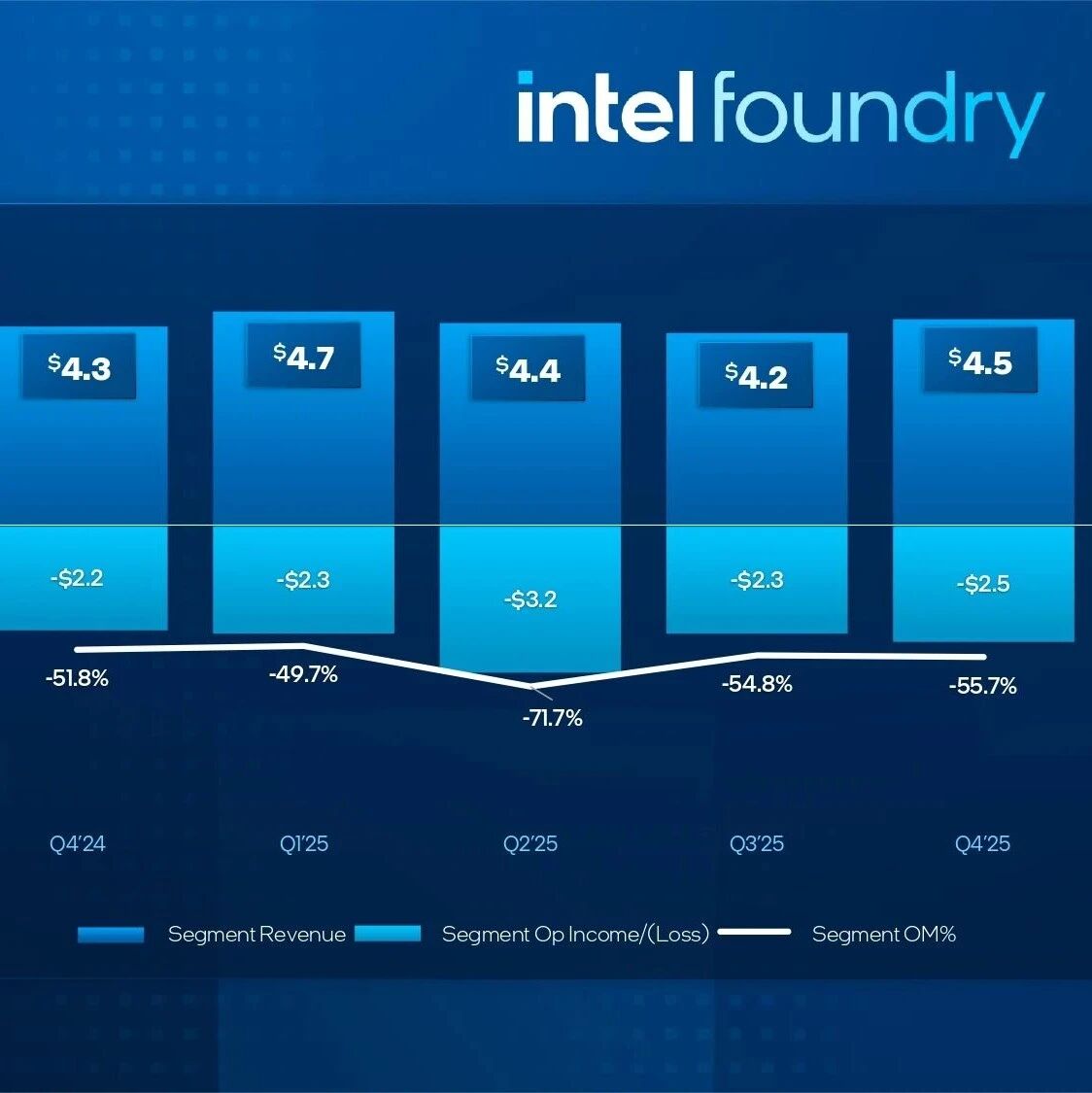
Core Viewpoint - Intel's foundry business is progressing steadily, with expectations of generating "billions of dollars" in revenue from chip and advanced packaging orders, despite slow progress in balancing consumer and data center/AI segments [2][5]. Group 1: Foundry Business Progress - CEO Lip-Bu Tan highlighted advancements in process nodes and customer sampling, particularly with the 18A process, which is now shipping initial products based on Intel's most advanced semiconductor technology developed and manufactured in the U.S. [2] - Intel is competing with TSMC's N3 process, with potential customers like Apple showing interest in Intel's foundry services, although Intel's ability to scale production depends on securing sufficient capital expenditure [2][5]. - CFO David Zinsner indicated that capital spending for the 14A process will be unlocked once customer commitments are confirmed, with expected order commitments likely in the second half of this year and the first half of next year [2][5]. Group 2: Advanced Packaging Developments - Intel's advanced packaging business is seen as a significant growth area, with EMIB and Foveros technologies being recognized as promising solutions by high-performance computing customers [5][6]. - Orders for advanced packaging are projected to exceed "1 billion dollars," which is crucial for reducing operational losses in the foundry business and achieving breakeven [8]. - The willingness of customers to prepay production costs indicates strong demand for Intel's EMIB and EMIB-T technologies, showcasing a commitment to collaboration [6][8].
10GbE迎来普及拐点
半导体行业观察· 2026-01-25 03:52
Core Insights - The cost of 10GbE (10 Gigabit Ethernet) has significantly decreased, and integration has become much easier, indicating that the industry is on the verge of a breakthrough [1] Group 1: 10GbE Controller Market - A notable change in 2026 is the rising demand for 10Gbase-T controllers, which face challenges due to higher link noise requiring more signal processing capabilities [2] - Realtek's RTL8127 is a new low-cost 10Gbase-T controller with a single-chip cost slightly above $10, targeting high-performance products rather than low-end options [3] - The RTL8127 can connect using PCIe Gen4 x1 channels, allowing efficient integration into low-cost platforms, enabling 10GbE speeds at a minimal additional cost [5][7] Group 2: Competitive Landscape - Marvell's AQC113/AQC113C, acquired from Aquantia, is a long-standing choice for low-cost 10Gbase-T adapters, supporting multiple speeds and providing affordable 10GbE network solutions [8][10] - Intel's E610, released in 2025, is positioned as a server-grade adapter, but its higher cost and initial bugs have led some manufacturers to opt for Realtek solutions instead [11][13][15] - Intel's X710-T4L and X710-T2L series support multi-gig speeds, making them a reliable choice for users needing versatile network cards [16][18] Group 3: 10GbE Switches and Gateways - The introduction of low-cost 10GbE switches and gateways is a significant trend in 2026, with prices dropping to less than a third of previous models [19][20] - There is an increasing presence of 10GbE gateways in the market, despite the dominance of lower-end 1GbE options [21] - Major manufacturers are updating their product lines to include SFP+ and 10Gbase-T versions, reflecting the growing adoption of 10GbE technology [26][28] Group 4: Challenges in 10GbE Adoption - One of the main challenges for 10GbE in 2026 is the efficient use of PCIe channels, especially as the industry transitions to PCIe Gen5, which can support higher bandwidths [29][31] - The competition for silicon supply between low-cost 10GbE devices and higher-end data center chips poses a significant challenge for manufacturers [36] Group 5: Testing and Measurement - The industry is evolving its testing methodologies for 10GbE devices, with advancements in hardware and testing capabilities allowing for more accurate assessments [37][40] - The ability to generate high traffic volumes and conduct detailed latency tests is improving, which is crucial for evaluating the performance of new 10GbE products [54][55] Conclusion - The ecosystem for 10GbE is finally catching up to its initial promises, with a wave of new products entering the market and a series of tests planned for 2026 to further explore 10GbE and beyond [56][58]

计算机行业点评:CPU涨价能持续多久?
SINOLINK SECURITIES· 2026-01-25 02:53
Investment Rating - The report suggests a positive investment outlook for the industry, indicating a potential increase in value over the next 3-6 months, with expectations of growth exceeding the market by more than 15% [40]. Core Insights - The report highlights three core logic points driving the rigid demand for CPU in the Agent era, emphasizing the shift in computational load from GPU to CPU due to the complexity of tasks performed by Agents [11][16]. - The global Agent ecosystem is predicted to experience exponential growth, with active Agents expected to rise from approximately 28.6 million in 2025 to 2.216 billion by 2030, alongside a significant increase in task execution and token consumption [16][21]. - A supply-demand imbalance is emerging, with Intel shifting production capacity to server CPUs, leading to delivery issues in consumer electronics, while NVIDIA plans to enhance CPU core counts in response to bottlenecks [33][37]. Summary by Sections Section 1: Three Core Logics Revealing the Rigid Demand for CPU - The shift in computational load towards CPU is driven by the Multi-Agent architecture, which increases OS scheduling pressure due to the complex workflow of Agents [11]. - The challenge of long context scenarios necessitates KV Cache offloading to CPU, which increases CPU load due to the need for task scheduling and data transfer [11][12]. - High concurrency in tool usage by Agents leads to significant CPU consumption, as non-model inference tasks are primarily handled by CPUs [15]. Section 2: Expansion of the Agent Ecosystem Igniting CPU Performance Bottlenecks - The number of active Agents is projected to grow significantly, with task execution expected to increase from 44 billion in 2025 to 415 trillion by 2030, indicating a shift towards deeper reliance on Agents in business processes [16][17]. - Token consumption is anticipated to surge from 0.0005 PetaTokens in 2025 to 152,667 PetaTokens by 2030, reflecting the increasing complexity of tasks handled by Agents [17]. Section 3: Supply-Demand Imbalance and New Shortboards in Computing Power - Intel's urgent shift in production to server CPUs has resulted in a decline in consumer electronics delivery rates, while NVIDIA's new architecture aims to address CPU bottlenecks [33]. - Market data indicates a growth in global client CPU shipments, with a 7.9% quarter-on-quarter increase and a 13% year-on-year increase in the second quarter of 2025 [33][34]. Section 4: Related Companies - Key companies in the CPU sector include Haiguang Information, Zhongke Shuguang, He Sheng New Materials, China Great Wall, Longxin Zhongke, and others [4][38]. - Domestic computing power companies include Haiguang Information, Cambricon, Dongyangguang, and others, while overseas companies include Zhongji Xuchuang, New Yisheng, and others [4][38].


【数智周报】中芯国际等巨头集体提价;风投资金涌入Anthropic,新一轮融资250亿美元;DeepMind CEO:中国头部AI企业只比前沿水平落后六个月,但中国AI基础创新仍存短板
Sou Hu Cai Jing· 2026-01-25 00:26
Group 1 - Huang Renxun discussed the AI bubble, stating that the bubble is due to unprecedented investment scale aimed at building AI infrastructure, with total investment expected to reach trillions of dollars [2] - Microsoft CEO Satya Nadella warned that if AI development relies solely on capital without real productivity improvements, a bubble may form, emphasizing the need for a focus on actual demand and application [3] - DeepMind CEO Demis Hassabis and Anthropic founder Dario Amodei debated the timeline for AGI, with predictions ranging from two years to the late 2030s, highlighting the potential impact on the labor market [4] Group 2 - DeepMind's Hassabis noted that Chinese AI companies are only about six months behind the frontier level, showcasing impressive catch-up capabilities, although he believes they have yet to prove their ability to innovate beyond the frontier [5] - Tencent's Tang Daosheng emphasized that AI development should not be limited to AGI but should focus on diverse model adaptations for different scenarios [6] - Baichuan Intelligent's Wang Xiaochuan responded to concerns about AI in healthcare, arguing that limiting AI use could hinder medical advancements [7] Group 3 - Alibaba is reportedly planning to spin off its chip company T-Head for independent listing [8] - Moore Threads forecasted a revenue of 1.45 to 1.52 billion yuan for 2025, with a year-on-year growth of 230.70% to 246.67% [9] - Major Chinese foundries, including SMIC, are raising prices by 5% to 20% due to a reduction in global 8-inch foundry capacity [10] Group 4 - DeepSeek plans to launch its flagship AI model DeepSeek V4 in February, featuring a new architecture aimed at enhancing coding capabilities [11] - Alibaba Cloud's PolarDB has released new products, including an AI data lake solution designed for integrated data management [12] - DingTalk has launched an "AI travel" feature in collaboration with Gaode and Alipay, allowing enterprise users to access travel services without upfront costs [13][14] Group 5 - Baichuan Intelligent released the M3 Plus medical model, introducing "evidence anchoring" technology to ensure AI-generated medical advice is backed by professional evidence [15] - Donghua Software announced a 300 million yuan investment to establish a wholly-owned subsidiary focused on AI and big data [16] - Alibaba Health's AI product "Hydrogen Ion" has completed internal testing and aims to assist doctors with low hallucination rates and high evidence-based capabilities [17] Group 6 - Baidu launched the official version of its Wenxin model 5.0, featuring 2.4 trillion parameters and supporting multiple information formats [18] - The 2025 Hurun AI 50 list ranked Cambricon and Moore Threads at the top, with significant representation from chip companies [19] - MiniMax introduced an AI-native workspace, enhancing local environment applications and expert agents [20] Group 7 - Moonshot AI's valuation increased by 500 million dollars to 4.8 billion dollars following its latest funding round [43] - OpenAI is reportedly negotiating a new round of financing with a Middle Eastern sovereign wealth fund, potentially raising 50 billion dollars [32] - Anthropic is raising at least 1 billion dollars in its latest funding round, with annual revenue expected to exceed 9 billion dollars by 2025 [42]




电子行业周报:AI&半导体:英特尔2026年Q1指引不及预期
Huajin Securities· 2026-01-25 00:24
Investment Rating - The industry investment rating is "Outperform the Market" (maintained) [4][40]. Core Insights - Intel's Q4 2025 revenue was $13.7 billion, a year-on-year decrease of 4.1% but a quarter-on-quarter increase of 3%. The revenue from the Client Computing Group (CCG) was $8.19 billion, down 6.6% year-on-year, while the Data Center and AI (DCAI) segment saw revenue of $4.74 billion, up 8.9% year-on-year. The Foundry business generated $4.51 billion, an increase of 3.8% year-on-year. Despite a recovery in core DCAI business, Intel's Q1 2026 guidance was significantly below market expectations, forecasting revenue between $11.7 billion and $12.7 billion [4][7][8]. - TE Connectivity reported Q1 2026 net sales of $4.7 billion, a 22% year-on-year increase, driven by growth in industrial and transportation sectors. Earnings per share rose to $2.53, up 45% year-on-year, with adjusted EPS at $2.72, a 33% increase. The company expects Q2 2026 sales of approximately $4.7 billion, a 13% year-on-year increase [4][7][8]. - Resonac, a major semiconductor materials manufacturer, announced a 30% price increase for all series of copper-clad laminates and adhesive films starting March 1, 2026, due to tight supply and rising costs of raw materials [4][8]. - The semiconductor industry is expected to benefit from AI advancements, with a projected 10,000-fold increase in total computing power by 2035. Key investment targets include companies across the semiconductor supply chain, such as SMIC, Hua Hong Semiconductor, and others [4][36]. Summary by Sections Industry Dynamics - Intel's Q4 2025 revenue was $13.7 billion, with a decline in CCG but growth in DCAI. Q1 2026 revenue guidance is significantly lower than expected [4][7]. - TE Connectivity's Q1 2026 net sales were $4.7 billion, with strong performance in industrial and transportation sectors [4][8]. - Price increases announced by Resonac and other companies in the semiconductor materials sector due to rising costs [4][8]. Market Review - The electronic industry saw a weekly increase of 1.39% from January 19 to January 23, 2026, with the construction materials sector leading the gains [9][10]. Industry High-Frequency Data Tracking - TV panel prices are expected to see mild increases in January 2026, while monitor panel prices are predicted to remain stable [16][18]. - Memory prices for various DRAM types have shown an upward trend from January 19 to January 23, 2026 [21].
Intel Stock Drops After Q4 Earnings: Is INTC a Buy Now?
Yahoo Finance· 2026-01-24 20:03
Core Viewpoint - Intel's shares declined despite beating fourth-quarter earnings expectations, primarily due to a cautious first-quarter outlook that raised investor concerns about operational challenges ahead [1]. Financial Performance - For Q4, Intel reported revenue of $13.7 billion, exceeding Wall Street estimates and the company's own guidance, with growth driven by AI infrastructure investments and double-digit demand increases in AI-enabled PCs, traditional server products, and networking solutions [2]. - Adjusted earnings per share for Intel were $0.15, significantly above the guidance of $0.08 and analyst expectations, attributed to higher revenue, improved gross margins, and effective cost management [3]. Near-Term Outlook - Despite a strong Q4 performance, Intel's near-term outlook is concerning, with anticipated supply constraints in Q1 2026 due to exhausted inventory and a shift in wafer production towards server products that will not fully materialize until late Q1 2026 [4]. - For Q1, Intel is guiding revenue of $12.2 billion, which is below Wall Street's expectation of $12.6 billion, indicating a weaker start to the year than anticipated, with profitability expected to be at breakeven, falling short of analyst consensus [5].
Intel Won't Rush Costly Chip Capacity Buildout Despite AI Boom, Even As Rivals TSMC And Samsung Spend Big Bucks: Here's Why
Yahoo Finance· 2026-01-24 15:31
Core Viewpoint - Intel is adopting a cautious approach to chip capacity investments, prioritizing customer commitments before accelerating spending, contrasting with competitors TSMC and Samsung who are increasing their investments aggressively [1][4]. Group 1: Capacity Expansion Strategy - Intel will not expedite major chip capacity investments without clearer customer commitments, despite competitors ramping up spending [1]. - The company is focusing on selective investments, with CFO David Zinsner stating that Intel is already investing aggressively in certain manufacturing nodes like Intel 7, Intel 3, and 18A [2][3]. - Intel is holding back on expanding capacity for the Intel 14A process node, which is closely linked to foundry customers, until there is confirmed demand [4]. Group 2: Efficiency and Supply Gains - Intel believes it can achieve significant supply gains through improved manufacturing efficiency rather than major new capital expenditures, which differentiates it from its peers [5]. - The company is focusing on enhancing yields and reducing production cycle times within its existing operations [5][6]. Group 3: Financial Performance - Intel reported fourth-quarter revenue of $13.67 billion, exceeding Wall Street expectations of $13.37 billion, and delivered adjusted earnings of 15 cents per share, surpassing analysts' forecasts of eight cents [7].
Morning Movers: Nvidia up after report of potential China move on H200 chips
Yahoo Finance· 2026-01-24 13:55
Market Overview - Stock futures are modestly lower, influenced by Intel's significant pre-market decline and ongoing geopolitical uncertainty [1] - Markets are trading mixed and cautiously softer after a volatile week reflecting shifting investor sentiment around geopolitics, earnings, and economic data [1] Commodity Trends - Gold continues to see strong demand, trading near record levels, while the silver spot price has surpassed $100 per ounce [2] Futures Performance - In pre-market trading, S&P 500 futures fell 0.19%, Nasdaq futures fell 0.23%, and Dow futures fell 0.43% [2] Company Movements - Life360 (LIF) up 23% after FY25 pre-announcement [5] - Nvidia (NVDA) up 1% following reports that Chinese regulators are preparing for orders of Nvidia's H200 AI chips [5] - Intel (INTC) down 12% after a weak outlook [5] - Other notable movements include Booz Allen (BAH) up 6%, Intuitive Surgical (ISRG) up 3%, and Capital One (COF) down 4% [5]