LI AUTO(LI)

Search documents
理想MEGA起火,电池预警是否失灵成谜
Di Yi Cai Jing· 2025-10-30 05:09
Core Viewpoint - The incident involving the Ideal MEGA vehicle raises concerns about the effectiveness of battery warning systems and communication with vehicle owners regarding potential risks [1][2]. Group 1: Incident Overview - A fire incident occurred with an Ideal MEGA vehicle, resulting in total destruction of the vehicle and its contents, but no injuries were reported [1]. - There are conflicting reports regarding whether the vehicle owner received prior warning signals about battery issues before the incident [1][2]. Group 2: Battery Management System (BMS) - The BMS plays a crucial role in monitoring battery conditions, collecting data on temperature and voltage, and issuing warnings if thresholds are exceeded [2][3]. - Different automakers have varying BMS designs, leading to inconsistencies in how battery warnings are communicated to vehicle owners [3][4]. Group 3: Warning and Alarm Distinction - There is a distinction between "battery warning" (indicating minor issues) and "battery alarm" (indicating serious problems), with the former allowing continued vehicle operation under certain conditions [5][6]. - The probability of a vehicle experiencing a fault increases significantly if it continues to operate after receiving a battery warning [5]. Group 4: Regulatory and Safety Standards - The number of electric vehicle fire incidents has been significant, with 640 reported in the first quarter of 2022 alone [5]. - Recent updates to national standards for battery safety have introduced stricter requirements for thermal management and emergency response [5][6]. Group 5: Industry Insights - The effectiveness of battery safety measures relies on the design and implementation of BMS systems, which vary by manufacturer [6][7]. - Enhancements in BMS technology and battery design are essential for improving safety and reducing the likelihood of thermal runaway incidents [7].

理想汽车电池公司在浙江成立新公司,注册资本7000万
Zhong Guo Neng Yuan Wang· 2025-10-30 02:59
Core Insights - Zhejiang Ideal Automotive Battery Co., Ltd. has been established with a registered capital of 70 million RMB, focusing on battery manufacturing, sales, and new energy technology research and development [1][1][1] Company Overview - The legal representative of Zhejiang Ideal Automotive Battery Co., Ltd. is Liu Liguo [1] - The company is wholly owned by Shandong Ideal Automotive Battery Co., Ltd., which is jointly held by Beijing Ideal Automotive Co., Ltd. and Xinwangda Power Technology Co., Ltd. [1][1] Business Scope - The business operations include battery manufacturing, battery sales, new energy technology research and development, electric vehicle charging infrastructure operation, and manufacturing of power distribution and control equipment [1][1][1]
浙江理想汽车电池有限公司成立,注册资本7000万
Xin Lang Cai Jing· 2025-10-30 02:58
Core Insights - Zhejiang Ideal Automotive Battery Co., Ltd. was established on October 28, with a registered capital of 70 million RMB [1] - The company is involved in battery manufacturing, sales, new energy technology research and development, electric vehicle charging infrastructure operation, and manufacturing of power distribution and control equipment [1] - The company is wholly owned by Shandong Ideal Automotive Battery Co., Ltd., which is jointly held by Beijing Ideal Automotive Co., Ltd. and Xinwanda Power Technology Co., Ltd. [1]
理想汽车电池公司在浙江成立新公司 注册资本7000万
Xin Lang Cai Jing· 2025-10-30 02:49
Core Insights - Zhejiang Ideal Automotive Battery Co., Ltd. has been established with a registered capital of 70 million RMB [1] - The company is fully owned by Shandong Ideal Automotive Battery Co., Ltd., which is jointly held by Beijing Ideal Automotive Co., Ltd. and Xinwanda Power Technology Co., Ltd. [1] Company Overview - The legal representative of Zhejiang Ideal Automotive Battery Co., Ltd. is Liu Liguo [1] - The business scope includes battery manufacturing, battery sales, emerging energy technology research and development, electric vehicle charging infrastructure operation, and manufacturing of power distribution and control equipment [1]

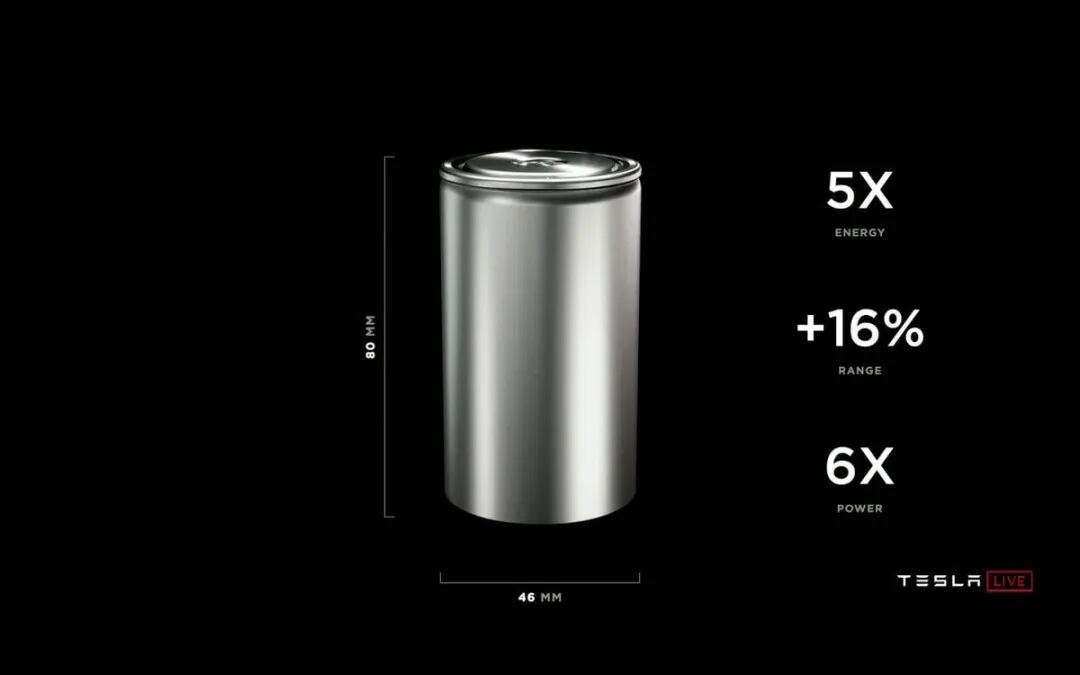
电动车起火背后:被性能 “绑架” 的电池进化论
3 6 Ke· 2025-10-30 02:45
Core Insights - Recent electric vehicle fire incidents have reignited concerns over battery safety, particularly among high-end models like Xiaomi SU7 Ultra, NIO ET7, Li Auto MEGA, Mercedes EQE, and Porsche Taycan, which are priced between 300,000 to 1,000,000 yuan [1] - The evolution of battery technology has focused on increasing energy density and fast charging capabilities, allowing electric vehicles to match or exceed the performance of traditional fuel vehicles in terms of range [1] - Despite advancements in performance, safety has often been treated as a passive requirement, only highlighted by incidents of battery fires [1] Battery Technology Evolution - The first major evolution in power batteries involved a shift from lithium iron phosphate (LFP) to ternary lithium batteries, which offer higher energy density but lower thermal stability [2] - Ternary lithium batteries typically use nickel, cobalt, and manganese or aluminum, with higher nickel content leading to increased energy density but reduced thermal stability [2][3] - High-nickel batteries (NCM 811) faced significant safety issues, leading to a shift towards more balanced compositions in the industry [3] Structural Design and Safety Risks - Recent advancements in battery design have focused on increasing energy density by optimizing structural design, such as integrating more active materials into the same volume [4][6] - The transition from modular to cell-to-pack (CTP) and cell-to-chassis (CTC) designs has allowed for more energy storage but also increased the risk of thermal runaway during incidents [4][6] Fast Charging Challenges - The rise of high-voltage fast charging technology has introduced new safety challenges, with increased power leading to higher demands on insulation and protection systems [7][9] - While fast charging improves user experience, it can also shorten battery lifespan and increase the risk of thermal runaway due to rapid lithium ion movement [9][10] Ongoing Safety Improvements - The industry is exploring solid-state batteries as a potential solution for combining high performance with safety, but significant challenges remain before widespread adoption [11] - Battery manufacturers are continuously optimizing liquid battery designs to enhance safety, such as improving cooling systems and battery management systems (BMS) [11][12] - Despite rigorous testing, the transition from laboratory conditions to real-world applications presents numerous variables that can affect battery safety [13][14] Industry Response to Incidents - Each fire incident serves as a critical warning for the industry, providing valuable data for technological improvements [14][15] - Leading battery manufacturers are striving to reduce failure rates to parts per billion (ppb) levels, although the perceived risk remains significant for individual users [16][17]





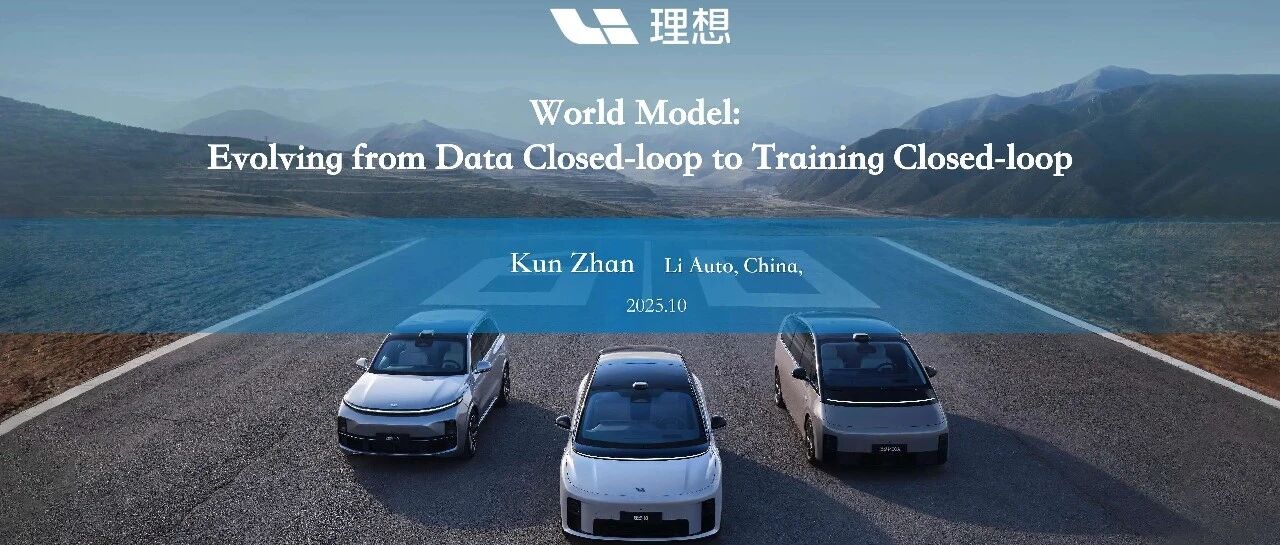
理想ICCV'25分享了世界模型:从数据闭环到训练闭环
自动驾驶之心· 2025-10-30 00:56
Core Insights - The article discusses the advancements in autonomous driving technology, particularly focusing on the transition from data closed-loop systems to training closed-loop systems, marking a new phase in autonomous driving development [17][20]. Group 1: Development of Li Auto's VLA Model - Li Auto's VLA driver model has evolved through various stages, from rule-based systems to AI-driven E2E+VLM systems, with a strong emphasis on navigation as a key module [6]. - The end-to-end mass production version of MPI has reached over 220 units, representing a 19-fold increase compared to the version from July 2024 [12]. Group 2: Data Closed-Loop Value - The data closed-loop process includes shadow mode validation, data mining in the cloud, automatic labeling of effective samples, and model training, with a data return time of one minute [9][10]. - Li Auto has accumulated 1.5 billion kilometers of driving data, utilizing over 200 triggers to produce 15-45 second clip data [10]. Group 3: Transition to Training Closed-Loop - The core of the L4 training loop involves VLA, reinforcement learning (RL), and world models (WM), optimizing trajectories through diffusion and reinforcement learning [22]. - Key technologies for closed-loop autonomous driving training include regional simulation, synthetic data, and reinforcement learning [24]. Group 4: Simulation and Generation Techniques - Simulation relies on scene reconstruction, including visual and Lidar reconstruction, while synthetic data generation utilizes multimodal techniques [25]. - Li Auto's recent advancements in reconstruction and generation have led to significant improvements, with multiple top conference papers published in the last two years [26][29][31]. Group 5: Interactive Agents and System Capabilities - The development of interactive agents is highlighted as a critical challenge in the training closed-loop [37]. - System capabilities are enhanced through world models providing simulation environments, diverse scene construction, and accurate feedback from reward models [38]. Group 6: Community and Collaboration - The article mentions the establishment of nearly a hundred technical discussion groups related to various autonomous driving technologies, with a community of around 4,000 members and over 300 companies and research institutions involved [44][45].
车企纷纷“兜底”抢客 跨年交付最高补贴1.5万元
Mei Ri Shang Bao· 2025-10-29 23:50
Core Viewpoint - The impending reduction of the new energy vehicle (NEV) purchase tax is prompting consumers to consider whether now is a good time to buy a vehicle, as various automakers introduce "tax coverage" policies to alleviate consumer concerns about future costs [1][2][3]. Group 1: Policy Changes and Impacts - The purchase tax exemption for NEVs will end in 2025, with a new policy reducing the tax by half from 2026 to 2027, significantly affecting the cost of purchasing vehicles [1]. - For a vehicle priced at 300,000 yuan, the tax savings in 2025 would be approximately 26,500 yuan, while in 2026, consumers would need to pay 13,000 yuan in taxes, highlighting a substantial cost difference [1]. Group 2: Automaker Strategies - Automakers like NIO, Li Auto, Xiaomi, and others are implementing "tax coverage" policies to assure consumers that they will cover the tax difference for vehicles ordered this year but delivered next year [2]. - Various brands are offering cash subsidies or reductions in final payments to offset the tax burden for consumers who place orders before specific deadlines [2]. Group 3: Consumer Considerations - Industry experts suggest that while the current period may be seen as a "high cost-performance purchase window," consumers should carefully assess their actual needs and consider vehicles that meet the stricter 2026 technical requirements to avoid potential policy risks [3]. - Consumers are advised to prioritize purchasing pure electric vehicles with a range of over 100 km and lower energy consumption to mitigate the impact of future policy changes on their vehicle experience and resale value [3]. Group 4: Market Dynamics - The introduction of tax coverage policies by automakers is not only aimed at easing consumer burdens but also serves to boost sales during the traditional peak season for automotive consumption [3]. - The Chinese automotive market is experiencing a surge in demand, with a reported 35.4% increase in customer traffic and a 13% rise in order volume in early October [3]. Group 5: Industry Evolution - The narrowing of purchase tax benefits signifies the end of the policy support phase for the NEV industry, transitioning into a new stage of market competition where automakers must rely on product quality, technological advancements, and service experience to succeed [5].

【重磅深度】2025年主流车企城市NOA试驾报告—10月北京篇
东吴汽车黄细里团队· 2025-10-29 14:25
Core Insights - 2025 is identified as a pivotal year for automotive intelligence, initiating a three-year cycle that will elevate domestic electrification penetration rates to 50%-80%+, leading to a restructuring of the automotive landscape [4][10] - Leading intelligent driving manufacturers have successfully implemented complex urban scenarios such as roundabouts and U-turns, enhancing high-level functionalities like parking and scene understanding, thereby improving the driving experience for passengers and safety personnel [4][10] Investment Highlights - A comprehensive evaluation of six intelligent driving manufacturers, including ZunJie, Xiaopeng, Zhiji, Ideal, Xiaomi, and NIO, was conducted through large sample concentrated road tests and small sample in-depth road tests, focusing on scene implementation, takeover frequency, and comfort [5][10] - The keyword for the Beijing intelligent driving assessment is "stronger gets stronger," with Huawei and Xiaopeng leading in overall takeover counts and performance across various scenarios, particularly excelling in challenging situations [5][10] - Compared to Q1, the gap in intelligent driving capabilities among manufacturers has been narrowing by Q3, with second-tier manufacturers improving their performance in complex urban scenarios and reducing takeover frequencies [6][10] Road Test Overview - The large sample concentrated road test involved a standardized route in Beijing, assessing various performance metrics such as overall evaluation, takeover counts, stability, and efficiency [41][40] - The small sample in-depth road tests were conducted under varying traffic conditions, focusing on specific scenarios like roundabouts and complex intersections to evaluate the vehicles' decision-making and interaction capabilities [61][72] Manufacturer Performance - ZunJie achieved the highest overall evaluation score with an average takeover count of 1.16, demonstrating strong performance in challenging scenarios [44] - Xiaopeng's XOS model exhibited the lowest average takeover count at 0.94, showcasing balanced performance across various scenarios [48] - Zhiji's IM AD 3.0 received a score of 3.55 with an average takeover count of 1.44, indicating good handling of complex situations [49] - Ideal's OTA 8.0 scored 3.20 with a lower average takeover count of 1.06, reflecting a conservative driving style [52] - Xiaomi's V1.9.7 had an average takeover count of 3.86, indicating variability in performance across different scenarios [55] - NIO's cedar model recorded an average takeover count of 4.14, effectively covering most urban intelligent driving scenarios [58]


理想智驾逆袭往事:端到端的百日冲刺
雷峰网· 2025-10-29 10:54
Core Viewpoint - The article discusses the transformative journey of Li Auto in the autonomous driving sector, highlighting the shift from skepticism to a strong commitment to AI-driven end-to-end solutions, culminating in the successful launch of the "end-to-end + VLM" system, which significantly boosted sales and market presence [1][6][42]. Group 1: Strategic Shift - In March 2024, Li Auto's CEO, Li Xiang, expressed dissatisfaction with the company's autonomous driving performance, emphasizing the need for a decisive shift towards end-to-end technology [2][8]. - The introduction of the "end-to-end + VLM" system in July 2024 marked a pivotal moment for Li Auto, allowing the company to transition from a follower to a leader in the autonomous driving space [3][4]. Group 2: User Reception and Sales Impact - The "end-to-end + VLM" system received overwhelmingly positive feedback during initial trials, leading to a significant increase in user engagement, with 65% of test drives featuring the new technology by October 2024 [5][6]. - By the end of 2024, the delivery share of models equipped with the AD Max system (featuring the new technology) reached 75.4% in the 300,000+ yuan segment and 84.6% in the 400,000+ yuan segment, a dramatic increase from just 20% earlier in the year [6][50]. Group 3: Team Dynamics and Development - The autonomous driving team at Li Auto faced anxiety and uncertainty at the beginning of 2024, but the successful implementation of the end-to-end system led to a turnaround in morale and performance [8][12]. - Li Auto's strategy involved rapidly expanding its autonomous driving team from around 600 to over 1,000 by the end of 2023, although this expansion initially did not yield the expected results [9][10]. Group 4: Technological Innovation - The end-to-end approach allowed Li Auto to integrate various functions into a single model, enhancing efficiency and reducing complexity compared to traditional modular methods [57]. - The project was characterized by a rapid development cycle, with the team successfully delivering a demo version of the end-to-end system in just over a month, showcasing superior performance compared to previous iterations [31][52]. Group 5: Data-Driven Approach - The success of the end-to-end project was largely attributed to a robust data-driven strategy, which emphasized the importance of high-quality data over sheer manpower [63][71]. - Li Auto's data collection capabilities were built into every vehicle from the start, ensuring standardized and comparable data for algorithm training, which was crucial for the success of the autonomous driving system [71][72].
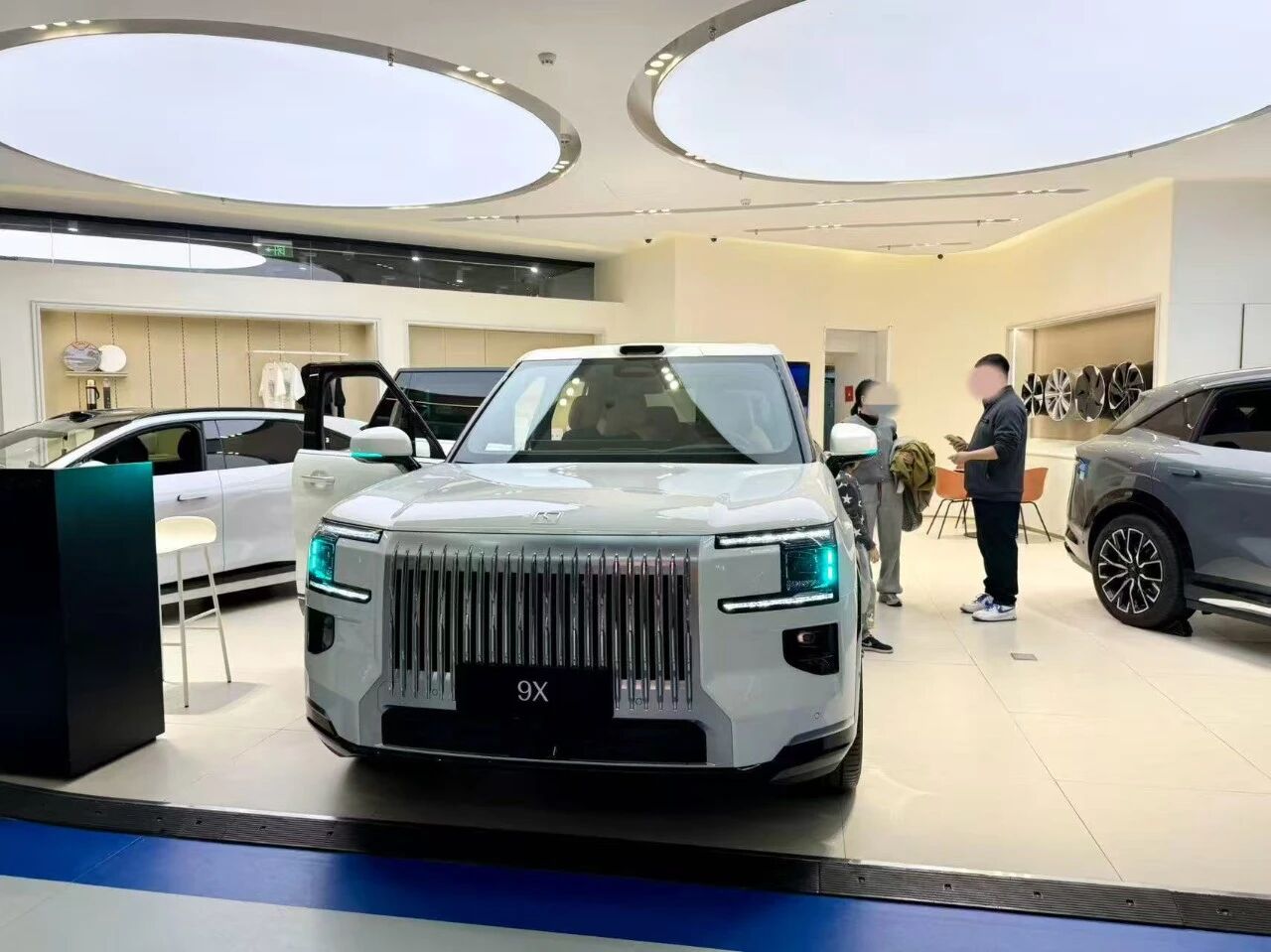
在汽车圈,人人都想平替库里南,多少中产会买单?
Xin Lang Cai Jing· 2025-10-29 07:58
Core Viewpoint - The rise of domestic large SUVs, particularly the Zeekr 9X, is reshaping consumer preferences, as buyers seek more affordable alternatives to luxury models like the Rolls-Royce Cullinan, leading to increased sales and interest in the segment [1][3][5]. Market Trends - The domestic large SUV market is becoming increasingly competitive, with multiple brands launching models over 5.2 meters in length, indicating a shift from niche to mainstream [3][5]. - In the first seven months of 2025, China's SUV market saw retail sales of 6.294 million units, a year-on-year increase of 13.1%, with mid-to-large SUVs growing by 8.6% [5]. Consumer Behavior - There is a noticeable trend of consumers shifting from high-end imported vehicles to domestic full-size SUVs, driven by the appeal of larger space and practical features at lower prices [5][9]. - Many consumers, previously inclined towards luxury brands, are now considering domestic options due to their competitive pricing and features [7][9]. Product Features - The Zeekr 9X is priced between 465,900 and 599,900 yuan, offering advanced technologies typically found in luxury vehicles, such as a closed dual-chamber air suspension system [6][9]. - Other models like the Leap D19 and Haval H5 are pushing the boundaries of affordability, with prices as low as 150,000 yuan while offering substantial features [6][9]. Marketing Strategies - Domestic brands are positioning their vehicles as "alternatives" to luxury models, leveraging design similarities to attract attention and enhance brand image [10][19]. - The strategy of mimicking successful luxury designs while incorporating unique brand elements is seen as a way to reduce market acceptance risks [10][11]. Challenges Ahead - Despite the growing interest, the market for these "alternatives" remains limited, and brands are primarily focused on capturing high-end users to elevate their market presence [9][19]. - The perception of luxury and social status associated with traditional high-end brands poses a challenge for domestic manufacturers to overcome [18][19].