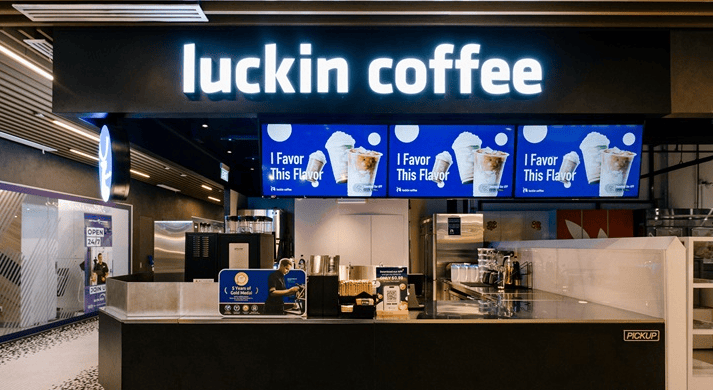
Luckin Coffee(LKNCY)

Search documents
瑞幸“就喝原产地节”上线,原产地集群引行业关注
Huan Qiu Wang· 2025-09-01 07:04
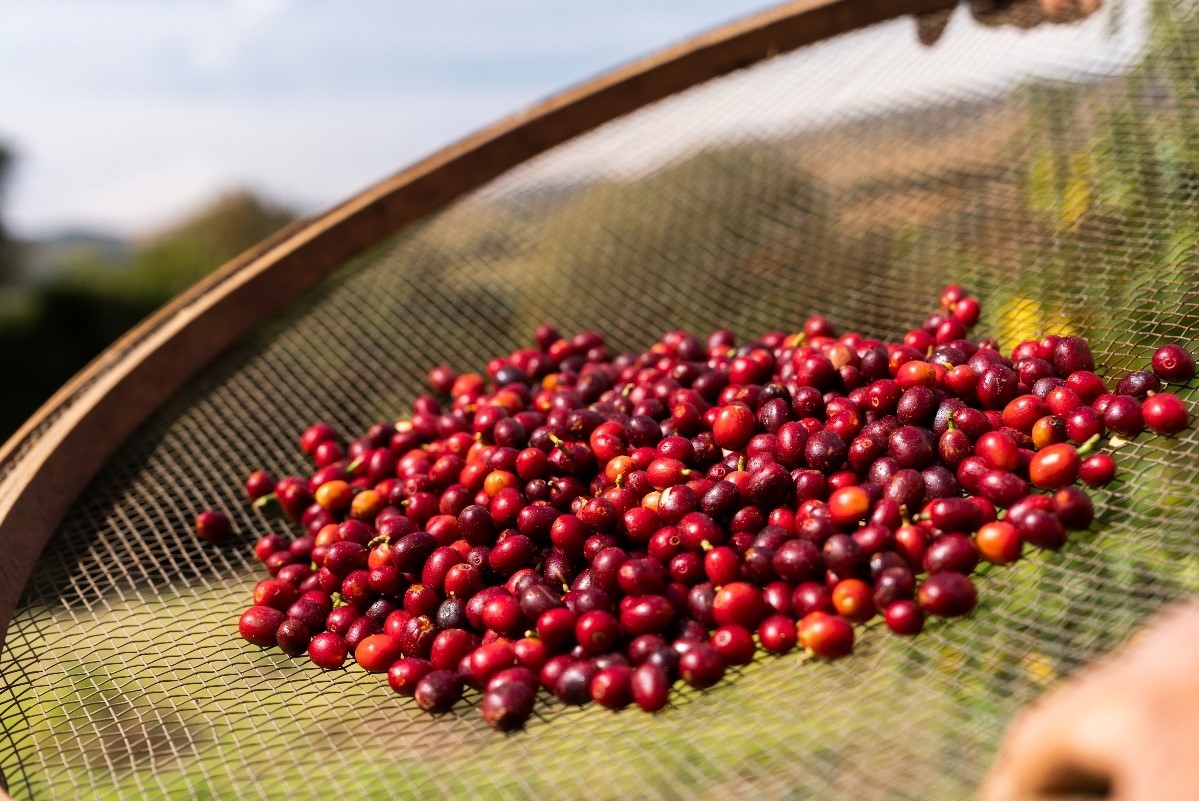
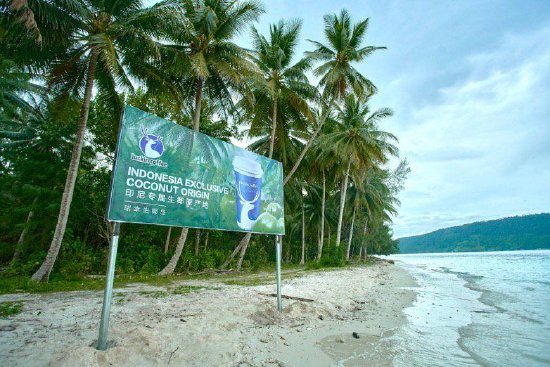
Core Insights - The Chinese ready-to-drink beverage industry has entered a phase where "supply chain determines the future," with high-quality raw materials becoming crucial for product quality and origin construction as a key strategic lever for competitive advantage [1][7] Group 1: Company Initiatives - Luckin Coffee has launched the "Drink from Origin Festival," introducing a product matrix focused on origin-based offerings, including new products like Aksu Apple Latte and popular items such as Coconut Latte and Jasmine Flower Latte [1] - The company has established a "Global Bean Sourcing Program" to ensure coffee bean quality by visiting key coffee-producing regions, including Panama, Ethiopia, Indonesia, Yunnan in China, and Brazil [2] - In 2024, Luckin signed a five-year memorandum for the procurement of 240,000 tons of coffee beans in Brazil, establishing local offices and support centers to secure high-quality coffee resources [2] Group 2: Raw Material Sourcing - Luckin plans to procure approximately 1 million tons of high-standard Indonesian coconuts over the next five years to support its popular Coconut Latte series [4] - The company has developed a dedicated jasmine flower production area in Guangxi, ensuring quality control across all stages from planting to harvesting [6] - Luckin's coffee bean procurement from Brazil accounts for 60% of Brazil's total coffee exports to China, and it leads the domestic market with over 40% of China's green coffee bean imports [6] Group 3: Industry Impact - By deepening ties with global core raw material production areas, Luckin is building a strong supply chain barrier and leading the upgrade of the Chinese ready-to-drink beverage industry [6] - Industry experts suggest that the future of the ready-to-drink beverage sector will depend on companies' control over core production areas and their vertical integration capabilities [6] - Luckin's initiatives are seen as a proactive approach to the industry's trend towards higher standards, having established an "Origin Cluster 1.0" system that enhances procurement scale and quality influence [6][7] Group 4: ESG and Community Support - Luckin integrates its supply chain strategy with ESG initiatives, providing multi-dimensional support to origin areas, such as training for coffee farmers in Yunnan and launching support programs for small coffee farmers in Brazil [6] - The company also engages in social responsibility efforts, such as supporting medical assistance for children with congenital heart disease in Aksu [6]

瑞幸原产地集群曝光,汤唯回归担当瑞幸“原产地倡导人”
Xin Lang Cai Jing· 2025-09-01 03:33
Core Insights - Luckin Coffee has launched the "Just Drink Origin Festival," introducing a product matrix focused on origin-based offerings, including new items like Aksu Apple Latte and various other beverages [1] - The company has established a global sourcing network for coffee, with significant operations in Brazil and Ethiopia, and has initiated a "Global Bean Sourcing Program" [1][2] - Luckin Coffee has made substantial commitments to sourcing non-coffee raw materials, including a partnership in Indonesia to procure 1 million tons of high-standard coconuts over the next five years [2] Group 1 - The introduction of new beverages emphasizes the company's focus on origin-based products, with a notable return of actress Tang Wei as the global origin advocate [1] - Luckin Coffee has built a network of coffee origins, including Brazil and Ethiopia, and has signed a five-year memorandum for the procurement of 240,000 tons of coffee beans in Brazil [1] - The company has established offices and support centers in key coffee-producing regions to enhance its sourcing capabilities [1][2] Group 2 - In addition to coffee, Luckin Coffee is expanding its sourcing of non-coffee ingredients, particularly coconuts from Indonesia, with a significant procurement plan [2] - The company has developed a dedicated jasmine tea production area in Guangxi, ensuring quality control throughout the cultivation and harvesting processes [2] - Luckin Coffee's procurement of Brazilian coffee beans accounts for 60% of Brazil's coffee exports to China, and it is a leading importer of green coffee beans in China, with over 40% market share [2]
2025中国民营企业500强发布 瑞幸首次进入榜单!
Sou Hu Cai Jing· 2025-08-29 13:50
Core Insights - The "2025 China Top 500 Private Enterprises" was released by the All-China Federation of Industry and Commerce, with JD Group, Alibaba (China) Co., Ltd., and Hengli Group Co., Ltd. ranking in the top three [1] - Luckin Coffee made its debut in the China Top 500 Private Enterprises, ranking 387th [1] Group 1: Key Statistics - The threshold for entering the Top 500 has increased to 27.023 billion yuan [3][5] - The total revenue of the Top 500 private enterprises reached 4.305 trillion yuan [3][5] - The combined net profit of these enterprises amounted to 180 billion yuan [3][5] - Total R&D expenditure reached 113 billion yuan, with an average R&D intensity of 2.77% [3] - The total tax contribution of these enterprises was 127 billion yuan, with 240 companies paying over 1 billion yuan in taxes, accounting for 48% of the Top 500 [3]


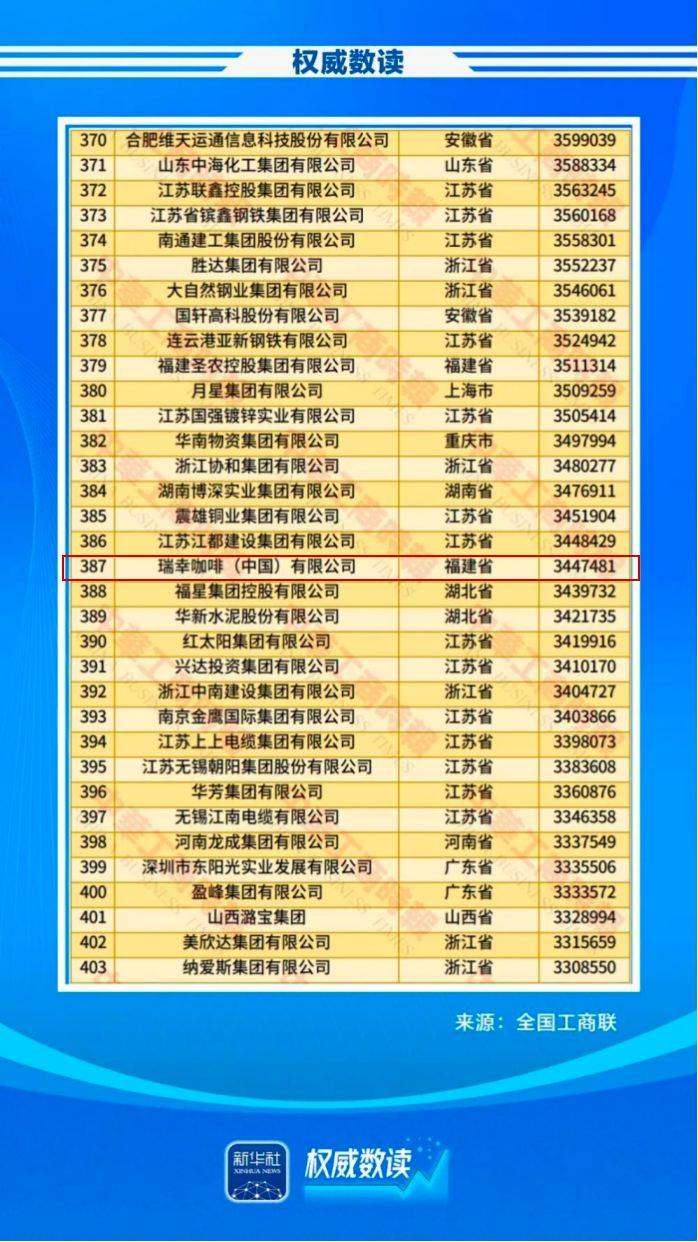
2025中国民企500强榜单出炉 瑞幸咖啡首次上榜
Huan Qiu Wang· 2025-08-29 07:30
Core Insights - The "2025 China Top 500 Private Enterprises" list was released, with JD Group, Alibaba (China) Co., Ltd., and Hengli Group Co., Ltd. ranking in the top three [1] - The entry threshold for the list increased to 27.023 billion RMB, with total operating revenue reaching 4.305 trillion RMB and total net profit amounting to 180 billion RMB [1] - Research and development expenses totaled 113 billion RMB, with a workforce of 1.1517 million in R&D, and an average R&D expenditure intensity of 2.77% [1] - The total tax contribution reached 1.27 trillion RMB, with 240 companies paying over 1 billion RMB in taxes, accounting for 48% of the top 500 [1] Company Highlights - Luckin Coffee made its debut on the list, ranking 387th with a total net revenue of 34.475 billion RMB for the full year of 2024 [1] - For the first half of 2025, Luckin Coffee reported total net revenue of 21.224 billion RMB, with a total of 26,206 stores as of the end of Q2 2025 [1]
2025中国民企500强榜单出炉,瑞幸咖啡首次上榜
Xin Lang Ke Ji· 2025-08-29 04:37
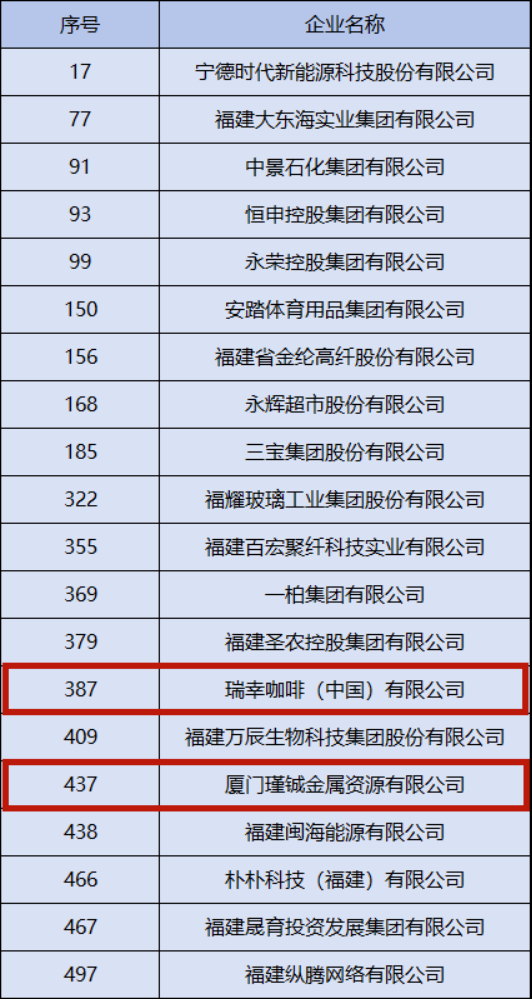
Group 1 - The "2025 China Top 500 Private Enterprises" was released by the All-China Federation of Industry and Commerce in Shenyang, with JD Group, Alibaba (China) Co., Ltd., and Hengli Group Co., Ltd. ranking in the top three [1] - The entry threshold for the top 500 private enterprises increased to 27.023 billion yuan, with a total operating revenue of 4.305 trillion yuan and a combined net profit of 180 billion yuan [1] - Total R&D expenses reached 113 billion yuan, with 1.1517 million R&D personnel and an average R&D expenditure intensity of 2.77% [1] Group 2 - The total tax contribution of the top 500 private enterprises amounted to 1.27 trillion yuan, with 240 companies paying over 1 billion yuan in taxes, accounting for 48% of the top 500 [1] - A total of 6,379 companies participated in the 27th large-scale survey of private enterprises, with 500 companies being selected based on their operating revenue exceeding 1 billion yuan in 2024 [1] - Fujian province had 20 companies listed in the top 500, including two from Xiamen, and Luckin Coffee made its debut on the list [1][2]
头部上市公司,交出了怎样的中期海外成绩单?
Sou Hu Cai Jing· 2025-08-28 08:31
Core Insights - Companies are increasingly relying on overseas markets for growth, with many reporting significant revenue increases from international operations [2][12][15] - The trend of globalization among Chinese companies is just beginning, with many exploring new markets and expanding their global presence [2][16] Internet Sector - Tencent reported a 15% year-on-year revenue growth to RMB 1,845 billion in Q2 2025, with international game revenue increasing by 35% [3] - Baidu's total revenue reached RMB 327 billion in Q2, with core revenue growing by 35% [9] E-commerce and Logistics - JD's Q2 2025 net revenue was RMB 3,567 billion, a 22.4% increase, but net profit decreased to RMB 62 billion from RMB 126 billion [4] - JD Logistics achieved a net revenue of RMB 515.6 billion in Q2, growing 16.6% [5] - Meituan's Q2 revenue was RMB 918 billion, an 11.7% increase, but adjusted net profit fell by 89% [7] Consumer Brands - Luckin Coffee's Q2 revenue was RMB 123.59 billion, up 47.1%, with a significant increase in store openings [10] - Pop Mart reported a 204.4% revenue growth in H1 2025, reaching RMB 138.763 billion, with strong performance in overseas markets [12] - Miniso's total revenue for H1 2025 was RMB 93.9 billion, a 21.1% increase, driven by growth in both domestic and international markets [13] New Energy and Automotive - CATL's H1 2025 revenue was RMB 1,788.86 billion, with overseas revenue accounting for 34.22% [16] - Geely's total revenue reached RMB 1,503 billion in H1 2025, with a 27% increase, and a significant rise in core profit [19][20] Summary of Overseas Expansion - Companies like JD and Pop Mart are expanding their overseas operations, with JD establishing warehouses in multiple countries and Pop Mart planning to open more stores globally [5][12] - The trend of increasing overseas revenue is evident across various sectors, indicating a shift towards a more globalized business model [2][18]




36氪出海·关注|头部上市公司,交出了怎样的中期海外成绩单?
3 6 Ke· 2025-08-28 05:19
Core Insights - Recent financial reports from various companies indicate that overseas business has become a key driver of growth across multiple industries, with many firms experiencing significant revenue increases from international operations [2][3][4][5][6][7][8][9][10][11][12][13][14][15][16][17][18][19][20]. Group 1: Company Performance - Pop Mart reported its best-ever performance with revenue expected to exceed 30 billion RMB for the year, driven by a 204.4% increase in H1 revenue to 13.8763 billion RMB [2][13]. - Tencent's Q2 revenue grew by 15% to 184.5 billion RMB, with international game revenue increasing by 35% [3]. - JD's Q2 net revenue reached 356.7 billion RMB, a 22.4% year-on-year increase, although net profit decreased to 6.2 billion RMB [4]. - Kuaishou's Q2 revenue grew by 13.1% to 35 billion RMB, with overseas revenue increasing by 20.5% [9]. - Baidu's total revenue for Q2 was 32.7 billion RMB, with core revenue of 26.3 billion RMB, marking a 35% increase [10]. Group 2: International Expansion - JD Logistics expanded its overseas warehouse network, operating over 130 warehouses across 23 countries, enhancing its global supply chain capabilities [5]. - Luckin Coffee opened 2 new stores in New York as part of its international strategy, with total revenue for Q2 reaching 12.359 billion RMB, a 47.1% increase [11]. - Xiaomi's revenue for Q2 was 116 billion RMB, with 31.6% coming from international markets, primarily Europe and India [12]. - Miniso's overseas revenue grew by 29.4% to 3.534 billion RMB, with a total of 3,307 stores globally [14][15]. - Mx Ice City has established over 53,000 stores globally, with 4,733 located overseas, achieving a 39.3% revenue growth [16]. Group 3: Industry Trends - The trend of companies diversifying their revenue streams through international markets is evident, with many firms reporting double-digit growth in overseas sales [2][4][5][6][7][8][9][10][11][12][13][14][15][16][17][18][19][20]. - The solar energy sector, despite facing challenges, has seen some leaders like CATL report a 34.22% increase in overseas revenue [17]. - The automotive industry, represented by Geely, reported a 27% increase in total revenue, with a focus on expanding its global market presence [19][20].



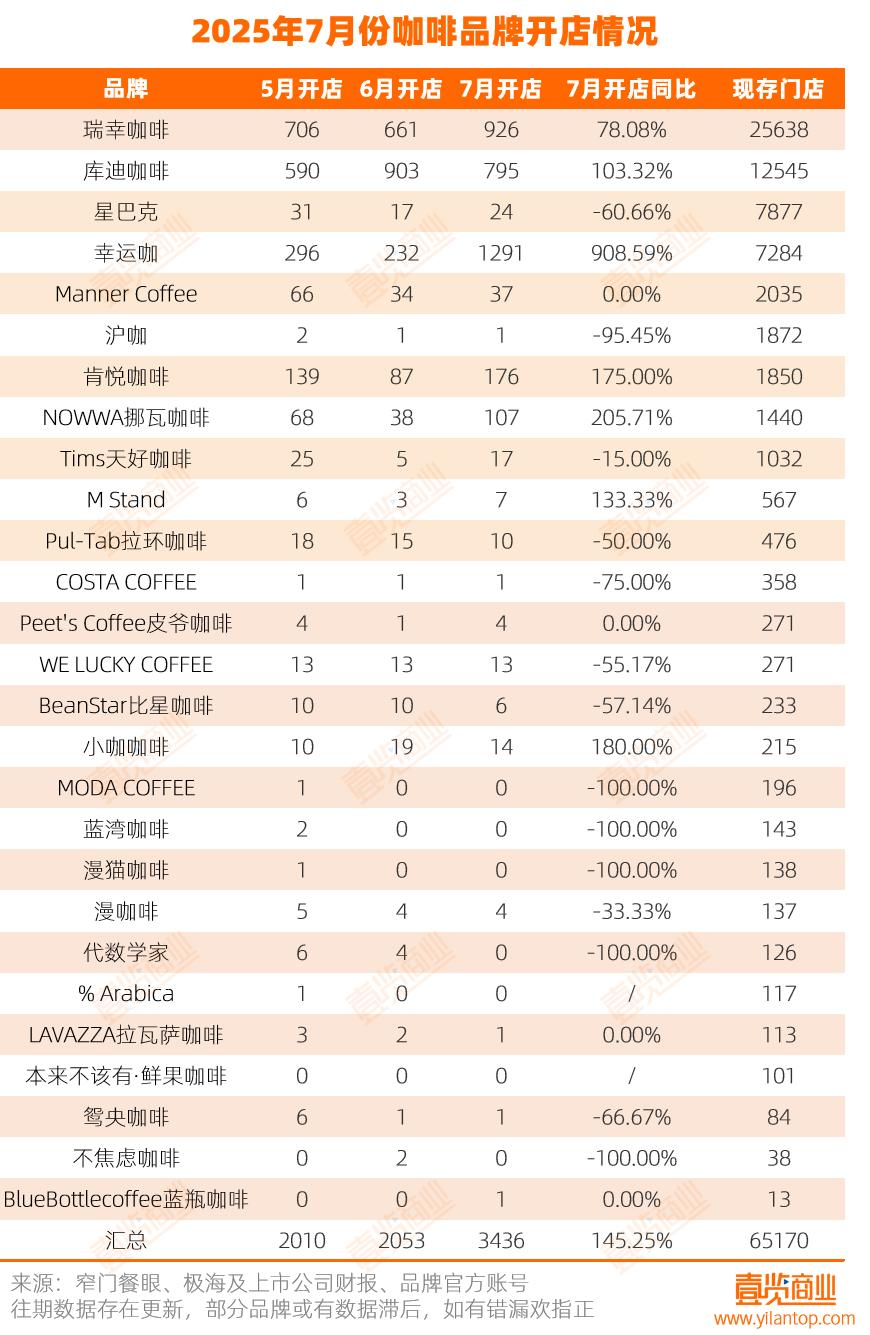
咖啡,7月开店3436家
3 6 Ke· 2025-08-27 03:39
Core Insights - The coffee market is experiencing rapid expansion alongside an accelerated rate of brand elimination, indicating a competitive landscape where both growth and decline are prevalent [1][11]. Expansion and Closure - In July, 27 tracked coffee brands opened a total of 3,436 new stores, representing a month-on-month increase of 19.39% and a year-on-year growth of 145.25%, doubling the overall expansion speed compared to last year [1][3]. - The total number of coffee shops reached 65,170, with a month-on-month decline of 2.02%, indicating that approximately 4,779 stores closed in the previous month [1][3]. Brand Performance - Luckin Coffee emerged as a significant player, opening 1,291 stores in July, achieving a staggering year-on-year growth of 908.59% and surpassing Luckin in monthly openings [3][4]. - Starbucks showed a decline in store openings, with a year-on-year decrease of 60.66%, reflecting a more cautious growth strategy focused on market consolidation rather than aggressive expansion [3][4]. - Kudi Coffee experienced a year-on-year growth of 103.32% but faced a month-on-month decline of 46.14%, signaling potential challenges in its expansion strategy [4]. Market Trends - The coffee market is characterized by a dual trend of rapid growth among leading brands and a high elimination rate among smaller brands, with some facing exit risks [11]. - Product innovation is centered around summer themes, with a focus on health and light food options, as well as ice cream elements becoming increasingly popular [10][11]. - Collaborative marketing efforts have decreased, with 14 partnerships in July, down from 19 in June, indicating a shift in marketing strategies [10][11]. Future Outlook - The coffee market is expected to continue its polarization, with leading brands leveraging scale and innovation to enhance their market position, while niche brands seek survival through unique positioning [11].

招银国际每日投资策略-20250826
Zhao Yin Guo Ji· 2025-08-26 03:43
Market Overview - Global markets showed mixed performance, with the Hang Seng Index closing at 25,830, up 1.94% for the day and 28.76% year-to-date [1] - The A-share market is entering a second bullish phase, with significant increases in client margin sizes at securities firms and a notable rise in ETF investments, reaching $681 billion, surpassing Japan [3][4] Company Analysis Pinduoduo (PDD US) - Pinduoduo reported Q2 2025 revenue growth of 7% year-on-year, reaching 104 billion RMB, in line with expectations, driven by online marketing services [5] - Non-GAAP net profit decreased by 5% to 32.7 billion RMB, but exceeded market expectations by 46%, indicating strong operational performance [5] - The target price has been raised by 9% to $146.30, reflecting a positive outlook despite ongoing investments in platform ecosystem enhancement [5] Jiumaojiu (9922 HK) - Jiumaojiu's revenue for the first half of FY25 decreased by 10% to 2.75 billion RMB, slightly below market expectations [9] - The company anticipates closing 40 to 50 additional stores in the second half of FY25, leading to a total of approximately 100 closures for the year [6] - Despite challenges, there are positive signs of stabilization in same-store sales, with a potential rebound expected from store renovations [6][9] ZhongAn Online (6060 HK) - ZhongAn Online's net profit for the first half of FY25 surged by 11.04 times to 668 million RMB, significantly exceeding market expectations [10] - The property and casualty insurance segment saw a 9.3% increase in total premiums, driven by substantial growth in health and auto insurance [10] - The target price has been raised to 23 HKD, reflecting improved profitability and operational efficiency [10] Greentown Service (2869 HK) - Greentown Service reported a 22.6% increase in net profit for the first half of FY25, with total revenue growing by 6.1% [12] - The company has successfully improved operational efficiency, leading to enhanced profit margins despite industry pressures [12][13] - The target price has been adjusted to 6.61 HKD, based on a revised earnings forecast and valuation adjustments [12][15] Baker Hughes (2149 HK) - Baker Hughes achieved a revenue of 292 million RMB in the first half of FY25, a slight increase from the previous year, maintaining strong profitability with a gross margin of 51.8% [18] - The company continues to expand its product offerings and remains a core recommendation in the semiconductor sector [18][19] - The target price remains at 93 HKD, reflecting confidence in long-term growth prospects [19] Tongda Group (698 HK) - Tongda Group's net profit for the first half of FY25 increased by 394%, driven by reduced financial costs and improved operational efficiency [20] - The company is expected to benefit from upgrades in its main business and expansion in its subsidiary's product lines [20] - The target price has been raised to 0.135 HKD, reflecting improved earnings visibility [20]


2025咖啡预言:下沉市场、银发经济与可持续供应链的终极战场
Sou Hu Cai Jing· 2025-08-23 16:51
Core Viewpoint - The Chinese coffee market is experiencing unprecedented rapid growth and profound transformation, with significant competition between international giants and local brands [4][5]. Market Overview - The Chinese chain coffee market is projected to exceed 100 billion RMB by 2025, with a compound annual growth rate (CAGR) of over 15% [5]. - As of the first half of 2025, there are 66,568 stores from 27 major chain coffee brands, marking a net increase of 11,841 stores, a growth of 21.64% compared to the end of 2024 [5]. Competitive Landscape - Starbucks leads the market with over 7,750 stores, reporting an 8% year-on-year revenue growth to $790 million (approximately 5.67 billion RMB) in Q3 2025 [6]. - Local brands like Luckin Coffee are gaining market share, with a 47.1% year-on-year revenue increase to 12.36 billion RMB in Q2 2025, and a net profit of 1.75 billion RMB [8]. - The market is characterized by a dual-track competition: international brands focus on the high-end market while local brands adopt differentiated strategies for rapid expansion [5][11]. Brand Performance - Luckin Coffee has surpassed 26,000 stores, capturing a 35% market share, while Kudi Coffee has 15,000 stores, growing at a rate of 50% [9][11]. - The pricing strategy varies significantly, with Luckin and Kudi targeting the 10-20 RMB range, Starbucks positioned above 30 RMB, and Lucky Coffee focusing on a low price of 6 RMB [11]. Regional Differences - The coffee market shows significant regional disparities, with first-tier cities nearing saturation and lower-tier cities becoming the new battleground for brands [12][14]. - First-tier cities are dominated by brands like Starbucks and Manner, while new first-tier and second-tier cities are seeing rapid expansion from brands like Luckin and Kudi [12][14]. Innovation and Technology - Digitalization and new technology applications are becoming industry standards, with Luckin leveraging big data for consumer insights and operational efficiency [16][26]. - The integration of AI technologies, such as smart ordering systems and facial recognition payments, is enhancing operational efficiency and user experience [16][26]. Product Trends - There is a growing demand for health-oriented and functional products, with brands introducing low-sugar and plant-based options to meet consumer preferences [24][25]. - The trend of "coffee+" is emerging, where coffee brands are diversifying their offerings to include tea and other beverages, creating a more comprehensive consumer experience [18][28]. Future Outlook - The coffee industry is expected to transition from rapid expansion to a more mature phase, with sustainable practices becoming increasingly important [30]. - The market may see consolidation as larger brands leverage their scale and capital to acquire smaller players, leading to a stable competitive landscape [30].