Luckin Coffee(LKNCY)

Search documents
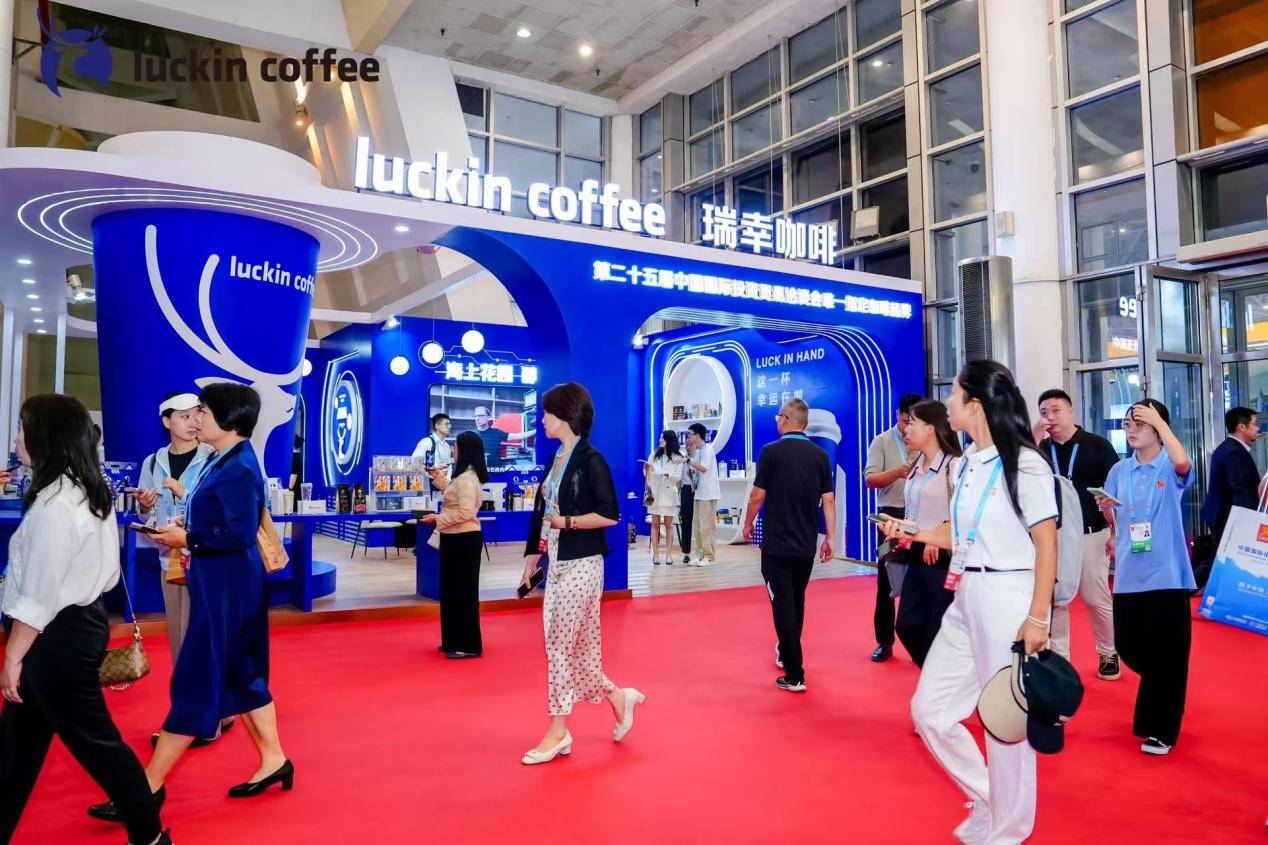
用一杯咖啡链接全球 瑞幸咖啡亮相第二十五届中国国际投资贸易洽谈会
Sou Hu Cai Jing· 2025-09-08 04:37
Core Viewpoint - The 25th China International Investment Trade Fair (CIFIT) was held in Xiamen, showcasing the strength of Chinese brands like Luckin Coffee, which served high-quality coffee to over 80,000 global guests, emphasizing its role in connecting local and global markets [1][4]. Company Summary - Luckin Coffee participated as the "exclusive designated coffee brand" at CIFIT, highlighting its strategic positioning and support for Xiamen's development strategy [3]. - The company set up two pop-up stores and two sponsorship points during the event to enhance the coffee experience for international guests [3]. - As one of China's largest coffee chains, Luckin Coffee sources high-quality coffee beans from around the world and operates over 26,000 stores domestically, providing premium coffee products and services [3]. Industry Summary - The CIFIT, organized by the Ministry of Commerce of the People's Republic of China, is a significant international investment event that attracts representatives from nearly 100 countries and international organizations, focusing on global investment trends [1]. - Industry analyst Zhu Danpeng noted that Luckin Coffee leverages Xiamen's geographical advantages and industrial foundation to connect with global resources, enhancing its competitive edge [6]. - The company's approach of "rooting in the local market while linking globally" serves as a model for domestic brands aiming for high-quality development and globalization [6].


外卖补贴热度退去,茶饮增长何以为继?
Sou Hu Cai Jing· 2025-09-07 16:22
Core Insights - The tea beverage industry must seek new growth avenues as reliance on delivery subsidies diminishes [2][4] - Despite the external challenges, several tea brands reported significant growth in their financial results, contrasting with the declining profits of major delivery platforms [5][6][10] Group 1: Impact of Delivery Subsidies - The delivery subsidy war has significantly boosted user demand for tea brands, with Luckin Coffee reporting a 31.6% year-on-year increase in average monthly transaction customers, reaching 91.7 million [5][6] - Luckin Coffee's GMV for Q2 reached 14.2 billion yuan, a 46.2% year-on-year increase, while net income rose to 12.359 billion yuan, marking a 47.1% increase [6] - Other brands like Gu Ming also experienced substantial growth, with a 121.5% year-on-year increase in net profit, reaching 1.625 billion yuan [8] Group 2: Challenges Post-Subsidy - The sustainability of high order volumes for tea beverages is in question as delivery subsidies fade, raising concerns about the operational viability of newly opened stores [4][18] - Brands like Nayuki Tea have faced declines in revenue, with a 14.4% year-on-year drop, despite a significant contribution from delivery orders [10] - The rapid expansion of store numbers has led to increased competition and operational challenges, as seen with Ba Wang Tea Ji, which reported a 1.5% decline in GMV [10][21] Group 3: Market Dynamics and Strategies - The delivery subsidy war has intensified competition among major platforms, with significant investments from JD, Meituan, and Alibaba to attract consumers [13][15] - Tea brands have adopted various strategies to leverage seasonal demand, including launching new products and optimizing supply chains [12][18] - The industry is exploring new growth avenues, such as expanding product lines and international markets, with brands like Luckin and Mi Xue Bing Cheng leading overseas expansion efforts [22][24][25]


订单破纪录,商家为何难赚钱?
Sou Hu Cai Jing· 2025-09-06 17:55
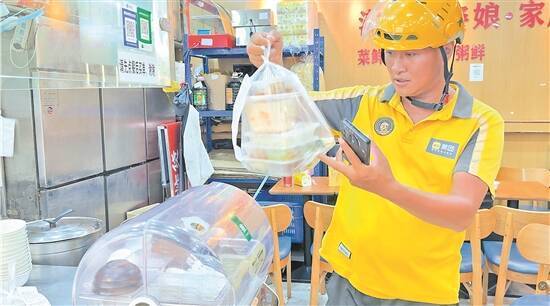
Core Viewpoint - The ongoing "subsidy war" led by food delivery platforms has resulted in increased order volumes but has significantly compressed the profits of restaurants, creating a challenging environment for merchants [2][3][4]. Group 1: Impact on Restaurants - Many restaurants, initially focused on dine-in services, have been forced to enter the delivery market due to competitive pressure, leading to financial strain [3][4]. - A restaurant owner reported that after deducting various fees from a delivery order, the actual revenue was only 23.93 yuan from a 40.88 yuan order, resulting in a loss when considering fixed costs [3]. - Another restaurant owner experienced a drop in net income from over 20,000 yuan to 10,000 yuan despite a significant increase in order volume, highlighting the adverse effects of the subsidy war on profitability [5]. Group 2: Consumer Behavior Changes - The disparity in pricing between dine-in and delivery options has led to a decline in dine-in customers, with some opting to order delivery while at the restaurant [5]. - The competitive pricing strategies employed by delivery platforms have made it difficult for traditional restaurants to maintain their customer base [5]. Group 3: Winners and Losers - While many traditional restaurants face losses, some businesses, like tea shops, have managed to thrive due to lower operational costs and effective pricing strategies [6]. - A tea shop reported profitability even with lower delivery prices, indicating that not all segments of the food service industry are equally affected by the subsidy war [6]. Group 4: Regulatory Response - The intense competition has led to significant profit declines for platforms, with Meituan reporting a 98% drop in operating profit due to irrational competition [7]. - Regulatory authorities have intervened to mitigate the situation, urging platforms to adhere to e-commerce laws and promote rational competition [7][9]. - Experts suggest that long-term solutions are needed to prevent harmful competition and protect the interests of merchants and consumers alike [9].
河南一高校推“限塑令”致饮品店闭店?多个加盟商回应了
Nan Fang Du Shi Bao· 2025-09-05 12:04
Core Viewpoint - Several beverage franchise owners have reported that their stores at Zhongyuan University of Technology (Xuchang campus, Henan) have been shut down due to the school's implementation of a "plastic restriction order" [1][2]. Group 1: Impact on Beverage Stores - The franchise owner of a Kudi coffee shop stated that their store opened on August 30 and was informed on September 1 that they could not use their own cups and bags, but must use those specified by the school [1]. - Other beverage stores on campus, including Tea Baidao, Mixue, and Luckin, have also closed due to the same restrictions [2]. - At least five beverage stores are confirmed to have closed due to the "plastic restriction order," with some stores using cups that comply with the school's regulations while others face penalties for non-compliance [2][4]. Group 2: School Regulations and Compliance - The school has emphasized the "plastic restriction order" but previously allowed beverage stores to operate without strict enforcement [4]. - Students reported that the situation has occurred before, with previous instances of stores closing frequently due to similar regulations [4]. - The school’s official website indicates that Zhongyuan University of Technology is a full-time public undergraduate institution approved by the Ministry of Education, with a history dating back to 2003 [5]. Group 3: Ongoing Negotiations - Beverage stores are actively seeking to negotiate with the school and brand owners to comply with both the school's regulations and brand requirements in order to resume normal operations [5].


咖啡迎“变”:市场格局重塑 并购重组增多
Zhong Guo Jing Ying Bao· 2025-09-05 11:44
Group 1: Mergers and Acquisitions - Keurig Dr Pepper (KDP) announced the acquisition of JDE Peet's for €15.7 billion (approximately $18.2 billion) to create a global coffee company [1] - Coca-Cola is considering selling its coffee brand Costa, having initiated preliminary talks with potential buyers [1][4] - The coffee market is experiencing a wave of mergers, with 60% of consumer goods executives expecting to sell assets in the next three years [5][6] Group 2: Market Dynamics - The Chinese coffee market is shifting, with local brands rising and first-tier cities becoming saturated, while lower-tier cities are emerging as growth areas [2] - JDE Peet's reported a strong organic sales growth of 23.8% in China, contributing to a global sales increase of 7.9% [4] - Starbucks is exploring the sale of a portion of its Chinese business, with over 20 institutions expressing interest [1][6] Group 3: Competitive Landscape - The competitive environment for Costa is challenging, leading to its potential sale by Coca-Cola due to poor performance and lack of synergy with its core business [5] - Local brands like Luckin Coffee are expanding internationally, increasing pressure on established brands like Peet's [4][6] - Starbucks is adapting its strategy in China, focusing on maintaining a significant equity stake to ensure quality control and brand integrity [8]


茶咖日报|热搜警告:布洛芬配咖啡,伤胃伤肾“双重刺激”
Guan Cha Zhe Wang· 2025-09-05 11:14
Group 1: Health and Safety Concerns - Ibuprofen should not be taken on an empty stomach or with coffee, as it can lead to increased risk of gastrointestinal damage and kidney strain [1][2] - The combination of ibuprofen and coffee can cause severe stomach pain and nausea, potentially leading to ulcers and bleeding with long-term use [2] Group 2: Coffee Export Industry - Vietnam's coffee exports reached 1.2 million tons and generated approximately $6.42 billion in revenue in the first eight months of 2025, marking an 8.7% increase in volume and a 59.1% increase in value compared to the same period in 2024 [3][4] - The average export price of Vietnamese coffee was about $55,800 per ton, reflecting a 46.4% year-on-year increase [3] Group 3: Coffee Retail Market - Luckin Coffee has surpassed 4,000 stores in Guangdong Province, making it the first province in China to achieve this milestone, indicating strong brand recognition and competitive positioning [5] - Black Rock Coffee Bar plans to go public on NASDAQ, aiming to raise up to $265 million, with projected revenues of $133 million and $161 million for 2023 and 2024, respectively [6] Group 4: International Market Expansion - Jiahe Foods is focusing on overseas markets as a strategic direction to overcome domestic competition, targeting regions with growing populations and a preference for coffee and tea products [7]


招银国际每日投资策略-20250905
Zhao Yin Guo Ji· 2025-09-05 03:45
Market Overview - The global stock markets showed mixed performance, with the Hang Seng Index closing at 25,059, down 1.12% for the day but up 24.92% year-to-date [1] - The US markets, including the Dow Jones and S&P 500, experienced gains of 0.77% and 0.83% respectively, while the Nasdaq rose by 0.98% [1] - Chinese stock markets faced declines, particularly in hardware technology, with the Shenzhen Composite Index down 2.05% [1][3] Sector Performance - In the Hong Kong market, the Hang Seng Financial Index decreased by 0.42%, while the Hang Seng Industrial Index fell by 1.58% [2] - The hardware technology sector in China led the declines, while sectors such as retail and food saw gains [3] - The US market saw a rise in consumer discretionary, banking, and solar sectors, while utilities and AI-related stocks lagged [3] Company Analysis - Salesforce reported a 10% year-on-year revenue growth to $10.2 billion for Q2 FY26, with non-GAAP net profit increasing by 12% to $2.8 billion, aligning with Bloomberg consensus [4] - The company’s cRPO grew by 11% to $29.4 billion, driven by strong orders from small and medium-sized enterprises [4] - Salesforce's AI and data cloud business saw an impressive annual recurring revenue growth of approximately 120% [4] Investment Recommendations - The report maintains a "Buy" rating for several companies, including Geely Automobile, Li Auto, and Tencent, with target prices indicating significant upside potential [5] - Geely Automobile is rated "Buy" with a target price of 25.00 HKD, representing a 37% upside from its current price of 18.24 HKD [5] - Tencent is also rated "Buy" with a target price of 705.00 HKD, suggesting an 18% upside from its current price of 599.50 HKD [5]


比亚迪方程豹汽车:与瑞幸咖啡达成战略合作。
Xin Lang Cai Jing· 2025-09-05 01:46
Group 1 - BYD's Fangcheng Leopard automobile has established a strategic partnership with Luckin Coffee [1] - The collaboration aims to enhance customer experience and expand market reach for both companies [1] - This partnership is expected to leverage BYD's automotive technology and Luckin Coffee's retail network [1] Group 2 - The strategic cooperation aligns with the growing trend of cross-industry partnerships in the automotive and retail sectors [1] - Both companies are looking to innovate and create synergies that could lead to increased sales and brand visibility [1] - The collaboration may also set a precedent for future alliances between automotive manufacturers and service providers [1]

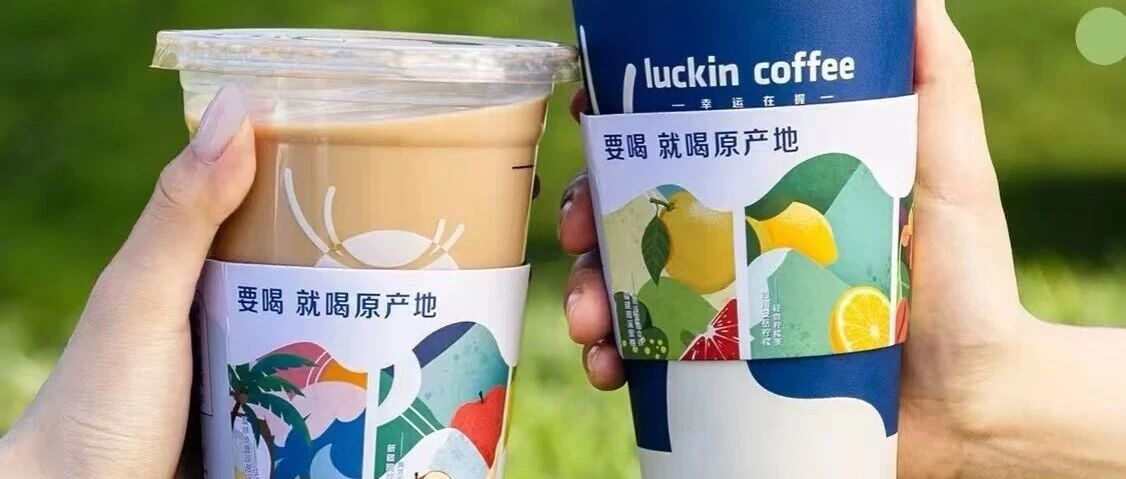
从印尼椰岛到横州茉莉园区:解码瑞幸的“原产地集群”战略
Feng Huang Wang Cai Jing· 2025-09-04 13:41
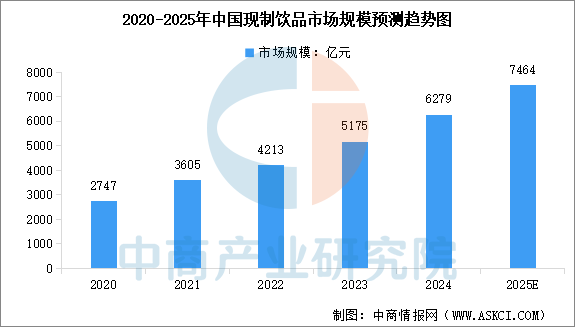
Group 1 - The core narrative highlights how the Norwegian salmon industry transformed Japanese eating habits through a robust supply chain, illustrating the power of supply chain capabilities in shaping consumer preferences [1][4] - The current beverage industry is experiencing a similar trend, where companies like Luckin Coffee are redefining consumer expectations and habits through stable, high-quality, and low-cost raw material supply [2][3] Group 2 - The Chinese ready-to-drink beverage market is projected to reach a scale of 627.9 billion yuan in 2024, with a compound annual growth rate of 23% over the past five years [5] - Intense competition has led to a price war, with brands facing challenges due to product innovation stagnation and rising consumer demands for quality and health [7][8] Group 3 - Luckin Coffee has established a global supply chain strategy, creating an "origin cluster" that ensures quality and stable supply of raw materials from regions like Brazil, Ethiopia, and Indonesia [8][14] - The company has secured significant procurement agreements, including a five-year contract for 240,000 tons of coffee from Brazil, positioning itself as a leader in the domestic coffee import market [15] Group 4 - Luckin Coffee's "Origin Festival" campaign emphasizes its supply chain advantages, allowing it to define quality and lead market demand, creating a competitive edge that is difficult for other brands to replicate [11][12] - The company's supply chain strategy includes a positive feedback loop that enhances cost control and market expansion, solidifying its market position [13] Group 5 - The competition in the beverage industry is shifting from merely discovering new ingredients to controlling the supply chain, with companies needing to build efficient and sustainable supply systems to maintain a competitive advantage [26][27] - Luckin Coffee's extensive supply chain network, which spans global agricultural sources, is its true competitive moat, enabling it to navigate market challenges effectively [28][29]
从印尼椰岛到横州茉莉园区:解码瑞幸的“原产地集群”战略
凤凰网财经· 2025-09-04 13:28
Core Viewpoint - The article emphasizes the transformative power of supply chains in reshaping consumer habits and market dynamics, particularly in the beverage industry, as exemplified by the success of Norwegian salmon and the current strategies of companies like Luckin Coffee [1][3][36]. Group 1: Beverage Industry Trends - The current beverage market is experiencing a shift where supply chain capabilities are becoming the primary driver of consumer experience rather than consumer demand itself [3]. - The Chinese ready-to-drink beverage market is projected to reach a scale of 627.9 billion yuan in 2024, with a compound annual growth rate of 23% over the past five years [4]. - The competition in the beverage industry has intensified, leading to price wars and a decline in average transaction prices among leading brands [6]. Group 2: Supply Chain Strategies - Companies are increasingly focusing on upstream supply chain battles, particularly in sourcing high-quality raw materials from tea gardens, fruit orchards, and coffee plantations [4]. - Luckin Coffee has established a "Origin Cluster" strategy, securing high-quality raw materials from various regions globally, which enhances its supply chain stability and product quality [8][19]. - The establishment of a robust supply chain allows companies to achieve cost advantages and maintain consistent product quality, which is crucial in a highly competitive market [6][21]. Group 3: Luckin Coffee's Competitive Edge - Luckin Coffee's "Origin Festival" campaign highlights its commitment to quality by promoting products sourced from specific regions, thereby enhancing brand recognition and market competitiveness [14][15]. - The company's extensive procurement agreements, such as a five-year contract for 240,000 tons of coffee from Brazil, demonstrate its proactive approach to securing raw materials [19][21]. - Luckin Coffee's ability to define industry standards, such as the first "light milk tea" standard, positions it as a leader in the market, shifting from a mere purchaser to a standard setter [22][27]. Group 4: Market Dynamics and Future Outlook - The beverage industry is witnessing a rapid cycle of product innovation, but many brands struggle to create lasting differentiation, leading to a "new product - imitation - internal competition" cycle [32]. - The true competitive advantage lies in controlling upstream resources and establishing a sustainable supply chain, which is essential for long-term success in the beverage market [35][36]. - Luckin Coffee's strategic focus on global sourcing and supply chain integration is setting a new standard for the industry, potentially reshaping the competitive landscape of the ready-to-drink beverage sector [36][38].