L'Oreal(LRLCY)

Search documents
42亿,洗护领域迎来最大收购?
3 6 Ke· 2025-07-08 00:47
Core Viewpoint - The hair care market is becoming a significant opportunity for both domestic and international companies, with increasing investments and acquisitions in this sector [1][2][9]. Investment and Acquisition Activities - In 2023, notable acquisitions include L'Oréal's purchase of Color Wow and Kid's King's acquisition of the hair care brand Si Yu for 1.65 billion yuan [1]. - Blackstone is in negotiations to acquire Juno Hair, South Korea's largest high-end salon chain, for approximately 590 million USD (around 4.233 billion yuan), which would be one of the largest acquisitions in the personal care services industry in Korea [2][5][7]. Financial Performance and Valuation - Juno Hair reported sales of approximately 300 billion KRW (around 1.572 billion yuan) last year, with an EBITDA of 37 billion KRW (around 194 million yuan) [4]. - The proposed acquisition valuation for Juno Hair is over 20 times its EBITDA, which is considered unusually high for the Korean salon industry [2][5]. Market Growth and Trends - The global shampoo market is projected to grow from 34.46 billion USD (approximately 247.185 billion yuan) in 2023 to 56.54 billion USD (approximately 405.567 billion yuan) by 2032, with a compound annual growth rate (CAGR) of 5.71% [9]. - The Chinese hair care market has expanded from 43.39 billion yuan in 2017 to 65.5 billion yuan in 2023, with expectations to reach 82.79 billion yuan by 2027 [13]. Competitive Landscape - Major international beauty brands, including L'Oréal and Proya, are actively entering the hair care market, with L'Oréal's professional hair product division experiencing continuous sales growth [11][14]. - Domestic brands are focusing on launching new hair care products, with significant growth reported in high-end segments [14][17]. Emerging Opportunities - The scalp care segment is identified as a potential growth area, with a significant increase in consumer interest and market size for anti-hair loss products, projected to grow from 2.332 billion yuan in 2018 to 7.636 billion yuan in 2022 [18]. - Companies are shifting their focus from traditional hair care solutions to innovative scalp and hair management products, indicating a trend towards more specialized offerings in the market [17][18].


欧莱雅集团收购美发品牌Color Wow
news flash· 2025-07-03 12:52
Core Viewpoint - L'Oréal Group has signed an agreement to acquire the hair care brand Color Wow, with the transaction expected to be completed upon regulatory approval and fulfillment of other customary conditions [1] Company Summary - The acquisition of Color Wow is part of L'Oréal's strategy to expand its portfolio in the hair care segment [1] - The deal highlights L'Oréal's commitment to enhancing its presence in the beauty and personal care market [1] Industry Summary - The hair care market continues to see consolidation as major players seek to strengthen their brand offerings through acquisitions [1] - This acquisition reflects ongoing trends in the beauty industry where companies are increasingly focusing on niche brands to capture specific consumer segments [1]
薇姿领航,打造毛发诊疗“整全管理”新范式
FBeauty未来迹· 2025-07-02 15:29
6月2 7日,由中国整形美容协会中医美容分会、国家中西医结合医学中心毛发专病医联体,以 及中国医药教育协会及其皮肤与健康教育专业委员会共同指导的"第二届薇姿DERCOS常见头 皮毛发疾病整全管理案例大赛年度总决赛暨头皮毛发健康临床进阶培训课程发布仪式",于长 沙瑞吉酒店盛大举行,旨在共同推动中国头皮毛发健康事业迈向新的台阶。 在头皮健康问题日益受到社会广泛关注的当下,这场以"薇力健康,焕发新姿"为主题的行业盛 会,不仅成功汇聚了顶尖头皮毛发领域学术力量与青年精英,通过高水平的案例竞技提升青年 皮肤科医生的诊疗水平,更通过前沿培训课程的发布,开启了头皮毛发健康管理领域的全新篇 章,为"健康中国2 0 3 0 "战略注入新的活力。 本次盛会特邀国家中西结合医学中心毛发专病医联体负责人、中日友好医院毛发医学中心主任 杨顶权教授,中国医药教育协会皮肤与健康教育专业委员会主任委员、复旦大学附属华山医院 吴文育教授,北京大学第一医院杨淑霞教授,首都医科大学附属北京同仁医院魏爱华教授,浙 江大学医学院附属第二医院吕中法教授,重庆医科大学附属第二医院赵恒光教授等毛发医学领 域领军人物组成专家评审团。 评审团围绕脂溢性皮炎、雄 ...

护发赛道成美妆品牌新战场
Bei Jing Shang Bao· 2025-07-02 13:13
Core Insights - The acquisition of Color Wow by L'Oréal marks a strategic move to expand its high-end hair care portfolio and enter the growing Chinese market [1][4] - The hair care market in China is rapidly expanding, with significant competition among beauty brands to capture market share [7][8] Group 1: Acquisition Details - L'Oréal has signed an agreement to acquire Color Wow, a professional hair care brand founded in 2013, known for addressing stubborn hair issues [4] - Color Wow's sales have reportedly doubled over the past three years, with total sales exceeding $300 million and a target valuation of $1 billion [4] - The acquisition is seen as a way for L'Oréal to strengthen its position in the hair care and styling categories [4][5] Group 2: Market Dynamics - The Chinese hair care market is projected to grow from 581.4 billion yuan in 2021 to an estimated 668-691 billion yuan by 2025, driven by scalp care, premiumization, and export growth [7] - L'Oréal's professional hair care division has shown consistent growth, with a 5.3% increase in sales in 2024 and a 2.7% increase in Q1 2025 [5] - Competitors like Proya and Juhua Group are also expanding their presence in the hair care sector, indicating a highly competitive landscape [7][10] Group 3: Competitive Landscape - The hair care market in China is characterized by established brands like Procter & Gamble and Unilever, with L'Oréal ranking behind them in market share [10] - New entrants face challenges in a mature market, requiring strong technological differentiation and effective branding to succeed [11] - The competitive pressure is evident as brands like Proya and others are rapidly launching new products and expanding their market reach [7][10]
2025年中国美容行业的白皮书
Sou Hu Cai Jing· 2025-07-02 02:52
Core Insights - The report highlights the transformation of China's beauty market post-COVID-19, emphasizing the emergence of new consumer habits and market segments driven by younger generations and technological integration [1][13][14]. Group 1: Consumer Behavior Changes - The pandemic has shifted consumer habits from "emergency needs" to "daily refinement," with a notable increase in demand for skincare products that address issues like "mask face" [2][27]. - The trend of "streamlined skincare" has gained traction, with a 170% year-on-year increase in searches for simplified skincare routines on Xiaohongshu in 2022 [2][5]. - In the makeup sector, consumers are favoring multi-functional products and simplifying their routines, with 67% preferring fewer steps in their makeup application [2][35]. Group 2: Emerging Market Segments - The male beauty market in China reached 9.9 billion RMB (1.44 billion USD) in 2021, with Gen-Z males (ages 18-25) making up nearly 60% of this demographic [3][61]. - The anti-hair loss market is expanding rapidly, with over 250 million individuals in China experiencing hair loss, and the average age of onset being 30.1 years [3][82][84]. - Clean beauty is a growing niche, with 70% of consumers willing to pay a premium for eco-friendly products, although it remains a small segment compared to traditional beauty products [4][79][81]. Group 3: Digitalization and Technology - The integration of digital technology in beauty consumption is reshaping the market, with AR and AI tools enhancing the shopping experience [6][15]. - Brands are increasingly utilizing social media platforms for marketing and consumer engagement, with significant growth in online sales during promotional events [6][46]. Group 4: Product Trends - Skincare products are projected to grow from 92 billion RMB in 2021 to over 240 billion RMB by 2027, driven by a focus on ingredients like hyaluronic acid and niacinamide [5][20]. - The fragrance market is experiencing over 20% annual growth, with Gen-Z consumers favoring niche and local brands over traditional options [5][16]. Group 5: Emotional and Psychological Factors - The pandemic has heightened the psychological value of beauty products, with brands leveraging emotional marketing strategies to connect with consumers [2][32]. - Emotional needs are becoming a significant driver in purchasing decisions, with 93% of consumers indicating that they use fragrances to enhance their mood or confidence [5][16].

国际TOP1美妆企业再买新品牌
3 6 Ke· 2025-07-02 00:42
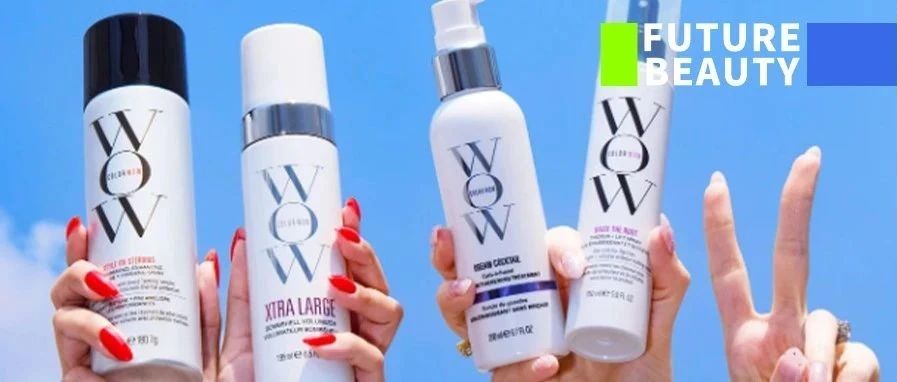
Core Insights - L'Oréal Group continues its acquisition strategy, recently acquiring the hair care brand Color Wow, following the acquisition of Medik8 earlier in June [1][3][4] Group 1: Acquisition Details - The acquisition of Color Wow was officially announced on June 30, with the financial details undisclosed. Color Wow will be integrated into L'Oréal's Professional Products Division [1][4] - Color Wow, founded in 2013 by Gail Federici, is recognized as one of the fastest-growing and most innovative professional hair care brands, boasting over 130 beauty awards [4][6] - The brand's products are priced between $24 and $46, making high-quality hair care accessible [4][6] Group 2: Strategic Implications - Omar Hajeri, President of L'Oréal's Professional Products Division, expressed confidence in Color Wow's potential to become a strong global brand [3][6] - The addition of Color Wow increases the number of brands in L'Oréal's Professional Products Division to ten, enhancing its product portfolio and global growth potential [6][9] Group 3: Market Trends - The acquisition reflects broader changes in the beauty industry, with a growing consumer demand for efficacy and ingredient transparency, particularly in hair and body care [3][12] - The global shampoo market is projected to grow to $56.54 billion by 2032, with an annual growth rate of 5.71%, indicating a rising interest in hair care products [13] - L'Oréal's Professional Products Division has seen consistent sales growth, with a notable increase of 24.8% in 2021, highlighting its importance to the company's overall performance [13][20] Group 4: Competitive Landscape - Other major players in the industry, such as Unilever and Henkel, are also expanding their presence in the hair care market through acquisitions, indicating a competitive environment [16][19] - The rise of domestic brands like Adolph and Lafang showcases the evolving landscape of the hair care market, emphasizing the need for innovation and differentiation [19][20]

欧莱雅为何押注Color Wow?
FBeauty未来迹· 2025-07-01 14:58
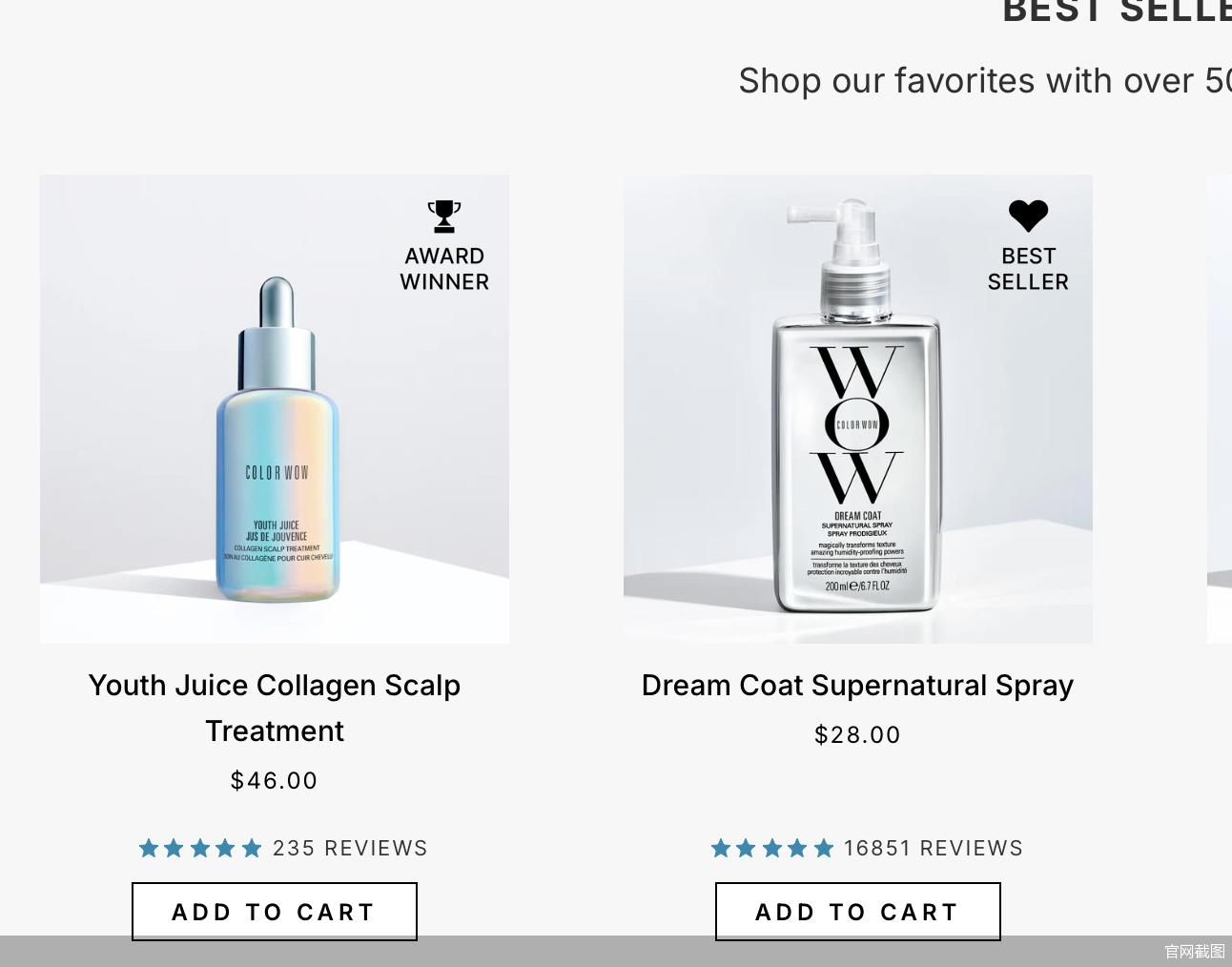
Core Viewpoint - L'Oréal Group has acquired Color Wow, a rapidly growing and innovative professional hair care brand, marking its third acquisition within the professional hair products division by 2025, amidst a broader industry revaluation driven by technological barriers and growth certainty [2][18]. Group 1: Company Overview - Color Wow was founded in 2013, focusing on the "perm and dye repair" niche, and has developed a complete product line covering cleansing, care, and styling. Its primary consumer base consists of urban women who frequently dye their hair, with products available through salon channels and retail platforms like Sephora and Amazon [4]. - The brand has achieved significant sales growth, with total sales exceeding $300 million (approximately 2.148 billion RMB) in the past three years, and is seeking a valuation of $1 billion (approximately 7.162 billion RMB) [4]. Group 2: Founder's Background - Gail Federici, the founder of Color Wow, has over 40 years of experience in the hair industry and is recognized as a "problem solver." She was part of the core team for the salon brand Zotos and contributed to the sale of John Frieda Professional Hair Care to Kao Group for $450 million in 2002 [6]. Group 3: Innovation and R&D - Federici's innovation philosophy centers on addressing unmet consumer needs, emphasizing that product development is aimed at genuinely enhancing consumer experience rather than merely generating profit [8]. - Color Wow has an independent internal laboratory led by Federici, with a focus on "problem-first" research and development. All formulations undergo a "dual approval" process to ensure alignment with market demands and ingredient effectiveness [9]. Group 4: Product Highlights - The brand has developed various innovative products, such as the "Root Cover Up Powder," which addresses the immediate need for root coverage after dyeing, and the "Dream Coat" anti-frizz spray, which sells at $28 and is noted for its heat-activated polymer technology [9]. Group 5: Team Structure - Color Wow's executive team exhibits a family business characteristic, with Federici's twin daughters managing brand visuals and social media, while other family members oversee supply chain and legal aspects. The marketing head has 20 years of experience in the beauty industry [11]. Group 6: Market Positioning - L'Oréal's acquisition of Color Wow is seen as a strategic move to strengthen its position in the professional hair care sector, which is part of its broader strategy to enhance its brand matrix and technological innovation [13][15]. Group 7: Financial Performance - L'Oréal's professional hair products division reported sales revenue of €1.28 billion (approximately 10.8 billion RMB), with a year-on-year growth of 1.6%. The division is expected to achieve an annual sales figure of €4.886 billion (approximately 41.23 billion RMB) in 2024, reflecting a growth of 5.3% [17]. Group 8: Industry Trends - The acquisition of Color Wow reflects a deeper transformation in the beauty industry, shifting from scale expansion to efficiency prioritization and from brand accumulation to technological depth [28].
2025年奢侈品行业网络营销监测报告
艾瑞咨询· 2025-06-30 03:10
Industry Trends - The personal luxury goods market in mainland China has shown fluctuations over the past decade but is overall on a growth trajectory, with expectations to become the largest luxury market globally by 2030, capturing 25% of the market share, surpassing the US and Europe [3][8] - Consumer preferences are shifting from "symbolic consumption" to "lifestyle and cultural resonance," emphasizing sustainable consumption and technology-driven experiential innovations as key trends [1][3] Advertising Investment Trends - In January-February 2025, the luxury goods industry's online advertising investment index experienced a mild year-on-year growth of 1.2%, reaching a near four-year peak during this period [8][11] - Advertising investments are closely linked to seasonal peaks, with significant increases observed in January, May, and September, aligning with holiday shopping spikes [8][11] Advertising Strategies - The advertising landscape is evolving, with a notable shift towards OTT platforms, while mobile remains the primary advertising terminal; video platforms account for 67.7% of the advertising investment [18][21] - Full-screen and video pre-roll ads are favored, comprising over 80% of the advertising formats used in the industry [18][21] Creative Trends - Local celebrity endorsements are crucial for brands to expand their audience, with an increasing trend of collaboration with sports stars [21][24] - Seasonal marketing strategies focus on limited edition packaging and cultural symbols to enhance product appeal during peak sales periods like New Year and Valentine's Day [24][27] Marketing Observations - The luxury goods market is witnessing a shift towards a more rational and younger consumer base, with demands for quality, culture, and personalized experiences [2][33] - Brands are encouraged to adopt differentiated marketing strategies based on user segmentation to effectively meet diverse consumer needs and gain competitive advantages [2][33] Multi-Channel Marketing Integration - The luxury industry must balance short-term traffic acquisition with long-term brand value, utilizing diverse marketing methods to create an integrated marketing ecosystem [36][39] - Online and offline channels are increasingly merging, with brands focusing on precise targeting and enhanced consumer experiences to drive sales and brand loyalty [36][39]

欧莱雅中国CEO出席,一场大会点亮美妆品牌价值“灯塔”
FBeauty未来迹· 2025-06-25 13:17
Core Viewpoint - The beauty industry in China is facing three major crises: brand commoditization, price competition, and value hollowing, which threaten the unique identity and emotional connection of brands with consumers [2][3][13]. Group 1: Brand Commoditization - The rise of e-commerce and algorithm-driven marketing has led to the commoditization of beauty brands, where unique brand identities are lost in the pursuit of "best-selling" products [4][5]. - Brands are increasingly perceived as interchangeable, with consumers focusing on product functionality rather than brand stories or emotional connections, leading to a dilution of brand value [6][10]. - The phenomenon of "ingredient marketing" has resulted in brands being labeled as "ingredient carriers," where the popularity of specific ingredients overshadows the brand itself [4][6]. Group 2: Price Competition - The beauty industry is experiencing a "price war," driven by frequent promotional events and a culture of discounting, which diminishes brand loyalty and increases price sensitivity among consumers [7][8]. - Brands are caught in a "prisoner's dilemma," where not participating in promotions risks losing market visibility, leading to unsustainable business practices [8][9]. - The reliance on discounts has resulted in high marketing costs and reduced profit margins, pushing some brands into a cycle of "loss-leading for sales volume" [7][8]. Group 3: Value Hollowing - The focus on short-term returns on investment (ROI) has led to a neglect of product innovation and consumer relationship building, resulting in a hollowing out of brand value [10][11]. - The shift from sales points to experience points in retail highlights the need for brands to provide deeper consumer engagement beyond just product offerings [11][12]. - The overall trend indicates that without addressing these issues, the beauty industry risks losing its core values and innovative capabilities, leading to a less sustainable market environment [14][24]. Group 4: Industry Response - There is a call for a collective awakening among brands, platforms, and consumers to prioritize genuine product innovation and brand storytelling over mere traffic and price competition [14][15]. - Recent initiatives, such as the "China Fragrance and Cosmetic Brand Development Conference," aim to address these challenges and promote sustainable growth within the industry [15][23]. - The industry is encouraged to recognize that true value lies in unique brand resonance and continuous innovation, which are essential for long-term success [16][24].


L'ORÉAL PARIS DOCUMENTARY WINS GRAND PRIX IN FILM AT CANNES LIONS 2025
Prnewswire· 2025-06-24 10:28
Core Insights - The documentary "THE FINAL COPY OF ILON SPECHT" won the Grand Prix in the Film category at the 2025 Cannes Lions International Festival of Creativity, marking a significant recognition for the advertising industry and the legacy of Ilon Specht [1][4][10] - The film, directed by two-time Academy Award winner Ben Proudfoot, celebrates Specht's contribution to advertising through the iconic tagline "Because I'm Worth It," which has empowered women globally and contributed to L'Oréal Paris becoming the largest beauty brand [2][6][10] Company Highlights - McCann, the global creative agency behind the documentary, has achieved its third Grand Prix in the Film category, showcasing its commitment to impactful storytelling and cultural significance [1][12] - L'Oréal Paris, as the brand associated with the tagline, continues to emphasize women's empowerment and self-worth, aligning with its long-standing brand platform [6][13] Awards and Recognition - "THE FINAL COPY OF ILON SPECHT" received five awards at the Cannes Lions, including Grand Prix in Film, Gold in Entertainment, Silver in Entertainment and PR, and Bronze in Film Craft, highlighting its creative excellence [9][12] - The film's success has solidified McCann Paris as a top-performing agency at the Cannes Lions 2025, contributing to the network's global achievements [12]