
L'Oreal(LRLCY)

Search documents
天猫“反内卷”、美妆超预期?首个618三方共赢实验
FBeauty未来迹· 2025-06-20 09:31
Core Insights - The 618 shopping festival has undergone a significant transformation this year, with a shift in focus from extreme GMV pursuit to enhancing brand value and consumer experience [2][20][31] Group 1: Market Performance - From January to May 2023, the retail sales of cosmetics in China reached 188.9 billion yuan, a year-on-year increase of 4.1%, with May's sales at 43.5 billion yuan, up 4.4% [2][4] - The overall e-commerce sales during the 618 festival reached 855.6 billion yuan, marking a year-on-year growth of 15.2%, with skincare sales at 43.2 billion yuan and fragrance and makeup at 14.3 billion yuan [5][6] - High-end beauty brands saw significant growth, with brands like YSL and Hourglass reporting over 60% year-on-year increases [9][10] Group 2: E-commerce Platform Changes - Major e-commerce platforms, particularly Tmall, have simplified their promotional strategies, eliminating complex rules and focusing on direct discounts to enhance consumer experience [14][20] - Tmall's 618 festival saw a 9% year-on-year growth in the first cycle, with a significant increase in user engagement and purchasing intent [18][23] - The introduction of features like "sold-out add-to-cart" has improved inventory management for merchants while enhancing the shopping experience for consumers [17][20] Group 3: Brand Dynamics - International beauty brands have experienced strong growth on Tmall, with a ratio of domestic to international brands at 5:15 [7] - New and innovative brands have emerged, with some achieving over 900% growth during the 618 festival, indicating a shift towards quality and innovation in the beauty sector [10][12] - The consumer preference for familiar brands has increased, with 47% of Chinese consumers indicating a tendency to choose known brands, up 14 percentage points from 2024 [22][23] Group 4: Future Trends - The beauty industry is moving towards a phase where brand value, product innovation, and operational efficiency are prioritized over mere sales volume [31][32] - E-commerce platforms are focusing on supporting high-quality brands and providing strategic guidance to enhance brand growth [26][29] - The market is transitioning from a focus on traffic-driven growth to a more sustainable model that emphasizes brand loyalty and consumer satisfaction [31][32]





大力发展新银发经济助推消费提质升级,2025年第三期“提振消费·维护权益”大讲堂成功举办
Sou Hu Cai Jing· 2025-06-20 05:00
Group 1 - The event focused on the theme of "New Silver Economy Driving Consumption Upgrade," highlighting the significance of the aging population as a key growth driver in the consumer market [1][4] - The "New Silver Economy" is characterized by a shift in consumption demands from traditional "low-cost and practical" to "quality, functionality, and experience," indicating a potential trillion-dollar market across various sectors such as health technology, tourism, and smart home products [4][9] - The acceptance of smart devices among the new elderly demographic is increasing, providing opportunities for the integration of AI and IoT technologies into consumer scenarios [4][9] Group 2 - The launch of the "New Age Beauty" public welfare course aims to empower the new elderly group to explore aesthetic values and reshape consumption concepts through a comprehensive teaching model [5][7] - The Shanghai Health and Elderly Care Development Group identified a significant market opportunity in the elderly care industry, emphasizing the need for diversified services and addressing the supply-demand imbalance in the sector [9][19] - The aging population in Shanghai presents unique challenges and opportunities, with a focus on community-based services and the need for targeted market segmentation to enhance consumption [19][21] Group 3 - The travel industry is adapting to the new elderly demographic's desire for high-quality travel experiences, with companies like Ctrip launching themed travel products that combine safety, deep experiences, and social interaction [15] - Innovations in smart technology, such as electric exoskeletons, are being explored to enhance mobility and experiences for the elderly, indicating a growing market for assistive devices [16] - AI-driven products like the AI Home Smart Screen are designed to lower usage barriers for the elderly, integrating various services to support their lifestyle and promote smart elderly care [17] Group 4 - Nutritional products targeting the elderly are being developed to address health concerns and enhance quality of life, with a focus on personalized health support [19] - The event underscored the importance of community as the main battleground for the new silver economy, emphasizing the need for tailored services to meet diverse needs across different demographics [19][21] - The potential of the new silver economy in Shanghai is significant, with the city being a leading market for aging populations and consumer capabilities, presenting a unique opportunity for growth and innovation [19][21]

美妆已死,医美当道?
阿尔法工场研究院· 2025-06-16 13:05
Core Insights - The beauty industry is transitioning from a phase of "easy growth" to a "complex new stage" globally, with significant challenges ahead [2][5] - The McKinsey report predicts a global beauty market size of $441 billion in 2024, with a growth rate of 7% from 2022 to 2024, but a decline to 5% from 2024 to 2030 [3][4] - The Chinese beauty market is projected to account for 15% of the global market in 2024, with a compound annual growth rate (CAGR) of 3% from 2019 to 2024, but a significant drop to -3% from 2021 to 2024 [7][10] Regional Analysis - The Chinese beauty market has lost $6.33 billion (approximately 454 billion yuan) over four years, indicating a downturn post-pandemic [7] - The beauty giants are now looking for growth opportunities in emerging markets, particularly in the Middle East, Africa, and India, which are showing higher growth rates [11][12] - In 2024, major companies like L'Oréal and Unilever are increasing investments in emerging regions, with Unilever investing in seven Indian brands [13][14] Category Opportunities - Skincare remains the largest category in the beauty market, accounting for 41%, followed by haircare (21%), color cosmetics (19%), and fragrance (19%) [17] - Fragrance has shown the highest growth rate of 8% from 2019 to 2024, and is expected to continue leading with a growth rate of 4-6% from 2024 to 2030 [18][20] - The demand for health, sun protection, and personal care products is rising, indicating a shift in consumer preferences towards efficacy and certainty [22][24] Growth Drivers - Future growth in the beauty industry will primarily come from volume rather than price increases, as consumers are increasingly focused on the real value of products [26][30] - Price increases have been met with consumer resistance, as seen with Estée Lauder and L'Oréal, indicating a need for brands to focus on product quality and differentiation [28][31] - The beauty market is being segmented into five price tiers, and brands must compete on product strength or pricing rather than simply lowering prices [30][32] Consumer Trends - There is a noticeable shift in consumer spending towards emotional and experiential purchases, as evidenced by high-value art sales and changing preferences in the beauty sector [33][34] - The focus on value, differentiation, and individuality will be key opportunities in the current market landscape [34]


“贵妇”们为什么不买赫莲娜和海蓝之谜了?
创业邦· 2025-06-14 03:12
Core Insights - The luxury skincare brands Helena and La Mer are facing significant challenges in reputation and sales during the 618 shopping festival, with Helena's pricing error leading to order cancellations and La Mer criticized for its simplistic packaging [3][4][7] - Despite high sales rankings on platforms like Tmall and Douyin, both brands are experiencing declining sales in China, as indicated by L'Oréal's financial reports showing a downturn in their luxury cosmetics division [7][8] - The high-end beauty market is increasingly dominated by foreign brands, while domestic brands are gaining traction, leading to a shift in consumer preferences and loyalty [8][10] Sales Performance and Market Trends - Helena and La Mer ranked first and fourth respectively in the Douyin pre-sale rankings, but their performance is overshadowed by growing consumer dissatisfaction [7] - L'Oréal's financial data indicates that Helena's luxury cosmetics segment is underperforming, with sales declines for brands like Helena and Lancôme in China [8] - The luxury beauty market is experiencing a dual decline in reputation and sales, with brands like La Prairie also reporting significant drops in revenue [8] Consumer Behavior and Brand Strategy - High-value consumers are increasingly turning to medical beauty and professional skincare brands, leading to a decline in loyalty towards traditional luxury brands [19][30] - Brands are attempting to target middle-tier consumers by collaborating with influencers and creating engaging content, but face challenges in retaining loyalty from high-end consumers [12][15] - The shift in consumer focus towards ingredient efficacy and transparency is undermining the traditional storytelling approach of luxury brands [17][38] Pricing and Distribution Challenges - The pricing strategies of Helena and La Mer have become chaotic, with significant discounts available through duty-free channels, undermining their premium image [21][22] - Internal issues within Estée Lauder's operations have led to price wars between online and offline channels, further complicating brand positioning [22][23] - Reports of unauthorized discounting and product quality issues are contributing to consumer dissatisfaction and brand erosion [28][30] Brand Management and Strategic Direction - The strategic focus of Helena and La Mer is becoming marginalized within their parent companies, impacting their ability to innovate and respond to market changes [32][34] - Estée Lauder's China division has historically lacked decision-making autonomy, which has hindered its ability to adapt to local market dynamics [32][33] - The shift in focus towards more affordable brands within L'Oréal's portfolio indicates a potential long-term decline for ultra-premium brands like Helena [34][37]
“贵妇”们为什么不买赫莲娜和海蓝之谜了?
创业邦· 2025-06-14 03:07
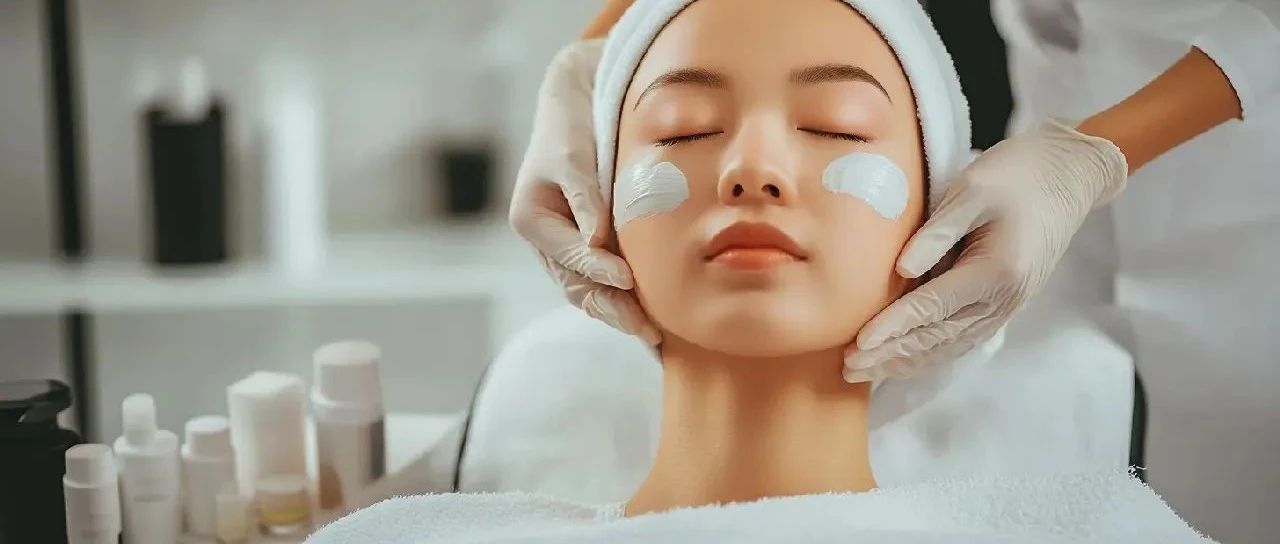
Core Viewpoint - The luxury skincare brands Helena and La Mer are facing significant challenges in reputation and sales in the Chinese market, despite their high rankings in sales during the 618 shopping festival. The brands are struggling with consumer perception and declining sales figures, indicating a shift in consumer preferences towards domestic brands and efficacy-driven products [4][9][48]. Group 1: Sales Performance and Market Position - Helena and La Mer ranked first and fourth respectively in the Douyin pre-sale rankings during the 618 shopping festival, and sixth and eighth on Tmall's sales list [9]. - Despite strong sales during promotional events, both brands are experiencing a decline in sales in China, with Helena's high-end cosmetics division showing the lowest growth rate within L'Oréal Group [9][48]. - La Mer's parent company, Estée Lauder, reported a year-over-year revenue decline of 7% and 12% in Q3 and Q4 of 2024, attributing this to decreased sales of La Mer and Estée Lauder products [9]. Group 2: Consumer Sentiment and Brand Perception - Consumers have criticized Helena for canceling orders due to pricing errors and La Mer for its simplified packaging during promotions, leading to a perception of diminished brand prestige [4][9]. - The luxury skincare market is witnessing a shift as consumers increasingly question the value of high-priced products, with many turning to medical beauty and clinic-based skincare solutions [10][12][20]. Group 3: Strategic Shifts and Brand Management - High-end brands are strategically abandoning entry-level consumers and focusing on high-value customers, often resulting in price increases for their products [16][18]. - Helena and La Mer have attempted to expand their reach to middle-tier consumers through collaborations with influencers and short video content, successfully attracting new customers from lower-tier cities [17][18]. - However, the loyalty of high-value consumers in first-tier cities is declining, as traditional brand storytelling and marketing strategies are becoming less effective [18][23]. Group 4: Pricing and Quality Control Issues - The luxury skincare brands are facing a chaotic pricing structure, with significant discounts available through various channels, undermining their premium image [27][28]. - Reports indicate that both brands are struggling with quality control, leading to consumer dissatisfaction and a perception of declining product quality [34][36]. Group 5: Internal Challenges and Strategic Direction - The decision-making power of the China divisions of L'Oréal and Estée Lauder has historically been limited, affecting their ability to respond to market changes effectively [39][40]. - Recent organizational changes within Estée Lauder have aimed to grant more autonomy to the China division, but the effectiveness of these changes remains to be seen [40][48].
L'Oreal: Why This Beauty Giant Is One Of My Top Picks (Rating Upgrade)
Seeking Alpha· 2025-06-12 15:37
Core Viewpoint - L'Oréal S.A. is recognized as a leading consumer staples company due to its significant competitive advantage, strong fundamentals, and healthy growth rate [1]. Company Analysis - L'Oréal has established a substantial competitive edge in the market, which contributes to its robust performance [1]. - The company demonstrates exceptional financial fundamentals, indicating a solid operational foundation [1]. - L'Oréal maintains a healthy growth rate, which is attractive for long-term investors [1]. Investment Perspective - The company is primarily favored for its long-term investment potential, appealing to investors with a contrarian view [1].
L'Oréal Taps Nvidia Tech to Supercharge Its AI Efforts
WSJ· 2025-06-11 08:30
Group 1 - L'Oréal announced a collaboration with Nvidia to enhance its artificial intelligence initiatives, focusing on AI-generated advertisements and product recommendations [1] - The partnership will utilize Nvidia's AI Enterprise platform, which consists of microservices designed to improve the management of AI applications, making them faster, more accurate, and more secure [1] - Asmita Dubey, L'Oréal's Chief Marketing Officer, emphasized the benefits of this collaboration for the company's AI efforts [1]


欧莱雅猛攻高端市场
Bei Jing Shang Bao· 2025-06-10 11:44
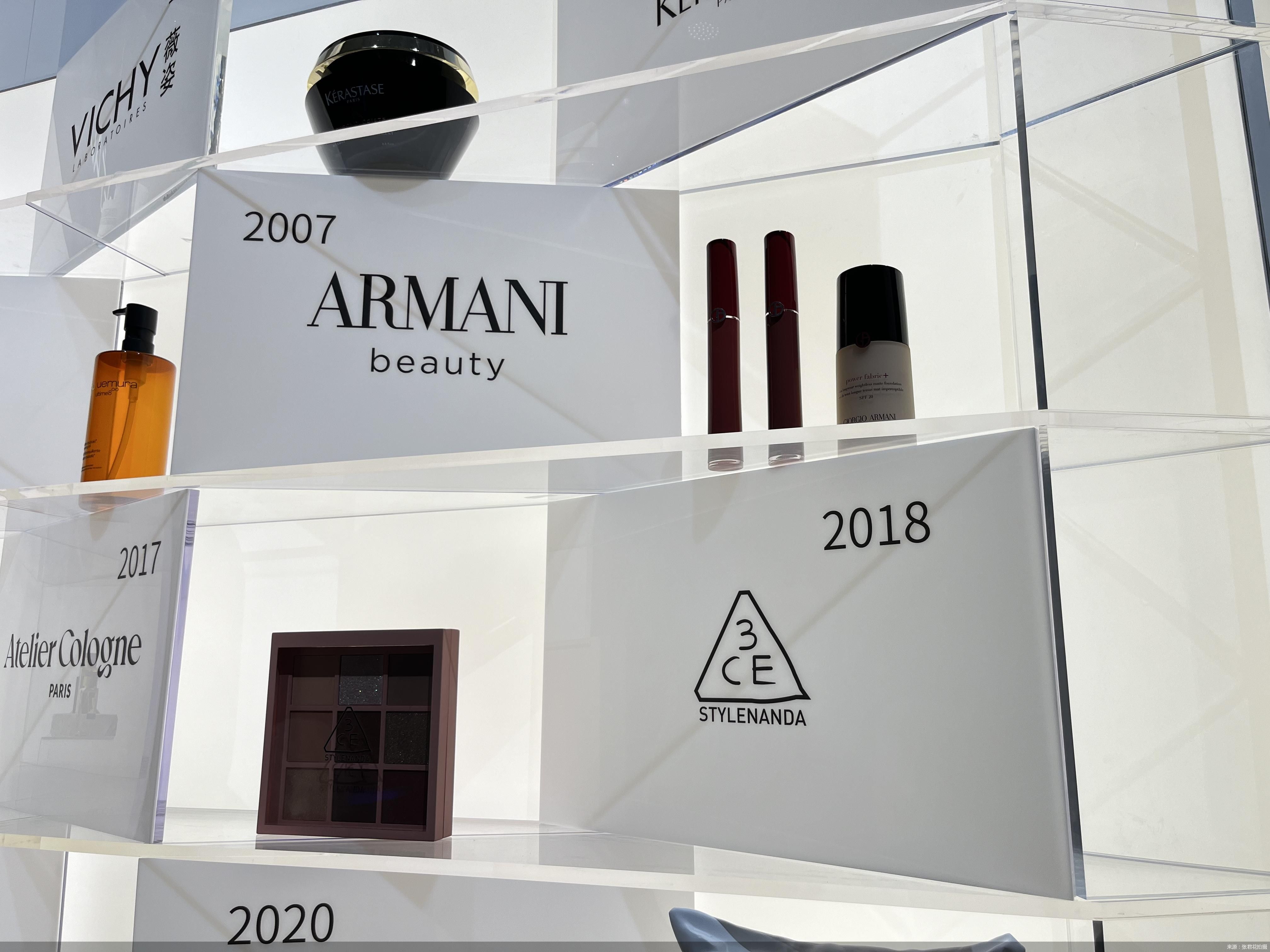
Core Viewpoint - L'Oréal is focusing on high-end cosmetics to drive new growth, exemplified by its recent agreement to acquire a majority stake in the UK skincare brand Medik8 for approximately €1 billion, pending regulatory approval [3][4]. Group 1: Acquisition Details - The acquisition of Medik8 aims to enhance L'Oréal's luxury product portfolio, integrating it into the high-end cosmetics division [4]. - Medik8, founded by scientist Elliot Isaacs, is known for its clinically validated skincare products and has achieved significant success in the UK market [4]. - Medik8's product prices range from 200 to 900 yuan, and it has seen strong sales growth, with projected global revenue of $115 million for the current year [5]. Group 2: Financial Performance - L'Oréal's overall sales growth has slowed to single digits, with 2024 sales projected at €43.4868 billion, a 5.6% increase, compared to 2023's €41.18 billion, which was a 5.1% increase [5]. - The company's operating profit for 2024 is expected to be €8.6875 billion, up 6.7%, while 2023's profit was €8.14 billion, a 9.2% increase [5]. - In contrast, L'Oréal's sales growth was 18.5% in 2022, indicating a significant decline in growth momentum [5]. Group 3: Strategic Direction - L'Oréal's management has emphasized that the high-end cosmetics division is a key growth engine for the company [5]. - The company's recent acquisitions and investments in high-end brands, including the establishment of a luxury fragrance division and the acquisition of Aesop for $2.5 billion, reflect its commitment to high-end market positioning [4][5]. - The strategy aligns with consumer trends towards personalization and experience, aiming to further elevate L'Oréal's brand positioning in the luxury beauty segment [6].
早C晚A先驱加入欧莱雅高档部门
3 6 Ke· 2025-06-10 06:27
Core Insights - L'Oréal has finalized the acquisition of a majority stake in the British high-end skincare brand Medik8, integrating it into its luxury cosmetics division [1][3] - The acquisition contradicts earlier reports suggesting Medik8 would join L'Oréal's skin science and beauty division [1][13] Company Overview - Medik8 was founded in 2009 by Elliot Isaacs, a renowned pharmacologist and biochemist, focusing on innovative skincare solutions for common skin issues [7][10] - The brand has established partnerships with thousands of professional skin therapy clinics and high-end spas, employing over 300 staff and selling products in over 7,000 professional clinics [7][12] Financial Performance - Medik8 is projected to achieve a 50% year-on-year sales growth in 2024, with global revenue expected to reach $115 million (approximately 826 million RMB) in 2025 [12] - The acquisition amount is speculated to be around €1 billion (approximately 8.2 billion RMB), although L'Oréal has not confirmed this figure [12][19] Strategic Implications - The acquisition aims to enhance L'Oréal's luxury cosmetics division, which has faced slowing growth, with recent sales growth rates dropping to single digits [15][18] - Medik8's strong performance in the efficacy skincare sector and its established market presence are expected to provide L'Oréal with a competitive advantage in the high-end market [19]
欧莱雅收购早C晚A创始品牌Medik8,再发力高端市场
Guan Cha Zhe Wang· 2025-06-10 05:37
Core Insights - L'Oréal Group announced the acquisition of a majority stake in the UK skincare brand Medik8 for approximately €1 billion, expected to be completed in the coming months [1] - Medik8 will enhance L'Oréal's luxury cosmetics division, indicating a trend towards high-end efficacy skincare [1] - Medik8, founded in 2004 by Elliot Isaacs, is known for its CSA skincare system and has a strong emphasis on ingredient-driven formulations [7] Company Overview - Medik8 has developed a diverse omnichannel sales model, covering major online and offline retail channels in Europe and expanding its influence in the US market [8] - The brand has participated in major beauty expos in China, indicating interest in entering the Chinese market, although it has faced challenges in establishing a presence [11] - In the 12 months ending September 2023, Medik8 reported revenues of £45.3 million and a pre-tax profit of £15.6 million, with projected global sales reaching $115 million for the year [11] Product and Brand Strategy - Medik8 emphasizes a "science-led" approach, supported by a team of experts in biochemistry and dermatology, and holds several proprietary technologies [7] - The brand's flagship product, Crystal Retinal, is priced between €56 and €135, aligning it with luxury skincare pricing [1] - Following the acquisition, Isaacs will remain on the board to ensure operational stability, while private equity firm Inflexion retains a minority stake [11]
