Starbucks(SBUX)

Search documents
40亿美元拿下60%控股权!博裕资本联手星巴克中国,目标2万家门店挑战瑞幸
Sou Hu Cai Jing· 2025-11-05 05:04
Core Insights - Starbucks has officially announced a strategic partnership with Boyu Capital to jointly operate its retail business in China, aiming to increase the number of stores from 8,011 to 20,000 by the end of the fiscal year 2025 [1][4][17] Group 1: Partnership Details - Boyu Capital will hold up to 60% equity in the joint venture, while Starbucks retains 40% and continues to own the brand and intellectual property [4][6] - The enterprise value of the joint venture is approximately $4 billion, excluding cash and debt [4] - The partnership is seen as a strategic move to enhance Starbucks' growth in the competitive Chinese market, particularly in smaller cities and emerging regions [17][18] Group 2: Market Context - As of September 2025, Luckin Coffee, Starbucks' main competitor in China, has over 27,000 stores and is expected to reach 30,000 by the end of the year [3] - The Chinese coffee market is perceived to have significant growth potential, as indicated by the ambitious targets set by major players [4] Group 3: Boyu Capital Overview - Boyu Capital is defined as an "alternative asset management company," focusing on non-traditional assets such as private equity and venture capital [5][6] - Founded in 2011, Boyu Capital manages over $10 billion in assets and has a diverse investment portfolio, including significant stakes in various consumer and technology sectors [6][7] - The firm has made notable investments in high-profile projects, indicating a strong focus on the Chinese consumer market [7][8] Group 4: Strategic Rationale for Starbucks - Starbucks' CEO, Brian Niccol, emphasized the need for a fundamental strategic change to restore growth in China, leading to the exploration of local partnerships [9][11] - The partnership model is a common practice for global restaurant chains, allowing them to leverage local market knowledge and reduce operational risks [12][13] - Historically, Starbucks has successfully utilized partnerships to establish a presence in new markets, transitioning from joint ventures to wholly-owned operations as market conditions evolve [12][14]


星巴克中国业务重新出发,成败几何?
日经中文网· 2025-11-05 02:54
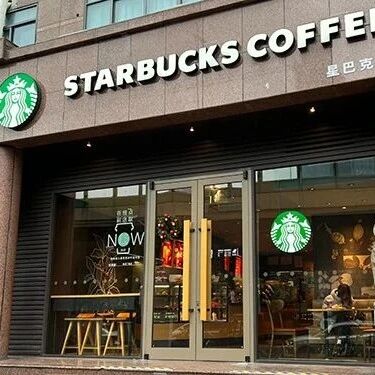
Core Viewpoint - Starbucks is selling 60% of its Chinese business to local investment fund Boyu Capital amid increasing competition from domestic brands like Luckin Coffee, aiming to restructure its operations in China with a new joint venture valued at $4 billion [1][3]. Group 1: Starbucks' Market Position - Starbucks opened its first store in China in 1999, promoting coffee culture in a market where coffee was not yet popular [4][5]. - Starbucks was once the leading coffee chain in China but has now fallen to third place in terms of store count, with approximately 7,828 stores compared to Luckin Coffee's 26,117 and Koole's over 13,000 [6][8]. Group 2: Competitive Landscape - The rise of consumer price sensitivity has led to increased competition from local brands like Luckin Coffee, which offers lower prices (e.g., Starbucks' Americano starts at 27 yuan, while Luckin's can be as low as 14 yuan with coupons) [5][8]. - Consumers are increasingly viewing Starbucks as a luxury brand, leading to a shift towards more affordable local coffee chains [5][8]. Group 3: Future Plans and Strategies - Boyu Capital plans to leverage its experience to enhance Starbucks' brand image and expand into untapped markets, aiming to increase the number of stores in China from 8,000 to 20,000 [3]. - Starbucks has initiated strategies to attract customers, such as lowering prices on tea beverages and allowing students to use stores as study spaces, providing free power and water [10].

星巴克,产业互联网的样板
Sou Hu Cai Jing· 2025-11-05 01:42
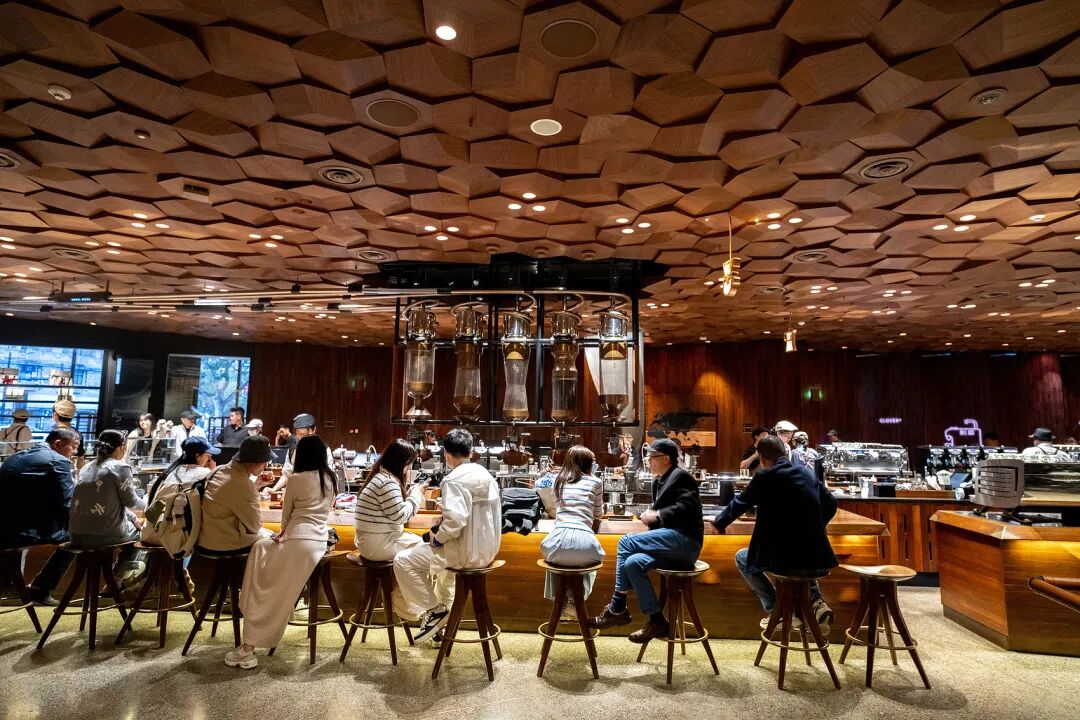
Core Insights - Starbucks has formed a partnership with China's leading alternative asset management company, Boyu Capital, to establish a joint venture for retail operations in the Chinese market, marking a significant commitment to expanding in this rapidly growing core market [2] - Boyu will hold up to 60% of the joint venture, while Starbucks retains 40% and continues to own and license its brand and intellectual property [2] - The collaboration highlights Starbucks' strong appeal in the capital market, especially in a cautious investment environment, and reflects its deep understanding of the industry [2] Industry and Company Analysis - Starbucks' core asset is its industry, which encompasses a robust supply chain system connecting coffee cultivation, production, and distribution, alongside a vast network of retail stores that cater to consumer needs [3][4] - The company has redefined the coffee shop experience as a "third space" for social interaction, which has driven its growth and market appeal [5][6] - Starbucks is actively pushing for industry transformation and upgrades, aligning with the principles of industrial internet by enhancing both its product offerings and customer experiences [5][6] - The integration of digital and physical elements is a hallmark of Starbucks' strategy, exemplified by its use of data analytics to innovate product offerings and improve operational efficiency through its Starbucks Innovation Technology Center (SITC) [7][8] - Starbucks serves as a practical example of how to implement industrial internet concepts, making it a benchmark for other companies in the consumer and industrial sectors [9]
只值40亿美元,星巴克中国「贱卖了」?
3 6 Ke· 2025-11-05 01:42
Core Insights - Starbucks China has reached a strategic partnership with Boyu Capital to form a joint venture for its retail operations in China, marking a significant shift in its business strategy [1][2] - The deal values Starbucks China's operations at approximately $4 billion, with Boyu acquiring up to 60% of the joint venture for $2.4 billion, while Starbucks retains 40% and continues to own the brand and intellectual property [2][4] - The total value of Starbucks' retail business in China is projected to exceed $13 billion, indicating a substantial difference between the joint venture's valuation and the overall business value [2][4] Financial Overview - Boyu Capital will hold a 60% stake in the joint venture, allowing it to share in 60% of the operating profits, while Starbucks expects to receive ongoing royalty payments for brand licensing [2][4] - Starbucks China's revenue for fiscal year 2025 is estimated at $3.105 billion, with an EBITDA forecast of $400 million to $500 million, suggesting a potential return on investment for Boyu over a longer period [7][8] - The valuation of Starbucks China is relatively low compared to its global operations, which are valued at 20.6 times the past 12 months' EBITDA, while Starbucks China's valuation is closer to 10 times its projected EBITDA [3][4] Market Context - The coffee market in China has become increasingly competitive, with local players like Luckin Coffee gaining significant market share, prompting Starbucks to adapt its strategy [9][11] - Starbucks has faced challenges in maintaining its market share, which has declined from a peak of 42% in 2017 to an estimated 14% by 2024, highlighting the need for a more localized approach [10][11] - The introduction of Boyu Capital as a partner is seen as a strategic move to leverage local expertise and resources to enhance Starbucks' growth potential in China, particularly in lower-tier cities [19][20] Strategic Implications - The partnership with Boyu Capital is viewed as a "strategic reduction of burden" for Starbucks, allowing it to maintain a stake in the business while reducing operational risks and investment pressures [8][19] - Starbucks aims to transform its operational model from direct ownership to a joint venture, which may provide more predictable cash flows and reduce volatility [4][8] - The collaboration is expected to facilitate Starbucks' expansion into new markets and improve operational efficiency, aligning with the evolving consumer landscape in China [19][20]
星巴克、必胜客,加码下沉市场丨消费参考
2 1 Shi Ji Jing Ji Bao Dao· 2025-11-05 01:39
Group 1: Starbucks and Strategic Partnerships - Starbucks has announced a strategic partnership with Boyu Capital to establish a joint venture for its retail operations in China, with Boyu holding up to 60% equity and Starbucks retaining 40% [1][20] - The joint venture is based on an enterprise value of approximately $4 billion, and Starbucks expects its retail business in China to exceed $13 billion [1][20] - The new joint venture will be headquartered in Shanghai and aims to expand the number of Starbucks stores in China from 8,000 to 20,000 [1][20] Group 2: Market Trends and Performance - The trend of international restaurant brands, including Starbucks and Pizza Hut, focusing on lower-tier cities is becoming increasingly significant due to better revenue prospects in these markets [3] - Starbucks has reported that new stores opened in the last two years have contributed to same-store sales growth above average, with many of these new locations in lower-tier markets [3] - Yum China reported a 4% year-over-year revenue growth to $3.2 billion in Q3 2025, with KFC and Pizza Hut also showing positive revenue trends [3] Group 3: Consumer Behavior and Pricing - There is a noted decline in average transaction value for Starbucks, Pizza Hut, and KFC, which may benefit their expansion into lower-tier markets [5] - The overall dining market in major cities like Beijing and Shanghai is contracting, prompting brands to seek growth in less saturated markets [4]



星巴克出售中国业务60%股权,武汉光谷1亿元招人才 | 财经日日评
吴晓波频道· 2025-11-05 00:29
Group 1: Government Debt Management - The Ministry of Finance has established a Debt Management Department to centralize and strengthen debt management responsibilities, which were previously dispersed across various divisions [2] - The new department will focus on formulating and implementing domestic debt management policies, monitoring government debt, and mitigating hidden debt risks, particularly in local governments [2] - The establishment of this department comes in response to the increasing visibility of risks associated with local government debt, especially under the land finance model [2] Group 2: U.S. Manufacturing and Employment - The U.S. ISM Manufacturing PMI for October is reported at 48.7, indicating a contraction for the eighth consecutive month, with new orders also declining [3] - The number of announced layoffs in the U.S. has reached nearly 950,000 as of September, marking the highest level for this period since 2020 [3] - The ongoing government shutdown is expected to negatively impact the U.S. GDP growth rate by 1-2 percentage points in Q4, with potential economic losses escalating with the duration of the shutdown [5] Group 3: Starbucks and Market Strategy - Starbucks has entered a strategic partnership with Boyu Capital to form a joint venture in China, selling up to 60% of its business in the region for an enterprise value of approximately $4 billion [7] - The joint venture aims to expand Starbucks' presence in China from 8,000 to 20,000 stores, indicating a shift in strategy to better compete in the local market [7][8] - The valuation of the stake sold is considered low given the slow recovery of consumer spending in China and the rise of low-cost coffee chains [8] Group 4: Talent Acquisition in Wuhan - Wuhan's East Lake High-tech Zone has launched a program to attract top talent in key technology sectors, offering up to 100 million yuan for individual projects [9] - The initiative targets high-level scientists and industry leaders, aiming to foster innovation and address critical technological challenges [9][10] - The competition for top talent is intensifying globally, and while financial incentives are crucial, retaining talent will also depend on the overall research environment and support systems [10] Group 5: Yonghui Supermarket's Challenges - Yonghui Supermarket has closed over 100 stores in Q3, with a total of 325 closures this year, reflecting significant operational challenges [11] - The company reported a revenue decline of 22.21% year-on-year, with a net loss of 710 million yuan, indicating a worsening financial situation [11] - Despite attempts to learn from successful competitors, Yonghui's strategy has not yet yielded positive results, and the company continues to face substantial losses [12] Group 6: Hong Kong IPO Market - Hong Kong has ranked first globally in IPO fundraising for the first ten months of the year, with over 80 IPOs raising more than $26 billion [13] - The increase in IPO activity is attributed to reforms that enhance efficiency and attract international companies, particularly in the context of stricter A-share market regulations [13][14] - While the stock market remains a priority, Hong Kong is also positioning itself as a global center for digital assets, although current trading activity in this area is still limited [14]


星巴克中国“卖身”博裕,本土玩家上桌全球咖啡局
阿尔法工场研究院· 2025-11-05 00:07
Core Viewpoint - Starbucks has decided to sell its controlling stake in its China retail business to Boyu Capital, forming a joint venture where Boyu will hold up to 60% and Starbucks will retain 40% [1][2][3]. Group 1: Transaction Details - The deal values Starbucks' China business at approximately $4 billion, excluding cash and debt [2]. - Starbucks estimates that the total value from this transaction will exceed $13 billion, which includes cash proceeds from the sale, the value of the retained 40% stake, and future brand licensing fees [5][6]. - Boyu Capital's acquisition is seen as a significant investment in the consumer retail sector, with plans to expand the number of Starbucks stores in China from 8,000 to 20,000 in the coming years [12][21]. Group 2: Strategic Implications - This move marks a strategic shift for Starbucks, which has transitioned from a fully owned model to a joint venture, reflecting the complexities and costs of managing operations in China [14][25]. - The partnership with Boyu is expected to leverage local expertise to accelerate Starbucks' expansion in smaller cities and enhance localization efforts [17][23]. - The transaction is part of a broader strategy for Starbucks to optimize cash flow and manage risks associated with its international operations, particularly in light of declining profits in North America [24][25]. Group 3: Market Context - The Chinese coffee market is increasingly competitive, with local brands like Luckin Coffee outpacing Starbucks in store count and market share [16][23]. - The collaboration with Boyu may lead to more aggressive pricing strategies and operational adjustments to better compete with local brands [21][23]. - The deal signifies a shift in power dynamics within the coffee market in China, as foreign brands adapt to local market conditions and consumer preferences [23][28].
星巴克中国“告别”西雅图
虎嗅APP· 2025-11-04 23:57
Core Viewpoint - Starbucks has decided to sell 60% of its Chinese business to Boyu Capital for $4 billion, marking a significant shift in its operational strategy in China [4][20]. Group 1: Transaction Details - The transaction is expected to be completed before the second quarter of Starbucks' fiscal year 2026, with Starbucks China continuing to report to Seattle until then [5]. - Boyu Capital will hold a maximum of 60% equity in the joint venture, while Starbucks retains 40% and continues to own the brand and intellectual property [20]. - The valuation of Starbucks' retail business in China is estimated at $13 billion, which includes the equity transferred to Boyu and the retained equity value [20]. Group 2: Management Changes - Liu Wenjuan will succeed Wang Jingying as CEO of Starbucks China after her retirement in January 2025, and will continue to report to Seattle [6][7]. - The decision to not continue the position of Chairman after Wang's retirement indicates a shift in the governance structure of Starbucks China [6]. - There is speculation that the influence of Seattle on Starbucks China has diminished, allowing for greater autonomy in decision-making [6][9]. Group 3: Performance Metrics - Starbucks China reported a revenue of $3.105 billion for the fiscal year 2025, reflecting a 5% year-over-year growth [7]. - The operating profit margin has remained in double digits for four consecutive quarters, indicating a positive trend in financial performance [7]. Group 4: Strategic Vision - Boyu Capital aims to expand Starbucks' store count in China to 20,000, significantly increasing from the current 8,011 stores by the end of fiscal year 2025 [9][22]. - Liu Wenjuan's strategy includes product innovation, dynamic pricing adjustments, and focusing on underperforming stores while targeting younger demographics [10][24]. Group 5: Market Context - The Chinese coffee market is experiencing intense competition, with brands like Luckin Coffee and others rapidly expanding their store networks [22][24]. - Starbucks is perceived to be in need of a transformation to maintain its premium image amidst rising competition and changing consumer preferences [25]. Group 6: Boyu Capital's Background - Boyu Capital has a strong track record in investments, with a historical internal rate of return (IRR) of over 25%, indicating its capability to drive Starbucks China's growth [15]. - The firm has previously invested in various successful projects, enhancing its credibility and potential to support Starbucks in navigating the Chinese market [15][19]. Group 7: Future Implications - The partnership with Boyu is expected to provide Starbucks China with the necessary resources for digital and store upgrades, addressing the need for significant investment in infrastructure [24]. - The collaboration may lead to a more localized decision-making process, allowing Starbucks to respond more effectively to market changes [21].

星巴克中国40亿美元易主博裕资本 低线布局剑指2万门店再临大考
Chang Jiang Shang Bao· 2025-11-04 23:32
Core Insights - Starbucks has officially announced the sale of its controlling stake in the Chinese market to the alternative asset management firm Boyu Capital, marking a significant shift in its operational strategy in China [2][4][5] - Boyu Capital will hold 60% of the joint venture, while Starbucks retains 40%, allowing the company to recover $4 billion from this transaction [2][4][5] - The decision to divest comes amid declining market share and increasing competition in the Chinese coffee market, where Starbucks' share has dropped from a peak of 42% in 2017 to 14% in 2024 [3][11] Company Background - Starbucks entered the Chinese market in 1999 through a joint venture model, gradually shifting to a wholly-owned model by 2017 [6] - The company has faced challenges in recent years, with a reported revenue of $2.958 billion in fiscal year 2024, a decline of 1.4% year-on-year, and a continuous drop in same-store sales [11][12] Market Dynamics - The competitive landscape in China has intensified, with local players like Luckin Coffee capturing significant market share through aggressive pricing strategies [11][12] - As of 2024, Luckin Coffee holds a market share of 35%, while Starbucks has around 14%, with Luckin operating over 24,000 stores compared to Starbucks' 8,000 [11][12] Strategic Adjustments - In response to market pressures, Starbucks has implemented localized strategies, including rare price reductions and a focus on expanding into lower-tier markets [12][13] - The company has entered 166 new county-level markets in fiscal year 2025, nearly doubling its previous efforts, and has adjusted its store model to smaller formats to better cater to these markets [12] Future Outlook - The partnership with Boyu Capital is seen as a move towards further localization and a potential pathway for Starbucks to regain lost market share and stabilize growth in China [13]
Expensify Launches First Hybrid “Contextual” AI Expense Agent
Insightfulaccountant.Com· 2025-11-04 20:42
Core Insights - Expensify has upgraded its Concierge service into a full-service expense agent, integrating AI with human expertise to assist users in managing expenses through various communication channels [1][3] - The CEO of Expensify, David Barrett, emphasizes the unique contextual capabilities of the Concierge agent, which allows users to interact with the system in relation to specific expenses, enhancing user experience [2][3] - The upgraded Concierge service aims to collaborate between humans and machines, focusing on understanding context and ensuring expense accuracy and compliance [3] Product Features - The Concierge service is embedded within the Expensify app, providing users with immediate access to support while managing expenses and reports [6] - It understands natural language commands, enabling users to create, edit, and delete expenses through conversational interactions [6] - The system auto-corrects ambiguous or incomplete expense details based on user history and flags suspicious receipts, including those potentially generated by AI tools [6] - Concierge continuously learns from user behavior to offer smarter and more personalized support over time [6] Company Overview - Expensify is a leading expense management solution trusted by 15 million members globally, catering to businesses of all sizes [4]