
Starbucks(SBUX)

Search documents
Starbucks baristas prep for strike, Bloomberg News reports
Reuters· 2025-11-05 17:27
Unionized baristas at Starbucks in the U.S. are preparing to go on strike next week and disrupt one of the coffee chain's busiest days, Bloomberg News reported on Wednesday. ...



X @Bloomberg
Bloomberg· 2025-11-05 17:10
Unionized Starbucks baristas are preparing to go on strike next week and disrupt one of the coffee chain’s busiest days — aiming to secure a contract after years of sporadic and unsuccessful talks https://t.co/nbynPzNCxg ...
Transformation Revs Up With Starbucks To Sell Majority Stake In China
Forbes· 2025-11-05 12:05
Core Viewpoint - Starbucks is selling a controlling stake in its Chinese business to Boyu Capital, forming a $4 billion joint venture, marking a strategic shift in its approach to the Chinese market, which is crucial for its growth outside the U.S. [2][3] Company Strategy - Under the joint venture, Boyu Capital will hold up to 60% and take operational control of nearly 8,000 Starbucks stores in China, while Starbucks retains a 40% stake and continues to own its brand and intellectual property [3][5] - The partnership is expected to enhance Starbucks' growth potential in China, particularly in smaller cities and emerging regions, with a shared vision to expand the store count to as many as 20,000 locations over time [10] Market Context - Starbucks' Chinese retail business is valued to exceed $13 billion, factoring in the sale proceeds, remaining equity stake, and anticipated licensing fees over the next decade [5] - The company faces increasing competition from domestic rival Luckin Coffee, which has surpassed Starbucks in store count with over 20,000 outlets [5][7] Operational Focus - Starbucks is undergoing a transformation plan aimed at reviving growth and profitability, focusing on simplifying operations, improving store efficiency, and enhancing service speed [6][9] - The company is investing in automation, supply chain modernization, and new store designs to drive traffic and increase average spending [8] Leadership Perspective - CEO Brian Niccol emphasized the importance of combining Starbucks' brand strength and coffee expertise with Boyu's local market knowledge to accelerate growth [4][10]

品牌门店成为旅行的“情绪目的地” ?泡泡玛特、MUJI的在地化新叙事
3 6 Ke· 2025-11-05 11:44
Core Insights - The article discusses how brand stores are becoming "emotional destinations" for travelers, with a significant increase in cross-regional travel during the recent holiday period, estimated at 2.433 billion trips [1] Group 1: Brand Store Trends - More tourists are not just visiting attractions but are actively seeking unique brand stores in local areas, enhancing their cultural consumption experience [1][7] - The concept of "localized storytelling" is categorized into three types: local guide stores, collector's item stores, and exhibition stores [7] Group 2: Local Guide Stores - Local guide stores integrate into new commercial districts, creating a sense of local identity. They cater to tourists' desires for both exploration and familiarity [8] - An example is the tea brand "Cha Bai Dao," which collaborates with local culture in Chengdu, incorporating traditional elements into its store design [8][12] Group 3: Collector's Item Stores - Collector's item stores use natural or cultural landscapes as their backdrop, positioning the brand as the "best viewing platform" [17] - M Stand, a coffee chain, exemplifies this by creating a store in Urumqi that features local cultural elements, attracting travelers [18][22] Group 4: Exhibition Stores - Exhibition stores, like those of MUJI and Starbucks, focus on creating immersive experiences that blend local culture with brand identity [28] - Starbucks has opened several non-heritage concept stores that showcase local craftsmanship and art, enhancing the cultural experience for customers [29][34] Group 5: Consumer Experience - The article emphasizes that providing a multi-sensory consumer experience is crucial for offline retail, with localized store designs being a key strategy [44] - The goal is to create unique environments that resonate with consumers, transforming casual visitors into brand advocates [44]

星巴克走上麦当劳的路,中资买家280亿入伙
创业邦· 2025-11-05 10:11
以下文章来源于时代财经APP ,作者李馨婷 时代财经APP . 聚焦于企业财经新闻,互联网新闻信息服务许可证编号:44120230006 来源丨 时代财经APP(ID:tf-app) 作者丨李馨婷 编辑丨 周嘉宝 图源丨Midjourney 传出中国业务部分股权出售消息的整整一年后,星巴克终于敲定中国业务买家。 11月4日,星巴克宣布与博裕投资达成战略合作,双方将成立合资企业,共同运营星巴克在中国市场的零售业务。 根据协议,博裕将持有合资企业至多60%股权,星巴克保留40%股权,并将继续作为星巴克品牌与知识产权的所有者和授权方,向新成立的合资企业进 行授权。基于约40亿美元(不计现金与债务,折合人民币超280亿元)的企业价值,博裕将获得其相应权益。 星巴克预计其中国零售业务的总价值将超过130亿美元。总价值由三部分构成:向博裕出让合资企业控股权益所得、星巴克在合资企业中保留的权益价 值,以及未来十年或更长时间内持续支付给星巴克的授权经营收益。 结合过往报道,自2024年11月星巴克传出中国业务部分股权出售消息后,对星巴克中国股权表露过收购意向的除了博裕资本,还包括KKR、方源资本、 太盟投资集团、华润集团、高 ...
星巴克中国易主,未来将再开1.2万家店
华尔街见闻· 2025-11-05 10:09
Core Viewpoint - Starbucks has entered a strategic partnership with Chinese alternative asset management company Boyu Capital to establish a joint venture for its retail operations in China, marking the first time in 26 years that Starbucks has relinquished control of its Chinese business [6][8]. Summary by Sections Joint Venture Details - The joint venture will see Boyu Capital holding up to 60% of the equity, making it the controlling shareholder, while Starbucks retains 40% and continues to own the brand and intellectual property [6][8]. - The joint venture is valued at approximately $4 billion, with Boyu expected to invest $2.4 billion (about 173 billion RMB) [7]. Expansion Plans - The joint venture aims to expand Starbucks' presence in China from 8,000 stores to 20,000 stores [8]. - As of the end of fiscal year 2025, Starbucks had 8,011 stores in China, with 415 new stores opened during the year [9]. Financial Performance - Starbucks China reported a revenue of $831.6 million in the fourth quarter of fiscal year 2025, a 6% year-over-year increase, contributing to a total annual revenue of $3.105 billion, which is a 5% increase [15][16]. - The total value of Starbucks' retail business in China is projected to exceed $13 billion, comprising the value from the equity transfer to Boyu, retained equity, and ongoing licensing fees [11]. Strategic Context - The partnership is a strategic adjustment for Starbucks amid increasing competition from local brands like Luckin Coffee and others [17][18]. - Starbucks' global comparable store sales fell by 7% in the fourth quarter of fiscal year 2024, prompting a need for a fundamental strategy change [13][18]. Boyu Capital's Role - Boyu Capital's local market expertise is expected to accelerate Starbucks' expansion, particularly in lower-tier cities [20]. - Boyu has a diversified investment portfolio and a strong track record, with historical fund net internal rates of return exceeding 25% [21]. Market Competition - Despite the joint venture, Starbucks faces ongoing competitive pressures, including price wars and market fragmentation [22]. - Starbucks has already taken measures to address competition, such as reducing prices on certain products, which led to a 12% increase in transaction volume [23]. Future Outlook - The partnership signifies a new era for Starbucks in China, with plans to evolve beyond being just a "third space" provider to a multi-dimensional business model [24].
星巴克中国易主,压力给到了瑞幸
36氪· 2025-11-05 09:20
Core Viewpoint - Starbucks has entered a strategic partnership with Boyu Capital to establish a joint venture for its retail operations in China, retaining 40% ownership while Boyu will hold up to 60% [5][6]. Financial Performance - Starbucks reported a 5% year-over-year increase in global revenue for fiscal year 2025, with a notable 1% growth in same-store sales in Q4, marking the first positive growth in seven quarters [7][8]. - In fiscal year 2025, Starbucks' total revenue reached $37.18 billion, up 2.8% from the previous year, with company-operated stores contributing $30.74 billion, a 3.3% increase [9][10]. - In China, total revenue for fiscal year 2025 was $3.105 billion, reflecting a 5% year-over-year growth, with Q4 revenue at $831.6 million, a 6% increase [13][14]. Market Dynamics - The international segment showed strong performance, with a 3% increase in same-store sales, driven by markets like Japan, the UK, and Mexico [8]. - The Chinese market is seen as a key driver for overall growth, with Starbucks focusing on product innovation, delivery service growth, pricing optimization, and store expansion [15][16]. Competitive Landscape - Starbucks is facing intense competition in the Chinese market, particularly from new tea brands and other coffee chains, leading to significant price reductions in its product offerings [16][19]. - The company has engaged in a price war, with significant price cuts on various products, which may impact its premium brand positioning [20][22]. Operational Challenges - Despite the revenue growth, Starbucks' operating profit margin fell to 2.9% in Q4 2025 from 14.4% in the same period last year, indicating rising operational costs [24]. - High coffee bean prices are expected to remain a challenge for at least the next two quarters, affecting profitability [25][26]. Strategic Initiatives - The joint venture with Boyu Capital aims to expand the number of Starbucks stores in China to 20,000, focusing on lower-tier cities where competition is increasing [28]. - Starbucks has entered 1,091 county-level markets in China, with a total of 8,011 stores, but has seen a decline in comparable store sales due to a 5% drop in average ticket price [28][30].
星巴克卖身,一次“换打法”的进攻!
Jin Tou Wang· 2025-11-05 08:09
Core Viewpoint - Starbucks has sold 60% of its stake in its China operations to a local private equity firm, Boyu Capital, for 28.5 billion yuan, marking a significant shift in its business strategy in China [1][4] Group 1: Company Actions - Starbucks is transferring control of over 8,000 stores in China to local management, similar to the strategies employed by McDonald's and KFC [1] - Decathlon is also considering selling 30% of its stake in its China operations, while Häagen-Dazs is looking to sell its Chinese ice cream stores [3][5] - The trend of foreign brands divesting from their Chinese operations is becoming increasingly common, indicating a broader industry shift [3] Group 2: Market Challenges - The profitability of foreign brands in China has significantly declined, with Starbucks reporting an 85.4% drop in net profit, leaving it with less than 1 billion yuan, and its market share plummeting from 42% to 14% [4] - Decathlon's net profit fell by 15.5% last year, and Häagen-Dazs has seen its store count decrease from over 400 to around 200, reflecting a broader decline in customer traffic [4][7] - Foreign brands are struggling to adapt to the changing consumer environment in China, particularly in lower-tier cities, where local brands are gaining traction [8][10] Group 3: Local Brand Strategies - Local brands are effectively utilizing online marketing and competitive pricing to attract consumers, creating a closed-loop system of online engagement and offline experience [8][10] - The success of local brands is attributed to their deep understanding of the Chinese market and their ability to adapt to local consumer preferences [10] Group 4: Future Outlook - The sale of stakes by foreign brands is not necessarily a retreat but a strategic shift towards a lighter asset model, allowing for collaboration with local operators who better understand the market [11] - Historical examples, such as McDonald's and KFC, show that divesting to local management can lead to significant growth in store numbers and improved market performance [11]

从星巴克合营看洋品牌的本地化生死局
Sou Hu Cai Jing· 2025-11-05 07:41
Core Insights - Starbucks has announced a strategic partnership with Boyu Capital to establish a joint venture for its retail operations in China, with Boyu holding up to 60% of the equity [1] - This move reflects a broader trend among foreign brands in China, emphasizing the importance of local partnerships and operational control to navigate market challenges [2][3] - The joint venture represents a shift from a heavy asset model to a lighter asset approach, allowing Starbucks to maintain brand ownership while reducing operational burdens [8] Company Challenges - Starbucks' "third space" model is showing signs of fatigue in the Chinese market, with high operational costs and strategic indecision impacting its performance [4] - The company has faced increased competition from local brands and lower-priced competitors, leading to a paradox of rising transaction volumes but declining average spending [6][7] - Despite a growing coffee consumer base in China, Starbucks struggles to maintain its market position amid fierce competition from brands like Luckin Coffee [6][7] Capital Strategy - The joint venture with Boyu Capital allows Starbucks to transition from a heavy asset operation to a model focused on revenue sharing and brand licensing, optimizing risk and returns [8][9] - Starbucks will retain 40% equity in the joint venture and continue to earn licensing fees, ensuring a stable cash flow while benefiting from market growth [9] - This partnership aligns with a trend among foreign brands in China, where capital cooperation has become essential for navigating complex market dynamics [10][12] Market Dynamics - The competitive landscape in China is intensifying, with independent coffee brands and fast-food chains aggressively targeting the same consumer base [6][7] - The rise of local competitors has led to a significant increase in the number of coffee drinkers, yet Starbucks has not capitalized on this growth effectively [6][7] - The operational model of local brands, which often includes flexible pricing and strategic location choices, poses a significant challenge to Starbucks' traditional high-end positioning [6][7] Lessons from Other Brands - Other foreign brands like McDonald's and Yum China have successfully implemented local partnerships to enhance operational efficiency and market penetration [10][11] - The experiences of these brands highlight the importance of balancing local operational control with maintaining brand integrity and long-term value [12][18] - Successful models involve a mix of equity sharing and licensing fees, allowing for both local responsiveness and stable revenue streams for the parent company [10][11][18]
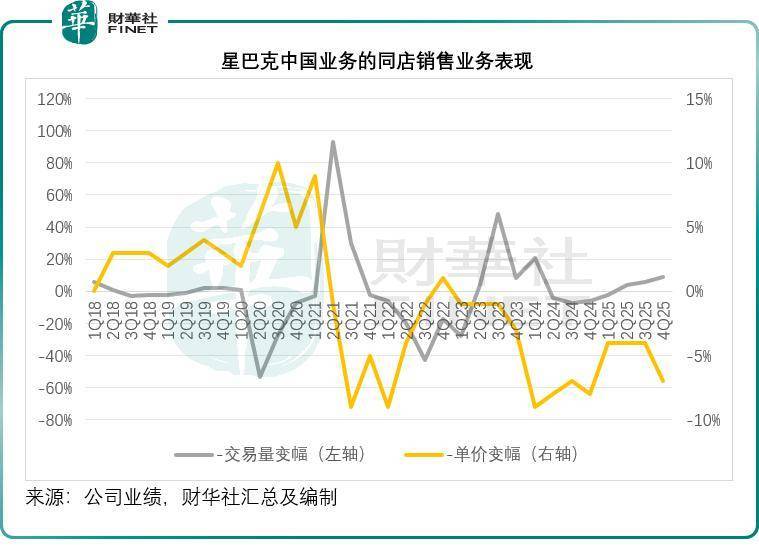
本土竞争倒逼星巴克(SBUX.US)“放手” 博裕资本40亿美元入股如何破局?
智通财经网· 2025-11-05 07:04
Core Viewpoint - Starbucks is selling a 60% stake in its struggling China business to Boyu Capital for $4 billion to improve its market prospects in China [1] Group 1: Market Challenges - Since entering the Beijing market in 1999, Starbucks has rapidly expanded in China but faced challenges from local brands like Luckin Coffee, which offer lower costs and customizable products [1] - The rise of domestic competitors has prompted Starbucks to seek a partnership to enhance its market position [1] Group 2: Acquisition Details - The deal with Boyu Capital was announced on October 28, with the company committing to maintain leadership by Starbucks China and its management team [1] - Boyu Capital's commitment to stability may alleviate concerns about potential layoffs and aggressive pricing strategies that could harm Starbucks' premium brand image [2] Group 3: Strategic Changes - Under the leadership of Molly Liu, Starbucks is introducing more localized products and adjusting prices to attract customers [2] - The acquisition is expected to allow Starbucks to develop more tailored strategies for the Chinese market, moving away from strict adherence to global brand directives [3] Group 4: Future Growth Plans - Starbucks aims to make its stores more appealing compared to the "grab-and-go" model favored by many competitors [3] - The CEO of Starbucks has indicated that the number of stores in China could increase from approximately 7,800 to 20,000 [3]