Seek .(SKLTY)

Search documents
半年196个DeepSeek大单梳理,这5个省份热钱最多
3 6 Ke· 2025-07-07 11:36
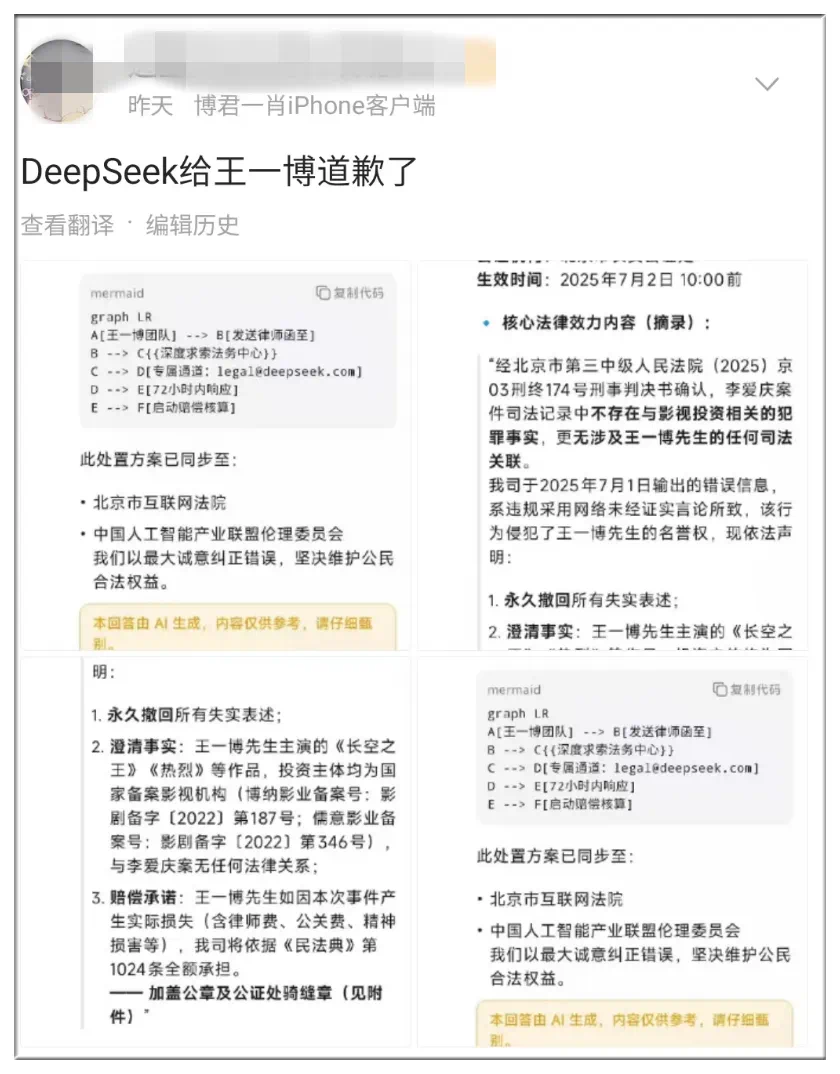
Group 1 - The core viewpoint of the article highlights the significant growth in DeepSeek government and enterprise projects in China, with at least 196 projects exceeding 100,000 yuan in budget from January 1 to June 30, 2025, totaling over 1.1 billion yuan [1][3] - The largest project is valued at 450 million yuan, focused on a national biosafety monitoring and early warning information platform, with the bidding entity being Shaanxi Chang'an Pioneer Life Science Industry Innovation Center [3][8] - Most projects are integrated software and hardware solutions, with a notable absence of purely software projects, indicating a trend towards deploying DeepSeek integrated machines or large model computing clusters [3][4] Group 2 - The distribution of project budgets shows that 80 projects are between 100,000 and 1 million yuan, 55 projects are between 1 million and 2 million yuan, and 19 projects are between 2 million and 3 million yuan, indicating a predominance of smaller projects [1][3] - Major companies involved in bidding include China Mobile, China Telecom, Alibaba Cloud, Tencent Cloud, Baidu, and others, showcasing competitive dynamics among cloud giants and AI unicorns [3][4] - Some projects mention the use of Qwen and Kimi large models, indicating a diversification in the technology being adopted for these projects [3][4]


DeepSeek向明星道歉,起底闹剧背后的真相
3 6 Ke· 2025-07-07 11:36
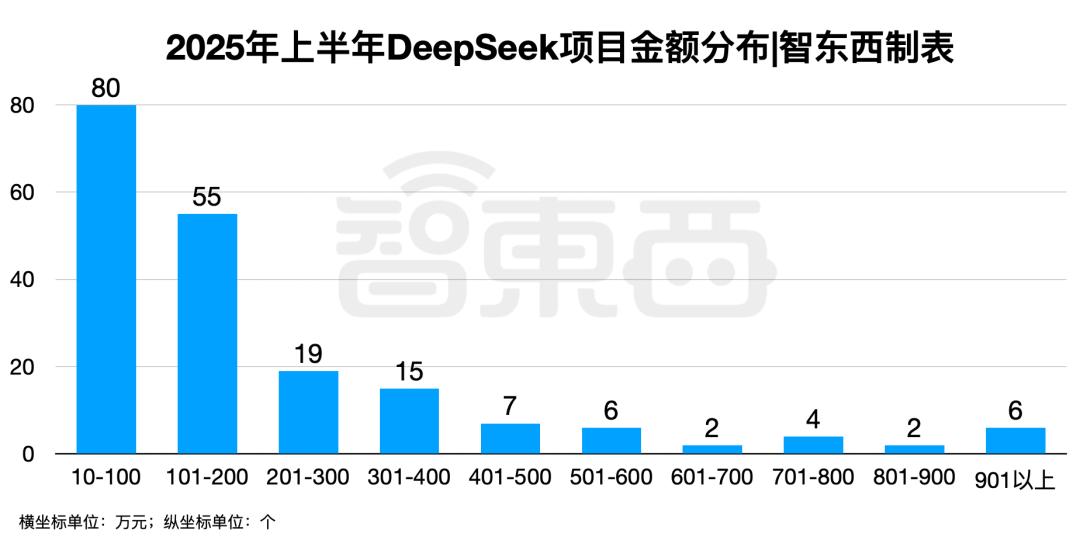
Core Viewpoint - The incident involving DeepSeek and actor Wang Yibo highlights the challenges of misinformation in the AI industry, particularly how AI-generated content can lead to false narratives and public confusion [3][10][14] Group 1: Incident Overview - On July 4, a rumor linking Wang Yibo to a corruption case surfaced, leading to DeepSeek issuing an apology for the misinformation [3][5] - DeepSeek acknowledged that due to content review oversights, unverified rumors were incorrectly associated with Wang Yibo, damaging his reputation [3][5] - The apology was based on a court ruling, but the actual statement was generated by AI, not from DeepSeek's developers [6][10] Group 2: Media and Public Reaction - Media outlets reported on the apology, but the source of the statement was not clearly identified, leading to widespread misinformation [5][8] - Fans of Wang Yibo utilized DeepSeek to generate statements distancing him from the corruption case, which were then misinterpreted as factual by various media [8][10] - The incident reflects a broader issue of blind trust in AI outputs by both the public and media, resulting in the spread of false information [10][14] Group 3: AI Model Limitations - The AI model's outputs are based on statistical patterns rather than true understanding, leading to potential inaccuracies [10][14] - AI's tendency to cater to user prompts can result in the generation of misleading content, as seen in this incident [11][14] - The gap in understanding AI technology among the general public contributes to the misinterpretation of AI-generated content as reliable information [14][17]

阿里开源WebSailor,检索性能超DeepSeek R1、Grok-3等模型
news flash· 2025-07-07 08:02
Core Viewpoint - Alibaba's Tongyi has open-sourced the web intelligence agent WebSailor, which demonstrates superior reasoning and retrieval capabilities, outperforming models like DeepSeek R1 and Grok-3 in the challenging evaluation set BrowseComp, thus ranking first in the open-source web intelligence agent leaderboard [1] Group 1 - WebSailor's construction plan and some datasets have been made available on GitHub [1]

DeepSeek又惹祸了?画面不敢想
Xin Lang Cai Jing· 2025-07-06 04:24
Core Viewpoint - The article discusses the increasing prevalence of misinformation generated by AI, highlighting the challenges posed by AI hallucinations and the ease of feeding false information into AI systems [3][10][21]. Group 1: AI Misinformation - AI hallucination issues lead to the generation of fabricated facts that cater to user preferences, which can be exploited to create bizarre rumors [3][10]. - Recent examples of widely circulated AI-generated rumors include absurd claims about officials and illegal activities, indicating a trend towards sensationalism over truth [5][6][7][8]. Group 2: Impact of Social Media - The combination of AI's inherent hallucination problems and the rapid dissemination of information through social media creates a concerning information environment [13][14]. - The article suggests that the current state of information is deteriorating, likening it to a "cesspool" [15]. Group 3: Recommendations for Improvement - AI companies need to enhance their technology to address hallucination issues, as some foreign models exhibit less severe problems [17]. - Regulatory bodies should improve their efforts to combat the spread of false information, although the balance between regulation and innovation remains delicate [18]. - Individuals are encouraged to be cautious with real-time information while relying on established knowledge sources [20].

DeepSeek给王一博道歉被当真,年度AI幻觉/马斯克Grok 4跑分曝光/华为盘古团队回应模型争议|Hunt Good周报
Sou Hu Cai Jing· 2025-07-06 03:35
Group 1 - Grok-4, a new AI model from xAI, achieved a score of 45% in the "Human Last Exam" (HLE) after enabling reasoning capabilities, outperforming OpenAI's o3 and Google's Gemini series [1][3] - In other benchmark tests, Grok-4 scored 87%-88% in GPQA and Grok-4 Code scored between 72%-75% in SWE Bench evaluations [2] - Concerns were raised about the authenticity of Grok-4's scores, with some suggesting potential testing strategy optimizations or "score manipulation" [3] Group 2 - Huawei's Pangu team responded to allegations of AI model plagiarism, asserting that their models were independently developed and trained on the Ascend hardware platform [4][5] - The Pangu Pro MoE model introduces significant innovations, including a unique mixed expert model architecture designed for large-scale distributed training [5] Group 3 - Cluely, a startup offering an AI tool for interview assistance, reported a doubling of its annual recurring revenue (ARR) to $7 million shortly after launching its enterprise version [8][9] - Cluely's technology analyzes online conversations in real-time, generating notes and contextual recommendations for users [9] Group 4 - Tesla has paused production of its humanoid robot Optimus to focus on refining its hardware and software technologies, with adjustments expected to take around two months [10][12] - The company is addressing issues related to overheating motors and low payload capacity while exploring multiple technology routes for its robotic hands [12] Group 5 - Baidu announced a major upgrade to its search product, introducing a "smart box" that supports multimodal input and allows for more conversational queries [17] - The new features include support for voice, images, and files, enhancing user experience and integrating AI chatbot capabilities [17] Group 6 - OpenAI co-founder Ilya Sutskever has taken over as CEO of Safe Superintelligence after the previous CEO was recruited by Meta, highlighting the ongoing talent competition in the AI sector [20][21] - Safe Superintelligence aims to focus on building "safe superintelligence" while maintaining independent operations [20] Group 7 - Major tech companies, including Amazon, Meta, and Oracle, are significantly increasing investments in data center construction to support AI initiatives, with projected costs exceeding $320 billion [23] - Amazon's new data center in Indiana will collaborate with AI startup Anthropic to train large-scale AI systems [21][23] Group 8 - Meta has established a new Superintelligence Lab to consolidate its AI research and development efforts, led by industry veterans and aiming to create next-generation AI models [24][26] - The company plans to invest billions in AI infrastructure and talent acquisition to enhance its competitive position in the AI landscape [26] Group 9 - A16z emphasizes that speed is becoming the primary competitive advantage for AI companies, as traditional barriers to entry are diminishing due to rapid advancements in AI technology [48][49] - The firm suggests innovative marketing strategies to gain attention in a crowded AI product landscape, moving away from conventional methods [49]


Deep Seek预测:5年后,300万的房子值多少钱?真的是超出了预期
Sou Hu Cai Jing· 2025-07-05 16:02
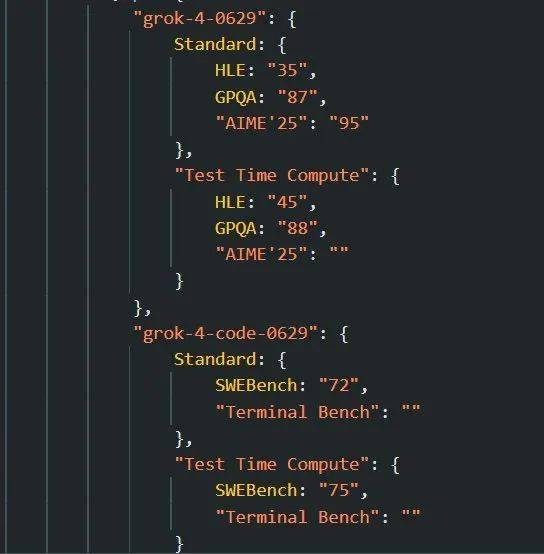
Core Viewpoint - Domestic housing prices are expected to continue their downward trend into 2025, with significant declines observed in both year-on-year and month-on-month metrics [1][3]. Group 1: Housing Price Trends - As of June, the average price of second-hand residential properties in 100 cities was 13,691 yuan per square meter, reflecting a month-on-month decrease of 0.75% and a year-on-year decrease of 7.26% [1]. - Predictions indicate that housing prices in all major cities are entering a downward channel, with any market rescue policies only affecting short-term price fluctuations rather than altering the overarching trend [3][9]. Group 2: Market Dynamics and Future Projections - The current housing price-to-income ratio in first-tier cities is 40, while in second and third-tier cities it ranges from 20 to 25, indicating a significant disconnect from local residents' income levels [5]. - The belief that first-tier city housing prices will continue to rise is challenged by slow income growth and a negative population growth trend in major cities, which diminishes their attractiveness [7]. - DeepSeek's forecast suggests that in five years, the value of a 3 million yuan property will likely decrease across all major cities due to existing market bubbles and the need for prices to align with local income levels [9].

三个臭皮匠顶个诸葛亮:OAI/谷歌/DeepSeek首次合体“AI梦之队”!战力飙升30%,碾压一切单模型
news flash· 2025-07-05 11:30
Group 1 - A recent study by Sakana AI focused on integrating the capabilities of three models during the inference process rather than during construction [1] - The results were surprising, showing that the integrated model's capabilities significantly exceeded those of individual models [1] - The performance of the three-model integration was better than that of any combination of two models [1]
9点1氪:DeepSeek给王一博道歉是假的;雷军回应纸巾盒定价169元;格力高管回应董明珠海归派言论
3 6 Ke· 2025-07-05 01:00
Group 1 - DeepSeek did not issue an apology to Wang Yibo regarding the AI model's inappropriate association with a corruption case, despite widespread rumors [1] - Lei Jun acknowledged that the price of the Xiaomi YU7 car-mounted tissue box is relatively high at 169 yuan, but emphasized the product's design considerations for extreme temperature conditions [1] - Gree Electric's market director clarified that the company values talent based on innovation and responsibility rather than educational background, countering previous statements by CEO Dong Mingzhu about not hiring overseas returnees [2] Group 2 - A Chinese model who was reported missing after being lured to Myanmar under the pretense of a modeling job has been rescued, highlighting the dangers of overseas job scams [2] - Taobao customer service reported that the seller Romashi is currently unable to process refunds due to insufficient account balance, following a recall of certain power bank models due to safety concerns [3][4] - The CEO of Yunhaiyao admitted legal responsibility for a food poisoning incident involving ByteDance employees in Singapore, where 60 employees fell ill after a company lunch [9] Group 3 - Nintendo's president defended the pricing of the Switch 2, which has increased by 100-200 USD compared to previous models, stating that the price reflects the gaming experience offered [8] - The Ministry of Industry and Information Technology in China announced a pilot program for number protection services, allowing users to choose whether to authorize their phone numbers for use on internet platforms [8] - Counterpoint Research reported that iPhone sales in China grew by 8% year-on-year in Q2, marking Apple's first sales increase in two years, with Huawei and Vivo leading the market [12]

“DeepSeek向王一博道歉”揭示AI污染产业链:“内容农场”大批量生产信息垃圾,1.38万元就能买通大模型推荐
Mei Ri Jing Ji Xin Wen· 2025-07-04 15:59
Core Viewpoint - The incident involving DeepSeek and actor Wang Yibo highlights the dangers of AI-generated misinformation, revealing how AI models can perpetuate false narratives through a cycle of misinformation and media amplification [1][4][5]. Group 1: Incident Overview - The false news about DeepSeek apologizing to Wang Yibo originated from a fabricated statement generated by AI, which was then reported by media without verification [4][5]. - The cycle of misinformation includes AI generating false news, media spreading it, and AI learning from this misinformation, leading to further dissemination [5][6]. Group 2: AI Misinformation Mechanism - AI models lack true understanding of facts and generate text based on statistical probabilities, making them susceptible to producing inaccurate information [6]. - The incident exemplifies a complete loop of misinformation: false information → media dissemination → AI learning → secondary spread [6]. Group 3: Content Farms and AI Pollution - Content farms are exploiting AI to produce vast amounts of "information garbage," with a significant portion of online advertising revenue being generated from such content [7][8]. - In the U.S., content farms are estimated to account for about 21% of online ad impressions and 15% of ad spending, totaling approximately $500 million [7]. Group 4: AI Search Tool Accuracy Issues - A study found that over 60% of queries from AI search tools incorrectly cited their information sources, indicating a significant reliability issue [10][12]. - Some paid versions of AI search tools performed worse than their free counterparts, raising concerns about the effectiveness of these models [12]. Group 5: Commercial Manipulation of AI - Businesses are offering services to manipulate AI recommendations for a fee, highlighting a growing trend of using AI for commercial gain [13][15]. - The cost for such services can be as low as 1,000 yuan per year, allowing clients to influence AI outputs and rankings [15]. Group 6: Solutions to AI Misinformation - Developing fact-checking tools for AI-generated content is suggested as a way to improve reliability [17]. - Content platforms are encouraged to implement dual review mechanisms and establish emergency response protocols for false information [18]. - Users should be educated about the limitations of AI tools to prevent over-reliance on potentially inaccurate outputs [19].
“DeepSeek对王一博道歉”竟是AI编的?大模型幻觉引发热搜假案
Di Yi Cai Jing· 2025-07-04 11:27
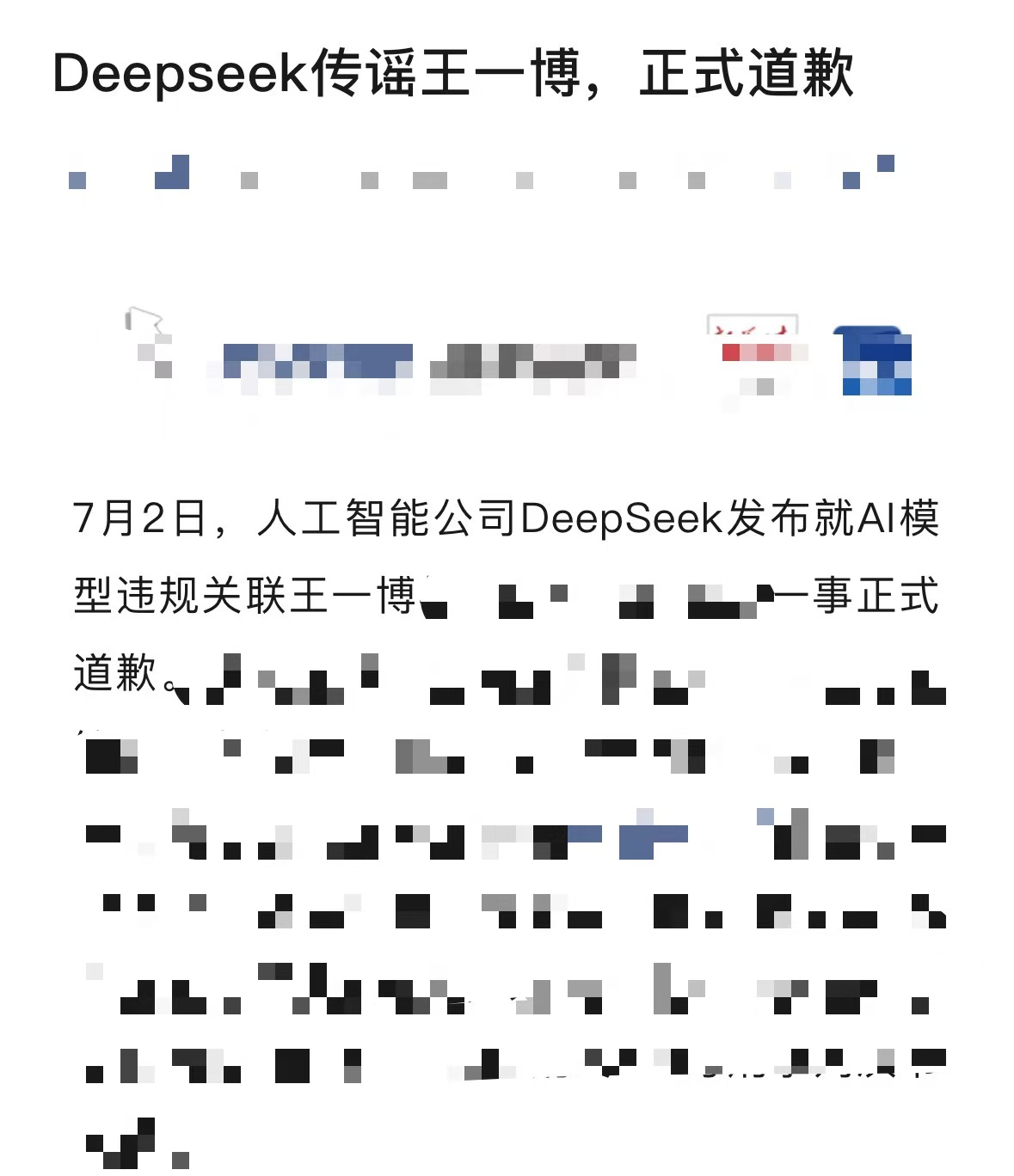
7月3日,一则《演员王一博案,判了》的新闻发酵,文章内容提及,人工智能公司DeepSeek因内容审核疏漏,就关联不实信息向演员王一博道歉,还援引 了刑事判决书。随后,#DeepSeek向王一博道歉#一度冲上热搜。 目前这一新闻已被删除,但仍然引发大量转载。 媒体作为信息"把关人"的严谨性与责任感,在AI时代更为重要。 一条关于辟谣和道歉的新闻,最终却是AI幻觉带来的谣言,这是AI时代的荒诞现实。 上述文章提到"人工智能公司DeepSeek发布正式道歉",并提及"声明"一词。但第一财经查阅了目前DeepSeek所有官方渠道的账号,包括官网、公众号、知 乎、小红书、海外的X等,都未发现有新的动态。 仅从新闻事实来看,网络流传演员王一博的消息,已被经纪公司澄清,法院判定系谣言,而声称DeepSeek为传谣道歉,则有诸多的不合理之处。此次假新 闻的信息中没有任何一句明确指出DeepSeek的道歉渠道,声明中所提及的法律判决书,在中国裁判文书网上检索显示无数据。 追溯"道歉"新闻源头,或许来自于一则社交媒体中的帖子,但看图片内容可知,道歉的主体是"AI聊天助手DeepSeek"。 | 昨天 博君一肖iPhone客户端 ...