Northvolt

Search documents
当升科技业绩大降75%减值风险仍高悬 闲置产能增加欲募资补流继续扩产
Xin Lang Cai Jing· 2025-04-01 09:22
此外,当升科技应收账款达23.29亿元,占全年归母净利润的493%,相比2024年中报的134.92%大幅提 升。 值得注意的是,2024年,当升科技锂电材料业务产能利用率80.16%,较上年下降约12个百分点,其中 常州基地二期项目产能释放后,多元材料实际产量仅占设计产能的58.9%。 尽管年报显示产能利用率下滑,公司仍在筹划通过定向增发募资8亿-10亿元补充流动资金,同时计划推 进欧洲芬兰基地一期6万吨产能建设,并在2025年继续新增8万吨磷酸(锰)铁锂产能。 全球锂电材料产能扩张潮下,行业已出现结构性过剩,公司新增产能若无法匹配客户需求,可能导致折 旧成本攀升,进一步削弱盈利能力,并引发市场对公司产能过剩风险的担忧。 炒股就看金麒麟分析师研报,权威,专业,及时,全面,助您挖掘潜力主题机会! 当升科技于3月31日发布2024年年报,全年实现营业收入75.93亿元,同比下滑49.80%;归母净利润4.72 亿元,同比下降75.48%。公司年报数据暴露出的业绩大幅下滑、产能利用率与扩产矛盾、应收账款风 险等多重潜在风险,需引起关注。 2024年,当升科技营收与净利润同比近乎"腰斩",核心原因在于海外新能源汽车 ...

More trouble for Tesla as China's BYD crosses $100 billion barrier
Business Insider· 2025-03-24 16:01
Tesla's fierce battle to remain the world's top EV company has just hit another roadblock. On Monday, Chinese EV giant BYD reported annual revenues of 777 billion yuan for 2024. At current exchange rates, that equates to roughly $107 billion. By contrast, Tesla's annual revenue last year was $97.7 billion.BYD's net profit jumped 34% year-over-year to just over 40 billion yuan, equivalent to $5.55 billion at current exchange rates. That exceeded analyst expectations of $5.44 billion, though it was below Tesl ...



欧洲电池独立化任重道远 ——浅议Northvolt公司破产
Zhong Guo Hua Gong Bao· 2025-03-24 07:14
欧洲电池独立化任重道远 ——浅议Northvolt公司破 产 当地时间3月12日,欧洲最大电池企业、瑞典动力电池公司Northvolt在官网宣布,因公司现金耗 尽,已在瑞典申请破产。在此之前,Northvolt在全欧洲与众多知名企业有业务合作,是欧洲具有标志性 的本土电池企业。因此有分析称,这一破产声明也意味着欧洲打造本土电池产业梦想的破灭。笔者并不 认同那么极端的说法,欧洲电池独立化仍然存在可能,但是任重道远。 在商业上,Northvolt显然是出现"步子太大"的问题,且只注意下游市场,不重视稳固上游。 Northvolt成立于2016年,其投资方包括贝莱德、高盛、大众汽车集团等知名机构和汽车制造商,累计获 得的融资金额超过百亿美元。借此,公司手握多家跨国汽车制造商的巨额订单,需要交付来自宝马、沃 尔沃、大众汽车集团等主要客户总计550亿美元的订单。但问题就出在这里,在欧洲电池相关矿产和化 工生产完全处于初创的时期,如果不依赖亚洲厂商,Northvolt如何满足客户庞大的产品需求呢?其结局 是注定的。由于产品无法按时交付,去年6月,宝马取消了与Northvolt价值20亿美元的电芯采购合同, 转而将该笔订单 ...
电力设备新能源行业周报:国内节点抢装,供应链价格中枢上行-2025-03-18
Guoyuan Securities· 2025-03-18 15:34
Investment Rating - The report maintains a "Recommended" investment rating for the energy sector, particularly focusing on the new energy segment [6]. Core Insights - The report highlights a positive outlook for the new energy sector, driven by a surge in domestic installations and an upward trend in supply chain prices. The upcoming demand surge is expected to stabilize prices across various segments, including solar and wind energy [4][27]. Weekly Market Review - From March 9 to March 14, 2025, the Shanghai Composite Index rose by 1.39%, while the ShenZhen Component Index and the ChiNext Index increased by 1.24% and 0.97%, respectively. In contrast, the Shenwan Electric Power Equipment Index fell by 0.19%, underperforming the CSI 300 by 1.78 percentage points. Sub-sectors such as photovoltaic equipment and battery segments experienced declines of -1.13% and -1.66%, respectively, while wind power equipment saw a slight increase of 0.73% [11][15]. Key Sector Tracking - **Ningde Times**: In 2024, the company reported a revenue of 362.01 billion yuan, a decrease of 9.7% year-on-year, while net profit attributable to shareholders increased by 15.01% to 50.75 billion yuan [3]. Investment Recommendations - **Photovoltaics**: The report suggests focusing on companies that have undergone significant corrections and show clear alpha potential, such as Aishuo Co., Flat Glass Group, and GCL-Poly Energy. The upcoming installation surge in March is expected to boost production and reduce inventory levels [4]. - **Wind Power**: 2025 is projected to be a significant year for wind power, especially offshore wind projects, with ongoing tenders across the country. Recommended companies include Goldwind Technology and Mingyang Smart Energy [4]. - **New Energy Vehicles**: The report indicates a rapid growth in the new energy vehicle supply chain, with a recommendation to focus on companies benefiting from low upstream raw material prices, such as Ningde Times and Yiwei Lithium Energy [4]. Price Data in the Supply Chain - **Silicon Material Prices**: The report notes that silicon material prices remain stable, with mainstream transaction prices for domestic block materials ranging from 38 to 43 yuan/kg. The supply is expected to reach 98,000 to 99,000 tons in March, with inventory reduction trends becoming evident [27]. - **Silicon Wafer Prices**: The report indicates a structural shortage in silicon wafer supply due to increased demand driven by the upcoming installation surge. Prices for N-type silicon wafers have increased, with 183N wafers priced at 1.2 yuan/piece, reflecting a 1.7% increase [28]. - **Battery Prices**: The average price for M10-P type battery cells has decreased to 0.31 yuan/W, while M10-N type prices have risen to 0.295 yuan/W, indicating a mixed trend in pricing across different battery types [31]. Important Company Announcements - **Strategic Partnerships**: Companies like Fulin Precision and Ningde Times have signed strategic cooperation agreements to enhance their capabilities in lithium iron phosphate material development and production [22]. - **Financial Performance**: Jiangsu Blue Lithium Chip Group reported a revenue of 675.62 million yuan for 2024, marking a year-on-year increase of 29.38% [23]. - **Market Developments**: The report mentions significant orders and partnerships in the battery sector, including a 14 billion yuan supply agreement between Dangsheng Technology and LG Chem [16].
钴价飙升超出行业预期,电解钴价格已回升至2023年11月水平
鑫椤锂电· 2025-03-14 07:40
Core Viewpoint - Cobalt prices have surged beyond industry expectations, with electrolyte cobalt prices returning to levels seen in November 2023, increasing by 60% since the export suspension announcement by the Democratic Republic of Congo [1][2] Group 1: Cobalt Market Dynamics - The price of electrolyte cobalt has risen to 260,000 yuan per ton as of March 14, 2023, reflecting a significant increase since the export suspension on February 24, 2023 [1] - Eurasian Resources Group's marketing agent, Telf AG, has invoked "force majeure" clauses in supply contracts, indicating potential delivery failures due to the export ban [1] - The Congolese government has stated that no further exemptions for cobalt exports will be granted, intensifying supply constraints [1] Group 2: Impact on Battery Materials - The rise in cobalt prices is expected to drive up the prices of ternary batteries, potentially leading manufacturers to favor cheaper lithium iron phosphate batteries, which could accelerate the decline in ternary battery demand [2] - Companies heavily involved in ternary battery production, such as CATL, Zhongchuang Innovation, and Honeycomb Energy, will be significantly affected by these changes [2] - The increase in cobalt prices will also impact companies producing cathode materials and precursors, including Rongbai Technology, Dingsheng Technology, and Xiamen Tungsten [2] Group 3: Northvolt Bankruptcy - Northvolt, a Swedish battery manufacturer, has filed for bankruptcy, marking a significant setback for Western ambitions to achieve self-sufficiency in lithium battery production [3][4] - The company had attracted $15 billion in investments but failed to secure necessary funding for continued operations, leading to asset liquidation [3] - The bankruptcy highlights the vulnerability of the European new energy supply chain and may diminish investor confidence in Western startups in the battery manufacturing sector [4] Group 4: Lithium Battery Market Overview - The lithium battery market is showing signs of slow recovery, with lithium carbonate prices fluctuating around 75,000 yuan per ton and a strong willingness among companies to maintain prices despite high import costs [6][9] - Demand for ternary materials has slightly increased, with a month-on-month growth of approximately 20%, primarily driven by domestic and overseas high-nickel projects [12] - The phosphoric iron lithium market is facing intense competition, leading to price declines despite rising raw material costs, indicating a challenging environment for suppliers [15] Group 5: Price Trends and Future Outlook - The latest prices for key materials as of March 14, 2023, include: - Lithium carbonate: 75,000-76,000 yuan per ton for battery-grade [11] - Ternary materials: 127,000-135,000 yuan per ton for 5-series single crystal [13] - Phosphoric iron lithium: 32,700-33,400 yuan per ton for power-type [16] - The market is expected to remain volatile, with supply chain disruptions and cost pressures influencing future price movements [7][10]


京东拟减持永辉超市,可能结束十年投资;速卖通计划用百亿补贴再扶持1000个新品牌丨百亿美元公司动向
晚点LatePost· 2025-03-13 15:37
永辉正在学习河南零售企业胖东来,试图通过引进胖东来品牌商品、增设顾客休息区、提高员工工 资和福利等举措转型。据《观察者网》,永辉超市副总裁兼全国调改项目组负责人王守诚曾表示, 调改的关键是反内卷、促创新。 "我们通过学习胖东来,意识到真诚、品质、开放、创新才是出路," 王守诚说,"让员工工作得快 乐满足,让消费者对品质的追求得到满足,从而带动消费活力的提升。" 2024 年 3 月以来,京东多次减持永辉,股份仅剩如今的 2.94%,其中一次减持发生在 2024 年 9 月。当时名创优品以 63 亿元的价格,收购包括京东在内的多家公司的永辉股份,共计 29.4% 。名 创优品创始人叶国富公开表示看好调改,他称更重视顾客体验、更尊重员工、没有会员制的胖东来 模式是中国超市的唯一出路。 速卖通今年要扶持 1000 个百万美元销售额的新品牌。 京东拟减持永辉超市。 京东集团旗下公司 "京东世纪贸易" 将在 4 月 2 日- 7 月 1 日期间减持永辉超市股份,计划减持数量 不超过 2.66 亿股、减持比例不超过 2.94%。减持上限也是现在京东对永辉的持股数字。 京东称,拟减持原因是 "自身资金需求"。截至今日收盘, ...


债务总额超80亿美元,欧洲电池巨头申请破产
汽车商业评论· 2025-03-13 14:22
彩 轩然之子 | 成就新汽车人 维 设 计 ූප 与 创 新 le 生 领 行 नार 向 阳 H 推 撰 文 / 路 行 设 计 / 琚 佳 来 源 / Electrive、路透社等,作者:Carla Westerheide、Marie Mannes等 电池制造商Northvolt在当地时间3月12日宣布已在瑞典申请破产。这是该国历史上最大的企业破产 案件之一,实际上,这也意味着欧洲希望发展出中国电池制造商竞争对手的计划已经宣告终结。 Northvolt董事长汤姆·约翰斯通(Tom Johnstone)在新闻发布会上表示:"这是我们做出的一个艰难 决定,它是唯一的'现实路径'",他说,公司已尽一切努力,但最终无法避免破产,这将使5000个工 作岗位面临风险。 这家电动汽车电池制造商于去年11月申请了美国第11章破产保护,因为其现金储备日渐枯竭,并且 急于筹集资金解决其在瑞典北部旗舰工厂的产量提升问题。有文件显示,Northvolt在破产过程中所 欠的债务总额超过80亿美元。 自2016年成立以来,Northvolt已获得超过100亿美元的股权、债务和公共融资,其最大股东包括大 众汽车(持股21%)和高盛(持 ...
50GW!巨头加码,这一地储能新变局
行家说储能· 2025-03-13 11:08
Core Viewpoint - The article discusses the shift in the European energy storage market from household storage to large-scale and industrial storage, highlighting significant developments and partnerships among various companies in the sector. Group 1: Major Developments and Partnerships - GreenVoltis has partnered with Zhongti Capital and KKI to develop a 400MW energy storage project in Europe, focusing on key regions like Germany, Sweden, Finland, and Poland [2][1] - Sungrow has secured a 100MWh storage order in Finland for a 50MW/100MWh BESS project, marking the first use of its PowerTitan 2.0 system in the country [3][4] - Renewco Power and Atlantica are collaborating to develop a 2.2GW battery storage project cluster in Spain, representing the first GW-level project in Southern Europe since 2024 [8][9][10] Group 2: Market Trends and Statistics - According to Aurora's research, Europe is expected to reach 50GW of battery storage capacity by 2030, requiring an investment of €80 billion, with 2024 projected as a peak construction year [11][12] - The European Commission's recent report indicates that there are currently 147 energy storage projects under construction in Europe, totaling 14GW, with the UK leading in project numbers [12][13] - The article notes a "East-West divide" in European energy storage development, with Eastern Europe relying more on government subsidies while Western Europe depends on market pricing mechanisms [14][15] Group 3: Market Participation and Localization - The European battery storage market includes six main participants: developers, investment funds, independent flexible suppliers, independent power producers, utility companies, and local governments [16] - Chinese companies like CATL and BYD hold a significant market share, accounting for 55% of the EU's energy storage battery market, but face challenges due to localization requirements under the TCTF framework [18][20] - Following the bankruptcy of Northvolt, European startups are seeking partnerships with Chinese battery technology and manufacturing firms to overcome production challenges [19][20]
半年破产3次 Northvolt的自救与失败
高工锂电· 2025-03-13 11:03
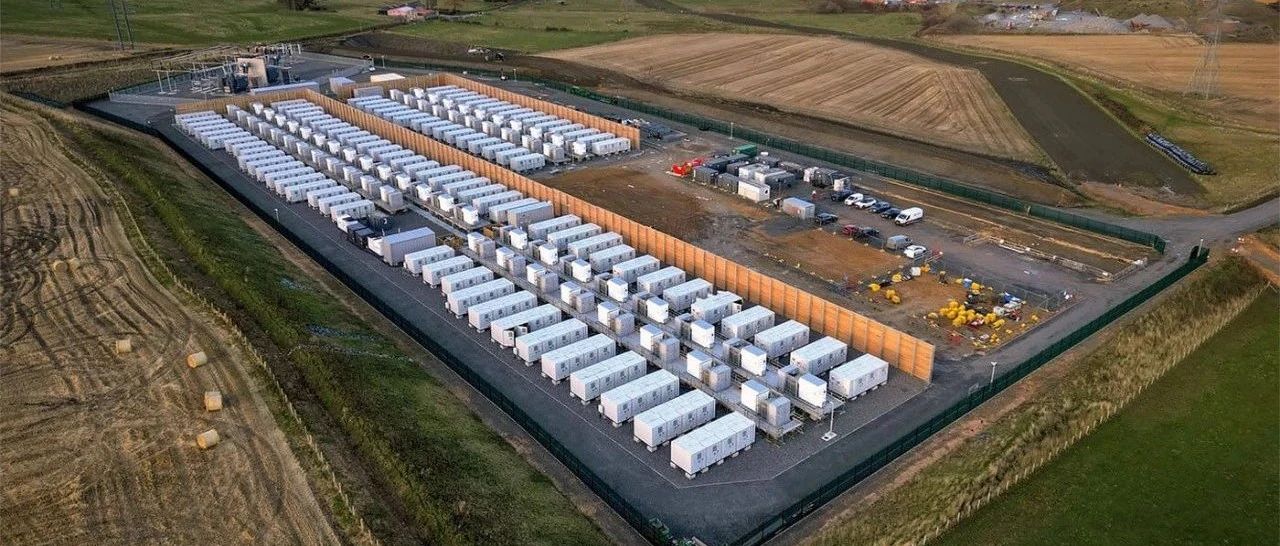
Core Viewpoint - The bankruptcy of Northvolt highlights the struggles of the European battery industry and its inability to compete with Asian counterparts in the global lithium battery market [2][5][6] Group 1: Northvolt's Bankruptcy Timeline - Northvolt's subsidiary, Northvolt ett expansion ab, filed for bankruptcy on October 8, 2024, due to liquidity issues, with debts of 606 million Swedish Krona (approximately 400 million RMB) [3] - On November 21, 2024, Northvolt AB and eight affiliated companies filed for bankruptcy protection in Texas, carrying a debt of 5.84 billion USD (approximately 42 billion RMB) while having only 30 million USD (approximately 200 million RMB) in available cash [3] - The final bankruptcy filing in Sweden on March 12, 2025, involved core business entities and signified the complete collapse of this once-promising European battery company [3] Group 2: Reasons for Bankruptcy - The initial bankruptcy was primarily due to a broken funding chain, while the second bankruptcy was triggered by customer order losses, notably from BMW, highlighting poor management leading to financial crises [4] - The March 2025 bankruptcy was attributed to a combination of external factors, including intensified global battery market competition, supply chain risks due to geopolitical instability, and fluctuating raw material prices, alongside internal issues like unresolved product quality and delivery problems [4] Group 3: European Battery Industry Challenges - Northvolt's repeated bankruptcies reflect the broader failure of the European renewable energy industry to establish a competitive edge, despite receiving over 10 billion USD (approximately 73 billion RMB) in support from governments [5] - European battery companies, including Northvolt, Britishvolt, and AMTE Power, are struggling to compete against leading Asian firms like CATL and BYD, which dominate the market due to their technological advantages and established supply chains [6] - The competitive landscape is increasingly favoring established players, with future advancements in battery technology expected to focus on higher energy density, longer cycle life, safety, and environmental sustainability, areas where Chinese companies are leading in research and innovation [6]

深度|SemiAnalysis万字长文:中国机器人已经遥遥领先,美国若错失机器人革命恐全盘皆输,制造业回流再无可能
Z Finance· 2025-03-12 10:21
Core Viewpoint - The article emphasizes the critical juncture the U.S. and the Western world face in the ongoing robotics technology revolution, highlighting the potential for China to dominate this field if the U.S. fails to keep pace with advancements in automation and robotics [1][2]. Group 1: China's Manufacturing Leadership - China has established itself as a global leader in manufacturing, demonstrating competitive advantages in scale economies and engineering quality across key industries, including batteries, solar energy, and electric vehicles [2]. - The impact of robotics technology is expected to grow exponentially, with the production of robots leading to continuous cost reductions and quality improvements, making it increasingly difficult for other countries to compete [2][3]. - Currently, Chinese companies hold nearly 50% of the global robotics market share, up from 30% in 2020, indicating a significant shift towards domestic manufacturers taking over high-end markets [3]. Group 2: Cost Disparities in Robotics - The cost of manufacturing a robotic arm similar to the Universal Robots UR5e model in the U.S. is approximately 2.2 times higher than in China, highlighting the significant cost advantage China holds in this sector [4][5]. - A detailed cost comparison shows that the total cost of a full light payload robot arm in the U.S. is $24,420, compared to $11,155 in China, representing a 118.9% cost increase for U.S. manufacturers [5]. Group 3: Supply Chain and Component Dependency - The U.S. manufacturing sector heavily relies on components sourced from China, even for products labeled as "Made in America," which complicates the narrative of domestic manufacturing independence [4][43]. - The supply chain for industrial robots is complex and often disrupted, as seen during the COVID-19 pandemic, which highlighted the vulnerabilities of Western economies compared to China's rapid adjustments and increases in robot installations [44]. Group 4: Robotics Technology Development - The article discusses the challenges in developing general-purpose robots capable of operating in unstructured environments, emphasizing the need for significant advancements in both hardware and software to achieve this goal [18][20]. - China has made remarkable progress in creating fully automated factories, exemplified by the operation of "unmanned factories" that can produce smartphones without human intervention, showcasing the potential for future advancements in automation [21][23]. Group 5: Types of Robots and Their Applications - The article categorizes various types of industrial robots, including articulated arms, SCARA robots, and collaborative robots (cobots), each designed for specific tasks and environments [24][28]. - Collaborative robots are increasingly being adopted in industrial settings due to their ability to work alongside humans and perform tasks that require flexibility and precision [30]. Group 6: Future of Robotics and AI Integration - The integration of AI and robotics is expected to revolutionize industries by enabling robots to perform complex tasks autonomously, thereby addressing labor shortages and enhancing operational efficiency in various sectors [20][21]. - The article concludes with a vision of a future where general-purpose robots can seamlessly operate in diverse environments, significantly transforming labor dynamics and productivity across industries [18][20].