宝马

Search documents
德国官员:美关税政策干扰全球产业链稳定
Sou Hu Cai Jing· 2025-08-10 10:22
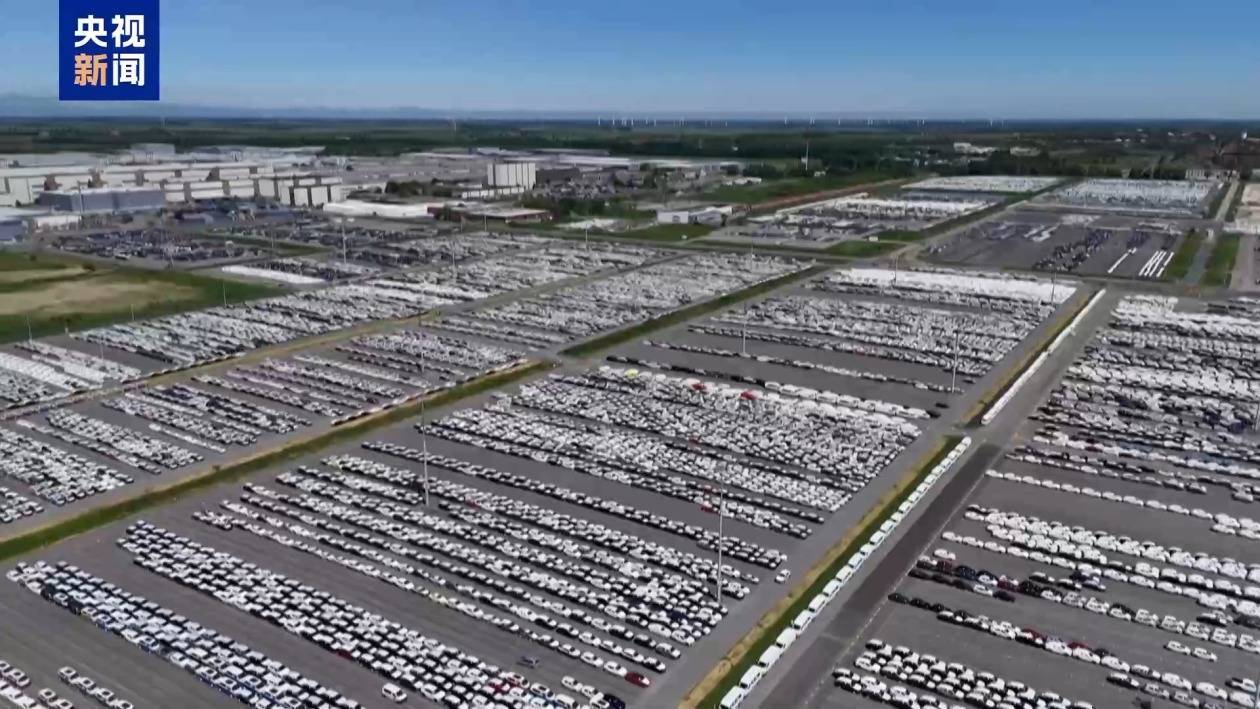
Group 1 - The Deputy Prime Minister of Bavaria, Aiwanger, criticized the US tariff policy for disrupting global supply chains and hindering technological progress, stating that tariffs cannot compensate for competitive shortcomings [1][3] - Bavaria, a hub for the automotive industry with companies like BMW and Audi, has faced significant losses due to high tariffs on car exports to the US, which are estimated to cost the German automotive sector billions of euros annually despite a recent reduction in tariffs to 15% [3] - Aiwanger emphasized the challenges facing the global automotive industry, including geopolitical tensions, supply chain restructuring, and rising protectionism, arguing that tariffs harm both German and European interests while increasing costs for American consumers [3] Group 2 - Aiwanger opposes high US tariffs and also does not support the EU imposing additional tariffs on Chinese electric vehicles, highlighting China's role as a significant consumer market and an important partner for the German automotive industry [5] - He advocates for improving global competitiveness through internal reforms rather than relying on tariffs as a solution to competitive disadvantages [5]

利润集体大幅下滑 BBA上半年交出最“惨”财报
经济观察报· 2025-08-10 04:27
Core Viewpoint - The BBA (Benz, BMW, Audi) brands are facing significant challenges in the Chinese market, leading to a substantial decline in profits and necessitating a strategy of deep localization to strengthen their market position [2][4][8]. Financial Performance - In the first half of 2025, BBA reported a collective profit decline, with Benz's net profit dropping by 55.8%, Audi's by 37.5%, and BMW's by 29% [2][4]. - Benz's revenue was €66.377 billion, down 8.6%, with a net profit of €2.688 billion, while BMW's revenue was €67.7 billion, also down 8%, and net profit at €4 billion [4]. - Audi's revenue increased by 5.3% to €32.57 billion, but net profit fell by 37.5% to €1.346 billion, indicating a trend of increasing revenue without corresponding profit growth [4]. Market Challenges - BBA is experiencing dual challenges from U.S. tariffs and declining sales in China, exacerbated by fierce competition from local luxury brands and an overall price war in the Chinese automotive market [2][5]. - The U.S. imposed a 25% punitive tariff on EU-imported cars, significantly impacting BBA's profitability, with Audi estimating losses exceeding €600 million due to tariffs and transformation costs [4][5]. Sales Performance - In the first half of 2025, Benz's global sales fell by 8% to 1.0763 million units, with a 14% decline in China [5][6]. - Audi's sales decreased by 5.9% globally, with a 10.2% drop in the Chinese market, while BMW's sales remained stable globally but saw a 15.5% decline in China [5][6]. Electric Vehicle Strategy - BBA is under pressure to accelerate their electric vehicle (EV) strategies, with Benz's EV sales down 14%, Audi's down 23.5%, while BMW's EV sales grew by 18.5% globally [6][10]. - BBA is focusing on localizing production and product offerings in China, with plans for new EV models and collaborations with local tech firms to enhance smart features [9][10]. Strategic Responses - To counter U.S. tariffs, BBA is increasing production capacity in the U.S., with Audi planning a $4.6 billion investment in a new factory [8]. - In China, BBA is emphasizing deep localization, including transferring headquarters functions and adapting products to meet local consumer demands [8][9]. Future Outlook - BBA has adjusted its financial forecasts downward due to ongoing challenges, with Audi lowering its revenue expectations and Benz revising its sales return rate [6][11]. - The competitive landscape in the luxury car market is shifting, with BBA needing to navigate a period of slower growth and increased competition from domestic brands [11].
俄罗斯:已邀请美总统赴俄与普京会谈;包头通报:讲师团主要负责人被免职;王兴兴谈宇树科技上市;资本大佬旗下公司拟主动退市丨每经早参
Mei Ri Jing Ji Xin Wen· 2025-08-09 22:49
Group 1 - The National Bureau of Statistics reported that the Consumer Price Index (CPI) in July increased by 0.4% month-on-month, reversing a previous decline of 0.1% in June, while year-on-year it remained flat [1] - The Producer Price Index (PPI) saw a month-on-month decline of 0.2%, with a year-on-year decrease of 3.6%, indicating a narrowing of the decline compared to the previous month [1] Group 2 - The Henan Provincial Development and Reform Commission announced the establishment of a 3 billion yuan artificial intelligence industry fund to support the development of the AI ecosystem and meet the financing needs of AI companies at different lifecycle stages [2] Group 3 - Sichuan Province, in collaboration with tax authorities from Chongqing, Yunnan, and Shaanxi, launched a new "buy and refund" service for outbound tax refunds, allowing international travelers to complete customs verification at multiple airports [3] Group 4 - The total box office for the summer film season in 2025 has exceeded 8.2 billion yuan, with the film "Nanjing Photo Studio" leading with over 2 billion yuan in box office revenue [4] Group 5 - The State Flood Control and Drought Relief Headquarters initiated a Level IV emergency response for flood prevention in Jiangsu, Anhui, Hubei, and Chongqing due to forecasted heavy rainfall [5] Group 6 - The city of Baotou announced the results of an investigation into talent recruitment issues, leading to the dismissal of the main responsible person for the lecturer group and the invalidation of the recruitment results [6] Group 7 - The city of Foshan reported a significant decrease in cases of Chikungunya fever, with over 90% of cases recovering, indicating effective epidemic control measures [7] Group 8 - The founder of Yushut Technology, Wang Xingxing, stated that the company is progressing towards an IPO, viewing it as a significant milestone for corporate maturity and accountability to shareholders [9][10] Group 9 - A well-known robotics company faced internal governance issues, with a proposal for a 2 million yuan monthly salary for its CEO being rejected, highlighting the importance of balancing management and shareholder interests [11][12] Group 10 - The China Europe Medical Innovation Fund announced restrictions on large subscriptions, limiting single accounts to a maximum of 100,000 yuan, which may impact investment strategies in the healthcare sector [13][14] Group 11 - BMW announced a recall of over 230,000 vehicles due to safety concerns related to the starter generator, emphasizing the importance of quality control in the automotive industry [15][16] Group 12 - The company *ST Tianmao, controlled by capital magnate Liu Yiqian, announced plans to voluntarily delist from the Shenzhen Stock Exchange, raising concerns about its future direction [17][18] Group 13 - Private equity giant Jinglin Asset revealed significant changes in its holdings, including new investments in Nvidia and the liquidation of Apple shares, reflecting a strategic shift in investment focus [19][20] Group 14 - Harvard's endowment fund invested approximately 116 million USD in BlackRock's Bitcoin ETF, marking a significant move in the cryptocurrency investment landscape [21][22]

豪华车们已无路可退,反攻之道就在眼前
3 6 Ke· 2025-08-09 14:18
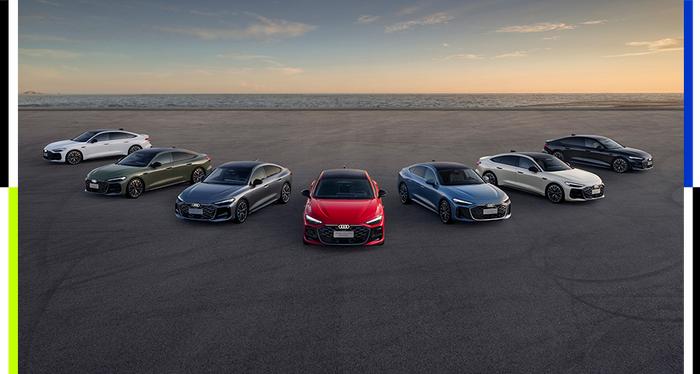
Core Viewpoint - The luxury automotive industry is facing significant challenges due to the rapid transformation driven by smart technology and electric vehicles, necessitating a shift towards intelligent and electric models to remain competitive [3][5][10]. Group 1: Market Trends - The automotive market in China is undergoing a comprehensive transformation, moving from wholesale to direct consumer engagement, with user demands increasingly dictating product definitions [3]. - Traditional luxury car manufacturers are struggling to adapt to the electric and intelligent vehicle trends, resulting in declining sales and profits [4][5]. - For instance, Mercedes-Benz's sales in Asia dropped by 16% year-on-year, while BMW's sales in China fell by 15.5% [4][5]. Group 2: Technological Integration - Audi has launched new models equipped with Huawei's QianKun intelligent driving technology, marking a significant step in integrating smart technology into luxury vehicles [7][20]. - The collaboration with Huawei allows Audi to enhance its intelligent driving capabilities while maintaining its engineering excellence [22][30]. - The QianKun technology includes advanced sensor systems that support high-level driving assistance across various scenarios, showcasing a blend of luxury and technology [7][20]. Group 3: Competitive Landscape - The competition in the luxury automotive sector is intensifying, with new entrants leveraging technology and capital to capture market share [17][30]. - Traditional luxury brands must adapt quickly to avoid being overshadowed by emerging players that prioritize smart and electric vehicles [17][30]. - The partnership with Huawei is seen as a strategic move for Audi to regain its competitive edge in the luxury market [11][30]. Group 4: Future Outlook - Huawei's QianKun is positioned as a leading force in automotive intelligent technology, with substantial investments in research and development aimed at enhancing product and user experience [26][29]. - The anticipated rollout of the QianKun ADS 4 technology is expected to significantly improve the performance and efficiency of autonomous driving systems [29][30]. - The luxury automotive sector must embrace this technological shift to maintain relevance and meet the evolving expectations of consumers [30].
豪华车们已无路可退,反攻之道就在眼前
36氪· 2025-08-09 13:35
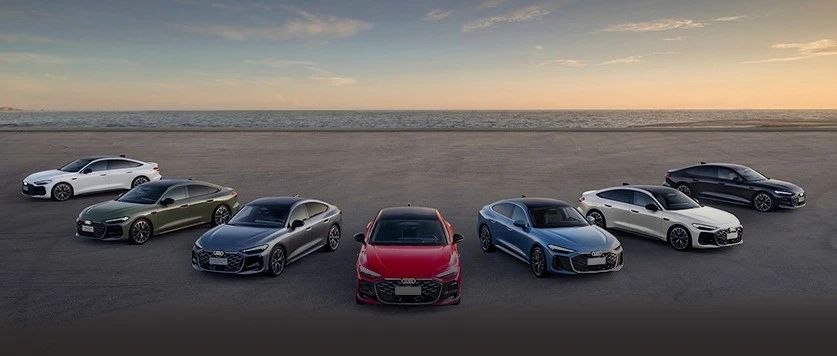
Core Viewpoint - The luxury automotive industry is facing significant challenges due to the rapid transformation towards electrification and smart technology, necessitating a shift in strategy to remain competitive, particularly in the Chinese market [3][4][44]. Group 1: Market Dynamics - The luxury car market in China is undergoing a comprehensive transformation, with consumer preferences shifting towards direct-to-consumer sales models and smart, electrified vehicles [3][4]. - Traditional luxury car manufacturers have struggled to adapt to these changes, resulting in declining sales and profits, as seen in the half-year reports of major brands like Mercedes-Benz and BMW [5][6][7][8][9]. - The competition is intensifying with the rise of new energy vehicle brands and tech-driven companies, which are rapidly gaining market share [22][23]. Group 2: Technological Transformation - The integration of AI and smart technology is becoming essential for luxury car brands to meet evolving consumer expectations, with a focus on features like advanced driver assistance systems [15][40]. - Audi has initiated a significant transformation by partnering with Huawei's QianKun technology to enhance its smart driving capabilities, marking a strategic shift towards integrating advanced technology into its vehicles [11][24][28]. - The collaboration with Huawei allows Audi to leverage cutting-edge technology while maintaining its engineering excellence, creating a competitive edge in the luxury segment [31][35]. Group 3: Huawei's Role - Huawei's QianKun technology is positioned as a key player in the automotive smart technology landscape, with substantial investments in R&D and a robust development framework [37][38][44]. - The QianKun driving assistance system is set to revolutionize the market with its advanced capabilities, including the upcoming ADS 4 architecture, which promises significant improvements in performance and efficiency [42][43]. - By partnering with Huawei, traditional luxury brands can quickly address their technological shortcomings and enhance their product offerings to meet the demands of modern consumers [44].
【高端访谈】美国关税政策干扰全球产业链稳定、阻碍技术进步——访德国巴伐利亚州副州长艾旺格
Xin Hua She· 2025-08-09 06:44
Group 1 - The core viewpoint emphasizes that tariffs are not a long-term solution for market access and disrupt global supply chains, hindering technological progress [1] - Bavarian companies, including major automotive manufacturers like BMW and Audi, face significant challenges in the U.S. market due to high tariffs, which have increased from 2.5% to as high as 27.5% [1] - A recent trade agreement has reduced the tariff rate to 15%, but it still results in annual losses of several billion euros for German companies [1] Group 2 - Bavaria has a strong economic relationship with China, with around 700 Bavarian companies operating in China and over 500 Chinese companies established in Bavaria [2] - The rapid development of China's automotive industry in areas such as smart technology and electric vehicles has impressed Bavarian officials, highlighting the importance of China as an innovation partner for the German automotive industry [2] - Collaboration between Germany and China is evolving from traditional trade to joint design and collaborative research, exemplified by NIO establishing a design center in Germany [2]
最新通知!法拉利、丰田等多品牌汽车被召回
Di Yi Cai Jing· 2025-08-09 06:06
Group 1 - Ferrari is recalling 381 units of the imported Purosangue due to a potential short circuit in the fuse box, which may lead to decreased braking performance [2][3] - GAC Toyota is recalling multiple models including 69,169 units of the new Camry and 57,402 units of the Levin due to improper control program settings that may cause the instrument panel to go black during startup [3][4] - GAC Toyota will provide free upgrades to the instrument panel control program for the affected vehicles to eliminate safety risks [4] Group 2 - FAW Toyota is recalling 54,143 units of the domestic Avalon due to safety concerns [5] - BMW is recalling various models including 1 unit of the imported 5 Series and 379 units of the domestic X5 due to potential issues with the starter generator's power connector that may lead to vehicle stalling or fire [8][9] - BMW will conduct free inspections and necessary replacements for the affected vehicles to address safety hazards [9][10] Group 3 - Stellantis is recalling 3,339 units of the imported Jeep Grand Cherokee 4xe due to potential damage to the air conditioning blower motor connector, which may impair visibility and increase collision risk [11] - Stellantis will inspect and replace the air conditioning blower motor assembly if necessary to mitigate safety concerns [11]
最新通知!法拉利、丰田等多品牌汽车被召回
第一财经· 2025-08-09 05:59
Core Viewpoint - The article discusses recent vehicle recalls by various automotive companies in China due to safety concerns related to specific vehicle models and manufacturing defects [2][3]. Group 1: Ferrari Recall - Ferrari is recalling 381 units of the imported Purosangue model due to a potential short circuit in the fuse box, which could lead to decreased braking performance [4][5]. Group 2: GAC Toyota Recall - GAC Toyota is recalling multiple models including the Camry, Levin, and others, totaling 69,169 units of the new ninth-generation Camry, 57,402 units of Levin, and smaller numbers of other models due to a control program issue that may cause the instrument panel to go black during startup [6][7]. - Additionally, GAC Toyota is recalling 6,154 units of the new ninth-generation Camry due to insufficient strength in the front suspension coil springs, which could lead to instability [8][9]. Group 3: FAW Toyota Recall - FAW Toyota is recalling 54,143 units of the domestic Avalon model due to similar instrument panel control program issues [11]. - The company is also recalling 79 units of the Sijie model and 6,866 units of Lexus models due to unspecified defects [12]. - Furthermore, 302 units of Corolla and related models are being recalled for instrument panel issues, with free upgrades or replacements offered [13]. Group 4: BMW Recall - BMW is recalling several models including 1 unit of the imported 5 Series and 1,012 units of the domestic 5 Series due to potential electrical connection issues that could lead to engine stalling or fire [15][16]. - The recall also includes 46,609 units of various imported models due to insulation monitoring issues that could cause loss of power to the electric drive unit [17][18]. Group 5: Stellantis Recall - Stellantis is recalling 3,339 units of the imported Jeep Grand Cherokee 4xe due to a manufacturing defect in the air conditioning blower motor connector that could impair visibility and increase collision risk [20][21].

美国努力功亏一篑,一觉醒来,欧盟日本全变卦了?美国就业崩盘,特朗普恼羞成怒解雇劳工局长
Sou Hu Cai Jing· 2025-08-09 02:01
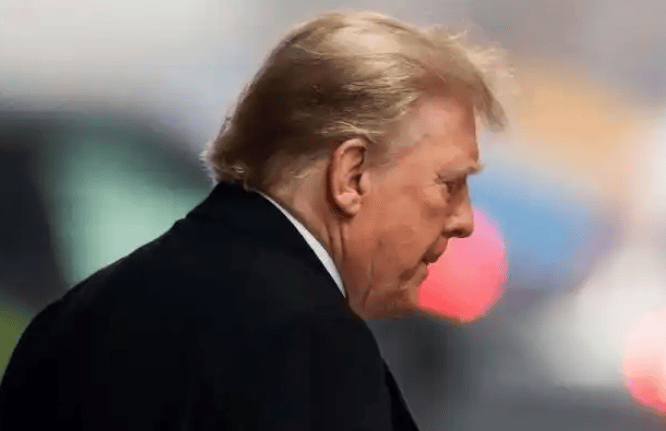
据智通财经报道,当地时间8月1日,美国劳工部公布7月非农数据远逊预期,特朗普当日下令解雇劳工 统计局局长,引发连锁反应。 美国劳工部数据显示,7月全美新增非农就业仅7.3万个,不仅低于市场预计的11万,5月、6月数据更 遭"断崖式"下调。原本公布的14.4万和14.7万新增岗位,修正后仅剩1.9万和1.4万,相当于此前数据被夸 大近10倍。失业率也微涨0.1个百分点,达到4.2%。 这份数据像一块巨石投入美国经济湖面。特朗普当天就在社交平台发文,指责劳工统计局局长埃丽卡· 麦肯塔弗"出于政治目的操纵数据",随即宣布将其解雇。白宫发言人泰勒·罗杰斯随后辩护称,劳工统 计局"数据历来不准确,且由无能者领导",国家经济委员会主任凯文·哈塞特则补充,机构数据已"非常 不可靠"。 特朗普(资料图) 欧盟的操作如出一辙。7月27日,欧盟主席冯德莱恩刚与特朗普达成协议,承诺向美国投资6000亿美 元,并采购7500亿美元能源产品。仅一天后,欧盟官员就澄清,6000亿美元全靠大众、宝马等私营企业 自愿投入,欧盟既不出钱也不担保。 这波操作让特朗普有苦难言。要知道,为换取这些"承诺",他已将欧盟汽车关税从50%降至15%,日本 ...
被特朗普要求“辞职”后,英特尔CEO陈立武发声;华兴资本包凡归来,结束两年半配合调查;LV回应关闭中国首家巧克力店丨邦早报
创业邦· 2025-08-09 01:09
Group 1 - Intel CEO Chen Liwu wrote a letter to employees clarifying that many things are "not factual" and hinted that he will not resign, emphasizing his commitment to the company's future goals and opportunities [3] - Intel stated its dedication to advancing U.S. national and economic security interests, planning to invest billions in semiconductor R&D and manufacturing in the U.S., including a new wafer fab in Arizona [4] - There are reported disagreements between Intel CEO Chen Liwu and some board members regarding core strategic issues, including whether to retain or exit the foundry business [4] Group 2 - The New York City Human Resources and Social Security Bureau has not yet acknowledged the recruitment plan by Pang Donglai, which includes positions for ex-convicts [8][9] - Huaxing Capital's founder Bao Fan has returned after two and a half years of cooperating with an investigation, but he will no longer participate in daily management [10] - Kuaishou has added an independent takeaway entry in its app, enhancing its local life services [21] Group 3 - Tesla is reportedly disbanding its Dojo supercomputer team and will rely on external technology partners like NVIDIA and AMD [23] - Lyten announced the acquisition of Northvolt's remaining assets and intellectual property, planning to restart its super factory [30] - Firefly Aerospace's stock surged over 34% on its first day of trading, achieving a market cap of approximately $8.5 billion [30] Group 4 - Japan's population is projected to fall below 120 million by 2026, reflecting a serious trend of declining birth rates [43] - China's robot industry saw a revenue increase of 27.8% year-on-year in the first half of the year, with industrial and service robots' production rising significantly [43] - In July, the retail sales of new energy passenger vehicles in China reached 987,000 units, marking a 12% year-on-year increase [43]