蔚来

Search documents
车圈大佬预警!存储芯片、金属、电池价格全在涨!车企怎么办?|人民智行
Zheng Quan Shi Bao Wang· 2026-01-14 03:13
Core Insights - The automotive industry is facing unprecedented supply chain cost pressures due to rising prices of memory chips, metals, and batteries, which are significantly impacting manufacturing costs [1][4][10] - A predicted shortage of memory chips could lead to a supply satisfaction rate of less than 50% in 2026, exacerbating the cost challenges for automakers [2][8] - The competition for resources between the automotive sector and emerging industries like AI and energy storage is intensifying, leading to a resource squeeze on traditional manufacturing [4][11] Memory Chip Price Surge - The global DRAM market is experiencing its strongest price increase in history, with prices for DDR4 and DDR5 rising by 200-300% since last year [2][5] - High-end smart electric vehicles require significant storage, with demand for memory chips expected to reach TB levels, increasing costs per vehicle by hundreds to thousands of yuan [3][6] Impact of Metal Prices - Prices for key metals such as copper, silver, and lithium have been rising, contributing to increased costs in electric vehicle production [3][7] - The use of copper in electric vehicles is significantly higher than in traditional fuel vehicles, amplifying the cost impact [3][10] Supply Chain Challenges - Automakers are struggling to balance supply chain resilience with cost control, leading to potential price increases, configuration adjustments, and delivery delays [1][10] - The competition for high-end storage capacity is skewed in favor of AI companies, which are securing a majority of DRAM production capacity, leaving traditional industries with limited resources [5][6] Long-term Outlook - The supply chain crisis is expected to persist for 3-5 years, with automakers currently absorbing cost pressures without passing them on to consumers [8][10] - There is a growing recognition of the need for supply chain diversification and domestic production capabilities in the semiconductor industry [12][11] Strategic Responses - Automakers are exploring strategies such as long-term supply agreements and partnerships with local suppliers to mitigate risks associated with rising costs [11][12] - The industry may see a shift towards vertical integration, with companies considering in-house production of critical components like batteries and chips [12]


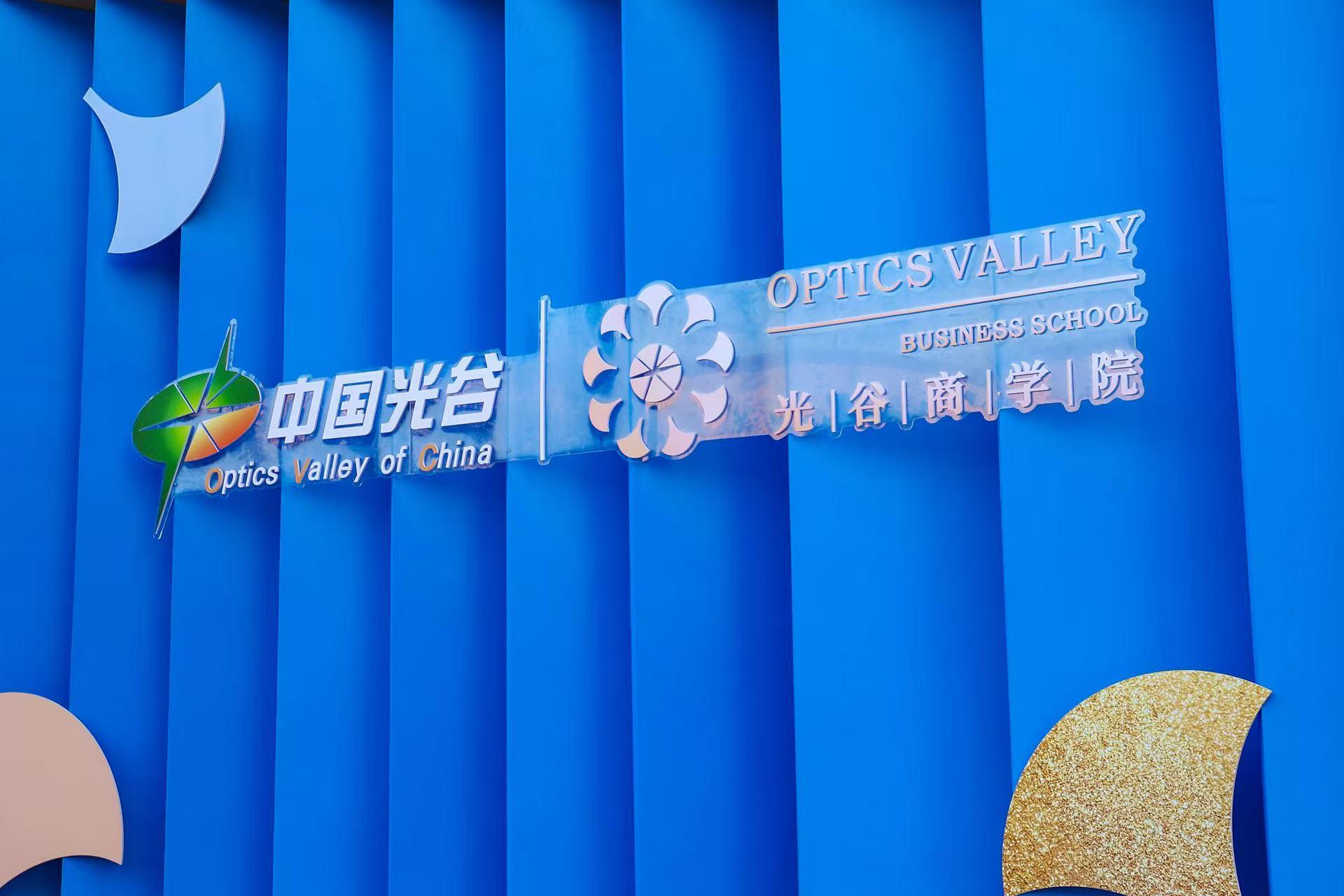
让“技术优等生”成为“市场领军者”,光谷商学院3年要培育500名科技企业家与创业者
Chang Jiang Ri Bao· 2026-01-14 02:57
1月13日,光谷商学院正式揭牌成立,首期"卓越班"开班。学院计划在未来3年内,培育500名科技企业家与创业者,推动不少于50家企 业年营收突破亿元,并助力光谷瞪羚企业新增500家。 光谷商学院由光谷人才集团负责实体化运营,定位于培育"一批兼具技术基因、商业思维、全球视野的卓越科创企业家"。 "中国光谷"迈向"世界光谷"的新征程,呼唤世界一流的领军企业、世界一流的企业家。光谷商学院的诞生,旨在系统破解科技创业者 普遍面临的"长于技术、短于市场"的发展瓶颈,成为助推科技企业跨越成长鸿沟、攀登产业高峰的"赋能引擎"。 光谷商学院致力于培育一批引领光谷产业发展的领军人物。 光谷商学院师资力量雄厚,华工科技产业股份有限公司董事长马新强担任院长,蔚来集团董事长李斌、联影集团董事长薛敏、阅文集 团总裁侯晓楠、英诺赛科董事长骆薇薇、长江存储董事长陈南翔、长飞光纤总裁庄丹、乐福思董事长王学海、精测电子董事长彭骞、帝尔 激光董事长李志刚等企业家担任顾问委员会委员。 教授来自北大光华、清华五道口、中欧国际工商学院等顶尖商学院,武大经管学院、华科大管理学院、长城企业战略研究所、北京和 君商学、清控银杏、丰年资本、科锐国际等13家头部 ...

观车 · 论势 || 激活循环经济 让“含绿量”成为“含金量”
Zhong Guo Qi Che Bao Wang· 2026-01-14 01:32
政策引导与企业自觉,最终需要坚实的产业能力作为支撑。根据生态环境部数据,截至2025年11 月,全国具备资质的报废机动车回收拆解企业已超1900家,这无疑为报废汽车回收环节的有序开展奠定 了坚实基础。然而,回收的目的,最终在于循环利用。因此,培育一批技术装备先进、管理运营规范、 创新能力突出的专业性企业,同样至关重要。 当"绿色"成为发展底色,汽车产业的价值衡量将不再局限于销量数据,而是拓展至低碳转型、资源 安全保障与产业链韧性提升的综合维度。让产品的"含绿量"成为品牌"含金量",这场关乎企业生存、产 业升级、社会发展的深刻变革,正是中国汽车产业完成从汽车大国向汽车强国转变的必由之路。 事实上,近年来,随着ESG(环境、社会和公司治理)理念在企业发展中战略地位不断提升,循环 利用正在成为众多领先车企及核心供应商的常态化实践。例如,吉利汽车聚焦生产制造过程的废料循 环,打通整车冲压余料和发动机加工铝屑的闭环回收和循环利用链路;蔚来汽车坚持应用可再生材料, 售出车辆的平均可再生利用率高达91.4%;宁德时代旗下湖南邦普研发的电池定向循环技术,可实现 镍、钴、锰等关键金属材料回收率超99.3%。 但揆诸现实,由于认 ...
港股开盘:恒指涨0.46%、科指涨0.42%,消费股及创新药概念股走高,AI应用板块回暖,汽车股走低
Jin Rong Jie· 2026-01-14 01:30
Market Overview - The Hong Kong stock market opened higher on January 14, with the Hang Seng Index rising by 0.46% to 26,971.97 points, the Hang Seng Tech Index up by 0.42% to 5,894.63 points, the State-Owned Enterprises Index increasing by 0.46% to 9,328.05 points, and the Red Chip Index gaining 0.25% to 4,156.46 points [1] Company News - Q Technology (01478.HK) expects a net profit growth of approximately 400% to 450% for the year ending December 31, 2025 [2] - China Coal Energy (01898.HK) anticipates a 10.2% decrease in coal sales volume to approximately 256 million tons for 2025, with December sales down by 23% year-on-year to 21.88 million tons [2] - Zhixing Technology (01274.HK) has been selected as a supplier for a Korean automotive group's driver assistance solutions for four vehicle models [2] - Country Garden (00832.HK) projects a total property contract sales amount of 8.467 billion yuan for 2025, a decrease of 16.3% year-on-year [3] - Hopson Development (00754.HK) expects total contract sales of approximately 15.607 billion yuan for 2025, down 6.15% year-on-year [4] - Chuangjie Tong (01588.HK) anticipates a profit attributable to the parent company between 76 million and 85 million yuan for 2025, representing a year-on-year increase of 127% to 154% [4] - SUTENG (02498.HK) forecasts laser radar product sales of approximately 912,000 units for 2025 [5] - Xiaocaiyuan (00999.HK) plans to establish a joint venture to develop an online mall and "community ready-to-eat stores" [6] - GDS Holdings (09698.HK) has recovered approximately 95% of the investment principal from DayOne, with an investment return rate of nearly 6.5 times [7] - China Biologic Products (01177.HK) intends to acquire 100% of Hejiya for a maximum base price of 12 million yuan to accelerate the development of its siRNA liver delivery platform [7] - Innovent Biologics (02696.HK) has had its Biologics License Application for Hanbeitai® (Bevacizumab Injection) accepted by the FDA [7] - Xiaomi Group (01810.HK) repurchased 4 million shares for 152 million HKD at prices between 37.94 and 38.04 HKD [8] - Tencent Holdings (00700.HK) repurchased 1.012 million shares for 636 million HKD at prices between 623 and 638 HKD [9] - Sunny Optical Technology (02382.HK) repurchased 640,000 shares for 41.7878 million HKD at prices between 64.55 and 65.8 HKD [10] Institutional Insights - Dongwu Securities suggests that the window for the Federal Reserve to cut interest rates this year is limited, and the impact of fiscal policies on the economy is still forthcoming. If the Fed does not cut rates in the first quarter, the rebound pace of the Hong Kong stock market will depend more on fundamental factors. The overall allocation strategy for Hong Kong stocks remains a barbell strategy, recommending a controlled allocation while waiting for more news [11] - Wanlian Securities highlights that policy opinions indicate a push to accelerate the industrialization and commercialization of brain-computer interfaces. The global competitive landscape in this sector shows the U.S. leading in invasive methods while China leads in non-invasive methods, focusing on key elements such as electrodes, chips, and algorithms [11][12]



中国金龙指数跌1.84%,摩根大通重挫超4%拖累主要股指高位回落,芯片与工业板块逆势创新高
Di Yi Cai Jing· 2026-01-14 00:11
Core Viewpoint - The financial sector is underperforming, dragging down overall market performance, while semiconductor stocks and industrial sectors continue to show strength, with the Philadelphia Semiconductor Index reaching a new closing high [1][2]. Financial Sector Performance - The financial sector led the decline, falling by 1.84%, marking a cumulative drop of 2.6% for the week, the largest two-day decline since mid-November [4]. - JPMorgan Chase reported a 4.2% drop in stock price, with adjusted revenue for Q4 2025 at $46.77 billion and net profit at $13 billion, exceeding market expectations due to strong performance in market trading [4]. - However, the investment banking segment underperformed, with revenues of $2.35 billion for Q4 2025, a 5% year-over-year decline, contrasting with prior expectations of low single-digit growth [4]. Market Reactions - Investor sentiment was negatively impacted by JPMorgan's earnings report and concerns over President Trump's proposed credit card interest rate cap, which could compress financial institutions' profit margins and affect consumer credit [2][5]. - Major credit card companies, Visa and Mastercard, saw declines of 4.5% and 4.3%, respectively, reflecting ongoing pressure in the financial sector [6]. Technology Sector Performance - In the technology sector, notable gains were observed with Intel rising by 7.33%, AMD up by 6.39%, and Alphabet's A and C shares increasing by 1.24% and 1.11%, respectively [3]. - Conversely, major tech stocks like Microsoft, Meta Platforms, and Amazon experienced declines, with Microsoft down 1.36% and Meta down 1.69% [3]. Economic Indicators - The U.S. Consumer Price Index (CPI) for December showed a year-over-year increase of 2.7%, with core CPI at 2.6%, both unchanged from November and below market expectations [6]. - Following the CPI data release, U.S. Treasury yields declined, with the 10-year yield falling by 2.4 basis points to 4.175% [7]. Commodity Market Performance - In the commodities market, international oil prices increased, with light crude oil futures for February rising by $1.65 to $61.15 per barrel, a 2.77% increase [8]. - Gold prices saw a slight decline, with spot gold down 0.19% to $4,588.82 per ounce, despite reaching an intraday high of $4,644 [8].

车市2025|反“内卷”、闯关L3,十大热词看行业进化轨迹
Bei Ke Cai Jing· 2026-01-14 00:07
Core Insights - In 2025, the focus of competition in China's automotive industry shifts from domestic market share battles to global competition centered on technology, systems, and regulations [1] - The industry is moving towards sustainable value creation, with a significant emphasis on technological innovation and user experience [4] - Key developments include advancements in solid-state batteries and megawatt fast charging technology, aimed at addressing electric vehicle range and charging anxiety [1][16][20] - The trend of "going global" deepens into full value chain localization, while listings attract international capital to reshape the global industry landscape [1][22][24] Group 1: Order Restoration - A "revolution of order" is underway in the automotive industry, countering the detrimental effects of endless price wars that have driven profits to historical lows [2][3] - The government has initiated corrective actions against "involution" competition, with measures including price monitoring and cost investigations [3][4] Group 2: Anti-Involution Measures - The average profit margin in the industry fell to around 4% due to aggressive price wars, prompting a government response to restore healthy competition [3] - A collective commitment from 17 automakers to enforce a 60-day payment term for suppliers was established to stabilize the supply chain and improve cash flow for smaller enterprises [5][6] Group 3: Second-Hand Vehicle Regulations - The "zero-kilometer used car" issue has been addressed, with regulations requiring that exported vehicles labeled as "used" must provide after-sales service commitments and parts supply guarantees [7][8] Group 4: Intelligent Driving Advancements - The automotive industry in China is transitioning from the demonstration phase of intelligent driving to large-scale application and regulatory commercialization [9] - The penetration rate of L2-level assisted driving features in new vehicles reached approximately 64% by Q3 2025, with major automakers standardizing high-level assisted driving in key models [11][12] - The first L3-level automated driving models received conditional approval for road testing, marking a significant legal milestone in the industry [13][14] Group 5: Technological Innovations - The path to solid-state battery commercialization has become clearer, with major automakers announcing production timelines and breakthroughs in technology [17][18] - Megawatt-level ultra-fast charging technology has advanced significantly, with BYD achieving a charging power of 1 megawatt, enabling rapid charging capabilities [20] Group 6: Global Market Dynamics - Chinese automakers are entering a new phase of globalization, focusing on local production and high-end branding to navigate trade barriers [22][23] - A wave of listings in international capital markets is providing substantial funding for Chinese automakers, enhancing their global competitiveness [24][25]

美股收盘走低,中概股普遍承压
第一财经· 2026-01-13 23:24
Core Viewpoint - The U.S. stock market closed lower, primarily driven by the financial sector, as investors reacted coldly to JPMorgan Chase's earnings report and expressed concerns over President Trump's proposed credit card interest rate cap, which could compress financial institutions' profit margins and impact consumer credit and the economy [3][4]. Financial Sector Performance - The financial sector was the biggest loser among the 11 major sectors of the S&P 500, falling by 1.84%, with a cumulative decline of 2.6% for the week, marking the largest two-day drop since mid-November [4]. - The S&P Bank Subindex dropped by 2.4% on the same day [4]. JPMorgan Chase Earnings Report - JPMorgan Chase's stock fell by 4.2% after reporting Q4 2025 adjusted revenue of $46.77 billion and net profit of $13 billion, with earnings per share of $4.63, exceeding market expectations due to strong performance in market trading [5]. - However, the investment banking segment underperformed, with revenues of $2.35 billion, a year-on-year decline of 5%, contrasting with prior expectations of low single-digit growth [5]. - Bond underwriting fees unexpectedly fell by 2%, against an anticipated growth of 19% [5]. Market Reactions to Interest Rate Cap - Trump's call for a 10% cap on credit card interest rates, effective January 20, negatively affected financial stock sentiment, with major players like Visa and Mastercard seeing declines of 4.5% and 4.3%, respectively [6]. - JPMorgan's CEO warned that the interest rate cap could erode bank profits and potentially lead to reduced credit limits for lower credit score consumers, impacting both consumers and the economy [6]. Economic Indicators - The U.S. Consumer Price Index (CPI) for December rose by 2.7% year-on-year, with core CPI also up by 2.6%, remaining stable compared to November and below market expectations [6]. - Following the CPI data release, U.S. Treasury yields fell, with the 10-year yield down by 2.4 basis points to 4.175% and the 2-year yield down by 2.5 basis points to 3.522% [6]. Commodity Market Insights - In the commodities market, international oil prices increased, with light crude oil futures for February delivery rising by $1.65 to $61.15 per barrel, a gain of 2.77% [6]. - Gold prices saw a slight decline, with spot gold down by 0.19% to $4,588.82 per ounce, while COMEX gold futures fell by 0.43% to $4,595 per ounce [7].

特朗普:取消所有与伊朗官员会谈,建议盟友“撤离”;韩国检方要求判处尹锡悦死刑;白银涨破89美元;“死了么”APP将更名丨每经早参
Mei Ri Jing Ji Xin Wen· 2026-01-13 21:57
Group 1 - The U.S. stock market experienced a collective decline, with the Dow Jones falling by 0.8%, the Nasdaq by 0.1%, and the S&P 500 by 0.19% [5] - The KBW Bank Index dropped by 1.3%, with JPMorgan Chase down by 4.2% [5] - The Nasdaq Golden Dragon China Index fell by 1.86%, with notable declines in stocks such as Pinduoduo down over 5% and NIO down over 3% [5] Group 2 - The U.S. government recorded a historical high fiscal deficit of $145 billion in December 2025, a 67% increase year-on-year [5] - International oil prices rose significantly, with WTI crude oil increasing by 2.61% to $61.05 per barrel and Brent crude by 2.44% to $65.43 per barrel [6] - The international gold price decreased by 0.26%, settling at $4,585.37 per ounce [6] Group 3 - The Ministry of Commerce announced the continuation of anti-dumping duties on imported solar-grade polysilicon from the U.S. and South Korea, effective from January 14, 2026, for a period of five years [9] - The Ministry of Industry and Information Technology released an action plan for the high-quality development of industrial internet platforms from 2026 to 2028, aiming for over 450 influential platforms and a resource connection capability enhancement [10] Group 4 - The Shanghai Municipal Government issued 28 measures to promote the quality and efficiency of the service industry and stimulate consumption [12] - The State Development and Reform Commission will lead the formulation of the "14th Five-Year" plan for circular economy development, focusing on resource utilization efficiency and green low-carbon transformation [11] Group 5 - Guizhou Moutai announced a market-oriented operation plan for 2026, focusing on product structure and marketing strategies to enhance consumer value recognition [24] - The company aims to reinforce its product pyramid structure, emphasizing social and collectible consumption attributes [24]

内存、金属、电池涨价潮共振 车企打响供应链成本“防御战”
Zheng Quan Shi Bao· 2026-01-13 18:06
Core Insights - The automotive industry is facing unprecedented supply chain cost pressures driven by rising prices of memory chips, metals, and batteries, which are significantly impacting manufacturing costs [1][4] - The demand for storage chips in modern electric vehicles is growing exponentially, with high-end models requiring between 64GB to 256GB, potentially reaching terabyte levels by 2030 [3][8] - The competition for resources between the automotive sector and emerging industries like AI and energy storage is intensifying, leading to a supply-demand imbalance for critical components [5][10] Memory Chip Supply Crisis - By 2026, the automotive industry may face a memory chip supply crisis, with a predicted supply satisfaction rate of less than 50% [2] - The global DRAM market is experiencing its strongest price surge, with prices for DDR4 and DDR5 chips increasing by 200-300% over the past year [2][8] - The automotive sector's transition to smart vehicles has made storage chips essential, as they support various functions from infotainment to autonomous driving systems [2][3] Rising Material Costs - The prices of key metals such as copper, silver, and lithium have been on the rise, contributing to increased manufacturing costs for vehicles [3][4] - The cost increase for raw materials is being passed down to battery production, further straining automotive manufacturers [3][7] - The automotive industry is struggling to balance supply chain resilience with cost control amid these pressures [1][4] Competitive Resource Allocation - The automotive industry is in a "disproportionate competition" with AI companies for high-end memory resources, as AI applications are prioritizing these components [5][6] - Major memory manufacturers are focusing on fulfilling orders from AI clients, which are often more profitable than those from the automotive sector [5][6] - Predictions indicate that by 2027, approximately 70% of global DRAM capacity will be allocated to AI, significantly reducing availability for traditional industries like automotive [5][6] Supply Chain Adjustments - Automotive companies are actively seeking ways to mitigate cost pressures through supply chain optimization and technology transformation [10][11] - Some companies are exploring partnerships with local suppliers and signing long-term contracts to secure better pricing and availability [10][11] - The ongoing supply chain challenges may lead to a significant restructuring of the automotive industry, with a focus on building more resilient and self-sufficient supply systems [11][12]
热门中概股多数走低,小马智行跌超6%
Mei Ri Jing Ji Xin Wen· 2026-01-13 15:30
Group 1 - The majority of popular Chinese concept stocks experienced declines on January 13, with Xiaoma Zhixing falling over 6% [1] - Pinduoduo saw a drop of more than 5% [1] - Kingsoft Cloud and Baidu both decreased by 4% [1] - NIO and Li Auto each fell by over 2% [1]