
奔驰

Search documents
小鹏狂卖 19 万辆背后,近半是 10 万级小车
阿尔法工场研究院· 2025-08-22 00:00
Core Viewpoint - The A-class car market has significantly boosted Xiaopeng Motors' performance, with a remarkable increase in delivery volume and revenue driven primarily by the launch of the MONA M03 model [2][3]. Delivery and Sales Performance - Xiaopeng Motors delivered approximately 197,200 vehicles in the first half of 2025, a 279% increase from about 52,000 vehicles in the same period last year [2]. - Total revenue reached 34.09 billion yuan, up 132.5% from 14.66 billion yuan year-on-year [2]. - The MONA M03 model accounted for approximately 43.79% of total deliveries in the first half of 2025, with around 86,400 units delivered [3]. Product Strategy and Market Positioning - The introduction of the MONA M03 marks Xiaopeng's shift towards the A-class car segment, aiming to improve cash flow and compete in the lower-priced market [2]. - The MONA M03 is priced between 119,800 yuan and 139,800 yuan, making it competitive against models like BYD's Qin PLUS EV, which has higher pricing for some variants [5]. - Xiaopeng's CEO has expressed ambitions to increase the monthly sales of the MONA M03 from 15,000 to 20,000 units [5]. Competitive Landscape - The A-class electric vehicle market is becoming increasingly competitive, with many new energy vehicle companies adopting similar strategies [2]. - Xiaopeng's mid-to-high-end models have struggled, with monthly sales not exceeding 10,000 units, indicating challenges in this segment [12]. Financial Performance - Xiaopeng Motors reported a net loss of 1.14 billion yuan in the first half of 2025, a reduction from previous years, indicating signs of financial improvement [14]. - The overall gross margin increased to 16.5% in the first half of 2025, up from 13.5% in the same period last year, with automotive gross margin rising from 6.0% to 12.6% [14]. - Research and development expenses increased by 48.6% year-on-year to 4.19 billion yuan, reflecting the company's commitment to innovation despite financial losses [15].


特朗普关税大棒效果初现!欧洲出口遭腰斩,美欧盟友情成塑料花?
Sou Hu Cai Jing· 2025-08-21 17:48
Group 1: Impact of Tariffs on European Exports - The EU's exports to the US fell by over 10% year-on-year in June, indicating a significant decline in trade due to new tariffs [1][2] - The tariffs imposed by the US include 50% on steel and aluminum, 25% on automobiles, and 15% on most goods, severely affecting European businesses [1][2] - The Eurozone's exports decreased by 2.4% month-on-month in June, while imports increased by 3%, leading to a reduction in trade surplus from €15.6 billion to €2.8 billion [2] Group 2: Consequences for Specific Industries - German car manufacturers face a dramatic increase in costs, with a 15% tariff on a $100,000 vehicle resulting in an additional $20,000 in duties, making it less competitive [2] - Steel companies are particularly hard-hit, as the 50% tariff transforms profitable operations into loss-making ventures [2][8] - Companies that stockpiled goods before the tariffs are now facing a lack of new orders, leading to excess inventory and potential cash flow issues [2][18] Group 3: Currency Effects on Trade - The strengthening Euro has compounded the impact of tariffs, making European goods more expensive in the US market [4] - For example, a €10 bottle of French wine has seen its price rise from $10.5 to $12.88 due to currency fluctuations and tariffs, reducing its competitiveness against cheaper alternatives [4] Group 4: US Strategic Intentions - The US tariffs appear to be a strategic move to protect domestic industries, particularly the automotive sector, by making European cars more expensive [6][8] - The tariffs are seen as a way to limit European market share in the US, benefiting American manufacturers at the expense of European competitors [6][8] Group 5: Global Trade Implications - The tariffs are expected to disrupt global trade, affecting not only Europe but also Asian suppliers who rely on European exports [11][13] - The International Monetary Fund has warned that a 1% increase in global tariffs could reduce world economic growth by 0.5%, highlighting the broader economic risks [13] Group 6: European Response - The EU is preparing retaliatory measures, including tariffs on American products such as bourbon and Levi's jeans, targeting key Republican constituencies [16][18] - European companies are adjusting their supply chains in response to tariffs, with some relocating production to avoid additional costs [18] Group 7: Long-term Outlook - The ongoing tariff conflict is likely to result in no winners, as both sides may suffer economically from the trade barriers [20][22] - Historical evidence suggests that trade protectionism leads to negative outcomes, as seen during the Great Depression, emphasizing the need for cooperation over conflict [22]
全国最有钱的人,怎么流行买国产豪车了?
创业邦· 2025-08-21 03:47
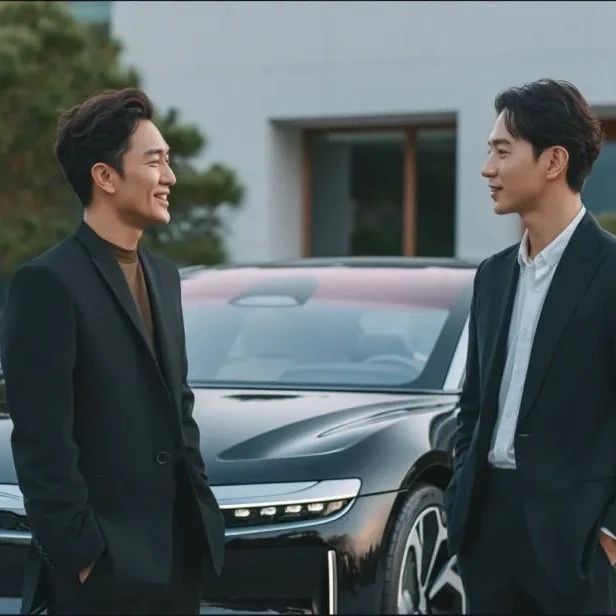
Core Viewpoint - The luxury car market is experiencing a shift as new domestic brands like NIO, Xiaomi, and others enter the high-end segment, targeting wealthy consumers with unique marketing strategies that emphasize identity and status rather than just transportation [6][11][14]. Group 1: Market Dynamics - The introduction of new luxury models priced between 500,000 to 1,000,000 yuan has changed consumer preferences, with events like private appreciation meetings becoming key marketing strategies [6][7][11]. - NIO's ET9 sold 835 units in its first full delivery month, outperforming competitors like BMW 7 Series and Audi A8L, indicating a growing acceptance of domestic luxury brands [9][12]. - The emergence of new wealthy consumers is altering the luxury car landscape, with a focus on high value and performance at competitive prices [14][21]. Group 2: Consumer Behavior - The profile of luxury car buyers is evolving; new buyers are often tech-savvy individuals who prioritize technology and performance over traditional brand prestige [22][29]. - Many new luxury car owners are less concerned with status symbols and more focused on the practicality and technology of their vehicles, reflecting a shift in consumer values [27][30]. - The new generation of luxury car buyers often has a personal connection to the brands, valuing the stories and backgrounds of the founders [31][32]. Group 3: Product Features - New luxury cars are characterized by larger sizes, advanced technology, and high-quality materials, appealing to affluent consumers' desire for both space and luxury [15][16][20]. - The focus on interior luxury includes the use of premium materials like crystal, marble, and Nappa leather, creating a home-like atmosphere within the vehicle [16][17]. - Technological advancements in new luxury cars, such as NIO's extensive sensor suite and Xiaomi's performance capabilities, are key selling points that attract buyers [29][30].


新能源渗透率打破僵局,一个新阶段或已开启
Hu Xiu· 2025-08-21 03:24
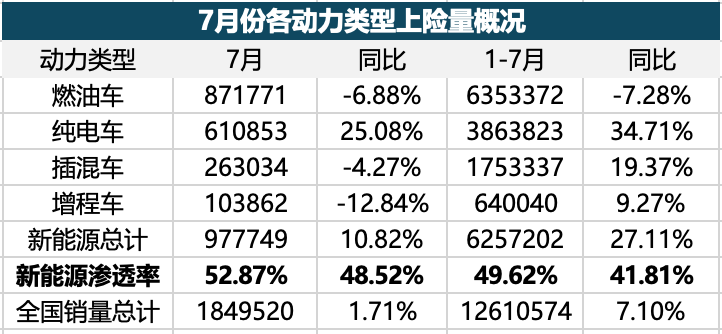
Core Insights - The Chinese automotive market is experiencing significant changes in the second half of 2025, particularly in the new energy vehicle (NEV) segment and the competition between domestic and overseas brands [1][4]. Market Performance - In July, the total new car insurance volume in the Chinese market reached 1.85 million units, a slight increase of 1.7% year-on-year, indicating a weak growth trend compared to previous months [2]. - Domestic brands saw a year-on-year increase of 11% in July, while overseas brands experienced a decline of 11.5%, highlighting a stark contrast between the two segments [3][10]. New Energy Vehicle Insights - The penetration rate of new energy vehicles in July surpassed 52.87%, marking a significant breakthrough after nearly a year of stagnation [6][5]. - The total sales of new energy vehicles in July reached 977,749 units, reflecting a year-on-year growth of 10.82% [8]. - Pure electric vehicles were the main drivers of this growth, with a 25.1% increase in July, while plug-in hybrids and range-extended vehicles saw declines [9][8]. Brand Performance - Domestic brands achieved a record market share of 64.1% in July, with sales of 1.186 million units, while overseas brands sold 664,000 units [11]. - BYD, the leading domestic NEV manufacturer, experienced a decline of 19.9% in July, contrasting with the overall growth of the domestic market [12][14]. - Geely and Changan reported significant growth, with Geely's sales increasing by 60.5% in July [15][16]. Overseas Brand Trends - Major overseas brands like Volkswagen and Toyota saw declines in July, with Volkswagen's sales dropping by 8.9% and Toyota's by 4.2% [19][20]. - Nissan, however, achieved a 17.3% increase in sales, surpassing Honda's total sales [22]. Luxury Brand Performance - The luxury segment, particularly the "BBA" (Benz, BMW, Audi), faced further declines, with BMW's sales down by 21.6% and Audi's by 26.8% [26][24]. - New force brands like AITO surpassed traditional luxury brands in sales, indicating a shift in consumer preferences [27][29]. New Forces in the Market - The new force brand AITO led the sales among new energy brands in July with 41,501 units, slightly surpassing Tesla [30][31]. - Other new energy brands like Zero Run and Xiaopeng reported substantial growth, with Zero Run's sales increasing by 91.7% [32][30]. Summary - The automotive market in China is undergoing a transformation, with significant shifts in NEV penetration and brand competition. The recent performance indicates a potential reshaping of market dynamics, particularly with the rise of domestic brands and new energy vehicles [35][36].
长城汽车超豪车BG品牌开启招标报名工作
Jing Ji Guan Cha Bao· 2025-08-21 03:11
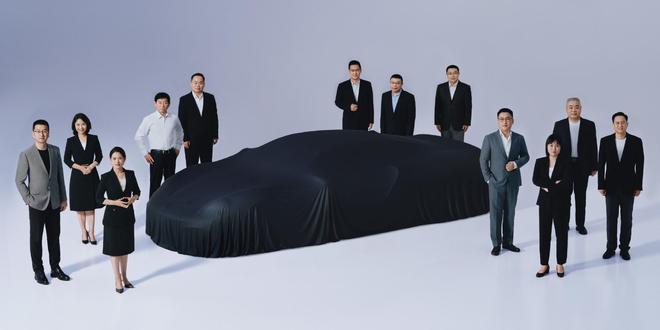
经观汽车 8月21日,据官方消息,长城控股招标中心发布"长城汽车超豪车BG品牌用户活动项目",长城表示,现 面向全球公关招募具备超豪品牌服务经验与卓越社交媒体运营能力的供应商,服务长城汽车超豪车 BG,协助用户活动的规划和执行。其中,投标主体要求包括需要有独立的设计团队,设计团队负责人 需要有服务过Apple,可口可乐,LVMH,保时捷,劳斯莱斯,阿斯顿马丁,奔驰或同等级别的品牌的 经验。 免责声明:本文观点仅代表作者本人,供参考、交流,不构成任何建议。 ...

英王室选“武汉制造”,中国汽车如何讲好精品故事
Huan Qiu Shi Bao· 2025-08-21 02:41
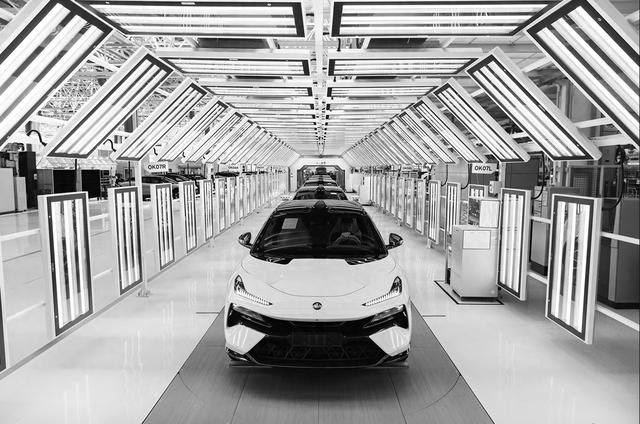
Core Viewpoint - The selection of the Wuhan-made Lotus electric vehicle by King Charles III highlights the rising global status of Chinese electric vehicles, showcasing their high quality, design, and intelligent technology [2][3]. Group 1: Lotus Electric Vehicle - King Charles III has purchased the Lotus ELETRE, a fully electric SUV produced at the Wuhan Lotus global smart factory, priced at approximately £120,000 with a range of 280 miles (about 450 kilometers) and a 0-100 km/h acceleration in 2.9 seconds [3][4]. - The Lotus brand, founded in 1948 by British engineer Colin Chapman, was acquired by Zhejiang Geely in 2017, and production was moved to Wuhan in 2022 [3][4]. - The ELETRE model is described as having "racing DNA" and is specially painted in royal crimson for the King [3][4]. Group 2: Market Trends and Consumer Preferences - The British royal family has historically favored luxury brands like Rolls-Royce and Bentley, but there is a growing interest in environmentally friendly vehicles [4]. - The Lotus ELETRE is seen as a shift for the brand into the broader luxury market, with positive media reception highlighting its performance and innovation [4]. - Chinese brands, including BYD, are increasingly focusing on high-end market positioning and adapting to consumer preferences for practicality, reliability, and environmental performance [5][6]. Group 3: Technological Advancements - The Lotus ELETRE features advanced intelligent functions, including a navigation-assisted driving capability that does not rely on high-definition maps [5]. - Collaborations, such as the one between Hong Kong University of Science and Technology and BYD, aim to push forward research in robotics and smart manufacturing [7]. - The future of the automotive industry may lean towards shared mobility solutions and autonomous driving technologies, with a focus on safety and comfort rather than ownership [8][9]. Group 4: Branding and Cultural Influence - The concept of "Chinaxury" is emerging, where Chinese brands redefine luxury through quality and cultural narratives, moving beyond just price competitiveness [11][12]. - The narrative around products is becoming increasingly important, with companies encouraged to integrate high-quality and high-end concepts into their branding strategies [11][12]. - There is potential for Chinese automotive companies to develop into globally recognized brands akin to Apple, leveraging rapid technological advancements and strong manufacturing capabilities [12].

泡泡玛特王宁:今年营收300亿很轻松;Manus收入运行率达到9000万美元;钉钉否认或优化不主张加班高管丨邦早报
创业邦· 2025-08-21 00:08
Group 1 - The core viewpoint of the article highlights various companies' recent developments and market activities, indicating potential investment opportunities and industry trends [3][5][8][10][12][19][30][32]. Group 2 - Pop Mart has seen a stock price increase of over 7% after founder Wang Ning announced the upcoming release of a mini version of Labubu, projecting an easy revenue target of 30 billion RMB for the year [3]. - China FAW Group is rumored to be planning to acquire approximately 10% of Leap Motor's shares, with both companies remaining non-committal on the matter [5]. - Manus, an AI platform, reported a revenue run rate of 90 million USD, indicating strong growth potential [5]. - Intel's stock has surged by 28% this month, adding approximately 24 billion USD to its market capitalization, reaching its highest valuation since the internet bubble [8]. - Xiaomi's automotive division reported a revenue of 21.3 billion RMB in Q2, a year-on-year increase of 234%, with expectations of profitability in the second half of the year [8]. - NIO has taken legal action against accounts spreading false information about the brand, indicating a proactive approach to brand protection [10]. - ByteDance has denied rumors of collaborating with Chipone on AI chip development, clarifying its strategic direction [10]. - Geely has reassured customers that promised basic data services will remain unchanged, addressing concerns over service modifications [15]. - The Beijing AIGC audiovisual industry innovation center has been launched, aiming to enhance the production capabilities of audiovisual content through AI technology [16]. - Databricks has announced a valuation exceeding 100 billion USD as it seeks funding, reflecting the growing interest in AI data analysis platforms [19].

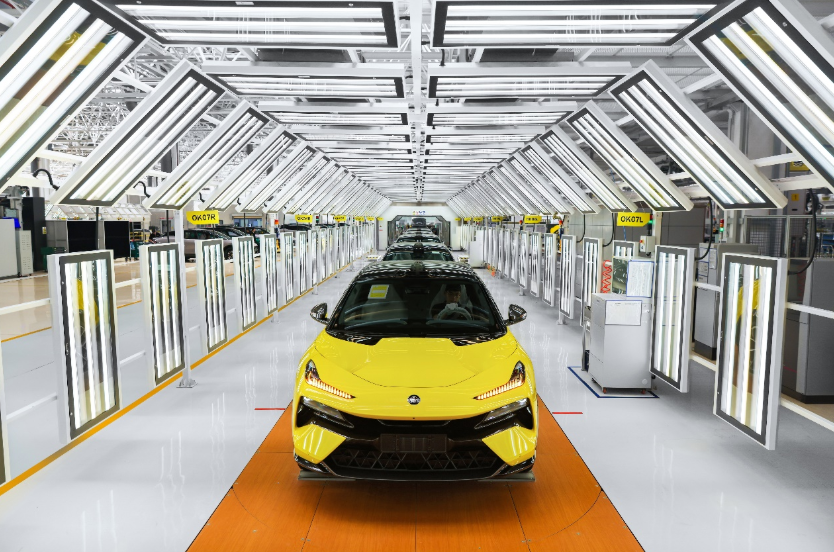
财经观察:英王室选“武汉制造”,中国汽车如何讲好精品故事
Huan Qiu Shi Bao· 2025-08-20 22:38
Core Insights - The selection of the Chinese Lotus electric vehicle by King Charles III highlights the rising global status of Chinese electric vehicles, emphasizing their high cost-performance ratio, aesthetic design, and intelligent technology [1][3][4] Group 1: Lotus Electric Vehicle - King Charles III has chosen the Lotus ELETRE, a fully electric SUV manufactured in Wuhan, China, which features a price of approximately £120,000, a range of 280 miles (about 450 kilometers), and acceleration from 0 to 100 km/h in 2.9 seconds [3][4] - Lotus, originally a British brand founded in 1948, was acquired by Zhejiang Geely in 2017, and production was moved to Wuhan in 2022, showcasing a blend of British heritage and Chinese manufacturing capabilities [3][5] Group 2: Market Trends and Consumer Preferences - The shift in consumer preferences in Japan towards practicality, reliability, comfort, and environmental performance is noted, with Chinese brands like BYD gaining traction in this market [6] - The collaboration between Hong Kong University of Science and Technology and BYD aims to advance research in robotics and intelligent manufacturing, indicating a focus on innovation in the automotive sector [7] Group 3: Future of Automotive Industry - The potential for autonomous driving technology to redefine consumer experiences in transportation is discussed, with a vision of vehicles serving as shared mobility platforms rather than personal ownership [8] - The narrative around Chinese luxury brands, termed "Chinaxury," is evolving, with a focus on integrating cultural values and lifestyle choices into product offerings, moving beyond mere price competition [10][11]
利润半年蒸发1000多亿!不卖燃油车,欧洲要完蛋?
电动车公社· 2025-08-20 16:04
Core Viewpoint - The European automotive industry is facing a severe crisis due to the EU's strict environmental policies, particularly the 2035 ban on internal combustion engine vehicles, which could lead to significant financial losses for major car manufacturers [2][56]. Group 1: Financial Performance of European Automakers - Major European automakers reported significant profit declines in the first half of 2023, with Mercedes-Benz's net profit down 56%, BMW's down 29%, and Volkswagen's operating profit down 32.8% [4]. - Stellantis faced a staggering net loss of €2.256 billion in the first half of 2023, a stark contrast to its previous profitability [4][5]. - The overall financial struggles are attributed to the lower profitability of electric vehicles compared to traditional fuel vehicles [5]. Group 2: Market Dynamics and Competition - European automakers have been adversely affected by the rising market share of Chinese brands, which have captured over 64% of the Chinese market, leading to a decline in European brands' market presence [9][11]. - The average selling price of fuel vehicles in Europe has decreased, further squeezing profit margins for luxury brands [12]. - The shift to electric vehicles has not compensated for the losses from fuel vehicles, as European manufacturers struggle with the lack of smart technology and competitive pricing [15][19]. Group 3: Challenges from Policy and External Factors - The EU's 2035 ban on fuel vehicles is seen as a potential death knell for the industry, with calls for a reconsideration of this policy to allow for continued sales of fuel vehicles to maintain profitability [56][60]. - The introduction of tariffs by the U.S. has compounded the financial pressures on European automakers, with companies like Porsche and Jaguar Land Rover reporting significant losses due to these tariffs [44][51]. - The EU's environmental regulations, while aimed at reducing carbon emissions, have created a challenging environment for automakers who are already facing financial difficulties [64].

韩国三大电池厂加速布局方形电池
Shang Wu Bu Wang Zhan· 2025-08-20 15:37
Core Insights - The demand for square batteries is increasing among global automakers, with companies like BMW, Mercedes-Benz, and Volkswagen expanding their usage, and Tesla reportedly planning to source from South Korean manufacturers [1] Group 1: Market Trends - The share of square batteries in the global power battery market is projected to rise from over 50% in 2021 to 77% by 2024, according to SNE Research [1] Group 2: Company Developments - Samsung SDI is enhancing its existing advantages by introducing new technologies such as thermal diffusion prevention and Cell to Pack [1] - LG Energy Solution is collaborating with General Motors to develop square batteries, with plans for application in GM's large SUVs and pickups by 2028 [1] - SK On has completed the research and development of square batteries [1]