
三只松鼠

Search documents
东吴证券晨会纪要2026-01-28-20260128
Soochow Securities· 2026-01-28 04:51
Macro Strategy - The IPCA model shows better application effects in the domestic credit bond market compared to the US market, with a Sharpe ratio consistently above 1.45 and above 2.2 from May to December 2025 [1][13] - The strategy exhibits asymmetric risk/reward characteristics, with 75% of sample dates showing positive excess credit returns, and a maximum excess return of 0.13% from January 2024 to December 2025 [1][13] - The practical operability of the strategy is strong, allowing for investment in bonds with similar risk characteristics even when specific bonds are not available in the secondary market [1][13] Fixed Income Opportunities - The "14th Five-Year Plan" emphasizes the development of key industries, including new pillar industries, future industries, traditional industry upgrades, infrastructure construction, green transformation, and consumer upgrades, which are expected to receive policy support and financing breakthroughs [2][14] - A total of 1,098 bond-issuing entities align with the "14th Five-Year Plan," with a total bond scale of approximately 10.8 trillion yuan, primarily rated AAA and concentrated in East and North China [2][14] - The participation of bond-issuing entities in the six key industries shows significant differentiation, with infrastructure and new pillar industries leading in both the number of issuers and bond scale [2][14] Industry Insights - The public utility sector is expected to benefit from deepened electricity reforms, with recommendations to focus on green electricity, thermal power, hydropower, nuclear power, and the valuation of photovoltaic and charging pile assets [7] - The food and beverage sector is anticipated to experience a spring consumption surge, particularly in snacks, dining, and seasonal beverages, with a positive outlook for Q1 2026 due to favorable market conditions [7] - Companies like KaiGe Precision Machinery and HeMai Co. are positioned to benefit from the growing demand in AI computing and energy storage, with projected profit growth in the coming years [9][10]
刚刚,鸣鸣很忙在港交所上市
Sou Hu Cai Jing· 2026-01-28 02:20
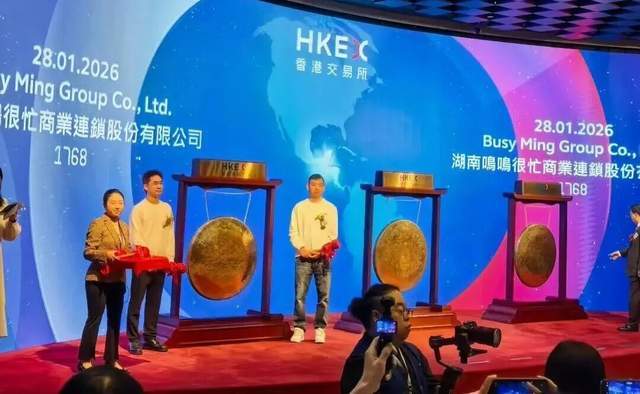
Core Viewpoint - "Mingming Hen Mang," China's largest leisure food and beverage retail chain, officially listed on the Hong Kong Stock Exchange, with a significant market valuation reflecting strong market expectations for its growth potential [2] Group 1: Company Overview - "Mingming Hen Mang" has expanded from a regional brand in Hunan to a national leader in the retail sector, utilizing a dual-brand synergy model to build its retail empire [3] - The company has achieved rapid growth, with a projected increase in store count from 6,585 in December 2023 to 19,517 by September 30, 2025, marking nearly a threefold expansion [4] - The merger of "Mingming Hen Mang" and "Zhao Yiming Snacks" has created a complementary national layout, enhancing market coverage and operational efficiency [4][5] Group 2: Business Model and Market Position - The rise of "Mingming Hen Mang" is attributed to a shift in the Chinese leisure food retail industry, moving away from traditional supermarket reliance to a more efficient, direct-to-consumer model [6] - The company has established a competitive edge through a supply chain policy that reduces intermediaries, allowing for lower prices—approximately 25% cheaper than similar products in supermarkets [7] - "Mingming Hen Mang" has a diverse product offering with over 1,800 SKUs per store, significantly higher than the average for similar-sized supermarkets, and 34% of its products are custom-made in collaboration with manufacturers [7] Group 3: Industry Trends and Challenges - The leisure food retail sector is undergoing transformation, with a growing demand for high-quality, affordable products, particularly in lower-tier markets [8] - Despite its advantages, "Mingming Hen Mang" faces challenges such as low profit margins, competition, and the need to adapt to changing consumer preferences towards healthier options [10] - The listing on the Hong Kong Stock Exchange marks a significant milestone, but the company must balance growth with profitability and operational control to sustain its market position [11]

多次封禁后又复出的头部主播“太原老葛”,涉虚假宣传、价格欺诈入选市监总局公布十大案例
Xin Lang Cai Jing· 2026-01-27 15:51
Core Viewpoint - The prominent live-streaming host "Taiyuan Lao Ge" has faced multiple penalties from various authorities over the past decade for issues related to false advertising and price fraud, culminating in significant legal actions against his associated company, Shanxi Lao Ge Trading Co., Ltd. [1][10] Group 1: Background and History - "Taiyuan Lao Ge," whose real name is Ge Liang, gained fame through collaborations with other internet celebrities and has been involved in various controversies since 2013 [2]. - The host's popularity peaked with over 9.9 million followers on a live-streaming platform, but he has been penalized multiple times for illegal activities, including hosting unapproved large events and creating false narratives during live broadcasts [2][6]. Group 2: Legal Issues and Penalties - In January 2026, Shanxi Lao Ge Trading Co., Ltd. was implicated in a major case of false advertising and price fraud, which was highlighted by the State Administration for Market Regulation as one of the top ten significant cases of 2025 [1][10]. - The company faced administrative penalties totaling 5.6 million yuan for misleading promotional practices and was also fined 1.2051 million yuan for tax-related violations, including failure to withhold personal income tax [9][10]. Group 3: Allegations of Fraud - A businesswoman, Wang Cui, reported that she incurred losses exceeding 10 million yuan due to fraudulent practices associated with "Taiyuan Lao Ge," including inflated sales figures and excessive returns from customers [3][4]. - Evidence presented indicated that out of 28.11 million yuan in sales during four live-streaming sessions, 19.11 million yuan were attributed to fake orders, leading to significant financial losses for the involved merchants [3][4]. Group 4: Industry Impact - The controversies surrounding "Taiyuan Lao Ge" reflect broader issues within the live-streaming e-commerce industry, including rampant false advertising and unethical marketing practices that have prompted regulatory scrutiny [8][10]. - The case has drawn attention to the need for stricter regulations in the live-streaming sector to combat unfair competition and protect consumer rights [10].
被曝坚果礼盒中坚果占比不到4%,百草味:是经销商自行组合
Nan Fang Du Shi Bao· 2026-01-27 07:42
Group 1 - The core issue revolves around a controversy regarding a nut gift box sold by Baicaowei, which was priced at 32.9 yuan and weighed 958 grams, but contained only 33 grams of walnut kernels, making up less than 4% of the total weight [1] - Baicaowei's representative stated that the company conducted an internal investigation and confirmed that the disputed gift box was never sold in their official store; it was a product assembled by a distributor [1] - The company has instructed the distributor to remove the gift box from sale and is working to communicate with consumers to resolve the issue promptly [1] Group 2 - Baicaowei is a snack brand founded in Hangzhou, with its first physical store opened in 2003 and transitioned to online sales in 2010, becoming a significant player in the e-commerce snack market [2] - The brand has been recognized as one of the three major internet snack brands alongside Three Squirrels and Liangpinpuzi [2]

探店北京区域“胖改”店
Sou Hu Cai Jing· 2026-01-26 16:36
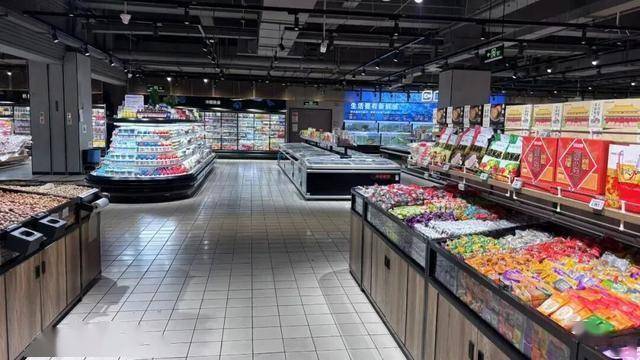
Core Viewpoint - The transformation of traditional supermarkets is not just about store renovation but involves deeper challenges such as supply chain restructuring, organizational culture change, and sustainable profitability [1]. Group 1: Consumer Behavior and Store Experience - Consumers have decreased in number at renovated stores, with some expressing dissatisfaction over higher prices and a lack of everyday items like fresh produce [3][6][8]. - Renovated stores have adopted a more boutique supermarket style, which some consumers find appealing, but others feel it lacks the "liveliness" and affordability of previous offerings [6][10][11]. - Observations indicate that foot traffic has significantly declined post-renovation, with stores that were once crowded now appearing empty, especially during peak shopping times [8][10]. Group 2: Pricing and Competition - The price increases following renovations have led consumers to seek alternatives, with many opting for online shopping where prices are often lower [14][16]. - Comparisons show that some products in renovated stores are priced significantly higher than similar items available on e-commerce platforms, leading to a perception of poor value [16][18]. - The competition from membership-based warehouse stores like Sam's Club adds pressure on traditional supermarkets to justify their pricing strategies [31]. Group 3: Operational Challenges and Employee Dynamics - The transformation efforts have resulted in a substantial increase in labor costs, with employee numbers and salaries rising significantly, which poses challenges to profitability [35][37]. - The need for consistent service quality across different locations and store sizes remains a critical challenge as companies scale their renovation efforts [37]. - The unique cultural and operational strengths of successful models like "胖东来" are difficult to replicate, creating a gap in execution for other supermarkets [35][37]. Group 4: Future Outlook and Strategic Considerations - The ongoing transformation of traditional supermarkets is seen as a necessary evolution in response to changing consumer preferences and competitive pressures [29][33]. - The ability of companies to navigate deeper operational challenges will determine whether they can establish themselves as sustainable "quality supermarkets" rather than fleeting trends [37][38].

离春节不到1个月,有人预测4类东西将涨价,早做准备不花冤枉钱
Sou Hu Cai Jing· 2026-01-26 15:35
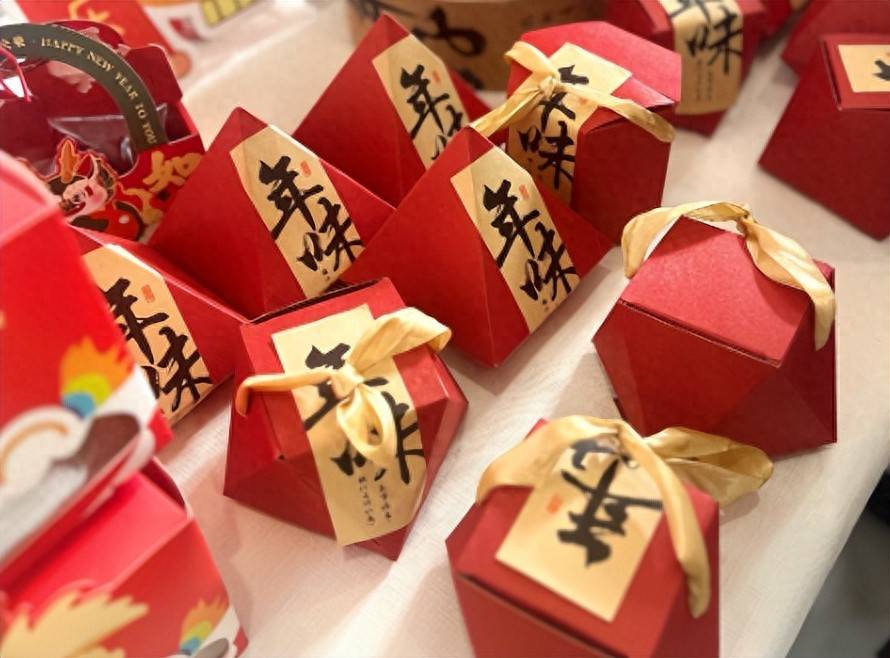
Group 1 - Major companies are planning to raise prices after the Spring Festival, affecting various products from packaging to snacks and skincare items [1][3] - The paper industry is experiencing a collective price increase, with leading companies announcing a price hike of 200 yuan per ton for white cardboard starting from late February or early March 2026 [3][10] - The increase in paper prices is driven by rising operational costs and reduced supply, with major manufacturers like Jiu Long Paper and Lin Sheng Pulp Paper planning maintenance that will decrease market supply by approximately 120,000 tons [8][10] Group 2 - The price increase strategy is timed to coincide with the post-holiday market recovery, creating urgency for downstream customers to purchase before prices rise [12][14] - The cost of packaging materials is expected to rise, impacting the prices of consumer goods, particularly popular snacks like nuts, which have already seen price adjustments ranging from 0.2 to 10 yuan [16][20] - The beverage industry, particularly high-end liquor brands, is also expected to raise prices following the Spring Festival, as maintaining brand image is crucial for premium products [27][31] Group 3 - International beauty brands are anticipated to adjust prices in the post-Spring Festival period, with average increases typically ranging from 10% to 30% [37][38] - Brands like Estée Lauder and L'Oréal are likely to raise prices on numerous products, with significant price hikes reported for individual items [40][42] - The rationale behind these price increases includes rising raw material costs, increased operational expenses, and currency fluctuations, as companies face pressure to improve profit margins amid declining sales [42][43]

炒货,已经比炒股还吓人了
36氪· 2026-01-26 11:16
以下文章来源于槽值 ,作者槽值小妹 槽值 . 网易文创旗下新情感消费品牌,倡导更有情调、有质感的生活方式。 现在的炒货,到底为啥这么贵? 文 | 槽值小妹 来源| 槽值(ID:caozhi163) 封面来源 | pexels "有些事不上称没有二两重,上了称一千斤打不住,比如炒货。" 临近年底,越来越多人在走进炒货店后惊觉:外面的世界,什么时候变成这样了? 图源小红书@灏荔奺,图片已获作者授权 谁要是对"二十一世纪消费刺客"的印象,还停留在麻辣烫、麻辣香锅……注定会被炒货店们上一课。 "这大福那老铺的,上炒货店逛一圈就全老实了。" 现在的炒货, 怎么越来越贵了? "都在说消费降级,原来降的只是我的消费能力?" 不知道从什么时候开始,但凡想逛一些繁华地段的商场,都得做好被"吓两跳"的准备。 过去印象中对炒货的定义,无非是瓜子、花生罢了,十块钱都能买一大把,能有多贵? 但如今,时代变了,炒货店早已不是能随意抓点、结账走人的地方,而是"和珠宝店有得一拼。" 第一次,是走进金店时,被金价吓的。 第二次,则可能是在炒货店结账时,被价签上的数字惊的。 图源小红书@粗噜噜,已获作者授权 "这一生最佩服三种人:逛景区必吃烤肠 ...
一周新消费NO.345|六个核桃官宣马丽为品牌代言人;「认养一头牛」官宣品牌代言人赵丽颖
新消费智库· 2026-01-25 13:03
New Product Launches - Water Otter launched its first low GI fiber fruit tea, featuring a blend of seven NFC fruit and vegetable juices for a naturally sweet taste [2] - Mengniu introduced a new light yogurt bowl with reduced sugar content (25%) and approximately 282 kcal per serving, suitable for fitness and meal replacement [2] - White Elephant entered the health tea market with its new "Eighteen Tea," emphasizing clean ingredients and a visually appealing design [2] - Fengxing released a new "Ginger Scallion White Cut Chicken Flavor Milk," suitable for social gatherings and afternoon tea [3] - Yili launched multiple ice cream products, including various flavors that highlight quality milk sources and real fruit ingredients [5] - PepsiCo collaborated with the Chinese animation "Little Monster's Summer" to launch a themed can featuring popular characters [5] - Woji Fresh and Xiaohongshu introduced "Mahjong Cookies," made with New Zealand whole milk powder and zero trans fats [5] - Yuanqi Forest launched an apple hawthorn juice, fermented with probiotics and featuring a blend of apple and hawthorn juices [8] - Hema introduced a new low-sugar taurine-flavored beverage, suitable for outdoor activities and long drives [8] Brand Endorsements - Six Walnuts announced actress Ma Li as its brand ambassador, promoting a positive New Year message [33] - "Adopt a Cow" appointed actress Zhao Liying as its brand ambassador, with projected revenue exceeding 7 billion yuan in 2025 [33] - Zegna announced actor Chen Weiting as its global ambassador, enhancing its brand image in contemporary menswear [33] Industry Developments - JD's Seven Fresh Kitchen established a new company in Xiamen, focusing on food services and internet sales [10] - Chow Tai Fook opened a flagship store in Bangkok's Siam Paragon, showcasing Chinese craftsmanship and aesthetics [13] - Meituan Travel launched a "Safe Travel Plan" for seniors, providing free guidance services for passengers aged 55 and above [10] - Bosideng entered the Parisian market with a new high-end product line, collaborating with British designer Kim Jones [10] Investment and Financing - Boyu Capital acquired a 75% stake in Beijing Badaling Outlet, continuing its investment strategy in retail [20] - L Catterton invested in the high-end perfume brand Ex Nihilo, anticipating significant retail growth by 2025 [22] - OMOWAY completed a multi-million dollar Pre-A round financing, focusing on product delivery and global market expansion [22] - NoBull raised $50 million, achieving a valuation of $1 billion, with plans to expand into the nutrition sector [22] - Fangyuan Capital announced the acquisition of 92% of Jixiangju, a pickled vegetable and seasoning company [22]
消费复苏需要一场差异化创新
Sou Hu Cai Jing· 2026-01-25 01:32
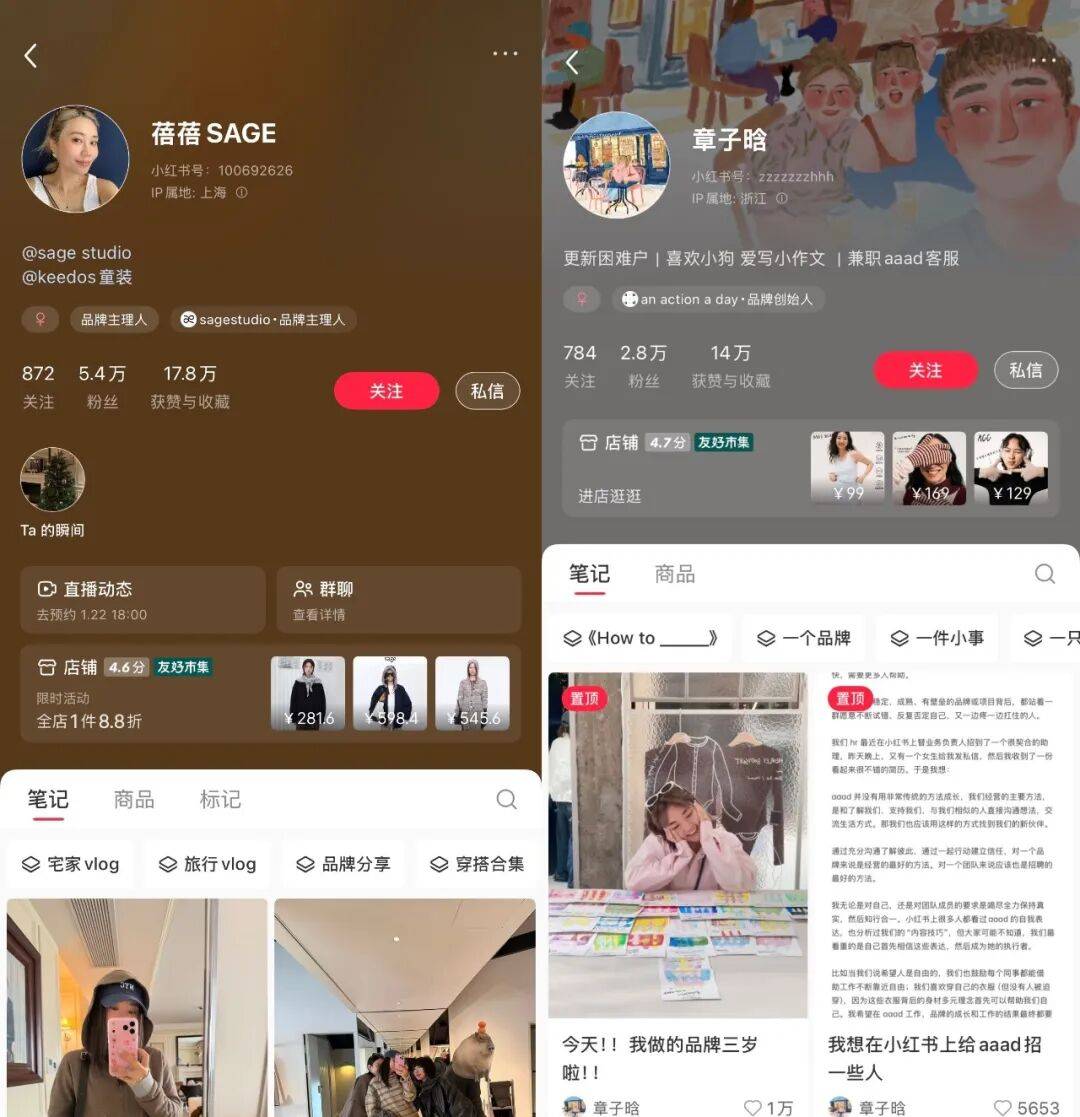
Core Insights - The article discusses the evolving consumer sentiment towards authenticity and emotional value in the market, highlighting a shift from superficial branding to genuine, relatable experiences [1][2][3] Group 1: Brand Expression and Authenticity - The trend of "humanized" brand expression is emerging, where real dialogue replaces scripted marketing, with founders and employees becoming vital carriers of brand values [1][4][5] - Consumers are increasingly discerning, able to differentiate between brands that genuinely believe in their values and those that merely use them for marketing purposes, as illustrated by the backlash against brands like "始祖鸟" [4][5] - The rise of social media platforms allows founders to engage directly with consumers, fostering a sense of community and trust [5][7] Group 2: Local Cultural Renaissance - There is a resurgence of local flavors and cultural heritage, with consumers seeking experiential tourism and local products, as evidenced by a 1493% increase in searches for "贵州深度游" [11][14] - The concept of "bistro" has been localized in China, leading to the emergence of various regional bistros that cater to consumer preferences for local cuisine [12][14] - Local cultural elements are being integrated into mainstream commercial settings, enhancing the value of local products and crafts [16] Group 3: Return to Offline Experiences - The trend of returning to offline experiences is driven by a desire for social interaction and immersive experiences, with events like concerts and pop-up activities gaining popularity [17][18] - Brands are increasingly opening flagship stores that offer unique experiences, moving beyond traditional retail to create engaging environments [18][20] - The shift back to offline is also a response to the saturation of online content and the need for differentiated experiences that cannot be replicated online [22] Group 4: Non-standard Commercialization and Community Business - The non-standard commercial sector is facing challenges, with discussions around its sustainability and the need for unique, engaging experiences to attract consumers [23][24] - Successful non-standard commercial ventures often rely on tourism and local cultural appeal, as seen in cities like Bangkok [24][26] - Community-oriented businesses are emerging as a bright spot in the market, focusing on stable user bases and localized offerings [30][31] Group 5: Opportunities for Small Brands - The current market environment presents opportunities for small and medium-sized brands to thrive by focusing on differentiation and emotional value [31] - The rise of niche brands that cater to specific consumer interests and preferences is expected, as consumers increasingly seek personalized and authentic experiences [31]
食饮吾见 | 一周消费大事件(1.19-1.23)
Cai Jing Wang· 2026-01-23 09:19
Group 1: iMoutai Packaging Correction and After-Sales Solutions - iMoutai has corrected the packaging of the classic version of Guizhou Moutai liquor (53% vol 500ml) and announced two after-sales solutions [1] - The first solution allows consumers to exchange the original product for the corrected version at Moutai self-operated stores until December 31, 2026 [1] - The second solution involves a "pen tool" for consumers to correct the packaging themselves, with further details to be announced [1] Group 2: Jinsha Liquor's Organizational Restructuring - Jinsha Liquor has shifted its strategy from "pan-nationalization" to "regional market gradient cultivation" to pursue high-quality development [2] - The company has restructured its organization into a "functional department + regional district" model to enhance market responsiveness and decision-making efficiency [2] - Marketing strategies will focus on content and scenario marketing, with a strong emphasis on digital capabilities for cost control and data analysis [2] Group 3: Xijiu's Sales Growth on JD.com - Xijiu's sales on JD.com have surpassed 1.4 billion yuan in 2025, marking a significant milestone in their partnership with the platform [3] Group 4: Yanjing Beer Profit Forecast - Yanjing Beer expects a net profit of 1.583 billion to 1.742 billion yuan for the previous year, representing a year-on-year growth of 50% to 65% [4] - The company is focusing on a big product strategy and enhancing brand management to drive growth [4][5] Group 5: ST Juewei's Revenue and Loss Forecast - ST Juewei anticipates a revenue of 5.3 billion to 5.5 billion yuan for 2025, a decline of 12.09% to 15.29% year-on-year, with a projected net loss of 160 million to 220 million yuan [10] - The company cites underutilized production capacity and increased non-operating expenses as factors affecting performance [10] Group 6: Liangpinpuzi's Expected Losses - Liangpinpuzi forecasts a net loss of 120 million to 160 million yuan for 2025, primarily due to store optimization and product adjustments [11] - The company is focusing on improving management efficiency and reducing costs, but revenue and gross margin declines have impacted profitability [11] Group 7: Yijia Yue's Profit Growth Projection - Yijia Yue expects a net profit increase of 50.06% to 72.79% for 2025, driven by enhanced customer orientation and store upgrades [18] - The company is optimizing its product offerings and improving operational efficiency to boost profitability [18] Group 8: Yonghui Supermarket's Stake Sale - Yonghui Supermarket plans to sell a 28.095% stake in YunJin Technology for 80 million yuan to focus on its core business [16][17]



