陶氏公司

Search documents
2025年新材料创业者大会——人工智能与新材料产业机遇圆桌论坛观点分享
AMI埃米空间· 2025-12-22 09:09
Core Viewpoint - The article discusses the transformative impact of AI on the materials industry, emphasizing the shift from traditional knowledge-based advantages to data-driven competitive edges, and the need for individuals to adapt to this new landscape [2][3][9]. Group 1: Trends in the Industry - The traditional industrial competition model, which relied on a "knowledge gradient," is undergoing fundamental changes, with significant implications for materials and chemical industries [3]. - The "knowledge gradient" consists of three barriers: technological barriers (core formulas, patents), application barriers (deep understanding of downstream processes), and first-mover advantages (brand reputation and customer relationships) [3]. - Major industry players are experiencing a collapse of this knowledge gradient, as evidenced by the restructuring of companies like陶氏, 巴斯夫, and 杜邦, driven by the rapid democratization of industry knowledge through open patent databases and academic literature [4][5]. Group 2: Opportunities for Data Application - The current phase presents a critical opportunity for the materials industry to transition from "investment-driven" to "data application" models, leveraging existing digital infrastructure [6]. - The focus should be on breaking down data silos to enhance data flow and value creation across all stages of production, from R&D to supply chain integration [6][7]. - This transition represents a golden window for the industry to capitalize on data value, marking a significant shift in operational strategies [6]. Group 3: Personal Transformation in the Industry - Individuals in the industry are encouraged to evolve from "industry experts" to "industry AI experts," focusing on specific pain points where AI can be effectively applied [7][8]. - Two potential career paths are highlighted: becoming a "cross-disciplinary engineering prototype creator" or transitioning to roles such as "industry AI solution architect" or "data strategy and governance expert" [8]. - The article emphasizes the importance of leveraging deep industry knowledge to drive AI applications, suggesting that those who can effectively combine industry expertise with AI capabilities will be the most valuable in the future [9].


人工智能引发的裁员潮才刚刚开始
财富FORTUNE· 2025-12-19 13:05
Core Insights - The article discusses the impact of AI on employment, highlighting a significant reduction in job vacancies in the U.S. from approximately 12.1 million to about 7.7 million, a decline of about 36% since early 2022, coinciding with a 48% total return of the S&P 500 index [1] - It suggests that companies are beginning to view AI not just as a productivity tool but as a strategic lever for workforce restructuring, with a report indicating that by 2026, large enterprises will increasingly adopt this perspective [1] Employment Trends - Major companies like UPS, Amazon, and Verizon have announced significant layoffs, with UPS cutting 48,000 jobs, Amazon reducing 14,000 positions, and Verizon planning to lay off 15,000 employees, indicating that AI is becoming a factor in these decisions [2] - A World Economic Forum survey found that 41% of global companies expect to reduce their workforce due to the rise of AI in the next five years, with layoffs also being justified by slower hiring practices [2] Post-Pandemic Adjustments - Not all layoffs or hiring slowdowns are driven by AI; some reflect broader economic cooling after a post-pandemic hiring surge, while others aim to create a more flexible workforce [4] - Companies are increasingly using layoffs as a means to accelerate employee adaptation to AI rather than solely focusing on employee retraining [4] Future Trends - By 2026, organizations are expected to adopt a more skills-based approach, with high "skills readiness" companies being 12 times more likely to offer training and 6 times more likely to categorize employee skills [5] - Companies are shifting their focus from "how many employees do we need?" to "what work needs to be done and who (or what) is capable of doing it?" [5] AI as a Collaborative Partner - The concept of personal AI "digital twins" is anticipated to become common, where professionals have digital counterparts trained on their workflows and communication styles [6] - This evolution will require new governance, leadership development, and a shift in mindset regarding the relationship between AI and humans, emphasizing trust and collaboration [6] Workforce Flexibility - Leading companies will have more fluid and modular workforces, equipped with systems to match emerging work demands with available capabilities, akin to managing a supply chain [6] - Successful organizations will embrace a dynamic workforce, viewing skills as the operational backbone and AI as a trusted collaborator, ensuring that human elements driving growth and innovation are not sacrificed [7]



刚刚!商务部公告:复审调查!
券商中国· 2025-12-19 09:16
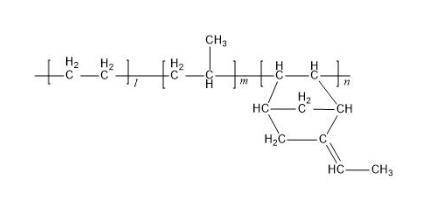
12月19日,商务部发布2025年第81号公告,公布对原产于美国、韩国和欧盟的进口三元乙丙橡胶所适用的 反倾销措施发起期终复审调查。 商务部公告2025年第81号 公布对原产于美国、韩国和欧盟的进口三元乙丙橡胶所适用的反倾销措施发起期终复审调查 2020年12月18日,商务部发布2020年第60号公告,决定自2020年12月20日起,对原产于美国、韩国和欧盟的进 口三元乙丙橡胶征收反倾销税,税率为美国公司214.9%—222.0%,韩国公司12.5%—24.5%,欧盟公司14.7%— 31.7%,实施期限为5年。 根据商务部2021年第3号公告,2020年12月31日英国脱欧过渡期结束后,之前已对欧盟实施的贸易救济措施继 续适用于欧盟和英国,实施期限不变;该日期后对欧盟新发起的贸易救济调查及复审案件,不再将英国作为欧 盟成员国处理。 2025年10月17日,商务部收到中国石油天然气股份有限公司吉林石化分公司和上海中石化三井弹性体有限公司 (以下称申请人)代表国内三元乙丙橡胶产业提交的反倾销措施期终复审申请书。申请人主张,如果终止反倾 销措施,原产于美国、韩国和欧盟的进口三元乙丙橡胶对中国的倾销可能继续或再度发 ...

商务部:对原产于美国、韩国和欧盟的进口三元乙丙橡胶继续实施反倾销措施
Sou Hu Cai Jing· 2025-12-19 08:37
Core Viewpoint - The Ministry of Commerce of China has announced the initiation of a final review investigation into anti-dumping measures applicable to imported Ethylene-Propylene-Diene Monomer (EPDM) rubber from the United States, South Korea, and the European Union, following a request from domestic producers [1][2]. Group 1: Anti-Dumping Measures - The anti-dumping duties imposed on EPDM rubber from the U.S. range from 214.9% to 222.0%, from South Korea 12.5% to 24.5%, and from the EU 14.7% to 31.7%, effective from December 20, 2020, for a period of five years [1][3]. - The review will continue to apply the same tax rates during the investigation period, which starts on December 20, 2025 [3][4]. Group 2: Investigation Details - The investigation period for dumping will cover from July 1, 2024, to June 30, 2025, while the injury investigation period will span from January 1, 2021, to June 30, 2025 [4][5]. - The scope of the review includes the same products as those covered by the original anti-dumping measures, specifically EPDM rubber [5][8]. Group 3: Industry Impact - The applicants, representing the domestic EPDM rubber industry, argue that terminating the anti-dumping measures could lead to continued or renewed dumping and potential harm to the domestic industry [2][8]. - EPDM rubber is widely used in various sectors, including construction, automotive, and electrical industries, indicating its significance in the market [6].
安期货晨会纪要-20251219




Xin Yong An Guo Ji Zheng Quan· 2025-12-19 04:01
Core Insights - US core inflation unexpectedly eased to a four-year low, raising questions among economists about the reliability of the data due to a prior government shutdown [8][14] - ByteDance has signed an agreement to establish a joint venture in the US with majority ownership by American investors [8][14] Market Performance - The A-share market opened lower but closed higher, with the Shanghai Composite Index up 0.16% at 3876.37 points, while the Shenzhen Component fell 1.29% and the ChiNext Index dropped 2.17% [1] - The Hong Kong market also saw fluctuations, with the Hang Seng Index closing up 0.12% at 25498.13 points, while the Hang Seng Tech Index fell 0.73% [1][5] Economic Indicators - The US core Consumer Price Index (CPI) rose by 2.6% year-on-year in November, while the overall CPI increased by 2.7% [14] - The report indicated that core CPI only increased by 0.2% over the last two months, with declines in hotel, leisure, and clothing prices limiting the overall increase [14] Corporate Developments - TikTok announced the establishment of a joint venture with US investors, which will operate independently and manage US data protection and algorithm security [8][14] - China has reportedly ordered 7 million tons of US soybeans, achieving over half of the procurement target set during the Trump administration [8][14]
碳纤维,又“香”了?!
DT新材料· 2025-12-18 14:13
最近火爆的商业航天概念替代机器人坐上了流量"C"位,"万能"的碳纤维又蹭了一波热搜。 中简科技 也在互动平台表示, 商业航天产业快速发展将为 碳 纤 维 复合材料带来巨大市场空间 。 据不完全统计, 碳纤维复材在航天器结构重量中占比 可达70%—90%,轻量化、耐高温、抗疲劳等优势是碳纤维复合材料 作为火箭箭体、卫星支架等关键部件的首选材料。 所以,"碳纤维",又要"香"了? 回顾过去近两年里,碳纤维行业整体承压低迷 《 碳纤维,怎么不"香"了? 》 。 在新增产能持续释放、下游部分传统需求阶段性放缓的背景下,碳纤维价 格一度被压缩至接近成本线运行。尤其是在中低端工业级产品领域,价格竞争激烈,"以量换价"成为不少企业维持产能利用率的主要方式。 态势从下半年开始变化,尤其是最近 ,国内碳纤维产业很热闹,多个大新闻频频"出圈"。 比如11月底, 华阳集团 联合 中国科学院山西煤化所 实现12K小丝束T1000级碳纤维国产化量产, 打破国外技术垄断。紧接着,12月初, 深圳大学与 长 盛科技 联合攻关,在全球超高性能聚丙烯腈碳纤维领域取得重大突破,成功实现千吨级工业化规模生产。最后是前几天, 和顺科技 宣布年产35 ...


高盛:2026年美国工业与材料行业展望
Goldman Sachs· 2025-12-17 15:50
Investment Rating - The report maintains a positive outlook on the industrial and materials sector, with specific companies like Parker and Cognex receiving upgraded ratings to "Buy" [2]. Core Insights - The industrial sector is expected to benefit from easing monetary policy and declining inflation, creating a favorable environment for growth [2]. - Data center capital expenditures are projected to grow by 36% in 2026, benefiting companies like Flex and Jabil, which have high profit margins and free cash flow [1][6]. - The aerospace sector is anticipated to see improved production and delivery rates from Boeing and Airbus, driving supply chain growth [1][4]. - The defense sector shows promise with companies like HII and LHX, which are expected to benefit from government support and specific business segments [1][4]. - The airline industry is projected to experience a slight decrease in unit revenue, but companies like Delta and United Airlines remain attractive investment options [1][7]. - The waste management industry is expected to see organic growth in the mid-single digits, with pricing adjustments offsetting declines in recycling prices [1][15]. Summary by Sections Data Centers and Technology - Data center capital expenditures are expected to grow significantly, with a 36% increase projected for 2026, benefiting companies like Flex and Jabil [1][6]. - AI data centers are highlighted as a key theme, with companies like G Vernova planning significant investments [2]. Aerospace and Defense - The aerospace sector is expected to continue its growth trajectory, with Boeing and Airbus improving production and delivery rates [1][4]. - HII and LHX are identified as key players in the defense sector, benefiting from government support and specific business opportunities [1][4]. Airlines - The airline industry is projected to see unit revenue slightly below 3%, with Delta and United Airlines identified as strong investment candidates [1][7][8]. Waste Management - The waste management sector is expected to see organic growth in the mid-single digits, with pricing adjustments helping to mitigate challenges [1][15]. Construction and Infrastructure - The construction sector is facing challenges, but private non-residential building is expected to recover due to strong investments in data centers and healthcare [2][13]. - Companies like Acom and Jacobs are noted for their structural profit margin expansion, making them attractive investment opportunities [14].
基础化工 2026 年度投资策略:供给优化,气势升腾
Changjiang Securities· 2025-12-17 10:39
Core Insights - The chemical industry is currently at the bottom of its cycle, with expectations of gradual recovery driven by global economic growth and demand increase [2][5][20] - The report emphasizes the importance of supply-side dynamics, noting the retreat of foreign investment and the slowdown of domestic capacity expansion, which may lead to a turning point for the industry [2][5][36] - Key recommendations include focusing on cyclical resilient and growth sectors such as industrial silicon, organic silicon, PTA, spandex, caprolactam, soda ash, and chlor-alkali, as well as high-demand products like refrigerants and potassium fertilizers [2][5][6] Demand Side Analysis - The chemical industry is closely tied to global economic performance, with a projected global GDP growth of 3.09% in 2026, driven mainly by developing countries like India [22][25] - China's GDP growth is expected to be 4.16% in 2026, indicating robust domestic demand [22][25] - Emerging sectors such as new energy and AI are expected to drive material consumption, with significant growth in electric vehicle sales and energy storage capacity anticipated [27][29] Supply Side Dynamics - The report highlights the challenges faced by foreign chemical giants due to rising energy costs and increased competition, leading to significant profit declines [36][41] - Major foreign companies are closing high-cost production facilities in Europe, which may create opportunities for domestic players [36][41][47] - Domestic chemical companies are experiencing pressure on investment returns, leading to a slowdown in capital expenditure growth and a pause in new capacity plans [49] Investment Strategy - The report suggests a focus on cyclical resilient products and growth sectors, with specific attention to high-quality companies that possess competitive advantages [6][36] - The potential for price increases or stable prices with volume growth in bottom-tier products is emphasized, particularly in industrial silicon and organic silicon [6][36] - The report also identifies opportunities in the tire and civil explosives sectors, particularly as companies expand internationally [7][36] Emerging Opportunities - New material sectors, including humanoid robots and AI materials, are highlighted as areas of potential growth, driven by domestic policy support and the need for localized supply chains [8][36] - The report notes the increasing importance of domestic production capabilities in high-end materials due to international trade tensions [8][36]




加拿大化工寄望管道项目提供示范效益
Zhong Guo Hua Gong Bao· 2025-12-16 03:23
Core Insights - The Canadian federal government and Alberta provincial government have signed a memorandum of understanding (MOU) for the construction of an oil sands pipeline, aimed at exporting Alberta's oil sands resources to Asia and other regions [2] - The project is expected to reshape the operational environment for various manufacturing sectors, including chemicals and plastics, and boost the chemical industry [2] - The MOU includes provisions for carbon pricing, carbon capture utilization and storage (CCUS) policies, and clean electricity regulations, which are welcomed by industry leaders [3] Summary by Sections Pipeline Construction - The planned pipeline will have a minimum daily capacity of 1 million barrels and is classified as a national interest project [2] - Existing pipeline capacity of 890,000 barrels per day is expected to be expanded by 300,000 to 400,000 barrels per day [2] - The project will align with CCUS initiatives, particularly Alberta's "Pathways Project," to reduce carbon emissions from the oil sands industry [2] - Preliminary applications for the project are expected to be submitted by July 1, 2026, to the newly established federal major projects office [2] - The pipeline will be constructed by one or more private companies, with Indigenous groups holding a portion of the equity [2] Environmental Commitments - The federal government will not impose emission caps on the oil and gas industry and will suspend the implementation of federal clean electricity regulations in Alberta until a new carbon pricing agreement is reached [3] - Adjustments to the oil tanker ban in the 2019 "Oil Tanker Moratorium Act" may be made if necessary [3] - The agreement extends federal investment tax credits and other policy support to large CCUS projects and enhanced oil recovery (EOR) technologies [3] - The TIER system in Alberta will be used to design and implement a competitive long-term carbon price and tax rebate mechanism for large emitters in the oil and gas and power sectors [3] - The minimum effective price for carbon credits under the TIER system will reach CAD 130 per ton, with plans to finalize the industrial carbon pricing agreement by April 1, 2026 [3] Industry Reactions - The Canadian Manufacturers and Exporters Association (CME) has strongly welcomed the MOU, emphasizing the need for more energy resources amid global geopolitical instability [4] - The establishment of the federal major projects office signals Canada's potential to become a "building nation" willing to take on economic, political, and investment risks for major projects [4] - The Canadian Business Council, representing executives from various sectors, stated that the MOU recognizes the core role of the energy industry in developing a strong, independent, and resilient Canadian economy [4]
巴斯夫、万华、陶氏集体涨价!化工巨头,再来10万吨抢市场
DT新材料· 2025-12-15 14:04
Core Viewpoint - The recent price increases of MDI (Methylene Diphenyl Diisocyanate) by major chemical companies are driven by rising raw material costs, production disruptions, and increased demand for lightweight materials in various industries [3][4]. Price Increases - Major chemical companies including BASF, Huntsman, Wanhua Chemical, and Dow Chemical have announced significant price hikes for MDI products across Europe, Asia, and Africa, with increases reaching up to €350 per ton [3]. - Specific price adjustments include BASF raising prices by $200 per ton in South Asia, Wanhua Chemical increasing prices by $200 per ton in Southeast Asia and South Asia, and Huntsman announcing a €350 per ton increase in Europe, Africa, and the Middle East [3]. Reasons for Price Increases - The price hikes are attributed to several factors: fluctuations in international oil prices raising core raw material costs, increased transportation and energy costs, and compliance pressures [4]. - Additionally, 45% of China's MDI production capacity is undergoing maintenance, which includes major plants from Wanhua and BASF, leading to reduced output [4]. - The demand for MDI is also supported by trends in building insulation materials, a recovery in home appliance exports, and the growing need for lightweight materials in the electric vehicle sector [4]. Capacity Expansion - Wanhua Chemical is accelerating its MDI capacity expansion project in Fujian, expected to add 700,000 tons of capacity by Q2 2026, potentially increasing its global market share to 42% [4]. - Mitsui Chemicals announced plans to further increase its MDI production capacity by 10,000 tons per year, following a recent expansion that brought its total capacity to 610,000 tons [5]. Environmental Considerations - Mitsui Chemicals is also focusing on reducing greenhouse gas emissions by utilizing a recovery system during its capacity expansion, aligning with global efforts to improve building insulation performance and combat climate change [5]. Supply Chain Developments - The production process for MDI at Mitsui Chemicals has been enhanced through the implementation of advanced technology, which has improved the efficiency of chlorine production and reduced waste [6].