奔驰

Search documents
德国拟启动千亿欧元基金 能否拯救“欧洲经济引擎”?
2 1 Shi Ji Jing Ji Bao Dao· 2025-08-11 23:15
Group 1 - Germany's industrial output decreased by 1.9% month-on-month and 3.6% year-on-year in June, marking a five-year low, with expectations of continued economic challenges due to U.S. tariffs [1][8] - The new German government, under Merz, is aggressively pursuing fiscal expansion, including a €500 billion infrastructure fund and a proposed €1 trillion "Germany Fund" aimed at strategic sectors like defense and energy [1][2][3] - The German government plans to leverage public-private partnerships to mobilize significant investments in infrastructure and support for small and medium enterprises, addressing long-standing investment deficiencies [2][5] Group 2 - Germany's international competitiveness has declined significantly, with public investment as a percentage of GDP falling below the EU average, leading to an estimated investment gap of €400 billion to €600 billion [2][3] - The government aims to improve energy infrastructure and defense industries while enhancing control over critical raw materials and supply chains, aligning with market needs [2][3] - A large-scale investment initiative, "Investing for Germany," has been launched, committing €631 billion by 2028, involving major corporations like Siemens and Deutsche Bank [6][8] Group 3 - The recent U.S. tariff policies have created uncertainty in global trade, impacting investment decisions in Germany, which has experienced consecutive years of economic decline [7][9] - The German economy, heavily reliant on exports, faces significant challenges due to tariffs, with estimates suggesting a potential GDP reduction of 0.5% this year [9] - Despite the government's optimistic measures to stimulate the economy, the effectiveness of these initiatives remains uncertain, particularly in attracting private sector investment [6][7]
合资车企纷纷牵手中国智驾
Ren Min Ri Bao· 2025-08-11 20:27
Group 1 - The core viewpoint of the articles highlights the trend of joint ventures between foreign automotive companies and Chinese tech firms to enhance smart driving capabilities in vehicles, reflecting a shift in the competitive landscape of the automotive industry [1][2] - FAW Audi's recent launch of the Q6L e-tron and A5L models equipped with Huawei's advanced driving technology signifies the growing adoption of Chinese smart driving solutions among joint venture automakers [1] - BMW's collaboration with Momenta aims to develop new intelligent driving assistance solutions tailored for the Chinese market, showcasing a commitment to local innovation and addressing specific consumer needs [1][2] Group 2 - The technological edge of Chinese companies in the smart driving sector is a significant factor driving foreign automakers to adopt local solutions, with Momenta's innovative "end-to-end flywheel model" reducing system interaction delays [2] - The partnerships allow joint venture companies to rapidly enhance their smart technology capabilities to meet the demands of the Chinese market while providing Chinese firms with opportunities to enter international supply chains [2] - The collaboration between foreign and Chinese companies is expected to leverage the strengths of the Chinese automotive supply chain, integrating unique features into their products and enhancing competitiveness in electric and intelligent vehicle markets [2]
嵘泰股份20250811
2025-08-11 14:06
Summary of the Conference Call Company and Industry Overview - The conference call primarily discusses **Rongtai Co., Ltd.** and its acquisition of **Aodu Electronics**. Aodu Electronics specializes in automotive electric pedals and electric tailgates, rapidly gaining market share in China and becoming a key supplier for major manufacturers like **Seres** and **Li Auto**. [2][5][10] Key Points and Arguments 1. **Investment and Acquisition Strategy** - Rongtai Co., Ltd. invested **40 million yuan** in Aodu Electronics and co-financed **100 million yuan** to mitigate risks and assess growth potential. [2][5] - The acquisition of **51%** of Aodu Electronics aims to expand market presence and achieve resource integration for technological and market synergies. [5][10] 2. **Market Performance and Projections** - Aodu Electronics is projected to achieve **800 million yuan** in sales in **2025**, a significant increase from **200 million yuan** in **2022**. [2][7] - Expected net profit for Aodu Electronics in **2025** is over **60 million yuan**, with sales anticipated to reach at least **1 billion yuan** in **2026**, reflecting a growth rate of no less than **30%** annually for the next two years. [2][10] 3. **International Market Expansion** - Aodu Electronics is actively pursuing international markets, collaborating with companies like **Mercedes-Benz** and **BMW**, with mass production expected to start in **2026**. [2][7][10] - The gross margin for international clients is projected to be **35%**, significantly higher than the domestic market's **28%**. [7] 4. **Technological Capabilities** - Aodu Electronics' motor development capabilities are bolstered by a team of retired experts from **Bosch**, focusing on innovative designs for electric motors used in robots and robotic dogs. [3][16] - Plans to eliminate outsourcing by **2026** and establish a manufacturing facility in North America to meet international demand are underway. [3][18] 5. **Synergies and Resource Integration** - The acquisition is expected to enhance competitive advantages through resource sharing, particularly in entering new markets and accelerating product development. [13][10] - Collaboration on R&D in automotive motors and robotic components is anticipated to improve product performance and reduce costs. [13] 6. **Future Growth and Development Goals** - Aodu Electronics aims to rapidly capture market share by leveraging top-tier global technology teams and establishing overseas production bases for localized service. [21] - The company plans to achieve a production capacity of **100,000 units** by **2026**, addressing both automotive and robotics sectors. [26] Additional Important Information - The acquisition process involves multiple steps, including shareholder approval and compliance with disclosure obligations, expected to be completed by the end of **August**. [14][15] - Aodu Electronics currently derives over **90%** of its revenue from the domestic market, with plans to significantly increase its international sales contribution in the coming years. [11] - The company is also exploring new applications for its products, including planetary rolling screws, with ongoing discussions with major clients like **Tesla** and **BYD**. [25][30] This summary encapsulates the critical insights from the conference call regarding Rongtai Co., Ltd.'s strategic acquisition of Aodu Electronics, market expectations, and future growth plans.

二手油车不太好卖,合资车高保值神话被打破
创业邦· 2025-08-11 03:14
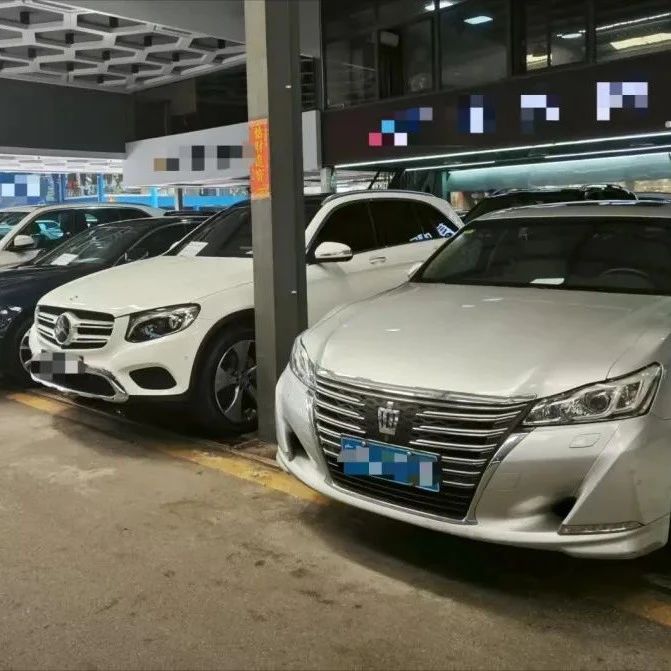
Core Viewpoint - The automotive industry is undergoing a significant transformation as traditional fuel vehicles face increasing competition from electric vehicles (EVs), leading to a decline in the market share and resale value of fuel vehicles [4][5][10]. Market Trends - In July, the retail penetration rate of new energy vehicles (NEVs) in China's passenger car market reached 54.0%, a year-on-year increase of 2.7 percentage points. Cumulatively, 6.455 million NEVs were sold in the first seven months of the year, representing a 29.5% year-on-year growth [4][16]. - The second-hand fuel vehicle market is experiencing downward pressure on prices, with average inventory cycles extending to 43 days and 35.6% of businesses facing cycles over 30 days, indicating increased operational pressure [5][21]. Resale Value Decline - The resale value of previously high-value brands like Toyota and Honda is declining, with the three-year resale value for Toyota dropping to 56.6% from 83.24% in 2021, and Honda to 57% from 78.19% [10][13]. - Specific examples include a two-year-old Toyota Camry priced at 12.96 million yuan, reflecting a 65% resale value, down from higher values in previous years [6][8]. Shift to New Energy Vehicles - The second-hand market for NEVs is growing, with penetration rates rising from 8% to 9.9% in recent months, indicating a shift in consumer preference [16][18]. - Some second-hand car dealers are increasingly focusing on selling NEVs to compensate for the declining profits and sales of fuel vehicles [5][20]. Consumer Behavior - Consumers are showing a preference for NEVs, with many second-hand car dealers reporting that the inventory of NEVs is now greater than that of fuel vehicles [18][20]. - Despite the growth of NEVs, fuel vehicles still maintain a significant market presence, with many consumers still willing to purchase them if priced competitively [21].

德国启动1000亿欧元基金,能否自救?
2 1 Shi Ji Jing Ji Bao Dao· 2025-08-11 03:06
Group 1 - Germany is preparing to launch a €100 billion ($116 billion) investment fund to ensure security in defense, energy, and critical raw materials [2] - The German government plans to initially invest at least €10 billion into the fund, aiming to leverage up to ten times that amount in private capital [2][6] - Germany's GDP has experienced negative growth for two consecutive years, and the latest industrial output in June hit a five-year low, raising concerns about the effectiveness of the new investment initiatives [2][11] Group 2 - The decline in Germany's international competitiveness is closely linked to long-term underinvestment, with estimates suggesting a current investment shortfall of €400 billion to €600 billion (10% to 15% of GDP) [3] - The government’s focus on improving energy infrastructure and revitalizing the defense industry aligns with the strategic priorities outlined in the coalition agreement between the ruling parties [4][5] - The recent investment initiatives, including a commitment to invest €631 billion by 2028, involve major corporations like Siemens and Deutsche Bank, indicating a collaborative effort to boost the economy [7][8] Group 3 - The new government under Chancellor Merz has relaxed the "debt brake" policy, allowing for increased public spending and investment [6] - The effectiveness of the €100 billion fund will depend on private sector participation, as the government’s contribution is relatively small compared to the total investment goal [8] - The impact of U.S. tariffs on global trade has created uncertainty, complicating investment decisions for German companies, which are already facing declining profitability [9][12] Group 4 - Recent data indicates a 1.9% decline in industrial output in June, marking the lowest level since May 2020, and a 1% decrease in industrial orders, reflecting reduced foreign demand [11] - Economic forecasts have been adjusted downward, with expectations of a 0.1% contraction in GDP for the second quarter due to the adverse effects of U.S. tariffs [10][12] - The potential for renewed negative growth looms as the trade environment worsens, particularly affecting Germany's export-driven economy [10][12]
德国启动1000亿欧元基金,能否自救?
21世纪经济报道· 2025-08-11 02:56
Group 1 - The German government is preparing to launch a €100 billion investment fund to ensure the security of strategic sectors such as defense, energy, and critical raw materials, aiming to leverage up to ten times that amount in private capital [3][4][5] - Germany has experienced two consecutive years of GDP contraction, and recent industrial output data shows a significant decline, raising concerns about the effectiveness of the new government's investment initiatives [3][12] - The investment fund is part of a broader strategy to address long-standing issues of insufficient investment in Germany, which has been highlighted in various reports indicating a shortfall of €400 billion to €600 billion in necessary investments [4][6] Group 2 - The focus of the investment fund includes improving energy infrastructure, revitalizing the defense industry, and supporting small and medium-sized enterprises, aligning with the government's emphasis on strategic autonomy [5][6] - The government plans to use a 1:10 ratio to attract private investment, with only €10 billion coming from public funds, indicating a reliance on market participation to achieve the fund's goals [6][9] - The recent investment initiative, "For German Manufacturing," aims to mobilize €631 billion by 2028, involving major corporations like Siemens and BMW, marking one of the largest investment plans in decades [8][9] Group 3 - The U.S. tariff policies have created significant uncertainty in global trade, impacting investment decisions in Germany, which is heavily reliant on exports [10][13] - Recent economic data indicates a potential downturn, with forecasts suggesting that the U.S. tariffs could reduce Germany's GDP by 0.5% this year, further complicating the economic recovery [12][13] - The German economy's export-oriented nature and its substantial trade surplus with the U.S. make it particularly vulnerable to changes in trade policy, necessitating a diversification of export markets [10][13]
国信证券:互联网巨头上修AI资本开支 反内卷政策推进下光伏、风机价格提高
智通财经网· 2025-08-11 02:24
Group 1: AI Infrastructure Investment - Global internet giants are increasing their capital expenditure on AI infrastructure, benefiting the AIDC power equipment industry chain [1] - The Chinese government is supporting the implementation of AI applications, which is expected to sustain domestic AI investment [1] - Notable increases in capital expenditure plans include Google's adjustment from $75 billion to $85 billion for 2025 and Meta's adjustment from $64-72 billion to $66-72 billion for the same year [1] Group 2: Photovoltaic Industry Recovery - The "anti-involution" policy is being implemented, leading to a recovery in prices of photovoltaic products, including polysilicon, silicon wafers, and battery cells [2] - The photovoltaic industry is expected to undergo consolidation and clearing, with a stable development phase anticipated by 2027 [2] - The polysilicon segment shows the most significant comparative advantage in terms of production capacity and cost [2] Group 3: Wind Turbine Industry Recovery - The overall price of wind turbines has increased, effectively curbing the previous trend of vicious price competition [3] - The recovery in prices is expected to contribute positively to the profitability of the industry chain [3] Group 4: Solid-State Battery Development - The solid-state battery industry is advancing with successful equipment deliveries and ongoing research and testing [4] - Companies like Qingtai and Honeycomb Energy are making progress in solid-state battery production, with plans for mass production by 2027 [4] - Automotive manufacturers are preparing to launch vehicles equipped with solid-state batteries by 2030 [4]
德国启动千亿欧元基金,能否拯救“欧洲经济引擎”?
2 1 Shi Ji Jing Ji Bao Dao· 2025-08-11 00:04
Group 1 - Germany is preparing to launch a €100 billion (approximately $116 billion) investment fund aimed at ensuring security in defense, energy, and critical raw materials sectors [1] - The German government plans to initially inject at least €10 billion into the fund, with a goal of leveraging up to ten times that amount in private capital [1][5] - The new government under Chancellor Merz is focusing on fiscal stimulus and has relaxed the "debt brake" to facilitate significant investment initiatives [4] Group 2 - Germany's international competitiveness has significantly declined due to inadequate infrastructure, education, and digital infrastructure, with estimated investment shortfalls ranging from €400 billion to €600 billion (10% to 15% of GDP) [2] - The government’s investment fund will prioritize improving energy infrastructure, revitalizing the defense industry, and supporting small and medium-sized enterprises [2][3] - The recent industrial output data shows a decline, with June's industrial production hitting a five-year low, indicating ongoing economic challenges [1][8] Group 3 - The investment initiative is part of a broader strategy outlined in a coalition agreement and is seen as essential for enhancing Germany's competitiveness [3] - The government aims to attract private investment into sectors that typically see less interest from investors, such as infrastructure and small businesses [5] - The success of the investment fund heavily relies on corporate participation, as companies have been cautious in their investment decisions amid economic uncertainty [6][7] Group 4 - Recent economic data indicates a mixed outlook, with a slight GDP growth in Q1 2023 followed by a decline in industrial output, raising concerns about a potential return to negative growth [8][9] - The U.S. tariff policies are creating significant uncertainty in global trade, impacting Germany's economic outlook and potentially leading to a GDP reduction of 0.5% this year [9] - The German government is optimistic about its economic measures, but the reliance on exports and the impact of U.S. tariffs pose substantial risks [8][9]
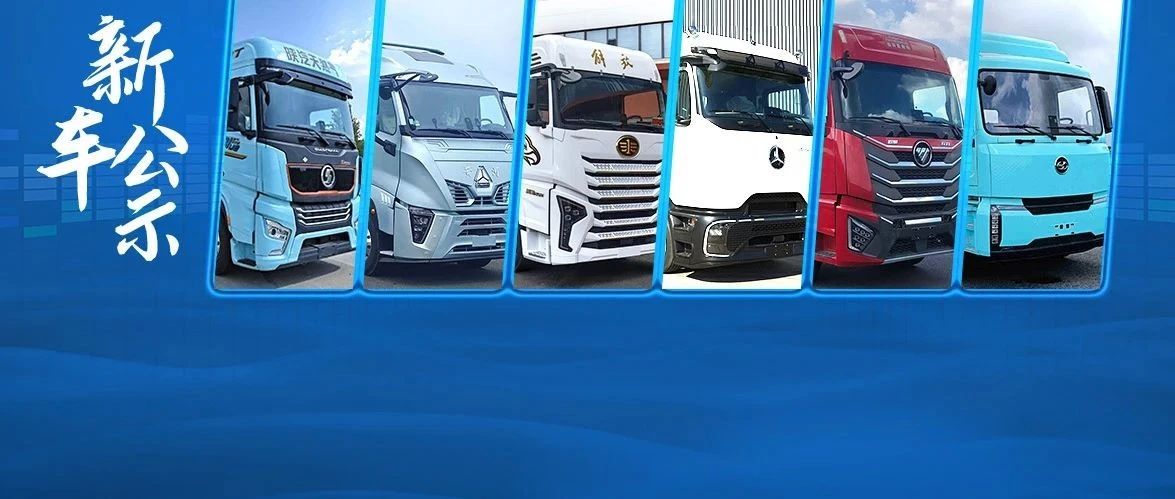
奔驰新车打破传言 陕汽推720马力巨无霸 398批公示牵引车有多劲爆?| 头条
第一商用车网· 2025-08-10 13:28
Core Viewpoint - The release of the 398th batch of new vehicle announcements highlights a vibrant market for both traditional and new energy tractors, with significant new entries from various manufacturers, including Daimler, which has dispelled rumors of exiting the Chinese market by announcing seven new models [1][3][24]. Group 1: New Vehicle Announcements - A total of 40 new tractor models were announced, including 17 traditional energy vehicles (10 diesel, 6 natural gas, and 1 hybrid) and 23 new energy vehicles (5 battery swap, 10 charging, 2 fuel cell, and 3 plug-in hybrid) [1][24]. - Daimler's announcement of seven new models, including three from the Actros C series and four from the Actros series, showcases its commitment to the Chinese market [3][4]. Group 2: Key Highlights from New Models - The Actros C series features a maximum output power of 600 horsepower, while the Actros series offers various engine options with power outputs ranging from approximately 330.3 to 531 horsepower [4]. - The Shaanxi Automobile Delong S6000, a 720 horsepower LNG heavy truck, marks a significant entry into the high-power natural gas truck segment, intensifying competition in this market [9][11]. Group 3: New Energy and Hybrid Vehicles - The introduction of plug-in hybrid tractors is a notable trend, with 15 models announced across seven batches, including three in the latest release from FAW Liberation, Dongfeng Commercial Vehicle, and XCMG [12][14]. - FAW Liberation's new model features a maximum power of 560 horsepower, while Dongfeng's model utilizes a gas engine paired with lithium iron phosphate batteries [14][16]. Group 4: Collaborations and Market Dynamics - The collaboration between Shenhe Automobile and Zero One Automobile for two new electric semi-trailers indicates a strategic partnership aimed at enhancing product offerings in the electric vehicle sector [17][21]. - The overall market for new energy tractors has seen a surge in applications, with traditional energy vehicle applications also increasing, suggesting a dynamic shift in market strategies and competition [24].
利润集体大幅下滑 BBA上半年交出最“惨”财报
经济观察报· 2025-08-10 04:27
Core Viewpoint - The BBA (Benz, BMW, Audi) brands are facing significant challenges in the Chinese market, leading to a substantial decline in profits and necessitating a strategy of deep localization to strengthen their market position [2][4][8]. Financial Performance - In the first half of 2025, BBA reported a collective profit decline, with Benz's net profit dropping by 55.8%, Audi's by 37.5%, and BMW's by 29% [2][4]. - Benz's revenue was €66.377 billion, down 8.6%, with a net profit of €2.688 billion, while BMW's revenue was €67.7 billion, also down 8%, and net profit at €4 billion [4]. - Audi's revenue increased by 5.3% to €32.57 billion, but net profit fell by 37.5% to €1.346 billion, indicating a trend of increasing revenue without corresponding profit growth [4]. Market Challenges - BBA is experiencing dual challenges from U.S. tariffs and declining sales in China, exacerbated by fierce competition from local luxury brands and an overall price war in the Chinese automotive market [2][5]. - The U.S. imposed a 25% punitive tariff on EU-imported cars, significantly impacting BBA's profitability, with Audi estimating losses exceeding €600 million due to tariffs and transformation costs [4][5]. Sales Performance - In the first half of 2025, Benz's global sales fell by 8% to 1.0763 million units, with a 14% decline in China [5][6]. - Audi's sales decreased by 5.9% globally, with a 10.2% drop in the Chinese market, while BMW's sales remained stable globally but saw a 15.5% decline in China [5][6]. Electric Vehicle Strategy - BBA is under pressure to accelerate their electric vehicle (EV) strategies, with Benz's EV sales down 14%, Audi's down 23.5%, while BMW's EV sales grew by 18.5% globally [6][10]. - BBA is focusing on localizing production and product offerings in China, with plans for new EV models and collaborations with local tech firms to enhance smart features [9][10]. Strategic Responses - To counter U.S. tariffs, BBA is increasing production capacity in the U.S., with Audi planning a $4.6 billion investment in a new factory [8]. - In China, BBA is emphasizing deep localization, including transferring headquarters functions and adapting products to meet local consumer demands [8][9]. Future Outlook - BBA has adjusted its financial forecasts downward due to ongoing challenges, with Audi lowering its revenue expectations and Benz revising its sales return rate [6][11]. - The competitive landscape in the luxury car market is shifting, with BBA needing to navigate a period of slower growth and increased competition from domestic brands [11].