
翰森制药

Search documents
行业ETF风向标丨创新药研发支持力度加强,多只港股创新药相关ETF大涨超3%
Mei Ri Jing Ji Xin Wen· 2025-07-03 05:30
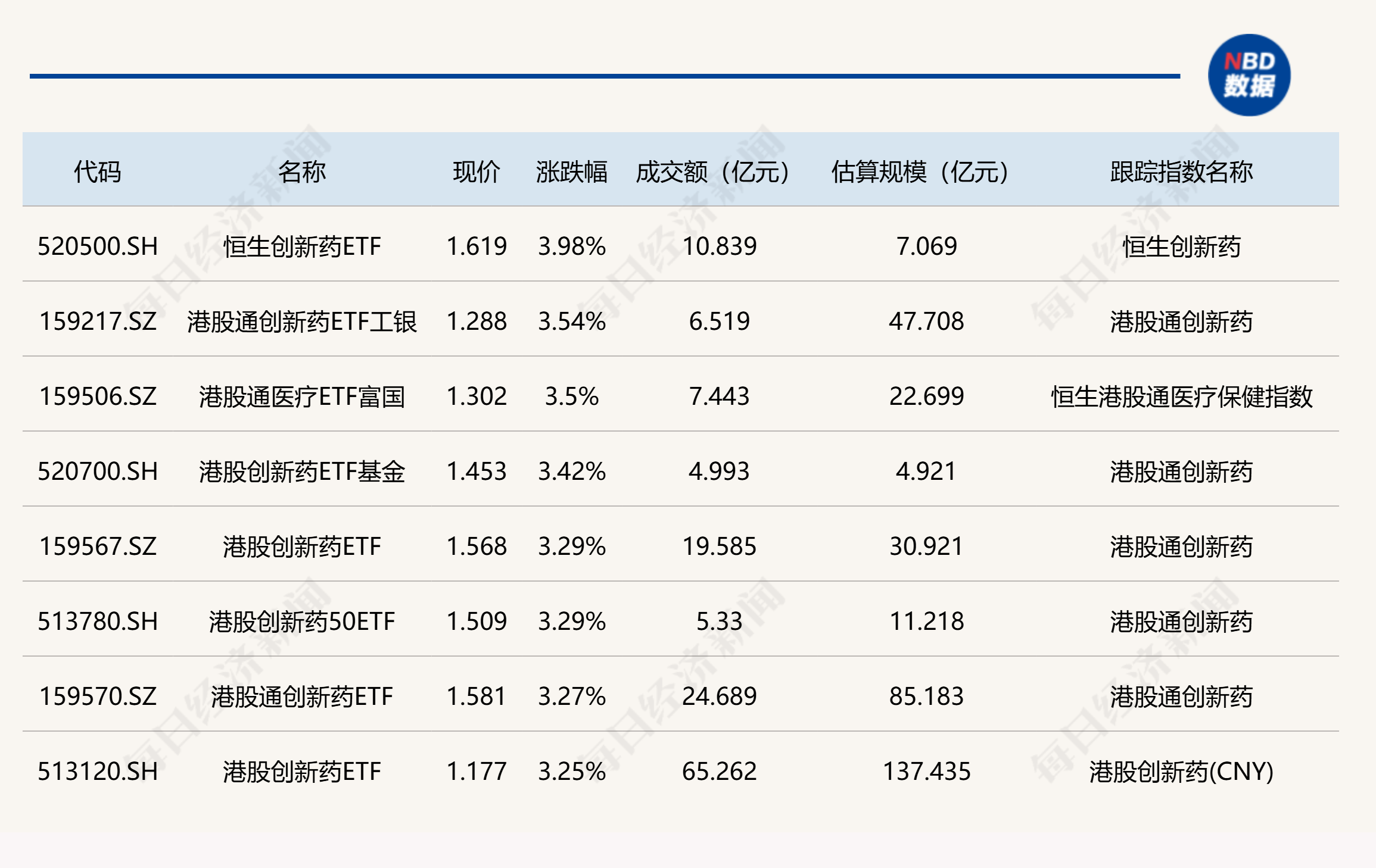
Group 1 - The core viewpoint of the news highlights the recent measures introduced by the National Healthcare Security Administration and the National Health Commission to support the high-quality development of innovative drugs, which includes 16 specific measures aimed at enhancing R&D support, integrating innovative drugs into basic medical insurance, and improving clinical application and payment capabilities [1][2] - There has been a significant increase in multinational pharmaceutical companies purchasing innovative drug patents from China, with the procurement amount from January to May nearing the total for the entire year of 2024, indicating the competitive strength of Chinese innovative drugs in the international market [2] - The Hang Seng Innovative Drug ETF (520500) saw a nearly 4% increase in early trading, tracking the Hang Seng Innovative Drug Index, with a current scale of approximately 700 million [2][5] Group 2 - The Hong Kong Stock Connect Medical ETF (159506) rose by 3.5% in early trading, tracking the Hang Seng Hong Kong Stock Connect Healthcare Index, with a scale of 2.27 billion [2] - Other ETFs such as the Hong Kong Stock Connect Innovative Drug ETF (159217), Hong Kong Innovative Drug ETF (159567), and Hong Kong Stock Connect Innovative Drug ETF (159570) also showed positive performance, with scales exceeding 3 billion, and the latter reaching 8.518 billion [2][5] - The CSI Hong Kong Innovative Drug Index selects up to 50 listed companies involved in innovative drug R&D from the Hong Kong Stock Connect range, reflecting the overall performance of innovative drug companies in the market [7][8]

中证港股通医药卫生综合指数上涨0.85%,前十大权重包含药明生物等
Jin Rong Jie· 2025-07-02 12:26
Core Viewpoint - The China Securities Index for Hong Kong Stock Connect in the healthcare sector has shown significant growth, with a year-to-date increase of 49.37% [1]. Group 1: Index Performance - The China Securities Index for Hong Kong Stock Connect Healthcare Composite Index (930965) rose by 0.85%, reaching 3051.69 points, with a trading volume of 18.538 billion yuan [1]. - Over the past month, the index has increased by 9.40%, and over the last three months, it has risen by 15.29% [1]. Group 2: Index Composition - The index comprises 50 liquid and large-cap healthcare companies listed under the Hong Kong Stock Connect, reflecting the overall performance of these securities [1]. - The index was established on November 14, 2014, with a base point of 3000.0 [1]. Group 3: Top Holdings - The top ten holdings in the index are as follows: - Innovent Biologics (9.96%) - WuXi Biologics (9.13%) - BeiGene (8.86%) - CanSino Biologics (5.83%) - CSPC Pharmaceutical Group (5.6%) - China Biologic Products (5.26%) - JD Health (4.73%) - 3SBio (4.07%) - Hansoh Pharmaceutical (3.15%) - Zai Lab (2.69%) [1]. Group 4: Market and Sector Allocation - The index's holdings are entirely composed of securities listed on the Hong Kong Stock Exchange, with a 100% allocation to the healthcare sector [1].
恒生医疗ETF(513060)盘中涨近1%,冲击3连涨,商保在多层次医疗保障体系中作用逐步增强
Sou Hu Cai Jing· 2025-07-02 02:12
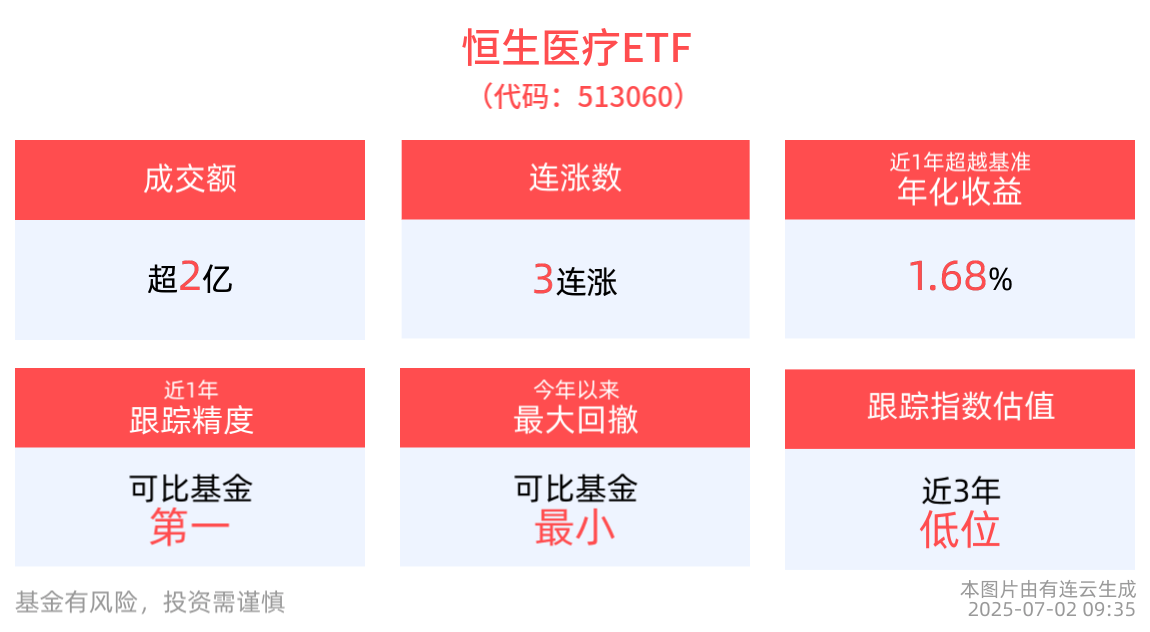
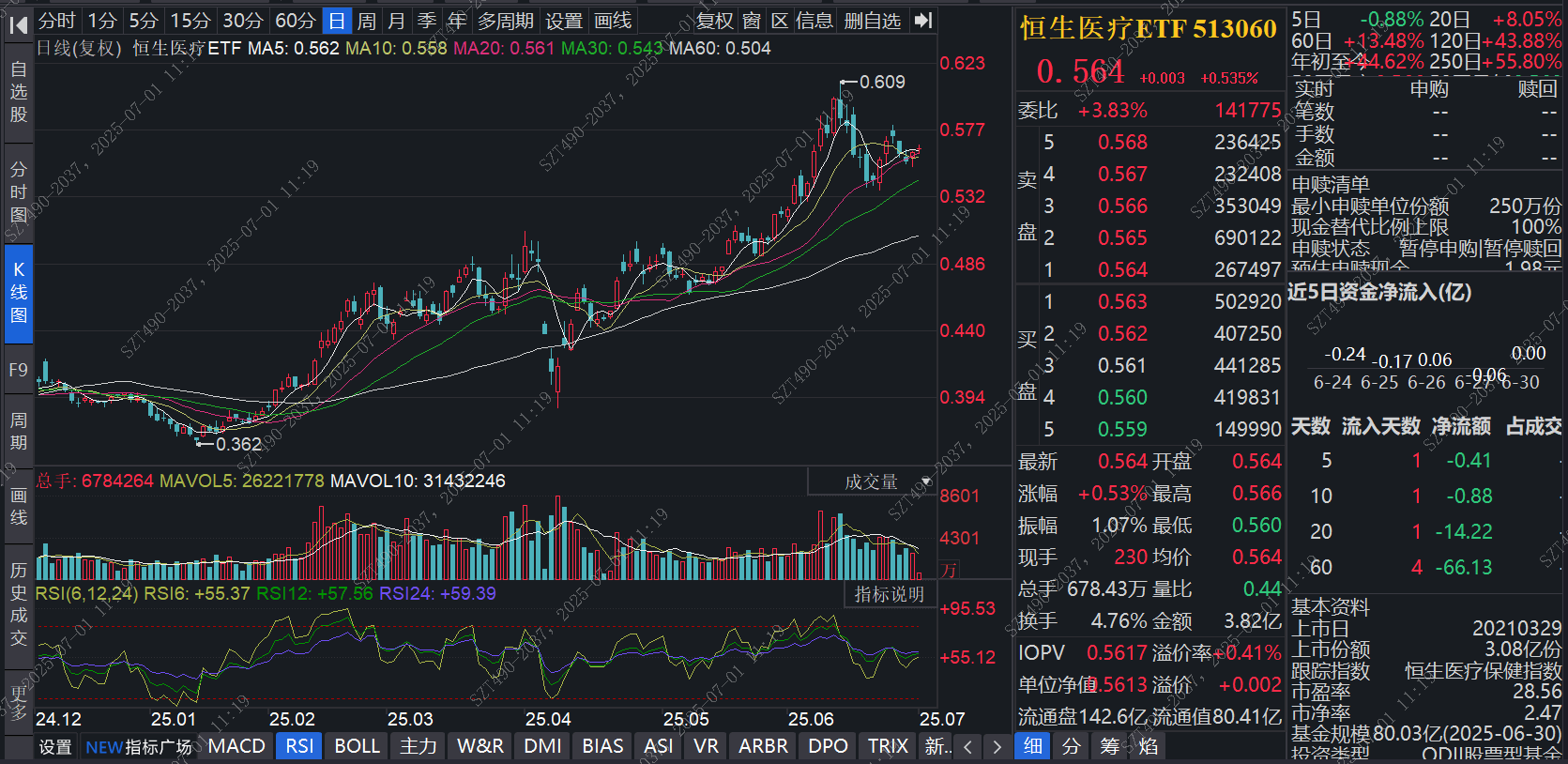
Core Viewpoint - The recent adjustments in the commercial health insurance drug directory signify an important step for the commercial health insurance market's entry, enhancing its role in the multi-tiered medical security system in China [4][5]. Group 1: Market Performance - The Hang Seng Healthcare Index (HSHCI) rose by 2.32% as of July 2, 2025, with notable increases in constituent stocks such as SiPai Health (00314) up 43.53% and Huahao Zhongtian Pharmaceutical-B (02563) up 41.04% [3]. - The Hang Seng Healthcare ETF (513060) increased by 0.87%, marking its third consecutive rise, with a latest price of 0.58 yuan [3]. - Over the past week, the Hang Seng Healthcare ETF has accumulated a rise of 0.53% [3]. Group 2: Liquidity and Trading Volume - The Hang Seng Healthcare ETF had a turnover rate of 2.96% during the trading session, with a transaction volume of 247 million yuan [3]. - The average daily trading volume for the ETF over the past month was 2.139 billion yuan, ranking it first among comparable funds [3]. Group 3: Fund Performance and Metrics - The latest scale of the Hang Seng Healthcare ETF reached 7.997 billion yuan, placing it in the top third among comparable funds [4]. - The ETF's financing buy amount was 94.5905 million yuan, with a financing balance of 292 million yuan [4]. - The net value of the ETF has increased by 15.65% over the past two years, with a maximum single-month return of 28.34% since inception [4]. Group 4: Risk and Return Analysis - As of July 1, 2025, the ETF's relative drawdown against the benchmark was 0.45%, the smallest among comparable funds, with a recovery period of 43 days [5]. - The management fee for the ETF is 0.50%, and the custody fee is 0.15% [5]. - The tracking error for the ETF over the past year was 0.070%, the highest tracking precision among comparable funds [5]. Group 5: Valuation Metrics - The latest price-to-earnings ratio (PE-TTM) for the Hang Seng Healthcare Index is 27.1, indicating a valuation below 91.12% of the time over the past three years, suggesting a historical low [5]. - The top ten weighted stocks in the HSHCI account for 57.72% of the index, including companies like Innovent Biologics (01801) and BeiGene (06160) [5].
中泰国际每日晨讯-20250702
ZHONGTAI INTERNATIONAL SECURITIES· 2025-07-02 01:47
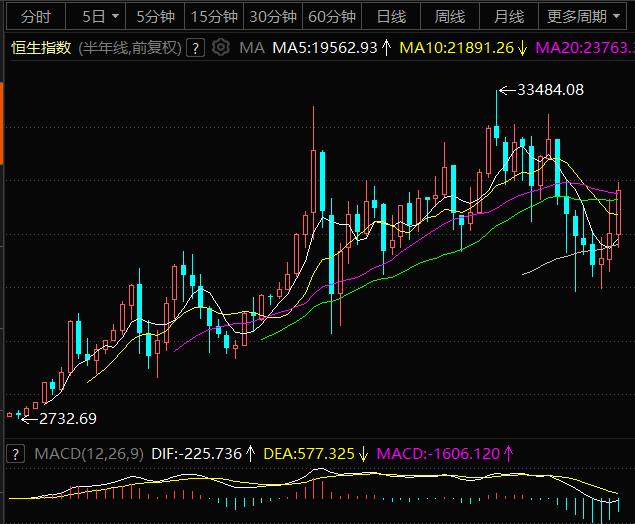
Market Overview - On June 30, the Hong Kong stock market experienced a slight pullback, with the Hang Seng Index falling by 212 points or 0.9% to close at 24,072 points. The Hang Seng Tech Index decreased by 0.7% to 5,302 points. The total market turnover was HKD 242.2 billion, with a net inflow of HKD 5.22 billion through the Stock Connect [1] - Key blue-chip stocks in sectors such as banking, insurance, and the internet generally retreated, while consumer, telecommunications, and industrial blue-chip stocks rose. Notably, the biopharmaceutical, media entertainment, gold retail, and digital asset sectors performed well [1] Macro Dynamics - In the U.S., May PCE and core PCE rose by 2.3% and 2.7% year-on-year, respectively, showing a slight recovery from April. The actual year-on-year growth rate of personal disposable income for U.S. residents fell to 1.7%, while actual year-on-year growth in personal consumption expenditures slowed to 2.2%, the lowest since February of the previous year [2] - In China, new home sales continued to decline year-on-year, with a reported 2.99 million square meters sold in 30 major cities, down 24.7% year-on-year [2] Industry Dynamics - In the consumer sector, the stock price of Lao Pu Gold (6181 HK) rose by 15% after the expiration of a one-year lock-up period, driven by the opening of new stores in Shanghai and Singapore. The current valuation is approximately 40 times the 2025 earnings [3] - The Hang Seng Healthcare Index increased by 0.8%, with the National Healthcare Security Administration recently issuing guidelines for the adjustment of the basic medical insurance directory and innovative drug directory for commercial health insurance [4] - The renewable energy sector saw a general decline in Hong Kong stocks, but the photovoltaic sector performed well, with companies like Xinyi Solar (968 HK) and Flat Glass Group (6865 HK) rising by 4.2% to 7.6% [5] Strategic Outlook - The report from Zhongtai International forecasts a bullish outlook for the Hong Kong stock market in 2025, driven by a technical bull market and favorable policies. The Hang Seng Index is expected to have a target price adjustment from 23,000 points to 24,500 points by the end of the year, with an anticipated increase in earnings per share of 8.5% and 8.3% for 2025 and 2026, respectively [6] - The report highlights that the Hong Kong stock market is likely to attract cross-market capital flows due to a weaker U.S. dollar and valuation opportunities, with a net inflow of HKD 708.1 billion from southbound funds from the beginning of the year to the end of June [8] - The report identifies ten key stocks for the second half of the year, including Tencent (700 HK), SMIC (981 HK), and China Ping An (2318 HK) [10]
2025年7月港股金股:加强创新药产业链的配置
Haitong Securities International· 2025-07-02 01:03
Investment Rating - The report assigns an "Outperform" rating to multiple companies in the healthcare sector, including JD Health, WuXi AppTec, and Innovent Biologics, among others [1]. Core Insights - The innovative drug revenue for the companies is expected to exceed 10 billion yuan in 2025, with innovative drugs projected to account for over 80% of total revenue [22]. - The oncology pipeline leadership is expanding, with core products like Ameitini expected to reach peak sales of 8 billion yuan [22]. - The ADC (Antibody-Drug Conjugate) market is projected to reach $64.7 billion by 2030, with a CAGR of 30% [17]. Summary by Sections Company Ratings - Companies rated as "Outperform" include JD Health, WuXi AppTec, Innovent Biologics, and BeiGene [1]. - Neutral rating is assigned to China National Pharmaceutical Group [1]. Market Trends - The report highlights a strong performance in the online pharmacy sector, driven by chronic disease drugs and innovative weight-loss medications [34]. - JD Health's revenue growth accelerated to 25.5% YoY in Q1 2025, indicating a robust market position [34]. Pipeline and Product Development - The report emphasizes the importance of ADC technology platforms, with several companies establishing global partnerships valued over $6 billion [22]. - Upcoming catalysts include approvals for various ADC products and significant clinical data releases expected in 2025 [34]. Financial Projections - The innovative drug industry chain is expected to grow by over 15% YoY, with high-margin polypeptide business projected to maintain over 60% growth [29]. - Companies like BeiGene are expected to see peak sales in their hematological oncology segment exceed $8 billion [24].


上半年基金成绩单出炉:“吃药”行情卷土重来,医药霸榜TOP10
3 6 Ke· 2025-07-01 10:24
Group 1: Market Overview - In the first half of 2025, global capital markets experienced significant fluctuations, with different markets showing various highlights. The US stock market saw the Dow Jones increase by 3.64%, the Nasdaq 100 by 7.93%, and the S&P 500 by 5.5% [1] - The Hong Kong stock market outperformed, with the Hang Seng Index, Hang Seng Tech Index, and Hang Seng China Enterprises Index rising by 20%, 18.68%, and 19.05% respectively, indicating a strong capital inflow into Hong Kong stocks [1] - A-shares showed a structural market trend, with small-cap stocks outperforming larger indices, as evidenced by the Shanghai Stock Exchange 50 Index rising by only 1.01% while the CSI 2000 Index increased by 15.24% [1] Group 2: Fund Performance - As of June 30, 2025, there were 22,090 open-end funds (excluding money market and QDII funds) in the domestic market, with 86.26% of them generating positive returns in the first half of the year [2] - Among QDII funds, 87.15% achieved positive returns, with 13.15% of these funds yielding returns of 20% or more [2] - A total of 988 open-end funds outperformed the Hang Seng Index, representing 4.34% of all non-money market funds, indicating a concentration of high-quality products [2] Group 3: Top Performing Funds - The top 20 open-end funds in terms of performance for the first half of 2025 had returns ranging from 82.45% to 56.70%, significantly outperforming major indices [3] - The majority of these top-performing funds were heavily invested in the healthcare sector, with 11 out of the 20 funds focusing on the pharmaceutical and health industries [4][5] - In the QDII category, the top 10 funds had returns between 86% and 46.71%, with all funds heavily weighted in pharmaceutical stocks [9][10] Group 4: Sector Analysis - The healthcare sector, particularly innovative pharmaceuticals, showed remarkable performance, with the A-share innovative drug concept rising by 26.1% and the Hang Seng Biotechnology Index increasing by 50.65% [13] - The strong performance of the pharmaceutical sector has led to a significant recovery for funds that were previously underperforming in this category, marking a notable turnaround in the market [13]
今年上半年全球9款肺癌新药获批
Bei Ke Cai Jing· 2025-07-01 08:17
Core Insights - Lung cancer remains the leading cause of cancer-related deaths globally, with ongoing research and development of innovative drugs targeting this disease [1][2] - A total of 2813 drugs are currently in development for lung cancer indications, with a significant focus on non-small cell lung cancer (NSCLC) [2] - In the first half of this year, 9 innovative drugs for lung cancer have been approved, providing new treatment options for patients [3] Group 1: Drug Development Trends - The number of drugs in development for lung cancer has increased from 1655 in November 2022 to 2813 by July 2023, with the majority targeting NSCLC [2] - Among the 2813 drugs, small molecule drugs are the most prevalent, totaling 1028, followed by monoclonal antibodies (264), antibody-drug conjugates (ADC) (226), and bispecific antibodies (110) [2] - The most common drug targets include EGFR (66 drugs), PD-1 (42 drugs), and PD-L1 (27 drugs) [2] Group 2: Recent Drug Approvals - The 9 newly approved lung cancer drugs include products from major companies such as Johnson & Johnson, Bristol-Myers Squibb, and domestic firms like Hengrui Medicine and Hansoh Pharma [3][5] - Johnson & Johnson's Evotazumab is the first bispecific antibody approved for lung cancer, initially for second-line treatment of EGFR exon 20 insertion mutations [4] - The domestic drug Luconisumab, developed by Kelun-Biotech, is the second globally and the first in China ADC targeting TROP2, approved for treating advanced NSCLC [5] Group 3: Emerging Treatment Strategies - The approval of new drugs is addressing rare mutations such as EGFR exon 20 insertion, which accounts for 4%-10% of EGFR mutations and has poor prognosis with existing treatments [3] - The PD-1/VEGF bispecific antibody Ivosidenib has been approved for first-line treatment of PD-L1 positive NSCLC, marking a significant advancement in immunotherapy [7] - The introduction of drugs targeting KRAS mutations, previously considered "undruggable," indicates a shift in treatment possibilities for advanced NSCLC [6]
创新药全链条支持政策落地!恒生医疗ETF(513060)溢价交投火爆,估值修复双击启动
Sou Hu Cai Jing· 2025-07-01 03:44
Core Insights - The article highlights the significant policy changes aimed at supporting the development of innovative drugs in China, marking a new phase of systematic support for the industry [2][3][6] Group 1: Policy Framework - The policy document establishes a comprehensive support framework covering the entire lifecycle of innovative drugs, focusing on breaking through key bottlenecks in research, approval, payment, and application [3][4] - A major breakthrough is the strategic use of medical insurance data, which will be centralized on a national platform to inform drug development decisions, representing a milestone in the utilization of medical insurance data in China [3][4] - The introduction of a "commercial health insurance innovative drug catalog" creates a tiered protection system, allowing high-value innovative drugs to operate in an independent market space [3][4] Group 2: R&D and Market Transformation - The policy drives innovation in drug development and market transformation through multi-level institutional design, encouraging insurance capital to form "patient capital" to address long-term funding challenges [4][6] - A dual-track mechanism for dynamic adjustment of the medical insurance catalog and targeted policy guidance for enterprises significantly enhances approval efficiency [4][6] - The establishment of a multi-faceted payment system supports innovative drug cases exempt from payment by disease type, optimizing cash flow through prepayment and immediate settlement [4][5] Group 3: Implementation Challenges - The effective execution of the policy faces systemic challenges, particularly in hospital management efficiency and the awareness of clinical physicians regarding new drugs [5][6] - Data security and compliance boundaries require careful attention, as the specifics of operational standards and privacy protection need to be clarified [5][6] - The sustainability of payment capabilities is a long-term issue, necessitating a delicate balance between fund capacity and innovation incentives [5][6] Group 4: Strategic Shift and Global Competitiveness - The policy signifies a strategic shift towards a "demand-driven" model for innovative drug development, enhancing patient access and international competitiveness [6] - It emphasizes the importance of collaboration among various departments to leverage medical insurance data for research decisions and to break down barriers to clinical accessibility [6] - The policy also supports the globalization of innovative drugs through platforms in Hong Kong and Macau, aiming to convert domestic market advantages into international influence [6] Group 5: Investment Opportunities - The Hengsheng Medical ETF (513060) is positioned as a core vehicle for investing in innovative drugs, benefiting from the scarcity of underlying assets and the anticipated commercial value reassessment [7] - The ETF's holdings include leading companies that are direct beneficiaries of the policy changes, with over 40% of its biotech companies having overseas rights [7] - The article suggests that the policy is not a short-term benefit but rather a long-term growth engine through data-enabled research and dual-track payment systems [7]
重磅政策助力,创新药再度飘红!港股通创新药ETF(159570)涨超1%!海外授权交易爆发,创新药盈利拐点显现!
Sou Hu Cai Jing· 2025-07-01 02:46
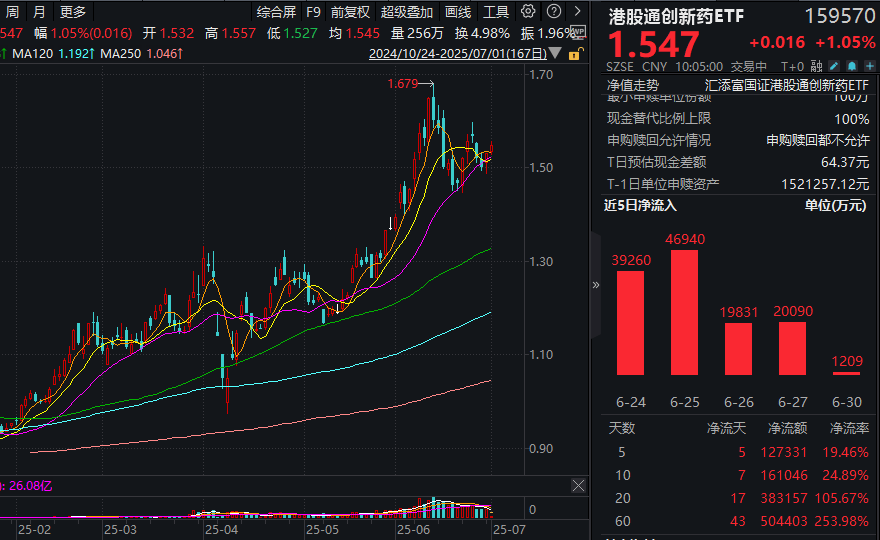
Group 1 - The Hong Kong Stock Connect Innovative Drug ETF (159570) has seen significant inflows, with a net inflow of over 1.27 billion yuan in the past five days, bringing its total scale to over 7.8 billion yuan, leading its peers and setting a new historical high [1] - The index of the Hong Kong Stock Connect Innovative Drug ETF (159570) has outperformed the market with a 62.78% increase in the first half of 2025 [1][11] - The National Healthcare Security Administration and the National Health Commission have issued measures to support the high-quality development of innovative drugs, emphasizing the use of medical insurance data for drug research and development [3] Group 2 - There has been a significant increase in overseas licensing transactions for Chinese innovative drug companies, with the number of license-out transactions rising sharply since 2020, projected to account for 51% of global transactions by Q1 2025 [4] - By 2033, the global revenue from innovative drugs originating from China is estimated to reach between 210 billion to 350 billion USD, with a projected 25% share of total drug spending [4] - The 2024 revenue for selected Hong Kong-listed pharmaceutical companies is projected to be 72.3 billion yuan, with a revenue growth rate of 36.5% and a net profit growth rate of 27.6% [6] Group 3 - The innovative drug business model is gaining widespread market recognition, entering a phase of systematic valuation increase, with many companies moving towards profitability [7] - With improved liquidity and risk appetite, innovative drugs are expected to become a key focus for the year, especially with upcoming data releases from major conferences [10] - The Hong Kong Stock Connect Innovative Drug ETF (159570) has a high concentration of innovative drug stocks, with nearly 72% of its top ten holdings in the innovative drug sector [11]
近一月日均成交医药类居首!港股创新药ETF(513120)年初至今累计上涨超57%,近5日“吸金”超8亿元
Sou Hu Cai Jing· 2025-07-01 02:17
Group 1 - The Hong Kong Innovative Drug ETF (513120) has seen a year-to-date increase of over 57% as of June 30, 2025, making it one of the top performers in its category [1] - The ETF's latest scale reached 13.425 billion, ranking it first among all pharmaceutical ETFs in the market [1] - The ETF has experienced net inflows in 4 out of the last 5 trading days, totaling 805 million [1] Group 2 - The CSI Hong Kong Innovative Drug Index (931787) has its top ten weighted stocks accounting for 67.94%, including companies like Innovent Biologics and WuXi Biologics [2] - The National Healthcare Security Administration will hold a press conference on July 1 to discuss measures supporting the high-quality development of innovative drugs, emphasizing the use of healthcare data for drug research [2] Group 3 - CITIC Securities remains optimistic about the pharmaceutical industry in the second half of 2025, focusing on innovation and the global competitiveness of Chinese pharmaceutical companies [3] - The Hong Kong Innovative Drug ETF closely tracks the CSI Hong Kong Innovative Drug Index, covering leading stocks in the sector and allowing T+0 trading for enhanced liquidity [3]