蜜雪集团

Search documents
【转|太平洋食饮-26年度策略】底部向阳,寻找结构性亮点
远峰电子· 2026-01-18 11:38
Overall Sector Review - The food and beverage sector significantly underperformed the market, with a year-to-date decline of -0.62%, lagging behind the Shanghai Composite Index by 15.0 percentage points [2] - The sector experienced a deep correction after an initial rebound driven by expectations of consumption recovery and supportive policies, but the actual recovery rate was lower than anticipated, leading to a consensus on weak domestic demand [2] Subsector Performance - The snack sector outperformed with a year-to-date increase of 28.88%, driven by channel expansion and a revenue growth rate of 30.97% in the first three quarters [4] - Soft drinks also showed resilience with a 10.11% stock price increase, benefiting from strong travel demand and low-cost, high-frequency consumption [4] - The restaurant chain sector saw a rebound with gains of approximately 10.34% and 10.29% for pre-processed and baked goods, respectively [4] - The liquor sector, particularly high-end liquor, faced challenges with weaker sales and declining prices, while beer performance was supported but affected by high-end market constraints [4] Investment Insights - The sector is under pressure from deflationary trends and a weak recovery, with consumer confidence remaining low, indicating a shift to a "new normal" of low growth [8] - High-end consumption has shown slight recovery due to stock market wealth effects, but sustainability remains a concern [9] - The food and beverage sector's valuation is at historical lows, with a current PE (TTM) of 21.9X, indicating potential investment opportunities in undervalued segments [12] Fund Holdings - As of Q3 2025, the food and beverage sector's fund holdings decreased to 6.38%, nearing levels seen in 2016, with the liquor segment comprising 5.52% of this [14] - Fund holdings in the liquor sector increased for certain subsectors, including white liquor and seasoning products, while others saw declines [16] Long-term Trends - The liquor industry is undergoing its longest adjustment period since 2003, with significant price corrections and a potential bottoming out of valuations [21] - The white liquor sector has underperformed the market with a year-to-date return of -4.87%, reflecting weak demand and a divergence from broader market trends [24] - The third quarter of 2025 saw a significant decline in revenue and net profit for the white liquor sector, indicating a deep adjustment phase [27] Pricing Dynamics - The white liquor market is experiencing a general decline in prices, particularly in high-end segments, while lower price segments show resilience [29] - The average price of high-end products like Moutai has dropped significantly, while mid-range and lower-range products have maintained stability or slight increases [31] Investment Recommendations - The white liquor sector is advised to focus on inventory reduction and demand recovery, with a preference for leading brands that can maintain pricing power and product stability [32]







港股市场正迎来一波来自“家门口”的消费品牌上市热潮。
Sou Hu Cai Jing· 2026-01-17 18:04
Group 1: Market Overview - The Hong Kong stock market is experiencing a surge in listings from local consumer brands, particularly in the community retail sector [1] - The recent wave of listings reflects a broader trend where regional brands aim to transition from local strongholds to national brands through capital market access [1][6] Group 2: Company Highlights - Qian Dama, a community fresh food chain known for its "no overnight meat" policy, submitted its IPO application to the Hong Kong Stock Exchange, reporting a revenue of 11.788 billion yuan and a net profit of 227 million yuan for 2024 [2] - As of September 30, 2025, Qian Dama operates 2,938 stores across 14 provinces and municipalities, supported by 1,754 franchisees [3] - Yuanji Food, the parent company of Yuanji Dumplings, also filed for an IPO, reporting a revenue increase from 2.026 billion yuan in 2023 to 2.561 billion yuan in 2024, with a projected revenue of 1.982 billion yuan for the first nine months of 2025 [4][5] Group 3: Industry Trends - The trend of consumer brands seeking to list in Hong Kong is driven by stricter regulations and higher listing thresholds in the A-share market, making Hong Kong's more flexible registration system appealing [6] - The community retail and quick-service restaurant sectors are characterized by stable consumer demand, making them attractive for investment and expansion through public offerings [7] - The ongoing listing enthusiasm has extended to various sub-sectors, including tea, dining, and fresh food, with several brands like Mixue Group and Huasheng Group successfully going public [8]

社服行业2026年投资策略:消费复苏分化,关注结构性机会
EBSCN· 2026-01-16 12:05
Core Insights - The report highlights a differentiated recovery in consumer spending, emphasizing structural opportunities within the service sector, particularly in dining, education, and travel industries [3][5]. Group 1: Sector Review - The consumer confidence index in China has shown a slight recovery, but consumer willingness remains cautious, with a notable increase in savings and a decline in credit consumption [9][10]. - Service consumption is growing significantly faster than goods consumption, with a widening gap in growth rates, indicating a shift towards experience and service-oriented spending [21][25]. - Lower-tier cities are outperforming higher-tier cities in terms of consumption growth, driven by rising disposable incomes and stable property values [28][35]. Group 2: Dining Sector - The dining sector is experiencing a weak recovery, with a focus on cost-effectiveness and freshness. Recommendations include high-value brands like Xiaocaiyuan and Guming, as well as industrialized tea brands like Mixue [5][73]. - The average dining price has been under pressure, with a decline from 85 yuan in October 2023 to 73 yuan in November 2025, reflecting a shift towards more affordable dining options [72][76]. - The market share is increasingly concentrated among leading dining enterprises, with the revenue share of large-scale dining businesses rising from 20.2% in 2019 to 28.6% in 2025 [72][73]. Group 3: Education Sector - The education sector is witnessing strong demand, with improved competitive dynamics and reduced uncertainty due to clearer policies. Key players include TAL Education and Xueda Education, which leverage AI capabilities [5]. Group 4: Travel and Hospitality Sector - The domestic leisure travel market is growing, with inbound tourism contributing to incremental growth. Recommendations include focusing on scenic areas with strong operational capabilities like Emei Mountain and Changbai Mountain [5]. - The hotel sector is seeing a gradual recovery, with mid-to-high-end hotels performing better than budget hotels. The average daily rate (ADR) for high-end hotels has returned to pre-pandemic levels [60][63].
金星啤酒赴港IPO:过度依赖单一品类及分销渠道 递表前分红2.29亿元全部进了实控人父子口袋
Xin Lang Cai Jing· 2026-01-16 10:12
Core Viewpoint - Henan Jinxing Beer Co., Ltd. has submitted its main board listing application to the Hong Kong Stock Exchange, showcasing explosive growth in revenue and net profit driven by the "Chinese craft beer" concept, but faces significant risks from over-reliance on a single product category, family governance issues, and increasing industry competition [1][8] Business Structure Risks: Over-reliance on Chinese Craft Beer and Channel Imbalance - The company's revenue growth is heavily dependent on the "Chinese craft beer" single category, with the "Jinxing Maojian" tea beer series contributing 78.1% of revenue in the first three quarters of 2025, while traditional beer products dropped to 16.6% [2][9] - Over 94% of revenue relies on distributors, with only 4.1% from direct sales, and 61.5% of distributors concentrated in Central China, leading to potential issues like price chaos and inventory mismanagement [2][9] Financial and Governance Concerns: Aggressive Dividends and Social Security Arrears - The company implemented large dividends before the IPO, totaling 229 million yuan, which accounted for 182.6% of the 2024 net profit, while simultaneously facing three years of social security and provident fund arrears exceeding 21.9 million yuan [3][10] - High concentration of ownership, with family members holding 100% of shares, raises governance risks, as the management team is predominantly family members, potentially sidelining minority shareholders [3][10] Industry Competition Pressure: Encroachment by Giants and Lack of Standards - The Chinese craft beer sector is growing rapidly but has low barriers to entry, with major companies like China Resources and Tsingtao launching similar products, and competitors using aggressive pricing strategies [4][11] - The absence of national standards for craft beer allows for easy imitation of the company's "flavor craft" concept, risking the erosion of its first-mover advantage [4][11] Sustainability Challenges: Seasonal Fluctuations and Valuation Disputes - The company's sales exhibit significant seasonality, with a notable decline after October, necessitating production cuts, despite attempts to introduce winter specialty drinks [5][12] - The overall valuation of the Hong Kong beer sector is low (P/E ratio of 15-18 times), and if the company cannot be categorized as "new consumption," its financing scale may fall short of expectations [5][12] Conclusion - The IPO attempt by Jinxing Beer represents a typical case of traditional regional breweries leveraging product innovation for breakthrough, but transitioning from a "viral hit" to a "sustainable enterprise" requires overcoming challenges in product diversification, governance modernization, and building competitive barriers [6][13]
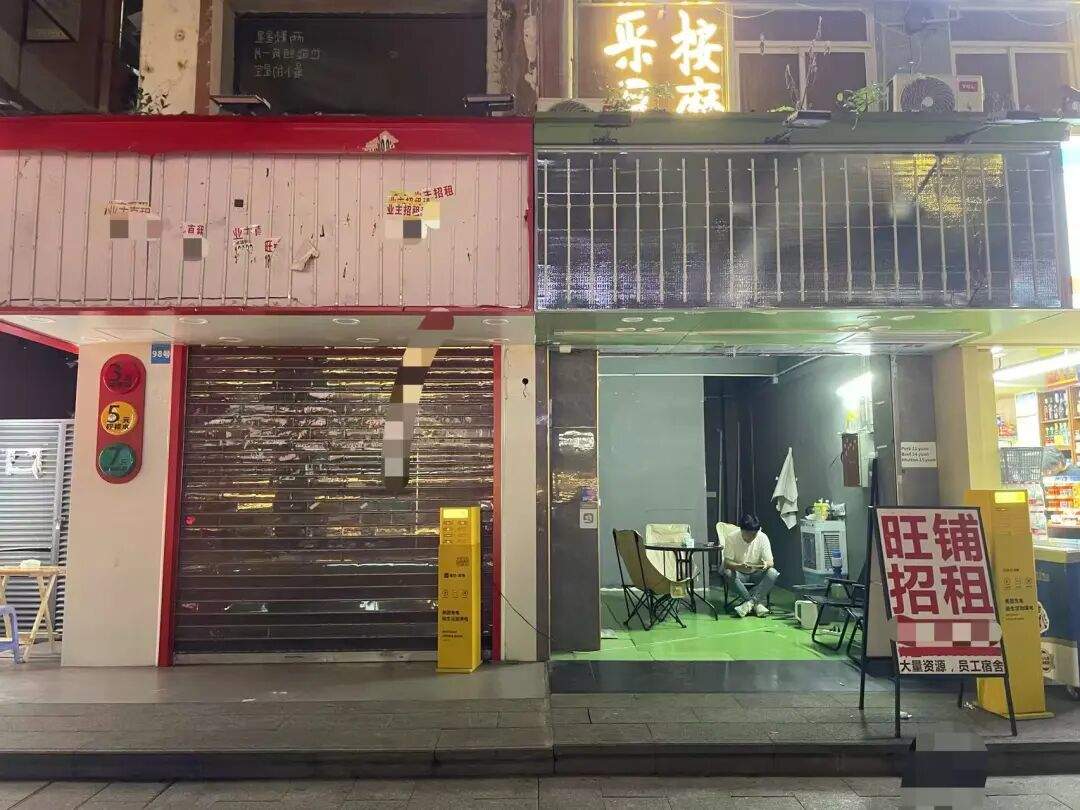
“最热闹的地方都不一定能赚到钱了”,茶饮离规模天花板还有多远?
3 6 Ke· 2026-01-16 03:23
Core Insights - The tea beverage industry is experiencing a significant shift from rapid growth to intense competition, with many brands struggling to maintain profitability as the market approaches saturation [2][11][24]. Industry Overview - The tea beverage market has seen a surge in the number of listed companies, with brands like Gu Ming, Mi Xue Ice City, and Ba Wang Tea Sister joining the ranks, bringing the total to six publicly traded companies [2]. - Mi Xue Ice City has expanded to an impressive 47,000 global stores, while Gu Ming has become the second tea brand to reach 10,000 stores [2]. - The market growth rate is projected to slow down significantly, with an expected increase of only 6.4% in 2025, compared to over 20% in previous years [11]. Market Dynamics - The competition has intensified, leading to a phenomenon where many stores are closing or struggling to find tenants, with rental prices dropping by 30% in some areas without attracting new businesses [10][11]. - The average density of tea beverage stores is high, with one store for every 700 people in the target demographic of 15-35 years old [11]. Financial Performance - Major tea brands have reported substantial revenue growth, with Mi Xue Group achieving a revenue increase of 39.3% to 14.87 billion yuan and Gu Ming's revenue rising by 41.2% to 5.66 billion yuan [15][17]. - Despite overall revenue growth, many franchisees are experiencing declining profit margins due to increased competition and the impact of the delivery service wars [20][21]. Delivery Wars Impact - The fierce competition among delivery platforms has led to significant spending, with approximately 65 billion yuan burned in the third quarter alone, benefiting tea brands through increased order volumes [13][14]. - However, the profitability of individual stores is under pressure, as the shift towards delivery often results in lower profit margins compared to in-store sales [20][21]. Investment Trends - Investors are increasingly adopting a speculative approach, focusing on new brands with the potential for high returns, while established brands are seen as less profitable [24][25]. - The emergence of new brands and trends, such as Thai milk tea, is driving interest among franchisees, who are eager to capitalize on the next big opportunity [27][28]. Consumer Behavior - The delivery wars have changed consumer habits, with a growing preference for ready-to-drink beverages, which may have long-term benefits for the industry [23]. - However, there are concerns that the price sensitivity created by heavy discounting during the delivery wars could persist even after subsidies are reduced [21].
财经观察|“手工现包”的水饺,冲击港股IPO!消费品牌密集登陆资本市场
Sou Hu Cai Jing· 2026-01-15 10:46
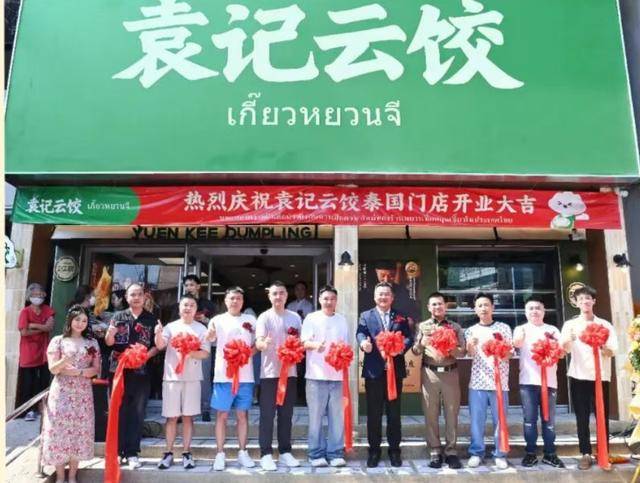
"我很喜欢他家的饺子""我觉得很普通""但小朋友爱吃""我觉得有点小贵"⋯⋯ 袁记云饺的口碑到底如何,十个消费者,答案可能都不一样。但这家成立不到9年的连锁饺子店,如今 已经在全球拥有4266家门店,成为门店最多的中式快餐企业。 1月12日,袁记食品集团股份有限公司(以下简称袁记云饺)正式向香港联合交易所递交招股书,开启 港股IPO冲刺之路。 不到9年的"饺子王国"成长记 袁记云饺的故事始于2017年4月,创始人袁亮宏在广东佛山注册成立佛山市袁亮宏餐饮管理有限公司, 最初的注册资本仅10万元,由其配偶杨煜女士全资持有。彼时,中式快餐市场虽已初具规模,但"手工 现包"的细分赛道仍属蓝海,袁记云饺凭借"新鲜可见、性价比高"的定位,迅速在当地站稳脚跟。 2018年是袁记云饺的首个关键节点:门店总数突破100家,同时苏州袁记工厂正式投产,为后续规模化 扩张奠定了供应链基础。2020年,佛山元宏工厂投入生产,进一步强化了核心食材的自主供应能力。 2021年,品牌迎来爆发式增长,门店总数突破1000家,从区域品牌一跃成为全国性连锁品牌。 2023年,袁记云饺完成A轮融资,引入黑蚁资本等机构,资本的注入加速了其扩张步伐。2 ...
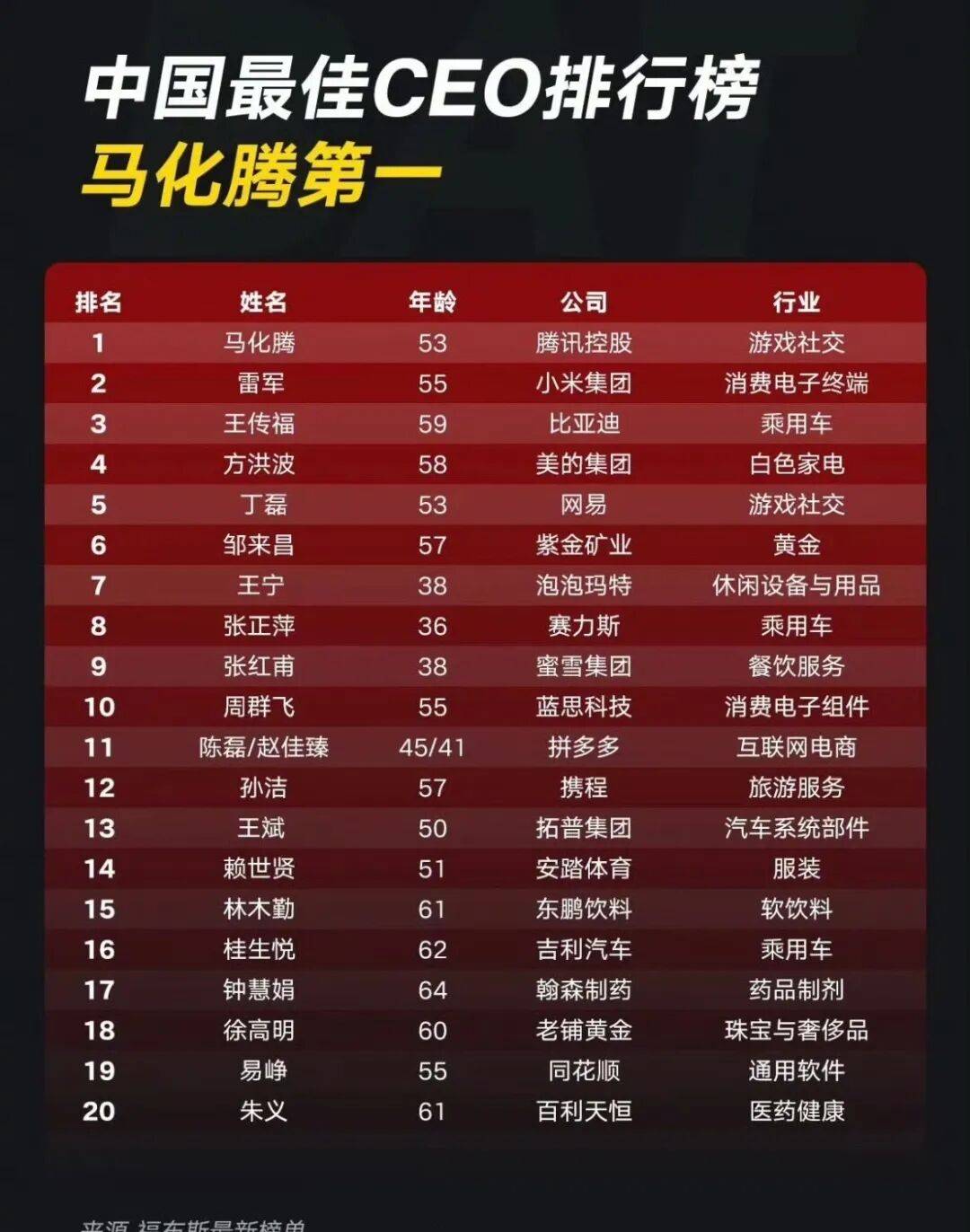
智谱CEO谈DeepSeek冲击;字节正研发新一代豆包AI耳机;携程回应涉嫌垄断被立案调查;传一加手机CEO刘作虎遭通缉...
Sou Hu Cai Jing· 2026-01-15 02:24
Group 1 - The Chinese government has extended the personal income tax refund policy for home purchases until December 31, 2027, which aims to stimulate the real estate market by allowing tax refunds based on the sale and purchase amounts of properties [3][3][3] - The U.S. State Department announced a suspension of visa processing for 75 countries, effective January 21, as part of a reevaluation of screening and review processes [3][3][3] - The U.S. has imposed a 25% tariff on certain imported semiconductors and related products, effective January 15, as part of its trade policy [4][4][4] Group 2 - OpenAI has signed a three-year agreement with Cerebras to procure up to 750 megawatts of computing power, with the total deal exceeding $10 billion, focusing on AI chip technology [7][8][8] - Skild AI has completed a $1.4 billion financing round, raising its valuation to over $14 billion, with participation from major investors including SoftBank and Nvidia [25][25] - Proxima, an AI biotechnology company, has secured $80 million in seed funding, led by DCVC, to advance its research and development efforts [26][26][26] Group 3 - The Chinese smartphone market is projected to see Huawei regain the top position by 2025, with an estimated total shipment of 285 million units, reflecting a slight decline of 0.6% year-on-year [22][22][22] - The private equity firm, Huanfang Quantitative, reported a 56.6% average return in 2025, with assets under management exceeding 70 billion yuan, making it one of the leading quantitative hedge funds in China [6][6][6] - Ctrip is under investigation for alleged monopolistic practices, with the company stating it will cooperate fully with regulatory authorities [13][13][13]

“小面馆”“饺子铺”“生鲜店”纷纷冲刺上市
Xin Lang Cai Jing· 2026-01-14 18:39
Group 1 - The core viewpoint of the articles highlights the trend of street-side businesses, such as "Qian Dama" and "Yuan Ji Yun Jiao," pursuing IPOs in Hong Kong, following the successful listing of "Yu Jian Xiao Mian" [1][2] - "Qian Dama" is identified as the largest community fresh food chain in China, with a network of 2,938 community stores across 14 provinces and municipalities, and a projected GMV of 14.8 billion yuan for 2024 [1] - "Yuan Ji Yun Jiao" operates 4,266 stores nationwide, including 3,333 dine-in locations and 632 takeout outlets, and is expanding its presence in Chengdu with a new factory [1] Group 2 - The trend of street-side enterprises going public is gaining momentum, with "Yu Jian Xiao Mian" being the first Chinese noodle restaurant to list on the Hong Kong Stock Exchange on December 5, 2025 [2] - Other similar companies, such as "Mi Xue Group" and "Shang Hai A Yi," have also successfully listed on the Hong Kong Stock Exchange, indicating a growing interest in this sector [2]
业绩翻倍增长 中式精酿啤酒开创者冲击IPO
Zhong Guo Ji Jin Bao· 2026-01-14 14:32
Core Viewpoint - Jin Xing Beer is set to go public on the Hong Kong Stock Exchange, following a significant surge in performance driven by the popularity of its innovative Chinese craft beers, particularly the Jin Xing Xinyang Maojian craft beer [1][2][4]. Company Overview - Jin Xing Beer, established in 1982, has transitioned from producing industrial beers to becoming a leader in the Chinese craft beer market, particularly with its introduction of tea-infused craft beers [5][6]. - The company has experienced explosive growth, with revenue increasing by 191.34% to 1.11 billion RMB and net profit soaring by 1095.84% to 305 million RMB in the first nine months of 2025 [4][7]. Financial Performance - In 2023, the company reported revenue of 356 million RMB, which increased to 730 million RMB in 2024, and further to 1.11 billion RMB in the first nine months of 2025 [9][10]. - The gross profit margin has improved significantly, with gross profit rising from 97 million RMB in 2023 to 521 million RMB in 2025 [9]. - The revenue from Chinese craft beers accounted for 78.1% of total revenue in the first nine months of 2025, highlighting a shift in the company's revenue structure [10]. Market Position - Jin Xing Beer is recognized as the third-largest craft beer company in China and the largest flavor craft beer producer, holding a market share of 14.6% [4]. - The Chinese flavor craft beer market is projected to grow from 15 billion RMB in 2019 to 111 billion RMB in 2024, with a compound annual growth rate (CAGR) of 49.3% [7]. Ownership Structure - The ownership of Jin Xing Beer is highly concentrated, with the Zhang family controlling over 90% of the shares, which allows for governance aligned with family interests [12][14]. - The company has distributed substantial dividends, totaling 229 million RMB in early 2025, which is 182.6% of the net profit for 2024 [16][17]. Industry Dynamics - The craft beer market in China is rapidly evolving, with the overall market size expected to reach nearly 200 billion RMB by 2029, attracting various competitors including traditional beer giants and retail companies [19][20]. - The lack of established industry standards for craft beer poses challenges, as many products labeled as craft still resemble industrial beers [19]. - New entrants, such as Mixue Group, are entering the market with competitive pricing strategies, which may alter the competitive landscape [20][21]. Future Plans - The IPO proceeds will be primarily used to enhance production capacity, strengthen multi-channel networks, and improve marketing and digital capabilities [23].
业绩翻倍增长,中式精酿啤酒开创者冲击IPO
Zhong Guo Ji Jin Bao· 2026-01-14 14:13
Core Viewpoint - Jin Xing Beer is preparing for an IPO on the Hong Kong Stock Exchange, capitalizing on its recent success in the craft beer market with innovative products like the "Xinyang Maojian Chinese Craft Beer" [1][2]. Company Overview - Founded in 1982, Jin Xing Beer has transitioned from producing industrial beer to becoming a leader in the Chinese craft beer segment, particularly with its introduction of tea-infused beers [4][5]. - The company has seen significant growth, with revenue increasing by 191.34% year-on-year to 1.11 billion RMB in the first nine months of 2025, and net profit soaring by 1095.84% to 305 million RMB [4][8]. Financial Performance - In 2023, the company reported revenue of 356 million RMB, with a gross profit of 97 million RMB and a net profit of 12 million RMB [6][10]. - The introduction of the "Jin Xing Maojian" beer in 2024 marked a turning point, leading to a revenue of 730 million RMB and a net profit of 1.25 million RMB in 2024 [8][10]. - By 2025, the revenue from craft beer reached 867 million RMB, accounting for 78.1% of total revenue [11]. Market Position - Jin Xing Beer is the third-largest craft beer company in China and the largest in the flavored craft beer segment, holding a market share of 14.6% [4][7]. - The Chinese flavored craft beer market is projected to grow from 15 billion RMB in 2019 to 111 billion RMB by 2024, with a compound annual growth rate (CAGR) of 49.3% [7]. Ownership Structure - The ownership of Jin Xing Beer is highly concentrated, with the Zhang family controlling over 90% of the shares, which allows for governance aligned with family interests [13][15]. - The company has distributed significant dividends, totaling 229 million RMB, which is 182.6% of the net profit for 2024 [17][18]. Industry Dynamics - The craft beer market in China is rapidly expanding, with the market size expected to reach nearly 200 billion RMB by 2029, driven by competition from traditional beer giants and new entrants [20][21]. - The lack of established standards for craft beer in China poses challenges, as many products labeled as craft still resemble industrial beer [20]. - Seasonal sales fluctuations are a common issue, but innovative product offerings can help mitigate these challenges [22]. Future Outlook - Jin Xing Beer plans to use the funds raised from the IPO to enhance production capacity, strengthen its distribution network, and invest in marketing and digital capabilities [23].