
宝马

Search documents
智造升级 融合共进——感受中国新能源汽车产业跃升脉动
Xin Hua She· 2025-06-25 07:48
Group 1 - The core viewpoint of the articles highlights the transformation of the Chinese automotive industry towards high-end value chains, exemplified by the collaboration between Jianghuai Automobile and Huawei in producing the luxury electric vehicle, the Zun Jie S800 [1] - The global automotive industry is undergoing profound changes driven by electrification, intelligence, and connectivity, which are pushing China's automotive sector towards quality improvements [1][2] - The integration of technology and innovation is becoming a consensus in the industry, with more automotive companies accelerating their ascent to higher value chains through technological advancements [1][2] Group 2 - The deep integration of industry, academia, and research is facilitating the conversion of technological research into market value, enhancing the competitiveness of Chinese electric vehicles in the global supply chain [2] - Traditional automakers like Jianghuai and BAIC are rapidly embracing the transition to new energy and high-end markets, while new entrants like NIO and Li Auto are reshaping industry competition with internet-driven strategies [2] - The automotive supply chain is evolving with significant advancements in technology, processes, and quality, driven by collaboration among various stakeholders, including battery suppliers and steel manufacturers [2] Group 3 - The Chinese intelligent connected electric vehicle industry is experiencing rapid development, supported by comprehensive top-level design and strong policy backing, leading to a complete industrial system and supply chain cost advantages [2][3]

竞争加剧+品牌声誉受损 特斯拉(TSLA.US)欧洲销量连续五个月下滑
Zhi Tong Cai Jing· 2025-06-25 06:30
不过,电动汽车的需求不断增长,纯电动汽车、插电式混合动力汽和混合动力汽车的注册量分别增长了 26.1%、15%和19.8%。 5月份,欧盟纯电动汽车、混合动力汽车和插电式混合动力汽车的销量占乘用车注册量的58.9%,高于 2024年5月的48.9%。 特斯拉(TSLA.US)5月份在欧洲的新车销量同比下降27.9%,尽管该地区的全电动汽车销量增长了 27.2%。这家美国电动汽车制造商的改良款Model Y仍未显示出能重振其品牌声誉的迹象。 ACEA的数据显示,5月份欧盟、英国和欧洲自由贸易协会的新车销量上升至111万辆,而4月份的销量 下降了0.3%。 中国上汽集团(600104)和德国宝马的新车注册量分别增长22.5%和5.6%,而日本马自达的新车注册量 则下降了23%。 仅在欧盟,今年迄今为止汽车总销量就下降了0.6%。 欧洲汽车制造商协会(ACEA)的数据显示,欧洲汽车总销量增长1.9%,其中插电式混合动力车和替代燃 料驱动汽车的增长最为强劲。 由于消费者转向更便宜的中国电动汽车,以及特斯拉首席执行官埃隆·马斯克的政治立场引发争议,特 斯拉在欧洲的销量已连续五个月下滑。 今年5月,特斯拉在欧洲的市场份额 ...

又暴跌28%!特斯拉欧洲销量连续第五个月下滑
Hua Er Jie Jian Wen· 2025-06-25 05:39
特斯拉在欧洲市场的颓势进一步加剧。 据媒体25日报道,尽管欧洲电动汽车销量整体大幅增长27.2%,但特斯拉5月份在欧洲的新车销量却同 比暴跌27.9%,连续第五个月出现下滑。 不仅如此,特斯拉在欧洲的市场份额已从去年同期的1.8%大幅收缩至仅1.2%。客户正转向中国电动汽 车,同时部分消费者对特斯拉CEO马斯克的政治立场表示抗议。 即便是特斯拉推出的改款Model Y也未能扭转局面。该车型原本被寄望于重振特斯拉老化的产品阵容, 以应对传统汽车制造商和中国竞争对手在贸易紧张局势下快速推出的电动汽车攻势。与此同时,欧洲整 体汽车销量在5月份实现1.9%的同比增长,其中插电式混合动力车和替代燃料汽车表现最为强劲。 竞争对手抢占市场份额,电动汽车市场整体向好 欧洲汽车制造商协会(ACEA)数据显示,5月份欧盟、英国和欧洲自由贸易联盟的新车销量达到111万 辆,扭转了4月份0.3%的下滑趋势。 在特斯拉销量大幅下滑的同时,其竞争对手却表现亮眼。中国国有汽车制造商上汽集团的注册量激增 22.5%,德国宝马也实现5.6%的增长。相比之下,日本马自达的注册量下降23%。 尽管特斯拉陷入困境,但欧洲电动汽车市场整体需求依然强劲 ...
高额关税壁垒下,奥迪拟调整战略
第一财经· 2025-06-25 05:01
Core Viewpoint - Audi is considering building a new factory in the southern United States with an investment of up to $4.6 billion to respond to the new high tariffs on imported cars imposed by the U.S. government [1] Group 1: Audi's Strategic Response - Audi is evaluating multiple site options for the new factory, with the southern U.S. being the most likely location due to its established automotive industry and favorable policy environment [1] - Currently, Audi does not have a production base in the U.S., but the presence of other Volkswagen Group manufacturing projects in the region could provide supply chain and manufacturing synergies [1] - The decision on the specific plan will be made after discussions with the Volkswagen Group later this year, as Audi aims to expand its market influence in the U.S. [1] Group 2: Impact of U.S. Tariffs on the Automotive Industry - The U.S. has imposed a 25% tariff on imported cars, which has significantly affected car prices and company profits, with General Motors projecting a profit reduction of $4 billion to $5 billion due to these tariffs [2] - The average tariff rate for cars assembled in Canada and Mexico and exported to the U.S. is 15%, contingent on compliance with the USMCA's origin rules [2] - The automotive industry in the U.S. is heavily reliant on imports, with imported vehicles accounting for 48% of the market and domestic vehicles containing an average of 30% imported parts [2][3] Group 3: Adjustments by Other Automakers - Several automakers, including Audi and Jaguar Land Rover, have suspended deliveries to the U.S. in response to the tariffs, while BMW and Mercedes-Benz are taking a wait-and-see approach [3] - Mercedes-Benz plans to add a production line for its popular GLC SUV model at its Alabama plant starting in 2027, while BMW is exploring capacity expansion at its Spartanburg plant [3] - Other automakers, such as Toyota and Mitsubishi, are increasing their vehicle prices in the U.S. to offset the impact of tariffs, with Toyota raising prices by an average of $270 [4]



高额关税壁垒下,多家车企拟调整战略,奥迪考虑在美建厂
Di Yi Cai Jing· 2025-06-25 04:27
Group 1 - Audi is actively considering building a new factory in the southern United States with an investment of up to $4.6 billion to respond to new high tariffs on imported cars [1] - The southern U.S. region has a well-established automotive industry infrastructure and policy environment, which could provide supply chain and manufacturing synergies for Audi [1] - Audi currently has no production base in the U.S., and the decision on the specific plan will be made after discussions with the Volkswagen Group later this year [1] Group 2 - The U.S. government has imposed a 25% tariff on imported cars, effective April 3, with a similar tariff on key automotive parts set to take effect on May 3 [2] - General Motors has lowered its 2025 profit forecast, estimating a potential profit reduction of $4 billion to $5 billion due to the new tariffs [2] - General Motors plans to invest approximately $4 billion in three U.S. factories over the next two years to expand production of its best-selling models [2] Group 3 - Imported vehicles account for 48% of all vehicles sold in the U.S., and domestically produced cars contain an average of 30% imported parts, amplifying the impact of tariffs on the automotive industry [3] - Ford relies on its Mexican factories for about 60% of its vehicles sold in the U.S., while General Motors produced nearly 900,000 vehicles in Mexico in 2024, most of which were exported to the U.S. [3] - Several European automakers, including Audi and Jaguar Land Rover, have suspended deliveries to the U.S. in response to high tariffs [3] Group 4 - Several automakers are adjusting their prices in the U.S. market, with Toyota planning an average price increase of $270 and Mitsubishi announcing a 2.1% price hike [4] - Mercedes-Benz has proposed a mutual tariff exemption mechanism between the U.S. and the EU, allowing for reciprocal tax-free exports [4]
商会疾呼:缩短汽车经销商返利账期至30天内!
Zhong Guo Qi Che Bao Wang· 2025-06-25 01:17
Core Viewpoint - The National Federation of Industry and Commerce's Automotive Dealers Chamber has issued an initiative calling for automotive manufacturers to optimize rebate policies and shorten the rebate payment period, highlighting the challenges faced by dealers in the automotive supply chain [2][5]. Group 1: Rebate Issues - The initiative identifies three major pain points regarding rebate payments: complexity in rebate structure, significant differences in payment periods among brands, and restrictions on how rebates can be used [3]. - A survey of 42 automotive brands revealed that 17 brands have a rebate payment period of no more than 30 days, while 4 brands extend up to 180 days for fixed rebates. For non-fixed rebates, 18 brands have a payment period of no more than 30 days, with 2 brands having no non-fixed rebates at all [3]. - All brands tie rebate payments to sales performance or vehicle delivery numbers, with 25 brands restricting the use of rebates solely for vehicle or parts purchases [3]. Group 2: Calls for Action - The initiative urges manufacturers to establish clear rebate policies, simplify rebate structures, and eliminate ambiguous terms to provide dealers with predictable and calculable standards [5][6]. - It calls for all brands to shorten the rebate payment period to no more than 30 days and to provide rebates in cash form that dealers can freely use, without excessive conditions tied to performance metrics [6]. Group 3: Industry Response - Some manufacturers, such as Lincoln, have already begun to shorten rebate cycles, committing to ensure rebates are processed within 20 days. Other brands have also pledged to reduce payment periods to within 60 days [8]. - Despite some progress, the response from manufacturers has been limited, and many dealers still feel pressured and dissatisfied with the current rebate structures [9]. - Industry experts suggest that the structural issues within the automotive market, characterized by an excess of brands and dealers, contribute to ongoing challenges, and a shift towards a more integrated dealership model may be necessary for improvement [10].

新股探寻(影石创新、思看科技、汉朔科技、泰禾股份)
2025-06-24 15:30
Summary of Key Points from Conference Call Records Industry and Company Overview - **Yingshi Innovation**: Leading global provider of panoramic cameras with a market share of 67.2%. The handheld smart imaging device market reached RMB 36.47 billion in 2023, growing at 14.3% annually. The panoramic camera market is valued at RMB 5.03 billion, with future growth expected from the integration of panoramic and action cameras and emerging applications [1][5]. - **Sikang Technology**: Dominates the industrial-grade 3D laser scanner market, holding the top position in China and second globally. Revenue projections for 2022-2024 are RMB 210 million, RMB 270 million, and RMB 330 million, with an annual growth rate of 20%-30% [1][12]. - **Hanshuo Technology**: The third-largest electronic shelf label supplier globally, with a domestic market share of approximately 12%. The global electronic shelf label market is expected to reach RMB 35 billion by 2028 [1][14]. - **Taihe Co., Ltd.**: A leading pesticide manufacturer in China, with core products like Bacillus thuringiensis accounting for over 50% of global capacity. Revenue projections for 2022-2024 are RMB 5.1 billion, RMB 3.87 billion, and RMB 4.24 billion [1][20]. Core Insights and Arguments - **Yingshi Innovation**: The company maintains a strong position in the smart imaging device market, with a balanced online and offline sales strategy. The introduction of the X5 series panoramic camera has seen high demand due to its advanced features [3][8]. - **Sikang Technology**: The company has established strong partnerships with major automotive and aerospace firms, indicating a solid competitive advantage in high-precision markets [11]. - **Hanshuo Technology**: The company is well-positioned to benefit from the increasing penetration of electronic shelf labels in retail, driven by rising labor costs and inflation [16][15]. - **Taihe Co., Ltd.**: The company has a robust international presence through long-term collaborations with multinational corporations, enhancing its market position [21]. Financial Performance - **Yingshi Innovation**: Revenue is projected to grow from RMB 2.04 billion in 2022 to RMB 5.57 billion in 2024, with an average growth rate exceeding 50%. The expected revenue for the first half of 2025 is between RMB 3.2 billion and RMB 3.8 billion [10]. - **Sikang Technology**: Revenue is expected to grow steadily, with net profits increasing significantly in the first quarter of 2025 [12]. - **Hanshuo Technology**: Revenue is projected to increase from RMB 2.8 billion in 2022 to RMB 4.49 billion in 2024, despite a slight decline in Q1 2023 [19]. - **Taihe Co., Ltd.**: Revenue is expected to stabilize despite slight declines in 2023, with a significant increase in net profit in Q1 2025 [25]. Potential Risks - **Sikang Technology**: Faces risks related to its small revenue base and the competitive landscape, as well as macroeconomic factors affecting industrial clients [13]. - **Taihe Co., Ltd.**: Risks include price volatility in agricultural products, uncertainties in the promotion of new varieties, and potential trade policy fluctuations [26]. Additional Important Insights - **Emerging Applications**: Yingshi Innovation is exploring new fields such as VR real estate viewing, panoramic news broadcasting, and security monitoring, which could provide additional growth opportunities [9]. - **Market Trends**: The electronic shelf label market is expected to grow significantly, with a current penetration rate of only 15% globally, indicating substantial room for growth [15].
BBA放弃挣扎
Hu Xiu· 2025-06-24 13:01
Group 1 - Audi's CEO announced the cancellation of the 2033 target to stop selling internal combustion engine vehicles, opting for a flexible approach based on market differences [2] - Other German luxury car manufacturers, such as Mercedes-Benz and BMW, have also adjusted their electric vehicle strategies, with Mercedes reducing its pure electric sales target from 100% to 50% by 2030 [2][28] - The automotive industry acknowledges that pure electric vehicles are not the only future, as hybrid vehicles are gaining significant market share [4] Group 2 - The shift towards hybrid vehicles is becoming mainstream, with domestic manufacturers also adopting range-extending technologies [6] - Tesla remains the only major company fully committed to producing pure electric vehicles [7] - The high costs associated with electric vehicles, particularly battery costs, place manufacturers at the end of the profit chain, making them vulnerable to price wars [9][10] Group 3 - BYD, which started by manufacturing batteries, has seen significant growth, with a 59.8% increase in global sales in Q1 2024, achieving a market share of 38.7% [11] - In contrast, European manufacturers, except for Tesla, lack their own battery factories, leading to consistent losses in their electric vehicle segments [12] - Ford's electric vehicle business reported a loss of $849 million in Q1 2024, while Volkswagen's ID series has low profitability [13] Group 4 - Toyota's conservative approach to electric vehicles, focusing instead on hydrogen cars, has resulted in substantial profits, with a net profit of 236.4 billion RMB for the fiscal year ending March 2025 [15][16] - Audi's sales have declined, with a 11.8% drop in global sales in 2024, and a significant reliance on fuel vehicles, which are losing competitiveness [17][18] - Audi's revenue for 2024 was 64.5 billion euros, down 7.6%, with a 37.8% drop in operating profit [18] Group 5 - The EU's legislation mandating the ban on new internal combustion engine vehicles by 2035 has pressured European manufacturers to accelerate their electric vehicle transitions [21] - The EU's new carbon emission regulations could lead to significant fines for manufacturers failing to meet targets, with estimates suggesting a potential 16 billion euros in penalties [22] - The market penetration of electric vehicles in Europe has stagnated around 13%, indicating challenges in meeting regulatory requirements [22] Group 6 - Audi's CEO has emphasized the need for strategic flexibility, stating that the aggressive electrification timeline set by previous management is no longer suitable [19][20] - The automotive industry in Europe is facing a dilemma: either revert to internal combustion engines or collaborate with Chinese manufacturers [33] - Audi has actively engaged with Chinese partners to develop localized strategies and products, indicating a shift towards embracing Chinese automotive technology [37]
内卷的解药不是涨价
虎嗅APP· 2025-06-23 23:45
Core Viewpoint - The article discusses the evolution of business competition from price-cutting strategies to concerns about low-price competition, emphasizing the need for value creation beyond just lowering prices [3][4]. Group 1: The Origin of Low Prices - Low prices in the market arise from large-scale standardized production, which reduces costs through economies of scale [5][6]. - The price of consumer goods, such as televisions and air conditioners, has significantly decreased due to advancements in production technology and increased market scale [6][7]. - The decline in average prices of household air purifiers by 34% since 2016 correlates with a 53% increase in production volume, indicating that market expansion drives price reductions [8][9]. Group 2: Value Addition - The article argues that simply raising prices does not guarantee increased profits or improved supply chain conditions if the product's core attributes remain unchanged [18][19]. - True consumption upgrades occur when previously unaffordable products become accessible to a broader audience, rather than merely shifting from one expensive brand to another [19][20]. - The emergence of "white label" products reflects a competitive market where price is prioritized over added value, highlighting the need for innovation and differentiation [20][21]. Group 3: Understanding Labor - Improving labor productivity, rather than eliminating low-priced goods, is essential for escaping the cycle of low-price competition [27][28]. - Historical examples, such as the introduction of assembly lines, demonstrate that technological advancements can significantly enhance productivity and reduce costs [27][28]. - The article emphasizes that the value of labor should be recognized and compensated appropriately, moving beyond traditional manufacturing roles [30][31]. Group 4: Conclusion - The article concludes that the key to overcoming low-price competition lies in enhancing human value and creativity, rather than relying solely on cost-cutting measures [33][34]. - It advocates for a shift in perspective, recognizing that the true value of products comes from human innovation and design, rather than just material costs [34][35].


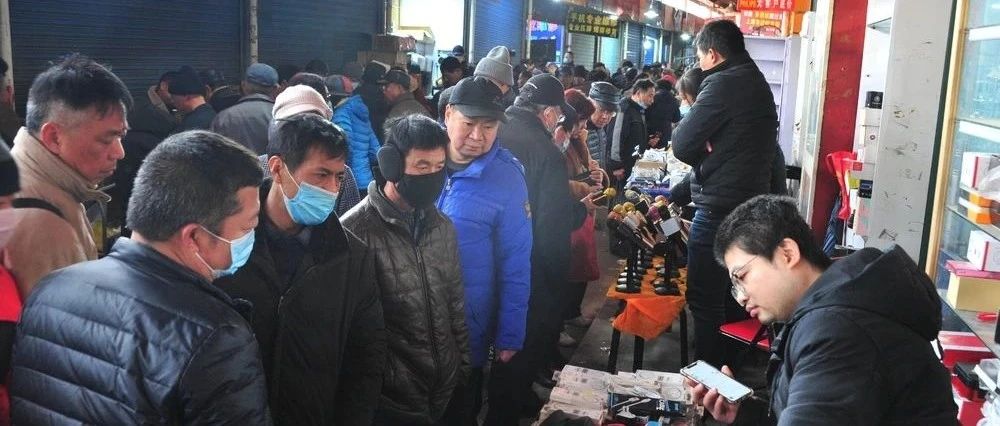
汽车行业“反内卷”打响第二枪!全国工商联汽车经销商商会呼吁→
Zheng Quan Shi Bao· 2025-06-23 15:11
Core Viewpoint - The automotive industry is facing significant pressure, prompting dealers to call for optimized rebate policies and shorter rebate payment periods from manufacturers [1][2]. Group 1: Dealer Challenges - Automotive dealers are experiencing substantial operational pressure, with a report indicating that while many dealers are meeting their sales targets for 2024, losses in new car business are still affecting their survival [1][5]. - A survey by the China Automobile Dealers Association revealed that 84.4% of dealers are facing price inversion issues, with 60.4% experiencing price inversions exceeding 15% [4][5]. Group 2: Rebate Issues - The China Automobile Dealers Association highlighted multiple issues with the rebate policies from manufacturers, including complex rebate structures and significant differences in payment timelines among brands [2][3]. - The survey found that 17 brands have a fixed rebate payment period of no more than 30 days, while some brands have payment periods extending up to 180 days [3]. - The association called for clearer rebate policies, shorter payment periods, and fewer restrictions on rebate usage [3]. Group 3: Manufacturer Responses - Several manufacturers, including GAC Group and BMW, have committed to ensuring rebate payments to dealers within 60 days, responding to the financial pressures faced by dealers [4]. - The proactive measures taken by manufacturers, such as issuing price discounts and lowering sales targets, have led to an increase in dealer satisfaction despite ongoing challenges [5].
