
华熙生物

Search documents
山东济南:多举措打通“供给升级”到“消费提振”路径
Sou Hu Cai Jing· 2025-06-19 09:13
Core Viewpoint - Jinan is focusing on upgrading industrial product supply to boost consumer demand through three main strategies: enhancing digital integration, improving supply-demand matching, and optimizing brand ecosystems [1][2][3] Group 1: Digital Integration - Jinan's Industrial and Information Technology Bureau is implementing actions for digital transformation in manufacturing, including initiatives like "AI Empowering Qiancheng" and plans to establish over 30 new 5G factories and 2 "industrial brains" this year [2] - The city is promoting the development and application of new products and scenarios in areas such as autonomous driving and robotics, aiming to create high-growth consumption sectors [2] Group 2: Supply-Demand Matching - Jinan is conducting "hundred sessions for ten thousand enterprises" supply-demand matching activities, having organized 183 events to facilitate cooperation among industry chain enterprises [5] - An online supply-demand matching service platform has been established, with 2,500 registered companies and nearly 10,000 products listed [5] Group 3: Brand Optimization - The city is implementing a "three products" initiative to enhance variety, quality, and branding of consumer goods, with successful selections of local products for national recognition [3] - Jinan is fostering regional public brands like "Qiancheng Good Products" to strengthen the consumer goods matrix and support high-quality economic growth [3] Group 4: Industrial Foundation - Jinan is actively promoting industrial equipment upgrades and has reported 770 enterprises implementing 1,004 industrial technology transformation projects [5] - The automotive sector, particularly in new energy vehicles, has seen significant growth, with a 39.5% year-on-year increase in the automotive manufacturing industry from January to April [5]


中国注射类医美行业研究报告
Ai Rui Zi Xun· 2025-06-19 02:11
Investment Rating - The report rates the injection-based medical beauty industry as a new blue ocean market with significant growth potential [1]. Core Insights - The medical beauty industry is undergoing transformation driven by technological advancements and evolving aesthetic perceptions, with a focus on non-surgical procedures and natural results [1]. - The injection-based medical beauty market is experiencing rapid growth due to the increasing variety of procedures, high repurchase rates, and a market expansion that outpaces industry averages [1][5]. - The report highlights the emergence of new materials and innovations in traditional materials, which are enhancing the diversity of injection-based procedures [5][7]. Summary by Sections Injection-based Medical Beauty Concept and Classification - Injection-based medical beauty procedures are primarily categorized into hyaluronic acid, botulinum toxin, collagen, regenerative injectables, lipolytic injections, and thread lifting [2]. - According to ISAPS data, botulinum toxin leads globally with 8.878 million procedures, followed by hyaluronic acid with 5.565 million [2]. Market Heat Analysis - The synthetic regenerative materials are becoming investment hotspots, with significant funding directed towards companies in this sector [5]. - As of November 2024, 15 injectable products have received approval, primarily in the hyaluronic acid category [5]. Hyaluronic Acid Market Trends - Hyaluronic acid maintains a strong market position, with a growth rate of 29.1% from 2022 to 2023, indicating a "second growth curve" for the product [7]. Botulinum Toxin Market Trends - The market is expected to see a coexistence of natural and recombinant botulinum toxins, with recombinant products gaining traction due to their safety and customization potential [11]. Regenerative Materials Market Trends - The regenerative materials market is focusing on PLA and PCL, with hydroxyapatite emerging as a potential market leader [14]. Collagen Market Trends - The application of collagen in medical beauty is expanding, with a focus on types I and III for facial support and hydration [18]. User Preferences and Trends - The demand for skin improvement procedures is increasing, with a notable rise in interest in private care and hair transplant services [28][29]. - Users are becoming more discerning, prioritizing safety and effectiveness over cost, reflecting a shift in consumer behavior [31][34]. Injection-based Project Satisfaction and Repurchase Intent - Users express high satisfaction with injection-based procedures, particularly water light needles, which have the highest repurchase intent [41][42]. Market Expansion and Internationalization - Chinese companies are increasingly entering international markets, with a focus on hyaluronic acid and collagen products, while facing regulatory challenges [59].
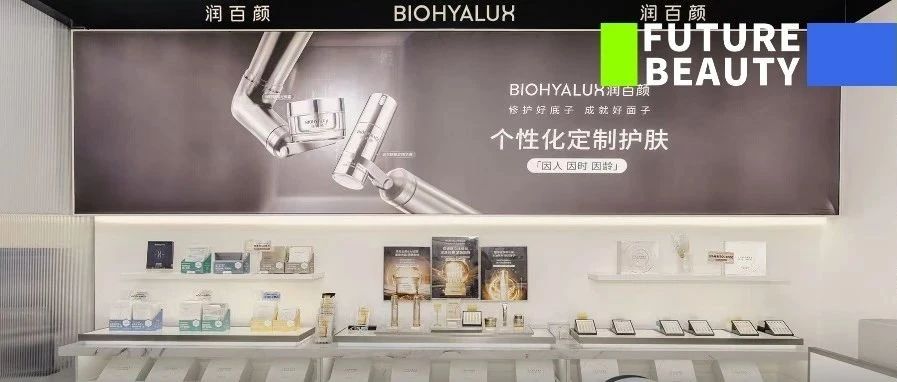
润百颜个性化定制护肤体验店首揭面纱:“一人千面”时代来了?
FBeauty未来迹· 2025-06-18 14:44
Core Viewpoint - Runbaiyan, a core strategic brand under Huaxi Biological, has consistently adhered to "cell repair" skincare technology, showcasing a commitment to technological innovation and strategic determination throughout its evolution [2][3]. Group 1: Brand Evolution and Innovation - Runbaiyan became the first domestic brand of cross-linked hyaluronic acid dermal fillers in 2012, pioneered the secondary essence category in 2014, and entered the skincare market in 2018 with the launch of the national trend IP Forbidden City lipstick [2]. - In 2025, Runbaiyan will launch a "personalized customization" project, marking a significant advancement in integrating online and offline services [3][6]. Group 2: Personalized Skincare Development - The personalized skincare concept has historical roots, dating back to 1853 with Guerlain's "Imperial Water" for Empress Eugénie, but has traditionally been limited to luxury markets [6][7]. - The evolution of personalized skincare in China has progressed through three stages: - 1.0 Stage: Basic skincare products with minimal differentiation [8]. - 2.0 Stage: Focus on specific consumer pain points and skin types [8]. - 3.0 Stage: Aiming for customized solutions that address individual skin conditions, though facing challenges in cost and scalability [8][9]. Group 3: Technological Foundation - Runbaiyan's approach to personalized skincare is rooted in advanced technologies in cell biology, sugar biology, and regenerative medicine, allowing for a deeper understanding of skin issues at the cellular level [9][11]. - The brand utilizes its proprietary INFHA cell repair technology to create a favorable environment for skin cells, emphasizing the importance of foundational skin health [11][22]. Group 4: Customization Process - The customization process begins with AI-driven skin diagnostics, utilizing extensive data from various sources to ensure accurate assessments and tailored skincare solutions [14][16]. - Runbaiyan has developed a modular formula design that can address 15,625 different skincare needs through 108 customized solutions, reflecting a rigorous development process [20][22]. Group 5: Production and Delivery - The brand has achieved flexible production capabilities, allowing for small batch production starting from 500 grams, and can switch formulas in as little as 12 minutes, ensuring efficiency and precision in meeting consumer demands [23][25]. - The first personalized customization experience was launched in Qingdao, where consumers can receive tailored skincare products directly from the store [26][28]. Group 6: Market Impact and Vision - Runbaiyan aims to democratize personalized skincare, making advanced solutions accessible to a broader audience, thus addressing unmet skincare needs and enhancing overall skin health [30][32].
合成生物学周报:工信部启动生物制造中试平台计划,南林大研发非粮生物基隔热材料-20250618
Huaan Securities· 2025-06-18 13:00
Investment Rating - The industry investment rating is "Overweight" [1] Core Views - The report highlights the ongoing active research in life sciences and the global wave of biotechnology revolution, which is accelerating integration into economic and social development. This provides new solutions for major challenges such as health, climate change, resource security, and food security. The National Development and Reform Commission has issued the "14th Five-Year Plan for the Development of the Bioeconomy," indicating a trillion-yuan market potential in the bioeconomy sector [3][4]. Summary by Sections 1.1 Secondary Market Performance - The synthetic biology sector saw a significant increase of 9.36% in the week from June 9 to June 13, 2025, outperforming the Shanghai Composite Index by 9.61 percentage points [17][20]. 1.2 Company Business Progress - Domestic companies are making strides in synthetic biology, such as Hongmo Bio partnering with Yizhi Weisi to establish an AI-driven bio-manufacturing center, and Yike Bio launching a PHA bioplastic production base in Suzhou [26][27]. 1.3 Industry Financing Tracking - Financing activities in the synthetic biology sector are accelerating, with nearly a hundred companies completing new financing rounds since the beginning of 2025. Notable examples include Jingjiahang's angel round financing and Mosanna Therapeutics' $80 million Series A financing [33][34]. 1.4 Company R&D Directions - Companies are focusing on innovative technologies, such as the development of non-grain bio-based insulation materials by Nanjing Forestry University and the strategic collaboration between AstraZeneca and Stone Pharmaceutical for drug discovery [9][29]. 1.5 Industry Research Dynamics - The report notes the establishment of key technology R&D projects in Shanghai for synthetic biology, covering various innovative areas such as AI cell design and 3D printing of tissues [8].
华熙生物:质疑重组胶原蛋白并非针对竞争对手
2 1 Shi Ji Jing Ji Bao Dao· 2025-06-18 10:47
Core Viewpoint - The recent debate in the medical beauty industry regarding "recombinant collagen" has led to significant stock price fluctuations for leading companies, particularly Huaxi Biological and Juzhi Biological, with Huaxi denying any "business war" motives behind its actions [1][5]. Group 1: Market Reactions and Company Performance - From May 24 to June 18, Huaxi Biological's stock price increased by 23.65%, while Juzhi Biological's stock price fell by over 31% during the same period [1]. - As of June 18, Juzhi Biological's market capitalization was approximately 514 billion RMB, while Huaxi Biological's market capitalization was 245 billion RMB, less than half of Juzhi's [1]. Group 2: Opposition to "Name Games" - Huaxi Biological firmly opposes the "name game" in ingredient labeling, arguing that the capital market's concept switching has led to misunderstandings about hyaluronic acid and recombinant collagen, affecting the business environment and causing resource misallocation [2][3]. - The company emphasizes that recombinant collagen is only a small part of collagen research and that the leading edge of protein research remains with life science institutions and pharmaceutical companies [3]. Group 3: Industry Standards and Scientific Communication - Huaxi Biological highlights that no medical beauty Class III device certificates based on recombinant collagen have been approved internationally, indicating that this field requires more time for practical observation [3]. - The company plans to enhance professional communication with the capital market, noting that many analysts lack a biological background and often misinterpret the relationship between hyaluronic acid and collagen [4]. Group 4: Denial of Business War Claims - Huaxi Biological denies rumors that its recent actions are motivated by a "business war" due to pressure on its hyaluronic acid business and competition losses in recombinant collagen [5][6]. - The company asserts that its business has not been under pressure as claimed, with hyaluronic acid business growing over 10% annually and medical-grade hyaluronic acid growing over 20% [6]. Group 5: Consumer Trust and Market Integrity - Huaxi Biological argues that consumer trust in domestic brands should not be built on the misuse of academic concepts and misleading marketing practices, which could distort the business ecosystem and lead to resource misallocation [7]. - The company calls for industry-wide participation in product testing and standard discussions to enhance understanding and eliminate industry bubbles and misconceptions [7]. Group 6: Timeline of Events - The controversy began in mid-May when Huaxi Biological questioned several brokerage reports that promoted recombinant collagen and criticized hyaluronic acid [8]. - On May 24, beauty blogger "Big Mouth Doctor" Hao Yu publicly questioned the collagen content in Juzhi Biological's products, leading to further disputes [9][10].
中国注射类医美行业研究报告
艾瑞咨询· 2025-06-18 09:55
Core Insights - The injection-based medical beauty market is experiencing significant growth, driven by advancements in technology and evolving consumer aesthetic preferences, with a focus on non-surgical procedures and natural results [1][2][6] Group 1: Injection Medical Aesthetics Overview - Injection medical aesthetics primarily involves minimally invasive treatments using injectables, with hyaluronic acid and botulinum toxin dominating the market [2] - In 2023, botulinum toxin treatments led globally with 8.878 million cases, followed by hyaluronic acid with 5.565 million cases [2] - Emerging treatments like regenerative injectables and collagen injections are gaining popularity, while others like lipolytic injections face slower market growth due to safety concerns [2] Group 2: Market Trends and Opportunities - The injection market is becoming a new blue ocean in the medical beauty sector, with increasing diversity in products and rising repurchase rates [1][6] - The synthetic regeneration field is attracting investment, with new materials and combinations expanding market boundaries, accounting for 60% of total investment in injection materials [6] - Hyaluronic acid is experiencing a resurgence, with a growth rate of 29.1% from 2022 to 2023, driven by innovative combinations and treatment methods [12] Group 3: Challenges and Competitive Landscape - The hyaluronic acid market faces challenges such as product homogenization, safety concerns, and price wars, but innovation and differentiation are key to overcoming these hurdles [14][15] - The botulinum toxin market is characterized by intense competition, with a need for companies to carefully evaluate their investment strategies and product offerings [19] - The regenerative materials market is facing high technical barriers and regulatory challenges, but opportunities exist for new entrants to capitalize on emerging materials like hydroxyapatite [27] Group 4: Consumer Insights and Preferences - Consumers are increasingly focused on skin quality and overall facial harmony, with a shift towards personalized beauty solutions [39][42] - Safety and effectiveness remain the top concerns for consumers, with a growing emphasis on the qualifications of medical professionals [45][60] - The decision-making process for medical beauty treatments is becoming more rational, with consumers less influenced by price promotions and more focused on quality [47] Group 5: Future Directions - The injection market is evolving from simple filling procedures to a more sophisticated approach that includes long-lasting, precise, and personalized treatments [67] - Chinese companies are increasingly looking to international markets for growth, with a focus on regulatory compliance and brand recognition to overcome challenges in foreign markets [70][72]

银河证券每日晨报-20250618
Yin He Zheng Quan· 2025-06-18 02:48
美股回落,国际油价收涨超 4%,白银再破历 史高位 每日晨报 2025 年 6 月 18 日 银河观点集萃 责任编辑 周颖 ☎:010-80927635 网:zhouying_yj@chinastock.com.cn 分析师登记编码:S0130511090001 要闻 www.chinastock.com.cn 证券研究报告 请务必阅读正文最后的中国银河证券股份有限公司免责声明 机械:核电人形机器人专题报告——工业应用场景巡礼。国内核电人形机器人 ● 产业发展提速:自2024年3月起,国家地方共建人形机器人创新中心联合上 海电气中央研究院,针对核电行业极端环境需求,开展了大量技术攻关与联合 实验,成功部署首款针对核电产业日常生产的人形机器人并进驻核电场景训练 场,相关项目也顺利完成阶段性验收。同时,国家和上海、杭州、北京、深圳 等地纷纷出台人形机器人相关政策,从技术研发、应用推广等多方面给予支持, 为人形机器人深度融入核电产业、推动核电智能化发展奠定了坚实基础。核电 领域作为危险、重复、繁重的工业应用场景,有望率先实现具身智能赋能与落 地。 滑费:5月社零提速彰显国补刺激、新消费活跃。5月社零增长提速,受益于 ...
毛戈平是伪装成化妆品公司的美容院
3 6 Ke· 2025-06-18 00:31
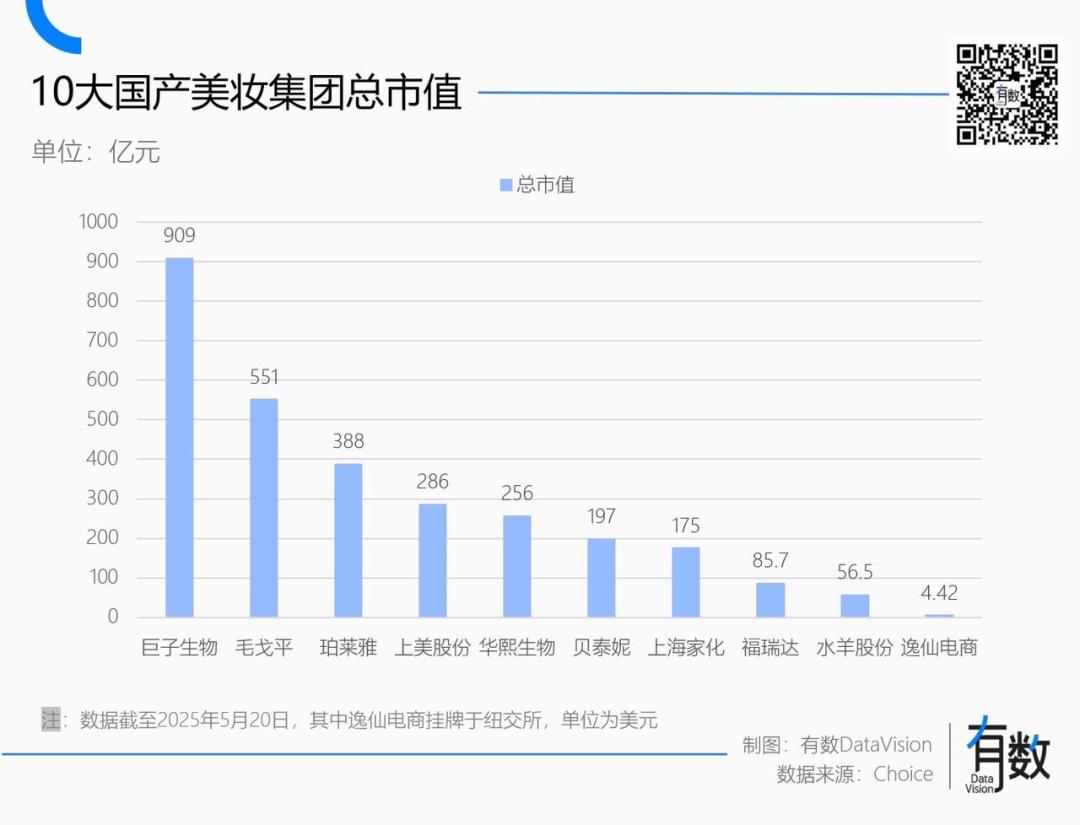
Group 1 - The core viewpoint of the article highlights the rapid valuation changes in the cosmetics industry, particularly focusing on the success of the brand Mao Geping, which has achieved a market value of over 500 billion, surpassing several competitors combined [1][16]. - Mao Geping's business model is unique and difficult to replicate, emphasizing a combination of high-quality products and personalized customer service [3][19]. - The brand's marketing strategy leverages the founder's expertise in makeup, reducing reliance on KOLs and online marketing, which contributes to a higher net profit margin [19][21]. Group 2 - Mao Geping's early career as a makeup artist gained traction through his work on the TV series "Wu Zetian," leading to the establishment of his brand and schools for training [4][6]. - The brand's revenue model includes a significant contribution from training services, with a reported 1.5 billion in revenue from training alone [6][21]. - Mao Geping's approach to customer engagement includes offering makeup trials and personalized services, resulting in a high repurchase rate of 99.7% among premium members [21][25]. Group 3 - The cosmetics industry faces challenges such as high marketing costs and low net profit margins, with competitors like Perfect Diary experiencing significant losses [13][15]. - Mao Geping's brand has managed to maintain a competitive edge by avoiding the typical high sales expense structure of the industry, achieving a gross margin of 84.4% [25][28]. - The brand's focus on in-store experiences and personalized services has allowed it to thrive in a market where many brands struggle with product differentiation and high customer acquisition costs [19][22].

毛戈平是伪装成化妆品公司的美容院
远川研究所· 2025-06-17 12:37
Core Viewpoint - The article discusses the unique business model and success of the Chinese cosmetics brand Mao Geping, highlighting its high market valuation and innovative marketing strategies that differentiate it from competitors in the beauty industry [4][6][35]. Group 1: Company Overview - Mao Geping's market capitalization has reached over 500 billion, surpassing the combined market values of Perfect Diary, Huaxi Biology, and Betaini, making it a significant player in the cosmetics sector [6]. - The brand's "Caviar Mask" was launched at a premium price of 1800 yuan, which is 12% higher than La Mer, showcasing its positioning in the high-end market [5]. - Mao Geping's business model is characterized by a focus on in-store experiences, including makeup tutorials and personalized services, which contribute to high customer retention rates [16][42]. Group 2: Business Model and Marketing Strategy - The company has developed a unique operational strategy that integrates training and product sales, leveraging its own beauty school to create a loyal customer base [12][15]. - Mao Geping's sales approach includes providing makeup services at counters, which enhances customer engagement and encourages repeat purchases, resulting in a 99.7% repurchase rate among premium members [42]. - The brand has effectively utilized social media and live streaming to boost visibility and sales, with significant online engagement leading to a sixfold increase in revenue over six years [22][25]. Group 3: Financial Performance - Mao Geping's sales expense ratio is comparable to industry peers, but its high gross margin of 84.4% significantly outperforms competitors like L'Oreal and medical beauty chains [56]. - The company reported a revenue of 38.85 billion with a net profit of 8.81 billion, indicating a healthy financial position within the competitive landscape [36]. - Despite the overall beauty industry facing challenges, Mao Geping's innovative approach has allowed it to maintain strong financial performance and market presence [44][63]. Group 4: Industry Context - The cosmetics industry is characterized by high marketing costs and low net profit margins, with many brands struggling to achieve profitability [30][34]. - The shift towards online sales has increased competition and customer acquisition costs, making it essential for brands to differentiate themselves [34][35]. - Mao Geping's strategy of minimizing reliance on KOLs (Key Opinion Leaders) and focusing on in-store experiences has allowed it to escape the common pitfalls faced by many beauty brands [40].
美容护理行业6月17日资金流向日报


Zheng Quan Shi Bao Wang· 2025-06-17 09:51
Market Overview - The Shanghai Composite Index fell by 0.04% on June 17, with 14 out of the 28 sectors rising, led by coal and public utilities, which increased by 0.89% and 0.82% respectively [1] - The pharmaceutical and beauty care sectors experienced the largest declines, with drops of 1.44% and 1.24% respectively [1] Capital Flow Analysis - The main capital outflow from the two markets totaled 25.316 billion yuan, with 8 sectors seeing net inflows [1] - The transportation sector had the highest net inflow of 800.2 million yuan, while the power equipment sector saw a net inflow of 540 million yuan [1] - A total of 23 sectors experienced net capital outflows, with the media sector leading at 4.548 billion yuan, followed by the pharmaceutical sector at 4.278 billion yuan [1] Beauty Care Sector Insights - The beauty care sector declined by 1.24% with a net capital outflow of 14.7 million yuan, comprising 31 stocks, of which 5 rose and 26 fell [2] - The top three stocks with the highest net inflow in the beauty care sector were Furuida (32.89 million yuan), Proya (29.76 million yuan), and Lafang (17.81 million yuan) [2] - The stocks with the largest net outflows included Qingdao Kingking (47.32 million yuan), Shuiyang (34.79 million yuan), and Haoyue Care (24.31 million yuan) [2] Individual Stock Performance - Notable declines in the beauty care sector included Huaye Fragrance (-8.23%), Qingdao Kingking (-1.31%), and Haoyue Care (-6.11%) [3] - Conversely, Furuida and Proya saw slight increases of 0.92% and 0.13% respectively, indicating some resilience amidst the overall sector decline [3]