奔驰

Search documents
后续车市销量展望
数说新能源· 2026-02-05 04:47
Core Viewpoint - The article discusses the sales performance and market dynamics of the new energy vehicle (NEV) sector in January 2026, highlighting a slowdown in sales due to various factors including consumer behavior and regulatory impacts [5][10]. Group 1: January Sales Analysis - January 2026 passenger car sales are expected to be around 1.7 to 1.75 million units, falling short of market expectations [5]. - The NEV penetration rate in January is projected to be approximately 10 percentage points higher than the same period last year, but shows a decline compared to December [5]. - Consumer sentiment is characterized by a "buy new, not old" mentality, leading to delayed purchasing decisions [5]. Group 2: Market Structure Characteristics - In January, high-end luxury fuel vehicles and economy fuel vehicles under 100,000 yuan performed relatively well, while NEVs impacted fuel vehicles in the same price range [5]. - February sales are expected to decline by about 30% compared to January due to the Spring Festival holiday [5]. - March is anticipated to recover to January's sales levels, with an estimated 30% increase from February [5]. Group 3: Pricing and Regulatory Trends - The pricing strategy for new vehicles in 2026 is focused on "adding features, stabilizing prices, or slight increases," rather than price reductions [6]. - Regulatory measures are tightening, impacting marketing, safety, and pricing practices within the industry [6]. - The regulatory environment is expected to shift the industry focus from rapid iteration and price wars to product quality, brand reputation, and long-term value [6]. Group 4: New Product Launches and Future Outlook - Major automakers like BYD and Geely are set to launch a series of new models in the first half of 2026, with a focus on high voltage, long range, and enhanced smart features [9][10]. - The overall sales growth for 2026 is projected to slow down to single digits, influenced by high base figures and stable subsidy policies [10]. - The industry is expected to see a more stable monthly sales model, reducing the volatility seen in previous years [8][10].



欧印正式签下所有协议之母级合作文件!双方联手直接叫板特朗普关税,这波重大联动引全球关注?
Sou Hu Cai Jing· 2026-02-05 02:41
2026年1月27日,印度和欧盟宣布达成被称为"所有协议之母"的自由贸易协定,这场谈了近20年的协议终于落地。欧盟委员会主席冯德莱恩称其为"历史性成 就",印度总理莫迪则强调协议将覆盖全球25%的GDP和三分之一贸易额,惠及20亿人口。协议直接反击了美国特朗普政府的高关税政策——美国对印度商 品加征50%关税后,印度转身与欧盟联手,用全球最大自贸区之一的市场向保护主义"叫板"。 根据协议细则,印度将对欧盟取消或降低96.6%商品的关税,欧盟则对印度99.5%的商品减免关税。最受关注的是汽车领域:印度此前对欧盟汽车征收高达 110%的关税,协议规定5年内降至10%,并给予欧盟每年25万辆汽车的进口配额。这一突破对大众、奔驰等欧洲车企是重大利好,此前欧洲品牌在印度440 万辆年销量的市场中占比不足4%。 同样大幅降税的还有酒类。印度对欧盟葡萄酒的关税从150%先降至75%,最终稳定在20%左右;橄榄油关税5年内从45%降为零。欧盟则向印度的纺织品、 海产品、珠宝等劳动密集型产品全面开放市场,这些产品关税直接归零。欧盟预计,协议生效后每年可节省40亿欧元关税成本,到2032年对印度出口额将翻 番。 印欧自贸谈判始于 ...

揭秘:小米汽车2026年重磅新车规划
Xin Lang Cai Jing· 2026-02-04 12:22
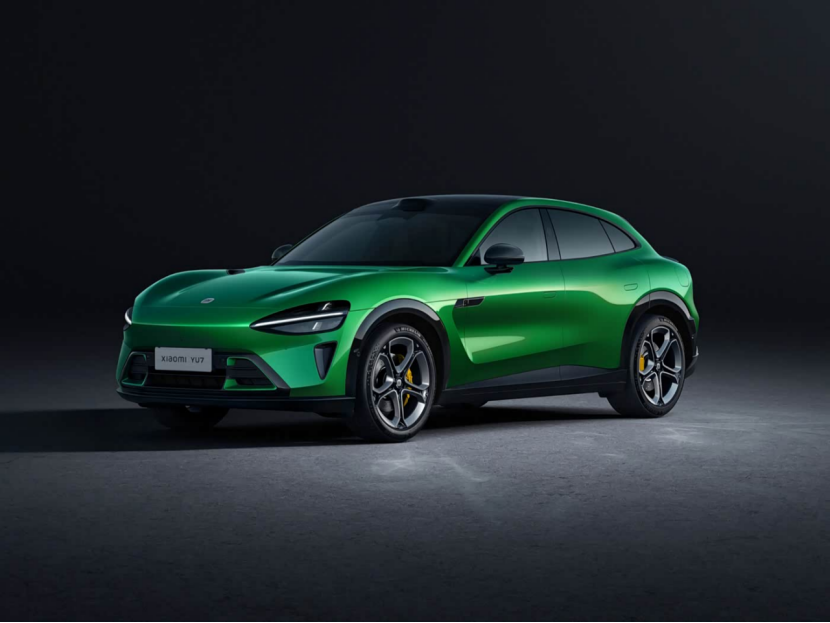
Core Insights - 2025 is a breakout year for Xiaomi Auto, transitioning from a "follower" to a "leader" in the market, with cumulative deliveries exceeding 410,000 units, surpassing the initial target of 350,000 units [1][24] - The first sedan, Xiaomi SU7, achieved sales of 258,000 units, outperforming Tesla Model 3's 200,000 units, making it the best-selling electric sedan priced above 200,000 yuan [1][26] - The first SUV, Xiaomi YU7, set a record with over 200,000 units reserved within three minutes of its launch, and its sales reached 153,000 units within six months [1][26] Delivery and Sales Performance - Xiaomi Auto delivered over 500,000 units cumulatively by the end of 2025, with December alone accounting for over 50,000 units [1][24] - The SU7 maintained strong performance without any model updates, solidifying its market position [1][24] Product Strategy and Future Models - Xiaomi Auto has moved away from reliance on single products, now offering a combination of sedans and SUVs to capture market share [1][24] - The company plans to launch new models, including the SU7 L, an executive version of the SU7, and the YU7 GT performance version in 2026 [1][27][38] - The "Kunlun" series, which includes the YU9 extended-range SUV, is expected to debut in 2026, targeting family markets with a competitive pricing strategy [1][27][42] New Model Features - The new Xiaomi SU7 will have three variants with pre-sale prices ranging from 229,900 to 309,900 yuan, featuring upgrades in safety and performance [1][29][36] - The SU7 will include advanced safety features such as 2200MPa ultra-high-strength steel and multiple airbags, along with enhanced driving assistance capabilities [1][31][35] - The YU9 is anticipated to be a three-row, six-seat SUV with a range exceeding 400 km, priced around 300,000 yuan to compete with similar models [1][44] Market Positioning - Xiaomi Auto aims to establish itself in the premium segment, directly competing with traditional luxury brands like Mercedes-Benz and BMW with the SU7 L [1][38] - The company is focusing on systematic product development and quality control to ensure sustainable growth beyond single blockbuster models [1][44]

德国企业在华投资大增55%!打了谁的脸?
Sou Hu Cai Jing· 2026-02-04 08:26
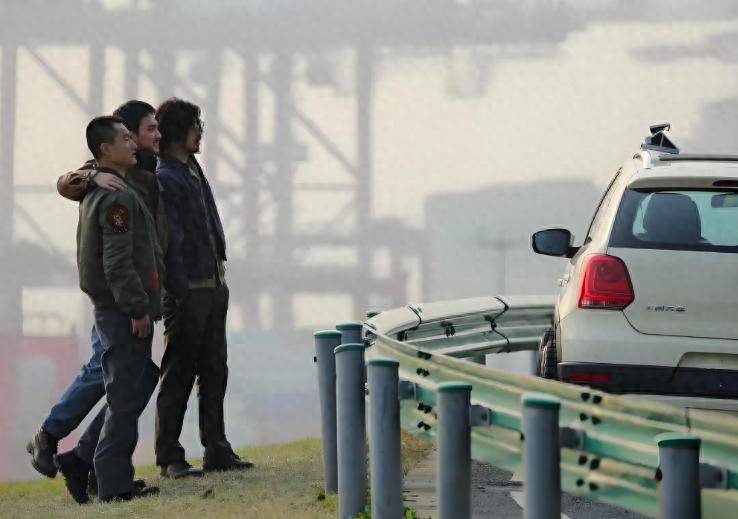
Core Insights - German companies invested over €7 billion in China in the past year, indicating strong confidence in the Chinese market and contradicting the narrative of foreign capital withdrawal [1][12] - The investment from German firms in China surged by 55.5% compared to the previous years, surpassing the average investment level from 2010 to 2024 [1][12] - In contrast, German investments in the U.S. halved during the same period, signaling a shift in focus away from the American market [2][6] Investment Trends - The increase in investment is primarily funded by profits from German subsidiaries in China, which are reinvested rather than repatriated to Germany [6] - The shift in investment strategy is partly driven by geopolitical tensions and trade conflicts, particularly under the Trump administration, prompting German companies to seek stability in the Chinese market [7][12] - Notable German companies like Volkswagen, BMW, and Mercedes-Benz are heavily reliant on the Chinese market, which is now the largest sales market for automotive and chemical products [9][10] Market Dynamics - Despite the increase in investment, German automotive companies are facing challenges in the domestic market, with significant declines in sales figures for brands like BMW and Mercedes-Benz [10][11] - The rise of domestic electric vehicle manufacturers in China is intensifying competition for traditional German automakers, leading to a strategic pivot towards increased investment in China [11][12] - The overall growth of the Chinese automotive market is slowing, which poses long-term challenges for German companies aiming to maintain their market share [11][12] Future Outlook - The trend of increasing German investment in China is expected to continue, with upcoming visits from German leaders likely to foster further business cooperation [6][12] - The recent influx of European leaders visiting China suggests a broader trend of increasing foreign investment in the Chinese market [13]
“宝,马上”,车企马年“邪修”营销
汽车商业评论· 2026-02-03 23:09
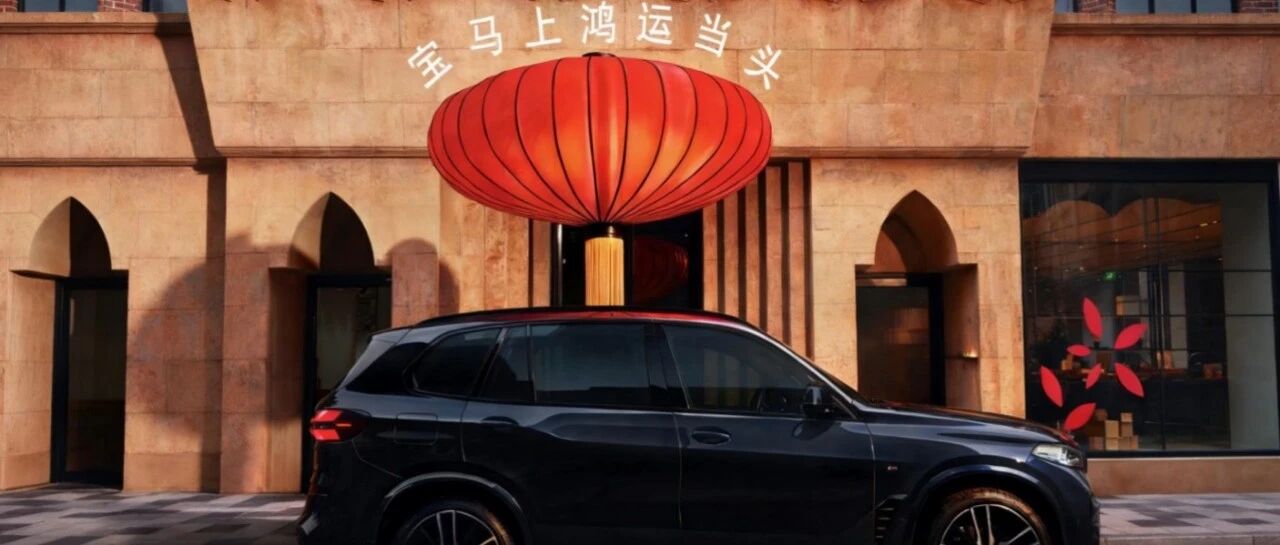
Core Viewpoint - The article discusses innovative marketing strategies adopted by automotive companies during the winter sales season in January 2026, highlighting how they engage consumers through unique experiences and cross-industry collaborations [3][4]. Group 1: Winter Marketing Strategies - January is a critical month for car companies, often referred to as the winter testing season, where numerous companies gather in regions like Inner Mongolia for vehicle testing [5]. - Traditional testing methods are becoming less effective in attracting attention, leading companies to create engaging winter experiences, such as Great Wall Motors' collaboration with Harbin Tourism Bureau for the "Harbin Ice and Snow Happy Week" [8][10]. - The "Long Spring First Ice Pot," a giant ice structure in Changchun, has become a popular destination, attracting over 1,000 vehicles for ice drifting experiences since its opening on January 10, 2026 [10][12]. Group 2: Cross-Industry Collaborations - Cross-industry marketing remains a popular strategy, with companies like Wangwang and Dong Mingzhu engaging in partnerships to attract consumer attention [15][20]. - Notable interactions include a humorous exchange between GAC Group's chairman and Gree Electric's chairman, which, despite being misinterpreted, enhanced the collaboration's visibility [22]. - BMW's playful marketing campaign during the New Year featured various humorous themes, effectively combining cultural elements with brand promotion [23][25]. Group 3: Community Engagement Initiatives - Xiaopeng Motors launched a "1000 Mobile Charging Stations" initiative, providing charging cables to 1,000 car owners, addressing the real needs of consumers during the Spring Festival [29][30]. - This initiative not only alleviates charging anxiety but also fosters a sense of community among car owners, enhancing brand warmth and consumer pride [33]. Group 4: Cultural and Brand Positioning - Volvo's innovative marketing approach involved a real-life simulation of a racing game, effectively engaging consumers by mimicking gaming experiences [34][37]. - GAC Aion capitalized on local cultural phenomena by creating a music video related to a trending song, thereby connecting emotionally with the audience [38][41]. - NIO's collaboration with the talk show "Thirteen Invitations" reflects a commitment to deeper values and long-term engagement rather than superficial marketing [42][45]. Group 5: Year-End Reflections and Celebrations - The automotive industry has seen a surge in year-end celebrations, with companies like Chasing and Mercedes-Benz using these events to enhance brand image and consumer engagement [49][51]. - The collective celebration of Mercedes-Benz's 140th anniversary showcased the industry's youthful spirit and creativity, with various brands participating in playful marketing campaigns [51].



特斯拉市场竞争力分析报告(2026版):特斯拉再购用户有望激活大纯电车市
腾易科技· 2026-02-03 13:47
Investment Rating - The report indicates a strong potential for Tesla's resale market in China, suggesting a favorable investment outlook for companies targeting Tesla's existing user base [3][54]. Core Insights - Tesla is expected to activate a significant resale demand from nearly 3 million users in China during the 14th Five-Year Plan, with 70% of these users showing an intention to switch brands [3][54]. - The report highlights that Tesla's current product lineup, primarily focused on the 200,000 to 350,000 yuan price range, may not adequately meet the diverse needs of its aging user base, leading to a loyalty rate of only about 30% [5][54]. - The emergence of new competitors, particularly Chinese high-end brands, is anticipated to reshape the competitive landscape in the high-end automotive market as they seek to capture Tesla's resale users [3][54]. Summary by Sections User Demographics and Behavior - Tesla's new buyers are predominantly younger, with an average age under 36, while resale users are mainly middle-aged, averaging over 40 years old [10][11]. - Resale users prioritize safety, space, comfort, and range, contrasting with new buyers who focus more on price [14][18]. Market Dynamics - The report notes that Tesla's resale users have a strong demand for family-oriented vehicles, particularly for self-driving trips, which may not be fully satisfied by Tesla's current offerings [18][20]. - Competitors like Wanjie, Ideal, and NIO are positioned to benefit significantly from Tesla's resale users due to their focus on larger, energy-efficient vehicles that cater to family needs [27][35]. Competitive Landscape - By 2025, nearly 50% of Tesla's potential outflow users are expected to gravitate towards Chinese high-end brands, with Wanjie leading the charge [27][54]. - The report emphasizes that traditional luxury brands (BBA) are struggling to attract Tesla's resale users, capturing only about 20% of this demographic, while new entrants are gaining traction [41][54]. Future Outlook - The report predicts that the 14th Five-Year Plan will be a critical period for capturing Tesla's resale users, with significant opportunities for brands that can adapt to the changing preferences of this demographic [54][62]. - It suggests that the introduction of larger electric vehicles by competitors could further challenge Tesla's market position, especially as Tesla remains committed to its current product strategy [48][54].

科博达:经过多年客户结构优化,公司已覆盖数十家全球知名整车厂商
Zheng Quan Ri Bao Wang· 2026-02-03 13:40
Core Viewpoint - The company has optimized its customer structure over the years, establishing partnerships with numerous global automotive manufacturers and transitioning from a "pure supplier" to a "strategic partner" model [1] Group 1: Customer Partnerships - The company has established relationships with major automotive groups including Volkswagen Group (and its subsidiaries Audi, Porsche, Bentley, and Lamborghini), FAW Group, SAIC Volkswagen, BMW, Mercedes-Benz, Ford, SAIC General Motors, PSA, Stellantis, Jaguar Land Rover, Renault, Nissan, Toyota, Li Auto, NIO, Xpeng, Geely, BYD, Cummins, and Weichai [1] - The company aims to deepen cooperation with top-tier clients globally, integrating into their supply chains to create a mutually beneficial ecosystem for automotive components [1] Group 2: Strategic Collaboration - The company is focused on upgrading its role from a simple supplier to a strategic partner, embedding itself within the global supply chain of its clients [1] - In response to global industrial division demands, the company seeks to secure a long-term competitive position by offering more competitive products, technologies, and services [1] Group 3: Technological Innovation - The company collaborates with leading global clients in cutting-edge areas such as intelligent driving, intelligent power distribution systems (Efuse), and domain controllers, engaging in joint research and innovation [1] - The goal is to promote the application of technological achievements in client operations, thereby building a mutually beneficial industrial ecosystem [1]

明新旭腾:公司主业客户结构未发生重大变化
Zheng Quan Ri Bao· 2026-02-03 12:08
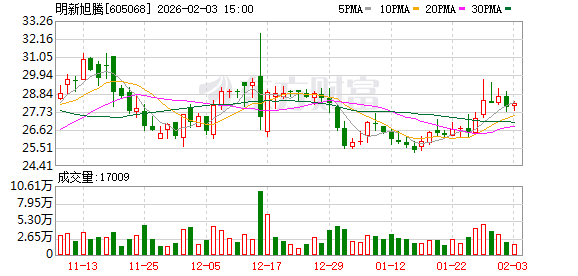
Core Viewpoint - Mingxin Xuteng has reported that there have been no significant changes in the customer structure of its main business as of now [2] Group 1: Customer Collaboration - The company's products are currently supplied to major automotive manufacturers including FAW-Volkswagen, SAIC-GM, BYD, NIO, Li Auto, Xpeng, Mercedes-Benz, BMW, Audi, Seres, Changan, Geely, Chery, and Leap Motor [2] - The collaboration with core customers continues to deepen, indicating a strong and stable partnership with leading automotive brands [2]

【新能源】2025年12月新能源汽车行业月报
乘联分会· 2026-02-03 10:48
Sales Performance - In December, the total passenger car sales reached 2.317 million units, a month-on-month increase of 14.2% but a year-on-year decrease of 16.1% [4] - The new energy vehicle (NEV) market saw sales of approximately 1.33 million units, a year-on-year increase of 2.9% and a month-on-month increase of 9.2% [4] - NEVs accounted for 57.4% of total passenger car sales in December, a decrease of 2.6% from the previous month but an increase of 10.6% compared to the same month last year [4] New Energy Market Overview - In December, pure electric vehicle sales were approximately 778,000 units, a year-on-year increase of 0.9% and a month-on-month increase of 1.1% [9] - Plug-in hybrid sales reached about 552,000 units, with a year-on-year increase of 5.9% and a month-on-month increase of 23.0% [9] - Cumulative NEV sales for 2025 reached 12.372 million units, with a cumulative year-on-year increase of 15.1% [9] Top Cities for NEV Sales - The top 10 cities accounted for 29.6% of NEV sales, an increase of 2.4% from the previous month [10] - The top three cities for NEV sales were Shanghai, Hangzhou, and Guangzhou, with Dongguan and Tianjin replacing Wuhan and Xi'an in the top ten [10] - The highest NEV penetration rates were in Shenzhen (71.0%), Shanghai (68.8%), and Tianjin (68.1%), while Dongguan had the lowest at 53.8% [10] Pure Electric Market Analysis - The top three segments in the pure electric market in December were B-SUV (19.5%), C-SUV (15.6%), and A0 class (14.3%) [14] - The market shares for B-SUV and C-SUV increased significantly by 3.7% and 2.5% respectively, while the A00 class market share decreased by 8.2% [14] - Compared to the same month last year, the C-SUV market share expanded from 7.2% to 15.8%, while the A00 class market share shrank from 13.8% to 5.2% [14] Market Dynamics - Key industry events in December included the global launch of the Xiaopeng X9 super range extender and the introduction of Huawei's next-generation DriveONE range extender generator [21] - GAC Group's internal restructuring led to the integration of its two NEV brands, Haobo and Aion, into a new business unit [23] - SAIC's semi-solid-state battery achieved mass production and delivery, marking it as the world's first and only semi-solid-state battery to be mass-produced [25] Industry Policy - The Ministry of Industry and Information Technology released a digital transformation implementation plan for the automotive industry on December 30, aiming to promote digitalization and intelligent upgrades [28] - The plan includes six key tasks, such as establishing a diagnostic assessment system and promoting the application of artificial intelligence in the automotive sector [29] - By 2027, the plan aims to improve labor productivity in the industry by 10% and shorten product development and delivery cycles by 20% [29]
奔驰部分车型开启官降
新华网财经· 2026-02-03 04:31
来源:第一财经 关注" 新华网财经 "视频号 更多财经资讯等你来看 往期推荐 腾讯"元宝分10亿"活动2月1日0点正式开启,用户最高可领万元现金红 包,官方攻略发布 亚马逊官宣裁撤1.6万个职位 2月2日,全国工商联汽车经销商商会发文表示,经向多家奔驰品牌经销商核实,奔驰品牌方已于2月1日对部分车型的厂商建议零售价格作出了调整,涉及 车型的调整幅度为10%左右。 此次商务政策调整虽然与经销商的总体诉求还有很大差距,但也可在一定程度上为奔驰经销商释放部分流动资金,标志着奔驰品牌方向全面优化调整经销 商商务政策迈出了务实一步。 此前,商会已三次致函奔驰希望改善商务政策。 ...