三星

Search documents
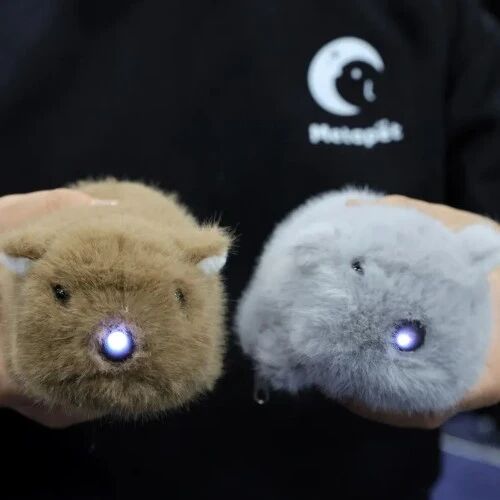
陪伴机器人,正在改写9亿人的孤独经济
机器人大讲堂· 2026-01-11 09:39
Core Insights - The article discusses the rise of companion robots, driven by the dual forces of emotional consumption and AI technology, transforming from toys to essential companions in various life scenarios [1][3]. Group 1: Market Demand - The "loneliness economy" is emerging, with 900 million people creating a strong demand for companionship. As basic needs are met, higher-level needs such as belonging and self-actualization are becoming central to consumption, with "emotional value" being key to product pricing [4][5]. - By 2025, the online market for AI toys in China is expected to surge by 394.9%, with emotional companionship products growing the fastest, increasing their market share from 7.0% to 15.7% [4]. Group 2: Target Demographics - Over 120 million young adults aged 18-35 live alone, showing a strong demand for anthropomorphic interaction products. Women aged 25-30 represent 72% of the consumer base for companion robots, willing to pay for aesthetics and empathy [7]. - The elderly population in China has reached 280 million, with over 50% being empty nesters. High-end companion robots are becoming essential in the elderly care market, despite their higher price points [7]. Group 3: Market Growth Projections - The global AI companionship market is projected to grow from $30 million to between $70 billion and $150 billion by 2030. The domestic market is expected to reach approximately $1 billion in 2024 and $3.86 billion by 2030, with a compound annual growth rate of 75% [9]. Group 4: Technological Advancements - The rise of companion robots is attributed to advancements in AI technology, enabling a shift from passive responses to active empathy. New generation robots can understand context, emotions, and subtleties in conversation, providing personalized interactions [10][11]. - Multi-modal sensors are being integrated into companion robots, allowing them to perceive voice, visual, tactile, and environmental cues, enhancing user interaction [14]. Group 5: Market Structure - The companion robot market is attracting three types of players: traditional toy manufacturers, tech startups, and IP holders, leading to differentiated competition [17]. - Traditional toy companies leverage established supply chains and IPs to transition into the AI space, while tech firms focus on high-end markets with advanced emotional interaction capabilities [19][21]. Group 6: Product Evolution - Companion robots are categorized into three price tiers: entry-level (100-500 RMB), mid-range (500-3000 RMB), and high-end (over 3000 RMB), catering to different user needs [26][28][30]. - Entry-level products focus on basic interactions and are popular among cost-conscious parents, while mid-range products are favored by urban professionals seeking emotional support [27][29]. Group 7: Future Trends - The market for companion robots is expected to transition from "conceptual popularity" to "demand-driven" growth, with four key trends: precision in emotional computing, deeper IP integration, diversified scene expansion, and service-oriented monetization models [31][34][35]. - Companies are exploring subscription services and dual revenue models to enhance profitability beyond single sales [36]. Group 8: Challenges and Opportunities - Despite the promising market outlook, challenges such as technology integration and safety risks remain prevalent. The industry must address issues related to data privacy and user dependency on technology [37][39]. - The reduction in computing costs and advancements in AI capabilities present significant opportunities for improving the cost-effectiveness of companion robots [40].

CES访谈|盖茨、亚马逊抢投硅谷黑马,光学芯片如何驱动物理AI
Di Yi Cai Jing Zi Xun· 2026-01-11 07:19
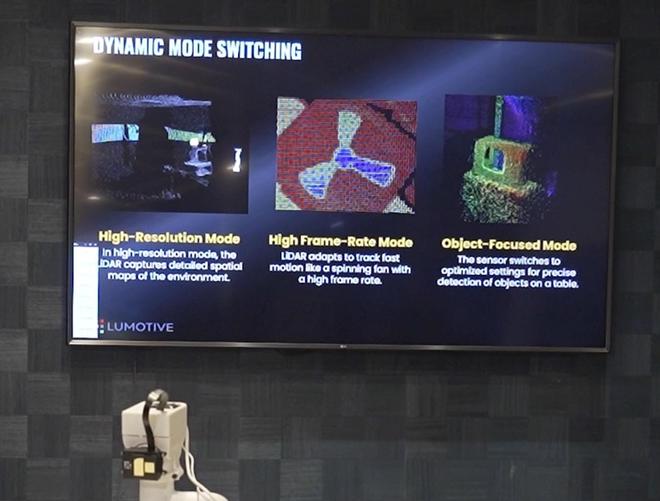
Core Insights - The focus of the 2026 CES is shifting from large language models (LLMs) to robotics and physical AI, emphasizing the importance of sensors, particularly optical semiconductors, in making AI applicable in the real world [1] - Lumotive's programmable optical chip, which operates without moving parts, is gaining attention for its ability to redefine laser radar (LiDAR) technology, making it smaller, more efficient, and easier to produce [1] Group 1: Technological Advancements - The bottleneck for physical AI is not in the models but in perception, highlighting the need for advanced sensors to enable robots to effectively interact with the real world [4] - Lumotive's optical semiconductors significantly enhance sensor performance by improving size, cost, durability, reliability, and efficiency, which are crucial for long-term operation in complex environments [4][5] - The software configurability of Lumotive's optical chip allows for the creation of multiple "virtual sensors," enabling dynamic switching between different perspectives, resolutions, and scanning strategies, thus fostering algorithm innovation [5] Group 2: Application Scenarios - Lumotive is actively collaborating in three main sectors: robotics, industrial automation, and smart infrastructure, all of which require high precision, safety, and reliability in sensors while being sensitive to cost and size [6] - The company is also exploring opportunities in commercial vehicles, heavy machinery, and forklifts, with a long-term vision for consumer vehicles and electronics [6] - The integration of LiDAR technology into high-end consumer devices, such as Apple smartphones, opens up possibilities for more consumer-grade 3D perception applications [6] Group 3: Investment Landscape - Notable investors in Lumotive include Bill Gates, Samsung, and Amazon, indicating strong confidence in the foundational technology rather than specific products [8] - The investment from strategic partners like Samsung and Amazon reflects their interest in the technology's applicability across consumer electronics, cloud computing, and smart devices [8] - Lumotive represents a paradigm shift where light is evolving from a physical component to a programmable, calculable, and scalable resource, similar to how CMOS cameras revolutionized smartphones [8]
荣耀将于1月19日发布全新超薄旗舰荣耀Magic8 Pro Air
Xin Lang Cai Jing· 2026-01-11 06:52
Core Viewpoint - Honor is set to launch the new ultra-thin flagship Honor Magic8 Pro Air on January 19, featuring a thickness of only 6.1mm and a weight of 155g, while incorporating a large 5500mAh battery, surpassing competitors like Apple and Samsung [1] Group 1: Product Specifications - The Honor Magic8 Pro Air maintains high-end imaging capabilities with a large main camera, periscope telephoto, and ultra-wide-angle lenses, along with support for 3D ultrasonic screen fingerprint technology and the latest Dimensity 9500 flagship platform [1] - In comparison, the iPhone Air features only a single 48MP camera, while the Samsung Galaxy S25 Edge lacks a telephoto lens, offering only a main camera and ultra-wide-angle [1] Group 2: Design and Innovation - The industrial design of the Honor Magic8 Pro Air includes a horizontally arranged camera module, a one-piece cold-formed glass back, and a metal right-angle frame, available in multiple color options, enhancing both texture and recognition [1] - The President of Honor's terminal product line, Fang Fei, stated that the introduction of the Air series represents both an opportunity and a challenge for all brands, requiring not only courage but also sufficient technological accumulation to innovate systematically [1]
设备大厂,开年狂飙
半导体行业观察· 2026-01-11 04:23
Core Viewpoint - ASML is positioned for a strong 2026, driven by the adoption of High-NA EUV technology and robust demand from regions outside China, despite a projected decline in sales from the Chinese market [1][5]. Group 1: High-NA EUV Technology - The semiconductor industry has officially entered the High-NA EUV era, with each system costing approximately $380 million, enabling manufacturers to create features nearly half the size of current EUV systems, crucial for advanced nodes like 1.4nm and 1nm [3]. - Intel has completed acceptance testing for its first High-NA systems for mass production, while Samsung has begun receiving deliveries for its upcoming 2nm foundry line [3]. - ASML's unique position as the sole supplier of High-NA EUV systems creates a significant competitive barrier, ensuring its critical role in the industry for the next decade [3]. Group 2: Chinese Market Normalization - China has been a major customer for ASML, contributing over 40% of sales during 2024-2025, but stricter regulations are expected to lead to a significant decline in revenue from this market in 2026 [5]. - Despite the downturn in China, ASML's management anticipates that total net sales in 2026 will not fall below 2025 levels, supported by strong demand from Taiwan, the U.S., and South Korea [5]. - Geopolitical pressures are reshaping ASML's market strategy, emphasizing the necessity of its tools while reducing reliance on regional policy fluctuations [5]. Group 3: DRAM and HBM Growth Cycle - The demand for generative AI is driving a significant increase in high-bandwidth memory (HBM) and advanced DRAM investments, creating a critical bottleneck in the AI supply chain [7]. - Major storage companies like SK Hynix and Micron are rapidly expanding their EUV production capabilities to meet the surging demand from data center clients [7]. - This trend provides ASML with a strategic growth avenue, diversifying its customer base beyond logic chip manufacturers to include storage manufacturers, which is vital for maintaining strong order volumes in 2026 [7]. Group 4: Stock Attractiveness - ASML's current trading price reflects a 45x multiple on expected earnings for fiscal year 2026, indicating a premium due to its direct benefits from the AI-driven capital expenditure cycle [9]. - Tech giants are projected to invest over $400 billion in AI infrastructure in 2026, with a significant portion directed towards advanced chips requiring ASML's lithography equipment [9]. - The lack of substantial competitors in cutting-edge lithography technology positions ASML favorably, with a strong order backlog and persistent demand supporting its investment thesis [9].

2026开年,亚洲科技股远远跑赢美国纳指
Hua Er Jie Jian Wen· 2026-01-11 02:16
Core Viewpoint - Asian technology stocks are outperforming their U.S. counterparts, driven by strong fundamentals and attractive valuations, with a year-to-date increase of approximately 6% compared to the Nasdaq 100's 2% rise [1] Group 1: Market Trends - Investors are shifting from high-valued U.S. tech stocks to undervalued Asian tech stocks, reflecting a change in risk-return preferences [2] - The MSCI Asia Pacific Information Technology Index has a forward P/E ratio of 16.3, significantly lower than the Nasdaq 100 and Philadelphia Semiconductor Index, which are around 25 [2] - Fund managers are increasingly allocating to Asian tech stocks, with demand from various types of funds flowing into markets like South Korea and Hong Kong [2] Group 2: Earnings Growth Potential - Higher earnings growth potential is a key driver of bullish sentiment, with expected EPS growth of 79% for South Korean stocks and 36% for Taiwanese stocks over the next 12 months, compared to 28% for Nasdaq-listed companies [3] - Major Asian tech stocks, including TSMC, Samsung, and SK Hynix, have seen price increases between 8% and 16% this year, with Hua Hong Semiconductor exceeding a 20% rise [3] Group 3: Chinese Tech Recovery - The Chinese market is crucial for Asian tech investments, with expectations of significant earnings growth for Chinese tech giants in 2026, potentially surpassing the U.S. "Big Seven" for the first time since 2022 [4] - The enthusiasm for Chinese tech is bolstered by advancements in AI, with new companies like Minimax and Zhiyu AI recently going public [4] Group 4: AI Investment Landscape - The North Asian tech ecosystem is positioned at the forefront of the global AI growth trend, with significant investments expected from major tech companies [5] - Concerns are rising regarding the potential for an AI bubble, as capital expenditures from companies like Microsoft, Google, Amazon, and Meta are projected to increase by 34% to approximately $440 billion next year [5]

AI需求推动,NAND与SSD供不应求有望持续
Orient Securities· 2026-01-11 02:15
Investment Rating - The report maintains a "Positive" investment rating for the electronic industry, specifically focusing on NAND and SSD sectors driven by AI demand [6]. Core Insights - AI applications are expected to drive a rapid increase in SSD usage, leading to a prolonged boom cycle for both SSD and NAND markets [3][10]. - The global data volume is projected to grow significantly, with active data becoming a larger portion due to AI model applications [19][31]. - The demand for SSDs is anticipated to rise sharply as they meet the high throughput requirements for active data in data centers, surpassing traditional HDDs [10][34]. Summary by Sections 1. AI - The application of AI models is expected to significantly increase the proportion of active data, transforming previously dormant data into frequently accessed data [21][22]. - By 2030, it is estimated that 100% of hot data will be stored on SSDs, reflecting a shift in data storage paradigms [22]. 2. SSD - SSDs are favored for their high read/write speeds and ability to handle high workloads, making them suitable for active data storage in data centers [34][40]. - The power efficiency of SSDs is a significant advantage, especially as data center power demands increase [48][51]. - AI training and inference are driving the development of AI SSDs, which require high performance, large capacity, and energy efficiency [54][56]. 3. NAND - The NAND market is expected to experience a prolonged period of supply-demand imbalance, with limited capital expenditure from leading manufacturers [10][11]. - The concentration of the global NAND market is high, with major players like Samsung, Micron, and SK Hynix focusing on high-bandwidth memory (HBM) rather than expanding NAND production [10][11]. 4. Enterprise SSD - The report highlights several key companies in the semiconductor and storage sectors that are well-positioned to benefit from the ongoing trends, including domestic semiconductor equipment manufacturers and storage module companies [3][13].


闪迪:涨价,且必须全款!
美股IPO· 2026-01-11 01:23
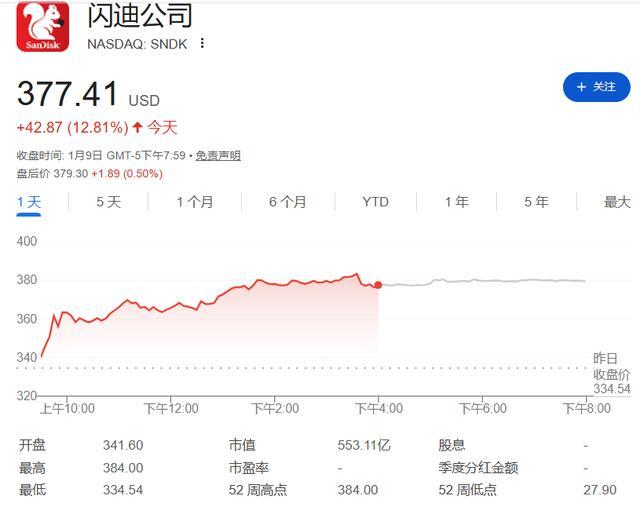
Core Viewpoint - The storage market is entering a severe shortage phase driven by the explosive demand for AI servers and manufacturers' capacity shifts, leading to unprecedented contract terms and price increases [1][4]. Group 1: Market Dynamics - SanDisk plans to raise enterprise-grade NAND prices by over 100% month-on-month in March, breaking industry norms by requiring 100% cash prepayment from customers to secure long-term supply contracts [1][2]. - The demand for storage devices is rigid due to AI infrastructure development, prompting some cloud service providers to consider accepting stringent contract terms to avoid supply disruptions [2][6]. - The storage chip market is experiencing a supply-side transformation driven by AI, resulting in a strong seller's market where buyers must accept unprecedented terms [4][6]. Group 2: Price Trends - The price of enterprise-grade NAND is expected to rise sharply, with reports indicating a potential increase of over 100% in March for SSDs [2][7]. - The demand for enterprise storage is significantly influenced by NVIDIA's inference context memory storage platform, which requires substantial amounts of 3D NAND [7]. - There is uncertainty regarding how the doubling of enterprise-grade product prices will affect consumer-grade markets, but typically, consumer prices follow enterprise price trends due to shared production facilities [7]. Group 3: Supply Chain Challenges - Major storage manufacturers (Samsung, SK Hynix, Micron) have shifted their capacity allocation towards higher-margin HBM for AI applications, significantly reducing the production capacity for standard DDR4/DDR5 and NAND [8]. - This structural shortage has led to chaos in the supply chain, with tech giants like Google and Meta restructuring their procurement teams to secure supplies [9]. - Companies are stockpiling inventory to avoid price hikes and shortages, with some PC brands like Lenovo pre-ordering for 2026 [9].
DeepSeek V4大模型被曝春节前后发布:AI编程能力超Claude;“死了么”APP引争议,开发者回应;演员闫学晶多个平台账号被禁止关注丨邦早报
创业邦· 2026-01-11 01:07
Core Insights - The article discusses significant developments in the AI and technology sectors, highlighting investments, new product launches, and market competition dynamics. Investment and Funding - OpenAI and SoftBank announced a joint investment of $1 billion in SB Energy, with each contributing $500 million, aimed at supporting the construction of a 1.2GW data center in Texas [2] - Coastal Financial acquired the GreenFi brand from Mission Financial Partners, enhancing its control over climate-friendly financial services [13] - XREAL completed a new funding round of $100 million, achieving a valuation exceeding $1 billion, focusing on augmented and mixed reality technologies [14] AI Model Developments - DeepSeek plans to release its V4 model around mid-February, which is expected to surpass existing models like Claude and GPT in programming capabilities [2] - Tencent's new chief scientist, Yao Shunyu, emphasized that the productivity gains from AI models are just beginning, with current opportunities being less than 1% utilized [3] - Kimi's CEO, Yang Zhilin, stated that future models will incorporate new mechanisms to enhance performance and will aim to set industry standards [3] Automotive Industry Insights - Lei Jun highlighted that the SU7 is the only electric sedan to surpass the Tesla Model 3 in sales, indicating competitive strength in the EV market [9] - NIO's new ES8 achieved retail sales of 22,258 units in December 2025, becoming the best-selling large SUV and outperforming competitors [10] - Xiaomi announced that the next generation of SU7 will feature the self-developed V6s Plus super motor, aimed at improving production efficiency [15] Market Performance - The total box office for January 2026 surpassed 1 billion yuan, with "Zootopia 2" leading the monthly box office at 25.5% share [16][19] - The average ticket price was reported at 39.5 yuan, with a total of 2,529 million tickets sold [18]


从“猎奇”到“信赖”:折叠屏手机用户发展洞察报告
艾瑞咨询· 2026-01-11 00:05
Core Insights - The global foldable smartphone market is experiencing continuous growth, particularly in China, driven by technological advancements and an improved supply chain, leading to product diversification [1] - China has emerged as the main growth engine for the global foldable smartphone market, with Huawei maintaining a significant market share [1][18] - User willingness to purchase foldable smartphones is increasing, with higher expectations for product functionality and experience [1] - The transition from niche to mainstream market for foldable smartphones is anticipated, with sustained demand growth and a focus on hardware optimization and software ecosystem development [1] Market Overview - The global smartphone market has entered a phase of stock competition since 2017, with annual shipment volumes declining by approximately 2.52%, projected to reach 1.22 billion units by 2024 [2] - The flat smartphone market has become saturated, prompting manufacturers to innovate product forms to explore the high-end market [5] Competitive Landscape - The foldable smartphone industry chain includes upstream raw material supply, midstream design and manufacturing, and downstream sales [7] - Chinese foldable smartphone manufacturers, such as Huawei and Samsung, are leading the industry chain with strong technological capabilities [7][8] User Behavior and Preferences - The majority of foldable smartphone users are male and female, with a higher preference among first-tier and new first-tier city users [20] - Users with higher education levels, particularly those with a bachelor's degree or above, show a greater preference for foldable smartphones [20] - The price range for most users of foldable smartphones is between 5,000 to 9,000 yuan, with Huawei being the most used brand [22] Purchase Motivations - The key reason for purchasing foldable smartphones is the stronger sense of technology and futurism, accounting for 44.7% of responses [24] - Users have a substantial budget for purchasing foldable smartphones, with 28.4% willing to spend between 8,000 to 10,000 yuan [24] Brand Recognition and Image - Huawei leads in brand recognition across various dimensions, including high-end perception, business style, and innovation [26][28] - User satisfaction is highest for Huawei, followed by Xiaomi and Samsung, indicating strong user approval [30] Future Trends - Over 90% of consumers are considering purchasing a foldable smartphone for their next device, focusing on reliability, battery life, and hardware specifications [41] - The foldable smartphone market is transitioning from a niche to a mainstream product, with 95.5% of consumers willing to switch to a foldable device in the future [47]

闪迪:涨价,且必须全款
Hua Er Jie Jian Wen· 2026-01-10 23:37
Group 1 - The storage chip market is undergoing a significant transformation driven by AI, leading to a strong seller's market where buyers must accept unprecedented terms [1][3] - SanDisk has introduced a "100% cash prepayment" contract model, requiring clients to pay in full upfront to secure supply quotas for 1 to 3 years, breaking industry norms [3][4] - The demand for storage devices is being fueled by AI infrastructure development, prompting some cloud service providers to consider these stringent terms to avoid supply shortages [1][3] Group 2 - Prices for enterprise-level storage are surging, with SanDisk planning to increase prices for high-capacity 3D NAND flash chips used in enterprise SSDs by over 100% in March [1][4] - The demand for enterprise storage is significantly influenced by NVIDIA's ICMS platform, which requires substantial amounts of 3D NAND, potentially leading to increased consumption [4] - The production capacity of major storage manufacturers has shifted towards higher-margin HBM for AI applications, resulting in a reduction of capacity for standard DDR4/DDR5 and NAND production [4][5] Group 3 - The current supply crisis has led to chaos in the supply chain, with tech giants like Google and Meta seeking additional capacity and hiring specialized procurement managers [5] - Companies are stockpiling inventory to avoid price hikes and shortages, with Lenovo pre-ordering for 2026 to secure future demand [5] - The market is experiencing irregularities, including reports of bribery investigations at Samsung, highlighting unethical profit-seeking behaviors amid severe shortages [5]