
奔驰

Search documents
电动化的尽头,是更大的油箱?
晚点Auto· 2025-06-19 09:35
Core Viewpoint - The automotive industry is witnessing a shift where traditional fuel vehicles and new energy vehicles (NEVs) are increasingly incorporating larger fuel tanks, reflecting a compromise between idealism and practicality in consumer preferences [3][4][5]. Group 1: Industry Trends - Audi has retracted its plan to cease development and sales of fuel vehicles by 2033, indicating a need for a diverse product lineup that includes electric, plug-in hybrid, and internal combustion engine models [3][4]. - Many Chinese automakers, initially focused on pure electric vehicles, are now pivoting towards plug-in hybrid models, recognizing the importance of fuel tanks in consumer purchasing decisions [4][5]. - The retail sales of plug-in hybrid vehicles (including range-extended models) increased by 28% year-on-year in the first five months of this year, reaching 1.69 million units, with a projected growth of 76.9% in 2024 [5][40]. Group 2: Technical Developments - The advancement in battery technology has led to plug-in hybrid models achieving electric ranges exceeding 300 kilometers, significantly improving their market positioning [4][5]. - The fuel tank sizes of new energy vehicles are now often larger than their traditional fuel counterparts, with some models featuring tanks up to 91.5 liters [5][6][13]. - The average fuel tank capacity of new energy vehicles in China has increased by 52.6% from 2017 to 2024, reaching 58 liters, aligning closely with traditional fuel vehicles [15][22]. Group 3: Consumer Behavior - Consumer anxiety regarding charging infrastructure remains a significant barrier to the adoption of electric vehicles, prompting manufacturers to enhance fuel tank capacities as a practical solution [18][19]. - The shift in consumer preference towards larger fuel tanks in new energy vehicles is driven by the need for convenience and reliability in refueling options [19][43]. - The introduction of policies that treat plug-in hybrids and pure electric vehicles equally in terms of subsidies has further accelerated the growth of plug-in hybrid models [40][43].


新能源大跃进时代结束,中国车市依然存在变数
Hu Xiu· 2025-06-19 07:07
Group 1 - In May, the domestic passenger car market in China saw total sales of 1.873 million units, a year-on-year increase of 9.71%, raising the cumulative sales growth rate for January to May to 5.3% [2] - The penetration rate of new energy vehicles reached 51.59% in May, marking a new high, but only a slight increase from April [7][8] - The total insurance volume for domestic brands in May was 1.175 million units, accounting for 62.7% of the market share, indicating a slowdown in growth after surpassing 60% [10][11] Group 2 - BYD's insurance volume in May was 282,000 units, significantly higher than other brands, but its market share has been declining in recent months [13][15] - Geely achieved a total sales volume of 185,000 units in May, with a year-on-year growth of 49.3%, indicating strong performance compared to the industry average [16] - Changan's sales reached 109,000 units in May, with an 18% growth rate, although cumulative sales for the first five months still showed a decline of 3.1% [19][21] Group 3 - Toyota's total sales in May were 128,000 units, with a year-on-year increase of 7.6%, outperforming the market average [26] - Volkswagen's cumulative sales from January to May reached 749,000 units, down 4.2%, but May sales showed a recovery with an 11.6% increase [28] - Honda and Nissan experienced significant declines, with Honda's sales down over 20% and Nissan's cumulative sales down 34.3% [29][31] Group 4 - In the luxury brand segment, Lexus was the only brand to maintain stable sales, with May sales of 14,900 units, a year-on-year increase of 6.95% [36] - Mercedes-Benz, BMW, and Audi all experienced declines in May, with Mercedes-Benz's drop being the least severe at 17% [34] - The overall trend for traditional luxury brands is a struggle for stability rather than growth [38] Group 5 - Tesla's sales in May fell by 29.7%, further highlighting its declining trend, with a cumulative sales drop of 9% for the first five months [39] - The AITO M8 model achieved impressive sales of 11,800 units in its first full month, indicating strong market potential [41][43] - Xpeng's sales in May dropped to 27,000 units, with significant declines in several models, while NIO's total sales reached 25,200 units, showing a 20% year-on-year growth [44][46] Group 6 - The Chinese automotive market is currently experiencing a stalemate in the competition between domestic brands and new energy vehicles, with both segments showing signs of stagnation [48] - The resilience of traditional fuel vehicles and the efforts of joint venture brands to innovate are evident, suggesting ongoing competition for market share [49]
最后一代「纯血」豪华车,卖给了情怀客
3 6 Ke· 2025-06-19 04:24
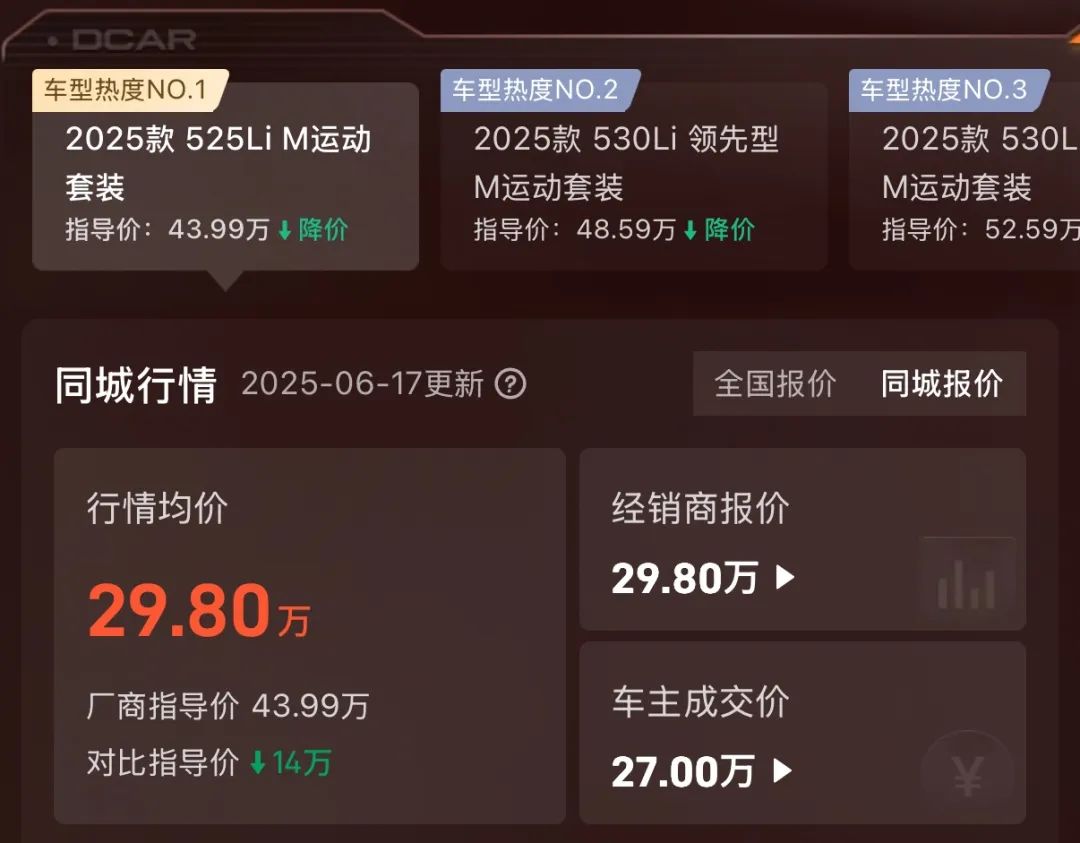
Core Insights - The luxury car market is experiencing significant price reductions, with the latest generation of models, including the BMW 5 Series, being sold at unprecedented low prices, indicating a shift in consumer purchasing behavior and market dynamics [1][3][6] - The current generation of luxury vehicles, developed before 2020, is still perceived as high-quality, but the industry's focus is shifting towards cost-cutting measures due to increased competition and changing consumer preferences [6][20][27] Group 1: Pricing and Sales Trends - The BMW 5 Series is now priced at approximately 260,000 yuan, down from 430,000 yuan a year and a half ago, reflecting a drastic price drop in the luxury segment [3][5] - Sales of the BMW 5 Series have increased for four consecutive months, with May sales reaching 11,000 units, surpassing competitors like the Mercedes-Benz E-Class [7] - Other luxury models, such as the Volvo XC60, have also seen significant price reductions, with current prices around 230,000 yuan, down from 400,000 yuan previously [5] Group 2: Market Dynamics and Consumer Behavior - The luxury car market is facing intense competition, leading to a decline in brand loyalty as consumers increasingly opt for domestic brands that better meet local needs [20][27] - The traditional luxury car designs are primarily tailored for European consumers, which may not align with the preferences of Chinese buyers, who now dominate the market [22][24] - The shift in consumer demand towards larger, more comfortable SUVs and vehicles with advanced technology is evident, as seen with the success of models like the Li Auto L9 [25][27] Group 3: Industry Challenges and Future Outlook - Luxury brands are under pressure to reduce costs and improve profitability, with manufacturers like BMW and Mercedes-Benz actively seeking lower-priced suppliers [12][18] - The reliance on subsidies and incentives to maintain dealer operations is not sustainable, indicating a need for a strategic shift in how luxury brands operate [12][19] - The future of luxury vehicles may hinge on balancing traditional brand values with the evolving demands of the Chinese market, necessitating a reevaluation of product development strategies [28]
向现实低头,奥迪撤回全面电动化目标
3 6 Ke· 2025-06-19 03:45
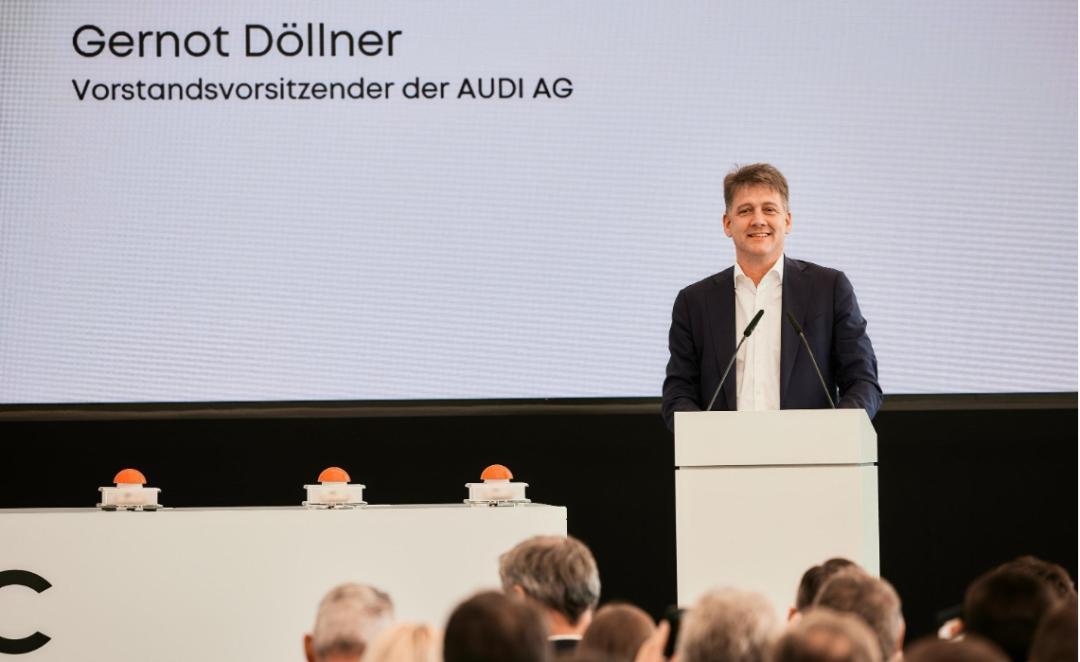
Core Viewpoint - Traditional automotive giants are collectively retreating from aggressive electric vehicle (EV) commitments, signaling a shift towards a more pragmatic approach in the face of market realities [1][3][14] Strategic Retreat - Audi has officially withdrawn its goal for full electrification by 2033, abandoning a clear timeline for phasing out internal combustion engines [1] - The cancellation of Audi's "odd-even naming system" in early 2025 is seen as a metaphor for the contraction of its electrification strategy [4] - The closure of Audi's Brussels factory, a historical site for EV production, highlights the challenges faced in the electric vehicle market, with Q8 e-tron sales declining significantly [4][6] Market Realities - Audi's global sales are projected to drop by 11.8% in 2024, the largest decline among major competitors, with electric vehicle sales down 8% to 164,000 units, representing only 9.81% of total sales [6] - The cancellation of EV subsidies in Germany has led to a 33% drop in Audi's domestic electric vehicle sales, reflecting broader market weaknesses in Europe [6] - The overall European EV market has seen a decline of 10.8% in July 2024 and a staggering 43.9% in August 2024, marking the lowest sales in three years [6] Dual-Track Strategy - Audi plans to introduce 10 plug-in hybrid models by 2025, allowing for a transitional approach while meeting emission regulations [8] - The SSP platform will be designed to accommodate both electric and combustion engines, providing flexibility to adjust production based on market conditions [8][10] - Other traditional automakers are also adopting a dual-track strategy, balancing electric and combustion models to mitigate risks associated with a full transition to electric vehicles [10] Technological and Economic Considerations - The transition to full electrification poses significant supply chain challenges for major manufacturers, with electric vehicle production costs being substantially higher than their combustion counterparts [7] - The reliance on software development has hindered the rollout of new electric models, as seen with Audi's Q6 e-tron delays due to issues at its software subsidiary [6][10] Market Adaptation - Audi is pursuing a more aggressive strategy in the Chinese market, collaborating with local companies to develop tailored electric vehicle offerings [11] - The shift in strategy reflects a broader industry trend where traditional automakers are reassessing their approaches to electrification, focusing on profitability and sustainability rather than solely on electric vehicle production [13][14]
20万的BBA,不能再降了
创业邦· 2025-06-19 03:16
Core Viewpoint - The article discusses the significant price reductions of the "34C" models (BMW 3 Series, Audi A4L, and Mercedes-Benz C-Class) amidst a price war in the automotive industry, highlighting the challenges and implications for luxury brands in maintaining their market position and brand value [3][29]. Group 1: Price Reductions and Market Dynamics - The "34C" models have seen their prices drop below 200,000 yuan, with some models like the Mercedes-Benz C200L being quoted as low as 167,400 yuan in Beijing [8][4]. - The price cuts are most pronounced for the Mercedes-Benz C-Class, which has seen its prices nearly halved compared to the original MSRP [7][8]. - Audi A4L's entry-level model has also dropped below 200,000 yuan, with some regions reporting prices as low as 180,000 yuan, although high-end models remain above 230,000 yuan [14][15]. - BMW is facing challenges with sales despite price reductions, as consumers prefer higher-powered models like the 330Li over the lower-priced 325Li [19][21]. Group 2: Sales Performance and Dealer Challenges - Sales figures for 2024 show a significant decline for the "34C" models, with Mercedes-Benz C-Class sales dropping by 16% and Audi A4L by 27% in 2025 [31]. - A majority of luxury car dealerships are struggling to meet sales targets, with 64.9% failing to achieve their goals in the first half of the year [32]. - The financial pressure on dealers has led to reports of dealership closures and ownership changes, indicating a challenging market environment [31][32]. Group 3: Brand Value and Consumer Perception - The aggressive price cuts risk diluting the brand value of BBA (BMW, Benz, Audi), as consumers may no longer perceive these brands as luxury options if prices continue to fall [30][29]. - The article notes that while consumers may enjoy lower prices, the long-term impact on brand perception could lead to decreased interest in high-end models [30][29]. - The shift in consumer preferences towards more technologically advanced and identity-affirming vehicles at similar price points poses a threat to BBA's market share [30][29]. Group 4: Strategic Responses and Future Outlook - In response to market pressures, BBA is focusing on reducing low-end product lines and enhancing their offerings with new models and technology [43][46]. - Audi is launching several new models in 2025, including the A5L and electric vehicles, to regain market traction [47][48]. - BMW and Mercedes are also collaborating with tech companies to improve their digital services and vehicle technology, aiming to enhance their competitive edge in the evolving market [49][51].
奥迪:确认暂停全面电动化计划!
新华网财经· 2025-06-19 02:18
Core Viewpoint - Audi has reversed its previous plan to stop developing and selling internal combustion engine vehicles by 2033, now not setting a clear timeline for termination [1] Group 1: Audi's Strategic Adjustments - Audi will launch a new series of internal combustion and plug-in hybrid vehicles between 2024 and 2026, providing greater flexibility for the next decade [1] - The company will lead the development of the Volkswagen Group's platform architecture and software systems for mid-to-large models, marking a shift towards "software-defined vehicles" [1] - The SSP platform, developed in collaboration with Rivian, is expected to debut in Audi models by the end of 2027 or in 2028 [1] Group 2: Industry Trends - Other automakers like Volvo and Mercedes have also adjusted their electrification plans, with Mercedes planning to continue developing internal combustion engine models into the 2030s [2] - The automotive industry is experiencing challenges during the electrification transition, with many companies facing declining revenues and profits due to high R&D costs and slowing demand for electric vehicles [2] - In contrast, the Chinese electric vehicle market is growing rapidly, prompting multinational companies to accelerate their electrification efforts in China while seeking cost reduction and efficiency improvements [2] Group 3: Audi's Focus Areas - Audi's transformation strategy emphasizes two key areas: software-defined vehicles and advanced driver assistance technologies [3] - Starting mid-2025, Audi will produce several models specifically designed for the Chinese market, including the Q6L e-tron, which is already in pre-sale [3] - Audi is collaborating with Huawei to integrate advanced intelligent driving assistance systems into new platform products starting in 2025 [3]
奥迪确认暂停全面电动化计划!
鑫椤锂电· 2025-06-19 00:49
Core Viewpoint - Audi has reversed its previous plan to stop developing and selling internal combustion engine vehicles by 2033, and no clear timeline for cessation has been set [2][3]. Group 1: Audi's Strategic Adjustments - Audi will launch a new series of internal combustion and plug-in hybrid vehicles between 2024 and 2026, providing greater flexibility for the next decade [3]. - The company will lead the development of a new platform architecture and software system for large vehicles within the Volkswagen Group, marking a shift towards "software-defined vehicles" [3]. - The original plan was to release the last batch of fuel vehicles globally by 2026 and achieve full electrification by 2033, but this has been reassessed due to varying market developments and the pace of electric vehicle adoption [3][4]. Group 2: Industry Trends - Other automakers like Volvo and Mercedes-Benz have also adjusted their electrification plans, with Mercedes stating it will not strictly adhere to a 2030 deadline for transitioning to electric vehicle sales [4]. - The automotive industry is experiencing challenges during the electrification transition, with many companies facing declining revenues and profits due to high R&D costs and a slowdown in electric vehicle demand [4]. - Despite these challenges, the Chinese electric vehicle market is growing rapidly, prompting multinational companies to accelerate their electrification efforts in China [5]. Group 3: Audi's Focus Areas - Audi's transformation strategy focuses on two key areas: software-defined vehicles and advanced driver assistance technologies [6]. - Starting mid-2025, Audi will produce several models specifically designed for the Chinese market, including the Q6L e-tron, which is based on the PPE luxury electric platform [6]. - Audi is collaborating with Huawei to integrate advanced intelligent driving assistance systems into new platform products starting in 2025 [6].

中国汽车新局面
集思录· 2025-06-18 14:11
Group 1 - The core viewpoint is that Chinese automotive brands are increasingly competitive, with improved aesthetics, lower prices, and better quality, challenging foreign car manufacturers [1][10] - The market is underestimating the potential of new Chinese car manufacturers, with the transition to electric vehicles and smart driving technology being inevitable trends [1][3] - The author expresses a stronger preference for domestic tire stocks over automotive stocks, citing the easier global expansion potential for tire manufacturers compared to car manufacturers [1][2] Group 2 - Tire stocks have recently experienced significant declines, while automotive stocks have seen notable increases [2] - Tire stocks are characterized by low valuations and high dividends, whereas automotive stocks have high valuations and low dividends [2] - The competitive landscape for tire stocks is clearer compared to the still-evolving competition in the automotive sector [2]

特斯拉下乡,宝马狂降18万,防晒衣不防晒,618你消费了啥?
Sou Hu Cai Jing· 2025-06-18 13:18
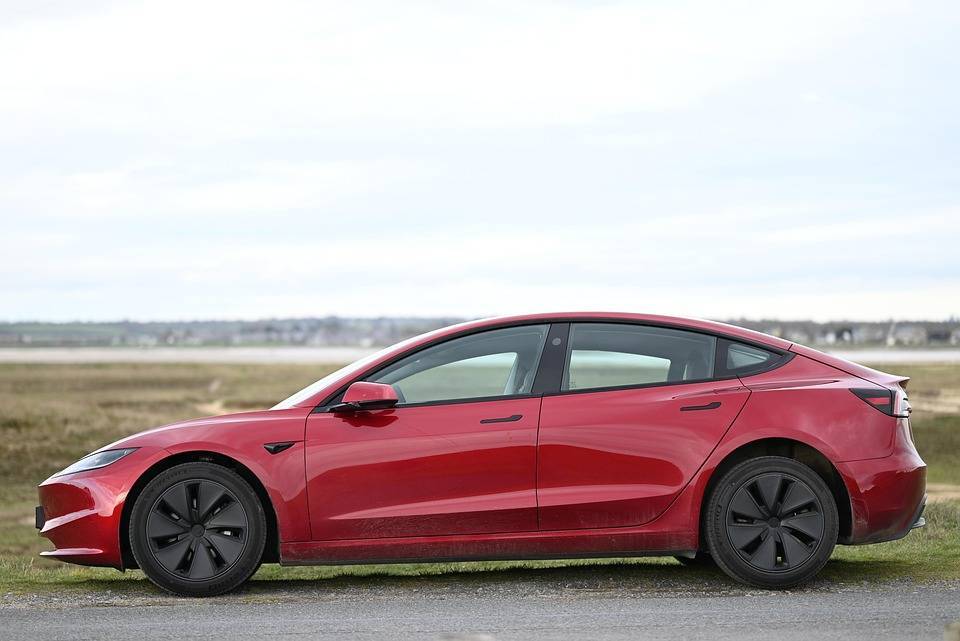
Group 1: Tesla and New Energy Vehicles - The Ministry of Industry and Information Technology, along with other government bodies, has launched a campaign for new energy vehicles to enter rural markets, with 124 models including Tesla's Model 3 and Model Y being selected [1] - Tesla's entry into the rural market is driven by increasing demand for quality, performance, and environmental attributes among rural consumers, supported by improved infrastructure and stable electricity coverage [1] - Tesla's pricing strategy aligns well with the needs of rural consumers, providing an attractive purchasing option and enhancing its competitive edge in this market [2] Group 2: Luxury Car Market Dynamics - The automotive industry is experiencing a price war, with traditional luxury brands like Mercedes-Benz and BMW facing declining sales, prompting them to seek partnerships with local Chinese companies [4][5] - In 2024, the combined global investment of luxury brands (BBA) is projected to exceed €35 billion (approximately ¥270 billion), indicating their commitment to maintaining competitiveness in the Chinese market [4] - The ongoing price reductions by luxury brands create challenges for new entrants in the automotive market, suggesting that the competition is far from over [5] Group 3: Consumer Trends and Product Categories - During the 618 shopping festival, sunscreen clothing emerged as a hot-selling category, with various subcategories being highlighted on e-commerce platforms [7] - The UPF (Ultraviolet Protection Factor) is a critical factor for consumers when purchasing sunscreen clothing, but the increasing number of small and unregulated manufacturers has led to inconsistent UPF labeling [7][8] - The high-end ice cream market in China is becoming increasingly competitive, with Häagen-Dazs facing challenges from brands like DQ, which offers lower prices and a larger number of stores [10] Group 4: Digital Transformation in E-commerce - Digital influencers have transitioned from being supplementary to primary figures in live-streaming sales, with a penetration rate exceeding 60% in the market [13] - JD.com's digital influencers have shown a significant impact on sales, with an average conversion rate increase of 30% during the 618 shopping festival [14] - The ability of digital influencers to operate continuously without downtime provides a competitive advantage in the e-commerce landscape [14] Group 5: Consumer Behavior and Market Impact - The national subsidy program has stimulated consumer spending in various categories, but its recent tapering has led to a split in consumer behavior, with some rushing to purchase before the subsidy ends [16][17] - The subsidy program has primarily benefited larger brands and distributors, exacerbating the market divide and impacting smaller players negatively [17] - The emotional consumption trend among younger consumers is driving significant market growth, with the emotional consumption market projected to reach ¥1.2 trillion this year [19]
暂停全面电动化计划,奥迪不再设定明确停售燃油车时间表
Di Yi Cai Jing· 2025-06-18 11:14
Group 1 - Audi has reversed its previous plan to stop developing and selling internal combustion engine vehicles by 2033, and no clear timeline for cessation is set [1][2] - The company will launch a new series of internal combustion and plug-in hybrid vehicles between 2024 and 2026, providing greater flexibility for the next decade [1][2] - Audi will lead the development of a new platform architecture and software system for large vehicles within the Volkswagen Group, marking a shift towards "software-defined vehicles" [1] Group 2 - The automotive industry is experiencing challenges during the electrification transition, with many companies seeing declines in revenue and profit due to high R&D costs and slow electric vehicle market demand [2] - Companies like Volvo and Mercedes-Benz have also adjusted their electrification plans, opting for a dual development strategy of both internal combustion and electric vehicles [2] - The Chinese electric vehicle market is growing rapidly, prompting multinational companies to accelerate their electrification efforts in China while seeking cost reduction and efficiency improvements [2] Group 3 - Audi's strategic adjustments focus on two key areas: software-defined vehicles and advanced driver assistance technologies [3] - The company plans to produce several models specifically designed for the Chinese market starting mid-2025, including the Q6L e-tron and new electric models based on a joint development with SAIC [3] - Audi is collaborating with Huawei to integrate advanced intelligent driving assistance systems into its new platform products starting in 2025 [3]