洋河股份

Search documents
13只白酒股上涨 贵州茅台1472.66元/股收盘
Bei Jing Shang Bao· 2025-09-04 07:29
Core Viewpoint - The liquor sector is experiencing mixed performance, with high-end brands facing pressure from policy impacts, while leading companies maintain resilience due to strong brand and channel capabilities [1] Group 1: Market Performance - On September 4, the three major indices collectively rose, with the Shanghai Composite Index closing at 3765.88 points, down 1.25% [1] - The liquor sector index closed at 2335.97 points, showing a slight increase of 0.23%, with 13 liquor stocks rising [1] Group 2: Individual Stock Performance - Kweichow Moutai closed at 1472.66 CNY per share, down 0.53% [1] - Wuliangye closed at 125.51 CNY per share, down 0.88% [1] - Shanxi Fenjiu closed at 197.26 CNY per share, down 0.68% [1] - Luzhou Laojiao closed at 134.09 CNY per share, down 1.11% [1] - Yanghe Brewery closed at 72.76 CNY per share, up 0.50% [1] Group 3: Industry Insights - According to a report from China Merchants Securities, high-end liquor is significantly impacted by policy changes, leading to pressure on wholesale prices [1] - Despite the pressure, leading companies like Moutai and Wuliangye show performance resilience, with Moutai expected to slow down reasonably and Wuliangye and Luzhou Laojiao experiencing slight declines in Q2 2025, aligning with previous expectations [1] - The demand for mid-range liquor is under pressure, but company performance varies due to different adjustment rhythms, with attention on new products and channels for marginal growth [1] - Fenjiu is seeing growth from its foundational products, while other brands like Shui Jing Fang are beginning adjustments, and Shede is recovering from a low base [1] - The real estate liquor sector is undergoing significant clearance, but brands like Gujing maintain resilience in their home market [1]





行业“深水区”:除了控量稳价,酒企还能做什么?|财报解读②
Sou Hu Cai Jing· 2025-09-03 16:05
Core Insights - The overall performance of the liquor industry is under pressure, with 20 listed liquor companies reporting a total revenue of 241.28 billion yuan in the first half of 2025, a slight decrease of 1.59% year-on-year, and net profits also facing challenges [1] - The industry is experiencing a significant divergence, with only 6 companies achieving both revenue and net profit growth, and only 4 companies maintaining positive revenue growth in the second quarter [1][2] - Major liquor companies are proactively adjusting strategies and innovating to strengthen core competitiveness and market share amid the industry's complex environment [1][4] Industry Performance - The liquor industry is currently in a "deep water zone" characterized by reduced volume, falling prices, and high inventory levels, leading to a cautious approach among companies [1][2] - Companies like Moutai and Gujing Gongjiu have acknowledged the industry's deep adjustment and the need for structural optimization to navigate the current cycle [1][2] Strategic Adjustments - "Proactive deceleration, controlling volume and stabilizing prices" has become a common strategy among liquor companies, with a focus on stability in their 2025 targets [2][4] - Nine companies have reduced contract liabilities to alleviate pressure on traditional channels, indicating a flexible market operation strategy [4] Inventory Management - The current "suspension of sales" trend is a significant market adjustment tool, with a broader product coverage and increased participation from both major and regional brands [5][7] - As of June 2025, the total inventory of 20 listed liquor companies reached approximately 170 billion yuan, reflecting a growing trend [7] Low-Alcohol Trend - The low-alcohol trend is gaining momentum, with companies like Wuliangye and Gujing Gongjiu launching new low-alcohol products to meet changing consumer preferences [8][10] - The low-alcohol market is projected to grow at a compound annual growth rate of 30%, with expectations to exceed 74 billion yuan by 2025 [11] Cross-Industry Innovations - Liquor companies are actively pursuing cross-industry innovations to expand their market reach and appeal to diverse consumer groups [14][18] - Collaborations with retail giants and the introduction of new product lines are strategies employed to enhance market penetration and operational efficiency [15][20]


高度酒库存积压,低度酒预售秒空!白酒企业要靠“降度”突围?
Sou Hu Cai Jing· 2025-09-03 13:40
Core Insights - The keyword "lower degree" has become the most popular term in the Chinese liquor industry for 2025, indicating a significant shift towards low-alcohol products [2][3] Industry Trends - The low-alcohol liquor market in China is rapidly expanding, with market size projected to grow from approximately 20 billion yuan in 2020 to 57 billion yuan by 2024, and expected to exceed 74.2 billion yuan in 2025, reflecting a compound annual growth rate (CAGR) of 30% [4] - The shift towards low-alcohol products is driven by generational changes in consumer preferences, particularly among younger consumers born in the 1990s and 2000s, who show a strong preference for low-alcohol beverages over traditional high-alcohol options [5][6] Company Strategies - Major liquor companies are actively launching low-alcohol products to capture the young consumer market. For instance, Wuliangye's 29-degree "Yi Jian Qing Xin" product has gained significant attention and sold out quickly during a live-stream event [3][7] - Luzhou Laojiao has developed a 28-degree version of its popular Guojiao 1573, while Yanghe and other companies are also introducing various low-alcohol products to diversify their offerings [11][12] - Moutai is expanding into the low-alcohol market with its Yumi brand, launching multiple new products, including a 33.8-degree liquor [6] Market Dynamics - The potential market for young drinkers in China is estimated at 490 million, supporting a market size of 400 billion yuan, which presents a significant opportunity for low-alcohol liquor [15] - Despite the promising growth, the low-alcohol market faces challenges such as product homogenization and the need for differentiation among brands [18] - Companies must innovate not only in product offerings but also in marketing strategies to cultivate a suitable consumption environment for low-alcohol beverages [20]


高度酒库存积压,低度酒预售秒空:白酒企业要靠“降度”突围?
Xin Lang Cai Jing· 2025-09-03 13:16
Core Insights - The keyword "lower degree" has become the most popular term in the Chinese liquor industry for 2025 [1] - Major liquor companies are actively launching low-alcohol products to attract younger consumers, indicating a shift in market strategy [2][4] Industry Trends - The low-alcohol liquor market in China is rapidly expanding, with market size projected to grow from approximately 20 billion yuan in 2020 to 57 billion yuan by 2024, and expected to exceed 74.2 billion yuan in 2025, reflecting a compound annual growth rate (CAGR) of 30% [4] - The shift in consumer demographics, particularly the rise of the post-90s and post-00s generations, is significantly influencing market trends, as these younger consumers show a preference for low-alcohol beverages over traditional high-alcohol options [4][14] Company Strategies - Wuliangye launched a 29-degree low-alcohol product named "Wuliangye・Yijianqingxin," which sold out quickly, indicating strong market interest [2][7] - Luzhou Laojiao has developed a 28-degree version of its popular Guojiao 1573, while Yanghe Co. plans to release a diverse range of low-alcohol products [10][11] - Moutai is also entering the low-alcohol market with its Yumi brand, launching multiple new products including a 33.8-degree liquor [5] Market Dynamics - The low-alcohol segment is seen as a crucial area for growth as traditional high-alcohol consumption declines due to changing consumer preferences and market conditions [14][18] - The potential market for young drinkers is estimated at 490 million people, supporting a market size of 400 billion yuan, which presents significant opportunities for low-alcohol products [14] Challenges and Innovations - Companies face technical challenges in producing low-alcohol beverages that maintain flavor and quality, requiring significant investment in research and development [15][18] - The market is becoming increasingly competitive, with many brands entering the low-alcohol space, leading to concerns about product homogenization and the need for differentiation [17][18]

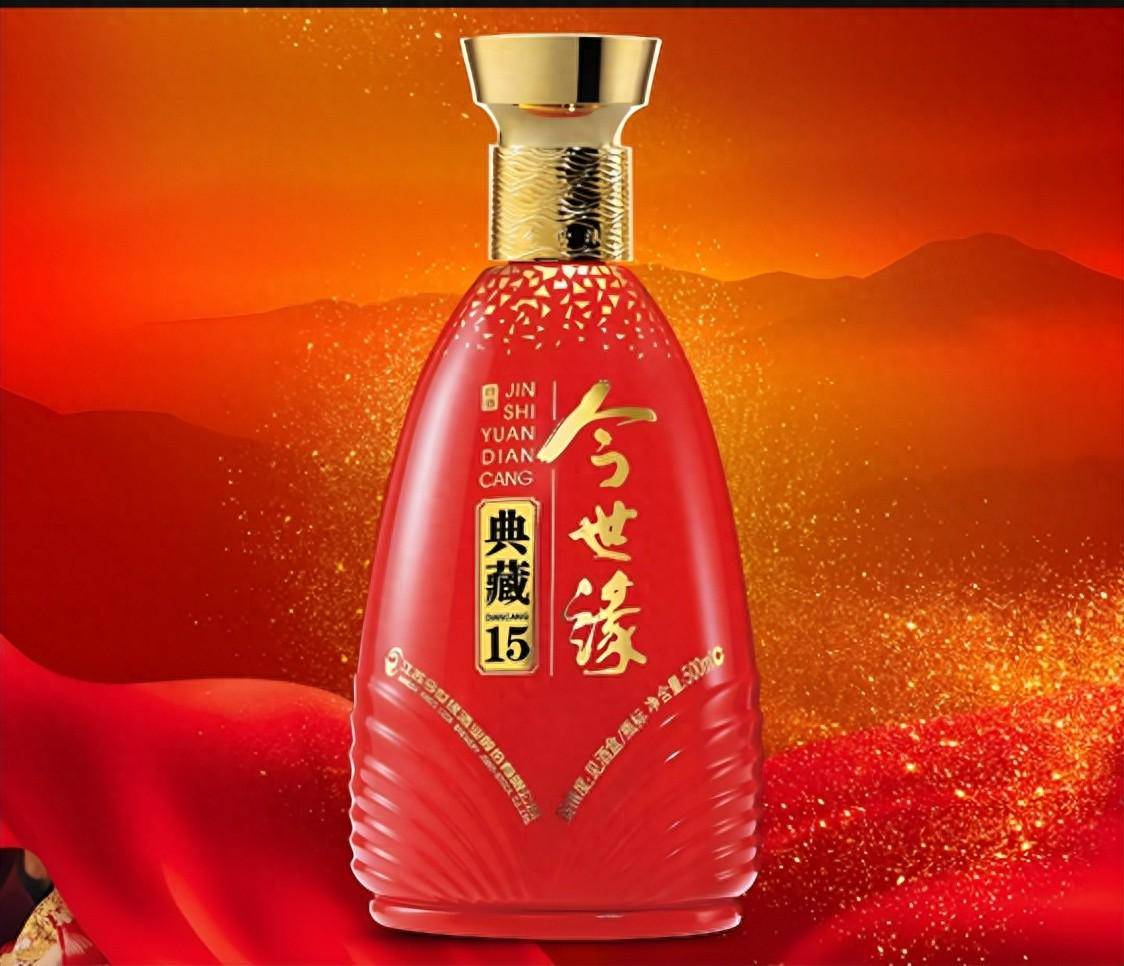
今世缘中报业绩下滑探因:禁酒令影响与多品牌竞争致省内市场收缩
Sou Hu Cai Jing· 2025-09-03 12:52
Core Viewpoint - The performance of Jiangsu Jinshiyuan (stock code: 603369.SH) in the first half of 2025 showed a significant downturn, marking the first decline in both revenue and net profit since 2021, primarily driven by a substantial drop in second-quarter performance [1][3]. Group 1: Financial Performance - The company reported a revenue of 6.95 billion yuan, a year-on-year decrease of 4.84%, and a net profit of 2.229 billion yuan, down 9.46% [3]. - In the second quarter, revenue and net profit fell sharply by 29.69% and 37.06%, respectively, attributed to the impact of the "ban on alcohol" policy and the traditional off-season [3]. - The revenue from high-end products, particularly the special A+ category, saw a decline of 7.37%, significantly affecting overall performance [1][3]. Group 2: Market Challenges - The company faced intense competition in its home market of Jiangsu, with local competitors like Yanghe and Anhui Kouzi gaining market share [1]. - The market share in core cities was pressured by both local and external brands, leading to a 6.07% decrease in revenue from the Jiangsu market [3]. - The growth rate of the company's revenue from outside Jiangsu slowed to 4.78%, a significant drop from 36.39% in the previous year [3]. Group 3: Inventory and Cash Flow - The company's contract liabilities decreased from 1.593 billion yuan at the end of 2024 to 600 million yuan, a decline of 62.35%, indicating reduced willingness of distributors to stock products [4]. - Inventory turnover days increased from 451.1 days to 549.8 days, highlighting issues with inventory buildup and sluggish sales [4]. - The net operating cash flow also declined year-on-year, reflecting challenges in cash recovery due to poor sales performance [4]. Group 4: Production and Future Outlook - Despite facing numerous challenges, the company has made efforts in capacity optimization, with stable growth in raw liquor production and an increase in the quality of its products [4]. - A new 20,000-ton clear elegant sauce workshop has been completed and is set to commence full production, although the success of this expansion plan remains uncertain amid weak terminal sales and inventory pressure [4].

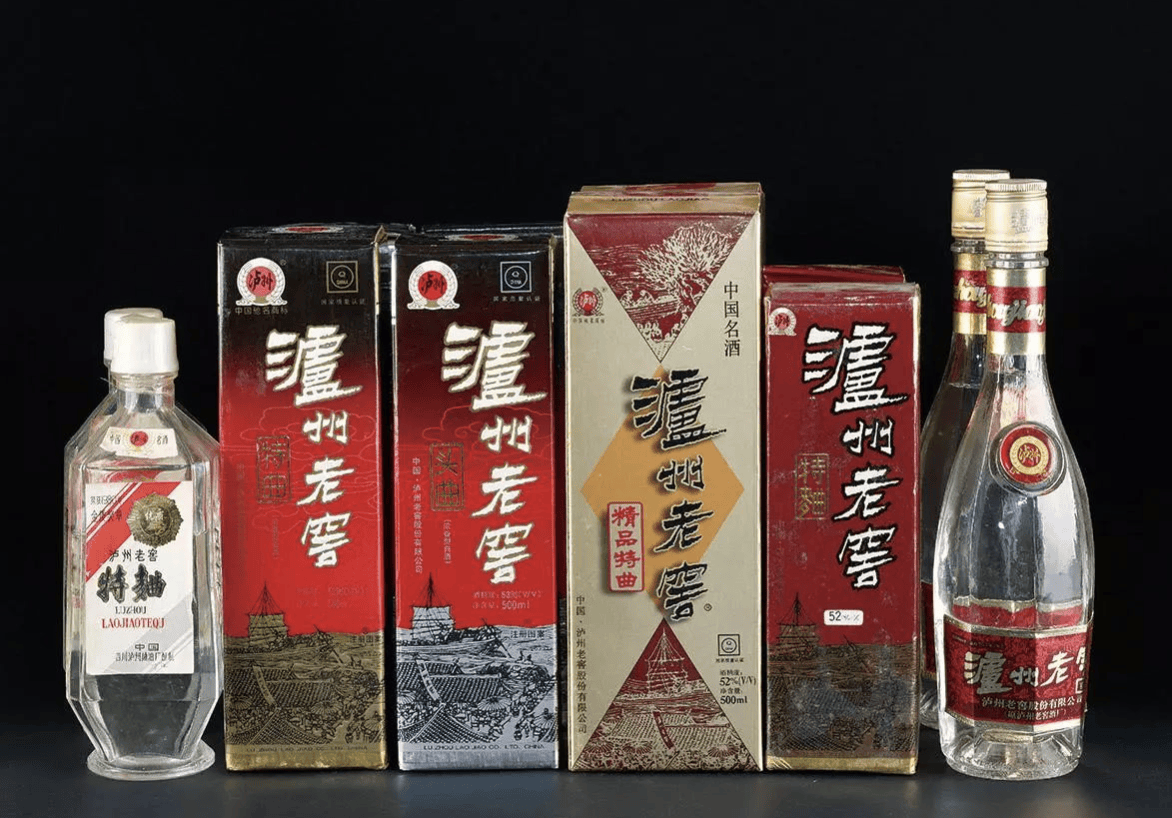
泸州老窖业绩双降,渠道与产品结构困境待解,突围之路何在?
Sou Hu Cai Jing· 2025-09-03 12:52
Core Viewpoint - Luzhou Laojiao has faced significant challenges in recent years, including management changes and declining performance, which have hindered its ambition to return to the top three in the industry [1][3]. Group 1: Financial Performance - The latest semi-annual report shows that Luzhou Laojiao's revenue and net profit for the first half of the year were 164.5 billion and 76.63 billion respectively, representing a year-on-year decline of 2.67% and 4.54% [3]. - The company has experienced a dual decline in performance for the first time since 2014, contrasting sharply with Shanxi Fenjiu, which reported revenue and net profit growth of 5.35% and 1.13% respectively [3]. Group 2: Market Position - Luzhou Laojiao currently ranks fourth among listed liquor companies, trailing behind Guizhou Moutai, Wuliangye, and Shanxi Fenjiu, with a significant revenue gap of 75.1 billion compared to Shanxi Fenjiu [1][3]. - The company was once a leader in the Chinese liquor industry but has fallen behind competitors like Wuliangye and Yanghe in terms of product strength and revenue [3]. Group 3: Channel and Customer Dependency - The company has increasingly relied on major customers, with the revenue share from its largest customer exceeding 40% from 2022 to 2024, and reaching 48.73% in the first half of 2025 [4]. - The combined revenue share from the first and second largest customers has surpassed 60%, raising operational risks for the company [4]. Group 4: Product Structure Issues - Luzhou Laojiao's product structure is heavily skewed towards high-end products, with mid-to-high-end liquor generating 150.48 billion in revenue, accounting for 91.45% of total sales [4]. - This reliance on high-end products poses challenges, including potential price inversions and increased marketing costs to maintain sales, which adds pressure to the company's operations [4]. - The slow development of low-end liquor products has been noted, with revenue growth for "other liquor types" declining and their revenue share decreasing [4]. Group 5: Strategic Challenges - The company faces dual challenges of channel imbalance and product structure imbalance, making it difficult to find new growth points [5]. - To achieve sustainable development, Luzhou Laojiao needs to optimize its channel strategy and balance its product structure [5].
剖析酒业半年报:调整期行业结构未见变化,谁过得好?
Nan Fang Du Shi Bao· 2025-09-03 11:03
Group 1: Overall Industry Performance - The alcohol industry is experiencing a deep adjustment phase, with most listed companies reporting a shift from significant growth to "active adjustment" in performance [1][2] - The overall structure of the industry remains largely unchanged, with market concentration increasing towards leading companies [1][2] Group 2: Baijiu Industry - The baijiu sector is the most affected by the adjustment, with 20 listed companies reporting mixed results: 6 companies saw both revenue and net profit increase, while 13 reported declines [2][3] - Leading companies like Kweichow Moutai and Wuliangye maintained growth, while smaller firms faced more significant performance declines, highlighting a growing industry divide [2][3] Group 3: Beer Industry - The beer industry is showing signs of recovery, with domestic companies reporting revenue growth while international firms are experiencing declines [5][6] - High-end products are becoming a key competitive factor, with companies like China Resources Beer and Yanjing Beer reporting significant profit increases [6][7] Group 4: Huangjiu Industry - The huangjiu sector is struggling to achieve collective growth, with only one of three listed companies reporting an increase in revenue [8][9] - Companies are focusing on national expansion and targeting younger demographics, but overall performance remains lackluster [8][9] Group 5: Wine Industry - The domestic wine market is still in a deep adjustment phase, with most companies reporting revenue declines, except for a few like CITIC Niyah [10][11] - The market is facing challenges from imported wines, which have increased in value despite a decrease in volume [10][11]
白酒板块9月3日跌0.98%,伊力特领跌,主力资金净流出7.26亿元
Zheng Xing Xing Ye Ri Bao· 2025-09-03 08:40
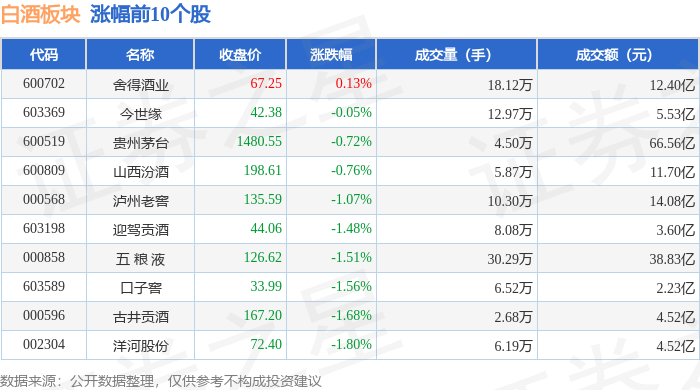
Market Overview - The liquor sector experienced a decline of 0.98% on September 3, with Yili Te leading the drop [1] - The Shanghai Composite Index closed at 3813.56, down 1.16%, while the Shenzhen Component Index closed at 12472.0, down 0.65% [1] Individual Stock Performance - Key stocks in the liquor sector showed varied performance, with the following notable changes: - Shede Liquor: Closed at 67.25, up 0.13% [1] - Kweichow Moutai: Closed at 1480.55, down 0.72% with a trading volume of 45,000 shares and a transaction value of 6.656 billion [1] - Wuliangye: Closed at 126.62, down 1.51% with a trading volume of 302,900 shares and a transaction value of 3.883 billion [1] - Yili Te: Closed at 15.56, down 3.35% with a trading volume of 78,800 shares and a transaction value of 1.25 billion [2] Capital Flow Analysis - The liquor sector saw a net outflow of 726 million from institutional investors, while retail investors contributed a net inflow of 479 million [2] - The following stocks had significant capital flow: - Shede Liquor: Net inflow from institutional investors was 59.79 million, while retail investors had a net outflow of 17.44 million [3] - Kweichow Moutai: Experienced a net outflow of 14 million from institutional investors [3] - Yili Te: Had a net outflow of 2.68 million from institutional investors [3]


方正证券:白酒行业筑底深化 龙头企业优势凸显
智通财经网· 2025-09-03 08:15
Core Viewpoint - The current outlook for the liquor industry indicates that a bottom has formed due to multiple policy catalysts, with the liquor sector showing signs of recovery but still at historical lows. The industry is expected to benefit from improved economic expectations, with a focus on the upcoming Mid-Autumn Festival and National Day for demand recovery [1][2]. Group 1: Industry Performance - In Q2 2025, the liquor industry entered a deep adjustment phase under macroeconomic and policy pressures, with total revenue for the first half of 2025 reaching 239.8 billion yuan, a year-on-year decrease of 0.9%, and net profit attributable to shareholders at 94.6 billion yuan, down 1.2% [2]. - Excluding Moutai, other listed companies in the sector reported a total revenue of 150.4 billion yuan in H1 2025, a decline of 6.1%, with net profit at 49.2 billion yuan, down 8.9% [2]. - The overall price of mainstream liquor products has declined, but with improving industry sentiment and easing constraints in H2, a recovery is anticipated, particularly during the peak sales periods of the Mid-Autumn Festival and National Day [2]. Group 2: Brand and Price Segmentation - High-end liquor brands are outperforming mid-range and regional brands, with high-end brands maintaining resilience through strong brand power and channel control. Moutai and other leading brands are stabilizing their market positions through inventory control and channel optimization [3]. - Mid-range liquor brands are experiencing more direct impacts from policy changes, with some brands like Fenjiu showing continued growth despite pressures [3]. - Regional leaders are focusing on maintaining market share and stabilizing core product prices, while brands like Jiangsu Yanghe and Jiuzi have seen significant adjustments [3]. Group 3: Investment Recommendations - The company suggests focusing on leading brands with strong market positions such as Moutai, Wuliangye, Luzhou Laojiao, and Shanxi Fenjiu during the economic transition [3]. - Regional leaders that maintain their core markets, such as Gujing Gongjiu and Jiuzi, are expected to sustain momentum as demand recovers [3]. - Brands that have actively managed their financials during this adjustment period, like Shede and Yanghe, are also recommended for attention [3].

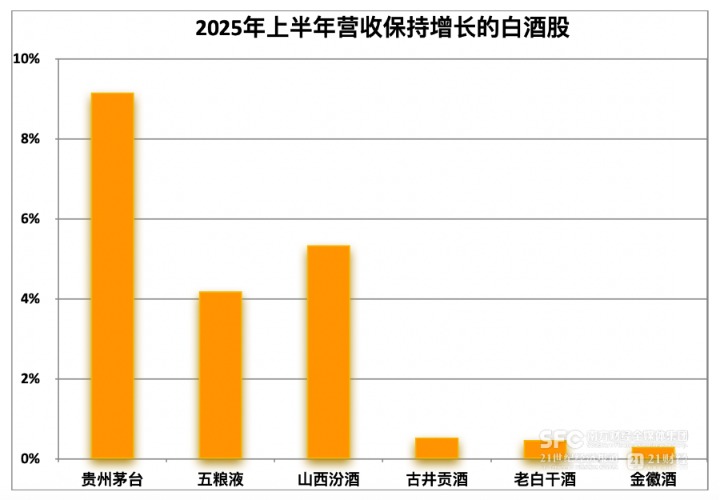
名酒保住增长,白酒业即将穿越周期?
2 1 Shi Ji Jing Ji Bao Dao· 2025-09-03 08:05
Core Viewpoint - The Chinese liquor industry, particularly the baijiu sector, is currently experiencing a downturn, with many companies reporting declining performance. However, some analysts believe this could signal a bottoming out and potential recovery in the future [1][12]. Industry Performance - In the first half of the year, 15 out of 21 listed baijiu companies reported declining performance, with only 6 companies, including Kweichow Moutai and Wuliangye, showing positive growth [1][4]. - The overall industry is facing significant challenges, with many companies returning to average performance levels after years of high growth [4][11]. Company-Specific Insights - Leading companies like Kweichow Moutai and Wuliangye continue to show resilience, maintaining their positions despite a slowdown in growth [5][9]. - Companies such as Yingjia Gongjiu and Jiuzi Jiu have reported significant declines, with Yingjia Gongjiu's revenue dropping by 24% and net profit by 35% in Q2 [2][8]. - The performance of Shanxi Fenjiu has slowed, with growth rates returning to single digits after years of double-digit increases [2][6]. Market Dynamics - The competitive landscape is shifting, with a clear trend of market share concentrating among top brands, while smaller and regional brands struggle to maintain their positions [10][11]. - The number of regulated baijiu companies has decreased, indicating a consolidation trend within the industry [11]. Future Outlook - Analysts suggest that the second half of the year may see a potential rebound, particularly during the Mid-Autumn Festival and National Day, which could provide a window for price stabilization and recovery [12][13]. - Despite recent stock price increases, the overall sentiment remains cautious, with many expecting that a full recovery may take until late 2025 or beyond [13][14].