娃哈哈

Search documents
民企传承不等于传位,美的、安踏等让专业取代血缘
阿尔法工场研究院· 2025-11-07 00:08
以下文章来源于上市公司企业家交流中心 ,作者上企中心 上市公司企业家交流中心 . 上市公司企业家交流中心是旨在促进上市公司产业协同、建立与央国企的产业联动、助力上市公司与地方政府的招商落地、加强上市公司与部委机关的政 策交流、推动上市公司与科研院所的科研合作、提升企业家身心健康为核心的"产、学、研、娱、康"的综合赋能平台。 作者 | 上市公司企业家交流中心许长忠、袁睿方子 导语:唯有通过治理架构的系统性重塑,才能实现从 "家族世袭" 到 "制度传承" 的跨越,为百年企业筑牢根基。 民营经济已成为推动我国高质量发展的核心动力,而改革开放后崛起的民营企业,正集体面临一场关乎存续的 "传承大考"。 传 承困局: 从 "子承父业" 到 "管理失序" 的现实挑战 "父亲打下的江山,我接不住",这是不少民企二代的共同心声。 美特斯邦威创始人周成建之子胡佳佳接班 7 年,企业累计亏损超 32 亿元,最终周成建不得不重新出山;桃李面包在继承人吴学亮接手后,净利 润连续两年下滑;娃哈哈传承话题近期备受关注,宗馥莉曾以激进改革试图颠覆父辈 "家文化" 体系,却因缺乏利益平衡能力引发老员工抵触、 经销商抵制,叠加股权结构制约,改革 ...




宗馥莉“换将”
Zheng Quan Shi Bao· 2025-11-05 15:30
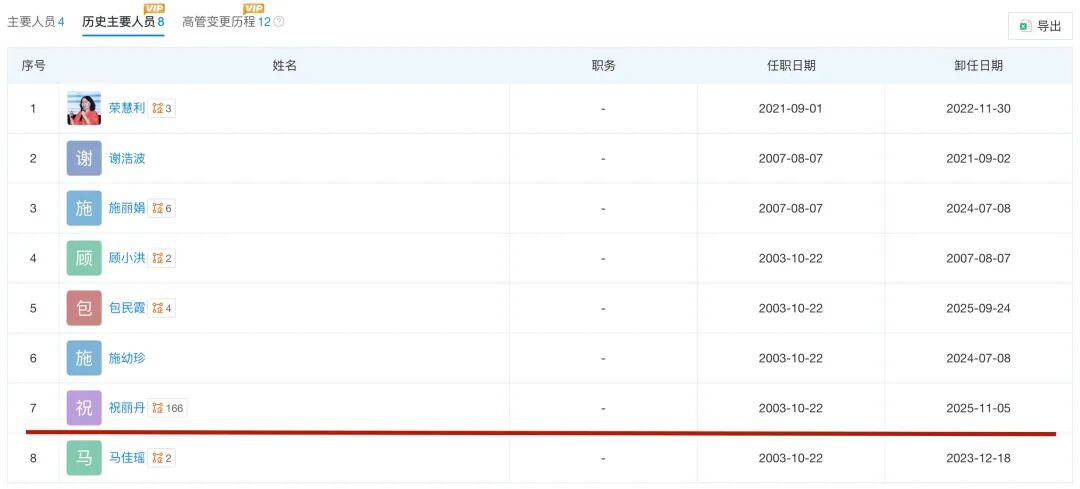
Core Viewpoint - The legal representative of Hongsheng Beverage Group Co., Ltd. has changed from Zhu Lidan to Zheng Qundi, with Zhu's departure date noted as November 5 [1] Management Changes - Zhu Lidan has been moved to the historical key personnel list, indicating her official departure from the role [1] - Zheng Qundi currently serves as the legal representative and manager in six Wahaha-related companies, suggesting a significant role within the organization [1] Historical Personnel - The document lists various historical personnel changes, including the tenure and departure dates of several key individuals, with Zhu Lidan's tenure starting from October 22, 2003 [1]
一线品牌加持!共生源自动售货机:小机器有大利润
Zhong Guo Shi Pin Wang· 2025-11-04 09:13
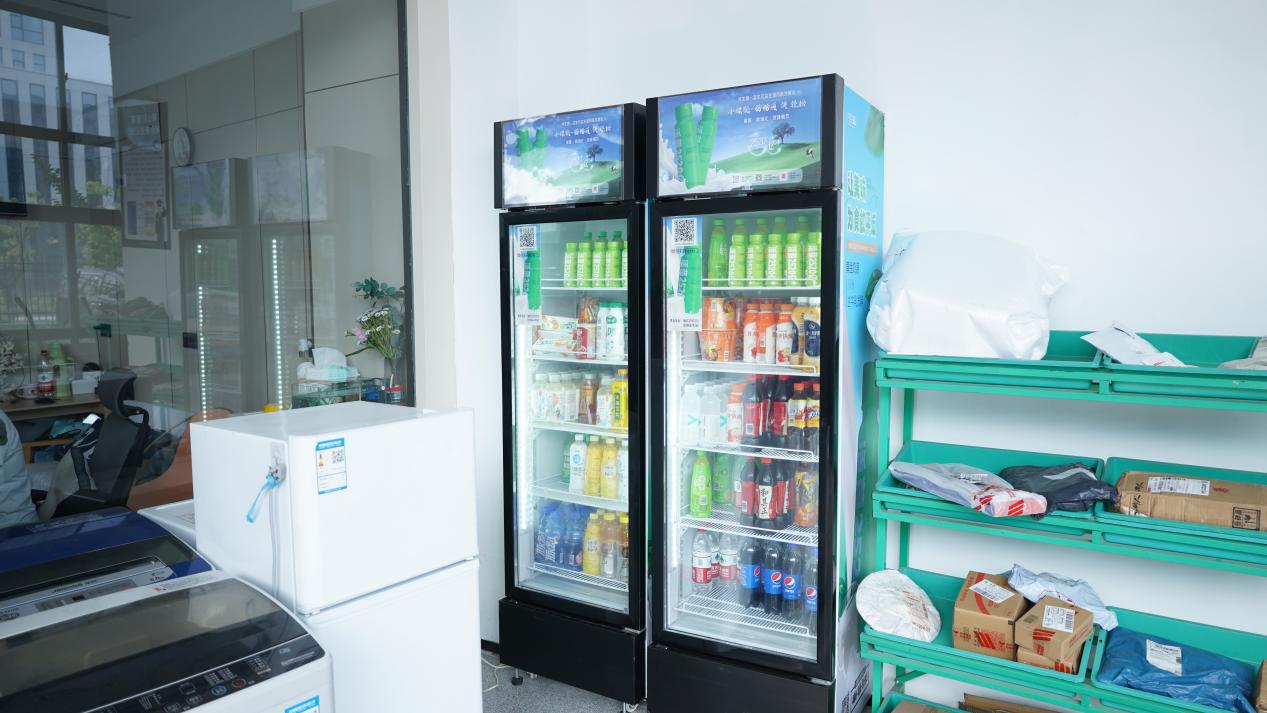
Core Insights - The company "Gongshengyuan" is successfully leveraging low-cost, high-return vending machines to attract entrepreneurs and consumers alike, exemplified by the experience of a convenience store owner who has seen significant profits from these machines [1][3]. Group 1: Business Model and Strategy - Gongshengyuan's vending machine project is characterized by low entry barriers and high returns, making it an attractive option for ordinary entrepreneurs [3]. - The company has established partnerships with major brands like Jia Duo Bao and Red Bull, allowing it to achieve profit margins of around 50% through collective procurement [3]. - The strategic placement of vending machines across various locations in Zhejiang, including commercial areas and community service points, demonstrates the company's effective market penetration [3][5]. Group 2: Expansion and Market Presence - Gongshengyuan's operations have expanded beyond Zhejiang to provinces such as Jiangsu, Shandong, Fujian, and Guangxi, indicating a growing footprint in the market [5]. - The collaboration with Sinopec has led to the installation of over 470 vending machines at gas stations, with plans for future expansion to over a thousand units [5]. - The company is also forming partnerships with highway services in Fujian and Guangxi, creating a cross-regional intelligent retail network [5]. Group 3: Consumer Demand and Market Trends - The vending machines cater to the increasing consumer demand for convenient and healthy options, aligning with the rapid growth of the unmanned retail market [5]. - The company aims to ensure that every corner of the city has access to its products, enhancing consumer convenience while providing profitable opportunities for partners [5].
养乐多迎来危机!大陆首家工厂倒闭,消费者不认可销量暴跌
Sou Hu Cai Jing· 2025-11-02 23:51
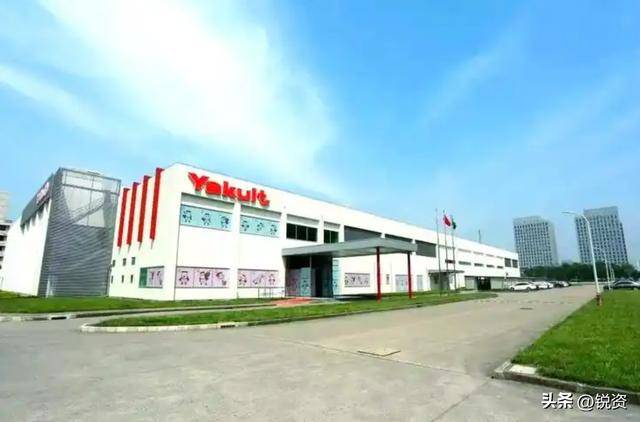
Core Insights - The article discusses the decline of Yakult in the Chinese market, highlighting the closure of its Guangzhou factory as the second core factory shut down within a year, following the closure of the Shanghai factory [1][10] - Yakult's daily sales in China have plummeted from a peak of 7.6 million bottles to 2.5 million bottles, a staggering 70% drop [1][10] Historical Context - Yakult's origins trace back to Japan in the early 20th century, where it was founded on the pursuit of gut health, leading to the creation of a probiotic drink in 1935 [3] - The company successfully expanded in Japan through a home delivery model initiated in 1963, which significantly boosted sales [3][4] Market Entry and Growth - Yakult entered the Chinese market in the 1990s, leveraging a similar delivery model with "Yakult Ladies" to gain popularity, especially in Guangdong [4] - At its peak, Yakult's production capacity in southern China reached 6 million bottles per day, with Guangdong and Hainan accounting for nearly half of its national sales [4] Decline Factors - The decline in sales is attributed to a loss of consumer trust in Yakult's health claims, particularly regarding its sugar content and the effectiveness of its probiotics [7][8] - The company faced increased competition from local brands offering lower sugar options and better pricing, leading to a significant drop in market share from 35% to 23% [8][11] Strategic Response - In response to declining sales, Yakult announced the closure of its factories to consolidate production and improve efficiency, aiming to increase capacity utilization from 42% to 65% [12] - Industry analysts suggest that without addressing core issues such as product relevance and marketing disconnect, these measures may not be sufficient to reverse the decline [12] Future Outlook - Despite the challenges, the probiotic market in China is projected to grow, with opportunities for brands that can balance taste and health [12][15] - Yakult retains several production bases and distribution channels, but must innovate and adapt to changing consumer preferences to remain competitive [12][15]
钟慧娟以1410亿元财富首次成为中国女首富 宗馥莉以875亿元排第三
Sou Hu Cai Jing· 2025-10-31 16:02
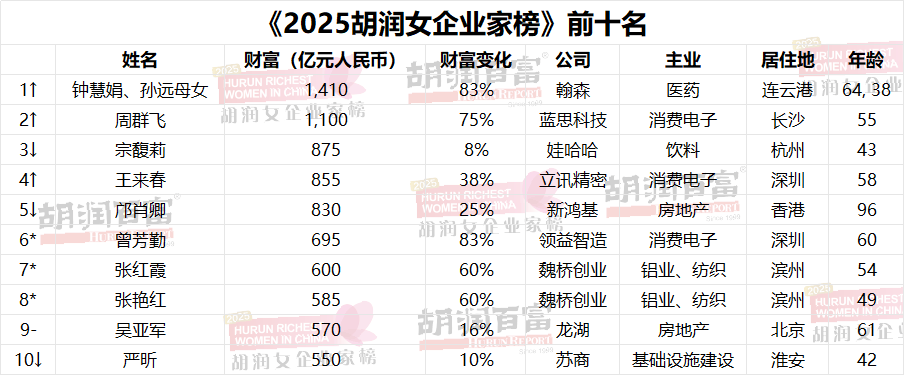
Core Insights - The 2025 Hurun Richest Women in China list reveals that the total wealth of the top 50 female entrepreneurs reached 1.9 trillion yuan, a significant increase of 32% compared to last year, with the entry threshold rising to 16 billion yuan, up 33% [1][2][11] - The average age of the top 50 female entrepreneurs is 60 years, with 66% being self-made and 34% inheriting wealth [1][2][25] - The industrial products sector is the primary source of wealth for female entrepreneurs, with 15% representation, while the real estate sector follows at 13% [21][22] Company Performance - The top female entrepreneur, Zhong Huijuan, and her mother, saw their wealth increase by 640 million yuan, reaching 1.41 billion yuan, marking an 83% growth [6][12] - Lens Technology, led by Zhou Qunfei, ranked second with a wealth of 1.1 billion yuan, a 75% increase from the previous year [7][12] - Wahaha's Zong Fuli ranked third with a wealth of 875 million yuan, experiencing an 8% increase [8][12] Industry Trends - The industrial products sector has eight female entrepreneurs in the top 50, contrasting with only two male entrepreneurs from the same sector [5][21] - The life sciences and food and beverage sectors are also significant contributors to the wealth of female entrepreneurs, with 12% and 10% representation, respectively [21][22] - The emergence of successful female entrepreneurs in the consumer electronics sector is notable, with companies like Luxshare Precision and Lens Technology leading the way [2][5] Wealth Distribution - Among the top 50 female entrepreneurs, 47 experienced wealth growth, with eight new entrants to the list [11] - The average wealth of the top 50 female entrepreneurs is 340 million yuan, with a notable increase in the number of self-made entrepreneurs [25][31] - The wealth of the top ten female entrepreneurs has seen a significant increase, with the threshold for entry rising to 55 billion yuan [4][11] Geographic Distribution - Hong Kong leads with nine female entrepreneurs in the top 50, followed by Beijing with six [16][17] - The distribution of female entrepreneurs' birthplaces shows a strong representation from Jiangsu and Guangdong [19][20] Historical Comparison - The total wealth of the top 50 female entrepreneurs has doubled over the past decade, indicating a long-term growth trend [1][2][30] - The diversity in industries represented by the top five female entrepreneurs has increased significantly compared to previous years, moving away from a heavy reliance on real estate [28][29]
被曝吃出虫卵、蜘蛛,“性价比之王”今麦郎争议缠身
凤凰网财经· 2025-10-31 12:34
Core Viewpoint - Recently, Jinmailang has faced public scrutiny due to consumer complaints about "insect eggs" found in instant noodles, raising concerns about product quality and safety [1][4][10] Group 1: Consumer Complaints - There have been multiple reports of foreign objects in Jinmailang products, including plastic pieces and insects, leading to significant consumer dissatisfaction [5][6][11] - Complaints on social media platforms like Xiaohongshu and Douyin have accumulated nearly 1600 entries, primarily related to food safety issues [4][12] - Consumers have expressed frustration with the company's customer service, citing difficulties in reaching support and inadequate responses to complaints [11] Group 2: Financial Performance - Jinmailang's revenue has declined significantly, dropping from 241.5 billion yuan in 2021 to 165.7 billion yuan in 2023, a decrease of 31.4% [14][18] - The company's instant noodle segment reported a revenue of 63.67 billion yuan in 2023, down 11.29% year-on-year [18] - Despite being a major player in the market, Jinmailang's market share remains low at 7.84%, with only a slight increase of 0.4% [17] Group 3: Quality Control Issues - The company has faced ongoing scrutiny regarding its quality control measures, particularly following incidents involving foreign objects in its products [11][19] - Past partnerships, such as with Wahaha for bottled water production, have ended due to quality concerns, further highlighting potential issues in production management [11][19] - The brand's historical focus on cost-effectiveness may be compromising product quality, necessitating a reevaluation of its operational strategies [19]

身家1410亿元!从化学老师奋斗成“医药女王”,她成为中国女首富
新浪财经· 2025-10-31 06:40
Core Insights - The 2025 Hurun Women's Entrepreneur List shows that the total wealth of the top 50 female entrepreneurs in China reached 1.9 trillion RMB, a significant increase of 32% compared to last year [1] - The threshold for the list has risen to 16 billion RMB, an increase of 40 billion RMB (33% growth) from the previous year [1] - The average age of the top 50 female entrepreneurs is 60 years, which is 2 years older than last year, aligning with the average age of the top 50 male entrepreneurs on the Hurun Rich List [1] Group 1: Top Entrepreneurs - Zhong Huijuan and her daughter Sun Yuan topped the list with a wealth of 141 billion RMB, marking Zhong's first time as China's richest woman [2][3] - Zhou Qunfei of Lens Technology ranked second with a wealth increase of 47 billion RMB, totaling 110 billion RMB [5] - Zong Fuli of Wahaha ranked third with 87.5 billion RMB, experiencing a decline of two positions from last year [6] Group 2: Industry Insights - The consumer electronics sector has emerged as a core driver of wealth growth for female entrepreneurs, benefiting from the popularity of short videos and global demand for smart devices [5] - The proportion of brands directly facing consumers, such as Wahaha and Dali Foods, has decreased to 35% from 47% five years ago [1] Group 3: Notable Newcomers - New entrants include Ye Qiongjiu of Tonghuashun with 30.5 billion RMB, ranking 22nd, and Wang Sihan of Hongren with 24.5 billion RMB [6] - Eight "post-80s" entrepreneurs made the list, with only Qu Fang of Xiaohongshu being a self-made entrepreneur [6] Group 4: Zhong Huijuan's Journey - Zhong Huijuan transitioned from being a chemistry teacher to co-founding Jiangsu Haisen Pharmaceutical, which later became Hansoh Pharmaceutical [7] - Under her leadership, Hansoh has become a major player in the innovative drug sector, focusing on oncology and central nervous system treatments [8][9] - Hansoh's market value has surged to over 200 billion HKD, with a stock price increase of over 100% this year [9]

中国新女首富诞生,财富1410亿元,年龄才38岁?
Sou Hu Cai Jing· 2025-10-31 03:56
Group 1 - The core point of the news is the release of the 2025 Hurun Rich List, highlighting the wealth trends in China, with Zhong Shanshan of Nongfu Spring becoming the richest person for the fourth time, with a net worth of 530 billion RMB, setting a new record for China's richest [1] - Zhong Huijuan and her daughter Sun Yuan from Hansoh Pharmaceutical have emerged as the richest women in China, with a combined wealth of 141 billion RMB, marking a significant milestone in the female wealth landscape [3][4] - The top ten women entrepreneurs in the 2025 Hurun Women Entrepreneurs List include notable figures such as Zhou Qunfei of Lens Technology and Zong Fuli of Wahaha, with wealth ranging from 875 billion RMB to 1,100 billion RMB [4] Group 2 - Hansoh Pharmaceutical, led by Zhong Huijuan, is a leading player in China's innovative drug sector, having developed over 40 national-level new drugs across various therapeutic areas [7][9] - The market capitalization of Hansoh Pharmaceutical has surged to over 210 billion RMB due to the recent boom in innovative drugs, reflecting the company's strong performance in the pharmaceutical industry [5] - Zhong Huijuan's journey from a high school chemistry teacher to a billionaire entrepreneur exemplifies the potential for success through hard work and determination in the competitive pharmaceutical industry [9][10]
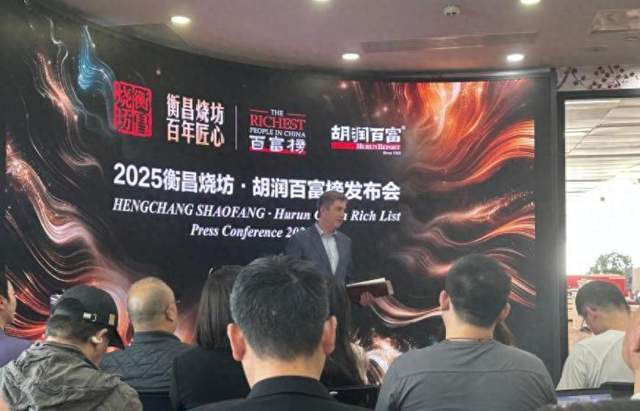
娃哈哈踩到的三颗地雷
3 6 Ke· 2025-10-31 02:31
Core Insights - Wahaha, a prominent Chinese brand, faces significant challenges following the death of its founder, Zong Qinghou, revealing underlying governance issues related to family, enterprise, and wealth [1][9][18] - The transition of leadership to Zong Qinghou's daughter, Zong Fuli, has been fraught with difficulties, including her recent resignation from key positions, raising questions about succession and governance [3][10][20] Group 1: Governance Issues - The lack of a structured governance system in family enterprises leads to conflicts and instability, as seen in Wahaha's case where family relationships have devolved into mere profit-driven alliances [10][11][18] - The governance model of Wahaha, which relied heavily on Zong Qinghou's personal authority, has proven fragile in his absence, exposing the vulnerabilities of a family-run business without clear succession plans [12][30][31] Group 2: Mixed Ownership Structure - Wahaha's mixed ownership structure, with approximately 46% held by local state-owned enterprises, complicates governance and accountability, especially when trust in government and corporate relationships falters [12][32][33] - The blurred lines between private wealth and state assets create legal ambiguities, which can lead to disputes over ownership and control, particularly in the wake of Zong Qinghou's death [13][14][15] Group 3: Cultural and Generational Conflicts - The generational divide between Zong Qinghou and Zong Fuli highlights the challenges of transitioning from a paternalistic leadership style to a more modern governance approach, which is often marked by emotional conflicts and power struggles [39][40][46] - The reliance on personal relationships and trust in business, characteristic of Chinese culture, becomes a liability when the central figure is no longer present, as seen in the erosion of trust among stakeholders in Wahaha [37][38] Group 4: Lessons for Future Family Enterprises - Future family businesses must establish formal governance mechanisms, such as family charters and trust structures, to ensure smoother transitions and mitigate risks associated with personal authority [20][47] - Emphasizing organizational trust over personal trust is crucial for the sustainability of leadership, particularly for female successors in a traditionally male-dominated environment [48][49]
2025年第43周:食品饮料行业周度市场观察
艾瑞咨询· 2025-10-31 00:05
Industry Environment - The coconut water beverage industry in China is rapidly growing, with retail sales expected to increase from $102 million in 2019 to $1 billion in 2024, and projected to reach $1.393 billion by 2025. The industry encompasses coconut planting, processing, and multi-channel sales [3][4]. - The new tea beverage market is shifting towards health-oriented products, with brands like Hu Shang A Yi and Cha Bai Dao launching low-sugar, health-focused series to meet rising consumer health awareness [5]. - Digital technology is reshaping the food and beverage industry, with automation and AI systems enhancing efficiency and food safety, as seen in companies like Starbucks and Feihe [6]. - The bottled water industry is experiencing significant differentiation, with companies like Nongfu Spring seeing a 22.2% increase in net profit, while others like China Resources Beverage face declines due to traditional packaging water revenue dropping by 24.1% [7]. - The fast-moving consumer goods (FMCG) sector is facing challenges of overcapacity and slowing demand, yet companies like Yanjing Beer and Dongpeng Drink are achieving growth through strategies like deep channel cooperation and product innovation [8]. Key Brand Dynamics - Gatorade is strengthening its brand through a global partnership with the NBA, while facing competition from Coca-Cola's BodyArmor and local brands like Dongpeng Drink [21]. - Jin Jiu is attempting to attract younger consumers by rebranding itself as a social drink, with a 50% sales increase in the first half of 2025, despite facing health-related controversies [22]. - Wahaha's internal competition between its brands "Wah Xiao Zong" and "Wah Xiao Zhi" highlights differing strategies targeting health-conscious youth and the lower-tier market, respectively [23]. - Wei Jia's low-priced Angus beef burger has gained popularity in Shanghai, showcasing a successful model of high cost-performance in the fast-food sector [24]. - Mars is expanding its pet care business through a multi-brand acquisition strategy, with its pet segment contributing 60% of its revenue [26]. Specialized Recommendations - The report suggests further research into the shared charging treasure industry, educational smart hardware, and the sunscreen clothing market, indicating potential growth areas [36].