腾讯控股

Search documents
2025年度“自媒体”治理与发展创新案例发布
Bei Jing Ri Bao Ke Hu Duan· 2026-02-13 05:37
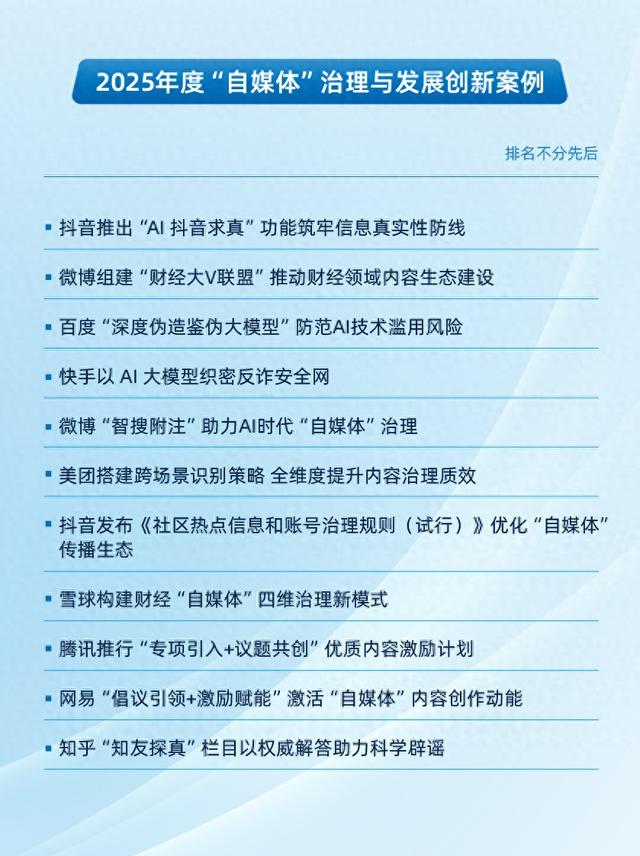
Core Insights - The 2025 Annual "Self-Media" Governance and Development Summary Evaluation Meeting was held to summarize industry self-regulation efforts and explore multi-party governance strategies in the self-media sector [1][2] - Key representatives from major self-media platforms shared innovative practices and highlighted the importance of using advanced technologies for governance [1][2] Group 1: Governance and Development Strategies - The meeting emphasized the establishment of a professional committee and focused governance in key areas to enhance self-regulation [1] - Platforms like Douyin, Weibo, Baidu, and Tencent News presented their innovative measures for managing misinformation and promoting quality content [1][2] - Douyin built a misinformation governance system through "AI Douyin Seeking Truth," focusing on content production tracing, interception during dissemination, and proactive fact-checking [1][2] Group 2: Innovative Case Studies - The 2025 Annual "Self-Media" Governance and Development Innovation Cases included 11 examples from 9 platforms, showcasing a broader range of governance methods compared to the previous year [2] - New characteristics in platform governance were identified, including the shift from case-based to scalable mechanisms, the use of AI for precise governance, and diverse incentives for quality content production [2] - Notable innovations included Weibo's "Finance Big V Alliance," Baidu's "Deep Forgery Detection Model," and Tencent's comprehensive training for self-media creators [2][4] Group 3: Future Directions - The Beijing Internet Administration emphasized the need for political guidance, industry self-regulation, innovative governance, and a focus on high-quality development to foster a healthy self-media ecosystem [2][3] - The association aims to create a governance model that promotes policy discussion, problem-solving, and ecological co-construction in the self-media sector [3]







腾讯看上了减肥药!又投公司又申请专利,意图何在?
GLP1减重宝典· 2026-02-13 05:28
Core Viewpoint - The article discusses Tencent's strategic investments in the GLP-1 weight loss drug sector, emphasizing a long-term vision that integrates health management, data processing, and service connectivity rather than focusing solely on individual drug performance [4][11]. Investment Strategy - Tencent's investment approach is structured in three phases: 1. Initial investments in near-commercial GLP-1 assets to secure stable cash flow from chronic disease management [6]. 2. Betting on next-generation technologies targeting multiple metabolic pathways to enhance weight loss effectiveness [6]. 3. Diversifying into various technological approaches to mitigate risks associated with GLP-1 competition [8]. Market Dynamics - The weight loss drug market is characterized by a large and growing user base, with significant potential for ongoing service engagement across multiple health management areas [9]. - There is a strong willingness to pay for weight loss solutions, transitioning from high-cost, niche markets to broader accessibility through various payment structures [10]. - Weight management is interconnected with chronic diseases, allowing for an expanded service offering that includes diagnostics, medication, and follow-up care [10]. Infrastructure Development - Tencent is not only investing in equity but also building foundational infrastructure through health-related patents, focusing on improving measurement accuracy and data integration for chronic disease management [12]. - Recent patent applications include innovations in GLP-1 receptor activation, aiming to create more effective and cost-efficient treatments [13][15]. Risk and Opportunity Assessment - Tencent's investments in companies like Xianweida and Minwei Biotech reflect a balanced risk preference, combining stable assets with high-potential, flexible opportunities in the next-generation drug space [16]. - The strategy aims to create a sustainable business model in weight management, leveraging technology and service integration to enhance commercial efficiency [17].
三大维度透视:中概、港科缘何走弱?
Ge Long Hui· 2026-02-13 05:17
Group 1: Market Performance - Hong Kong tech stocks faced a setback, with Alibaba down 2.33%, Tencent down 1.68%, and Baidu down over 4% [1] - The decline in Chinese concept stocks and Hong Kong tech sector is attributed to macroeconomic factors and global liquidity tightening [1] Group 2: Macroeconomic Factors - The expectation of global liquidity tightening has increased, influenced by the hawkish nomination of the new Federal Reserve chairman and strong U.S. non-farm payroll data [1] - The performance of large U.S. tech stocks has been weak, with concerns over AI disruption and increased capital expenditures affecting market sentiment [1] Group 3: Competitive Landscape - Intense competition in the AI sector has led to significant strategic investments by companies like Tencent, Alibaba, and ByteDance, which are eroding short-term profits [2] - The ongoing AI arms race and competition in instant retail are forcing companies to increase operational and capital expenditures, impacting mid-term EPS growth [2] Group 4: Fundamental Performance - The cyclical business performance is subdued, with a 2.3% year-on-year growth in GMV for online physical goods in Q4 2025, indicating potential revenue pressure for e-commerce platforms [4] - The AI narrative lacks solid performance support, as increased capital expenditures have not yet translated into expected profit growth [4] Group 5: Capital Flows - Recent data shows significant capital inflows into the Hong Kong market, with foreign net inflows of $1.88 billion as of February 4, 2023 [5] - Southbound capital has been actively buying Hong Kong stocks, with a net purchase of over 5.1 billion yuan in three days during early February [5] Group 6: Valuation and Investment Opportunities - The current P/E ratio of the Hong Kong tech index is 23.93, which is below the five-year average, indicating potential value for investors [7] - Analysts believe that the recent volatility in the Hong Kong tech sector is primarily due to liquidity shocks, with the fundamental investment logic remaining intact [8]
Seedance2.0洗牌动画市场
21世纪经济报道· 2026-02-13 05:07
Core Viewpoint - The launch of ByteDance's video generation model Seedance 2.0 marks the end of the "childhood era" of AIGC, indicating a significant leap in AI's ability to understand and integrate multimodal information, which will drastically change video production costs and processes in the content industry [1][2]. Group 1: Seedance 2.0 Impact - Seedance 2.0 can create movie-quality videos based on text or images, automatically planning scenes and maintaining consistency across transitions without manual editing [1]. - The model addresses challenges related to physical laws and long-term consistency, providing creators with unprecedented freedom and meeting professional production quality requirements [1]. - The animation market appears to be the most affected by Seedance 2.0, with traditional filming methods still preferred for high-quality projects [2]. Group 2: Animation Market Dynamics - The animation market is currently undergoing a reshuffle, with only 4 out of 26 domestic animated films released in 2025 surpassing 500 million yuan in box office revenue, while 20 films earned less than 100 million yuan [5]. - The 2025 animated film "The King's Avatar" contributed nearly one-third of the total box office, but many projects are struggling financially, as seen with the loss reported by Guomai Culture for its animated film [5]. - The overall anime market is also declining, with a 7.45% drop in viewership for 2025 compared to the previous year, indicating a challenging environment for traditional animation [5]. Group 3: Rise of AI-Driven Content - AI-driven content, particularly AI live-action dramas, has seen rapid growth, with production costs significantly lower than traditional short films, making it an attractive alternative for creators [6]. - The number of production companies for AI dramas has increased from 20 to 60 within a year, reflecting a shift in audience preferences towards shorter, faster content [6]. - AI dramas are now seen as a major application for large video models, positioning them as key clients for video generation technologies [8]. Group 4: Future of Animation and IP - Traditional animation production is expected to integrate more AI tools, shortening production cycles while maintaining core competencies in artistic aesthetics and storytelling [9]. - The competition in the animation market will increasingly focus on intellectual property (IP), with major players like Tencent and ByteDance controlling significant IP assets [9][10]. - Companies with IP are actively adopting new technologies, creating opportunities for smaller animation firms to innovate and compete despite the dominance of larger platforms [10].
春节,正在搬进手机里
Xin Jing Bao· 2026-02-13 05:00
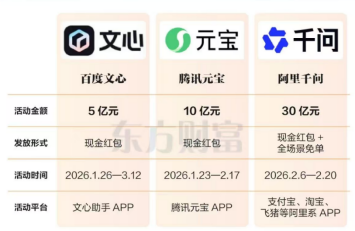
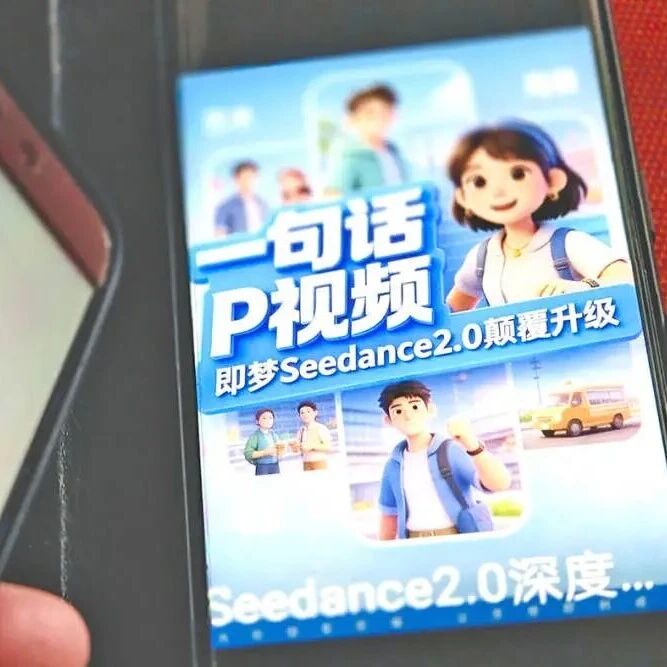
Group 1 - The core idea of the articles is that the Spring Festival has transformed into a major battleground for internet platforms, with companies like Alibaba, Tencent, and Baidu launching significant cash red envelope initiatives to engage users [2][3][5] - Alibaba initiated a "Please Guest Plan" with a budget of 3 billion yuan, while Tencent and Baidu launched red envelope campaigns of 1 billion yuan and 500 million yuan respectively [1] - The mobile phone has become the central hub for Spring Festival activities, shifting from traditional family gatherings to digital interactions, where users compete in speed and the size of red envelopes [5][12] Group 2 - During the Spring Festival, users open an average of 8.3 apps daily, which is nearly 2 more than usual, indicating a significant increase in mobile app engagement [12] - Payment transactions during the 2025 Spring Festival reached 9.78 trillion yuan, with a 24.5% increase in transaction volume and a 15% increase in transaction value compared to the previous year [17] - The peak transaction moment occurred at midnight on New Year's Eve, with 4.045 billion transactions processed simultaneously, showcasing the massive scale of digital engagement during the festival [19][21] Group 3 - The total mobile internet access traffic during the 2025 Spring Festival was 660.3 million TB, reflecting a 9.9% increase compared to the previous year [22] - Video and voice greetings have become mainstream, replacing traditional methods of visiting relatives, with AI also contributing by generating customized greeting videos [23][26] - The essence of the Spring Festival remains intact, but it has been redefined through technology, with digital interactions and social media becoming the new norm for expressing emotions and maintaining connections [26]

港股午评:恒指大跌1.79%,恒生科指跌1.65%,科网股、黄金股普跌,半导体板块逆势走强
Jin Rong Jie· 2026-02-13 04:16
Market Performance - The Hong Kong stock market experienced a decline, with the Hang Seng Index falling by 1.79% to 26,548.41 points, the Hang Seng Tech Index down by 1.65% to 5,319.88 points, and the National Enterprises Index decreasing by 1.74% to 9,015.42 points [1][2]. Major Stock Movements - Major technology stocks saw significant drops, including Alibaba down by 2.27%, Tencent by 1.68%, JD.com by 3.04%, Xiaomi by 0.55%, NetEase by 1.6%, Meituan by 4.54%, Kuaishou by 2.08%, and Bilibili by 2.68% [2]. - Gold and silver prices fell, leading to declines in related stocks, with Zijin Mining down over 5% and Shandong Gold down more than 4% [2]. New Listings - Two new stocks were listed today, with Haizhi Technology Group rising over 229% and沃尔核材 increasing by over 4% [3]. - Other notable stock movements included Aixin Yuanzhi up by 15.59%, Zhipu up by 11.89%, and MicroPort Robotics-B up by 9.78%, while Mongol Mining fell by 13.66% and Tencent Music-SW dropped by 10.08% [3].

微信“服务号”图标悄悄更新,变蓝色“双菱形”
猿大侠· 2026-02-13 04:11
值得一提的是,在前段时间,微信"公众号"的官方图标已先行灰度变更,由"书本"样式改为"叶 片"样式。 IT之家 2 月 12 日消息,据多位读者投稿及IT之家实测,微信"服务号"的官方图标悄悄变更, 由红 色的"购物袋 + 小票"样式变为浅蓝色"双菱形"。 | | 软媒 企业邮箱 一般网 | | | --- | --- | --- | | | 服务号 | | | 8 | TERP PRISZEN | | | | | IT : % www.ithome.com | | | 服务号 | | | | 与机械:100%中值。 | | 不过需要注意的是, 目前这一变更还处于灰度阶段 ,并不是所有用户都能立即看到全新的"双菱 形"图标,需要等待官方逐步推送。 ...

检验互认驱动:黑灯实验室智能化路径与市场机遇
思宇MedTech· 2026-02-13 04:08
Core Viewpoint - The article emphasizes the importance of standardization in medical testing and the integration of the IVD market to enhance the efficiency and quality of healthcare services in China, particularly through the implementation of result recognition policies [2][3]. Group 1: Result Recognition Policy - Result recognition is a key strategy in China's healthcare reform aimed at reducing redundant tests and lowering overall medical costs by unifying technical standards and breaking down data barriers [3]. - The core value of the recognition policy is a systematic approach to "cost control, quality improvement, and efficiency enhancement," with clear targets set for 2025, including over 200 mutual recognition projects within city domains [4]. - The market demand is shifting from merely increasing testing volume to a pressing need for "quality homogenization" and "service integration," creating growth opportunities for products and services that help medical institutions meet recognition standards efficiently and cost-effectively [4]. Group 2: Current Status and Challenges - A four-tier recognition framework has been established across the country, with increasing depth and breadth of implementation [5]. - The core challenges to effective implementation include three major gaps: insufficient comparability of results, fragmented quality control systems, and lack of coordination among supporting mechanisms [7]. - The recognition of results and the DRG/DIP payment reform are aligned in their goals of improving efficiency and controlling costs, but they face execution challenges due to quality shortcomings in mutual recognition [8]. Group 3: Standards and Technological Integration - The foundation of result recognition relies on the "homogenization" of management and technology between laboratories, primarily through two core international standards: ISO 15189 and ISO 17511 [9]. - ISO 15189 focuses on establishing a comprehensive quality management system, while ISO 17511 ensures the traceability of measurement results to international standards [10]. - The integration of these standards into intelligent laboratory systems is crucial for ensuring the reliability of test results and facilitating automated processes [18]. Group 4: Market Dynamics and Growth - The automated laboratory market in China is projected to grow at a compound annual growth rate (CAGR) exceeding 30%, with the black-box laboratory model expected to surpass 15 billion yuan by 2026 [23]. - The market is driven by policy compliance and operational efficiency, with high demand for solutions that reduce human labor reliance by over 60% while enhancing throughput and stability [23]. - The competitive landscape features three main types of players: medical device manufacturers, specialized automation integrators, and healthcare IT companies, each focusing on different aspects of the market [25]. Group 5: Investment Opportunities - The shift towards intelligent laboratory solutions necessitates a comprehensive approach that includes not just automation hardware but also a complete "turnkey" intelligent system that ensures stable and recognizable results [26]. - The business model is evolving from one-time hardware sales to ongoing service subscriptions, reagent consumption, and data analysis services, particularly in resource-constrained environments [27]. - There is a growing need for innovative IVD products that can seamlessly integrate with automated systems, emphasizing the importance of standardized interfaces and built-in traceability data [29]. Group 6: Risk and Success Factors - Identifying structural risks is crucial as the market experiences rapid growth driven by policy and capital, with a focus on sustainable revenue and profit generation [34]. - The dual engines of policy and capital define market dynamics, but companies must ensure their business essence can sustain growth beyond initial policy-driven demand [35]. - Successful companies typically build multiple layers of competitive advantages, including technology-market fit, resilient business models, and advanced data governance capabilities [42][44].

科技新贵们,年会不能停
3 6 Ke· 2026-02-13 03:40
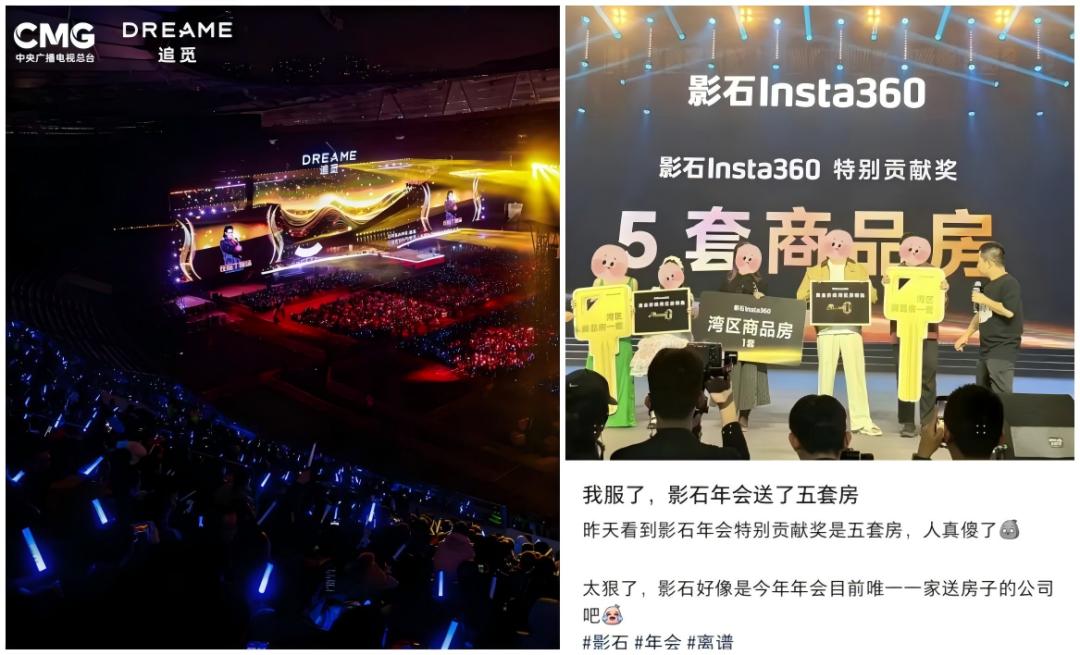
Core Viewpoint - The annual meeting, a modern corporate phenomenon in China, reflects a company's financial strength, cultural values, and market position, evolving from traditional industries to tech companies that now dominate the spotlight [1][6]. Group 1: Evolution of Annual Meetings - The grandeur of annual meetings has shifted from real estate and internet giants to new tech players like AI and smart hardware companies, showcasing extravagant events and significant employee rewards [1][6]. - Companies like ZhiYuan and Chasing have transformed their annual meetings into large-scale events, with ZhiYuan offering cash rewards and Chasing hosting a concert-like atmosphere [1][7]. - The trend of substantial year-end bonuses continues, with companies like Kuaishou and Momo providing significant rewards, such as stock options and high-end electronics [5][8]. Group 2: Importance of Employee Engagement - Annual meetings serve as a platform for companies to enhance their image and attract talent, emphasizing the importance of employee recognition and motivation [13][19]. - The concept of "petting the employee persona" is crucial, as companies aim to create a positive narrative around their workforce to attract top talent in a competitive market [15][19]. - CEO personas are also highlighted during these events, with leaders using the platform to communicate company values and future directions [15][19]. Group 3: Changes in Corporate Culture - The shift in focus from extravagant benefits to effective performance management reflects a broader change in corporate culture, with companies recognizing the need for precise incentive distribution [20][24]. - The decline of traditional welfare culture in Silicon Valley is mirrored in China, where companies are reassessing their approach to employee benefits and incentives [20][24]. - The evolving landscape of annual meetings indicates a need for companies to balance employee satisfaction with effective management practices, addressing the complexities of human behavior in organizational settings [24][25].
焦点|狂撒红包 大厂血拼全民AI入口
Guang Zhou Ri Bao· 2026-02-13 03:18
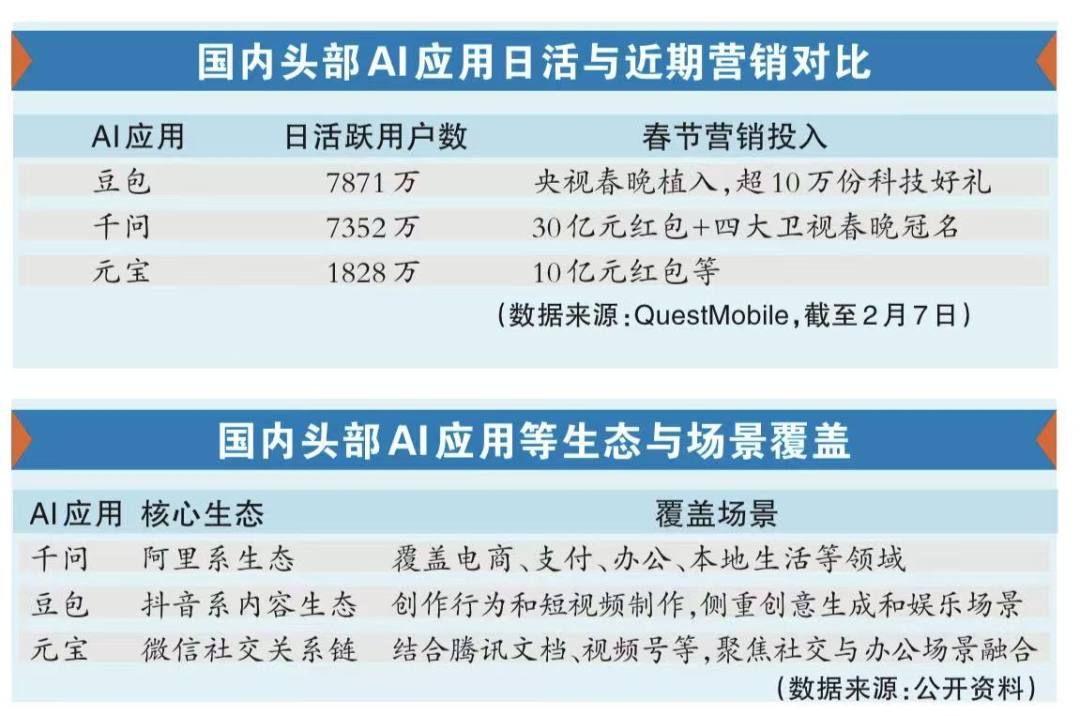
Core Insights - The Chinese internet landscape is witnessing a significant transformation as major companies like Tencent, Alibaba, and Baidu engage in an AI-driven competition for user engagement during the Spring Festival, with a total investment exceeding 45 billion yuan in AI red envelopes [1][4][15] - This competition is not merely about cash giveaways but represents a strategic positioning for the next generation of traffic super entry points, focusing on integrating AI into various consumer scenarios [1][10][15] Group 1: Company Strategies - Tencent launched a 10 billion yuan cash red envelope initiative and introduced a new AI social feature called "Yuanbao Pai," aiming to create a collaborative social space [2][3] - Alibaba's Qianwen app initiated a 30 billion yuan "treat" campaign, integrating AI into its ecosystem across multiple platforms like Taobao and Alipay, and secured naming rights for four local TV stations' Spring Festival galas [2][3] - ByteDance's Doubao maintained a low-profile strategy, focusing on its existing user base while investing in AI interactions during the CCTV Spring Festival gala [3][4] Group 2: User Engagement and Growth - The competition has led to significant increases in daily active users (DAU) for these AI applications, with Qianwen's DAU surging by 727.7% to 58.48 million on the first day of its campaign, while Yuanbao's DAU increased by 2.1 times to 23.99 million [5][7] - The overall user engagement reflects a shift from traditional promotional methods to AI-driven interactions, with companies aiming to embed AI into everyday consumer activities [9][10] Group 3: Market Trends and Future Implications - The Spring Festival serves as a critical period for AI products to penetrate the market, particularly among underrepresented demographics such as older users and those in lower-tier cities [4][15] - The competition is seen as a pivotal moment in the transition from mobile internet to AI internet, with companies vying for long-term user loyalty and establishing AI as an integral part of daily life [15][18] - The effectiveness of these AI applications will ultimately depend on their ability to provide practical solutions and integrate seamlessly into existing user ecosystems [9][15][18]