
大疆

Search documents
对话华为靳玉志:世界上根本没有免费的东西
Di Yi Cai Jing Zi Xun· 2025-08-26 09:48
Core Viewpoint - Huawei's automotive business is rapidly expanding, particularly in the field of assisted driving, with various collaboration models with car manufacturers being explored [1][2]. Group 1: Huawei's Automotive Business Development - Huawei's automotive business unit (BU) has seen key figures, such as CEO Jin Yuzhi and Huawei Qian Kun, publicly engaging with the media, indicating a shift from behind-the-scenes to a more prominent role [1]. - The assisted driving sector is experiencing significant growth, with Huawei's Qian Kun technology being integrated into 1 million vehicles and the upcoming large-scale deployment of Huawei ADS 4 [1]. - The collaboration models between Huawei and car manufacturers include component supply, single intelligence (either smart cockpit or assisted driving), dual intelligence (both smart cockpit and assisted driving), and full-stack solutions [1][7]. Group 2: Technical Perspectives and Strategies - Huawei Qian Kun does not align with the VLA (Vision-Language-Action) approach favored by some manufacturers, instead prioritizing WA (World and Action) for direct vehicle control through sensory inputs [2][9]. - The company emphasizes that there is no such thing as a free lunch in the automotive industry, suggesting that costs are often hidden in other areas, such as vehicle pricing [2][12]. Group 3: Collaboration and Empowerment - Huawei's strategy involves a comprehensive support system for car manufacturers, guiding them through the entire process from product definition to marketing, thereby enhancing their capabilities [7][8]. - The company aims to empower manufacturers, particularly state-owned enterprises, by sharing its successful experiences in product development and market strategies [7][8]. Group 4: Future Outlook and Market Dynamics - The number of players capable of achieving L3 and L4 autonomous driving is expected to decrease as the industry consolidates, driven by the need for data, computational power, and algorithms [10]. - The differentiation in assisted driving technology is minimal, with the primary goal being zero accidents and fatalities, which complicates pricing strategies [11].
45年,深圳城市“封面”迭代
21世纪经济报道· 2025-08-26 09:37
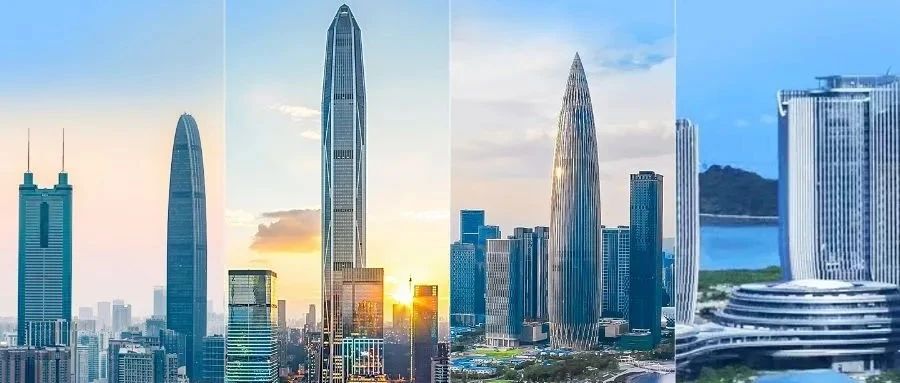
Core Viewpoint - The article discusses the evolution of Shenzhen's urban landscape and its economic transformation over 45 years, highlighting the emergence of key districts and skyscrapers that symbolize the city's growth and innovation [1][3][20]. Group 1: Historical Development - The first skyscraper, the Guomao Building, was completed in 1985, symbolizing the rapid development of Shenzhen during the reform era, followed by the Diwang Building in 1995, which marked Shenzhen as "Asia's first" in terms of skyline [3][4]. - The early development of the Luohu district was crucial, as it became a hub for foreign investment and banking, establishing the foundation for Shenzhen's economic model [6][4]. Group 2: Economic Transformation - The concept of "headquarters economy" began to take shape in Shenzhen as the city transitioned from a manufacturing base to a center for management, finance, and R&D, especially after China's entry into the WTO in 2001 [6][4]. - The establishment of the Futian district in 1990 marked a significant shift, with major financial institutions like China Merchants Bank relocating there, further solidifying its status as the city's central business district [8][9]. Group 3: Technological Innovation - The rise of high-tech industries in the Shenzhen Bay area, with companies like Tencent and DJI leading the charge, reflects the city's shift towards a "Central Technology District" (CTD) model, emphasizing innovation and technology [11][12][17]. - By 2024, Shenzhen is projected to have over 25,000 national high-tech enterprises, showcasing its status as a leading hub for technology and innovation in China [13][17]. Group 4: Future Developments - Tencent's "Penguin Island" project, a massive headquarters development, is indicative of the trend towards creating integrated ecosystems for tech companies, combining work, life, and culture [18][19]. - The evolution of headquarters from high-rise buildings to expansive campuses reflects a broader trend in corporate real estate, focusing on fostering collaboration and innovation through thoughtfully designed spaces [19][20].


中国机器人:汽车的后浪 | 海斌访谈
Di Yi Cai Jing· 2025-08-26 07:52
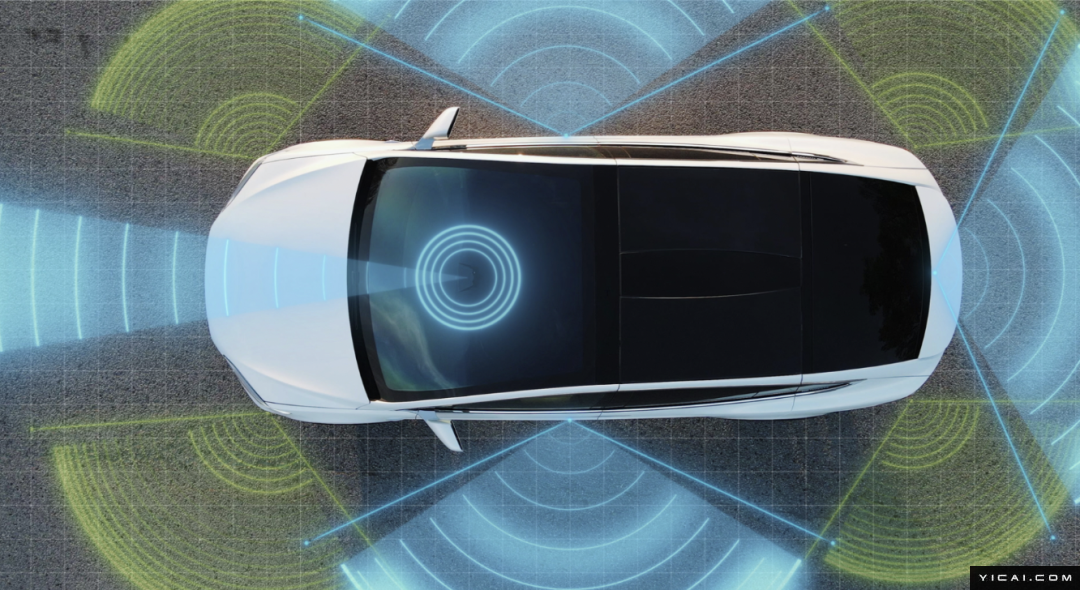
Core Insights - The development of the Chinese automotive industry has significantly contributed to the affordability and accessibility of key components like LiDAR, chips, and batteries, which are essential for humanoid robots [1][7][12] - The price of LiDAR has decreased to one-tenth of its original cost over the past decade, making it a standard feature in intelligent driving systems [3][7] - Chinese companies such as SUTENG and Hesai Technology have emerged as leaders in the LiDAR market, providing products priced below 10,000 yuan, with performance surpassing that of ten years ago [3][4] - The collaboration between automotive and robotics sectors is fostering technological advancements, with automotive companies partnering with humanoid robot manufacturers to enhance capabilities [4][5] Automotive Industry Impact - The automotive industry's push towards electrification and intelligence has led to advancements in core components, making them more efficient and cost-effective for humanoid robots [7][12] - The integration of advanced chips in vehicles, such as the Horizon SuperDrive system, showcases the potential for these technologies to be adapted for robotics [5][6] - The competitive landscape in the automotive sector is driving innovation, which benefits the robotics industry by providing high-quality, low-cost components [7][12] Robotics Development - Humanoid robots are increasingly utilizing technologies developed for the automotive industry, particularly in areas like LiDAR and chipsets [4][10] - Companies like Zhiyuan and Yushu are already deploying humanoid robots in practical applications, indicating a shift towards commercialization [10][11] - Despite advancements, humanoid robots still face challenges in hardware and algorithm development, with significant room for improvement in areas such as tactile feedback and battery life [11][12] Competitive Landscape - The competition between China and the US in the robotics field highlights China's strengths in supply chain efficiency and lower manufacturing costs, while the US excels in high-performance chips [9][12] - Chinese companies are rapidly advancing in various robotics sectors, including drones and cleaning robots, positioning themselves as key players in the global market [9][12] - The year 2023 is seen as a pivotal moment for the commercialization of humanoid robots, with expectations for significant market penetration [9][11]


华强北45年后再出发,打造新质生产力策源第一街
Nan Fang Du Shi Bao· 2025-08-26 07:41
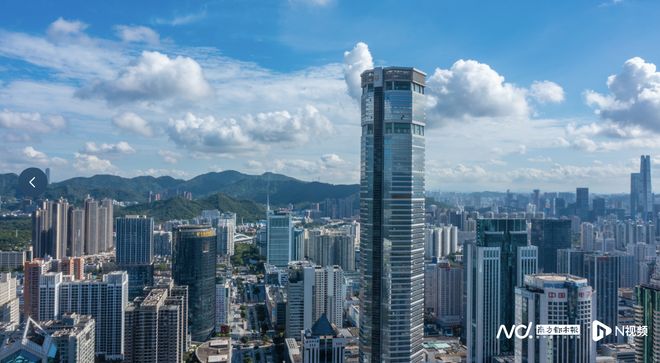
Core Insights - The unique charm of Huaqiangbei lies in its ability to turn ideas into reality within a one-kilometer radius, fostering a "Bay Area Mangrove" style of innovation and entrepreneurship ecosystem [1][3] - Huaqiangbei aims to become a source of new productivity and innovation, leveraging over 40 years of industrial accumulation to create a seamless connection between R&D innovation and global market manufacturing [3][4] Group 1: Innovation Ecosystem - The "Bay Area Mangrove" innovation ecosystem allows both large enterprises and grassroots creators to find suitable growth spaces, exemplified by companies like Tencent and DJI expanding globally [1][3] - Huaqiangbei is designed as an "innovation wetland," providing ample sunlight and suitable conditions for global creators to thrive, as demonstrated by the growth of local startups like Elephant Robotics [3][5] Group 2: Efficient Integration - Huaqiangbei has constructed a "three-circle integration" model that achieves deep fusion and efficient collaboration across space, time, and resources, forming a high-efficiency closed loop of innovation, manufacturing, and market [4] - The "one-kilometer electronic information industry chain ecosystem" allows all stages from chip design to terminal assembly to be completed efficiently within a short distance [4] Group 3: Research and Development - Initiatives to enhance research capabilities include partnerships with local universities and international research organizations, aiming to improve innovation capacity in Huaqiangbei [5] - The establishment of a complete financial service system covering the entire lifecycle of tech enterprises is intended to support innovation and reduce operational costs [5]
金融四十五载助力书写“深圳奇迹”
Jin Rong Shi Bao· 2025-08-26 01:44
Group 1: Shenzhen's Financial Innovation - Shenzhen has transformed from a remote town to a financial innovation leader, marking 45 years of achievements in financial development [1][2] - The city has consistently focused on serving the real economy, breaking barriers with a spirit of innovation and openness [1][2] Group 2: Support for Startups and Innovation - Shenzhen's entrepreneurial policies and early financial support have been crucial for startups like Zhenmai Biotech, which developed a competitive gene sequencing product [2][3] - The city has over 2.6 million private enterprises, with a significant portion being innovative companies supported by financial institutions [4] Group 3: Financial Services and Accessibility - Shenzhen's financial institutions provide not only capital but also strategic guidance and market insights, fostering a supportive environment for tech entrepreneurs [4] - As of June 2025, Shenzhen's loans for technology innovation reached 2.1 trillion yuan, with nearly 2 trillion yuan allocated to small and micro enterprises [4] Group 4: Evolution of Digital Banking - The establishment of WeBank in 2014 marked a significant milestone in China's digital banking landscape, focusing on serving underserved businesses [6][7] - WeBank's innovative use of technology has allowed it to achieve low operational costs and high transaction volumes, setting a precedent for the industry [7][8] Group 5: Cross-Border Financial Services - Shenzhen has evolved its cross-border financial services from rudimentary methods to advanced digital solutions, enhancing the efficiency of international transactions [9][10] - The city has implemented various financial reforms and pilot programs to facilitate cross-border loans, investments, and asset transfers [11] Group 6: Payment Innovations - The development of electronic payment systems in Shenzhen has significantly improved transaction efficiency, moving from manual processes to digital solutions [12][13] - The rise of mobile payment, particularly through platforms like WeChat Pay, has transformed consumer behavior and payment methods in the city [12][14] Group 7: Future Directions - Shenzhen's financial sector is poised for further innovation, with a focus on becoming a leader in AI-driven financial services and continuing to support emerging technologies [15]

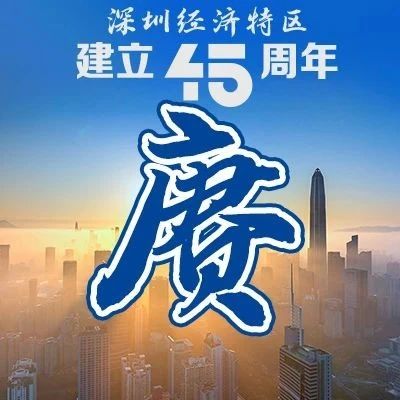
“未来之城”的进阶之路——写在深圳经济特区建立45周年之际
证券时报· 2025-08-26 00:56
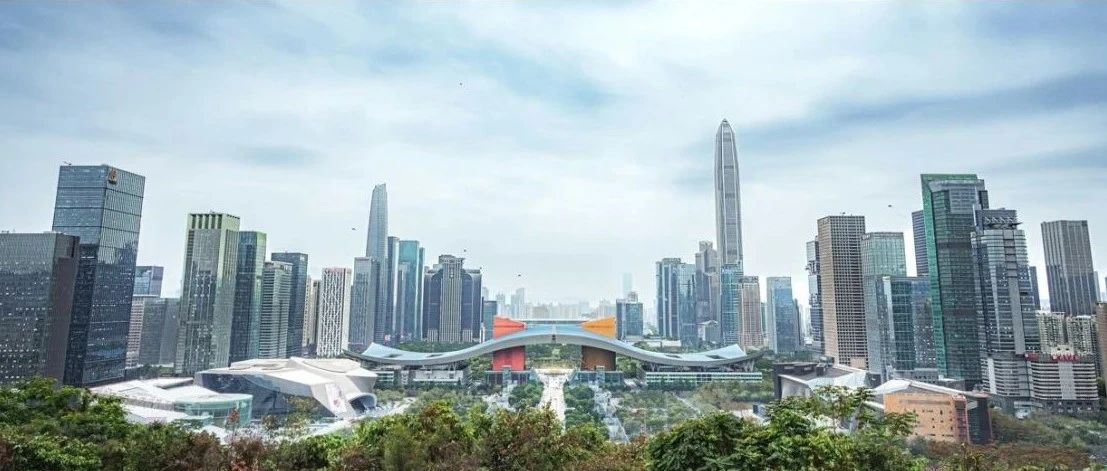
Core Viewpoint - Shenzhen has transformed from a small fishing village into a global innovation hub over 45 years, showcasing the vitality of socialism with Chinese characteristics through its economic growth and reform initiatives [1][2][3]. Group 1: Historical Development - Shenzhen established as the first Special Economic Zone 45 years ago, aiming to break through barriers and achieve rapid economic growth [2]. - The city has become synonymous with innovation and entrepreneurship, exemplified by the rapid development of the Shenzhen speed and the emergence of tech giants like Tencent [2][3]. Group 2: Recent Reforms and Initiatives - In 2019, the Central Government issued opinions to support Shenzhen as a pilot for comprehensive reforms, enhancing its role as a model for Chinese modernization [3]. - Over the past five years, Shenzhen has made significant strides in market-oriented reforms, including data marketization and new industry legislation, resulting in 48 replicable experiences promoted nationally [3][4]. Group 3: Economic Performance - Shenzhen's foreign trade has shown resilience, with its total import and export volume expected to rank first among Chinese cities in 2024, driven by new business models like cross-border e-commerce [4]. - The city has achieved a research and development investment of 6.46% of GDP in 2024, leading the nation in international patent applications [5]. Group 4: Future Challenges and Aspirations - Shenzhen faces challenges in reforming complex issues, such as international competition and public service gaps in education and healthcare [6]. - The city is expected to continue embodying the spirit of innovation and reform, contributing to the construction of socialism with Chinese characteristics [6].
从世界工厂到科创中心 折射深圳创新“三级跃迁”
证券时报· 2025-08-26 00:56
Core Viewpoint - The article highlights Shenzhen's evolution from a manufacturing hub to an innovation powerhouse, exemplified by the success of the "Tiangong" robot at the 2025 World Humanoid Robot Games, showcasing advancements in robotics and innovation in the region [2][4]. Group 1: Historical Development - Shenzhen's journey began with the establishment of the Special Economic Zone in 1980, focusing on industrial development and attracting capital and technology [6]. - The "Three Comes and One Compensation" model laid the foundation for industrial growth, allowing foreign investment to flourish and creating a base for future innovation [7]. - By 1994, enterprises under the "Three Comes and One Compensation" model accounted for one-third of Guangdong's total, establishing Shenzhen as a significant player in the global market [7]. Group 2: Industrial Evolution - Shenzhen transitioned from low-value manufacturing to high-tech industries, with companies like CIMC leading the way in international markets and innovation [8][9]. - The city fostered a culture of innovation, with local firms developing proprietary technologies and brands, moving from OEM to ODM [10][11]. - The establishment of a complete industrial chain attracted high-tech enterprises, enhancing innovation capabilities across various sectors [12]. Group 3: Current Innovation Landscape - Shenzhen's innovation ecosystem has evolved into a "tropical rainforest," where companies collaborate and thrive together, supported by government initiatives [15][16]. - The city aims to become a global leader in low-altitude economy and other high-tech sectors, with significant investments in infrastructure and technology [16]. - In the first five months of 2025, Shenzhen granted 87,152 patents, averaging about 580 per day, reflecting its robust innovation output [16].


某大厂前高管涉贪1.4亿,创下大厂贪腐新纪录;汇顶科技总裁涉嫌内幕交易被立案,任职不足半年;贾跃亭拿到2.15亿元融资丨雷峰早报
雷峰网· 2025-08-26 00:29
Key Points - NIO has returned to a market capitalization of 100 billion RMB after the launch of the new ES8, with a total market value of approximately 141 billion USD [4][5] - The president of a leading chip company is under investigation for insider trading, which is unrelated to the company's operations [7][9] - Yushu Technology is facing its first patent infringement lawsuit while preparing for its IPO [11] - A former executive at Kuaishou is involved in a corruption case involving 140 million RMB [12] - Pinduoduo reported a 21% decline in profits for Q2, with plans to focus on long-term investments [13][14] - Jia Yueting has secured 30 million USD in financing for his company Faraday Future [14] - DJI's new robot vacuum has faced issues with obstacle detection, which the company plans to fix within 1-2 months [15] - Gree's marketing director responded to claims that Xiaomi surpassed them in online air conditioner sales, emphasizing the importance of quality over sales figures [16] - Huawei's new car model, the Shangjie H5, has received 25,000 pre-orders within an hour of its launch [17][18] - JD.com's food delivery head stated the company will not engage in a subsidy war, focusing instead on long-term value creation [19] - DingTalk has launched new AI hardware and features, emphasizing a balance between work and life [19] - Huawei's HarmonyOS has delivered over 900,000 vehicles, with expectations to exceed one million by October [21] - ByteDance has denied rumors about releasing AI glasses, stating the product is still in early exploration [22] - Dongfeng Group's subsidiary, Lantu Motors, is set to go public in Hong Kong [22] - Apple's expansion in India faces challenges as Foxconn recalls around 300 Chinese engineers [24][25] - Elon Musk acknowledged that Chinese companies are formidable competitors for xAI due to their advantages in power supply and hardware manufacturing [26][27]

华强北45年后再出发
Nan Fang Du Shi Bao· 2025-08-25 23:14
Core Insights - The unique charm of Huaqiangbei lies in its ability to turn ideas into reality within a one-kilometer radius, fostering a "Bay Area Mangrove" style of innovation and entrepreneurship ecosystem [2] - Huaqiangbei aims to become a source of new productivity and innovation, leveraging over 40 years of industrial accumulation to create a seamless connection between R&D innovation and global market manufacturing [2][4] - The "three-circle integration" model in Huaqiangbei facilitates an efficient closed loop of innovation, manufacturing, and market access, enhancing collaboration and resource allocation [3][4] Innovation Ecosystem - Huaqiangbei is described as an "innovation wetland," providing a nurturing environment for startups, exemplified by the growth of companies like Daxiang Robotics from a three-person team to an industry leader [3] - The area has established a "one-kilometer electronic information industry chain ecosystem," allowing all stages from chip design to terminal assembly to be completed efficiently within a short distance [4] - A "one-week full-process rapid manufacturing circle" defines the speed of innovation, enabling product design, small-batch production, and global launch within a week [4] Research and Development - Huaqiangbei is enhancing its research capabilities through partnerships with various research institutions, including Shenzhen University and the Qian Xuesen Education Committee, to boost innovation [5] - The area is implementing a cluster plan for incubators, aiming to establish 10 future industry incubators, 10 emerging industry incubators, and 30 "Party Building + Maker" incubators to support innovation [5] Economic Impact - The integration of industry internet thinking is reshaping the value chain and improving operational efficiency while reducing costs [5] - A complete financial service system is being developed to support the entire lifecycle of tech innovation, from angel investment to mergers and acquisitions [5] - Huaqiangbei is positioned as a new narrative for Chinese manufacturing, driven by its mangrove-like ecosystem that activates innovation genes [6]
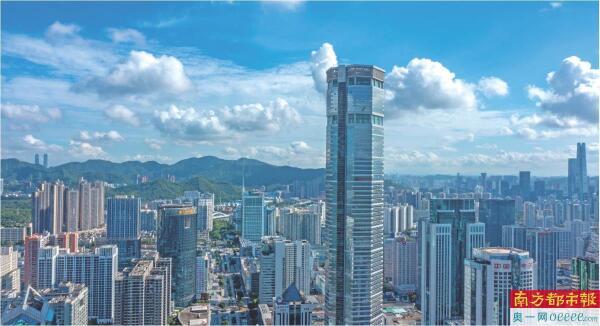
“未来之城”的进阶之路 ——写在深圳经济特区建立45周年之际
Zheng Quan Shi Bao· 2025-08-25 22:54
Core Insights - Shenzhen has transformed from a small fishing village into a global innovation hub over 45 years, driven by reform and opening-up policies [2][3] - The city is now the third-largest economy in China, leading in foreign trade and home to over 25,000 national high-tech enterprises [2][4] - Shenzhen's success is attributed to its unique combination of historical timing, geographical advantages, and a culture of inclusivity [3][7] Economic Development - Shenzhen's economic reforms have entered a "deep water zone," with significant breakthroughs in market-oriented resource allocation and urban planning [4] - The city has implemented 48 reform experiences that have been promoted nationally, showcasing its role as a "special zone within a special zone" [4][5] Trade and Openness - Shenzhen's trade has shown resilience, with new business models like cross-border e-commerce and digital trade emerging, leading to a projected increase in foreign trade volume in 2024 [5] - The city is actively aligning with high international trade standards, enhancing its role in global economic integration [5] Technological Innovation - Shenzhen has made significant strides in technology innovation, with a focus on integrating innovation chains, industry chains, and talent [6] - The city's R&D investment reached 6.46% of GDP in 2024, with a leading position in international patent applications [6] Future Outlook - Shenzhen's mission has evolved to become a model for Chinese-style modernization, with a commitment to continuous reform and innovation [3][7] - The city faces challenges in areas such as education, healthcare, and housing, but remains determined to contribute to the development of socialism with Chinese characteristics [7][8]