小米

Search documents
小米17发布!雷军年度演讲,谈小米如何“逆天改命”
证券时报· 2025-09-25 13:42
Core Viewpoint - The article highlights Xiaomi's transformation over the past five years, emphasizing its shift from an internet company to a smart manufacturing powerhouse, focusing on core technologies and innovation in the automotive and semiconductor sectors [2][6]. Group 1: Company Transformation - Xiaomi's journey involved a significant re-evaluation of its business model, leading to a commitment to invest 100 billion yuan in core technologies over five years [6][7]. - The company faced criticism and skepticism regarding its technological capabilities, prompting a strategic pivot towards becoming a technology-driven firm [6][9]. Group 2: Product Launch - The Xiaomi 17 series was officially launched, featuring advancements in screen technology, imaging, and battery life, with prices starting at 4,499 yuan for the standard version [4][14]. - The series aims to compete directly with Apple's iPhone, showcasing superior battery capacity and innovative display technology [10][13]. Group 3: Financial Performance - In the first half of 2025, Xiaomi reported total revenue of 227.2 billion yuan, a year-on-year increase of 38.2%, and a net profit of 22.83 billion yuan, reflecting a substantial growth of 146% [9].


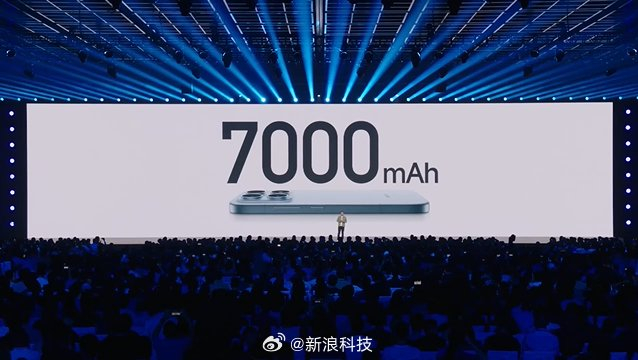
小米17发布搭载7000mAh电池,容量近iPhone两倍
Xin Lang Ke Ji· 2025-09-25 12:32
Core Insights - Xiaomi launched the Xiaomi 17 featuring a 7000mAh battery, which is nearly double the capacity of the iPhone's battery [1] Group 1 - The Xiaomi 17's battery capacity is highlighted as a significant technological advancement in the smartphone industry [1] - CEO Lei Jun emphasized the rapid evolution of battery technology during the launch event [1]

热搜第一!雷军:小米非常非常缺人
Zhong Guo Ji Jin Bao· 2025-09-25 09:46
Core Insights - Lei Jun, the founder and CEO of Xiaomi, emphasized the company's significant need for talent during a recent video address, stating that Xiaomi is "very, very short of people" as it continues to grow rapidly [3][7]. Group 1: Talent Acquisition and Company Growth - The two most important tasks for Xiaomi are finding talent and accumulating financial resources to focus on major projects [6]. - Xiaomi has been actively promoting internal talent and recruiting externally to alleviate pressure on leadership [7]. - The company has experienced rapid growth, which has led to challenges in managing its workforce effectively [3][7]. Group 2: Addressing Criticism and Market Perception - Lei Jun acknowledged that Xiaomi's innovative business model has faced skepticism, but he believes that the company is changing perceptions through its actions [8]. - The launch of smart factories for mobile phones and cars has helped to counter negative perceptions of Xiaomi as merely an "assembly factory" [8]. Group 3: Product Development and Future Plans - Lei Jun indicated that while Xiaomi's high-end product strategy is progressing, it is too early to declare success [9]. - The upcoming launch of the Xiaomi 17 series and other high-end products is highly anticipated, with a focus on significant upgrades without increasing prices for certain models [14]. - The Xiaomi 17 series will feature the latest Surge OS 3 system, which has seen considerable improvements [14]. Group 4: Annual Speech and Strategic Vision - The 2025 annual speech by Lei Jun is set to cover the themes of change and innovation, including insights into Xiaomi's chip and automotive ventures [11][17]. - Lei Jun compared the challenges of entering the automotive and semiconductor industries to the pressures of supporting two children in college, highlighting the magnitude of the undertaking [19].

《2025天猫宠物经济跨界观察》:11个行业72个品牌跨界入局,宠物千亿市场格局未定
Cai Fu Zai Xian· 2025-09-25 09:20
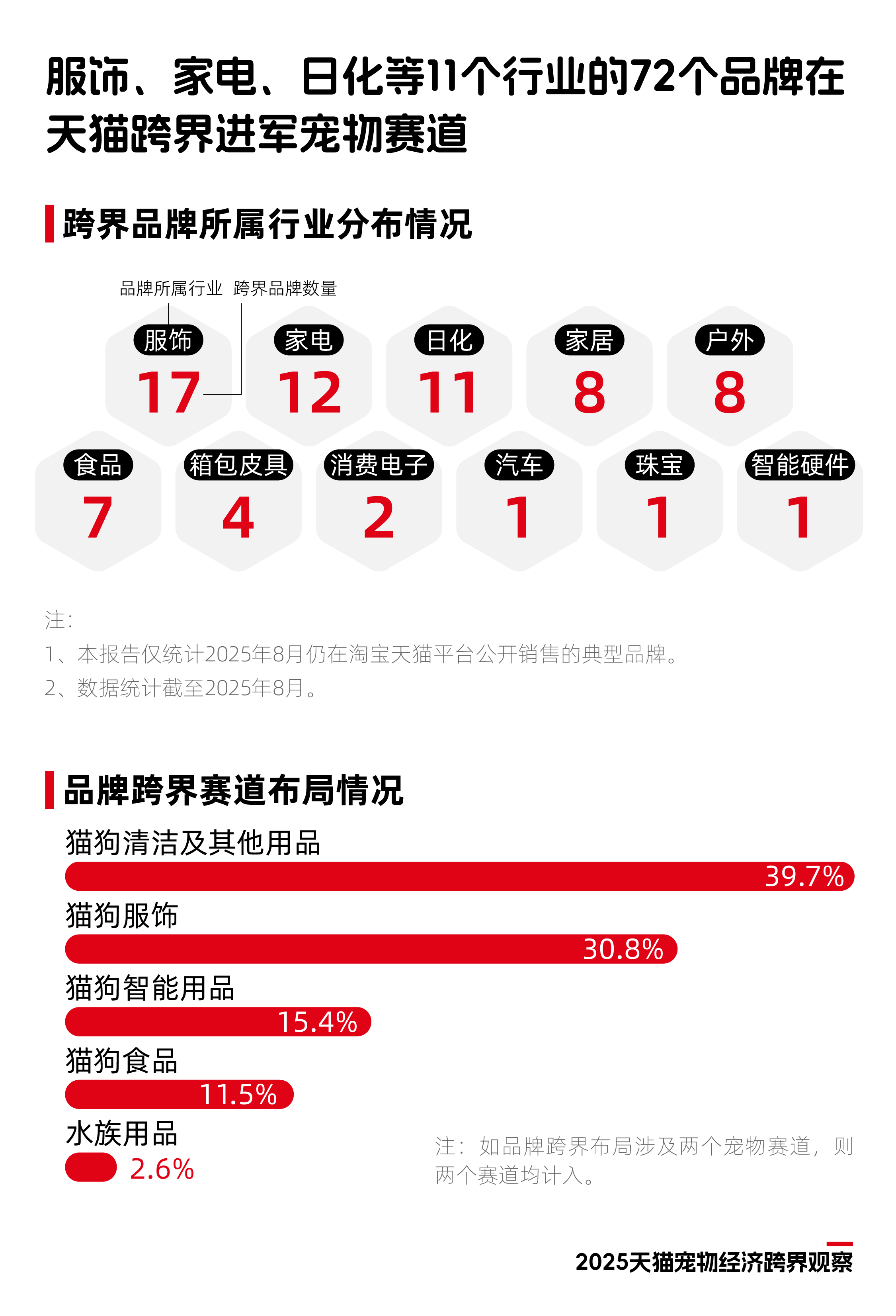
Core Insights - The report "2025 Tmall Pet Economy Cross-Industry Observation" highlights the strong appeal of the pet economy across various sectors, with 72 cross-industry brands identified in 11 categories including apparel, home appliances, and daily chemicals [1][2]. Industry Overview - Nearly 40% of cross-industry brands focus on essential pet cleaning and other supplies, while over 30% target personalized pet apparel [1]. - Chinese brands dominate the pet market, accounting for 48% of the cross-industry brands, with Guangdong, Zhejiang, and Shanghai being the top three provinces for brand concentration [2]. Brand Performance - The median establishment year for domestic brands is 2003, while international brands date back to 1949. However, both groups entered the pet market around 2022, with younger domestic brands outperforming older international ones in sales [3]. - 22% of cross-industry brands have established independent pet sub-brands or opened dedicated Tmall stores, leading to significant commercial returns. Brands that deeply invest in the pet sector see monthly sales amounts 738% higher than those with a "testing the waters" approach [5]. Market Dynamics - The top 20 cross-industry pet brands on Tmall saw a 90% turnover rate from the first half of 2024 to the first half of 2025, indicating a dynamic market with new entrants like "Golden Dad" from Three Squirrels making rapid gains [8]. - 77.8% of cross-industry brands have chosen pet segments closely related to their main business, which correlates with better performance. Brands leveraging existing strengths in related fields have seen success, exemplified by Dettol's entry into the pet cleaning market [12]. Future Opportunities - The pet market remains open for potential entrants, with significant opportunities in pet smart products and cleaning supplies, which are experiencing growth and lack dominant brands, providing a competitive edge for companies with relevant technology and R&D capabilities [12].

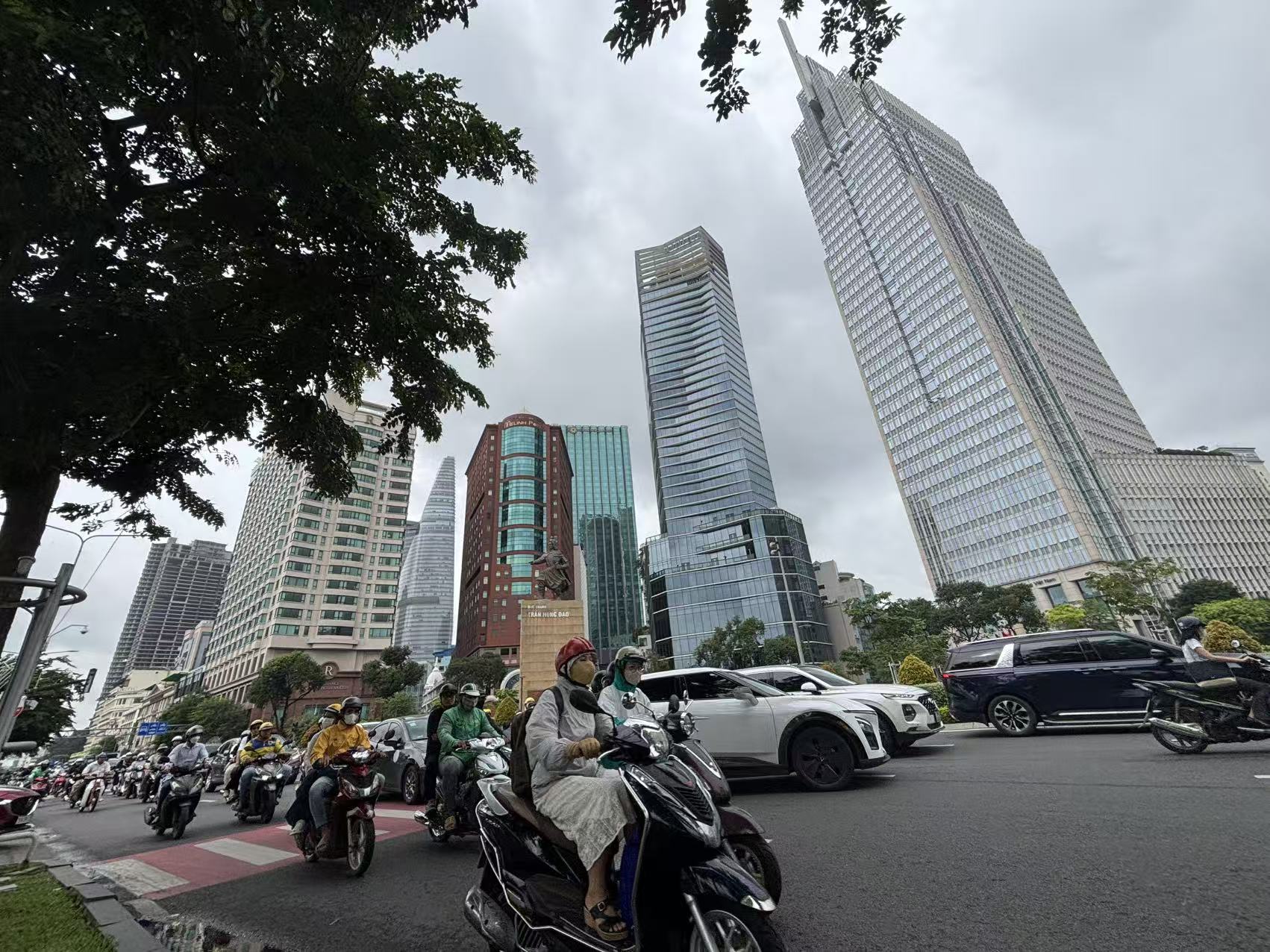
渗透率不足10%,中国品牌已占比80%!越南成扫地机器人新战场
第一财经· 2025-09-25 09:12
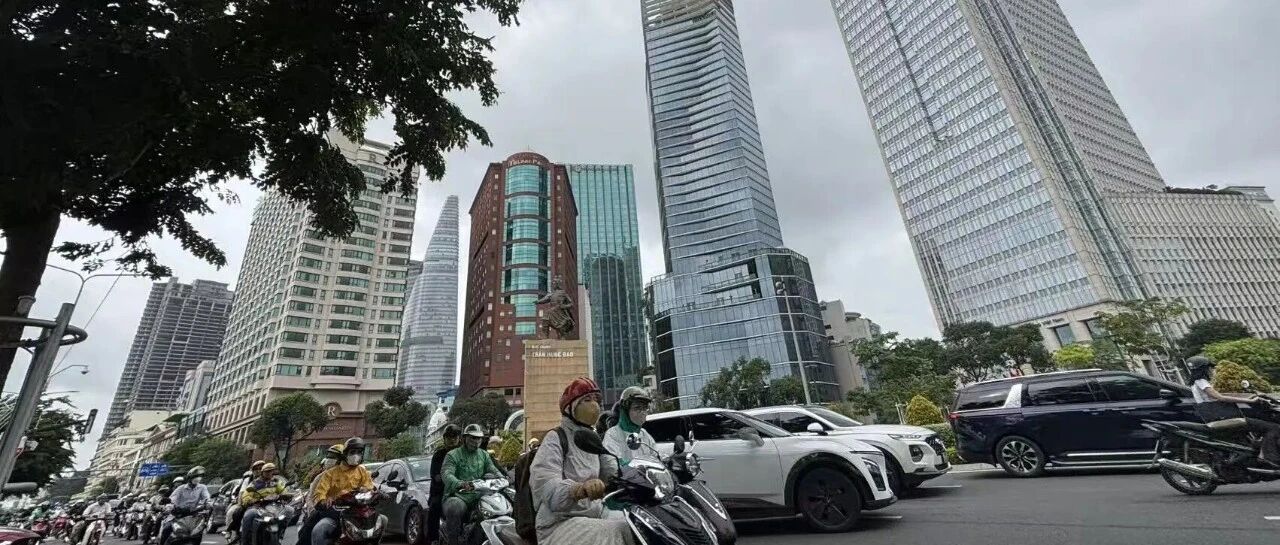
Core Viewpoint - The Southeast Asian market, particularly Vietnam, is experiencing significant growth in the robotic vacuum cleaner sector, with Chinese brands dominating the market and increasing consumer acceptance of these products [4][8][14]. Market Growth - The overall sales scale of the robotic vacuum cleaner market in Vietnam is expected to grow by approximately 80% this year, reaching $10 million [5]. - Vietnam is the largest market for robotic vacuum cleaners in Southeast Asia, with a population of about 90 million and a young demographic that is open to new technology [6][14]. - The penetration rate of robotic vacuum cleaners in Vietnam is currently below 10%, indicating substantial market potential [7][14]. Competitive Landscape - Chinese brands, including Ecovacs, Roborock, and others, now account for about 80-90% of the market share in Vietnam, a significant increase from previous years [8][10]. - The competitive landscape has shifted from American brands like iRobot to predominantly Chinese brands, which are now the main competitors in the market [9][10]. - The average selling price of robotic vacuum cleaners in Southeast Asia has increased by over 40% year-on-year, driven by the demand for high-end, intelligent features [10]. Sales Channels - Ecovacs reports that approximately 15% of its sales revenue in Vietnam comes from online channels, while 85% is from offline sales, reflecting the importance of physical retail presence [12]. - The company has established around 1,000 sales outlets across Vietnam, including dedicated stores and counters in major appliance retailers [5][12]. Future Potential - The market for robotic vacuum cleaners in Southeast Asia is expected to continue growing, with increasing consumer income and a focus on product quality and brand reputation [14]. - The potential market size in urban areas like Ho Chi Minh City and Hanoi is significant, with estimates suggesting that a 15% penetration rate could lead to sales of 750,000 units [14]. - Other Southeast Asian countries, such as Malaysia and Thailand, are also experiencing rapid growth in the robotic vacuum cleaner market, indicating a broader regional opportunity [14]. Challenges - Chinese companies face challenges in maintaining healthy competition and educating the market about robotic vacuum cleaners [15]. - There is a need for product differentiation to cater to local consumer preferences, as seen in markets like Indonesia where consumer habits vary [17].

亚太股份(002284) - 2025年09月24日-25日投资者关系活动记录表
2025-09-25 07:38
Group 1: Company Overview - The company has three main production bases located in Xiaoshan, Anhui Guangde, and Huzhou Anji, with additional bases in Liuzhou, Guangzhou, and Changchun to support local vehicle assembly [2] - The company is actively advancing its production base project in Morocco [2] Group 2: Production Capacity and Strategy - The current capacity utilization rate is maintained at a high level, with production volume dependent on vehicle sales [3] - The company plans to increase production lines and expand capacity based on market demand for specific projects [3] Group 3: Product Development and Innovation - The company has technical reserves for EMB products, which are not yet mass-produced, with market launch dates contingent on client project schedules [4] - The company has focused on corner module technology, providing comprehensive solutions that integrate various vehicle systems, enhancing functionality and user customization [4] Group 4: Research and Development - R&D expenses are rationalized based on overall planning and project progress, with a long-term commitment to innovation ensuring sustainable development [6] Group 5: Market Engagement - The company is actively promoting its products and technologies to major domestic and international automakers, including Tesla, Xiaomi, NIO, Xpeng, and Li Auto, aiming to secure more clients and projects [7]

渗透率不足10%,中国品牌已占比80%!越南成扫地机器人新战场
Di Yi Cai Jing· 2025-09-25 07:30
Core Insights - The Southeast Asian market for robotic vacuum cleaners, particularly in Vietnam, is experiencing significant growth, with a projected sales increase of approximately 80% this year, reaching around $10 million [4][7] - Chinese brands dominate the market, holding about 80-90% of the market share, with major players including Ecovacs, Roborock, and others [8][10] - The market potential remains vast, with a low penetration rate of less than 10% for robotic vacuums in Vietnam, indicating room for expansion as consumer income levels rise [7][13] Market Dynamics - The Vietnamese robotic vacuum cleaner market has evolved significantly over the past eight years, with a shift from American brands like iRobot to a predominance of Chinese brands [8][10] - Ecovacs has established around 1,000 sales outlets across Vietnam, including dedicated stores and counters in major appliance retailers [5][11] - The average selling price of Ecovacs' products in Vietnam ranges from 2,600 to 7,000 RMB, making them accessible to a growing middle class [7][15] Competitive Landscape - The competition in the Southeast Asian robotic vacuum market is intensifying, with Chinese brands competing both online and offline [10][11] - The market is characterized by a focus on high-end, intelligent features such as full smart bases and advanced navigation systems, which are becoming standard for consumer purchases [10][11] - Ecovacs and other Chinese brands are leveraging local partnerships and marketing strategies to enhance brand visibility and consumer engagement [15][16] Future Outlook - The potential for growth in the Southeast Asian market is substantial, with estimates suggesting that if penetration reaches 15%, there could be a demand for approximately 750,000 units in major cities like Ho Chi Minh City and Hanoi [13] - As consumer preferences shift towards technology and quality, brands that offer unique product designs and experiences are likely to gain a competitive edge [13] - The overall global market for cleaning robots is expected to continue its stable growth, with increasing competition among brands [15]

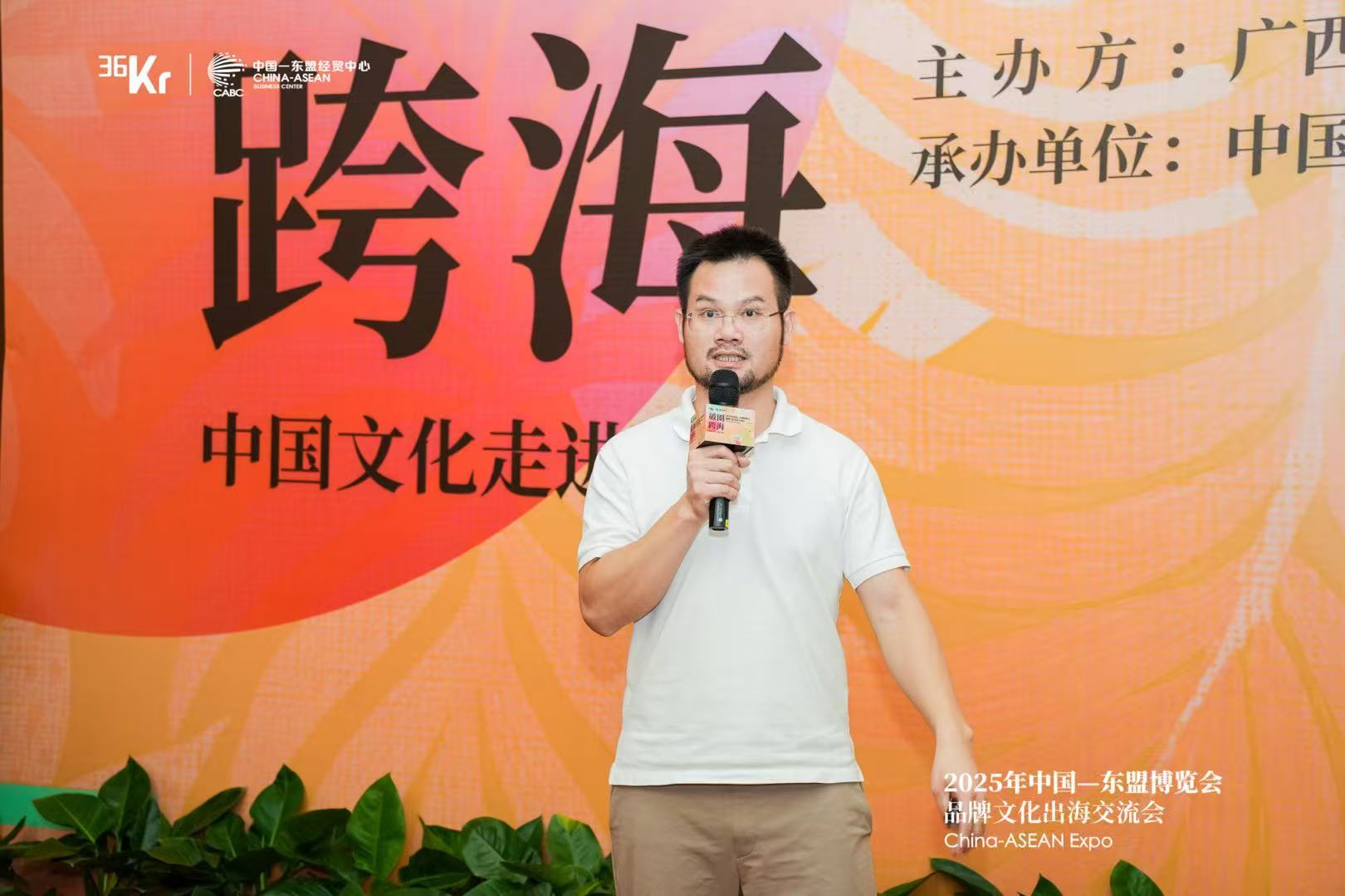
杭州微念新供给事业部总经理杨叶护:中国地方美食产业全球化的新密码| 2025中国—东盟博览会品牌文化出海交流会
3 6 Ke· 2025-09-25 06:50
Core Insights - The narrative of Chinese enterprises' globalization has evolved from merely exporting products to offering culturally rich experiences and identities [1][9] - The recent event hosted by 36Kr focused on the theme of cultural export, gathering representatives from various sectors to discuss new paths, challenges, and opportunities for Chinese culture in the global market [1] Group 1: Globalization Trends - Chinese companies are increasingly seeking to expand into emerging markets like Southeast Asia and the Middle East to find a "second growth curve" amid domestic market saturation [3][4] - The food export from China to Southeast Asia is significant, with an estimated value of approximately 20 billion RMB in 2023, while the Southeast Asian restaurant market is projected to grow from 190 billion USD to 349 billion USD by 2029 [5] Group 2: Key Success Factors - Successful internationalization requires companies to "go out" and address localization challenges to thrive in foreign markets [4] - A pyramid model outlines the key elements for globalization: strategic reasons for expansion, differentiated operational models, and three supporting systems: global processes, adaptable organizational structures, and capable teams [5][6] Group 3: Case Studies and Models - Notable brands like Haidilao and Bawang Tea have successfully expanded overseas, with Haidilao establishing Singapore as its second-largest market after the U.S. [6] - The rapid growth of brands like Pop Mart and TCL in international markets is attributed to strategic location choices and sponsorship of major events [6][7] Group 4: Cultural and Market Adaptation - The ASEAN region serves as a crucial launchpad for Chinese companies due to cultural similarities and the rise of digital platforms like TikTok, which facilitate cultural influence [7] - The standardization of local delicacies, such as Liuzhou snail noodles, is essential for successful globalization, supported by government initiatives to enhance the industry [8]