
雷鸟创新

Search documents
TCL电子早盘涨近6% 旗下雷鸟创新完成C轮融资 加速AI+AR眼镜技术研发
Zhi Tong Cai Jing· 2025-12-02 03:50
Core Viewpoint - TCL Electronics' stock rose nearly 6% in early trading, reflecting positive market sentiment following significant developments in its subsidiary, Thunder Innovation [1] Company Developments - Thunder Innovation recently completed a multi-hundred million C round financing, setting a record for the largest single financing amount in the domestic AI+AR glasses sector for 2025 [1] - The funds from this financing will be used to accelerate the research and development of AI+AR glasses technology and ecosystem construction, focusing on core technologies such as near-eye display, AI algorithms, and multimodal interaction [1] - Thunder Innovation aims to consolidate and expand its leading position in the global consumer AI+AR glasses market and increase its global market share [1] Industry Insights - Guotai Junan previously noted that Thunder Innovation was incubated by TCL Electronics, with a core team coming from TCL, DJI, Meta, and ByteDance, highlighting its significant innovation advantages [1] - The overall profitability recovery path of TCL Electronics is considered, with expectations that its 11.5% stake in Thunder Innovation will allow it to benefit from the booming AI industry, particularly in the AI glasses business where Thunder holds a leading market share [1]
2025年第47周:数码家电行业周度市场观察
艾瑞咨询· 2025-12-02 00:06
Industry Environment - The robotics industry is experiencing a price reduction wave, with companies like Yuzhu Technology and Accelerated Evolution lowering product prices to below 10,000 yuan to promote applications in home and education settings. Cost reductions are achieved through size segmentation, material optimization, and self-developed components, with expectations for accelerated commercialization by 2025 [3]. - The AI glasses market is witnessing explosive growth, with sales on Tmall and JD.com increasing by 2500% and 346% year-on-year during the Double 11 shopping festival. The integration of AI technology is a key driver, with brands like Alibaba and Xiaomi leveraging large models for functionalities such as translation and payment. IDC predicts that by 2025, China's smart glasses shipments will reach 2.846 million units, with AI glasses accounting for over 77% [5]. - The AI hardware market is rapidly emerging, with financing in China reaching 14.5 billion yuan in the first half of 2025. Despite significant sales growth for AI glasses and robots during Double 11, high prices and immature functionalities remain challenges. AI toys and learning machines are gaining traction, but issues like high prices and limited application scenarios need to be addressed [6]. - Major global tech companies are intensifying investments in AI, with a combined capital expenditure of $118.4 billion in the third quarter of 2025, a 69.22% year-on-year increase. Companies like Amazon, Microsoft, and Google are adopting heavy asset models to bet on computing infrastructure, while Meta's capital expenditure growth has raised market concerns [7]. Head Brand Dynamics - XPeng Motors' stock price surged by 29% following the launch of new products, but it later corrected, highlighting the significant gap with Tesla. XPeng aims to transition into a physical AI company, planning to mass-produce advanced robots by 2026, but faces profitability challenges with a loss of 1.14 billion yuan in the first half of the year [20]. - Alibaba's market value rebounded to nearly 3 trillion HKD, driven by dual strategies in AI and consumer sectors. The return of founder Jack Ma has led to organizational changes and a focus on e-commerce, with expectations of a 1 trillion yuan transaction increase over the next three years [22]. - Blues Technology, led by founder Zhou Qunfei, is aggressively entering the humanoid robot sector, with plans to produce over 10,000 units next year. Despite a decline in gross margin to 19.09%, the company reported a 19.25% year-on-year revenue growth in Q3 [26].


爆发元年与洗牌前夜:AI眼镜“成长的烦恼”
Xi Niu Cai Jing· 2025-11-28 02:28
Core Insights - The AI glasses market in China is experiencing explosive growth, with significant sales increases during the "Double 11" shopping festival, indicating a strong consumer demand for this technology [2][6][8] - Major tech companies like Alibaba, Baidu, and Xiaomi are entering the AI glasses space, intensifying competition with established players like Rokid and Thunder Innovation [3][4] - Despite the growth, the industry faces challenges such as high return rates, supply chain issues, and a lack of killer applications, which hinder its maturity [8][9][10] Group 1: Market Dynamics - The AI glasses market is projected to grow significantly, with global shipments expected to exceed 40 million units by 2029, and China leading in growth rates [6] - Major brands like Ray-Ban Meta have contributed to the market's transition from concept to consumer-level products, with sales reaching 2 million units since launch [6] - The "Double 11" sales data shows a staggering 25-fold increase in smart glasses sales on Tmall, with other brands like Thunder Innovation and Rokid also reporting over 80% growth [7][8] Group 2: Competitive Landscape - Established players focus on core hardware technology, while internet giants leverage AI ecosystem integration to capture market share [3][4] - Xiaomi's AI glasses, priced at 1999 yuan, aim to create a seamless ecosystem with its other devices, lowering the entry barrier for consumers [4] - Baidu's re-entry into the market with its AI glasses Pro showcases the company's commitment to integrating AI capabilities into wearable technology [3] Group 3: Challenges and Risks - High return rates are a significant concern, with average rates around 30% on major platforms and as high as 40-50% on Douyin [8][9] - Technical issues such as weight, battery life, and performance are common complaints among users, impacting overall satisfaction [9] - The industry lacks a "killer application" that would drive daily usage and consumer loyalty, making it difficult for companies to establish a strong market presence [10][11] Group 4: Future Outlook - The year 2025 is anticipated to be a pivotal year for AI glasses, but current high return rates and user experience challenges indicate that the market is still in an exploratory phase [12] - The industry must focus on technological advancements and real-world applications to transition from novelty items to essential smart devices [12] - Companies are encouraged to prioritize user feedback and rapid iteration to overcome existing barriers and achieve widespread adoption [12]
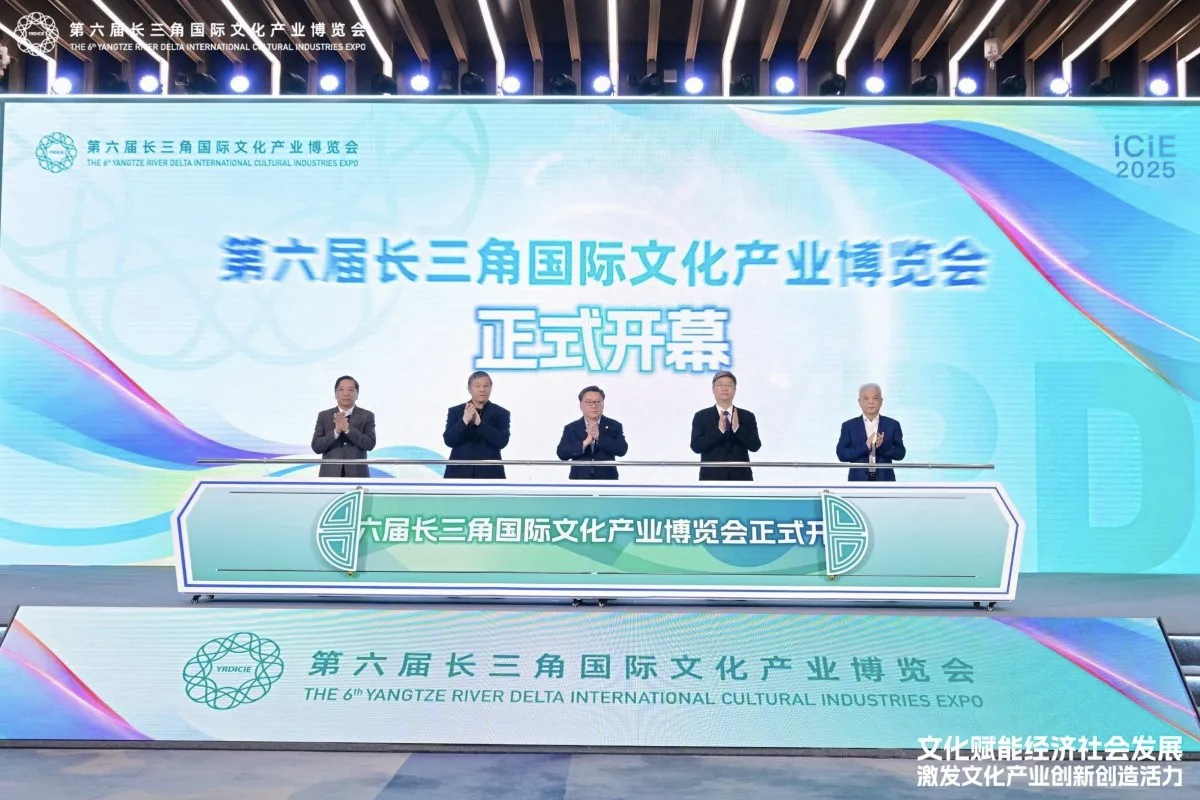
1500家企业齐聚,激活文化创新新动能!第六届长三角文博会开幕
Guo Ji Jin Rong Bao· 2025-11-21 07:13
Core Viewpoint - The sixth Yangtze River Delta International Cultural Industry Expo emphasizes the integration and high-quality development of the cultural industry in the Yangtze River Delta region, showcasing over 1,500 cultural industry-related entities and a total exhibition area of 80,000 square meters [3][6]. Group 1: Event Overview - The expo is co-hosted by the propaganda departments of Shanghai, Jiangsu, Zhejiang, and Anhui, with the theme "Cultural Empowerment for Economic and Social Development" [3]. - The event features a "1+6" exhibition format, including one comprehensive development section and six specialized exhibitions, along with 126 industry summits and performances [3][5]. - The "Yangtze River Delta Smart Cultural Industry Fund" was officially launched, and several key research publications were released, including the "Yangtze River Delta Cultural Industry Development Blue Book" [3][6]. Group 2: Regional Highlights - Shanghai's exhibition area showcases various cultural innovations, including immersive experiences and technology integration, such as the "Shen Yu Li" light show and the "IP Star Chain Factory" [4][5]. - Jiangsu's exhibition covers 2,000 square meters with themes like "Su Chao" and features over 10,000 cultural products, including innovative tech like AR glasses [5]. - Zhejiang's 2,000 square meter area highlights cultural heritage and digital entertainment, showcasing ancient crafts and modern cultural exports [5]. Group 3: Industry Development and Collaboration - The expo includes multiple industry forums and trade meetings focusing on emerging topics like the immersive industry, AI, and cultural tourism investment [6]. - The event aims to activate cultural consumption and promote the high-quality integration of the cultural industry in the Yangtze River Delta, contributing to regional economic and social development [6].
AI眼镜的冰与火 如何跨越“不可能三角”
2 1 Shi Ji Jing Ji Bao Dao· 2025-11-20 10:37
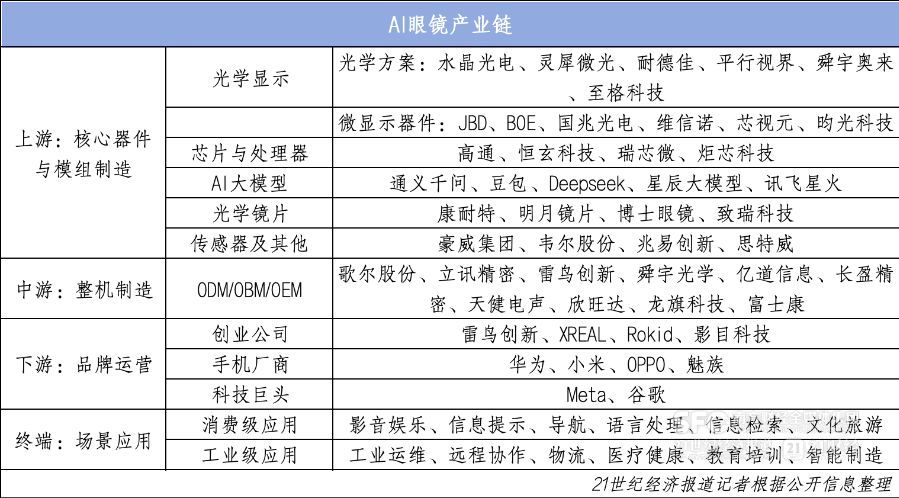
Core Insights - The AI glasses market is experiencing significant growth, with sales of AI shooting and display glasses increasing over tenfold year-on-year, making it the fastest-growing category in digital products [1] - Major players in the industry include internet giants like Alibaba and Baidu, as well as hardware manufacturers such as Huawei and Xiaomi, alongside numerous vertical startups [1][2][4] - The global smart glasses market is projected to exceed 40 million units by 2029, with China expected to lead in growth rate [1][6] Market Dynamics - The AI glasses sector is crowded with various players, including established tech companies and startups, indicating a competitive landscape [1][5] - Baidu and Alibaba have launched their AI glasses, with Baidu's product weighing 39 grams and Alibaba's Quark AI glasses topping sales charts during the Double Eleven shopping festival [2][3] - Xiaomi's AI glasses sold out within half an hour of release, showcasing strong consumer demand [4] Investment and Financing - The smart glasses market is attracting significant investment, with 23 rounds of financing reported in 2025 alone [5] - Thunder Innovation recently completed a financing round, raising approximately 800 million yuan, surpassing initial expectations [5] Sales Performance - The AI wearable device index has risen by 26.3% over the past year, reflecting a robust market trend [6] - During the Double Eleven sales event, the transaction volume for smart glasses surged by 2500%, with brands like Rokid and Thunder Innovation seeing sales increases of over 700% and 80%, respectively [6] Industry Challenges - The industry faces a "trilemma" where achieving lightweight design, high performance, and long battery life in AI glasses is challenging [1][10] - High return rates for AI glasses, estimated at 30% to 50%, indicate issues with customer satisfaction and product maturity [9] Technological Integration - AI models are crucial for the evolution of smart glasses, enabling functionalities beyond entertainment to include payment, navigation, and e-commerce [8] - The integration of AI models is seen as a key factor for the future success of AI glasses, with companies like Xiaomi and Alibaba incorporating their proprietary AI technologies [8] Supply Chain and Production - The supply chain for AI glasses is complex, involving multiple components such as chips, sensors, and optical modules, which are not yet fully mature [10] - Production capacity is a significant challenge, with many manufacturers struggling to meet demand due to high production costs and the need for specialized manufacturing processes [11] User Experience Focus - Industry experts suggest a shift from adding features to enhancing user experience, emphasizing the need for AI glasses to prioritize comfort and usability [12][13] - The design of AI glasses is evolving to meet aesthetic demands, with a focus on lightweight models weighing between 20 to 40 grams [14]
AI眼镜,一场需要“三重共振”的马拉松
3 6 Ke· 2025-11-18 09:14
Core Insights - The AI glasses market is experiencing a paradox of high sales growth alongside high return rates, indicating a disconnect between consumer expectations and product performance [1][2] - Major tech companies are entering the AI glasses space, but many products are perceived as "geek toys" rather than mainstream consumer items, leading to disappointment among users [2][3] - The industry faces significant challenges, including technological limitations, fragmented supply chains, and unclear use cases, which hinder widespread adoption [8][9] Market Dynamics - Nearly 70 manufacturers are competing in the AI glasses market, with product prices ranging from 999 yuan to 3999 yuan, covering various functionalities such as audio interaction and near-eye display [2][3] - IDC reports that global smart glasses shipments reached 4.065 million units in the first half of 2025, a year-on-year increase of 64.2% [2] - Despite impressive sales figures during events like Double 11, high return rates (up to 50% on platforms like Douyin) reveal underlying consumer dissatisfaction [2][3] Technological Challenges - The industry struggles with the "impossible triangle" of achieving lightweight design, long battery life, and high performance in AI glasses [9][13] - Current battery life for most products ranges from 4 to 7 hours, but actual usage often results in significantly reduced performance due to active features [9][11] - The lack of a unified performance evaluation standard exacerbates consumer frustration, as many products fail to meet user expectations [8][14] Competitive Landscape - Major players like Xiaomi and Baidu are adopting different strategies, with Xiaomi focusing on affordability and Baidu emphasizing localized features [5][7] - Cross-industry collaborations are intensifying competition, with companies like Shanjiji Technology offering low-cost options to capture the budget market [7][8] - The market is characterized by a rush to release products without adequate development time, leading to poor user experiences and high return rates [8][14] Future Outlook - The resolution of the current industry challenges hinges on achieving a "triple resonance" of technology, market demand, and ecosystem collaboration [17][19] - The path to success may mirror the evolution of smartphones, requiring breakthroughs in core technologies and the establishment of a cohesive industry ecosystem [17][19] - Stakeholders, including consumers and manufacturers, must exercise patience and focus on refining products and understanding user needs to foster long-term growth [19]



从全球最小到“无感交互”:杨克晓与深圳AI眼镜的突围之路
Nan Fang Du Shi Bao· 2025-11-18 09:10
Core Viewpoint - The article discusses the rapid development and adoption of AI glasses, highlighting the innovations by Thunderbird Innovation in Shenzhen, which is positioning itself as a leader in the AI glasses market. The advancements in technology are transforming how humans interact with the digital world, making once sci-fi scenarios a reality [1][6]. Group 1: Product Development - Thunderbird Innovation has developed the world's smallest mass-produced color MicroLED AR glasses, the Thunderbird X3 Pro, which signifies Shenzhen's ambition to become the "first city of global AI glasses" [1][6]. - The transition from bulky "helmet-style" devices to lightweight, everyday glasses has been achieved through innovations in MicroLED and optical waveguide technologies, allowing for improved display precision while reducing size [4][5]. - The Thunderbird Air 4 series, launched recently, is notable for being the first smart glasses to support HDR10 display, weighing only 76 grams, and is seen as a breakthrough product for consumer-level AR glasses [6][10]. Group 2: Industry Ecosystem - Shenzhen provides a conducive environment for the AI glasses industry due to its mature mobile communication and smart wearable sectors, along with a robust supply chain that supports technology development and manufacturing [9][10]. - The establishment of the Shenzhen AI Glasses Industry Alliance, with Thunderbird as a founding member, aims to enhance collaboration among industry players, facilitating product development and market entry [11][13]. - The local government's support, including significant funding for smart wearable projects, has accelerated the growth of the AI glasses sector, with policies aimed at fostering innovation and development [10][11]. Group 3: Market Outlook - The global smart glasses market is projected to see significant growth, with an expected shipment of 4.065 million units in the first half of 2025, marking a 64.2% year-on-year increase [15]. - The Chinese market is anticipated to have a compound annual growth rate of 55.6% over the next five years, leading global growth in the sector [15]. - Innovations in interaction methods, such as eye-tracking technology and gesture recognition, are expected to drive mainstream adoption of AI glasses, integrating them into everyday life [15][16].

Micro-LED将进入应用元年:从“中国制造”到“中国定义”
Zhong Guo Jing Ying Bao· 2025-11-14 20:33
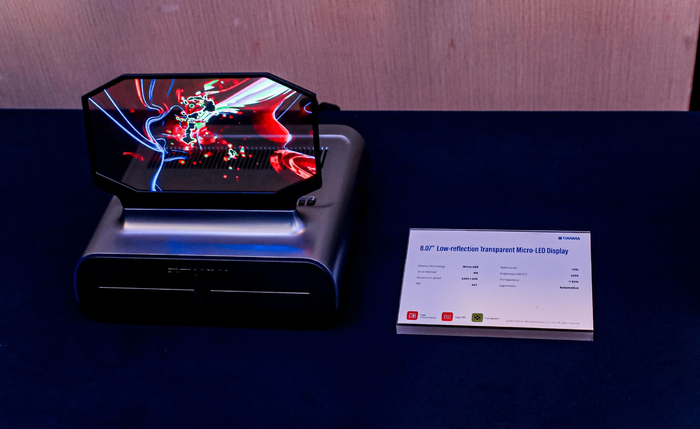
Core Insights - The Micro-LED industry in China is entering a significant window of opportunity, with companies like Tianma Microelectronics showcasing innovative products at the China International Import Expo [2] - The global Micro-LED display market is projected to reach approximately $800 million by 2028, indicating strong growth potential [2] - The industry is recognized as a key area for strategic development in China's "14th Five-Year Plan," aligning with national goals for innovation in emerging industries [2] Industry Overview - Micro-LED technology is a capital-intensive industry that integrates various advanced manufacturing processes, with China currently leading in the epitaxial chip sector [3] - Despite the advancements, the industry faces challenges primarily related to costs, which are influenced by manufacturing processes and yield rates [3] - The market has seen breakthroughs in applications such as AI/AR glasses and smartwatches, suggesting a pivotal moment for Micro-LED technology [3] Technical Challenges - Micro-LED technology has been in development for over 20 years but has faced slow commercialization due to challenges in epitaxy, chip production, mass transfer, and driving technologies [4] - Mass transfer technology, which involves transferring numerous Micro-LED chips from a source substrate to a target substrate, remains a critical bottleneck for mass production [4][5] - The industry is also grappling with the complexities of achieving full-color displays, with various methods still in experimental stages [5] Innovations and Developments - Tianma has developed customized automated mass transfer and bonding equipment, significantly improving transfer efficiency to 40 million chips per hour [5] - The company is focusing on high PPI, high transparency, and high brightness technologies, aiming to establish a fully controllable production process [7] - Recent advancements in high-precision projection exposure machines have enabled significant cost reductions while achieving high resolution and precision [9] Market Dynamics - The Micro-LED sector is experiencing increased investment interest, particularly in the AR market, with several companies securing substantial funding for technology innovation [10] - The competition in the large-screen market includes Mini LED technology, while Micro-LED shows advantages in small-screen applications like AR/AI glasses [9][10] - Companies are optimistic about reducing costs as production scales up, with expectations to achieve cost parity with OLED technology within 3 to 5 years [11]

21社论丨科技与产业创新融合,彰显大湾区的活力与实力
21世纪经济报道· 2025-11-14 01:24
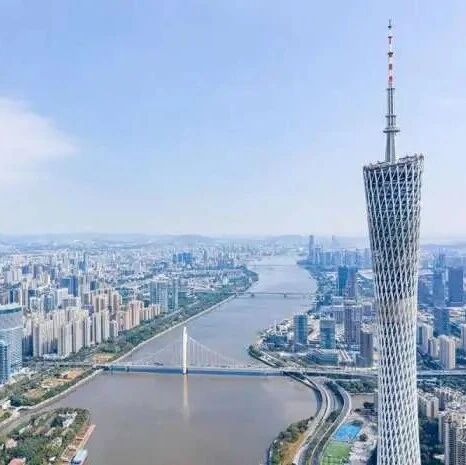
Core Viewpoint - The article highlights the significant development and potential of the Guangdong-Hong Kong-Macao Greater Bay Area, showcasing its economic strength, innovation capabilities, and infrastructure improvements, positioning it as a leading global innovation hub and a model for high-quality development in China [1][2][3][4]. Economic Strength - The Greater Bay Area's economic total is projected to reach 14.79 trillion yuan by 2024, surpassing New York and San Francisco Bay Areas, demonstrating robust growth [1]. - The area accounts for approximately 1/9 of China's economic output while occupying less than 1% of the country's land and about 6% of its population [1]. Innovation and Technology - The "Shenzhen-Hong Kong-Guangzhou" tech cluster has ranked first globally in the World Intellectual Property Organization's Global Innovation Index 2025, surpassing the "Tokyo-Yokohama" cluster [1][2]. - The region's PCT international patent applications represent 12% of the global total, and SCIE paper publications account for 2.4% of the world, indicating strong foundational research capabilities [2]. Investment and Market Dynamics - The venture capital transaction scale in the Greater Bay Area is expected to exceed $120 billion by 2025, attracting global capital and enhancing the region's tech commercialization capabilities [2]. - Infrastructure improvements, such as the Hong Kong-Zhuhai-Macao Bridge and the Shenzhen-Zhongshan Channel, have significantly increased traffic flow, enhancing connectivity and market efficiency [2]. Manufacturing and Industry - Guangdong is home to 9 Fortune 500 manufacturing companies and has established 9 trillion-yuan industrial clusters, supported by a large pool of skilled talent [3]. - Shenzhen leads in emerging industries, with significant growth in pharmaceuticals, new energy vehicles, and artificial intelligence, and has the highest number of companies in the global humanoid robot listing [3]. Future Outlook - Guangdong aims to strengthen its role as a leading area for innovation and high-quality development, focusing on building a modern industrial system with international competitiveness [4].
科技与产业创新融合,彰显大湾区的活力与实力
2 1 Shi Ji Jing Ji Bao Dao· 2025-11-13 23:16
Group 1: Economic Overview - The Guangdong-Hong Kong-Macao Greater Bay Area (GBA) is projected to reach an economic total of 14.79 trillion yuan by 2024, surpassing New York and San Francisco Bay Areas, showcasing strong development momentum [1] - The GBA contributes approximately 1/9 of the national economic total while occupying less than 1% of the land area and about 6% of the population [1] Group 2: Innovation and Technology - The "Shenzhen-Hong Kong-Guangzhou" tech cluster has ranked first globally in the Global Innovation Index 2025, surpassing the "Tokyo-Yokohama" cluster [2] - The GBA has a robust patent strength, with PCT international patent applications accounting for 12% of the global total and SCIE paper publications representing 2.4% of the global output [2] - Venture capital transactions in the GBA are expected to exceed 120 billion USD by 2025, establishing the region as a strong magnet for global capital [2] Group 3: Infrastructure Development - The Hong Kong-Zhuhai-Macao Bridge has facilitated over 93.34 million passenger trips and 19.42 million vehicle trips since its opening, with a 19.4% year-on-year increase in daily traffic in the first three quarters of this year [2] - The Shenzhen-Zhongshan Link has recorded an average daily traffic of 90,900 vehicles in the first half of this year, enhancing connectivity across the Pearl River Estuary [2] Group 4: Manufacturing and Industry - Guangdong is home to 9 Fortune Global 500 manufacturing companies and has established 9 trillion-yuan industrial clusters, supported by a large pool of skilled talent [3] - Shenzhen leads in emerging industries such as pharmaceuticals, new energy vehicles, and artificial intelligence, with 7 companies listed among the top global humanoid robot firms [3] Group 5: Future Outlook - Guangdong aims to accelerate the construction of a vibrant and internationally competitive first-class bay area and world-class city cluster, focusing on the deep integration of technological and industrial innovation [4]