
中国联通

Search documents
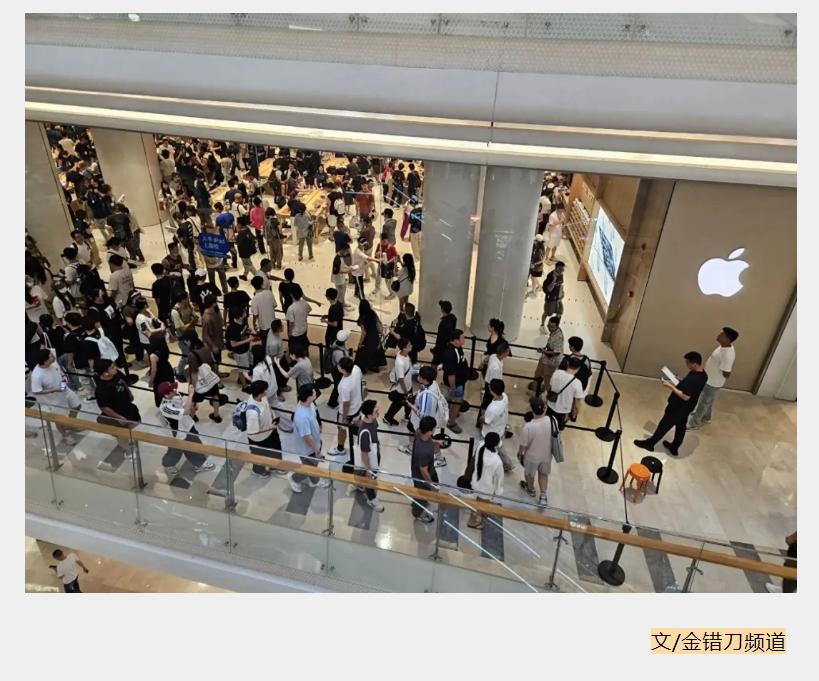
总挤牙膏的iPhone,这次终于开了个好头
3 6 Ke· 2025-10-19 07:43
Core Insights - Apple has been implementing strategies like "squeezing toothpaste" and "cutting a knife" to enhance its product offerings while maximizing profits, such as eliminating the headphone jack and standard chargers, and now removing the SIM card slot for the iPhone Air [2][6] - The launch of the iPhone Air, which supports eSIM technology, has generated significant consumer interest, selling out within five minutes of pre-order [2][3] Group 1: eSIM Technology - eSIM, or Embedded-SIM, is a small chip embedded in devices, eliminating the need for a physical SIM card [3] - Apple has been a pioneer in promoting eSIM, starting with the iPhone XS and fully adopting it in the iPhone 14 series in the U.S. [16][20] - The global eSIM market is expanding, with North America holding a 43% market share as of last year, largely driven by Apple [18] Group 2: Market Dynamics - The introduction of eSIM is seen as a response to the growing demand for more integrated and compact devices, allowing for better battery life and advanced features [20][24] - Despite the advantages of eSIM, there are concerns regarding its implementation in China, where operators have been slow to adapt, requiring users to visit physical stores for eSIM activation [25][28] - The convenience of eSIM, such as the ability to store multiple carrier profiles, is countered by the current limitations imposed by Chinese telecom operators [22][30] Group 3: Industry Implications - The shift to eSIM technology may disrupt traditional telecom business models, as it allows users to switch carriers more easily, potentially leading to increased competition [14][30] - The necessity for telecom operators to embrace eSIM is underscored by the growing importance of connectivity in the era of IoT and AI [30][32] - The initial resistance from operators may hinder the full realization of eSIM's potential benefits for consumers [28][30]


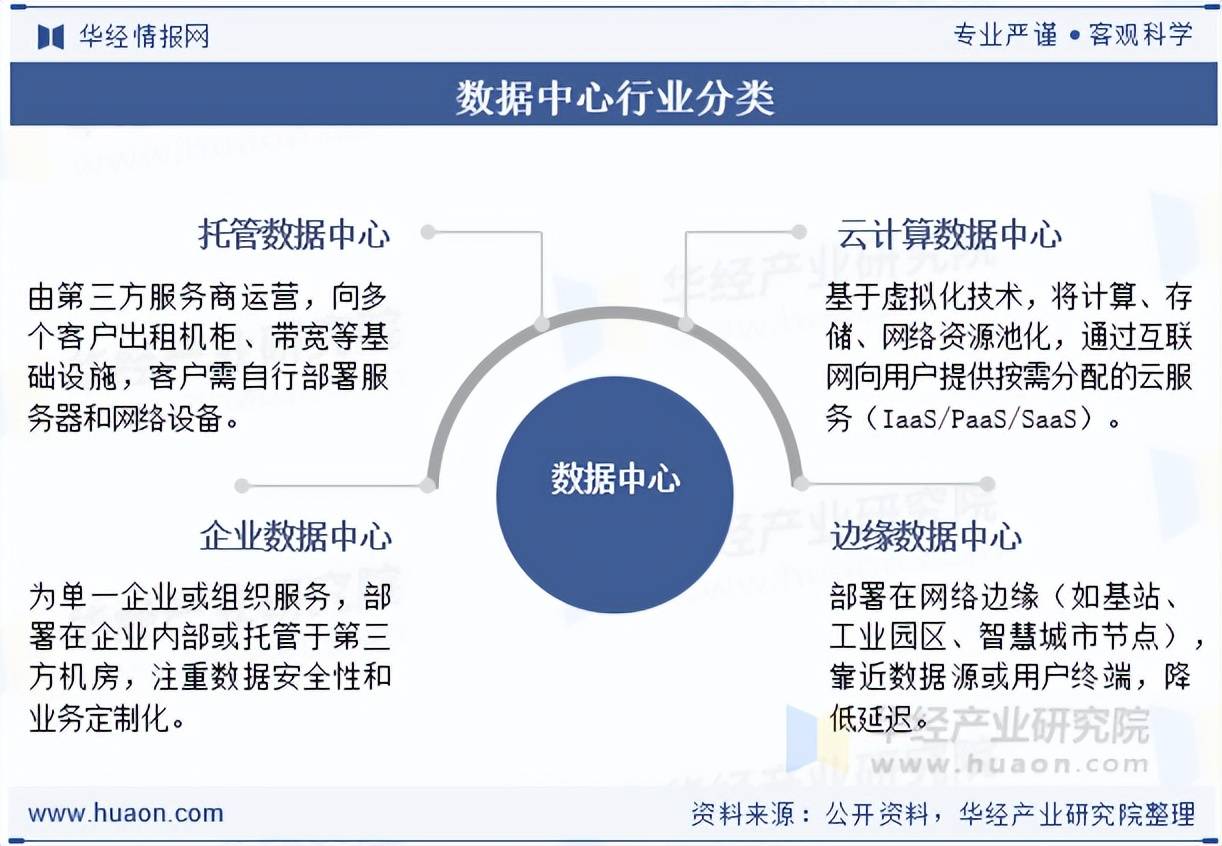
2025年中国数据中心行业分类、相关政策、市场规模及竞争格局分析
Sou Hu Cai Jing· 2025-10-19 07:24
Core Insights - The data center industry is experiencing robust growth driven by emerging technologies such as 5G, cloud computing, and artificial intelligence, with the market size reaching 507.83 billion yuan in 2023 [6]. Policy Support - The development of the data center industry is supported by various policies at both national and local levels, focusing on layout optimization, green development, technology upgrades, and financing channels [4]. - Key policies include the "2030 Carbon Peak Action Plan" aimed at promoting energy-saving and carbon reduction in data centers [5], and the "New Type Data Center Development Three-Year Action Plan (2021-2023)" which outlines six key tasks for quality upgrades [5]. Market Structure - The competitive landscape of the data center industry is diverse, with major players including Alibaba Cloud, Tencent Cloud, and Huawei Cloud in the first tier, and third-party service providers like GDS Services, Century Internet, and DataPort in the second tier [8]. - The industry is characterized by a multi-tier structure, with significant contributions from both cloud service providers and telecommunications operators [8]. Industry Growth - The data center market is projected to continue its growth trajectory, supported by the increasing demand for digital services and the ongoing digital transformation across various sectors [6]. - The industry is moving towards a more integrated, large-scale, green, and intelligent development model [4]. Company Strategies - Major companies are expanding their data center footprints across key regions, with Century Internet and GDS Services actively developing data centers in first-tier cities and strategic locations [10]. - Companies like Alibaba Cloud and Tencent Cloud are establishing large-scale data centers in multiple regions, enhancing their service capabilities [10].




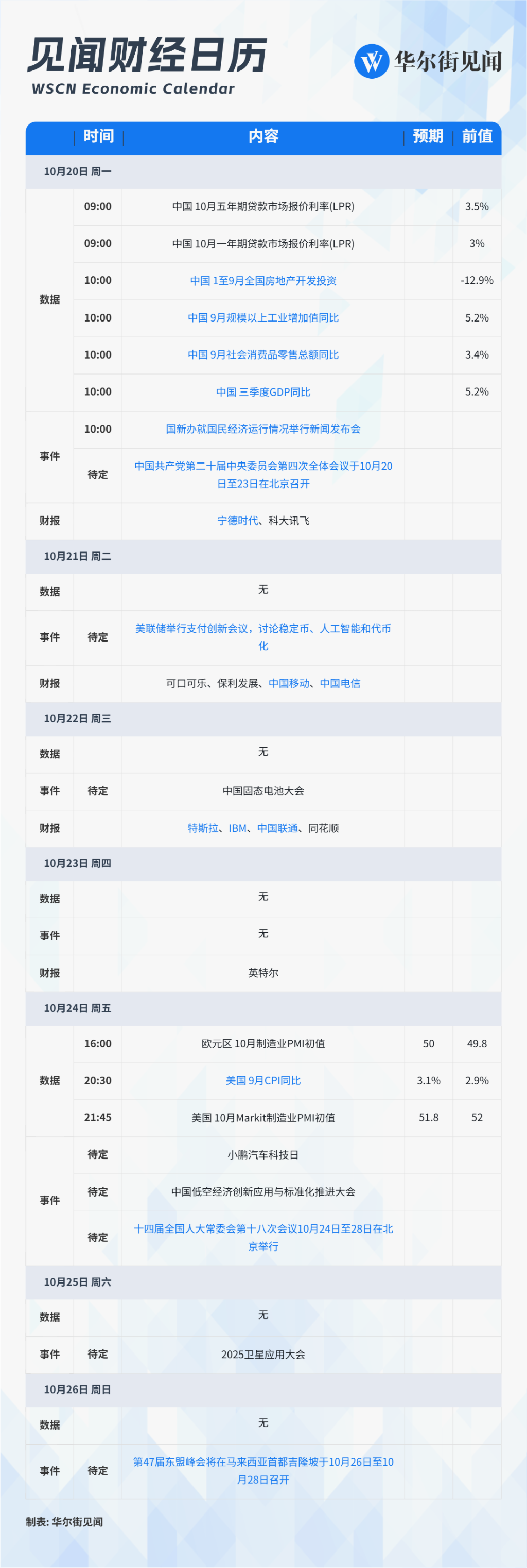
下周重磅财经日程:重大会议、重磅数据,关键时刻开启了
Hua Er Jie Jian Wen· 2025-10-19 03:58
Economic Data - China will release key economic indicators including GDP, real estate investment, and retail sales on October 20, with expectations of a slight decline in GDP growth rate for Q3 [7][8] - The expected year-on-year decline in national real estate development investment is -12.9% [3] - The industrial added value for September is anticipated to show a year-on-year growth of 5.2% [3] Events - The 20th Central Committee of the Communist Party of China will hold its fourth plenary session from October 20 to 23 in Beijing [9] - The 14th National People's Congress Standing Committee's 18th meeting will take place from October 24 to 28 in Beijing [9] - The Federal Reserve will hold a payment innovation conference on October 21 to discuss stablecoins, AI, and tokenization [9] Industry Conferences - The China Solid-State Battery Conference will be held from October 22 to 24 in Hefei, with participation from companies like CATL and Guoxuan High-Tech [12] - The Low Altitude Economy Innovation Application and Standardization Promotion Conference is scheduled for October 24 in Beijing [12] - The 2025 Satellite Application Conference will take place from October 25 to 27 in Beijing [12] - Xiaopeng Motors is expected to hold a technology day on October 24, potentially unveiling a robot [13] Earnings Reports - Major companies set to report earnings include Tesla, IBM, Intel, Coca-Cola, and Procter & Gamble, with a focus on Tesla's Full Self-Driving progress and Intel's AI chip orders [14][15] - In China, companies like CATL, iFlytek, China Unicom, China Mobile, and China Telecom will also release their latest earnings reports [16] - CATL's solid-state battery technology roadmap may trigger a reevaluation of the value in the new energy industry if clear mass production signals are released [16]


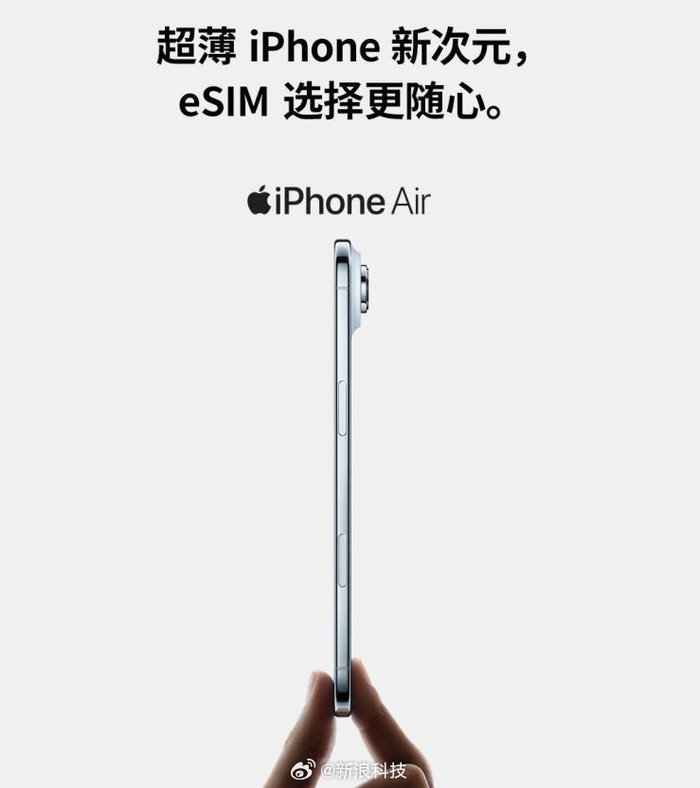
eSIM版iPhoneAir10月22日国内发售,湖北联通17日开放预购
Xin Lang Ke Ji· 2025-10-19 03:02
Core Viewpoint - The first eSIM version of iPhone Air will officially launch in China on October 22, marking a significant shift towards eSIM technology in the smartphone market [1] Group 1 - The eSIM version of iPhone Air will be available for pre-order starting from October 17 at designated stores in Hubei province [1] - Hubei Unicom will provide services for eSIM activation and pre-order at 20 specified locations across the province [1] - Staff from Hubei Unicom will also assist customers in Apple's retail stores for eSIM services [1]
2025提升运营经理自己的业务技能技巧
Sou Hu Cai Jing· 2025-10-19 01:26
Core Insights - The CDA Data Analyst certification is highly recognized in the data field, comparable to CPA and CFA certifications, and has been recommended by authoritative media such as People's Daily and Economic Daily [3] - Many companies prioritize CDA Data Analysts in their hiring processes, especially in technical roles within banks and financial institutions, indicating a strong demand for this certification [6] - The starting salary for positions requiring CDA certification is over 15K, reflecting a significant industry gap [10] Summary of Key Areas CDA Data Analyst Certification - The CDA Data Analyst certification is considered one of the most valuable in the data sector, with high recognition among employers [3] - Companies like China Unicom, CCTV Guangxin, Deloitte, and Suning prioritize CDA holders in their hiring processes [6] Employment Opportunities - Potential job roles for CDA certified individuals include data analyst positions in major internet companies, technical roles in banks, business intelligence consultants, market researchers, and operational roles [8] Skills Development for Operations Managers - Core skills for operations managers include strategic planning and business analysis, process optimization, team collaboration, and innovation and risk management [13][14][15] - A structured growth path is outlined, progressing from foundational skills in the first year to strategic leadership and innovation in the later stages [17][26] Skill Enhancement Methods - Practical experience through project leadership, data-driven decision-making, and seeking regular feedback are emphasized as key methods for skill enhancement [30][31][32] - Online courses and community engagement are recommended for continuous learning and industry insights [33][34]

苹果再次推进SIM卡演进:iPhone Air落地与中国eSIM生态的破局时刻
Xin Lang Cai Jing· 2025-10-18 05:39
Core Insights - The launch of the iPhone Air in China coincides with the approval of eSIM technology by the Ministry of Industry and Information Technology, marking a significant shift from traditional SIM cards to eSIM services in the country [1][5][8] - The iPhone Air, designed to be the thinnest iPhone at 5.6mm, utilizes eSIM technology to eliminate the physical SIM card slot, aligning with Apple's strategy to innovate in lightweight design while enhancing user experience [2][3][8] Industry Developments - The introduction of eSIM technology represents a technological advancement, integrating communication functions directly into device chips and allowing for remote configuration, which is one-third the size of a Nano SIM card [3][4] - The Chinese telecommunications market has been evolving towards eSIM services for over a decade, with the recent approval of commercial trials by major operators marking a pivotal moment for mobile communication in China [5][6] Market Response - The iPhone Air has seen overwhelming demand, with the first batch selling out within five minutes of pre-sale, and record-breaking sales figures reported on e-commerce platforms [7] - The rapid adoption of eSIM technology is expected to enhance user convenience, allowing for seamless service transitions and multi-device connectivity without the need for physical SIM cards [6][8] Strategic Implications - For Apple, the iPhone Air's entry into the high-end market at a starting price of 7999 yuan reinforces its innovative position and sets the stage for future eSIM devices in China [6][8] - Telecommunications operators face both challenges and opportunities with the transition to eSIM, as it requires significant investment in system upgrades but also opens new avenues for service innovation and market expansion [6][8]
广东已遴选19个地区试点整县推进农文旅融合发展
Nan Fang Ri Bao Wang Luo Ban· 2025-10-18 01:50
Core Insights - The "Hundred Counties, Thousand Towns, and Ten Thousand Villages High-Quality Development Project" is revitalizing the value of rural areas in Guangdong, leading to increased consumer engagement and the integration of cultural tourism with agriculture, forestry, commerce, and sports, establishing it as a pillar industry for county development [1][2] Group 1: Pilot Projects and Development - Guangdong has selected 19 regions in two batches as pilot areas for the integration of agriculture and cultural tourism, promoting diverse business models and revitalizing rural consumption markets [2][3] - Notable projects include the Huizhou 218-kilometer scenic tourism road and the establishment of 101 cultural tourism projects in Jiangmen, with the Chikan Overseas Chinese Town emerging as a new tourism highlight in the Pearl River Delta [2][3] Group 2: Regional Highlights and Strategies - The second batch of pilot areas showcases significant projects, such as the planning of 35 key agricultural and cultural tourism projects in Foshan with a total investment exceeding 5.8 billion [3] - Jiangmen is leveraging its cultural heritage and coastal resources to enhance tourism, achieving over 20 million visitors last year, with a notable increase in tourism revenue [6][7] Group 3: Social Participation and Market Forces - The integration of agriculture and cultural tourism relies on the active participation of various market entities, with companies focusing on planning, investment, and operation to enhance service levels and extend the integration into sports and wellness sectors [8][9] - Guangdong's digital infrastructure supports rural tourism development, with initiatives like the digital agricultural trading model and smart deep-sea farming platforms enhancing the agricultural tourism experience [8][9]
天津武清:站产城融合流量变留量
Jing Ji Ri Bao· 2025-10-17 21:57
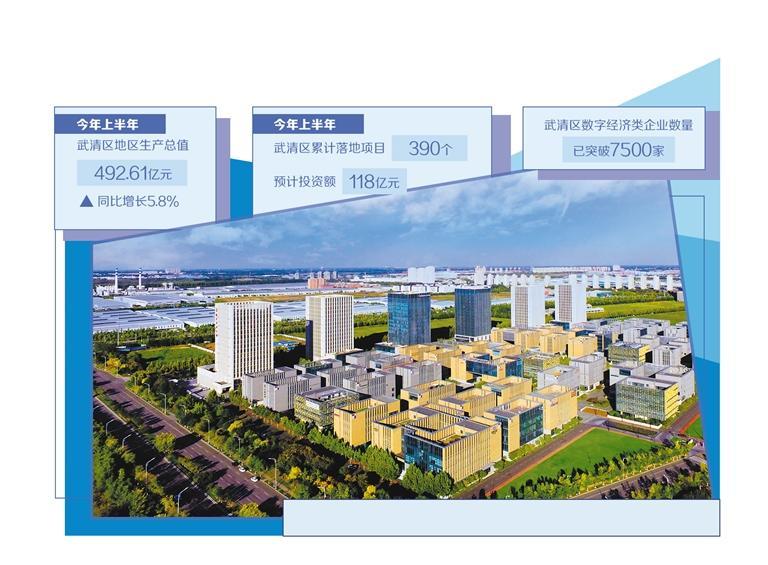
Core Viewpoint - The article highlights the development of Wuqing District as a key area benefiting from the integration of the Beijing-Tianjin-Hebei region, focusing on transportation, industrial growth, and urbanization to enhance economic activity and attract talent [2][4][7]. Transportation Development - Wuqing District is enhancing its transportation network, integrating rail, highways, and public transport to create a multi-layered transit system [3][4]. - The introduction of direct intercity trains has significantly reduced commuting time between Wuqing and Beijing, from over 80 minutes to just 16 minutes [2][3]. - The Wuqing Station currently operates up to 70 trains daily, with peak passenger numbers reaching 13,000 [2]. Industrial Growth - The Wuqing District is home to the largest and most powerful computing power cluster in the Beijing-Tianjin-Hebei region, with over 7,500 digital economy enterprises established [5][7]. - The district is actively developing the intelligent connected vehicle industry, with 12 projects launched and 62 in negotiation since the establishment of the intelligent connected vehicle technology ecological port [6][7]. - The overall investment in projects in the first half of the year reached 118 billion yuan, with 390 projects initiated [4][7]. Urbanization and Economic Impact - The district's GDP reached 492.61 billion yuan in the first half of the year, reflecting a year-on-year growth of 5.8% [7]. - Wuqing has established a comprehensive urban infrastructure, including 20 new schools and partnerships with major hospitals, enhancing public services [7]. - The district is developing new commercial areas, such as the Florence Town, to attract high-end consumers and boost local tourism [8][9]. Cultural and Recreational Development - Wuqing is leveraging its cultural heritage along the Grand Canal to promote eco-tourism and recreational activities, attracting over 600,000 visitors this year [10]. - The district is creating a new consumption landscape by integrating agriculture, culture, and tourism, enhancing the overall visitor experience [10].
筑实数字经济发展底座 5G创新应用激活新动能
Zhong Guo Jing Ying Bao· 2025-10-17 18:28
Core Insights - The article emphasizes the significant role of 5G technology as a driving force for high-quality economic development in China during the "14th Five-Year Plan" period, highlighting its rapid growth and integration into various sectors [1][2][8] Industry Development - China's 5G network has become the largest and most advanced globally, with the number of 5G base stations expected to reach 4.55 million by June 2025, a fivefold increase from 2020 [1] - The number of gigabit broadband users is projected to grow 34 times, reaching 226 million households by 2025 [1] - The focus is shifting from building a robust network to maximizing its commercial value and providing digital services to the public [2][6] 5G New Calling Innovation - 5G New Calling is a key innovation that enhances traditional voice calls by integrating features like video calls, content sharing, and smart customer service, redefining communication experiences [2][3] - The goal is to have over 100 million users of 5G New Calling by the end of 2027, indicating a transition from basic capabilities to value-added services [2][6] Market Dynamics - Major telecom operators are leading the deployment of 5G New Calling, driven by the need to innovate and counter the competition from OTT applications [6][7] - The integration of data channels with voice and video streams in 5G New Calling creates a more interactive and intelligent communication platform [6][7] Challenges and Opportunities - Despite the rapid development, challenges remain, including the need for unified technical standards and a viable business model that balances consumer and enterprise needs [7][8] - The ongoing support from government policies and industry collaboration is expected to strengthen the foundation for 5G New Calling's growth and its role in the digital economy [8]
三大运营商eSIM商用启幕 哪些产业链企业受益?|eSIM重返系列观察①
Mei Ri Jing Ji Xin Wen· 2025-10-17 15:32
Core Insights - The three major telecom operators in China have officially launched eSIM mobile services, marking a significant advancement in the eSIM technology for smartphones and creating new growth opportunities for the eSIM industry chain [1] Industry Overview - The global eSIM chip shipment reached 446 million in 2023, with predictions of 1 billion eSIM smartphone connections by the end of 2025 and 6.9 billion by 2030, accounting for three-quarters of total smartphone connections [1][6] - The eUICC chip is central to eSIM technology, enabling remote SIM configuration and management, which enhances user experience and positions the industry chain for growth [2] Market Dynamics - The demand for eUICC chips is expected to surge due to the commercial launch of eSIM services by telecom operators, with 3.62 million eSIM users in China as of 2023, predominantly in smartwatches [3] - The eSIM technology is anticipated to drive supply chain optimization within the telecommunications industry [1] Company Developments - New Henghui, a semiconductor packaging and testing company, has the capability to adapt its existing IoT eSIM packaging technology for smartphones and other devices, indicating a broad application potential [1][5] - Huada Electronics has developed an eSIM operating system in collaboration with a global eSIM service provider, achieving GSMA eUICC Security Assurance certification, which enhances its market position [2] Technical Advancements - The etching lead frame is a critical material for eSIM chip packaging, with significant potential for domestic substitution as eSIM applications accelerate [4] - The WLCSP (Wafer-Level Chip Scale Package) technology is crucial for miniaturizing eSIM chips and is already adopted by major international manufacturers like Apple and Samsung [5] Future Outlook - Companies that proactively invest in technology development and establish strong ties with terminal manufacturers and telecom operators are likely to gain competitive advantages in the evolving eSIM industry [6]