康诺亚

Search documents
港股收评:恒指震荡平收,濠赌股全天强势,黄金股回暖,金融股多数低迷
Ge Long Hui· 2025-09-19 08:34
Market Overview - The Hong Kong stock market experienced a volatile trading session, with the Hang Seng Index closing flat after briefly surpassing 27,000 points [1] - The Hang Seng Index rose 0.17%, while the Hang Seng Tech Index increased by 0.37% [1] Sector Performance - Major technology stocks showed mixed results, with JD.com rising by 3.35%, while NetEase fell by 1.5% [1] - Macau gaming stocks performed strongly, with New World Development, Sands China, and Wynn Macau all gaining over 6% [1] - Gold prices remained high due to multiple factors, leading to a rebound in gold stocks, which positively impacted copper and aluminum stocks [1] - Various sectors such as military, steel, coal, building materials, sports goods, Apple-related stocks, heavy machinery, and aviation showed active performance [1] Underperforming Sectors - The biopharmaceutical sector generally declined, with companies like CanSino Biologics, Innovent Biologics, and Green Leaf Pharmaceutical dropping over 5% [1] - Other sectors such as electric power, education, gas, water utilities, Chinese brokerage firms, and domestic banks showed some weakness [1]
国证国际港股晨报-20250919
Guosen International· 2025-09-19 07:54
Core Insights - The Hong Kong stock market indices experienced a collective decline, with the Hang Seng Index falling by 1.35%, the Hang Seng China Enterprises Index down by 1.46%, and the Hang Seng Tech Index decreasing by 0.99% [2] - The report highlights a significant interest in the collaboration between Nvidia and Intel, which is expected to impact the semiconductor sector positively [6] Company Overview - Chery Automobile is a leading passenger car manufacturer in China, established in 1997, with five major brands catering to diverse customer needs [8] - The company is projected to achieve revenues of 926.2 billion, 1,632.1 billion, and 2,699.0 billion CNY from 2022 to 2024, with a compound annual growth rate (CAGR) of 70.7% [8] Industry Status and Outlook - The global passenger car industry is entering a mature phase, with total sales expected to reach 74.3 million units in 2024 and a CAGR of 3.5% from 2025 to 2030 [9] - The Chinese passenger car market is robust, with sales projected to reach 22.7 million units in 2024, growing at a CAGR of 1.9% from 2019 to 2024 [9] Advantages and Opportunities - Chery Automobile boasts a diverse brand matrix and strong R&D capabilities, positioning it well for future technological advancements [10] - The company is recognized as a leading Chinese passenger car enterprise with significant global expansion potential [10] Investment Recommendations - The IPO of Chery Automobile is supported by a strong lineup of cornerstone investors, with the offering price set between 27.75 and 30.75 HKD, leading to a post-IPO market capitalization of approximately 160.04 to 177.34 billion HKD [12] - The report suggests that Chery is comparable to other leading domestic brands like Great Wall Motors and Geely, with a lower valuation relative to Geely [12]
信达生物领跌成分股,港股医药ETF(159718.SZ)午后下挫
Xin Lang Cai Jing· 2025-09-19 05:48
Group 1 - The overnight SPDR S&P Biotech ETF (XBI) rose by 3.1%, while the Hong Kong pharmaceutical sector (159718.SZ) opened high but continued to weaken, currently down by 0.93% [1] - Among the constituent stocks, Haijia Medical (06078) led the gains with an increase of 7.41%, while Innovent Biologics (01801) saw the largest decline at 6.57% [1] - Industrial insights suggest that the innovative drug sector's prosperity is sustainable, with a focus on "innovation + internationalization" as the core direction of the pharmaceutical sector [1] Group 2 - The innovative drug industry is expected to continue receiving policy support, enhancing the global competitiveness of Chinese innovative drugs and realizing commercial profitability [1] - There is an improvement in the fundamentals of the innovative drug supply chain, with overseas orders and performance beginning to recover, and domestic business showing a self-controllable logic [1] - The demand in the domestic market is anticipated to recover by 2025, with potential improvements in the consumption medical field and medical devices [1] Group 3 - Institutions remain confident in high-quality innovation and the innovative industry chain, viewing any external disturbances as buying opportunities [2] - The Hong Kong pharmaceutical ETF is well-balanced, including innovative drugs, CXO, internet healthcare, and innovative devices, serving as a convenient standardized tool for investors [2] - Recommendations are made to pay attention to the Hong Kong pharmaceutical ETF (159718.SZ) and its connected funds (Class A: 019598, Class C: 019599) [2]
港股午评:三大指数齐涨 黄金股回暖 半导体股继续活跃 创新药走低
Ge Long Hui· 2025-09-19 04:07
Market Performance - The Hong Kong stock market indices rebounded after a midday drop, with the Hang Seng Index rising by 0.12%, the Hang Seng China Enterprises Index increasing by 0.35%, and the Hang Seng Tech Index up by 0.62% [1] Sector Performance - Major technology stocks showed active performance, with JD.com up by 3.5% and Alibaba increasing by 1.45%. Meituan, Tencent, and Baidu also saw gains, while Netease fell by nearly 2%, and Kuaishou and Xiaomi experienced slight declines [1] - Macau gaming stocks surged, with Wynn Macau and Melco International Development both rising over 5%, as Goldman Sachs predicts continued strong momentum in the sector [1] - Gold stocks rebounded collectively, leading to increases in copper and aluminum stocks, while semiconductor stocks continued their upward trend [1] - Coal, military, sports goods, and building materials sectors also saw gains [1] Underperforming Sectors - The biopharmaceutical sector was mostly sluggish, with Innovent Biologics, CanSino Biologics, and Luye Pharma leading the decline among innovative drug stocks [1] - Chinese brokerage stocks, electric power stocks, education stocks, telecom stocks, and paper industry stocks generally performed poorly [1]
2025年中国过敏性疾病药物行业系列报告(一):过敏性鼻炎生物制剂进展与医保覆盖
Tou Bao Yan Jiu Yuan· 2025-09-17 12:59
Investment Rating - The report does not explicitly state an investment rating for the allergic rhinitis drug industry in China. Core Insights - The Chinese allergic rhinitis drug market is projected to grow from CNY 44 billion in 2019 to CNY 81 billion by 2024, with a compound annual growth rate (CAGR) of 12.9%. By 2030, the market is expected to reach CNY 229 billion, reflecting a growth rate of 19.0% [5]. - The report highlights the increasing importance of biological agents in treating moderate to severe allergic diseases, with significant advancements in drug development and clinical applications [20][23]. Summary by Sections Market Overview - The market for allergic rhinitis drugs in China is expected to grow from CNY 422 billion in 2019 to CNY 462.8 billion by 2024, with a CAGR of 1.9%, and is projected to reach CNY 567.7 billion by 2030 [16]. Treatment Landscape - Current treatment options for allergic rhinitis are categorized into first-line, second-line, and third-line therapies. First-line treatments include nasal corticosteroids and second-generation antihistamines [5][11]. - Immunotherapy is recommended as a first-line treatment for the underlying cause of allergic rhinitis, while symptomatic treatments focus on alleviating symptoms [11]. Drug Development - Biological agents, particularly monoclonal antibodies targeting IL-4Rα and IgE, are gaining traction in the treatment of allergic rhinitis. The first approved IL-4Rα biological agent, Suptuizumab, offers a new treatment option for patients [20][23]. - The report notes that the development of new biological agents is ongoing, with several candidates in various stages of clinical trials [20][23]. Patient Demographics and Treatment Needs - The report indicates that the treatment needs of allergic rhinitis patients vary based on the severity of their condition. A significant portion of patients requires comprehensive treatment strategies, especially those with moderate to severe persistent allergic rhinitis [19]. - The high conversion rate between allergic rhinitis and asthma underscores the importance of long-term management and early intervention in treatment [19]. Innovation and Market Dynamics - The report emphasizes the shift towards targeted biological therapies due to the limitations of traditional treatments. The market for anti-IgE antibodies is evolving with new formulations and biosimilars, enhancing treatment options for patients [23][24]. - The report also highlights the maturity of upstream technologies related to the production of antihistamines and biological agents, which supports industry growth [27][29].
今年前7个月四川FDI到资12.55亿美元 规模保持中西部第一
Zhong Guo Xin Wen Wang· 2025-09-17 11:22
Core Insights - Sichuan province has attracted foreign direct investment (FDI) of $1.255 billion in the first seven months of this year, maintaining the leading position in the central and western regions of China [1][2] - The province has implemented a series of measures to stabilize foreign investment, focusing on high-level opening up, improving investment promotion, enhancing the effectiveness of open platforms, and increasing service guarantees for foreign investors [1][2] Group 1 - In the first seven months of this year, Sichuan established 475 new foreign-invested enterprises [1] - The province's economic cooperation bureau has collaborated with the development and reform commission to introduce an action plan aimed at stabilizing foreign investment [1] - Sichuan has actively promoted investment abroad, conducting events in countries such as Germany, Japan, and Indonesia to attract foreign investment [1] Group 2 - The economic cooperation bureau has implemented a service activity for foreign enterprises, visiting over 400 foreign-invested companies and resolving more than 100 issues [2] - The upcoming "2025 China and Foreign Well-Known Enterprises Sichuan Tour" event will take place from September 22 to 24, focusing on building industrial ecosystems and signing major investment cooperation projects [2] - Since its inception in 2014, the Sichuan Tour has attracted over 5,900 well-known enterprises and facilitated more than 7,200 signed investment cooperation projects [2]
国金证券:AD现有疗法仍可优化 双抗药物有望破局
智通财经网· 2025-09-17 02:37
Core Insights - The market potential for Atopic Dermatitis (AD) is significant, with a large patient population and unmet medical needs, particularly for effective and safe treatments [1][2] - The development of small molecules and biologics is entering a new phase, with several new therapies gradually being approved for AD treatment [2][3] - JAK inhibitors show excellent efficacy but have safety concerns, while TYK2 is emerging as a promising new option with potentially higher safety [3][4] - Biologics such as IL-4Rα and IL-31 demonstrate strong efficacy in improving skin lesions and alleviating itching, but there is still room for improvement compared to JAK inhibitors [4][5] - Dual and multi-target antibodies may offer a new approach by combining the advantages of different targets, with several companies already exploring this strategy [5] Group 1: Market Overview - Atopic Dermatitis (AD) is a chronic, recurrent inflammatory skin disease characterized by severe itching, affecting approximately 600-700 million patients globally, with around 67 million in China [1] - The demand for effective and safe medications is high due to the significant burden of the disease on patients' daily lives [1] Group 2: Treatment Landscape - Traditional therapies have poor safety profiles, leading to the emergence of biologics and small molecule targeted therapies over the past decade, with about a dozen products approved globally [2] - Current approved small molecule JAK inhibitors include Upadacitinib and Abrocitinib, but they carry safety warnings from the FDA [3] Group 3: Biologics Efficacy - Among the biologics, IL-4Rα and IL-13 show confirmed efficacy, while IL-31 is particularly effective in alleviating itching [4] - There is a notable difference in efficacy between biologics and JAK inhibitors, with Upadacitinib showing superior results in head-to-head studies [4] Group 4: Future Directions - The exploration of dual/multi-target antibodies aims to enhance treatment efficacy and extend dosing intervals, with several companies already developing such therapies [5] - Ongoing research into various targets may lead to improved outcomes for AD patients [5]

蓉企赴港上市潮,开启“双向奔赴”加速跑
Sou Hu Cai Jing· 2025-09-16 09:40
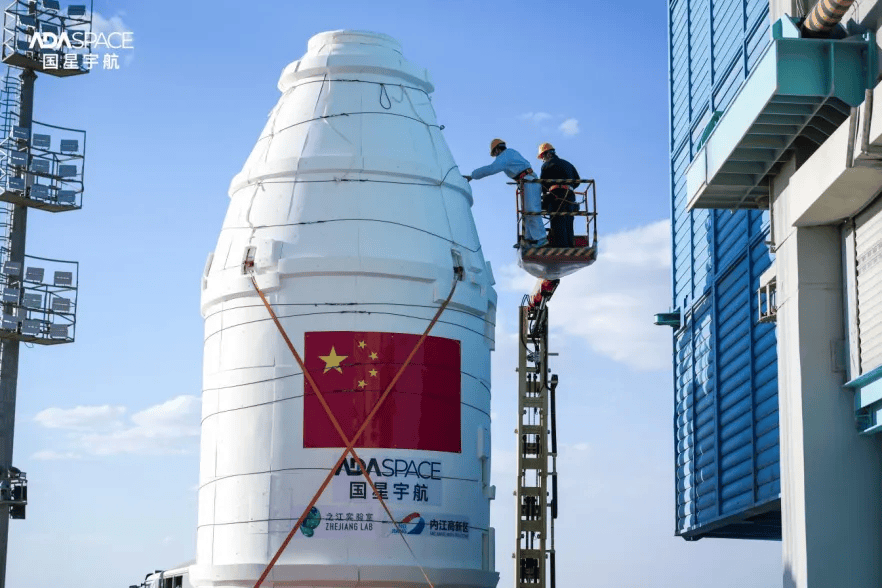
Group 1 - Chengdu is actively promoting "Rongpin Going Global" to attract foreign investment and enhance international market engagement [1][10] - The city is hosting various foreign enterprise roundtable meetings to facilitate communication and provide tailored services for companies [1][6] - Several Chengdu companies, including Guoxing Aerospace and Jimi Technology, are planning or advancing their H-share listings in Hong Kong, indicating a trend towards international capital market engagement [2][3] Group 2 - Guoxing Aerospace focuses on commercial satellite systems and aims to enhance the Chengdu commercial aerospace industry through its potential Hong Kong listing [3][8] - The Hong Kong capital market is characterized by high internationalization, diverse investor structures, and efficient refinancing processes, making it attractive for Chengdu enterprises [5][6] - Chengdu companies are increasingly pursuing dual capital platforms (A+H) to optimize their capital structures and support long-term growth [2][6] Group 3 - Nearly 30 Chengdu enterprises have successfully listed on the Hong Kong Stock Exchange, spanning sectors like electronics, food and beverage, and biomedicine [8][10] - Companies like Kangnuoya have rapidly advanced from small-scale operations to public listings, utilizing funds for product development and clinical trials [8] - The collaboration between Chengdu and Hong Kong is fostering deeper integration of capital, industry, and innovation, enhancing mutual benefits [10]

特应性皮炎专题报告:掘金百亿AD蓝海:现有疗法仍可优化,双抗药物有望破局
SINOLINK SECURITIES· 2025-09-16 09:16
Investment Rating - The report indicates a positive outlook for the atopic dermatitis (AD) market, highlighting significant unmet medical needs and potential for new therapies, particularly in small molecules and biologics [4][10][12]. Core Insights - Atopic dermatitis is a chronic, recurrent inflammatory skin disease characterized by severe itching, affecting approximately 600-700 million patients globally, with around 67 million in China, indicating a substantial unmet demand for effective treatments [1][18][20]. - Recent advancements in small molecules and biologics have marked a new phase in AD treatment, with several new products entering the market, although the number remains limited [1][10][32]. - JAK inhibitors have shown excellent efficacy but come with safety concerns, while TYK2 inhibitors are emerging as a promising new option due to their selective action and potentially better safety profile [2][11][12]. - Biologics targeting IL-4Rα and IL-13 have demonstrated significant efficacy in improving skin lesions, with IL-31 showing strong itch relief capabilities [3][12][13]. - The development of dual/multi-target antibodies is seen as a new strategy to enhance treatment efficacy by combining the advantages of different targets [4][13][21]. Summary by Sections Investment Highlights - The AD market has immense potential, with a pressing need for effective therapies [4][10]. - The patient population is large, with over 600 million affected globally, necessitating urgent treatment options [1][18]. Disease Characteristics - AD is characterized by chronic inflammation and severe itching, significantly impacting patients' daily lives [1][14]. - The disease burden is heavy, with a complex pathogenesis involving multiple factors, primarily driven by Th2-type inflammation [21][24]. Current Treatment Landscape - Traditional therapies have safety concerns, leading to a shift towards biologics and small molecules [32][35]. - JAK inhibitors are the most approved class of drugs for AD, but they carry black box warnings due to safety issues [11][12]. - Emerging therapies, particularly TYK2 inhibitors, show promise for better safety and efficacy [2][11]. Biologics and Emerging Therapies - Currently approved biologics include IL-4Rα, IL-13, TSLP, and IL-31, with ongoing research into additional targets [3][12][13]. - Dual/multi-target antibodies are being explored to improve treatment outcomes and extend dosing intervals [4][13][21]. Market Potential - The report emphasizes the significant market potential for AD treatments, with projected growth driven by increasing patient numbers and the introduction of innovative therapies [4][10][20].


【医药生物】创新药IND审批缩短至30天,看好国产创新产业链——医药生物行业跨市场周报(202509014)(王明瑞/黄素青)
光大证券研究· 2025-09-15 23:04
Group 1 - The A-share pharmaceutical and biotechnology index fell by 0.36%, underperforming the CSI 300 index by 1.75 percentage points and the ChiNext index by 2.37 percentage points, ranking 28th among 31 sub-industries [4] - The Hong Kong Hang Seng Healthcare Index dropped by 1.43%, underperforming the Hang Seng Index by 4.83 percentage points [4] Group 2 - Recent progress in drug development includes NDA applications for HRS9531 by Heng Rui Pharmaceutical and several other drug applications by companies like Zhi Xiang Jin Tai and Kang Ning Jie Rui [5] - Clinical trials are ongoing for various drugs, including the phase III trial of Velolizumab by Shu Tai Shen and phase II trials for HP515 by Hai Chuang Pharmaceutical and mesutoclax by Nuo Cheng Jian Hua [5] Group 3 - The National Medical Products Administration announced a significant reduction in IND approval time to 30 days, enhancing the efficiency and predictability of clinical research for innovative drugs [6] - The government's support for the entire innovative drug development chain is being implemented, aiming to establish a high-quality development system for innovative drugs in China [6] Group 4 - The investment strategy for 2025 emphasizes structural selection of investment opportunities, focusing on the core contradiction between payment willingness and ability [7] - Three payment channels within the pharmaceutical industry are identified: in-hospital payments, out-of-pocket payments, and overseas payments, with a positive outlook on policy support for in-hospital payments and expanding public demand [8]