蜜雪冰城

Search documents
拒绝复杂理论!华与华“接地气”策划玩转品牌传播
Sou Hu Cai Jing· 2026-01-19 08:06
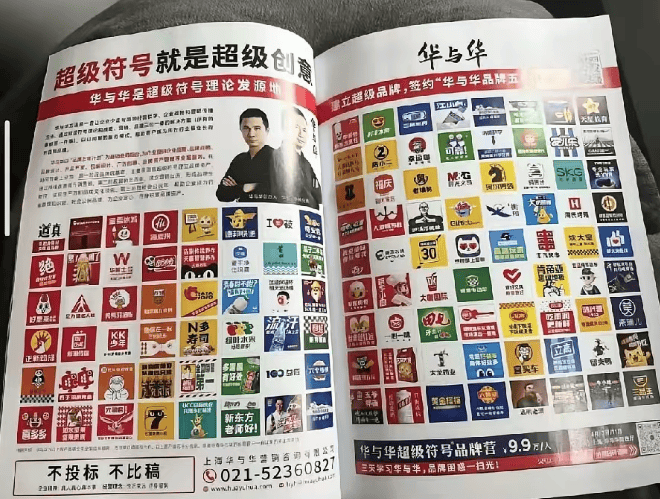
Core Insights - The acceleration of consumer market iteration and increasing homogenization among brands necessitate a clear cognitive identity for market positioning [1] - Professional planning is essential for overcoming communication challenges and accumulating core assets for brands [1] Group 1: Brand Communication - The essence of brand communication is to enable consumers to quickly perceive value and establish memory associations [3] - The core strategy of the company, "recognizable at a glance, easy to say, irresistible to play," simplifies communication and addresses consumer needs, contributing to the success of major national brands like Haidilao and Mixue Bingcheng [3] - The "Brand Triangle" theory proposed during the eight-year collaboration with Haidilao includes product structure, discourse system, and symbol system, providing a core framework for global brand positioning [3] Group 2: Symbol and Role Creation - The company created a brand character "Xiao Laolao" based on the panda, integrating elements of Sichuan culture to enhance emotional connections with consumers [4] - The character serves as a cultural ambassador, promoting traditional skills like noodle performances and Sichuan opera globally through various engagement scenarios [4] - The discourse system emphasizes cultural confidence, promoting "hot pot" as "Huoguo" internationally and creating memorable phrases and songs to enhance brand recognition [4] Group 3: Practical Planning Approach - The company's planning practices focus on simplification rather than complex theories or packaging, basing strategies on consumer cognitive patterns [6] - Effective combinations of symbols, roles, and discourse facilitate efficient brand value transmission [6] - The approach indicates that accumulating brand assets does not require elaborate crafting but rather accurately meeting needs and simplifying communication processes [6]


社会服务板块2025年四季度前瞻:促消费政策频发、休闲需求稳中向好,关注出行链布局机会
CMS· 2026-01-19 05:07
Investment Rating - The report maintains a positive investment rating for the industry, highlighting a favorable outlook for the tourism and leisure sectors due to government policies aimed at boosting domestic consumption and service spending [1][35]. Core Insights - The report emphasizes the recovery of domestic tourism, with expected growth rates of 12% in revenue and 18% in visitor numbers for Q1-Q3 2025, driven by sustained leisure travel demand and the rise of experiential consumption [1][35]. - The overall tourism market is projected to grow by over 10% for the year, supported by government initiatives such as promoting spring and autumn travel and issuing cultural tourism consumption vouchers [1][35]. - Key companies recommended for investment include China Duty Free Group, Jin Jiang Hotels, Shouqi Group, Tongcheng Travel, and Ctrip Group, alongside high-growth tea beverage stocks like Gu Ming and low-valuation restaurant growth stocks like Green Tea Group [1][35]. Summary by Sections 1. Restaurant Sector - Offline consumption is gradually recovering, with Q4 restaurant revenue showing steady growth, achieving 519.9 billion and 605.7 billion yuan in October and November 2025, respectively, with year-on-year growth of 4.99% and 4.40% [7][10]. - Leading restaurant companies are recovering faster than the industry average, with significant revenue increases noted for major players [10][14]. 2. Tea Beverage Sector - The tea beverage sector has seen a surge in same-store sales growth due to delivery subsidies, with leading brands like Gu Ming and Hu Shang A Yi maintaining high growth rates of 15-20% [7][10][14]. - The number of new store openings has doubled compared to 2024, indicating aggressive expansion strategies among top brands [16]. 3. OTA (Online Travel Agency) - The recovery of outbound travel demand is evident, with strong performance in Southeast Asia routes and a notable increase in visitor numbers to Japan and South Korea [20][24]. - The report highlights the long-term profit potential of leading OTA companies like Ctrip and Tongcheng Travel, driven by the ongoing recovery in leisure travel demand and improved commission rates [24][25]. 4. Hotel Sector - The hotel industry is expected to see a stable RevPAR (Revenue per Available Room) in Q4, with a year-on-year growth of 6-8% in room supply [29][30]. - Major hotel chains like Shouqi and Jin Jiang are projected to maintain or improve their performance, benefiting from cost reductions and increased guest traffic during holiday periods [29][30][31]. 5. Investment Recommendations - The report suggests focusing on the travel sector, particularly companies involved in OTA, hotels, and scenic spots, as they are likely to benefit from favorable government policies [1][35]. - Additionally, it recommends investing in high-growth tea beverage stocks and undervalued restaurant growth stocks, indicating a diversified approach to capitalizing on the recovery in consumer spending [1][35].



金星啤酒冲刺中式精酿第一股:高增长VS依赖症,“单腿狂奔”能走多久?
Zhi Tong Cai Jing· 2026-01-19 02:31
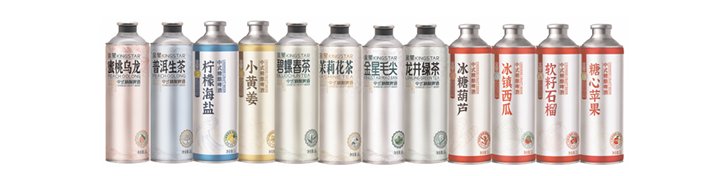
Core Insights - The Chinese craft beer market is experiencing significant growth, with retail sales expected to rise from 12.5 billion yuan in 2019 to 63.2 billion yuan by 2024, representing a compound annual growth rate (CAGR) of 38.4% [1] - The market is projected to continue expanding rapidly, with an estimated CAGR of 23.6% from 2024 to 2029, potentially reaching 182.1 billion yuan by 2029 [1] Industry Overview - The Chinese beer market is categorized into industrial and craft beer, with craft beer facing broader growth opportunities [1] - The overall beer consumption in China has been declining since peaking in 2013, leading to a focus on high-end, quality, and diverse products [3] - Craft beer has become one of the fastest-growing segments in the beverage alcohol category, with a market size CAGR exceeding 30% in recent years [3] Company Performance - Jinxing Beer has positioned itself as a leader in the craft beer segment by focusing on "Chinese craft beer," utilizing unique ingredients like tea, local fruits, and traditional medicinal foods [3] - The company has seen explosive growth in revenue and net profit, with revenues of 356 million yuan, 730 million yuan (105% YoY growth), and 1.11 billion yuan (191% YoY growth) from 2023 to the first three quarters of 2025 [4] - Net profits for the same period were 12 million yuan, 125 million yuan (941% YoY growth), and 305 million yuan (144% YoY growth) [4] Product Innovation - Jinxing Beer has developed a diverse product matrix with 166 SKUs, including 50 craft beer SKUs that contributed 78.1% of revenue in the first nine months of 2025 [3] - The company's focus on product differentiation has led to higher gross margins, with gross margins of 27.3%, 37.8%, and 47% for 2023, 2024, and the first nine months of 2025, respectively [5] Competitive Landscape - Despite its growth, Jinxing Beer faces significant competition in the craft beer market, with traditional beer giants and new entrants adopting low-price strategies [6] - The company ranks fifth in the craft beer industry by retail sales in 2024 and is the third-largest craft beer company as of the first nine months of 2025 [6] Risks and Challenges - Jinxing Beer heavily relies on its craft beer segment, with nearly 80% of its revenue coming from this category, which poses risks if market interest wanes or competition intensifies [7] - The company's growth and risk management are closely tied to the performance of its craft beer products, highlighting the need for diversification to mitigate potential downturns [7]
新股前瞻|金星啤酒冲刺中式精酿第一股:高增长VS依赖症,“单腿狂奔”能走多久?
智通财经网· 2026-01-19 02:12
Core Insights - The Chinese craft beer market is experiencing significant growth, with retail sales expected to rise from 12.5 billion yuan in 2019 to 63.2 billion yuan by 2024, reflecting a compound annual growth rate (CAGR) of 38.4% [1] - The market is projected to continue expanding rapidly, with an estimated CAGR of 23.6% from 2024 to 2029, potentially reaching 182.1 billion yuan by 2029 [1] Industry Overview - The Chinese beer market is categorized into industrial and craft beer, with craft beer facing broader growth opportunities [1] - The overall beer consumption in China has been declining since peaking in 2013, leading to a focus on high-end, quality, and diverse products [3] - Craft beer has become one of the fastest-growing segments in the beverage alcohol category, with a market size CAGR exceeding 30% in recent years [3] Company Performance - Jinxing Beer has positioned itself as a leader in the craft beer segment by focusing on "Chinese craft beer," utilizing unique ingredients like tea, local fruits, and traditional medicinal foods [3] - The company has seen rapid growth, ranking as the fastest-growing among the top five craft beer companies in China from 2022 to 2024 [3] - Jinxing Beer reported revenues of 356 million yuan, 730 million yuan (105% YoY growth), and 1.11 billion yuan (191% YoY growth) for the years 2023 to 2025 [4] - Net profits for the same period were 12 million yuan, 125 million yuan (941% YoY growth), and 305 million yuan (144% YoY growth) [4] Financial Metrics - The gross margin for Jinxing Beer has improved significantly, with rates of 27.3%, 37.8%, and 47% for the years 2023, 2024, and the first nine months of 2025, respectively [5] - The net profit margin has also increased, reaching 3.4%, 17.2%, and 27.5% for the same periods [5] Competitive Landscape - Despite its growth, Jinxing Beer faces competition from traditional beer giants and new entrants in the craft beer market, which could pressure its market position [6][7] - The company relies heavily on its craft beer segment, with nearly 80% of its revenue coming from this category, raising concerns about its long-term growth stability [7] - The competitive landscape is characterized by a fragmented market, with established players beginning to enter the craft beer space [6]
创始人张勇,“重新”掌舵870亿海底捞
阿尔法工场研究院· 2026-01-19 02:02
Core Viewpoint - The article discusses the challenges faced by the hot pot industry, particularly focusing on Haidilao, and highlights the shift in consumer preferences towards tea beverage brands, which are currently favored in the capital market [3][4][18]. Group 1: Industry Trends - The restaurant industry is experiencing a shift where supply chain and standardization are becoming key answers to current challenges, as seen with companies like Mixue Ice City and Gu Ming [3]. - Tea beverage companies are receiving higher valuations compared to traditional restaurant businesses, indicating a trend that is unlikely to reverse in the short term [3][18]. - The rapid expansion of tea beverage brands is attributed to lower investment requirements and easier scalability compared to the hot pot industry [17][21]. Group 2: Haidilao's Performance - Haidilao's market valuation has not recovered despite achieving record high revenues, with a peak market value of over 450 billion HKD in 2021 [6][10]. - The company faced a net loss of 4.163 billion CNY in 2021, leading to a leadership change where founder Zhang Yong returned to the helm [12][15]. - Under the new leadership, Haidilao's revenue reached 41.453 billion CNY in 2023, with a net profit of 4.499 billion CNY, marking a historical high [15]. Group 3: Management Changes and Strategies - The return of Zhang Yong is seen as a strategic move to refocus on the core hot pot business and optimize the secondary brand strategy [17][21]. - Haidilao's attempts to diversify through the "Red Pomegranate Plan" have not yielded the expected results, with revenue and net profit showing only slight increases in 2024 [16][18]. - Frequent management changes reflect the company's anxiety about future performance and the need to adapt to changing consumer preferences [17][21]. Group 4: Consumer Behavior and Market Dynamics - Consumer preferences are shifting, leading to a decline in the hot pot industry's appeal, as evidenced by a drop in customer traffic and average daily sales [21]. - The sensitivity of consumers to pricing in the hot pot sector is higher compared to tea beverages, which affects overall sales performance [21]. - The article concludes that Haidilao's structural adjustments may not resolve current issues, and a market recovery is necessary for the company to regain investor confidence [21].
贾国龙二战罗永浩!谁才是压垮西贝的真凶?
商业洞察· 2026-01-18 09:23
Core Viewpoint - The article discusses the recent challenges faced by Xibei, particularly the closure of 102 stores, which represents about 30% of its total outlets, due to a significant decline in business attributed to public backlash over pre-prepared food accusations [5][11]. Group 1: Store Closures and Employee Impact - Xibei will close 102 stores in the first quarter, affecting approximately 4,000 employees, citing "overwhelming slander" as the main reason for the business downturn [5]. - The company has committed to ensuring that departing employees receive their full wages and that customer prepaid cards can be used at other locations or refunded immediately [5]. Group 2: Denial of Pre-prepared Food Accusations - Xibei's management strongly denies the accusations of using pre-prepared food, clarifying the difference between "central kitchen preparation" and "pre-packaged meals," asserting that their practices comply with national definitions [6][5]. - The article highlights that while Xibei's technical definition of pre-prepared food may be correct, public perception differs, leading to a disconnect between compliance and consumer trust [7]. Group 3: Business Viability and Market Dynamics - The closure of these stores is seen as a necessary move due to low profitability, with Xibei's average store net profit margin at only about 5%, and some loss-making stores facing fixed monthly costs nearing 500,000 [11]. - The article suggests that the pre-prepared food controversy was not the sole cause of Xibei's struggles but rather the tipping point in a broader context of changing market conditions and consumer expectations [12][14]. - Competitors like Mixue Ice City are expanding aggressively, while other high-end brands are scaling back, indicating a shift in market dynamics where value perception is increasingly critical [14].

餐饮业绝境求生丨晚点周末
晚点LatePost· 2026-01-18 07:05
Core Viewpoint - The restaurant industry is facing a severe crisis, with high closure rates and changing consumer expectations, leading to a survival game for many businesses [4][6][12]. Industry Overview - The restaurant industry in China has seen a significant increase in new openings, with 3.15 million new restaurants in 2023 and 3.7 million expected in 2024, but closures are also high, with 3 million and 3.35 million respectively, resulting in an average of nearly 10,000 closures per day [6][12]. - Major brands like Haidilao and Xibei are struggling, with Haidilao experiencing declines in customer spending and turnover rates [7][15]. Consumer Behavior Changes - Consumers are now expecting lower prices and higher quality, with average spending dropping from 120-180 RMB to 80-100 RMB, and even as low as 60-80 RMB in some cases [13][14]. - The demand for fresh ingredients and a better dining experience is increasing, leading to a shift in menu offerings and pricing strategies [13][16]. Business Model Challenges - Xibei's business model is under scrutiny due to its high operational costs, including a significant portion of revenue spent on non-food-related expenses [8][10]. - The reliance on delivery services has increased, with Xibei reportedly generating about 40% of its revenue from takeout, which is above the industry norm of 20% [11][12]. Competitive Landscape - The competition in the restaurant sector is intensifying, with many brands reducing prices and focusing on core menu items to maintain profitability [14][21]. - Successful brands are adopting efficient supply chain practices, with companies like Sallya leading the way in cost control and operational efficiency [22][27]. Marketing and Customer Engagement - New marketing strategies are essential, with many brands investing heavily in social media and promotional activities to attract customers [17][18]. - The importance of creating a unique dining experience and maintaining customer loyalty is emphasized, with some businesses focusing on building strong relationships with repeat customers [20][21]. Future Outlook - The industry is expected to continue evolving, with a focus on efficiency and cost management becoming critical for survival [29][30]. - Brands that can adapt to changing consumer preferences and streamline operations are likely to thrive in the current challenging environment [28][29].

1777家门店,年入63亿!国内最大的中式快餐店,三战港股IPO!
Sou Hu Cai Jing· 2026-01-18 05:16
上市之家获悉,中式快餐品牌老乡鸡近期第三次向港交所递交招股书,中金公司与国泰海通担任联席保荐人。 这一轨迹并非个例,近年来九毛九、蜜雪冰城等餐饮企业均因A股审核严苛转战港股,2025年以来小菜园、古茗、绿茶餐饮等相继登陆港股,推动消费赛 道"港股热"升温。 01 坎坷上市路 老乡鸡的资本化征程堪称"屡败屡战"。2022年5月,其首次向上交所递交A股申请,彼时市场给出180亿元估值,却因证监会直指实际控制人行贿风险、社 保缴纳不规范等45条核心问题,当年8月审核被终止。2023年2月二次冲击A股后,公司于8月主动撤回申请,坦言A股上市周期与战略规划不匹配。 转战港股后,进程依旧坎坷。2025年1月首次递表因未按期更新材料失效,7月更新招股书二次递表仍未能成功推进。截至2026年初第三次递表,胡润研究 院数据显示其估值已腰斩至90亿元。 港股审核对餐饮企业相对宽松,但并非毫无门槛。有券商分析师指出,港股对管理层诚信要求严格,老乡鸡需参考小菜园经验,通过引入职业经理人、设 立独立董事会提升治理透明度,方能应对监管审视。此次募资拟用于供应链强化、门店扩张、数字化升级及品牌推广等,试图借助资本加速全国布局。 02 短板 ...

跨境出海周度市场观察-20260118
Ai Rui Zi Xun· 2026-01-18 05:06
Industry Trends - Goldman Sachs' "2025 Global E-commerce Handbook" suggests Chinese sellers focus on ASEAN, Latin America, and the EU, as global e-commerce growth slows[1] - China's direct investment in South Africa is projected to reach $13.21 billion in 2024, shifting from traditional infrastructure to consumer goods and renewable energy[1] - Chinese automotive global market share is expected to reach 38%, with overseas sales potentially hitting 15%-20% by 2030[1] - By 2025, China's outbound model is expected to shift from single-point sales to systematic capability output, enhancing user shopping experiences[1] Top Brand News - Genki Forest has entered over 40 countries, emphasizing brand value and cultural attitudes rather than low prices[10] - Sweet Tea has opened over 200 overseas stores in two years, focusing on balancing global standards with local operations[11] - INTO YOU's overseas sales have surpassed 150 million yuan, marking a shift from product output to brand output in the beauty sector[12] - Xiangpiaopiao plans to invest $38 million in Thailand to expand in Southeast Asia amid declining domestic revenue[14]
东北夫妇卖披萨,要IPO了
3 6 Ke· 2026-01-17 08:41
Core Viewpoint - Big Pizza, a local pizza buffet brand founded by a couple from Northeast China, is preparing for an IPO on the Hong Kong Stock Exchange, with CCB International as the sole sponsor [1][4]. Company Overview - Big Pizza was established in 2002 by Zhao Zhiqiang and his wife after they moved from Heilongjiang to Beijing, where they opened their first pizza store near the Beijing Zoo [4]. - The brand focuses on affordable pricing, offering a single buffet meal for around 39 yuan, significantly lower than competitors like Pizza Hut [4][5]. - As of September 2025, Big Pizza operates 342 stores, with 265 being self-operated and a membership base of approximately 9.3 million [9]. Financial Performance - Big Pizza's revenue for 2023, 2024, and the first nine months of 2025 was 944.5 million yuan, 1.147 billion yuan, and 1.389 billion yuan, respectively, with net profits of 47.52 million yuan, 41.74 million yuan, and 51.65 million yuan [9][10]. - The company maintains a gross profit margin of around 80% and has a net profit margin of approximately 5% to 3.7% over the same period [9]. Market Position - Big Pizza is ranked first among local pizza restaurants in China and third overall in the pizza market, holding a market share of 1.2% [9]. - The brand is often compared to "China's version of Salia," appealing to younger consumers with innovative menu items and a family-friendly atmosphere [5][9]. Expansion Plans - The company aims to open over 160 new stores in 2025, nearly matching its total openings over the past 22 years, and plans to reach 1,000 stores by 2028 [5][11]. - Big Pizza is set to enter the competitive Shanghai market, which poses challenges due to higher operational costs and established competitors [11]. Product Strategy - Big Pizza offers a diverse menu with around 130 to 140 SKUs, including unique items like durian pizza and mini pizzas priced at 19.9 yuan [7][9]. - The company follows a product innovation strategy, introducing new items every four months and replacing the least popular ones to achieve a 30% SKU turnover annually [7].