
ST易购

Search documents
家电爆卖!有人几天买齐两套房所需家电,近2万元的电视1.4万元抱回家,商家称手机销售额增加300%
Mei Ri Jing Ji Xin Wen· 2025-06-04 12:32
Core Insights - The implementation of the "trade-in for new" policy is significantly stimulating consumer spending in the appliance market, as evidenced by increased sales figures and consumer engagement [1][2][3] Consumer Behavior - Consumers are actively purchasing home appliances, with reports of individuals buying multiple items for new homes, driven by government subsidies [1][4][7] - The demand for products eligible for government subsidies is high, with many customers inquiring specifically about which items qualify for discounts [6][10] Sales Performance - Retailers are experiencing a surge in sales, with some reporting a 300% increase in mobile phone sales since the subsidy policy was enacted [2][11] - In Jinan, a flagship store reported a revenue of approximately 1.3 billion yuan, with over 90% of products participating in the subsidy program [6][14] Policy Impact - The subsidy program has expanded from covering 8 categories to 12, now including mobile phones and tablets, which has further boosted sales in these segments [10][12] - The government is actively supporting businesses by ensuring quick reimbursement of subsidy funds, which alleviates financial pressure on retailers [13][15] Market Trends - The market is witnessing a shift towards higher quality and smarter appliances, with a notable increase in the sales of 3C products (computers, communication, and consumer electronics) [12][14] - Retailers are adjusting product pricing to fit within the subsidy framework, enhancing consumer access to discounted items [12][14] Financial Mechanisms - The government has established a pre-approval mechanism for subsidy funds, allowing businesses to receive up to 80% of the subsidy amount upfront, which encourages participation in the program [14][15] - The overall financial support for the "trade-in for new" initiative is substantial, with plans for significant funding allocations in the coming years to sustain consumer confidence and spending [17]

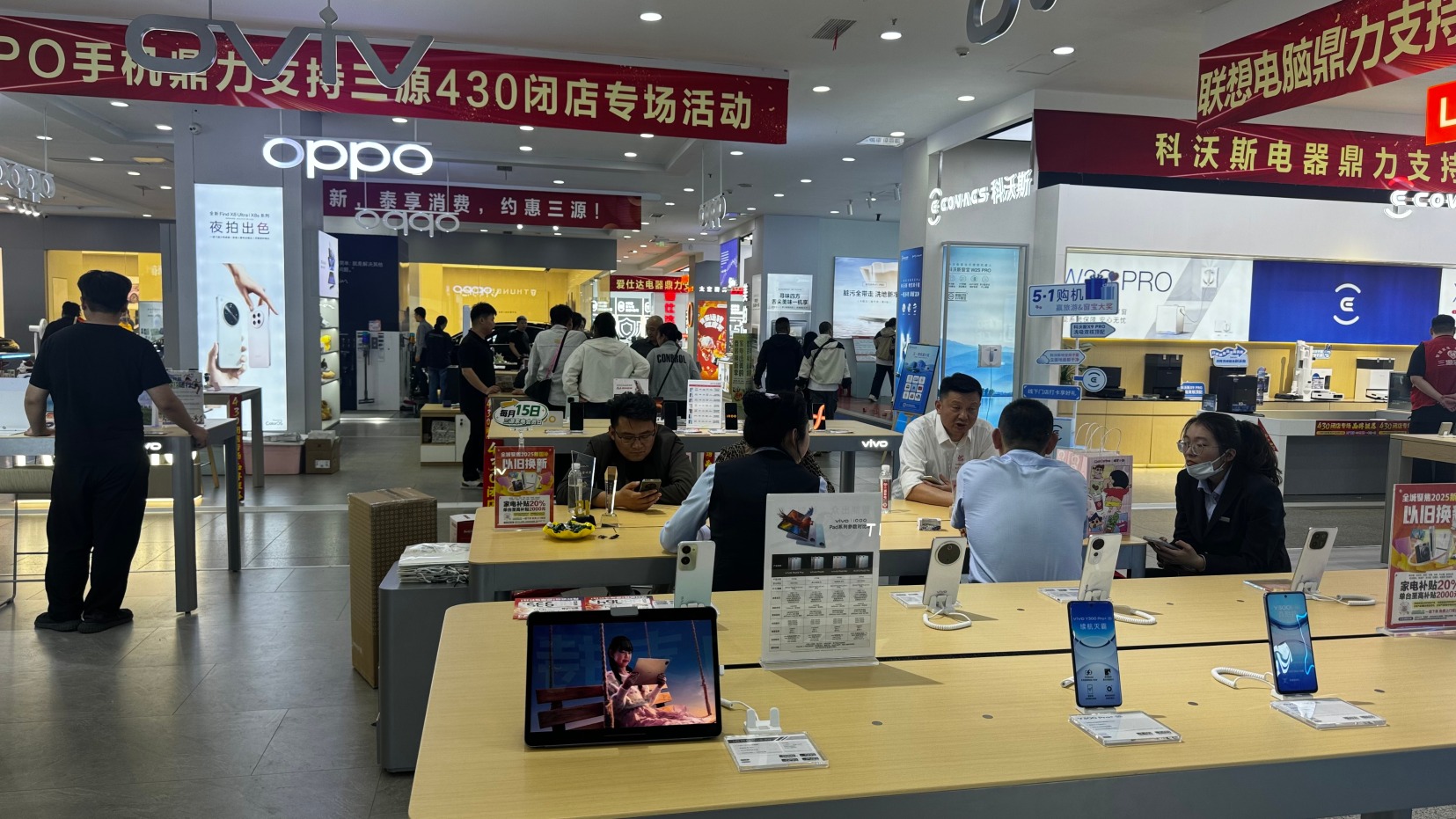
2025年中国智慧零售市场洞察:AI重塑线上线下消费体验
Tou Bao Yan Jiu Yuan· 2025-06-04 12:23
Investment Rating - The report does not explicitly provide an investment rating for the smart retail industry Core Insights - The smart retail industry is characterized by the integration of AI, big data, and IoT technologies to enhance consumer experience and operational efficiency, shifting from a product-centric to a consumer-centric model [12][13][27] - The future development trends of smart retail include internal system integration, instant delivery services, personalized recommendations, and catering to the aging population [6][18] Summary by Sections Research Purpose & Summary - The report aims to systematically outline the practical paths, development history, policy environment, application scenarios, and future trends of smart retail [2] Smart Retail Practice Path - The core principle of smart retail is to utilize emerging technologies to gain insights into consumer habits, predict consumption trends, and guide production, focusing on demand forecasting and store analysis [4][15] - Key applications include smart stores and instant retail, which aim to optimize supply chains and enhance consumer experiences through data integration [4][6] Smart Retail Industry Overview - Smart retail is defined as the reconstruction of the retail industry through AI, big data, and IoT, focusing on consumer experience rather than just products [12][13] - The evolution of China's retail industry has progressed through traditional retail, e-commerce, new retail, and now smart retail, with significant technological integration [18][19] Policy Environment - Since 2020, the government has introduced various policies to encourage the smart transformation of retail facilities and the application of technological achievements in consumer sectors, aiming to establish a modern retail system by 2029 [21] Application of Smart Retail - Smart stores serve as the core carriers of smart retail, utilizing technologies like facial recognition and AI to enhance customer interaction and operational efficiency [25][27] - Instant retail, as a significant branch of smart retail, leverages technology and local supply to provide rapid delivery services, with a strong growth trend in lower-tier markets [28][32] Industry Application by Sector - The report highlights various sectors such as supermarkets and restaurants, emphasizing the need for data-driven consumer insights and the integration of online and offline channels to enhance customer engagement and operational efficiency [34][35]
绿色快递新规本月正式实施,循环箱终于“熬出头了”?
3 6 Ke· 2025-06-04 10:27
Core Viewpoint - The implementation of the revised "Interim Regulations on Express Delivery" by the State Council marks a new phase in the green transformation of China's express delivery industry, focusing on the greenization, reduction, and recyclability of packaging [1][3]. Government Measures - The revised regulations emphasize express packaging governance, introducing a dedicated chapter on "express packaging" that mandates resource conservation, prevention of excessive packaging, and compliance with national standards [3]. - The new regulations establish a link between regulations and standards, reinforcing the necessity of implementing mandatory national standards and creating a framework for green development involving government guidance, corporate responsibility, industry self-regulation, and public participation [3]. Industry Development - The concept of circular packaging originated in the late 1970s in Europe and has evolved significantly, with companies like CHEP leading the way in pallet and container reuse [5]. - In China, companies such as Grayscale Environmental Protection have pioneered the use of eco-friendly, foldable circular packaging materials, achieving over 11.9 million cycles of reuse [5][7]. - Major players like JD.com and SF Express have also initiated circular packaging projects, with JD.com launching the "Qingliu Box" in 2017 and participating in pilot programs for scalable circular packaging applications [7][10]. Performance of Chinese Express Companies - A report by Baibai in 2024 evaluated the green transformation of e-commerce express packaging, with SF Express scoring 76.5 points, leading the industry, followed by JD.com, Alibaba, and Vipshop [10]. - In 2024, SF Express reduced paper usage by 23,000 tons and plastic usage by 82,000 tons, while recycling nearly 6 billion times through reusable packaging containers [12]. - JD.com has invested in specialized cold chain circular boxes, achieving over 8.5 million uses and reducing carbon emissions by 72,500 tons in 2024 [14]. International Practices - Germany has implemented strict regulations on packaging, requiring companies to register and take responsibility for their packaging from production to recycling, with penalties for non-compliance [16][17]. - Belgium is exploring sustainable packaging solutions through initiatives like the PPWR, which aims to promote reusable and recyclable packaging across EU member states by 2025 [22][23]. Future Trends - The future of circular packaging will rely on global collaboration and technological innovation, with a focus on developing new materials and smart packaging technologies to enhance recycling efficiency and reduce waste [25].


当王健林,失去「五百个小目标」
Sou Hu Cai Jing· 2025-06-04 09:00
声明|题图来源于网络。惊蛰研究所原创文章,如需转载请留言申请开白。 端午节前,国家市场监督管理总局的一则公示引爆网络——万达集团以近500亿元的价格将48座万达广场打包出售。太盟投资集团(PAG)联合腾讯、京 东、阳光人寿等机构设立的合营企业,拟收购大连万达商管旗下48家公司的全部股权。 如此大规模出售核心资产的背后,是王健林身上日益增大的债务压力。 早在5月初,王健林所持大连万达商业管理集团股份有限公司,已有约3亿股权冻结。加上此前被冻结的大连万达集团、大连合兴投资、万达体育等公司股 权,这位前首富被冻结股权数额已累计达到4.9亿元。 仔细观察会发现,不论接盘万达抑或申请冻结万达股权的,都是王健林的"老熟人"。不同的是,有人慷慨解囊,有人冷面追债。世故的冷暖混杂着生意场 上的考量,正在这位三度"中国首富"得主的朋友圈里,上演着悲喜交加的故事。 老王发愁,"老友"出手 作者|吴嗯 危急之时,马化腾前来雪中送炭。2018年,腾讯控股作为主发起方,联合另外三家企业投资约340亿元人民币,为万达之前的对赌协议"买单"。 2021年,A股上市未果之后,万达又以珠海万达商管为主体,与22家投资者签订了股份转让协议,协议 ...

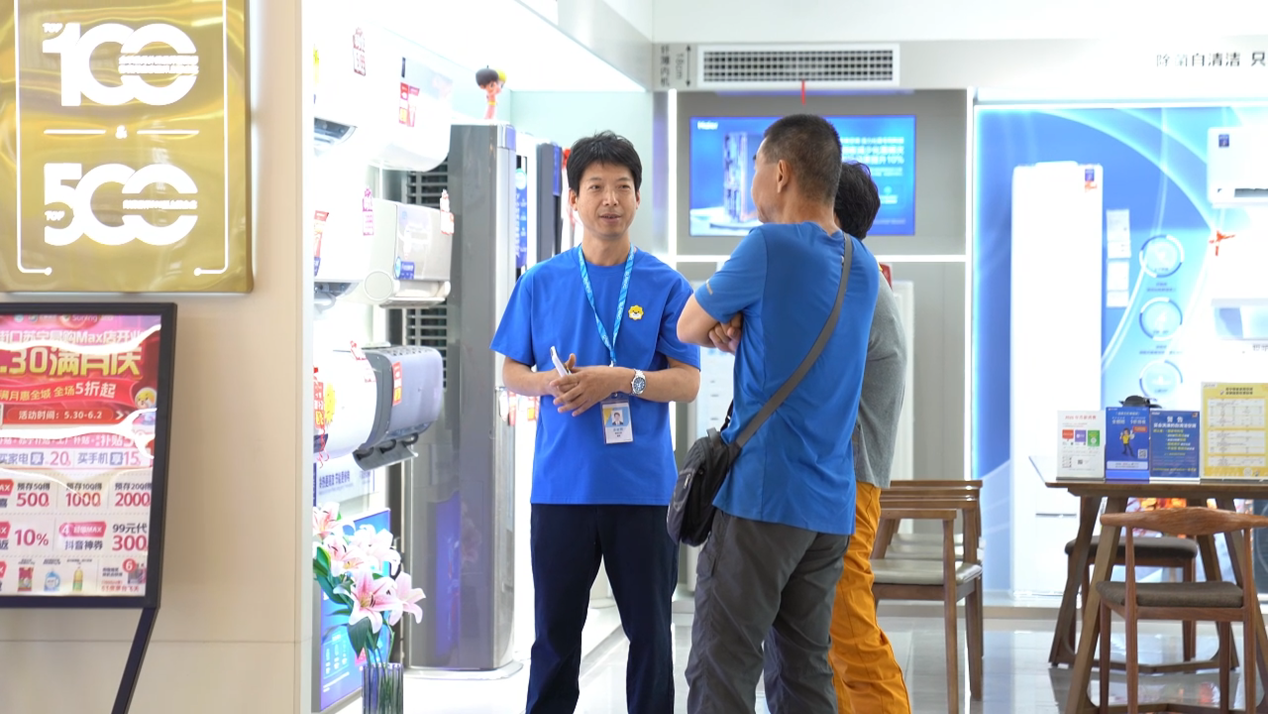
从“卖单品”到“管全程”:苏宁易购家电管家重塑服务价值链
Zhong Jin Zai Xian· 2025-06-04 07:57
Core Viewpoint - Suning.com has launched a new position called "Home Appliance Steward" to provide comprehensive, customized, and professional services throughout the entire purchasing process, aiming to set a benchmark for full-link service in the home appliance industry [1][6]. Group 1: Service Model - The "Home Appliance Steward" program includes over 5,000 certified stewards nationwide, offering 1V1 personalized service that covers pre-sale, in-sale, and post-sale stages [1][3]. - The service model emphasizes a full lifecycle solution, addressing consumer demands for integrated home appliance and home decoration services, as over 70% of consumers prioritize "scene adaptability" and "whole-house design" when purchasing appliances [1][3]. Group 2: Consumer Experience - The program provides pre-sale services such as free on-site measurements and customized design consultations, enhancing consumer decision-making from the outset [3][4]. - During the purchasing process, stewards accompany consumers to ensure a seamless experience, allowing them to purchase all necessary appliances and home decor in one go [3][4]. Group 3: Strategic Upgrade - The introduction of the "Home Appliance Steward" signifies a strategic upgrade in service capabilities, moving away from traditional retail models that end service after a transaction [6]. - Suning.com aims to reshape consumer perception of service quality, focusing on creating value through user-centered service rather than competing solely on price and traffic [6].

财达证券晨会纪要-20250604





Caida Securities· 2025-06-04 03:34
【今日上市】 603382 海阳科技 2025-06-04(网上中签率公布日) 【公告停牌】 晨会纪要 2025-06-04 2025 年 06 月 04 日 星期三 【摘要】 000506 *ST中润 2025-06-04(刊登撤销退市风险警示及其他风险警示暨停复牌的公告,停牌一天) 159529 景顺长城标普消费精选ETF(QDII) 2025-06-04(为保护投资者利益,景顺长城标普消费精选ETF(QDII)将于 2025年6月4日开市起至当日10:30停牌) 159612 国泰标普500ETF 2025-06-04(为维护投资者利益,国泰标普500ETF将于2025年6月4日开市起至当日10:30停 牌) 169106 东方红创新优选定开混合 2025-06-04(刊登分红公告,自2025年6月4日上午开市起停牌一小时,上午十点三 十分复牌) 【特殊停牌】 000584 *ST工智 2025-06-04(刊登公司股票停牌暨可能被终止上市的风险提示公告,公司股票将于2025年4月28日开 市起停牌) 000622 *ST恒立 2025-06-04(刊登无法在法定期限内披露定期报告致股票可能被终止上市暨 ...
2025年618,你一定要关注的10个新趋势
3 6 Ke· 2025-06-03 23:54
Core Insights - The 618 shopping festival is evolving, reflecting changes in consumer behavior and market dynamics, with a shift towards more rational consumption and new trends emerging [1][2]. Group 1: Trends in E-commerce - The 618 festival has expanded internationally, with Chinese products finding new markets abroad, particularly in the U.S., due to favorable trade conditions [3][6][7]. - E-commerce platforms are simplifying their promotional rules, moving away from complex discount structures to more straightforward pricing strategies, enhancing the shopping experience [9][12]. - There is a resurgence of focus on extreme cost-performance ratios, with consumers prioritizing value optimization over mere low prices [13][14]. Group 2: Consumer Preferences - Consumers are increasingly seeking personalized products and niche brands, reflecting a desire for unique and customized shopping experiences [15][16]. - The integration of content and e-commerce is becoming seamless, allowing consumers to purchase directly from social media platforms, enhancing convenience [17][19]. - Instant retail is gaining traction, with consumers expecting rapid delivery times, transforming the logistics landscape [20][22]. Group 3: Market Dynamics - Platforms are shifting their focus from low prices to quality and service, indicating a move towards refined operations in the e-commerce sector [23]. - The "trade-in" model is stimulating market activity, particularly in durable goods, by encouraging consumers to upgrade their products [24][26]. - The potential of lower-tier markets is being recognized, with brands and platforms targeting these areas for growth opportunities [28][30]. Group 4: Technological Integration - AI is enhancing the shopping experience, making interactions with products and platforms more efficient and personalized [31][33][36]. - The overall landscape of the 618 festival is transforming, with a focus on consumer-led trends, value-driven purchases, and technological advancements [37].
2025年全国“服务消费季”暨“苏新服务·惠享生活”活动在宁启动
Nan Jing Ri Bao· 2025-06-03 23:45
Core Viewpoint - The 2025 National "Service Consumption Season" and "Su Xin Service · Enjoy Life" event was launched in Nanjing, aiming to enhance service consumption across various sectors and improve consumer experiences through over 160 key activities [1][2]. Group 1: Event Overview - The event was initiated with participation from 12 central departments, 13 national industry associations, and various local and leading platform enterprises [2]. - Jiangsu province introduced a "Service Consumption Benefit Package" focusing on sectors such as elderly care, catering, and tourism to enhance consumer welfare [2]. - Nanjing released the first edition of the "Ning Enjoy Service" consumption guide, covering 12 fields and featuring nearly 200 selected service points [2]. Group 2: Market Engagement - The "Wander Su Suitable Circle" themed market featured five interactive experience zones, showcasing elements like health consumption, cultural entertainment, and digital consumption [3]. - The market included various brands and activities, such as Michelin food stalls and outdoor camping experiences, promoting a vibrant service consumption atmosphere [3][4]. Group 3: Sustainability Initiatives - The event emphasized green and low-carbon development, with carbon emissions scientifically measured and offset to achieve carbon neutrality [4]. - A circular economy market was set up to promote sustainable consumption practices, featuring digital recycling and second-hand products [4]. Group 4: Innovation in Service Consumption - The International Business Daily highlighted ten innovative service consumption case studies, with Nanjing's Hongshan Forest Zoo recognized for its successful integration of experience, IP, and fusion economies [5]. - Nanjing's service consumption development is supported by a robust policy framework and a commitment to high-quality growth, positioning the city as a leader in service consumption innovation [5][6]. Group 5: Future Plans - Nanjing has outlined four strategic blueprints for service consumption, focusing on brand development, innovative scene creation, activity matrix construction, and enhancing digital service capabilities [6].
销售额同比增长7.8%,宿迁“端午经济”热气腾腾!
Sou Hu Cai Jing· 2025-06-03 13:02
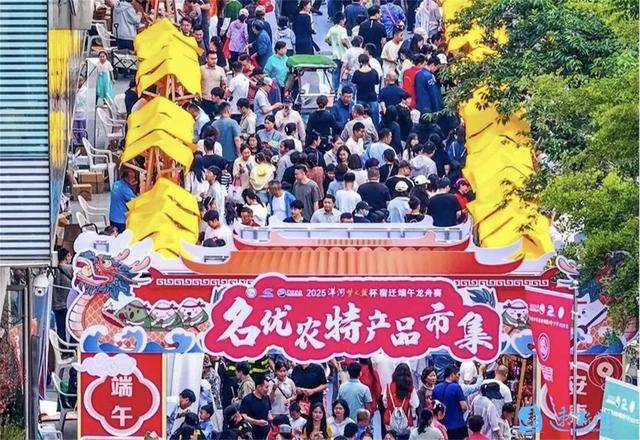
Core Insights - The consumption market in Suqian City showed a vibrant trend during the Dragon Boat Festival, with key monitored commercial enterprises reporting a 7.8% year-on-year increase in sales, reflecting a blend of traditional customs and modern business practices [1] Group 1: Cultural and Event-Driven Consumption - Traditional cultural activities, such as dragon boat races and themed food stalls, attracted large crowds, leading to a 25% increase in restaurant and accommodation bookings [3] - The "Chuyun Dragon Boat Festival" theme event at Xiang Wang's hometown featured interactive games and traditional crafts, resulting in a 25% increase in sales of intangible cultural heritage products [5] Group 2: Retail and Promotional Strategies - Supermarkets implemented a "Festival + Discount" strategy, with sales of traditional items like zongzi and mugwort increasing by 50%, and sales of seasonal products exceeding 100,000 yuan [6] - Major shopping centers reported a 7.1% increase in sales, with a total foot traffic of 536,000, up 8.9% year-on-year [8] Group 3: Restaurant Sector Performance - The restaurant industry experienced a revival, with family gatherings and themed meals becoming popular, leading to a 200% increase in online orders for certain restaurants [9] - Key restaurants reported a 11% increase in revenue compared to the previous year, with high booking rates for special Dragon Boat Festival menus [11] Group 4: Policy and Economic Impact - Joint promotional efforts by government and businesses effectively stimulated consumption, with various events and subsidies driving sales across multiple sectors [12] - In the home appliance sector, major retailers reported a 15.5% increase in sales due to preemptive promotional activities [14] - The automotive sector saw a 12.3% increase in sales during the holiday, supported by significant promotional events [15] Group 5: Market Supply and Stability - The Suqian City Business Bureau monitored essential goods, ensuring a stable supply of food products, with prices remaining steady during the holiday [16] - The successful performance of the consumption market is attributed to the creative transformation of traditional cultural resources and a dual-driven approach of policy and market strategies [16]
养老金融周报(2025.05.26-2025.06.02)
Ping An Securities· 2025-06-03 10:20
Investment Rating - The industry investment rating is "Outperform the Market," indicating that the industry index is expected to perform better than the market by more than 5% over the next six months [24]. Core Insights - The report highlights three significant events in the global pension sector, including the Canadian CPP's sale of its fossil energy trading platform, the Korean NPS's increase in overseas stock investments, and the UK government's legislative push for pension investments in the domestic private equity market [1][2][11]. Summary by Sections Canadian CPP's Sale of Fossil Energy Platform - On May 30, Canadian CPP Investments announced the sale of its entire 98% stake in the fossil energy acquisition platform EAP to EOG Resources for $5.6 billion. This sale does not indicate a change in CPP's investment strategy in the U.S. [6][7]. Korean NPS's Increase in Overseas Stock Investments - The Korean National Pension Service (NPS) plans to raise its overseas stock allocation target from 35.9% to 38.9% by 2026, which translates to an additional investment of approximately $26.5 billion into foreign stock markets. This strategy aims to hedge against domestic market weaknesses and enhance overall returns [9][10]. UK Government's Legislative Push for Domestic Private Equity Investments - The UK government has proposed legislation to mandate pension plans to invest in the domestic private equity market and set local investment targets. The review aims to reverse the declining trend of UK pension plans investing domestically, which has dropped from over 50% in 2012 to about 20% currently [11][12].