
华为

Search documents
2026智驾迎来“价值深化”新一年
Zhong Guo Qi Che Bao Wang· 2026-01-23 09:15
Core Insights - The automotive industry is increasingly focusing on intelligent assisted driving, with companies like BYD investing over 100 billion yuan and forming specialized teams to enhance their capabilities [2] - The shift in the industry is moving from scale and accessibility to user experience, emphasizing the importance of value creation in the competitive landscape [3][12] Investment and Development - BYD has established a team of over 5,000 for assisted driving and aims to deploy its "Tian Shen Zhi Yan" system in over 2.5 million vehicles by December 2025, generating over 150 million kilometers of effective driving data daily [3] - The establishment of new companies, such as the joint venture between BAIC and Horizon Robotics, indicates a growing trend towards collaboration in the intelligent driving sector [2][4] Technological Pathways - Companies are adopting full-stack self-research as a key strategy to deepen their understanding of technology and user needs, with BYD exemplifying this approach through significant investment and team size [3][5] - Open collaboration with third-party solution providers is also becoming a vital strategy, allowing companies to enhance their systems' performance and functionality through shared resources [4][5] User Experience and Market Trends - The concept of "intelligent driving equity" is emerging, indicating a shift towards making advanced driving features accessible in the mid-range vehicle market, particularly in the 100,000 to 150,000 yuan price range [12][14] - User feedback highlights the importance of stability in high-frequency scenarios, ease of use in interaction design, and the need for cost-effective solutions [13][14] Industry Dynamics - Suppliers are transitioning from providing single hardware products to offering integrated software and hardware solutions, becoming deep partners in the development of intelligent driving systems [6][8] - The competitive focus is shifting from merely having intelligent driving capabilities to ensuring their reliability, safety, and user-friendliness in complex driving environments [7][11] Future Outlook - The industry is expected to evolve towards a model where technology is not only usable but also provides a good user experience, ultimately leading to a sustainable business model [14] - As regulations and infrastructure improve, the Chinese intelligent driving industry is poised for high-quality development on a global scale, driven by technology and user experience [14]

郭凡生:不看好黄仁勋,英伟达像“庞氏骗局”,AI泡沫或将在美国破裂
Feng Huang Wang Cai Jing· 2026-01-23 08:39
但他同时也表示,中国大部分上市企业仍然存在短板,需警惕"接不住"风险。他认为,当前部分上市公 司"只保老板利益,不保员工利益",导致创新动力不足;而华为等未上市企业虽机制灵活(如全员持股 分红),却难以成为主流。"现代企业制度的核心是让员工共享发展成果,上市公司若能解决这一问题, 将成为AI创新的'主力军'。" 针对当前AI投资热潮,郭凡生警示"美国AI泡沫已近破裂"。他以互联网为例,"当年互联网最大的坑就 在美国,美国出现坑之后没几年,它就金融危机了"。 他认为,英伟达等企业的市值增长存在"自循环"嫌疑(如与OpenAI、谷歌互相采购推高业绩),类似"庞 氏骗局";若无法让外部用户真正通过AI盈利,泡沫终将破裂。"今年可能出现拐点,美国经济将首当其 冲受冲击。"相比之下,中国因政策稳健、注重开源与成本控制,有望在泡沫破裂后承接产业资源,"中 国经济环境或因此改善"。 凤凰网财经讯1月22日,由上市公司领袖俱乐部、凤凰网财经联合主办的"'A+H新浪潮'暨第三十四期上 市公司企业家交流会"于北京东方茂酒店召开,汇聚李国庆、兰世立等重磅嘉宾,聚焦A+H股上市公司 面临的产业升级、资本运作、跨境布局的多重机遇与挑战 ...

eSIM手机再“添丁”,荣耀推出首款eSIM机型
Bei Jing Ri Bao Ke Hu Duan· 2026-01-23 08:29
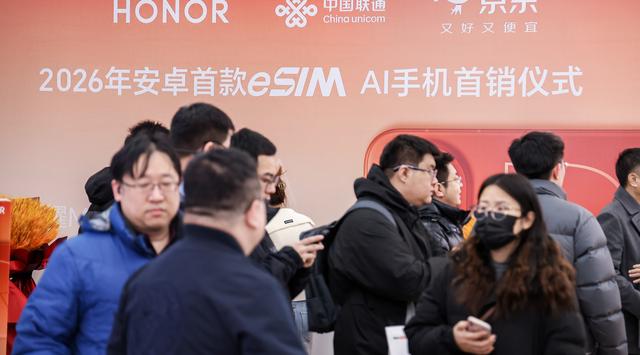
随着eSIM手机逐步走向市场,运营商也同步推出适配的eSIM套餐及尝鲜优惠。联通华盛通信有限公司 终端销售部总经理陈立在现场介绍,中国联通目前推出办理eSIM卡赠送话费、搭配大流量且月末不清 零等优惠。"出国旅游时,可直接秒切换eSIM境外流量包,上网更加便捷。" eSIM手机市场迎来新成员。继苹果、华为等厂商陆续推出相关机型后,荣耀也在今年年初发布了旗下 首款支持eSIM功能的手机,标志着eSIM技术在主流品牌中的进一步普及。 1月23日上午,荣耀首款eSIM手机Magic8 Pro Air在中国联通西单营业厅开启首销。北京市民陈先生一早 来到现场领取自己预订的新机:"第一次用上eSIM手机,仅有155克重,手感很轻薄!" 首销会现场 据介绍,该款手机支持"四卡双待"功能,可同时容纳两张实体SIM卡和两张eSIM卡,为用户提供更灵活 的通信组合选择。 工作人员展示荣耀eSIM新机。 去年10月下旬,首款支持eSIM的国行版iPhone Air正式发售,取消了实体SIM卡槽。此后,国内手机厂 商纷纷跟进,目前OPPO Find X9 Pro卫星通信版、华为Mate 80 RS非凡大师等机型均已搭载eSIM功能 ...
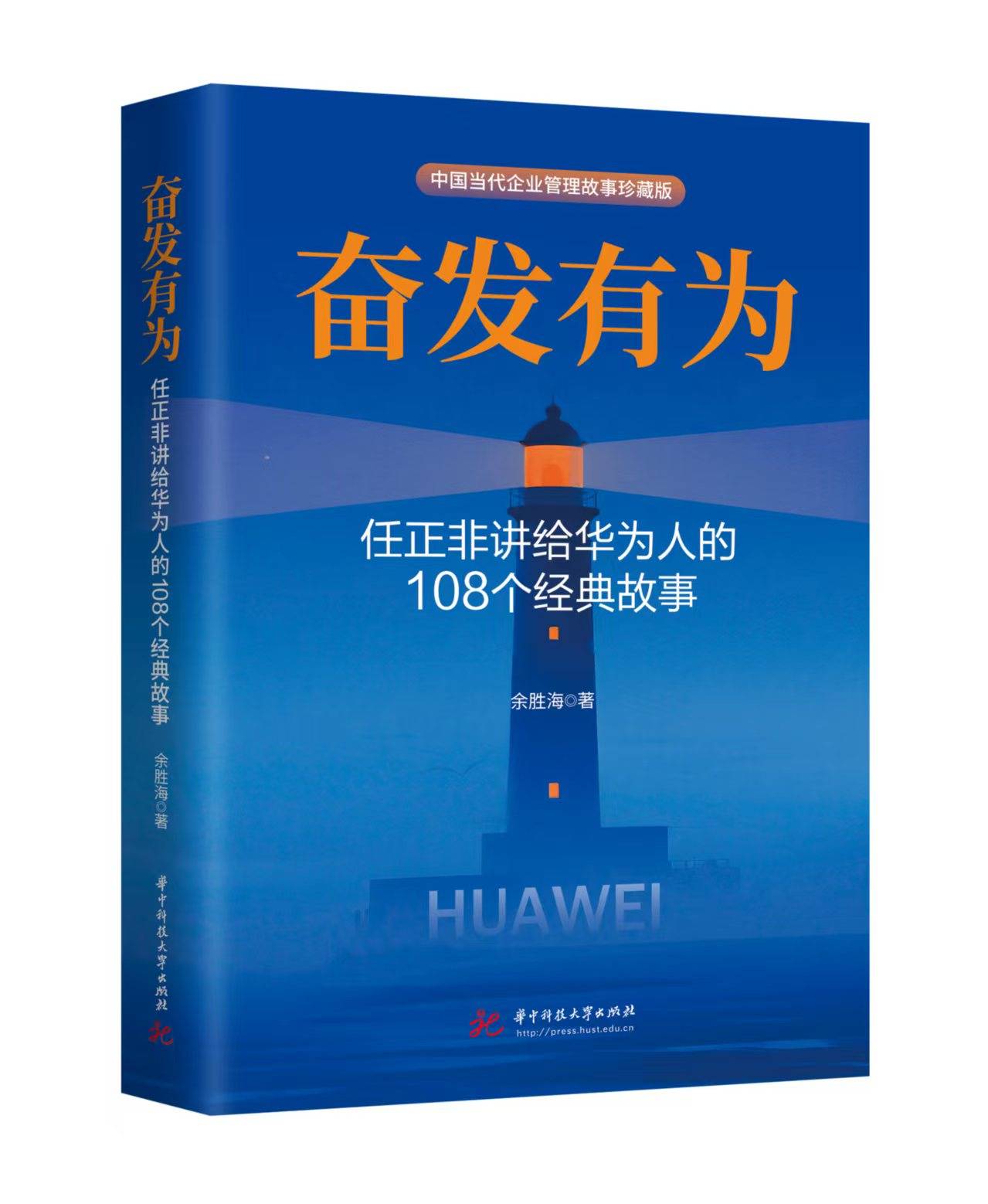
从《奋发有为:任正非讲的108个经典故事》一书读懂华为奋斗者文化
Sou Hu Cai Jing· 2026-01-23 07:53
Core Insights - Huawei's rise is a benchmark in corporate management and business research, supported by a deeply ingrained culture of striving and hard work [1] - The book "Striving for Excellence: 108 Classic Stories from Ren Zhengfei for Huawei People" by Yu Shenghai unlocks the deeper essence of Huawei's culture through storytelling [1][11] Group 1: Striving Culture - The foundation of Huawei's striving culture lies in the precise anchoring of "striving value" and institutionalization, fully reflected in the narrative of "people-oriented" [3] - Huawei's employee stock ownership is not merely an incentive tool but a philosophy of value distribution, recognizing contributors and forming a closed loop of "high pressure, high performance, high return" [4] - The culture emphasizes that true contributors must receive recognition that matches their value creation, breaking away from the inertia of equal treatment [4] Group 2: Institutional Support - The principles of "not letting Lei Feng suffer" and "shared benefits" provide a solid institutional framework for the striving culture [5] - Huawei has established a closed-loop mechanism of "value creation, value evaluation, and value distribution" through a refined performance assessment system [5] - The design of this mechanism alleviates employees' concerns about striving, fostering a collective effort within the organization [5] Group 3: Organizational Ecology - The striving culture is based on a profound understanding of human nature, encouraging open discussions about financial rewards and ensuring alignment of interests between the company and employees [6] - Huawei invests in a "striving-friendly ecosystem," providing resources and development opportunities to employees, which cultivates a culture of striving [6] - A positive organizational atmosphere allows employees to naturally adopt striving behaviors without coercion [6] Group 4: Long-term Commitment - Ren Zhengfei advocates for the "tortoise spirit," emphasizing the importance of perseverance and adaptability in the face of challenges [7][8] - The "tortoise spirit" reflects Huawei's long-term commitment to foundational research and development, even at the cost of short-term market share [8] - The culture promotes the idea that striving is akin to a marathon, requiring sustained effort and resilience [8] Group 5: Collaborative Spirit - The phrase "celebrate victory together, rescue each other in defeat" encapsulates the collaborative essence of Huawei's striving culture [9] - Cross-departmental collaboration is encouraged to overcome challenges, fostering a sense of shared responsibility among employees [9] - The culture breaks down departmental barriers, creating a collective consciousness of mutual success and failure [9] Group 6: Survival Philosophy - In an uncertain global market, the striving culture serves as Huawei's survival foundation, emphasizing that only through hard work can the company thrive [10] - Real-life scenarios illustrate the commitment of Huawei employees to their roles, even in extreme conditions [10] - A shared sense of crisis awareness permeates the organization, ensuring strategic clarity and resilience in both favorable and adverse conditions [10] Group 7: Broader Implications - The book offers insights that extend beyond corporate management, highlighting the importance of striving as a strategy for overcoming challenges and achieving growth [12] - The core logic of Huawei's striving culture serves as a valuable reference for building competitive advantages and addressing market uncertainties [12] - A mature striving culture is characterized by creating an environment where employees' efforts are recognized and rewarded, ensuring long-term sustainability for the company [12]
京东大数据里的“企业年货节”:电子年货成主流,冰雪经济带动新消费
Sou Hu Wang· 2026-01-23 07:37
趋势一:健康福利成核心关切,医疗保健品类需求翻倍增长 新质生产力发展背景下,人才竞争加剧推动企业员工关怀向精细化、健康化升级。年货节期间,企业健 康福利采购需求迎来爆发式增长,成为年末采购市场的核心增长点。 2026年春节前夕,史上最长春节假期的政策红利持续释放,叠加国家大规模设备更新、消费品以旧换新 的政策导向,消费市场活力得以充分激发。在此背景下,年末企业采购作为承接政策利好、激活消费潜 力的重要抓手,成为观察宏观经济韧性与微观企业活力的关键窗口。 1月22日,京东政企业务发布企业年货节采购指数,依托沉淀的海量交易大数据,深度解码年末企业采 购新动态、新需求。此次发布指数呈现6大新趋势,覆盖健康福利、智能办公、礼赠消费、场景采购等 多个核心领域,既体现了政策红利加持下中国企业的发展活力,也彰显了我国经济的强劲韧性,为企业 后续采购决策及行业发展提供了重要参考,助力企业把握政策机遇、实现降本增效。 在健康监测与防护领域,血压计、心电/血氧仪等家用监护设备采购额保持稳定同比提升40%,构成了 企业健康管理中"预防-监测-干预"的闭环体系。医用防护用品/保健品采购额同比增长65%,印证企业对 基础健康保障的持续 ...


国产挑战来了!特斯拉满血版FSD可能下月入华?
2 1 Shi Ji Jing Ji Bao Dao· 2026-01-23 07:30
马斯克在达沃斯论坛表态,FSD满血版最快2月入华;加上此前特斯拉官方确认今年2月14日起,FSD将 取消买断、仅存订阅制。消息到底真不真实,如果现在闯红灯走错道的阉割版FSD真的在将来换成了满 血版,会不会像当初国产化一样再次掀起大风大浪? 首先,据21世纪1月23日报道,当地时间1月22日 马斯克明确,监督版FSD下月有望获批欧洲,中国审批进程大致相近。这并非突发,去年11月他就预测 今年二三月份在华过审,如今落地节奏进一步明确。 满血版入华概率不低,核心过两道关:政策上, 特斯拉上海数据中心已实现本土数据全存储,契合合规要求;芯片端,据虎嗅网报道,1月美国放宽管 制,为英伟达H200对华出口铺路,助力算法迭代。 技术上需适配中国加塞、临时信号灯等场景,大河 汽车指出FSD月迭代2-3次,依托本地数据优化,一季度落地希望大,这对国产车企已是近身压力。 订 阅制对车主更灵活:原买断6.4万,月费预计499-699元,如果只是尝个鲜用更划算,8年以上长期用买 断更省,这一模式也给国内车企出了难题。 当前第三方智驾市场,据中经TMT统计,华为乾昆智驾按 统一技术口径市占率达53.7%,小鹏、比亚迪则靠低价买断或标 ...

华为上架14999元门锁,经销商称门锁本身利润不高
Guan Cha Zhe Wang· 2026-01-23 06:53
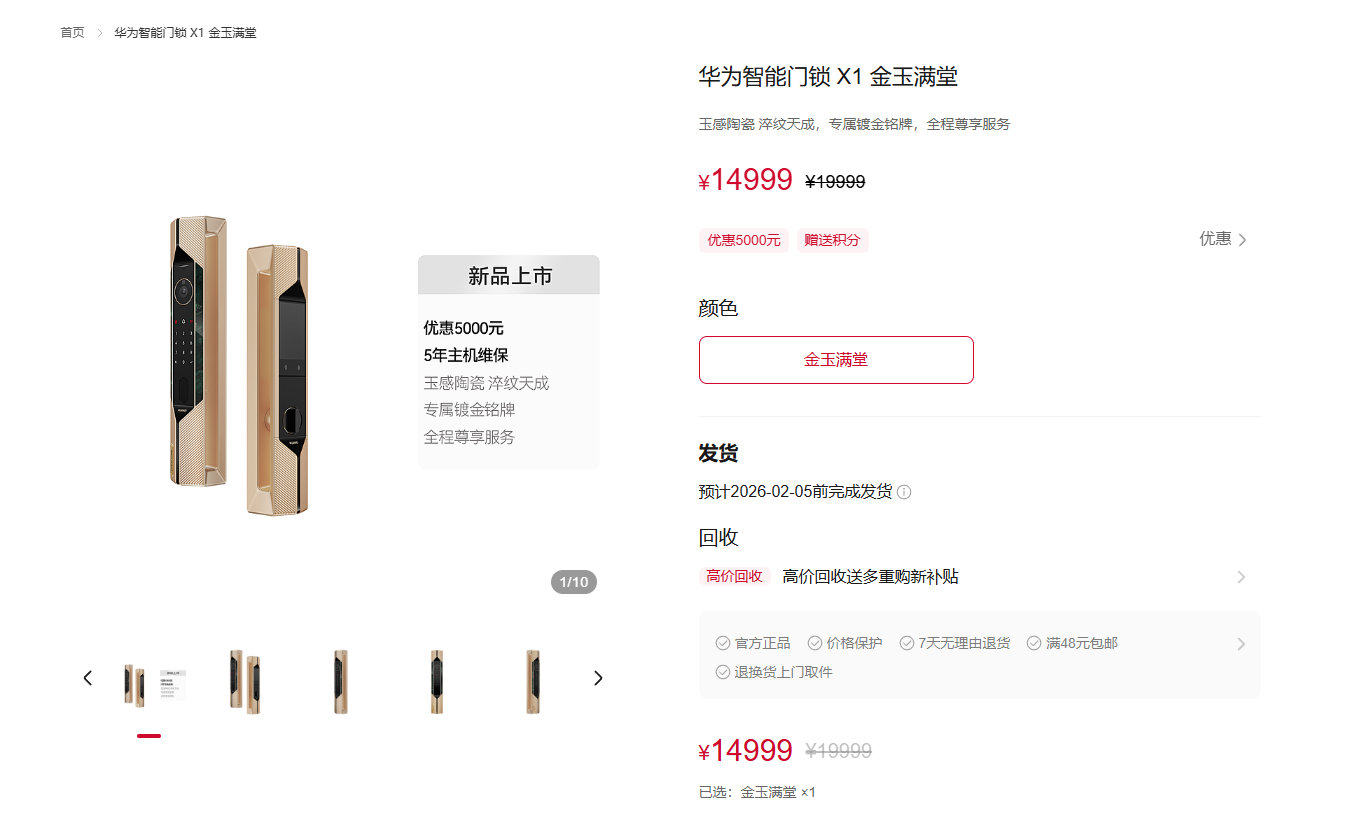
近期,华为商城上架了一款定价高达19999元的智能门锁X1"金玉满堂"版。1月23日,观察者网查询发现,目前该产品享有5000元的优惠,降至14999元。有 消息称,该产品上架之初曾出现"暂时缺货"的现象。不过该产品最新显示为有货状态,但下单后预计2月5日前发货。 另一方面,这款产品的价格已出现一定波动。闲鱼等二手交易平台上,许多标注为"现货"、"全新正品"的智能门锁X1"金玉满堂"版定价为13999元,相较官 网价格有1000元的折价。 山东一位核心商圈的华为授权经销商直言:"我们并不指望靠这把门锁赚钱,更重要的是把高净值客户圈进来。"在其看来,愿意为一把门锁支付1.5万元的 消费者,往往也是全屋智能、新能源汽车等高客单价产品的潜在用户。 另一家门店负责人也给出了类似说法:"门锁、电视本身利润并不高,很多时候就是'成本加物流费'在走,真正的收益在后端系统集成和全屋方案。" 功能方面,支持8种开锁模式,包括人脸识别、掌静脉识别、指纹识别、常规密码、虚位密码、访客密码、实体钥匙开锁、远程开锁、双重验证开锁。 除了14999元的功能款,华为还同步推出了智能门锁X1金玉满堂装饰锁:工艺和外观与功能款完全一致,但不具 ...
NOA将不再是BEV专属?
Zhong Guo Qi Che Bao Wang· 2026-01-23 06:53
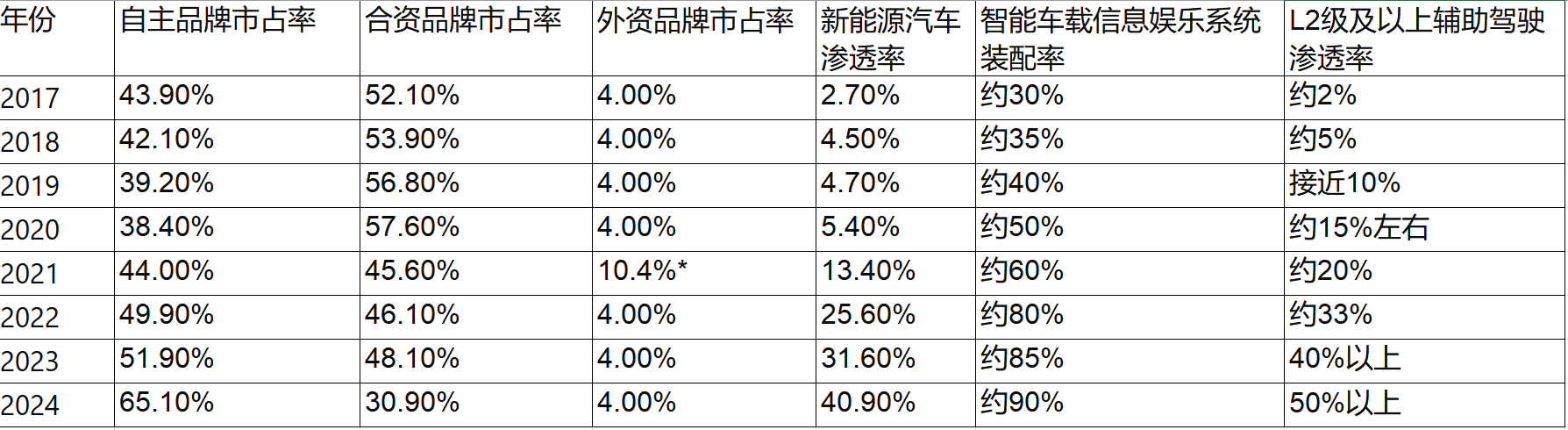
Core Insights - Goldman Sachs' report titled "2026 Outlook: Navigating Divergence" highlights 2026 as a pivotal year for the adoption of Battery Electric Vehicles (BEVs) and Navigation on Autopilot (NOA), suggesting that these technologies may develop into separate standards [1] - The report indicates a slowdown in BEV sales in Europe and the U.S., with consumers showing interest in advanced NOA but being cautious about purchasing BEVs [1][7] - In China, the integration of NOA in vehicles has led to a significant increase in sales, showcasing the advantages of BEVs in utilizing NOA, while traditional fuel vehicles are losing market share [1][5] Group 1: Market Trends - The market share of domestic brands in China has risen from 43.9% in 2017 to 51.9% in 2023, with the penetration rate of new energy vehicles increasing from 2.7% to 31.6% during the same period [3] - The report notes that the global electricity consumption of BEVs is expected to grow from 0.7% in 2024 to 2.5% by 2030, despite a stabilization in new BEV sales [7] - The competition landscape is shifting as NOA enhances the recognition and purchase intent for domestic brands, narrowing the gap with joint venture brands [5][6] Group 2: Technological Developments - Many automotive companies are focusing on applying NOA in hybrid models, although Goldman Sachs expresses skepticism about the medium-term effectiveness of this strategy [13] - The report lists various global automakers' progress in developing electronic and electrical architectures and end-to-end autonomous driving technologies, with companies like Tesla and BYD having completed their developments [14] - Traditional fuel vehicle manufacturers are exploring NOA applications in hybrid vehicles, but face challenges due to the inherent complexities of integrating NOA into their existing systems [15][16] Group 3: Future Outlook - The report suggests that by 2026, NOA may not solely rely on BEVs for growth, as traditional vehicles could also play a role in developing their own systems [19] - Concerns are raised about whether hybrid vehicles will be able to catch up with BEVs in terms of NOA capabilities, especially as BEVs are already testing Level 3 autonomous driving [19] - The future of NOA in traditional vehicles will depend on their ability to attract consumers and demonstrate value, as the market for traditional fuel vehicles remains substantial [19]
春节换机潮叠加“国补”,中端机配置全面“旗舰化”
Nan Fang Du Shi Bao· 2026-01-23 06:30
Group 1 - The Chinese smartphone market is entering a competitive phase with a focus on mid-range devices as manufacturers target the demand for high cost-performance products during the pre-Spring Festival sales season [1][3] - The government subsidy policy, which extends until 2026, offers a 15% subsidy for devices priced under 6000 yuan, enhancing the attractiveness of mid-range smartphones [3] - Consumers are shifting their focus from low prices to high cost-performance, with mid-range devices now offering performance and features close to flagship models at 60%-70% of their price [3][7] Group 2 - Major brands like Honor, OnePlus, Redmi, iQOO, and realme are launching new models priced between 2000 yuan and 3000 yuan, indicating a fierce competition in the mid-range segment [3][7] - Battery life is a critical concern for users, leading manufacturers to equip mid-range devices with large-capacity batteries, such as Honor Power 2 with a 10080mAh battery [5][7] - The introduction of high-performance processors, such as Snapdragon 8 Gen 5 and MediaTek's Dimensity 9500S, is becoming standard in new mid-range devices, enhancing their appeal [5][6] Group 3 - The smartphone market in China is transitioning to a phase characterized by slight declines in total volume and structural upgrades, with an expected shipment of 278 million units in 2026, a 2.2% year-on-year decrease [8] - High-end market shares are dominated by Apple, Huawei, and Samsung, with Apple holding nearly 50% of the high-end market share in the first three quarters of 2025 [9] - The rising costs of core components are pressuring manufacturers to either raise prices or reduce specifications, leading to a focus on the 2000-3000 yuan price range for maintaining higher profit margins [9]
手机巨头叫停AI眼镜:当下难做差异化
Guan Cha Zhe Wang· 2026-01-23 05:16
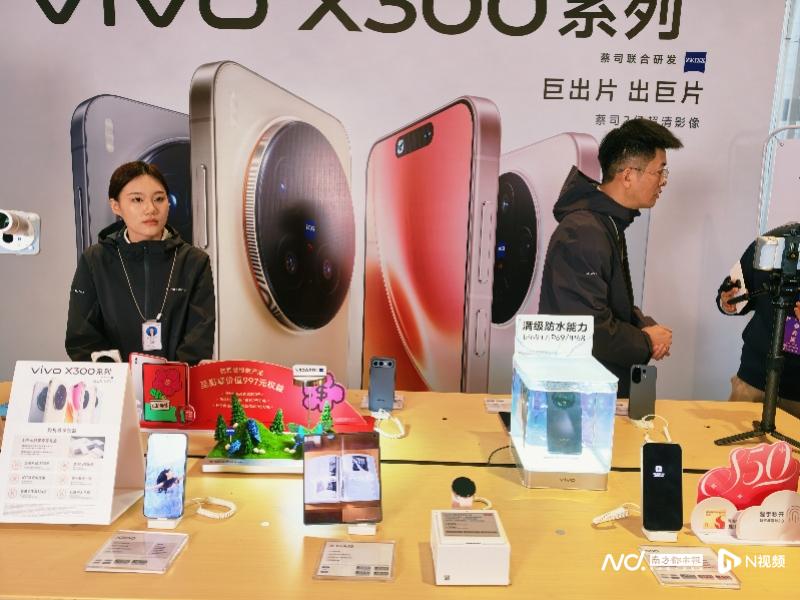
Core Insights - Vivo has halted its AI glasses project after six months of secret preparation due to concerns from senior executives about the difficulty of achieving differentiation in the current market [1] - The AI glasses market is expected to be a major trend in consumer electronics by 2025, with several companies, including Xiaomi and Huawei, actively developing their own products [1] - The Chinese smart eyewear market is projected to see significant growth, with shipments expected to reach 623,000 units in Q3 2025, a year-on-year increase of 62.3% [1] Group 1 - The AI glasses market is facing severe homogenization, with products largely following the design of Ray-Ban Meta and focusing on similar core functionalities such as translation and photography [2] - The content ecosystem for AI glasses remains underdeveloped, lacking essential use cases outside of smartphones, which limits the potential for deeper AI integration in diverse scenarios [2] - Major companies, including Vivo and Xiaomi, are reassessing their strategies in the AI glasses market, with Xiaomi reportedly lowering its second-generation AI glasses shipment forecast from 300,000 to approximately 120,000 units [2] Group 2 - Vivo continues to explore new entry points in the market, having launched the Vivo Vision mixed reality headset, which aims to address comfort and content ecosystem issues [3] - The Chinese smart glasses market is projected to reach 4.508 million units by 2026, with a year-on-year growth of 77.7%, driven by audio and audio-capturing glasses [3] - The market for AR/VR devices is also expected to grow, with projected shipments of 1.073 million units in 2026, reflecting a year-on-year increase of 62.1% [3]
