吉利

Search documents
业内专家:汽车软件正朝底层自主化、架构全栈化、应用智能化等方向发展
Xin Hua Cai Jing· 2025-12-17 03:42
Group 1 - The automotive software is becoming a key driver for the restructuring of the automotive industry and the reshaping of its ecosystem, focusing on bottom-level autonomy, full-stack architecture, and intelligent applications [1] - The Shanghai Municipal Economic and Information Commission emphasizes three areas for collaboration: strengthening foundational technology, integrating AI with new information technologies, and promoting an open-source ecosystem for automotive software [1] - The China Association of Automobile Manufacturers advocates for a dual-driven approach of "learning + innovation," establishing a controllable technological foundation, leading with standardization, and fostering an open and shared development framework [1] Group 2 - Shanghai Jiading has gained a competitive edge as the first national pilot demonstration zone for intelligent connected vehicles and electric vehicles, focusing on automotive software as a key development area [2] - The Shanghai International Automobile City collaborates with leading companies to launch the "Meta-Ecosystem" platform, providing comprehensive support for the embodied intelligence industry driven by AI [2] - A high-quality incubation center for embodied intelligence is being established to support companies with affordable computing power and diverse training scenarios, significantly reducing R&D costs [2] Group 3 - The China Association of Automobile Manufacturers, in collaboration with key industry partners, has released a white paper on "Software-Defined Automotive Service Development," outlining how software can drive profound changes through service-oriented approaches [3] - The white paper presents a comprehensive methodology, toolchain requirements, and middleware solutions for the industry, serving as a practical development guide [3]
兆威机电20251216
2025-12-17 02:27
Summary of Zhaowei Electromechanical Conference Call Company Overview - **Company**: Zhaowei Electromechanical - **Industry**: Intelligent Automotive and Advanced Industrial Manufacturing Key Points Financial Performance - Significant growth in Q3 2025, driven by intelligent automotive and advanced industrial manufacturing sectors - Full-year growth expected to remain strong, with intelligent automotive business accounting for over 60% of revenue, growing more than 30% year-on-year [2][3][4] Business Segments - **Intelligent Automotive**: - Expected revenue growth of over 30% in 2026, benefiting from applications of motion actuators and EMB-related products [2][8] - Collaborations with major domestic manufacturers like BYD, Changan, and Ideal [9][10] - **Robotics**: - Three business models: modular, standard hands, and customized hands - Anticipated doubling of revenue from modular clients like F Company and Amazon by 2026 [2][5][6] - **Advanced Industrial Manufacturing**: - Revenue growth of approximately 10% year-on-year, supported by the successful rollout of platform products like roller motors [3][4] Cost Reduction Strategies - Cost reduction in dexterous hands achieved by replacing hollow cup motors with brushless motors and using alternative materials for gearboxes [7] - Pricing for dexterous hands: - 17 degrees of freedom priced at approximately 50,000 yuan - 6 degrees of freedom priced between 20,000 to 30,000 yuan, with future iterations expected to drop below 10,000 yuan [7] Market Collaborations - Successful partnerships with North American clients, including F Company, Meta, and Amazon, ensuring diversified market development [6][16] - Anticipated supply of hundreds of hand modules to F Company in 2025, with potential for increased deliveries in 2026 [6] Product Development and Innovations - Introduction of new products in the automotive sector, including motion actuators and heat management actuators in collaboration with Schaeffler [9][11] - Roller motors projected to generate over 50 million yuan in revenue in 2025, with expectations of exceeding 100 million yuan in 2026 [4][18] Gross Margin Insights - Overall gross margin close to 35% in Q3 2025, with expectations to maintain around 34% for the full year [4][11] - Focus on high-margin applications in the automotive sector, despite industry-wide pressures [11] Future Growth Areas - Anticipated growth in automotive, consumer electronics, and robotics sectors, with a strong emphasis on intelligent and automated solutions [20][21] - Plans to establish a factory in Thailand with an investment of 100 million USD, aimed at serving North American clients and Bosch's Indian factory needs [19] Strategic Direction - Continued focus on core businesses in transmission and control, with plans to expand the supply chain and develop innovative solutions for emerging market demands [21] Additional Notes - The company is preparing for an H-share listing, having received approval from the China Securities Regulatory Commission [15] This summary encapsulates the key insights and projections from Zhaowei Electromechanical's conference call, highlighting its robust growth trajectory and strategic initiatives across various business segments.
“制造强国”实干系列周报(12、14期)-20251217
Shenwan Hongyuan Securities· 2025-12-17 01:46
Group 1: Aluminum vs. Copper in Air Conditioning - The shift from copper to aluminum in air conditioning systems is driven by the copper-aluminum price gap, energy efficiency standards upgrades, and refrigerant replacements, with microchannel technology becoming increasingly prevalent[3] - The competitive landscape for microchannel heat exchangers is dominated by three players: Sanhua, Mahler/Delphi, and Danfoss[3] - Sanhua's revenue growth has slowed, indicating a need for innovation and adaptation in the market[14] Group 2: Nuclear Fusion Developments - The nuclear fusion sector is expected to accelerate due to continuous technological breakthroughs and policy support, with significant project milestones achieved in 2025[19] - The global nuclear fusion market is projected to reach approximately $479.5 billion by 2029, with a total of 196 fusion devices expected by 2035[40][42] - Key investment opportunities in nuclear fusion include core supporting entities and high-value segments within the supply chain, such as superconducting magnets and power systems[46] Group 3: Commercial Aerospace - The commercial aerospace sector is witnessing stable or potentially increasing core players due to cost reduction trends, with a focus on satellite manufacturing and launch services[3] - The domestic satellite constellation projects, such as G60 and GW, are set to significantly increase satellite launches, with G60 planning to deploy 1,296 satellites by the end of 2027 and 15,000 by 2030[60] - The market for satellite services and ground equipment is expected to dominate, accounting for over 90% of the commercial aerospace value chain[52]
L3级自动驾驶落地关键一步,机构称L3正式准入节点有望在2026年后到来
Zhi Tong Cai Jing· 2025-12-16 02:05
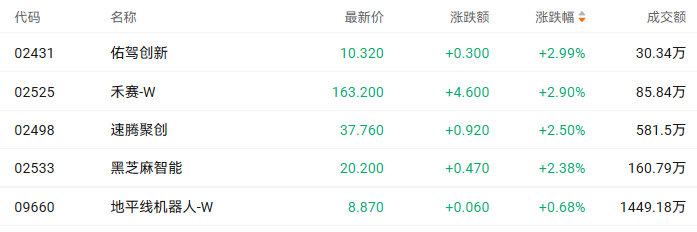
Core Viewpoint - The Ministry of Industry and Information Technology of China has officially granted conditional approval for the first batch of L3-level autonomous driving vehicles, marking a significant step towards the commercialization of L3 autonomous driving in the country [1][3]. Group 1: Regulatory Developments - Two L3 autonomous driving models, suitable for urban congestion and highway conditions, will be tested in designated areas in Beijing and Chongqing [1][2]. - The approval signifies a transition from "technical validation" to "mass production application" in China's autonomous vehicle industry [3]. - The approval process for L3 vehicles has been ongoing for over a year, with nine automotive companies identified for initial trials [3][4]. Group 2: Market Reactions - Smart driving concept stocks in Hong Kong saw a positive response, with notable increases in share prices for companies such as Youjia Innovation, Hesai Technology, and Suyuan Juchuang [1][2]. - The stock performance reflects investor optimism regarding the future of L3 autonomous driving and its market potential [1][2]. Group 3: Industry Insights - The approval of L3 vehicles is seen as a recognition of technological maturity and a response to societal expectations for smart mobility [3]. - The automotive industry is preparing for a significant increase in demand for L3 and L4 autonomous driving technologies, with expectations for broader implementation by 2025 and 2030, respectively [4][5]. - Key players in the automotive supply chain are gearing up for advancements in technology and compliance with new regulations [5]. Group 4: Company Highlights - Horizon Robotics is positioned as a leader in the advanced driver assistance systems market, providing both chips and algorithms [5][6]. - Black Sesame Technologies has developed high-performance computing solutions for autonomous driving and is collaborating with major automotive OEMs [6][7]. - Youjia Innovation has made strides in both mid-to-high level assisted driving and L4 autonomous driving solutions, securing multiple contracts [7].

加码新能源赛道 博俊科技拟斥资6亿元建设重庆汽车轻量化部件生产基地|速读公告
Xin Lang Cai Jing· 2025-12-15 14:04
Core Viewpoint - The company, Bojun Technology, is expanding its operations in the new energy vehicle sector by establishing a new lightweight automotive component production base in Chongqing, with a total investment of 600 million yuan to meet increasing customer demand [1][2]. Group 1: Company Expansion - Bojun Technology's wholly-owned subsidiary plans to sign a cooperation agreement to build a production base covering an area of approximately 119 acres [1]. - The project aims to enhance the development of lightweight automotive components and optimize regional capacity distribution to better meet customer needs [1]. Group 2: Financial Performance - For the first three quarters of 2025, the company's operating income reached 4.075 billion yuan, representing a year-on-year increase of 42.36% [2]. - The net profit attributable to shareholders for the same period was 627 million yuan, reflecting a year-on-year growth of 70.47% [2]. Group 3: Strategic Partnerships and Production Capacity - Bojun Technology has established strategic partnerships with well-known automotive manufacturers such as Li Auto, BYD, and Geely, and operates 15 subsidiaries nationwide [2]. - The company has adopted an "order-based production capacity" strategy, leading to significant investments in new production bases in various locations, totaling 2.36 billion yuan this year [2].
中国商人抢滩中亚新蓝海,“俄版谷歌”搭桥
Di Yi Cai Jing· 2025-12-15 10:53
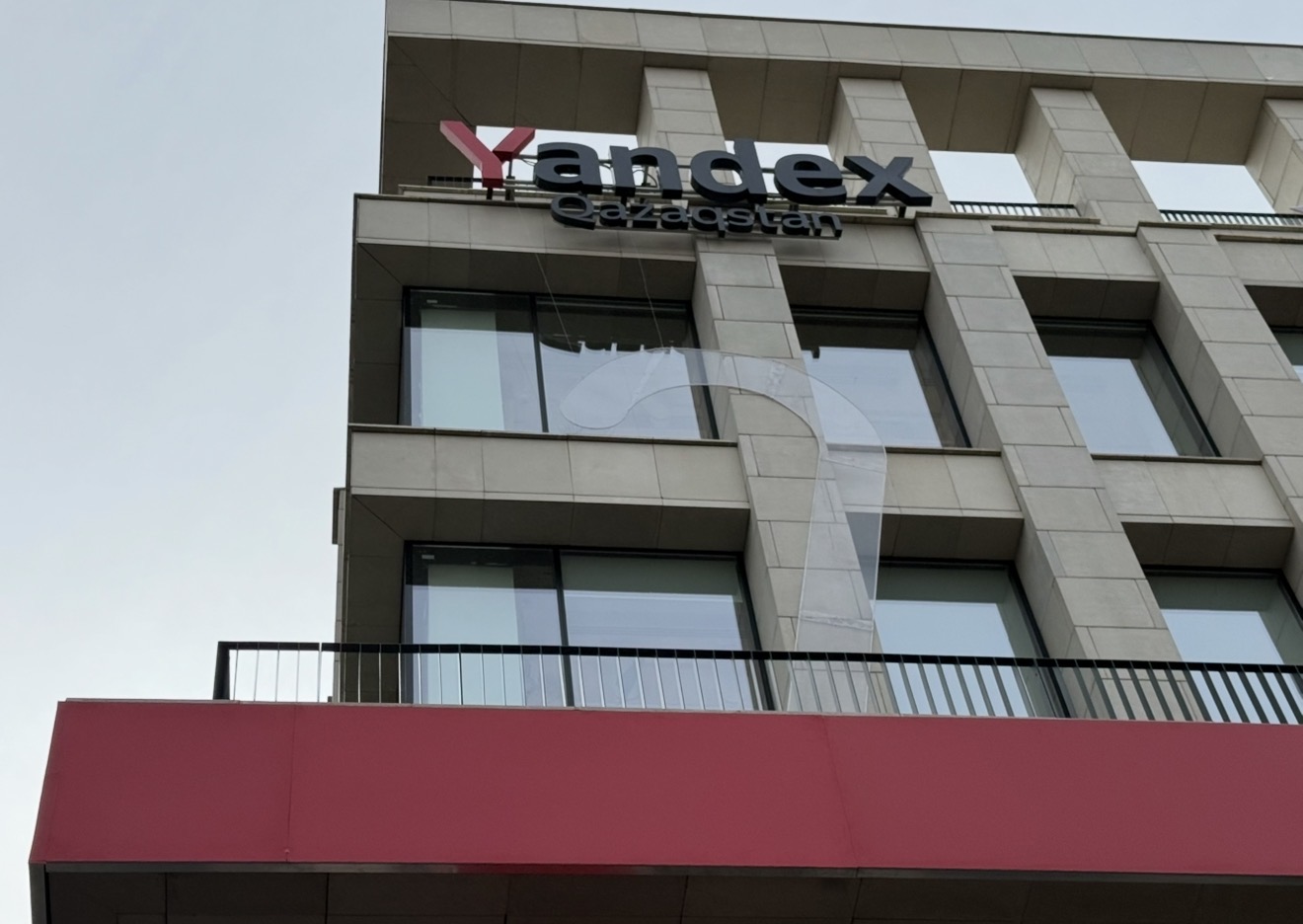
Core Insights - The rise of trade between China and Central Asian countries has created opportunities for Russian companies, particularly Yandex, to assist Chinese firms in penetrating these markets [1][9] - Central Asia, especially Kazakhstan, is becoming a strategic hub for Chinese companies under the Belt and Road Initiative, with increasing visibility of Chinese brands in cities like Almaty [3][12] Group 1: Market Opportunities - Yandex, known as the "Russian Google," is leveraging its dominant position in the Central Asian market to attract Chinese clients seeking to enter these previously overlooked regions [1][8] - The demand for financial services from Chinese enterprises in Central Asia is growing, indicating a significant market opportunity for companies in this sector [5][6] - The retail e-commerce market in Kazakhstan is projected to reach 1.45 trillion tenge in the first half of 2024, reflecting a 61% year-on-year growth, with e-commerce accounting for 16.6% of retail trade [10] Group 2: Advertising and Digital Services - Yandex Ads is actively expanding its services to Chinese advertisers, with a reported 76% increase in the number of ads placed by Chinese advertisers in Kazakhstan in 2025 [10][11] - The advertising expenditure by Chinese companies in Kazakhstan is expected to grow by 192% in 2025, compared to a 45% increase in Russia [10] Group 3: Automotive Sector - Chinese automotive brands are increasingly visible in Russia and Central Asia, with a notable rise in interest from local consumers, as 47% of Russian car buyers are considering Chinese vehicles for their next purchase [12][14] - The sales of Chinese passenger cars in Russia are projected to grow by 48% in 2024, reaching 1.57 million units, driven by the popularity of plug-in hybrid vehicles [14][15] - Yandex is collaborating with Chinese automotive manufacturers to integrate its software into vehicles, enhancing their appeal in the Russian and Central Asian markets [15]
大众汽车(VWAGY.US)35亿美元豪赌中国研发 能否夺回失守的市场份额?
Zhi Tong Cai Jing· 2025-12-15 07:05
Core Viewpoint - Volkswagen is making a significant investment of €3 billion (approximately $3.5 billion) to establish its largest R&D base outside Germany in Hefei, China, as it seeks to regain market share in the competitive Chinese automotive market, which has seen a shift in consumer preferences and a rise in local competitors [1] Group 1: Investment and Strategy - Volkswagen's investment in Hefei marks a departure from its previous strategy of directly localizing overseas-developed models and transferring technology to local partners, as local competitors have significantly eroded foreign brand sales [1] - The company is developing models specifically for Chinese consumers, which may not be sold in Europe but could be exported to the Middle East and Southeast Asia, indicating a strategic pivot to cater to local market demands [3] - Volkswagen's Chief Technology Officer, Thomas Ulbrich, describes this shift as a "paradigm shift" necessary for regaining competitiveness in China [2][4] Group 2: Market Dynamics - The Chinese automotive market has transformed dramatically over the past five years, with electric vehicles accounting for about half of new car sales, and consumers expecting advanced digital features [5] - The rapid pace of innovation in China, where local electric vehicle companies can launch new models in 12 to 18 months compared to 3 to 5 years for global competitors, is a critical factor for survival in this market [6] - Volkswagen's historical presence in China dates back to the 1980s, but the current landscape is no longer dominated by the brand alone, necessitating a swift response to changing consumer preferences [5][6] Group 3: Collaboration and Knowledge Transfer - Volkswagen is looking to learn from local electric vehicle startups, such as Xpeng Motors, to accelerate its product development and enhance its electronic architecture [7] - The company has decentralized decision-making to local teams in China to speed up product development and respond more effectively to market changes [7] - A recent survey indicated that nearly half of the responding companies expect Chinese competitors to become leaders in innovation within the next five years, highlighting the growing recognition of China's role in the global automotive landscape [8]
大众汽车35亿美元豪赌中国研发 能否夺回失守的市场份额?
Zhi Tong Cai Jing· 2025-12-15 07:01
Core Viewpoint - Volkswagen is making a significant investment of €3 billion (approximately $3.5 billion) to establish its largest R&D base outside Germany in Hefei, China, as it seeks to regain market share in the competitive Chinese automotive market, which has seen a dramatic shift in consumer preferences and competition dynamics [1][3]. Group 1: Investment and Strategy - Volkswagen's investment in Hefei marks a strategic shift from its previous model of directly importing overseas-developed vehicles and technology to focusing on developing models specifically for Chinese consumers [1][3]. - The company aims to develop vehicles that may never be sold in Europe but could be exported to the Middle East and Southeast Asia, indicating a tailored approach to meet local market demands [3][4]. Group 2: Market Dynamics - The Chinese automotive market has transformed significantly over the past five years, with electric vehicles now accounting for about half of new car sales, and consumers expecting advanced digital features [5][6]. - Volkswagen's market share has been challenged by local competitors like BYD and Geely, necessitating a rapid response to maintain its position [5][6]. Group 3: Competitive Pressure - The speed of product development is critical in the Chinese market, with local electric vehicle companies launching new models in 12 to 18 months, compared to the 3 to 5 years typically required by global automakers [6][7]. - Volkswagen has decentralized decision-making to local teams in China to accelerate product development and respond more effectively to market changes [7][8]. Group 4: Knowledge Exchange - There is a growing recognition among foreign automakers that they can learn from Chinese companies, particularly in terms of quickly translating ideas into products and reducing development costs [7][8]. - A survey indicated that nearly half of the responding companies expect Chinese competitors to become leaders in innovation within the next five years, highlighting the shifting landscape of the automotive industry [8].
小米汽车,遭遇“滑铁卢”?
汽车商业评论· 2025-12-14 23:06
Core Viewpoint - Xiaomi Group reported a record Q3 2025 financial performance with revenue of 113.1 billion yuan and adjusted net profit of 11.3 billion yuan, a year-on-year increase of 80.9% [4][5] - Despite the strong financial results, Xiaomi's stock price fell by 4.81% the day after the earnings report, reflecting concerns about the long-term growth potential of its automotive business [7][8] Financial Performance - Xiaomi's Q3 2025 revenue reached 113.1 billion yuan, marking the fourth consecutive quarter of revenue exceeding 100 billion yuan [4] - The adjusted net profit for the quarter was 11.3 billion yuan, representing an 80.9% increase year-on-year [4] Automotive Business Insights - The automotive segment generated 28.3 billion yuan in revenue for the quarter, a 197.9% year-on-year increase, and achieved a positive operating profit of 700 million yuan with a gross margin of 25.5% [5] - However, there has been a significant decline in order growth for Xiaomi's vehicles, with a nearly 70% drop in new orders since October compared to the first half of the year [8][10] - Weekly new orders for Xiaomi vehicles have decreased from 12,000 in Q2 to 4,000-5,000, with monthly new orders now below 20,000 [10] Market Dynamics - The initial excitement around Xiaomi's vehicle orders has shifted, with reports of speculative order trading leading to a perception of decreased demand [11] - The introduction of "immediate purchase" options and discounts on certain models indicates a shift in supply-demand dynamics, revealing a change in market sentiment [15][18] Brand and Reputation Challenges - Xiaomi's automotive brand has faced scrutiny due to safety concerns following two high-profile accidents, which have negatively impacted consumer trust and stock performance [24][28] - The company's marketing strategies have been criticized for lacking transparency, leading to public backlash and a decline in brand reputation [26][30] Strategic Adjustments - Xiaomi has begun restructuring its automotive sales and service operations to address current challenges, including personnel changes aimed at improving channel resource allocation [29][35] - The company plans to launch three new vehicle models in 2026, which will test its product development and market adaptability [37] Future Outlook - Xiaomi anticipates increased competition and pressure on automotive margins due to upcoming policy changes, including a reduction in purchase tax subsidies [39] - The company must adapt its approach to align with the automotive industry's longer production cycles and safety standards, moving away from its previous consumer electronics strategies [39]
马斯克或成全球首位万亿美元富豪;摩尔线程回应“闲置募集资金现金管理”;苹果再砸2.16亿美元购置办公楼丨邦早报
创业邦· 2025-12-14 01:08
Group 1 - Elon Musk's SpaceX is reportedly planning to go public in mid to late next year, with a target valuation of approximately $1.5 trillion, potentially making Musk the world's first trillionaire [3] - Oracle denies reports of delays in its collaboration with OpenAI regarding the construction of a data center, stating that all milestones are on track [4] - Dell will increase prices on all commercial products starting December 17 due to a shortage of memory and storage chips, with price hikes expected to range from 10% to 30% depending on specifications [6] Group 2 - Chery Automobile supports the "Automotive Industry Pricing Behavior Compliance Guidelines" and emphasizes a commitment to long-termism and compliance management [7] - The Guangdong Province has over 3,700 AI and robotics companies, with the AI core industry expected to reach a scale of 220 billion yuan in 2024, reflecting a year-on-year growth of about 22% [17] - Newai Medical has completed a multi-million Pre-A round of financing to advance the development and production of home respiratory devices [12]