
红旗连锁

Search documents
中国一年新增70位亿万富豪,98%白手起家,财富密码已变科技与消费!
Sou Hu Cai Jing· 2026-01-01 11:02
Group 1 - The core point of the article highlights that China has seen a significant increase in billionaires, with 70 new individuals surpassing a net worth of $1 billion in just one year, making it the highest growth globally [1] - The total number of billionaires in China has reached 470, second only to the United States, with a combined wealth of 12.7 trillion yuan, reflecting a 22.2% increase year-on-year [1] - The report indicates a shift in wealth creation from real estate to technology and consumption sectors, emphasizing that innovation in areas like AI, chips, and consumer goods is driving this change [1] Group 2 - The technology sector has produced billionaires with a wealth growth rate of 40%, significantly outperforming other industries [2] - Notable examples include Lei Jun, whose wealth surged from 129 billion to 326 billion yuan due to advancements in electric vehicles, and Chen Tian Shi, whose wealth increased by nearly 150 billion yuan through AI chip breakthroughs [4] - The pharmaceutical industry is also contributing to wealth creation, with individuals like Zhong Huijuan of Hansoh Pharmaceutical seeing an 83% increase in net worth, reaching 141 billion yuan [4] Group 3 - The new consumption trend is reshaping the market, with companies like Pop Mart and Mixue Ice Cream achieving remarkable success through innovative products and pricing strategies [5] - Pop Mart's founder saw a wealth increase from over 20 billion to 180 billion yuan, while the Zhang brothers of Mixue Ice Cream expanded their business to over 20,000 stores, doubling their wealth to 60 billion yuan [5] - The rise of new consumption billionaires reflects a significant transformation in China's consumer market, where younger consumers prioritize experience and affordability [5][7] Group 4 - The article suggests that ordinary individuals still have opportunities to participate in wealth creation, but the dynamics have changed, favoring innovation and market insight over traditional resource-based wealth [8] - The disparity in wealth growth, with billionaires' wealth increasing at a rate far exceeding GDP and average income growth, raises concerns about widening wealth gaps [8] - The need for policies that balance innovation encouragement and wealth sharing is emphasized, advocating for measures that support small businesses and equitable wealth distribution [8] Group 5 - The transformation of China's wealth landscape is evident, with technology and consumption emerging as the new drivers of wealth creation, as illustrated by the success stories of individuals like Lei Jun, Chen Tian Shi, and others [10] - The next wave of billionaires may emerge from fields like brain-computer interfaces and the metaverse, highlighting the importance of trend awareness and innovation [10] - The article concludes that each cycle of wealth redistribution opens new opportunities, encouraging individuals to accumulate knowledge and skills to position themselves for future success [10]


参考消息特稿|中国消费品牌成全球出海“新势力”
Xin Hua She· 2026-01-01 01:33
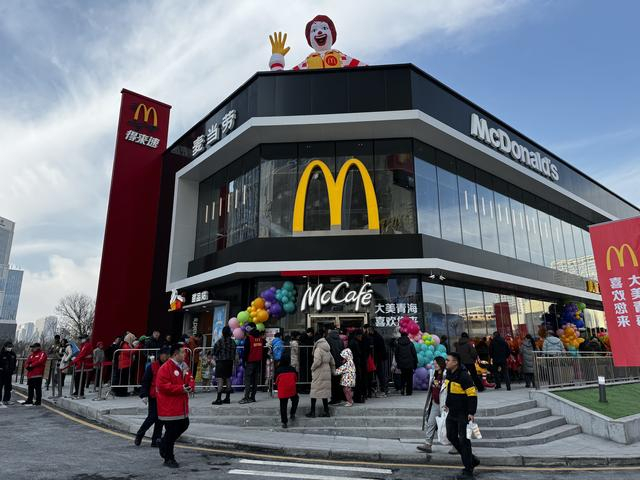
Group 1 - McDonald's has opened its first store in Qinghai, completing its coverage in all provincial-level administrative regions in China after 35 years of operation [1][3] - The Qinghai store features a drive-thru model, catering to local consumer preferences and is part of a broader strategy to expand in the region [3][4] - The opening of McDonald's in Qinghai is seen as a reflection of the ongoing "first store" economy, with local government initiatives supporting international brand entries [4] Group 2 - Chinese brands like Mixue Ice City and Bawang Tea are increasingly expanding internationally, marking a shift towards a dual market strategy of "bringing in" and "going out" [4][9] - Mixue Ice City has opened its first store in Hollywood, USA, and has established a presence in 12 countries with over 4,700 overseas outlets [4][5] - Bawang Tea has successfully entered the U.S. market, achieving significant sales on its opening day, and has over 200 international locations [5] Group 3 - The entry of international brands like McDonald's has historically been viewed as a symbol of urban development in China, but consumer perceptions are evolving towards valuing product quality and experience over brand origin [10][11] - The Chinese consumer market is transitioning from scarcity to diversity, with local brands like Luckin Coffee gaining market share through innovative business models [11] - The narrative of Chinese brands moving towards global markets signifies a shift from being a "follower" to becoming a "leader" in the global economy, showcasing China's confidence in its cultural and economic value [11][9]


红旗连锁(002697) - 北京金杜(成都)律师事务所关于成都红旗连锁股份有限公司2025年第一次临时股东会之法律意见书
2025-12-31 14:09
北京金杜(成都)律师事务所 关于成都红旗连锁股份有限公司 2025 年第一次临时股东会之法律意见书 致:成都红旗连锁股份有限公司 北京金杜(成都)律师事务所(以下简称本所)接受成都红旗连锁股份有限 公司(以下简称公司)委托,根据《中华人民共和国证券法》(以下简称《证券法》)、 《中华人民共和国公司法》(以下简称《公司法》)、中国证券监督管理委员会(以 下简称中国证监会)《上市公司股东会规则》(以下简称《股东会规则》)等中华人 民共和国境内(以下简称中国境内,为本法律意见书之目的,不包括中国香港特 别行政区、中国澳门特别行政区和中国台湾省)现行有效的法律、行政法规、规 章和规范性文件和现行有效的公司章程有关规定,指派律师出席了公司于 2025 年 12 月 31 日召开的 2025 年第一次临时股东会(以下简称本次股东会),并就 本次股东会相关事项出具本法律意见书。 为出具本法律意见书,本所律师审查了公司提供的以下文件,包括但不限于: 1. 经公司 2024 年第一次临时股东大会审议通过的《成都红旗连锁股份有限 公司章程》(以下简称《公司章程》); 2. 公司 2025 年 12 月 15 日刊登于《证券时报》 ...
红旗连锁(002697) - 2025年第一次临时股东会决议公告
2025-12-31 14:09
2025 年第一次临时股东会决议公告 本公司及董事会全体成员保证信息披露的内容真实、准确、完整,没有虚 假记载、误导性陈述或重大遗漏。 特别提示: 1、本次股东会无否决议案的情形。 证券代码:002697 证券简称:红旗连锁 公告编号:2025-044 成都红旗连锁股份有限公司 2、本次股东会不涉及变更以往股东会决议。 一、会议召开和出席情况 1、会议召开情况 (1)会议召开时间: ①现场会议召开时间:2025 年 12 月 31 日(星期三)下午 14:50 时 ②网络投票时间:2025 年 12 月 31 日 其中,通过深圳证券交易所交易系统进行网络投票的具体时间为:2025 年 12 月 31 日上午 9:15—9:25、9:30—11:30,下午 13:00—15:00。 通过深圳证券交易所互联网投票系统进行投票的具体时间为:2025 年 12 月 31 日上午 9:15 至下午 15:00 期间的任意时间。 会议的召集、召开与表决程序符合《公司法》、《上市公司股东会规则》、《深 圳证券交易所股票上市规则》及《公司章程》等法律、法规及规范性文件的规定。 2、会议出席情况 出席本次股东会的股东及股东代理 ...
扩张集体放缓,新茶饮第一梯队踩下急刹车
3 6 Ke· 2025-12-31 00:49
Core Insights - The leading new tea beverage brands, represented by Heytea, are experiencing a significant slowdown in expansion, with a notable decrease in the number of stores from 4,610 in October 2024 to 3,930 by October 2025, resulting in a net closure of 680 stores within a year [2] - The challenges faced by franchisees include high operational costs, particularly due to the expensive raw materials and short shelf life of fresh ingredients, which contribute to profitability pressures [8][9] - The competitive landscape is shifting, with brands like Bawang Chaji rapidly expanding through a "big single product" strategy, yet also facing challenges related to market saturation and product innovation [9][10] Group 1: Expansion Trends - Heytea's franchise model, which previously allowed for rapid expansion, has now hit a brake, with the company halting new franchise applications as of February 2023 [4] - The number of operational stores for Heytea as of December 29, 2023, is reported at 3,883, consistent with the previous year's figures, indicating a plateau in growth [2] - Naixue's Tea is also seeing a reduction in store numbers, with operational stores at 1,570, down from 1,798 at the end of 2024 [2] Group 2: Franchisee Challenges - Franchisees are facing tough decisions regarding store renewals, with additional renovation costs required for upgrades, leading to closures due to performance pressures [3] - High raw material costs are a significant burden, with reports indicating that material costs for Naixue's Tea reached approximately 740 million yuan, accounting for 34.1% of total revenue [8] - Franchisees have reported that the cost of materials supplied by brands like Heytea can increase by as much as 40%, further straining profitability [8] Group 3: Product Strategy and Market Positioning - The new product launch frequency has increased significantly for Heytea, with new offerings introduced weekly, but this has led to inventory pressures for franchisees [5] - The pricing strategy is shifting back to the 20-30 yuan range for new products, as brands aim to regain high-end market positioning after a period of aggressive discounting during the delivery wars [11] - The competitive dynamics are evolving, with brands like Bawang Chaji focusing on product innovation while also managing the challenges of high store density in key markets [9][10]
2025,“中国风”的世界回响
Ren Min Wang· 2025-12-30 21:57
Group 1: Core Insights - In 2025, China's global image has significantly improved, with the country being perceived as "cool" and innovative, driven by technological advancements and cultural exports [15][19][22] - The emergence of Chinese brands like DeepSeek and the popularity of cultural IPs such as Nezha and Labubu highlight China's growing influence in technology and pop culture [16][20][21] Group 2: Technological Innovations - DeepSeek's R1 model, launched in January 2025, surpassed ChatGPT in downloads, achieving this with a training cost of only $294,000, showcasing China's competitive edge in AI technology [16] - China has entered the top ten most innovative economies globally, with the highest number of top innovation clusters for three consecutive years [16] Group 3: Cultural Influence - The animated film "Nezha: The Devil's Child" became one of the top five highest-grossing films globally, marking a significant achievement for Chinese animation [19] - Labubu, a toy character, has gained international popularity, with sales exceeding 10 million RMB on its opening day in Thailand, indicating the global reach of Chinese design [20] Group 4: Market Expansion - BYD captured 18% of the global electric vehicle market in Q2 2025, while Mixue Ice Cream became the largest fast-food chain globally with over 46,000 stores [20][21] - The expansion of brands like Bawang Tea and Meituan reflects China's growing presence in international markets, with plans for significant overseas store openings [21] Group 5: Global Perception - A historical shift in global public opinion occurred in April 2025, with more people believing China will positively impact world affairs compared to the U.S. [23][24] - China's net favorability score reached 8.8, surpassing the U.S. for the first time, indicating a significant change in global perceptions of China [24]




从破产边缘到百亿市值,东北网红家族的“高端”之路
36氪未来消费· 2025-12-30 14:53
Core Viewpoint - Lin Qingxuan has successfully positioned itself as a leading high-end domestic skincare brand in Hong Kong, marking a significant milestone in the consumer market with its recent IPO, which reflects the growing trend of domestic brands gaining traction in the high-end segment [4][5][6]. Group 1: Company Overview - Lin Qingxuan was founded in 2003 during the SARS outbreak, initially starting with handmade soaps priced at 25 yuan, and later transitioned to high-end products with the launch of camellia oil in 2014 [6][12]. - The company has a notable shareholder base, including major players like Youngor Fashion and L'Oréal, which enhances its market credibility [6]. - The brand's growth trajectory has been marked by a significant increase in online sales, with a compound annual growth rate (CAGR) of 51.2% from 2022 to 2024, and online revenue accounting for 65.4% of total revenue by mid-2025 [20][22]. Group 2: Market Position and Financial Performance - Lin Qingxuan is positioned as the top domestic high-end skincare brand in China, with over 80% gross profit margins, which is a key indicator of its successful high-end strategy [27][28]. - The company's gross margin has consistently remained above 81% from 2023 to mid-2025, with its core product, camellia oil, achieving a gross margin of 86.2% [29]. - The number of Lin Qingxuan's retail stores has increased from 366 in 2022 to 554 by mid-2025, with a strategic focus on high-traffic shopping malls in major cities [30][31]. Group 3: Marketing and Sales Strategy - Lin Qingxuan has invested heavily in marketing, with sales and distribution expenses totaling 2.263 billion yuan from 2022 to mid-2025, representing 55.2% of revenue in the first half of 2025 [32]. - The brand has adopted a unique family-based influencer marketing strategy, leveraging the founder and family members to create a strong content-driven approach to engage consumers [23][22]. - Despite high marketing expenditures, the company's research and development investment has been relatively low, with less than 100 million yuan cumulatively from 2022 to 2024, indicating a focus on marketing over product innovation [33][34].

拼情绪价值、打动年轻人,什么样的品牌更有未来?
Sou Hu Cai Jing· 2025-12-30 13:13
Core Insights - The article discusses the evolving landscape of brand marketing, emphasizing the shift from traditional marketing strategies to more personalized and emotionally resonant approaches. Brands must adapt to fragmented consumer attention and leverage technology, particularly AI, to create meaningful connections with users [2][3][6]. Group 1: Brand Marketing Evolution - Young consumers are increasingly selective, favoring brands that resonate with their personal values rather than those with high market visibility [3]. - Brands need to focus on creating a sense of "human connection" with users, moving beyond mere exposure to genuine engagement [3][5]. - Emotional value is becoming a critical component of consumer decision-making, with brands required to understand and fulfill both functional and emotional needs [5][10]. Group 2: Utilizing Technology and AI - AI is seen as a valuable tool for brands, enabling them to break traditional boundaries of creativity and engage users in innovative ways [6]. - Brands like Coca-Cola have successfully utilized AI to analyze global taste trends and involve consumers in product creation, enhancing brand engagement [6]. - The rise of social media and fragmented media consumption presents challenges for brands in delivering effective messaging [6][10]. Group 3: Creating Hit Products - The emergence of hit products is linked to brands' ability to understand and address consumer pain points, as demonstrated by various case studies [8][9]. - Anta's SV brand exemplifies a successful strategy of targeting younger consumers through high-end, trendy products, showcasing the importance of clear positioning in niche markets [8][9]. - Brands must embrace experimentation and innovation in product design and marketing strategies to create high-value offerings that resonate with consumers [9][10]. Group 4: Future Brand Strategies - The market is experiencing significant changes, with a focus on consumer engagement and interaction becoming essential for brand success [10]. - Brands are encouraged to create social currency and meaningful conversations around their products to build long-term value [10]. - The future of brand marketing will involve multi-dimensional, cross-platform strategies that cater to diverse consumer needs and emotional values [10].


黄金涨、AI热、慢牛启!盘点2025理财关键词,普通人的赚钱机会在哪
Sou Hu Cai Jing· 2025-12-30 11:52
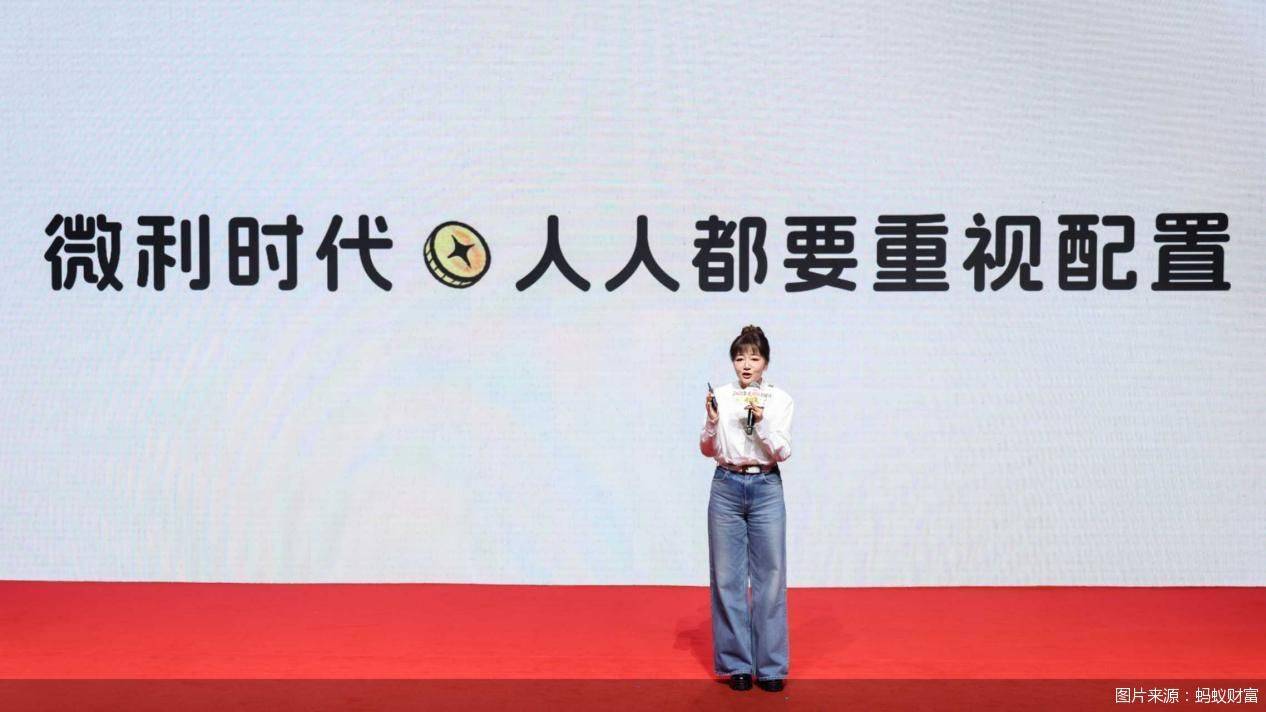
Core Insights - The most popular investment strategies in 2025 are shifting towards defensive asset allocations, with a focus on gold, funds, and stocks, driven by declining deposit rates and increased risk aversion among investors [1][4][7]. Group 1: Investment Trends - The "New Three Golds" concept, which includes gold funds, money market funds, and bond funds, is gaining traction as a stable investment strategy among the public [4][5]. - Young investors, particularly those born after 1995, are increasingly favoring gold ETFs and flexible investment options over traditional physical gold [4][5]. - As of early October, over 8.9 million users on the Ant Wealth platform have started investing in gold ETFs, with a significant portion being young investors [4]. Group 2: AI and New Consumption - The AI sector is attracting significant capital due to its rapid technological advancements, with a focus on identifying quality AI stocks after substantial price corrections [7][8]. - The new consumption market is also evolving, with brands like Pop Mart and Mixue Ice City leveraging emotional value and digital platforms to drive revenue and stock price growth [7][8]. Group 3: Investment Strategies - Investors are encouraged to adopt a balanced approach, diversifying their portfolios to include both stable assets and high-potential sectors like AI and new consumption [8][9]. - The trend of "deposit migration" reflects a shift from passive savings to active asset allocation, particularly among younger generations [9][10].
新华百货(600785):三季报点评与首次覆盖:估值较低的商超区域龙头,基本面有望进入加速期
ZHONGTAI SECURITIES· 2025-12-30 08:25
Investment Rating - The report assigns an "Accumulate" rating for the company, marking its first coverage [4][31]. Core Insights - Xinhua Department Store is recognized as a leading retail company in the Ningxia region, with a significant market presence. The company has initiated a transformation of its supermarket operations since September 2025, which is expected to accelerate its fundamental performance [4][7]. - The company has maintained stable revenue and profit in the first three quarters of 2025, achieving a revenue of 4.707 billion yuan, a year-on-year decrease of 1.1%, and a net profit attributable to shareholders of 108 million yuan, a year-on-year decrease of 1.3% [6][30]. - The supermarket business is the core revenue source for the company, and the ongoing transformation is anticipated to enhance future revenue and profit [6][25]. Summary by Sections Company Overview - As of Q3 2025, Xinhua Department Store operates 342 stores, including 14 department stores and 240 supermarkets, primarily located in Ningxia [7][10]. Financial Performance - The company forecasts revenues of 6.065 billion yuan for 2023, with a growth rate of 3%, and expects a net profit of 136 million yuan, reflecting a significant year-on-year increase of 46% [4][30]. - The report projects net profits of 142 million yuan, 165 million yuan, and 213 million yuan for 2025, 2026, and 2027, respectively, indicating growth rates of 5%, 16%, and 29% [30][31]. Business Transformation - The company has begun a significant transformation of its supermarket operations, which is expected to improve its competitive position in the underdeveloped market segments [17][21]. - The introduction of high-quality products and optimization of the supply chain are key components of this transformation, which aims to enhance customer experience and drive sales [17][27]. Expansion Plans - Xinhua Department Store is set to expand into Beijing with a new project named "Xinhua Department Store CCmall," which is strategically located in a prime area of the city [20][22]. - The project is expected to contribute to the company's growth and is seen as a significant milestone in its expansion strategy [22][31].
