
蜜雪冰城

Search documents
瑞银:2026年中国资产吸引力有望进一步提升
Xin Lang Cai Jing· 2026-01-16 14:57
Group 1: Economic Outlook and Market Growth - The 26th UBS Greater China Conference highlighted that macroeconomic stability, rapid growth in A-share earnings, and signs of long-term capital inflows will lay a crucial foundation for investment in China's capital markets by 2026 [1] - UBS's China Head of Global Financial Markets, Fang Dongming, stated that the stability of the Chinese economy and the initiation of the "14th Five-Year Plan" will significantly support capital market investments [2] - A-share earnings are expected to grow by approximately 8% in 2026, primarily driven by non-financial sectors, providing some support for market valuations [2] Group 2: Institutional Investor Trends - There are increasing signs of medium to long-term capital entering the market, with active public fund issuance recovering moderately, although still below the peaks of 2020-2021 [3] - The scale of thematic ETFs surged from 100 billion yuan at the beginning of the year to 450 billion yuan by year-end, indicating strong interest in sectors like artificial intelligence and robotics [3] - Insurance funds are increasing their equity allocations, with the proportion of stocks in investment assets rising to about 15% by Q3 2025, potentially bringing in an annual increment of 300 billion to 500 billion yuan to A-shares [3] Group 3: International Investor Interest - Since 2025, there has been a notable increase in overseas investors' interest in Chinese assets, with active overseas funds beginning to reallocate towards China [4] - The allocation level of foreign capital in the Chinese market has risen from a low of 0.6 percentage points at the end of 2023 to 1.3 percentage points, indicating room for further growth [4] - The increasing attractiveness of Chinese assets is expected to enhance in 2026, as global investors seek diversification and recognize China's transformation and growth potential [4] Group 4: Foreign Investment in Hong Kong - In 2025, foreign participation in the Hong Kong primary market significantly increased, with several foreign institutions making their debut in cornerstone investments [5] - The influx of southbound and global funds into the Hong Kong market has been clear, contributing to a strong performance in the primary market [5] - The trend of cross-border mergers and acquisitions is expected to continue into 2026, driven by various factors including strategic evaluations by multinational companies and frequent public acquisition transactions [6]
「港股IPO观察」净利率从3%飙至27%!金星啤酒IPO亮出“暴利底牌”:中式精酿高定价能否抵御巨头围剿
Hua Xia Shi Bao· 2026-01-16 11:49
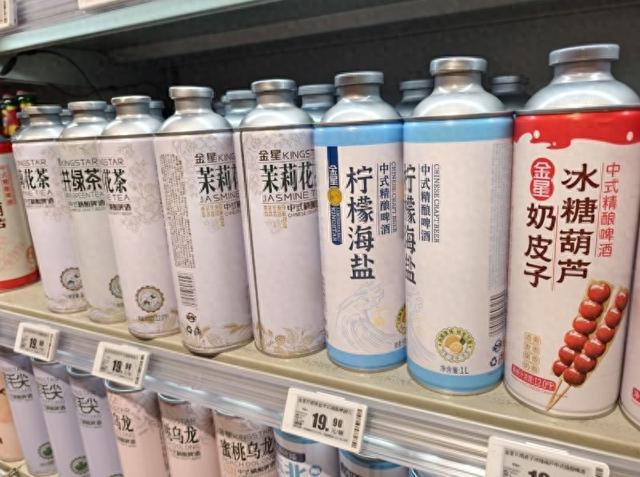
Core Viewpoint - Henan Jinxing Beer Co., Ltd. is embarking on an IPO journey in Hong Kong, aiming to enhance corporate governance, transparency, and secure capital for long-term product development and channel expansion [2][5]. Company Overview - Founded in 1982, Jinxing Beer has evolved from traditional beer to a focus on "Chinese craft beer," launching its first craft beer, Jinxing Maojian, in August 2024, which significantly boosted its performance [3][4]. - In 2023, the company reported revenues of 356 million yuan and a net profit of 12.2 million yuan, but by 2024, revenues surged to 730 million yuan, a 104.9% increase, with net profit reaching 125 million yuan, a 928% increase [3][4]. Financial Performance - For the first three quarters of 2025, Jinxing Beer achieved revenues of 1.11 billion yuan, a 191.2% increase year-on-year, and a net profit of 305 million yuan, a 1095.8% increase [3][4]. - The company has become the eighth largest in China's beer industry and the fifth largest domestic beer company, with a retail sales compound annual growth rate (CAGR) of 23.7% from 2022 to 2024 [4]. Product Pricing and Profitability - Jinxing Beer’s craft beer is priced significantly higher than traditional beers, with craft beer retail prices around 20 yuan per can (1L), compared to traditional beers priced between 2.5 yuan per can (330ml) and 6 yuan per bottle (500ml) [4]. - The gross margin has improved, with figures of 27.3%, 37.8%, and 47% for 2023, 2024, and the first three quarters of 2025, respectively, while net margins reached 3.4%, 17.2%, and 27.5% [4]. Market Position and Competition - Jinxing Beer faces increasing competition from major players like China Resources Beer and Yanjing Beer, which are expanding their craft beer offerings [6][9]. - The company relies heavily on distributors for sales, with 94.8% of its revenue coming from this channel, and has a network covering 29 provinces in China [7]. Strategic Outlook - The IPO is seen as a strategic move to strengthen Jinxing Beer’s market position amid intensifying competition, allowing for enhanced funding for innovation and brand development [5][9]. - The company aims to maintain its focus on Chinese craft beer while navigating the challenges posed by larger competitors and evolving market dynamics [8][9].

受伤的加盟商,狂欢的二手设备贩子——乐乐茶败走中原,一场关于新式茶饮的昂贵清算
3 6 Ke· 2026-01-16 02:30
Core Viewpoint - The tea brand Lelecha is facing significant challenges, including store closures and financial losses, leading to concerns about its future in the market [1][3][15] Group 1: Company Performance - Lelecha has officially closed its store in Zhengzhou, with claims from the company that it is not exiting the market but rather adjusting its store presence [1] - The brand has seen a negative net growth in stores, closing 132 locations in 2025, leaving approximately 399 operational stores [2] - Lelecha's financial struggles are compounded by its association with Nayuki, which acquired a 43.64% stake in Lelecha for 5.25 billion yuan, but this partnership has not yielded positive results [3][5] Group 2: Market Dynamics - The new tea beverage market is experiencing a shift from premium offerings to a focus on supply chain efficiency, with competitors like Mixue Bingcheng thriving by minimizing costs [9][15] - The industry is witnessing a significant decline, with over 35,000 stores closing in 2025, indicating a negative net growth despite the opening of over 90,000 new stores [12][15] - Lelecha's attempts to pivot to a franchise model with a low entry cost of 200,000 yuan are criticized as misleading, with actual costs often reaching 400,000 to 500,000 yuan [11] Group 3: Financial Implications - Nayuki's financial reports indicate a substantial adjusted net loss of 917 million yuan in 2024, with Lelecha's losses directly impacting Nayuki's financial health [3][5] - The partnership with Lelecha has turned into a liability for Nayuki, with the potential for significant financial repercussions if performance targets are not met [5][15] - The operational challenges faced by Lelecha, including high logistics costs and a fragmented supply chain, further exacerbate its financial difficulties [10][15]

哈萨克斯坦最大城市,满街中国品牌
21世纪经济报道· 2026-01-16 02:25
Core Viewpoint - Chinese brands have established a strong presence in Kazakhstan, becoming integral to the local economy and daily life, with significant growth in trade and investment between China and Central Asia [1][2]. Group 1: Market Growth and Chinese Brand Presence - China has become Central Asia's largest trading partner, with trade volume reaching $60.7 billion from 2017 to 2024, a 1.5 times increase [1]. - By 2024, China's direct investment and loans to Central Asia are expected to exceed $24 billion, with over 9,000 Chinese companies operating in the region [1]. - Kazakhstan is emerging as a key hub for Chinese enterprises' overseas growth, with a young population and high smartphone penetration (95%) [1]. Group 2: Integration of Chinese Brands - Chinese brands, including Haier, BYD, and Xiaomi, are increasingly integrated into the daily lives of Central Asian consumers, with visible presence in various sectors [2][7]. - The automotive sector has seen rapid growth, with Chinese manufacturers' market share in Kazakhstan rising from 2% in 2020 to 38% by 2024 [8]. - In the first nine months of this year, Chinese automotive brands captured 34.5% of the market share, with local production initiated by brands like Changan and Chery [8]. Group 3: Marketing and Consumer Behavior - The shift in perception of Chinese automobiles from low-cost to reliable technology reflects a broader acceptance among Central Asian consumers [9]. - The rapid technological advancements in China provide a competitive edge, as local consumers are open to new experiences and innovations [9]. - The e-commerce market in Central Asia is projected to reach $14.7 billion in 2024, with Kazakhstan's market alone estimated at $6 billion [12]. Group 4: Challenges and Localization - Companies entering the Central Asian market must navigate complex local languages and cultural differences, as each country has unique consumer habits [13]. - The regulatory environment varies significantly across Central Asian countries, necessitating thorough market research and local partnerships to mitigate risks [14][15]. - A dual approach of utilizing mainstream e-commerce platforms and developing direct-to-consumer channels is recommended for effective market penetration [12].

创始人张勇,“重新”掌舵870亿海底捞
Sou Hu Cai Jing· 2026-01-16 01:50
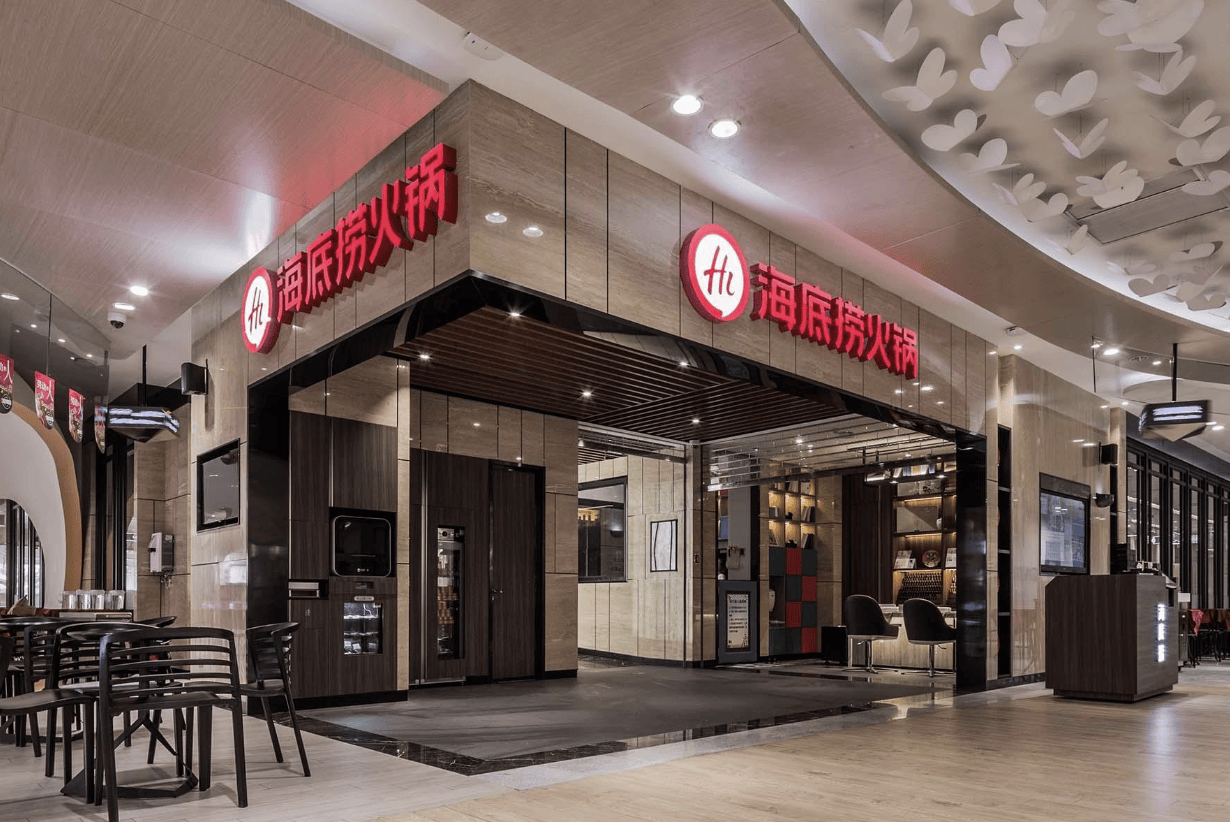
Core Insights - The changing consumer preferences are reflected in the shifts within the dining market, indicating that no single restaurant format can remain dominant indefinitely [1] - The current best solution for the restaurant industry is a focus on supply chain and standardization, which has led to higher valuations for supply chain companies compared to traditional restaurant businesses [1] - The capital market's preference has shifted towards tea beverage companies, which are currently valued higher than traditional dining establishments, a trend unlikely to reverse in the short term [1] Company Analysis - Despite achieving record performance, leading restaurant chain Haidilao has not seen a recovery in its valuation, indicating a disconnect between operational success and market perception [3] - Haidilao's rapid expansion from over 300 stores at its IPO to 1,300 stores by 2022 did not translate into proportional revenue growth, resulting in a net loss of 4.163 billion yuan in 2021 [6] - Under the leadership of Yang Lijuan, Haidilao shifted from aggressive expansion to a more conservative approach, leading to a revenue recovery to 41.453 billion yuan and a net profit of 4.499 billion yuan by 2023 [9] Market Dynamics - The restaurant industry is experiencing accelerated rotation effects, with the tea beverage sector expanding more easily and attracting more capital due to lower investment requirements compared to the hot pot industry [12] - Haidilao's attempts to diversify through the "Red Pomegranate Plan" and the introduction of multiple brands have not yielded the expected results, with revenue and net profit showing only slight increases and subsequent declines [10] - The valuation of tea beverage companies like Mixue Ice City is nearly double that of Haidilao, despite Haidilao's larger revenue scale, highlighting the market's preference for lighter asset models [12] Consumer Behavior - Changes in consumer preferences are causing significant impacts on the restaurant industry, with a noted decline in the performance of previously popular snack brands due to shifting tastes [14] - Haidilao's table turnover rate increased to 4.1 times per day in 2024 but fell to 3.8 times in the first half of 2025, indicating a decrease in customer traffic and average daily sales [14] - The higher price point of hot pot compared to tea beverages makes consumers more sensitive to pricing, contributing to the challenges faced by Haidilao [14]

一杯奶茶的全球之旅
Ren Min Ri Bao· 2026-01-15 22:03
Core Viewpoint - The rise of new-style milk tea, originating from China, is not only a beverage trend but also a cultural phenomenon that is reshaping global tea culture and promoting cross-cultural dialogue [1][6]. Group 1: Global Expansion of New-Style Milk Tea - New-style milk tea brands are expanding internationally, with notable entries in markets like North America, Southeast Asia, and Europe, utilizing various strategies such as direct sales, franchising, and joint ventures [2][3]. - The first U.S. store of Mixue Ice City is set to open in Los Angeles by the end of December 2025, sparking a social media buzz around its North American debut [1]. Group 2: Cultural Integration and Local Adaptation - New-style milk tea incorporates local flavors and ingredients, such as lemongrass and coconut sugar in Thailand and Malaysia, creating a fusion that resonates with local tastes and traditions [4]. - In the UK, new-style milk tea has redefined local tea culture by introducing Asian flavors and innovative preparation methods, appealing to a diverse demographic including local consumers and various ethnic groups [3][4]. Group 3: Aesthetic and Marketing Strategies - The visual presentation of new-style milk tea, characterized by colorful layers and creative designs, enhances its appeal on social media, making it a popular choice for young consumers [4][5]. - The branding and marketing language of new-style milk tea reflect traditional Chinese aesthetics, contributing to a positive cultural image and facilitating communication with global audiences [5][6]. Group 4: Cultural Significance - The global journey of milk tea represents a successful case of cultural exchange, showcasing a blend of traditional roots and modern trends, while fostering emotional connections and identity recognition among diverse populations [6].
高瓴出手!机器人租赁赛道火了
Shang Hai Zheng Quan Bao· 2026-01-15 15:48
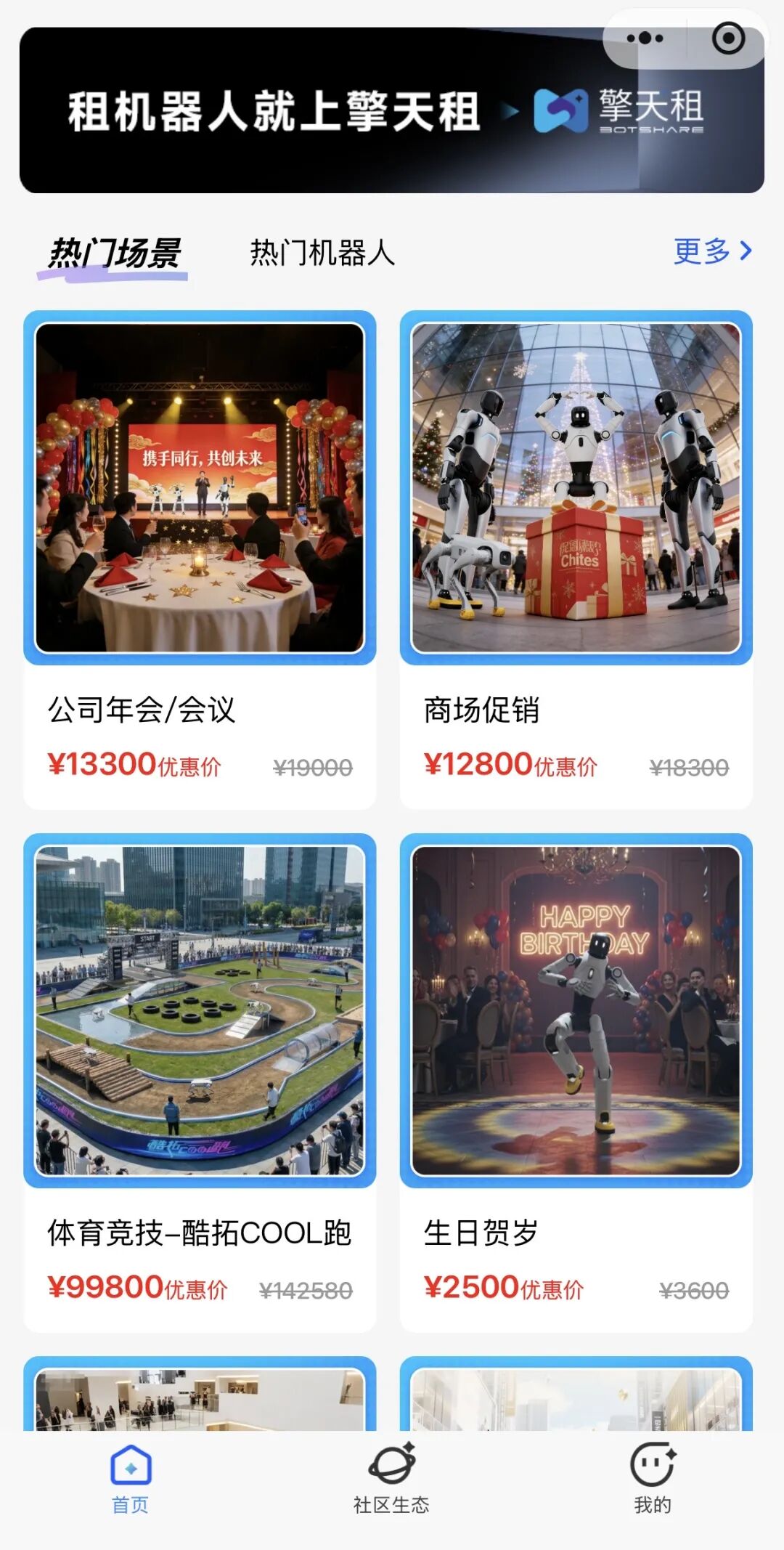
Group 1 - The first financing round for the global robot rental platform, Qingtian Rental, has been completed, led by GL Ventures with participation from several other investors [1] - Qingtian Rental is viewed as the "Didi of the robot industry," offering a standardized, low-cost, and scalable Robot as a Service (RaaS) model through resource integration [1][12] - The platform has already registered over 200,000 users and maintains an average of over 200 rental orders per day within three weeks of launch [12] Group 2 - The rental prices for robots on the platform range from 200 yuan to over 10,000 yuan per day, with specific examples such as the Lingxi X2 for 2,299 yuan per day [8] - Qingtian Rental aims to collaborate with over 10 robot manufacturers by 2026, expanding beyond its parent company, Zhiyuan Robotics [12] - The robot rental market is expected to reach a scale of no less than 10 billion yuan next year, driven by platform operations addressing the fragmentation and communication gaps in the market [12] Group 3 - Qingtian Rental has established partnerships with various chain brands such as Meiyijia and Haidilao, applying robot services in high-frequency scenarios like store promotions and operational activities [13] - The platform's approach reduces the trial and error costs of introducing new technologies into traditional settings, facilitating rapid deployment and optimization of robots in real commercial environments [13]

「机器人+」高瓴创投领投!机器人租赁成资本新焦点,擎天租上线三周完成种子轮融资
Hua Xia Shi Bao· 2026-01-15 14:40
Core Insights - The robot rental platform "Qingtian Rent" has quickly gained attention in the market, completing its seed round of financing just three weeks after launch, indicating strong investor interest in the service and application layer of the robotics industry [2][3] - The platform aims to address the "last mile" challenge in robot commercialization by offering flexible, on-demand rental services rather than traditional one-time sales [2][4] Financing and Investment - Qingtian Rent's seed round was led by GL Ventures, with participation from Fosun Capital, Muhua Innovation, Dafeng Fund, and Zhangjiang Group's Intelligent Company [3] - The funds will be used for national market expansion, platform technology and service system development, and deep collaboration with local governments and industry ecosystems [3] Market Potential - The robot rental market is projected to reach at least 10 billion yuan this year, reflecting a significant growth opportunity [2] - The platform has already registered over 200,000 users and maintains an average of over 200 rental orders per day, showcasing rapid adoption [5] Business Model and Services - Qingtian Rent's model transforms robots into flexible production factors that can be quickly deployed and paid for based on performance, rather than being sold outright [4] - The platform also offers additional services such as robot customization and collaboration with content production teams, enhancing its value proposition [4] Strategic Goals - The company aims to connect with over 10 robot manufacturers, develop 200 premium service providers, and serve 400,000 rental customers by 2026, establishing a nationwide robot service network [7] - Plans are in place to expand the service network to 200 cities within the year, making robot services as accessible as utilities [7] Competitive Landscape - The rental model is expected to mirror the growth trajectory of the drone industry, where rental services became popular before widespread adoption in other sectors [5] - Qingtian Rent is positioning itself as a neutral third-party platform, aiming to include various robot brands and avoid exclusivity, although challenges in compatibility and service standards remain [6]

机器人租赁时代爆发:「擎天租」种子轮融资,三周斩获20万用户
Xin Lang Cai Jing· 2026-01-15 14:10
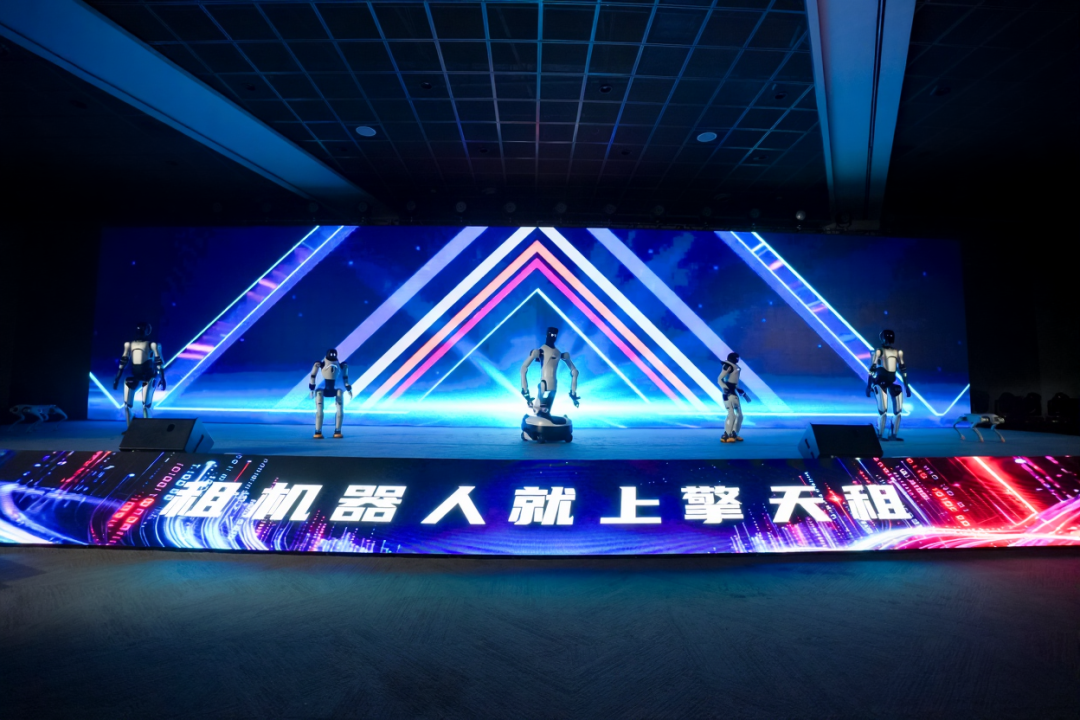
Core Insights - The article highlights the emergence of "Qingtian Rental," the world's first robot rental platform, aimed at addressing the high costs associated with humanoid robots, which can exceed hundreds of thousands of dollars, making them inaccessible for many businesses [1][3][10] Group 1: Company Overview - "Qingtian Rental" was officially launched on December 22, 2025, in Shanghai, initiated by leading companies in the embodied intelligence sector, including Zhiyuan Robotics and Feikuo Technology [3][10] - The platform employs a "shared rental + platform scheduling" model, transforming high-cost robot products into on-demand, standardized service capabilities, thus overcoming barriers to robot adoption [3][10] Group 2: Growth and Expansion - The platform has experienced rapid growth, with over 200,000 registered users within three weeks and an average of over 200 rental orders per day [5][10] - Recently, "Qingtian Rental" announced the completion of its seed round financing, led by GL Ventures, with participation from several investment firms. The funds will be used for national market expansion, technology optimization, and collaboration with local governments and industry ecosystems [5][11] Group 3: Market Validation and Partnerships - The rental model has been validated across various high-frequency scenarios, with partnerships established with well-known brands such as Meiyijia, Haidilao, and Mixue Bingcheng, where robots are utilized for store traffic, brand events, and operational activities [6][12] - The platform has also reported a surge in order demand during the New Year period, indicating market acceptance of the robot rental model [6][12] Group 4: Future Strategy - The chairman of "Qingtian Rental," Jiang Qingsong, proposed a "1234 strategy" aiming to connect with over 10 robot manufacturers, develop 200 premium service providers, gather 3,000 content creators, and serve 400,000 rental customers by 2026 [8][14] - The platform plans to expand its service network to 200 cities nationwide, making robot services as readily available as utilities like water and electricity [8][14]
西贝贾国龙再发声:当时谁帮西贝说话就被挂出来攻击,于东来跟我完全不认识
Xin Lang Cai Jing· 2026-01-15 13:29
Core Viewpoint - The chairman of Xibei, Jia Guolong, acknowledges the company's plan for "large-scale store closures" while defending Huashan against online attacks, questioning the bias against domestic brands compared to foreign ones [1][4]. Group 1: Company Background and Operations - Xibei has been collaborating with Huayi Huayi for ten years, focusing on brand building and business consulting [6]. - The company emphasizes customer service, offering refunds for any dissatisfaction, and claims to prioritize food quality and safety, asserting it ranks among the industry's leaders [6]. Group 2: Online Attacks and Public Relations - Jia Guolong expresses frustration over the online harassment faced by Xibei, stating that those who supported the company were also targeted, including notable figures like Yu Donglai and Yu Minhong [1][4]. - He criticizes the notion that domestic entrepreneurs are labeled as "local bosses" while foreign counterparts are favored, highlighting a perceived bias in public perception [1][6]. Group 3: Call for Regulatory Action - Jia questions the lack of regulatory oversight regarding online harassment and the impact on the business environment, urging for measures to stabilize enterprises and market expectations [3][7]. - He reaffirms the commitment to continue working with Huayi Huayi, describing Huashan as a loyal and principled individual [7].